Fishing Indiana’s Free Fishing Days in May and June
It's incredibly frustrating when you want to take the family out for a day of fishing, or just get some quiet time on the water yourself, but you're not sure about license requirements or where to even begin. Missing out on prime fishing opportunities because of confusion around regulations is a common headache, especially for new anglers or those visiting from out of state. This guide is here to clear up all that confusion surrounding Indiana's Free Fishing Days in May and June, helping you understand exactly when and how you can enjoy a fantastic day of fishing without needing a license.
Understanding Indiana's Free Fishing Days Calendar
Indiana's Free Fishing Days are a fantastic initiative by the Indiana Department of Natural Resources (DNR) to encourage more people to experience the joy of fishing. They offer a rare opportunity for both residents and nonresidents to cast a line without having to purchase a fishing license, making it perfect for beginners, families, or anyone just looking to try out the sport. However, knowing when these days are is crucial, as they don't happen every weekend, and they usually coincide with some pretty excellent fishing conditions.
Specific May and June Dates
While the exact dates can shift slightly from year to year, Indiana typically designates several specific days for free fishing. For 2026, the Indiana DNR has set aside a couple of prime opportunities. You'll usually find one standalone Free Fishing Day in May, often aligned with National Fishing and Boating Week activities, and then a full Free Fishing Weekend in June. For instance, in 2026, May 10th is a designated Free Fishing Day, followed by a Free Fishing Weekend on June 6th and 7th. These dates are absolutely golden for planning a trip, as they open up every public body of water to you, no license required. It's an ideal time to explore a new lake or river you've been curious about, or simply take the kids to their favorite pond for some guilt-free angling.
Why These Dates Are Chosen
The Indiana DNR isn't just picking dates out of a hat; there's a strategic reason these specific times are chosen. May and June are prime fishing months across the state. The water temperatures are generally rising, prompting many species, like largemouth bass, crappie, and bluegill, to become more active and move into shallower waters for spawning or feeding. This means fish are often more accessible and easier to catch, which is perfect for encouraging new anglers and ensuring a positive experience. The May date often serves as an early kick-off to the warmer weather fishing, while the June weekend provides a longer window, perfect for a family camping trip or an extended outing. These periods offer a higher chance of success, which, let's be honest, makes fishing a lot more fun, especially for kids!
Who Can Participate and What You Need to Know
One of the biggest questions that always comes up about Free Fishing Days is, "Does this apply to everyone?" The answer is a resounding yes! These days are truly for everyone, regardless of age, residency, or prior fishing experience. It's all about participation and removing that initial barrier of needing to buy a license. However, even though the license requirement is waived, it's vital to remember that not all rules go out the window.
License Exemptions for All Anglers
During Indiana's Free Fishing Days, the usual rule that states "Anyone aged 18 or older needs an Indiana fishing license" is temporarily suspended. This means that if you're an Indiana resident who normally needs to buy an Indiana Resident Annual Fishing License Cost or a nonresident who'd typically need an Indiana Nonresident Annual Fishing License Cost, you can fish freely on these specific dates. It's a fantastic chance for out-of-state visitors to experience Indiana's diverse fisheries without the upfront cost of a nonresident license. Imagine visiting a friend or family in Indiana during one of these weekends; you can grab a rod and join them without a second thought. This also extends to kids who are normally exempt – those Free Fishing for Indiana Residents Under 18 can still fish, but now the adults can too! It's an equalizer, ensuring everyone can participate side-by-side.
Regulations That Still Apply
While the license requirement is lifted, it's absolutely crucial to understand that all other fishing regulations remain in full effect. This isn't a free-for-all; it's a license-free opportunity within the existing framework of conservation. You still need to abide by all species-specific regulations, including:
- Bag Limits: The number of fish you can keep per day for each species (e.g., Indiana's Statewide Bass Daily Bag Limit, Indiana Panfish Daily Limits by Species, Indiana Crappie and Bluegill Daily Limits). These are put in place to ensure sustainable fish populations, and ignoring them can lead to serious penalties.
- Size Limits: Minimum or maximum lengths for certain species (e.g., Indiana's Walleye Minimum Length Rule, Walleye Length Exceptions at Bass Lake, Wolf Lake, and Lake George). Always measure your catch accurately before deciding to keep it.
- Gear Restrictions: While generally liberal, certain waters might have specific rules about bait or tackle. For example, some fly-fishing only sections or certain areas might prohibit live bait.
- Trout and Salmon Stamp: This is a big one that often catches people off guard. While you don't need a fishing license on Free Fishing Days, if you plan to fish for trout or salmon in specific designated waters where the stamp is normally required (like certain Lake Michigan tributaries), you still need to purchase a valid Indiana Trout and Salmon Stamp Requirements. The free fishing exemption is for the general fishing license, not for special stamps. This is a common point of confusion, and getting caught without the appropriate stamp can still result in a citation. For more details, you might want to look into whether Do Free Fishing Days Cover the Trout and Salmon Stamp? or What the Indiana Trout and Salmon Stamp Covers.
Table: Indiana Free Fishing Days – What's Exempt & What's Not
| Requirement | Exempt on Free Fishing Days? | Notes |
|---|---|---|
| General Fishing License | YES | Applies to all residents and nonresidents 18+ years old. |
| Trout & Salmon Stamp | NO | Still required if fishing for trout/salmon in designated waters (e.g., Lake Michigan tributaries). |
| Bag Limits | NO | All species-specific daily possession limits remain in effect. |
| Size Limits | NO | All minimum/maximum length restrictions for species are still mandatory. |
| Gear Restrictions | NO | Local rules regarding bait, tackle, or specific fishing methods still apply. |
| Public Access Fees | NO | Entry fees for state parks, boat launches, or private areas may still apply. |
Always double-check the latest Indiana Fishing Regulations Guide (available on the DNR website) before heading out, even on a Free Fishing Day. It's your responsibility to know the rules, and ignorance is rarely an acceptable excuse to conservation officers.
Making the Most of Your Free Fishing Day Trip
So, you've got the dates, you know the rules, now how do you make sure your Free Fishing Day is a memorable success? A little preparation goes a long way, especially if you're introducing new anglers to the sport. The goal isn't just to catch fish, but to enjoy the experience and build a lasting appreciation for the outdoors.
Planning Your Outing
The first step to a successful Free Fishing Day is choosing where you're going to go. Indiana has a wealth of fantastic fishing opportunities, from small, quiet farm ponds to expansive reservoirs and mighty rivers. For beginners, particularly those with kids, I always recommend starting small. Local ponds, city park lakes, or small state park lakes are often well-stocked, easily accessible, and generally less intimidating than large, open waters. Some great places to start looking might be the Best Fishing Spots in Indiana or Indiana State Parks for Fishing. You'll want to consider:
- Accessibility: Are there easy shore fishing spots? Is there a boat ramp if you plan to use a kayak or small boat? Are there facilities like restrooms and picnic tables?
- Target Species: What kind of fish are common in that water body? If you're hoping to catch bluegill with the kids, a small pond is likely better than a deep, clear lake known for muskie.
- Crowd Avoidance: Free Fishing Days can sometimes draw larger crowds. If you prefer solitude, try to find a less-known spot or go early in the morning.
Once you have a location, think about timing. Early mornings and late evenings are often the most productive times for fishing, especially as the May and June sun gets higher in the sky. If you're bringing young children, however, prioritizing comfort and engagement over peak bite times might be a better strategy. A shorter, fun trip that builds positive memories is more valuable than a long, frustrating one where no one catches anything.
Essential Gear for Beginners
You don't need a boatload of expensive gear to have a great time fishing, especially on Free Fishing Days. The simpler, the better, particularly for newcomers. Here's a basic checklist:
- Rod and Reel Combo: A simple, lightweight spinning rod and reel combo is perfect for most panfish and smaller bass. You can often find decent beginner setups for a very reasonable price online, sometimes even bundled with a basic tackle box. Amazon has a wide selection of these starter kits that are perfect for getting the whole family equipped without breaking the bank.
- Line: Spool your reel with 6-8 pound monofilament line. It's versatile and forgiving.
- Hooks: A variety pack of small (size 6-10) hooks for panfish and slightly larger (size 1/0 – 2/0) hooks for bass or catfish.
- Bobbers: Simple clip-on bobbers are a must for visual strike detection, especially for kids.
- Sinkers: Small split shot weights to get your bait down.
- Bait: Live bait is usually the easiest and most effective for beginners. Worms (nightcrawlers or red wigglers), crickets, or even corn can be incredibly effective for panfish. For bass, try soft plastic worms or spinnerbaits. If you're looking for where to start, check out some Best Bait Choices for Spring Fishing or Best Bait and Lures for Fall Fishing (even though it's May/June, some principles apply).
- Needle Nose Pliers: Essential for removing hooks safely.
- Bucket/Cooler: For keeping your catch fresh if you plan to take fish home (remember those bag limits!).
- Chair/Towel: For comfort while waiting for a bite.
- Sun Protection: Hat, sunscreen, sunglasses are crucial, even on cloudy days.
- Water & Snacks: Stay hydrated and energized!
Remember, the goal is to make it easy and enjoyable. Don't overload with too much tackle. Simplicity often leads to more success and less frustration for a new angler.
Bait and Lure Strategies for May and June
Given that May and June fall right in the prime active season for many Indiana fish, your bait and lure choices can really make a difference. Fish are often shallower and more aggressive during these months, especially during and just after spawning.
- Panfish (Bluegill, Crappie, Redear Sunfish): These are usually the easiest and most fun fish for beginners to target. Small worms (red wigglers are fantastic!), crickets, wax worms, or even tiny pieces of corn or bread on small hooks under a bobber are deadly. For crappie, small jigs tipped with a minnow or a soft plastic grub can be incredibly effective, especially around submerged brush piles or docks. Try techniques like Crappie Jigging Techniques for Beginners.
- Largemouth Bass: Bass are often in their post-spawn or early summer patterns by May and June. They'll be feeding heavily. Spinnerbaits, Texas-rigged plastic worms, crankbaits, and topwater lures (early morning/late evening) are all great choices. Focus on fishing near cover like lily pads, submerged timber, or weed lines. If you're just starting out, there are some great Bass Fishing Techniques for Beginners articles to get you started.
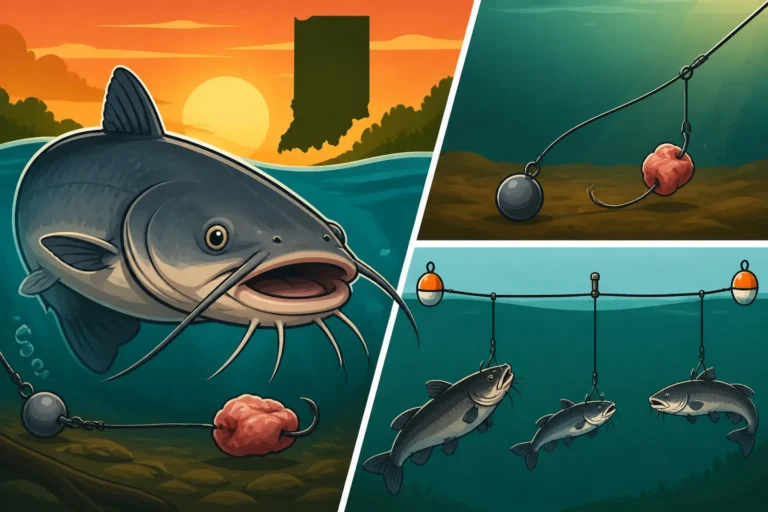
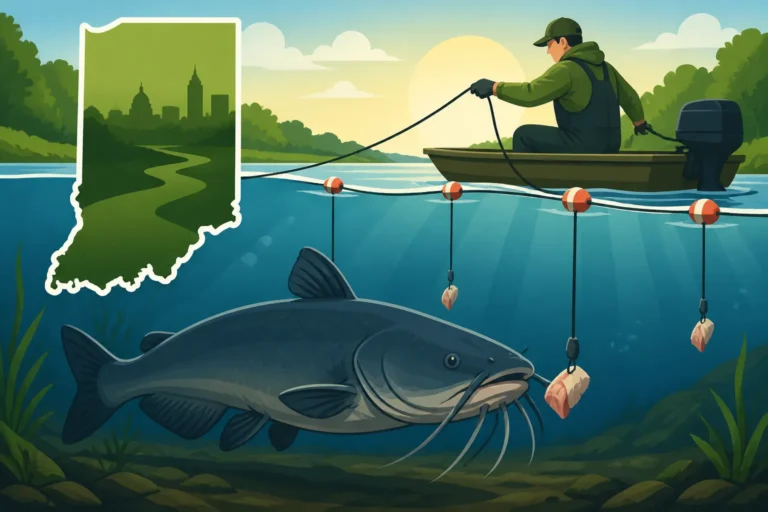
- Channel Catfish: Catfish become very active as the water warms. Bottom fishing with stink baits, cut bait, chicken livers, or even hot dogs can be incredibly effective. Rivers like the Wabash or White River, and most reservoirs, hold plenty of channel catfish. You can learn more about How to Catch Catfish: Bottom Fishing and Trotline Techniques.
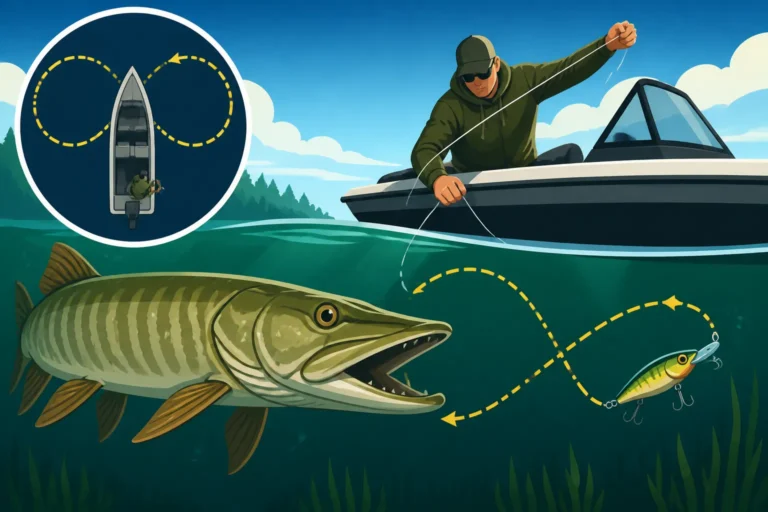
- Walleye: While often a bit more challenging, walleye can be caught in some of Indiana's larger lakes during this period, particularly in the northern glacial lakes. Trolling crankbaits or jigging with minnows or soft plastics can work, especially around rocky points or drop-offs.
A quick trip to a local bait shop can also yield great advice on what's biting and what baits are working best in your chosen waterway. Don't be shy about asking the folks behind the counter – they're usually a treasure trove of local knowledge!
Prime Species to Target During May and June Free Fishing
When you're out on one of Indiana's Free Fishing Days in May or June, you're hitting the sweet spot for a variety of species. The warming waters and increased insect activity mean many fish are active and hungry, providing excellent opportunities for anglers of all skill levels. Knowing what to target can help you pick the right location and prepare the right tackle, leading to a much more satisfying experience.
Panfish Extravaganza: Bluegill, Crappie, and Redear Sunfish
If you're looking for consistent action and a great way to introduce someone to fishing, panfish are your absolute best bet in May and June. These months are often peak season for bluegill, crappie, and redear sunfish as they move into shallower water for spawning and feeding.
- Bluegill: These feisty little fighters are abundant in almost every pond, lake, and slow-moving river throughout Indiana. In May and June, they're often found congregated in large numbers around docks, fallen trees, lily pads, or other shallow cover. They'll readily hit a tiny hook baited with a piece of worm, a cricket, or even a small artificial jig under a bobber. They're perfect for kids because of their aggressive bites and ease of catching. Plus, they make excellent table fare! You can explore more about Bluegill and Panfish: A Great Starter Fish for Kids in Indiana.
- Crappie: Both black and white crappie are usually done with their main spawn by early June, but they'll still be active and can be found in relatively shallow water, especially around submerged brush piles, timber, or bridge pilings. Small jigs (like Bobby Garland or Johnson Crappie Buster jigs) tipped with a minnow or a soft plastic grub are highly effective. You might catch a bunch if you find a good school! For specific daily limits, reference Indiana Crappie and Bluegill Daily Limits.
- Redear Sunfish: Often called "shellcrackers" for their ability to crush snails, redear sunfish are another fantastic panfish species. They tend to prefer cleaner, clearer waters than bluegill and are often found near the bottom. Worms or small beetle spins can entice them. They fight hard for their size and are delicious!
For panfish, the strategy is simple: light tackle, small hooks, and natural baits. Look for areas with submerged structure or vegetation in 3-10 feet of water.
Bass Action: Largemouth and Smallmouth
May and June offer some of the most exciting bass fishing of the year in Indiana. Both largemouth and smallmouth bass are highly active during this period, either recovering from the spawn, guarding fry, or aggressively feeding in warmer waters.
- Largemouth Bass: Indiana's most popular sport fish, largemouths are abundant in almost all lakes, ponds, and reservoirs. In May and June, they'll be moving between shallow spawning areas and slightly deeper cover as the season progresses. Look for them around lily pads, weed lines, fallen trees, boat docks, and brush piles. Spinnerbaits, Texas-rigged plastic worms, wacky-rigged Senkos, crankbaits, and topwater lures (especially at dawn and dusk) are all prime choices. Lakes like Monroe Lake: Indiana's Largest Lake for Bass Fishing or Patoka Lake Fishing Guide for Bass and Crappie are renowned for their bass fishing. Don't forget, the Indiana's Largemouth and Smallmouth Bass Daily Limit: 5 Fish Combined applies to both species.
- Smallmouth Bass: While less common than largemouths, smallmouth bass offer an exhilarating fight and are found in clearer, rockier lakes and many of Indiana's rivers, such as the St. Joseph, Tippecanoe, and White Rivers. In May and June, they'll be actively feeding around current breaks, rocky bottoms, and gravel bars. Small crankbaits, tubes, grubs, and soft plastic jerkbaits are excellent choices. They fight incredibly hard for their size!
Targeting bass often requires a bit more technique than panfish, but the rewards are well worth it. Focus on structure and cover, and experiment with different lures until you find what they're hitting.
The Bottom Dwellers: Channel Catfish
If you're looking for a strong pull and potentially a bigger catch, channel catfish are a fantastic target in May and June. As water temperatures rise, these fish become very active and hungry, often feeding voraciously.
- Channel Catfish: Found in virtually all of Indiana's large rivers, reservoirs, and many larger lakes, channel cats are opportunistic feeders. They love smelly baits! Chicken livers, cut bait (like shad or bluegill pieces), nightcrawlers, prepared stink baits, or even shrimp and hot dogs are all great options. Fish them on the bottom using a slip-sinker rig. Look for them in deeper holes, around submerged structures, or along channel edges in rivers and lakes. Night fishing can be particularly productive for catfish during these warmer months. If you're new to catfish, learning about Catfish Bottom Fishing Techniques can be really helpful.
Catfish are powerful fighters and can grow to impressive sizes, making them a thrilling catch. They're also excellent to eat, so remember your cooler!
Common Misconceptions and Rules to Remember
Even with the excitement of Free Fishing Days, a few common misunderstandings can trip up anglers. It's really important to get these cleared up so your trip stays fun and legal. You don't want a conservation officer showing up and ruining your day because of a simple oversight.
The Trout and Salmon Stamp Requirement
This is probably the most frequently misunderstood rule when it comes to Free Fishing Days. Many anglers assume that because they don't need a general fishing license, they don't need any other stamps or permits either. This is incorrect. The exemption on Free Fishing Days applies only to the state's basic fishing license. If you intend to fish for trout or salmon in waters where the Indiana Trout and Salmon Stamp Requirements would normally be required – such as Lake Michigan and its tributaries, or designated put-and-take trout streams – you still need to purchase and possess a valid Trout/Salmon Stamp.
Think of it this way: the fishing license gives you general permission to fish. The trout and salmon stamp is a specific permit for particular species and waters, funding those specific programs. It's a separate entity. So, if you're planning on chasing steelhead or salmon in a Lake Michigan tributary during the Free Fishing Weekend in June, make sure you've picked up your $11 Indiana Trout and Salmon Stamp Cost: $11. Failing to do so can result in a citation, even if you are otherwise fishing legally on a Free Fishing Day. It's always better to be safe than sorry, and a quick check on the Indiana DNR website will confirm the exact requirements for your chosen fishing spot.
Understanding Reciprocity on Border Waters
Indiana shares borders with several states, and this often leads to questions about fishing license reciprocity. Reciprocity means that a fishing license from one state might be valid in specific parts of a shared border water with another state. During Free Fishing Days, this situation becomes a bit unique.
- Normal Reciprocity: Under normal circumstances, Indiana has reciprocity agreements with neighboring states like Ohio, Michigan, Illinois, and Kentucky for certain border waters. For example, an Ohio resident with an Ohio license might be able to fish the Ohio River that borders Indiana without an Indiana license, and vice versa. You can learn more about Indiana Fishing License Reciprocity With Ohio or Indiana Fishing License Reciprocity With Michigan.
- Free Fishing Days: On Indiana's Free Fishing Days, you are explicitly allowed to fish Indiana's waters without an Indiana fishing license. This includes Indiana's portion of border waters. However, it's crucial to understand that this does not mean your Indiana Free Fishing Day exemption extends into the waters of a neighboring state. If you cast your line from Indiana into Ohio waters, or from Michigan into Indiana waters, on an Indiana Free Fishing Day, you are still bound by the regulations of the state whose waters you are fishing in. So, an Ohio resident fishing the Ohio River on an Indiana Free Fishing Day would be fine as long as they stay on the Indiana side or within the shared water covered by reciprocity, but if they crossed into Ohio-only waters, they would need an Ohio license (unless it's an Ohio Free Fishing Day too!).
The simplest advice is this: On Indiana's Free Fishing Days, you're good to go in Indiana waters. If you venture into another state's waters, assume you need that state's license unless you've specifically confirmed reciprocity and that state also has a Free Fishing Day in effect at that moment.
Public vs. Private Property Access
Another important distinction to remember is that "free fishing" applies to the license, not necessarily to access. Indiana's Free Fishing Days allow you to fish public waters without a license. This includes state-owned lakes, rivers, streams, and reservoirs, as well as publicly accessible areas within state parks, state forests, and DNR properties. Many city and county parks also have public fishing ponds.
However, these days do not grant you permission to trespass on private property. If a pond or lake is entirely on private land, you still need the landowner's permission to fish it, even on a Free Fishing Day. Similarly, while entry to state parks might be free on certain days, typically a gate fee still applies to enter Indiana's State Parks, even if you're only going there to fish. Always respect private property signs and be aware of any access fees for specific boat ramps or park entrances. Checking the DNR's fishing access maps or local park websites before you go can save you a lot of trouble. You might even find some Best Public Fishing Access Points in Indiana that are perfect for your free fishing adventure.
Finding the Best Spots for Free Fishing Days
One of the greatest benefits of Indiana's Free Fishing Days is the opportunity to explore new waters without the initial commitment of a license. But with so many options, how do you narrow it down? The key is to consider who you're fishing with and what kind of experience you're looking for.
Local Ponds and City Parks
For families, beginners, or those just looking for a relaxed, easygoing experience, local ponds and city parks are often your best bet. These spots are frequently stocked by the DNR or local conservation groups, ensuring a good population of catchable fish, especially panfish.
- Accessibility: Most city and county parks with fishing ponds offer easy bank access, paved paths, and amenities like restrooms, playgrounds, and picnic areas. This makes them ideal for an outing with young children or anyone with mobility challenges. Many even have fishing piers or designated accessible spots.
- Fish Species: You'll typically find an abundance of bluegill, sunfish, and sometimes stocked channel catfish or even largemouth bass. These species are generally eager to bite, providing consistent action that keeps new anglers engaged.
- Examples: Many communities throughout Indiana have fantastic local park ponds. For example, some ponds around cities like Indianapolis or Fort Wayne are great, often listed on municipal park websites. You can often find Best Fishing Spots Near Indianapolis, Indiana or Best Fishing Spots Near Fort Wayne, Indiana which include these highly accessible options. These spots are also usually well-marked regarding regulations and often have clear signage about what's allowed.
Starting simple in a well-maintained local park pond can build confidence and enthusiasm for fishing, setting the stage for more adventurous trips in the future.
State Parks and Reservoirs
If you're looking for a slightly more immersive experience, or perhaps a chance at bigger fish, Indiana's state parks and large reservoirs offer incredible opportunities during Free Fishing Days.
- State Park Lakes: Many Indiana State Parks feature beautiful lakes that are managed for excellent fishing. These lakes often have diverse fish populations, including bass, crappie, bluegill, and sometimes walleye or catfish. They offer a more natural setting, often with boat rentals, hiking trails, and camping options if you want to make a weekend of it. While the fishing license is free, remember that park entrance fees typically still apply. Check out places like Indiana State Parks for Fishing to find a great destination.
- Large Reservoirs: Indiana boasts several massive reservoirs like Monroe Lake, Patoka Lake, Brookville Lake, and Mississinewa Lake. These bodies of water offer vast expanses, diverse habitats, and the chance to catch trophy-sized bass, walleye, crappie, and catfish. They often have multiple public access points, boat ramps, and extensive shorelines to explore. While they can be more challenging to fish due to their size and depth, the potential rewards are significant.
- Rivers: For those who enjoy current, Indiana's rivers like the Wabash, White, and Tippecanoe offer excellent fishing for smallmouth bass, channel catfish, and sometimes even walleye. Access points are often found at public parks, bridges, or designated river access sites. Fishing rivers can require different techniques, so doing a little research on Fishing the Wabash River in Indiana or Fishing the White River in Indiana might be beneficial beforehand.
When choosing a larger lake or reservoir, consider the specific species you want to target and then research what areas of that lake are best known for those fish during May and June. The DNR website often has detailed fishing guides for specific lakes, including maps and species information.
Final Thoughts on Your Free Fishing Adventure
Indiana's Free Fishing Days are more than just a regulatory waiver; they're an invitation to connect with nature, create memories with loved ones, and discover a passion for angling. Whether you're an experienced angler trying out a new technique or a complete novice casting a line for the very first time, these days provide a perfect, low-barrier entry point into the wonderful world of fishing. Just remember to respect the rules, the fish, and your fellow anglers, and you're sure to have a fantastic time.
Disclaimer
Please note that fishing regulations can change. While this guide provides the most current information available, it is always the angler's responsibility to check the latest Indiana Department of Natural Resources (DNR) fishing guide or website for the most up-to-date regulations before heading out. This content is for informational purposes only and does not constitute legal advice.