Free Fishing for Indiana Residents Under 18
It can be incredibly confusing trying to figure out all the rules and regulations that come with fishing, especially when you're trying to introduce the joy of angling to the younger generation. Many parents and guardians in the Hoosier State find themselves wondering if their kids need a license, which can feel like an extra hurdle before even casting a line. This comprehensive guide is here to clear up any confusion and confirm the fantastic news: Indiana residents under 18 can fish for free, no license required!
Understanding Indiana's Youth Fishing License Rules
One of the best things about living in Indiana, especially if you have kids who love the outdoors, is how accessible fishing is made for our youngest residents. The Indiana Department of Natural Resources (IDNR) has a clear policy designed to encourage youth participation, which is a real breath of fresh air when you're used to navigating tricky regulations for adults.
The Age Cutoff for Free Fishing
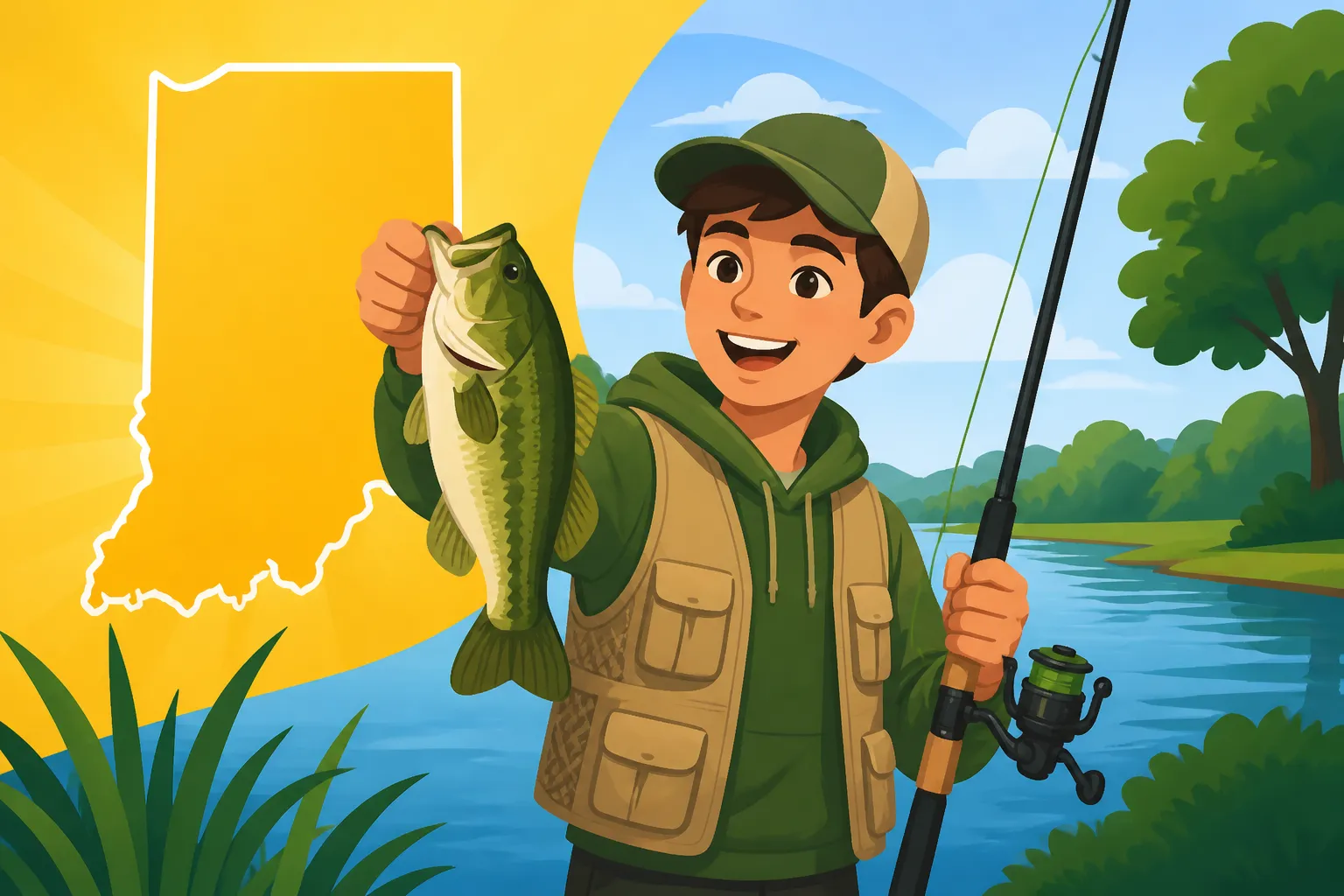
Let's get straight to the point: if your child is an Indiana resident and hasn't yet celebrated their 18th birthday, they do not need an Indiana fishing license. That's right, it's absolutely free for them to enjoy fishing in the state's public waters. This isn't a temporary promotion or a special event; it's a standing rule designed to make it easy for families to get out on the water. It saves you money and eliminates one more piece of paperwork, which, let's be honest, is a huge win for busy parents.
It's a common question, and one that often causes people to pause before heading to the local bait shop or trying to purchase something online. You might hear whispers at the boat ramp or see online discussions where people are unsure, but rest assured, the official stance is clear: kids under 18 fish free. This applies whether they're dangling a worm off a dock at a local pond or trying their hand at reeling in a bass from one of our larger reservoirs. You can find more detailed information on this by looking into topics like Do Indiana Residents Under 18 Need a Fishing License?.
Why This Rule Matters for Families
This rule is more than just a minor convenience; it's a fundamental aspect of promoting family time and outdoor recreation in Indiana. Imagine the scene: you've packed the cooler, gathered the rods, and the kids are bouncing with excitement. The last thing you want is to realize you forgot to buy a separate, expensive license for each child. The "free fishing for under 18" rule removes that financial and bureaucratic barrier, making it simpler for parents, grandparents, and guardians to share their love of fishing without added stress.
It directly impacts how often families can realistically go fishing. If you have two or three kids, the cost of multiple youth licenses could quickly add up, potentially discouraging frequent outings. By making it free, the IDNR is investing in the next generation of Hoosier anglers, ensuring that fishing remains an affordable and accessible pastime for everyone. It truly embodies the spirit of getting back to nature and enjoying what Indiana's beautiful waterways have to offer, without a prohibitive price tag attached to the kids' participation.
Dispelling Common Misconceptions About Youth Licenses
Despite the clarity of the rule, there are still a few common misunderstandings floating around that we should address head-on. One frequent question is whether the "free" aspect is tied to a specific type of fish or body of water. Some might wonder if it only applies to panfish in small ponds, but not to bass in larger lakes or certain river species. The answer is simple: if they are an Indiana resident and under 18, the free fishing rule applies to all legal species in all public waters within the state, as long as they are following all other fishing regulations.
Another misconception is that kids need some form of "junior" license or a special ID. This is also not true. While it's always good practice for kids to carry some form of identification if they're older and fishing independently (like a school ID or a copy of a birth certificate, though not legally required for fishing), they do not need any official fishing-specific document from the IDNR. The simple fact of their age and residency is enough. This streamlined approach allows for spontaneity; you can decide on a sunny afternoon to grab the rods and go without worrying about a quick trip to get a license first. It's truly a fantastic policy summarized well by the topic Kids Fish Free Until Age 18 in Indiana.
Specific Scenarios for Under-18 Anglers
The beauty of the free fishing rule for Indiana residents under 18 is its broad applicability. It simplifies things across almost every common fishing scenario, from casual family outings to more structured events. Let's break down how this works in various real-life situations.
Fishing with Parents or Guardians
This is probably the most common scenario for young anglers, and it's where the free license rule shines brightest. When you're heading out to Monroe Lake, Patoka Lake, or even a local creek, your kids can fish right alongside you without needing their own license. As long as you, the adult, have your current Indiana Fishing License Requirements Explained, your young ones are good to go.
Think about a Saturday morning trip to a local state park lake, like Turkey Run or Brown County, with your son or daughter. You've taught them how to bait a hook, cast a line, and perhaps even identify a bluegill. With this rule, there's no additional cost or paperwork for them. You simply focus on teaching them the ropes, enjoying the quiet moments, and celebrating those first catches together. It truly encourages mentorship and passing down the love of fishing from one generation to the next, fostering those invaluable memories without the hassle of extra licenses for the kids.
Solo Fishing Trips for Young Anglers
While most young kids will be accompanied by an adult, teenagers often crave a bit more independence. An Indiana resident under 18 can absolutely go fishing by themselves, or with other friends who are also under 18, and still not need a license. This empowers young people to explore local ponds, rivers, and lakes on their own terms, developing their skills and confidence as anglers.
Imagine a 16-year-old in South Bend or Fort Wayne, with a passion for fishing, wanting to spend a summer afternoon at a nearby fishing spot. They've saved up for their own rod and reel – maybe even found a great deal on a starter kit on Amazon – and they know the local regulations. Because of this rule, they can pack their tackle box and head out without needing to ask a parent to buy a license for them. This freedom is crucial for developing lifelong hobbies and appreciating Indiana's natural resources. Of course, they still need to adhere to all other rules, such as Indiana Fishing Regulations and Bag Limits Guide, but the license itself isn't a concern until their 18th birthday.
Participating in Youth Fishing Events
Throughout the year, many communities, conservation groups, and the IDNR itself host youth fishing derbies, clinics, and educational events. These events are fantastic opportunities for kids to learn new techniques, meet other young anglers, and often catch a lot of fish! The great news is that the free fishing rule generally applies to these events as well.
For instance, if there's a "Kids' Fishing Day" at a local park pond, participants under 18 will not need a license to take part. This makes these events highly accessible, ensuring that every child, regardless of their family's budget for fishing licenses, can experience the joy of the sport. It's a wonderful way to introduce fishing to kids who might not otherwise have the opportunity, fostering a connection to the outdoors and potentially sparking a lifelong passion. The IDNR sometimes hosts special programs during Indiana Free Fishing Days Guide, which further extends license-free opportunities to all ages, but the under-18 rule is a year-round benefit for residents.
What's NOT Covered by the Free Youth Rule
While Indiana's free fishing rule for residents under 18 is wonderfully generous, it's crucial to understand its limits. There are specific circumstances and requirements that even young anglers need to consider. Ignoring these could lead to unexpected issues, so let's clarify where the "free" aspect doesn't extend.
Special Stamps for Trout and Salmon
This is probably the most significant caveat to the "free fishing" rule for young anglers. If an Indiana resident, regardless of age, plans to fish for or possess trout or salmon in specific waters where they are stocked, they will need a special stamp. This is known as the Indiana Trout and Salmon Stamp. So, if your 15-year-old is dreaming of catching a beautiful rainbow trout in a put-and-take stream, or if your family is heading up to Lake Michigan to try for coho or Chinook salmon, that stamp is required.
It's a common point of confusion because the base license is waived, but the stamp is a separate requirement tied to specific species management. The stamp helps fund stocking programs and conservation efforts for these particular fish. So, while your child won't need the standard annual fishing license, make sure you check into the Indiana Trout and Salmon Stamp Requirements if those species are on your target list. This stamp is typically a small additional cost, but it's vital to have it if you're pursuing these exciting cold-water fish.
Non-Resident Youth Anglers
The free fishing privilege is specifically for Indiana residents under 18. If you have visiting relatives or friends from another state – say, from Ohio, Michigan, Illinois, or Kentucky – and their child wants to fish in Indiana, that child will need a non-resident fishing license, regardless of their age. This is a critical distinction that sometimes catches families off guard, especially when planning multi-state vacations or inviting friends to fish.
Non-resident licenses come in various durations, such as a 1-day or 7-day option, which can be more practical for short visits. It’s always best to check the current Indiana Fishing License Costs for Residents and Nonresidents or specifically refer to the Indiana Nonresident Fishing License Guide to ensure everyone is covered. It's designed to ensure fairness, as Indiana residents generally have similar requirements when fishing in other states. So, if your niece from Illinois is coming to visit and wants to try her luck on the White River, you’ll need to make sure she’s properly licensed.
Commercial Fishing Activities
While unlikely for most recreational youth anglers, it's worth noting that the free fishing rule for under-18 residents applies strictly to recreational fishing. Any commercial fishing activities, which are generally highly regulated and involve selling catch, would fall under entirely different licensing and permit structures.
For example, if a young person were involved in a commercial fishing operation, perhaps as part of a family business that targets specific commercial species, they would be subject to the same commercial licensing requirements as any adult in that industry. This distinction is important for clarity, although it rarely impacts the average family planning a fun day on the lake. The focus of the IDNR's youth policy is squarely on promoting personal, recreational enjoyment of Indiana's aquatic resources.
Benefits Beyond Just Cost Savings
The rule allowing Indiana residents under 18 to fish for free offers advantages that extend far beyond simply saving a few dollars on a license. It’s a strategic policy that positively impacts communities, fosters essential life skills, and contributes to the long-term health of our natural environment.
Encouraging Outdoor Recreation
In an age where screens and indoor activities often dominate children's free time, policies that actively encourage outdoor recreation are invaluable. Free fishing removes a barrier that might otherwise keep kids indoors. Parents might hesitate to spend money on a license for a child who's just trying fishing for the first time, unsure if they'll even like it. By making it free, the IDNR provides a low-stakes entry point into a rewarding outdoor hobby.
This encourages families to spend more time together in nature, exploring Indiana's diverse landscapes from the serene glacial lakes of the north to the rolling hills and reservoirs of the south. Whether it's casting a line from a pier, wading into a stream, or dropping a bobber from a small boat, these experiences teach children to appreciate the natural world around them. It's about developing an active lifestyle and making memories, not just about catching fish. Families might find themselves exploring new destinations, perhaps discovering some of the Best Fishing Lakes in Indiana by Region, all because the initial hurdle of a youth license was removed.
Fostering Conservation Ethics Early
When children are given the opportunity to engage with nature, they naturally develop a stronger connection to it. Fishing, in particular, offers a unique platform for teaching vital conservation ethics from a young age. When kids understand that the fish they catch come from a healthy ecosystem, they are more likely to care about protecting that environment. The free license encourages this early exposure.
As parents and mentors, we can use these fishing trips to explain the importance of catch-and-release for certain species, adhering to Indiana's Statewide Bass Daily Bag Limit or Indiana Panfish Daily Limits by Species, and respecting the habitats where fish live. Teaching them about litter prevention, responsible bait usage, and the delicate balance of aquatic ecosystems becomes much more impactful when they are actively participating in the sport. These early lessons in stewardship are critical for developing a generation of environmentally conscious citizens who will advocate for the health of Indiana's waterways. It's not just about what they can catch, but what they learn to protect.
Making Fishing Accessible for All Indiana Families
Socioeconomic factors can often limit access to recreational activities. For families facing financial constraints, adding multiple fishing licenses to their budget might make fishing seem out of reach. The free youth license directly addresses this by making fishing a more equitable pursuit. It ensures that every Indiana child, regardless of their family's income, has the chance to experience the joy and educational benefits of fishing.
This accessibility is key to ensuring that fishing remains a diverse and inclusive sport. It opens doors for urban youth who might not have had much exposure to natural environments, as well as for rural families. Community programs and initiatives can leverage this rule to engage more children, knowing that the basic cost of entry (the license) is eliminated. It creates a welcoming environment for all, promoting the idea that Indiana’s natural resources are a shared heritage for everyone to enjoy and cherish. Imagine a youth group from an inner-city neighborhood being able to take a trip to a local pond without the organization needing to budget for multiple children's licenses – it’s a game-changer for access.
Preparing for a Successful Youth Fishing Trip
Even though kids under 18 fish for free in Indiana, a successful and enjoyable outing requires a bit of preparation. You want to make sure the experience is positive, educational, and, above all, fun! Getting the right gear, knowing where to go, and understanding the basic rules are key ingredients.
Essential Gear for Young Anglers
You don't need to break the bank to get your kids started in fishing, but having the right basic gear can make a huge difference in their enjoyment and success. For young children, simplicity is key. A simple spincast rod and reel combo is usually the best bet. These are easy to cast and operate, minimizing tangles and frustration. Brands like Ugly Stik or Zebco offer durable, kid-friendly options that you can often find affordably on Amazon or at local sporting goods stores. Look for a lightweight setup that matches their size.
Beyond the rod and reel, you'll need:
- Simple tackle: Bobbers (small and brightly colored are great for visibility), hooks (size 6 or 8 are versatile for panfish), and some sinkers (split shots work well).
- Bait: Live bait like worms or crickets are often irresistible to panfish and very exciting for kids to use. Small artificial lures like jigs or spinners can also be effective.
- A bucket: Not just for fish, but for carrying gear, or even sitting on!
- Sun protection: Hats, sunglasses, and sunscreen are crucial for long days outdoors.
- Snacks and drinks: Keep energy levels up and spirits high!
- A first-aid kit: Small cuts from hooks can happen, so be prepared.
- A small net: Helps with landing fish and minimizes handling for kids.
You don't need fancy electronics or a huge tackle box. Focus on the essentials to make the experience enjoyable and minimize complications. For more in-depth advice, consider checking out guides on Best Fishing Rods and Reels for Freshwater Fishing or even Best Beginner Fishing Kits for Kids to get started without overwhelm.
Finding Family-Friendly Fishing Spots
Choosing the right location is paramount, especially when fishing with children. You want spots that are safe, easily accessible, and likely to yield some action to keep their interest. Indiana has a fantastic array of options, from well-maintained state park lakes to smaller, quieter community ponds.
When looking for a spot, consider:
- Accessibility: Paved paths, restrooms, and easy access to the water are big plusses.
- Safety: Avoid areas with strong currents, steep banks, or heavy boat traffic. Designated fishing piers or calm coves are ideal.
- Likelihood of catching fish: Kids don't need to catch a trophy, but consistent bites, even from small bluegill or sunfish, keep them engaged. Look for waters known for panfish.
- Amenities: Picnic areas, playgrounds, or nearby nature trails can extend the fun beyond just fishing.
Many Indiana State Parks offer excellent fishing opportunities with family-friendly facilities. Local city and county parks often have stocked ponds perfect for a quick trip. Websites like the IDNR's "Where to Fish" guide are invaluable resources. You might also want to explore topics like Best Fishing Spots in Indiana or Family-Friendly Fishing Spots in Indiana for specific recommendations that cater to youth anglers. Don't be afraid to ask local bait shop owners for their advice—they're often a treasure trove of local knowledge!
Understanding Basic Fishing Regulations
Even though kids under 18 don't need a license, they (and you!) still need to understand and follow all other state and local fishing regulations. This is vital not only for compliance but also for teaching responsible angling practices. These regulations include:
- Bag and size limits: There are rules about how many fish of a certain species you can keep and sometimes minimum or maximum sizes. For example, Indiana's Statewide Bass Daily Bag Limit sets the number of bass you can retain.
- Seasonal restrictions: Some species might have specific seasons when they can or cannot be harvested.
- Protected species: Be aware of any endangered or protected species in the area you're fishing.
- Specific water body rules: Certain lakes or rivers might have unique regulations that differ from statewide rules. For instance, Lake Michigan Fishing Rules for Indiana Anglers are often distinct due to its unique ecosystem.
- Prohibited methods: Ensure your fishing methods are legal (e.g., no snagging, using too many lines, etc.).
It's a good idea to download or pick up a copy of the current Indiana Fishing Guide from the IDNR website or a local license vendor. Review it with your kids so they understand these rules are in place to protect fish populations and ensure good fishing for everyone. Teaching them these rules early helps them become respectful and ethical anglers for life.
| Age Group | Indiana Resident | Non-Resident | Trout/Salmon Stamp (if applicable) |
|---|---|---|---|
| Under 18 | FREE | REQUIRED | REQUIRED |
| 18-64 | REQUIRED | REQUIRED | REQUIRED |
| 65+ (Annual) | DISCOUNTED | REQUIRED | REQUIRED |
| 65+ (Fish-for-Life) | One-Time Fee | Not Available | Separate Purchase |
This table summarizes the general fishing license and stamp requirements for different age and residency groups in Indiana, highlighting the special status for residents under 18.
What Happens When Kids Turn 18?
The freedom of fishing without a license in Indiana lasts until a resident angler's 18th birthday. This is an important milestone that brings with it a new set of responsibilities and opportunities. It’s a transition that every young Hoosier angler will eventually face, and it’s good to be prepared.
Transitioning to an Adult License
The moment an Indiana resident turns 18, they are officially considered an adult angler by the IDNR. This means they will need to purchase an appropriate fishing license to continue fishing legally in Indiana's public waters. This transition is straightforward; they'll simply need to obtain a resident annual fishing license, or perhaps a different type of license if their plans are specific.
This is a great opportunity to reinforce all the lessons about responsible angling you've taught them over the years. It's also a chance for them to take ownership of their hobby, understanding that contributing to license fees directly supports the conservation and management efforts that keep Indiana's fisheries healthy. They can easily purchase their first adult license online, at a local retailer, or through the IDNR's mobile app. If they're unsure of the options, referring to How to Get an Indiana Fishing License or Indiana Resident Annual Fishing License Cost will provide all the necessary details. It's not a punitive measure, but rather a rite of passage into full adult angling responsibility.
Planning for Future Fishing Costs
Once an angler turns 18, fishing in Indiana comes with a modest annual cost for the license. This is something to factor into their budgeting for fishing gear and trips. While the cost is generally quite affordable, especially compared to many other recreational activities, it's a recurring expense. If they also plan to target trout or salmon, they'll need to remember the additional cost of the Indiana Trout and Salmon Stamp Cost: $11 each year.
This is a good time for young adults to think about their commitment to fishing. Will they be fishing frequently enough to justify an annual license, or would a short-term license be more suitable if they only plan one or two trips out of state (though for Indiana residents fishing in Indiana, the annual is usually the best value)? Some anglers might consider the overall Total Cost of an Indiana Fishing License With the Trout Stamp to ensure they're fully covered for all their preferred species. Understanding these costs early helps them manage their hobby without any surprises and encourages thoughtful planning for their outdoor pursuits.
Encouraging Continued Participation
The goal of offering free fishing to youth is to foster a lifelong love for the sport and for the outdoors. Even after turning 18 and needing to purchase a license, the hope is that young adults will continue their angling adventures. The skills learned, the memories made, and the appreciation for nature cultivated during their license-free years should carry forward.
Encourage them to explore new fishing techniques, try different species, or even get involved in local conservation groups. Many adult anglers find immense satisfaction in mentoring younger generations, giving back to the sport that brought them so much joy. The journey from a curious child with a borrowed rod to a seasoned angler with their own preferred gear (perhaps purchased from Amazon for convenience!) is a rewarding one, and the transition to an adult license is just another step in that exciting adventure.
Disclaimer
Please remember that fishing regulations can change. While this guide aims to provide accurate and up-to-date information, it is always your responsibility to consult the most current Indiana Department of Natural Resources (IDNR) fishing regulations before heading out. This content is for informational purposes only and should not be considered legal advice.