Best Season to Catch Largemouth Bass
One of the biggest questions I get from fellow anglers is "When's the best time to chase those big Indiana largemouth bass?" It's a valid frustration because bass fishing isn't a static sport; it changes with every season, every temperature fluctuation, and even the time of day. This comprehensive guide will walk you through the nuances of each season, helping you understand the bass's behavior and maximize your chances of hooking into that trophy fish, no matter the time of year.
Spring: The Awakening and the Feast
Ah, spring! There's a certain magic in the air as the ice retreats and the waters begin to warm. For largemouth bass anglers in Indiana, this season represents one of the most exciting and productive times of the year. The fish, having been sluggish through the cold months, are ready to eat, move, and eventually, spawn. Understanding these shifts is key to a successful spring outing.
Pre-Spawn Boom
As soon as the water temperature creeps into the mid-40s and continues its climb into the low to mid-50s, largemouth bass really start to wake up. They shake off their winter lethargy and begin a crucial period of intense feeding, often referred to as the pre-spawn. This is when they're bulking up, packing on calories in preparation for the energy-intensive spawning process. You'll find them moving from their deeper winter haunts into shallower waters, particularly around points, rock piles, channel swings, and submerged cover like brush piles. They're looking for baitfish and crawfish that are also becoming more active with the rising temperatures. This is a fantastic time for anglers because the bass are often aggressive and less finicky than they might be later in the year.
Think about those days when the sun has been out for a few days straight, warming up the shallower coves and dark bottoms. The bass will migrate to these areas because they warm up faster, creating comfortable feeding zones. You might find them suspended over humps or cruising flats adjacent to deeper water, ready to ambush prey. Many anglers consider this period to be the Best Season to Catch Largemouth Bass in terms of sheer numbers and consistent action. For more on how water temperature impacts fish, check out our guide on Best Water Temperature for Bass Fishing in Indiana.
The Spawning Ritual
Once water temperatures consistently hit the high 50s and low 60s, typically from late April through early June in many Indiana lakes, the largemouth bass enter their spawning phase. This is when the males move into very shallow, protected areas like coves, pockets, and along shorelines with good cover to build their nests. These nests are typically circular depressions cleared out on the bottom, often near stumps, logs, docks, or lily pad stems. The males guard these nests fiercely, fanning away silt and protecting the eggs once the female has laid them. During this time, the bass's primary motivation isn't feeding, but protection.
This is a time when sight fishing can be incredibly effective, especially on clear water lakes. You'll spot the dark-colored males on their beds, and a well-placed bait can often provoke a territorial strike. However, it's also a time for responsible angling. While it's exhilarating to catch a bedding bass, remember that you're pulling them away from their critical role in protecting the future generation. Many anglers advocate for a quick catch-and-release to minimize stress and allow the fish to return to their nest swiftly. For more detail, refer to our guide on Indiana Bass Spawn Timing and Pre-Spawn Patterns.
Post-Spawn Recovery
After the arduous spawning process, which can last a few weeks for individual fish, largemouth bass enter the post-spawn phase. The females, especially, are often exhausted and thin, needing to recover and replenish their energy reserves. They'll typically move off the beds to slightly deeper water, often suspending near drop-offs or deeper cover adjacent to the spawning flats. The males, after guarding the fry for a period, will also begin to transition back into a feeding mode. This period generally coincides with late spring to early summer.
During post-spawn, bass are still hungry, but their aggression might be a bit lower than in pre-spawn. They're looking for an easy meal, so presentations that mimic struggling baitfish or crawfish can be highly effective. They'll often school up in these transitional areas, so if you catch one, there are likely more around. Understanding these Bass Post-Spawn Patterns in Indiana can make a huge difference in your success. Don't be afraid to experiment with different depths and retrieves.
Summer: Deep Water and Early Morning Bites
Indiana summers bring warm temperatures, beautiful sunshine, and unfortunately, often more challenging bass fishing conditions. The intense heat warms the surface waters, driving many largemouth bass into deeper, cooler, and more oxygenated zones. However, this doesn't mean you can't catch them; it just means you need to adjust your tactics and timing.
The Dog Days and Deep Structure
As summer progresses and water temperatures soar into the 70s and 80s, largemouth bass seek refuge in cooler, deeper water. They'll often relate to offshore structures like humps, ledges, submerged roadbeds, creek channels, and significant brush piles. This is where a good fish finder becomes invaluable, helping you pinpoint these crucial bass holding areas. They'll also hold tight to heavy cover like dense weed beds, lily pads, and thick stands of hydrilla, which provide shade and ambush points.
During the hottest parts of the day, these bass become less active. Your best bet is to target them during periods of low light – early mornings, late evenings, or even at night. Slow, methodical presentations with deep-diving crankbaits, jigs, or Texas-rigged worms can coax strikes. You'll need to be patient and precise with your casts, dropping your bait right into their strike zone. If you're looking for specialized baits for these conditions, you can often find a wide selection of deep-diving crankbaits and heavy-duty jigs on Amazon, perfect for penetrating dense cover.
Morning and Evening Feeds
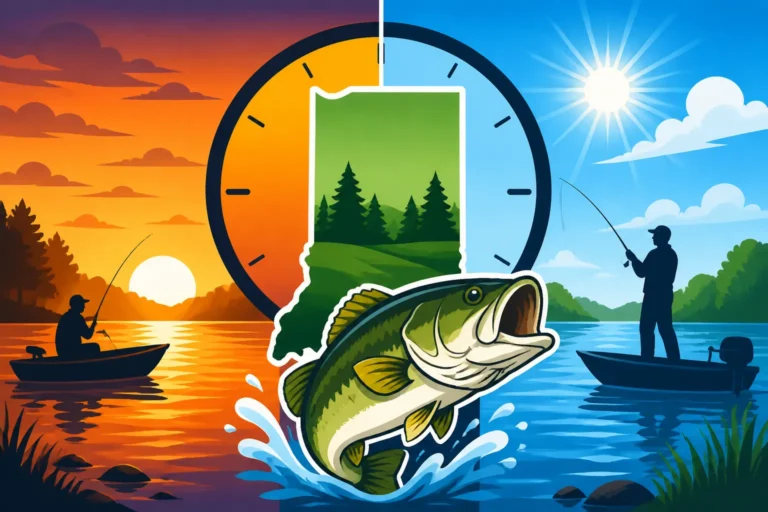
Even in the dog days of summer, largemouth bass still need to eat. Their most active feeding periods typically occur during the cooler parts of the day: dawn and dusk. As the sun rises or sets, the light intensity decreases, and the water surface can cool slightly, making the bass feel more comfortable moving shallower to feed. This is when topwater baits can truly shine, offering some of the most exciting strikes in all of fishing. Imagine a big bass exploding on a frog or popper at first light – it's an unforgettable experience.
Target areas where bass can quickly move from deep water to shallow feeding grounds. These include points, creek mouths, and the edges of weed lines. During these times, you might also find success with spinnerbaits, chatterbaits, or even shallow-running crankbaits. The key is to be on the water when the bass are most likely to be active. If you're outfitting a new boat for these summer excursions, remember that you'll want good storage for all your gear; checking out options for Best Boats for Fishing Monroe Lake in Indiana will give you some ideas for larger reservoirs.
Fall: The Feeding Frenzy Before Winter
Fall is arguably the second "best" season for largemouth bass fishing in Indiana, right after spring, and for some, it might even be better. As the days shorten and water temperatures begin to drop from the summer highs, bass go on an intense feeding binge. They sense the impending winter and instinctively know they need to pack on as much weight as possible to survive the lean months ahead.
Turnover and Migration
One of the most significant events in the fall is "lake turnover." As surface waters cool, they become denser and sink, displacing the warmer, less oxygenated water from the bottom, which rises to the surface. This process can sometimes disorient fish and make fishing tough for a week or two. However, once the lake has fully turned over and temperatures stabilize, usually in the mid-50s to low 60s, the bass fishing can become phenomenal. The entire water column becomes more oxygenated, and baitfish are scattered, leading bass to roam widely in search of food.
During this post-turnover period, largemouth bass will often be found chasing schools of baitfish in open water, along creek channels, and near points. They are aggressive and willing to hit a wide variety of lures. This is an excellent time to cover a lot of water with fast-moving baits like crankbaits, spinnerbaits, and jerkbaits. Many anglers make sure their tackle box is well-stocked for this season, often checking sites like Amazon for their favorite fall patterns and colors. For more guidance on what to use, take a look at our Best Bait and Lures for Fall Fishing guide.
Late Fall Slowdown
As late fall approaches and water temperatures dip into the 40s, the bass activity will gradually slow down. They'll transition from actively chasing bait to seeking out deeper, more stable water where they can conserve energy. However, don't write off late fall fishing entirely! These fish are still catchable, though you'll need to slow down your presentation considerably.
Look for bass relating to deep structure – submerged timber, ledges, and channels. Jigs, jigging spoons, and slow-rolled spinnerbaits can be highly effective. The bites might be subtle, feeling more like a slight tick or just added weight on your line, so pay close attention. This period demands patience and a nuanced approach, but the rewards can be some of the biggest bass of the year, as these fish are often large and well-fed.
Winter: The Ultimate Challenge
Winter is undoubtedly the toughest season for largemouth bass fishing in Indiana, but it's not impossible. Many anglers put away their gear, but for those willing to brave the cold, there are opportunities to be had, often for fewer, but larger, fish. The key is understanding how drastically a bass's metabolism slows down in cold water.
Deep Water Retreat
When water temperatures drop below 45 degrees, largemouth bass become incredibly sluggish. Their metabolism slows to a crawl, and they move into their deepest wintering holes. These are typically areas with stable temperatures, often in the deepest parts of the lake, river channels, or under docks with access to deep water. They might suspend in tight schools or hug the bottom, expending minimal energy.
Catching them in winter requires extreme patience and slow, precise presentations. Vertical jigging spoons, blade baits, or slow-dragged jigs and shaky heads are your best bets. The bites will often be extremely subtle, requiring a sensitive rod and keen attention. Some anglers even use specialized sonar units to locate these deep schools before making a single cast. If you're gearing up for these conditions, a good set of warm fishing gloves and a sensitive rod, perhaps found on Amazon, will be your best friends. For a deeper dive into these patterns, our article on Winter Fishing Patterns for Bass offers valuable insights.
Ice Fishing (Limited Opportunities)
While Indiana isn't primarily known for largemouth bass ice fishing in the way northern states might be for pike or walleye, it can happen. Some intrepid anglers will target bass through the ice, particularly on smaller, shallower lakes and ponds where bass might still be found relating to weeds or brush. However, it's generally not the "best" season for largemouth bass, as they are far less active and harder to tempt than panfish or pike.
If you do decide to try for bass through the ice, focus on areas with remaining green vegetation or submerged timber. Small jigs tipped with minnows or plastics, fished very slowly, might entice a strike. Always prioritize safety on the ice, and be aware that active bass are few and far between. Most dedicated ice anglers in Indiana focus on species like crappie, bluegill, or perch, which tend to be more active under the ice.
Seasonal Bass Fishing Overview
To help visualize the best times and typical patterns for largemouth bass in Indiana, here's a quick overview:
| Season | Water Temperature Range | Typical Bass Behavior | Key Techniques | General Locations |
|---|---|---|---|---|
| Spring | 45-65°F | Pre-spawn feeding, spawning, post-spawn recovery | Jigs, crankbaits, spinnerbaits, Texas rigs, wacky rigs, sight fishing baits | Shallower coves, points, flats, brush piles, spawning beds, transition areas |
| Summer | 70-85°F | Seeking cool, deep water or heavy shade; active at low light | Deep-diving crankbaits, jigs, Texas/Carolina rigs, topwater (dawn/dusk) | Deep humps, ledges, channels, dense weed lines, lily pads |
| Fall | 65-45°F | Aggressive feeding frenzy, migration, late fall slowdown | Crankbaits, spinnerbaits, jerkbaits, jigs, jigging spoons | Points, creek channels, schooling baitfish, deeper structure |
| Winter | Below 45°F | Extremely sluggish, deep water retreat, minimal feeding | Slow-pitched jigs, jigging spoons, blade baits, slow-dragged plastics | Deepest holes, river channels, submerged timber, stable temperature zones |
Essential Gear Considerations
No matter the season, having the right gear is crucial. For largemouth bass, you'll generally want a medium-heavy to heavy action rod with a fast tip, paired with a reliable baitcasting or spinning reel. Braided line with a fluorocarbon leader is a popular choice for its sensitivity and strength. Ensure your tackle box is stocked with a variety of lures suitable for different depths and presentations. Our Best Rods and Reels for Indiana Largemouth Bass guide can help you pick the perfect setup. And don't forget essentials like pliers, line cutters, and a good measuring board. If you're serious about protecting your catch, especially bigger fish, considering a quality livewell like those discussed in Best Livewells for Bass Boats is a smart move.
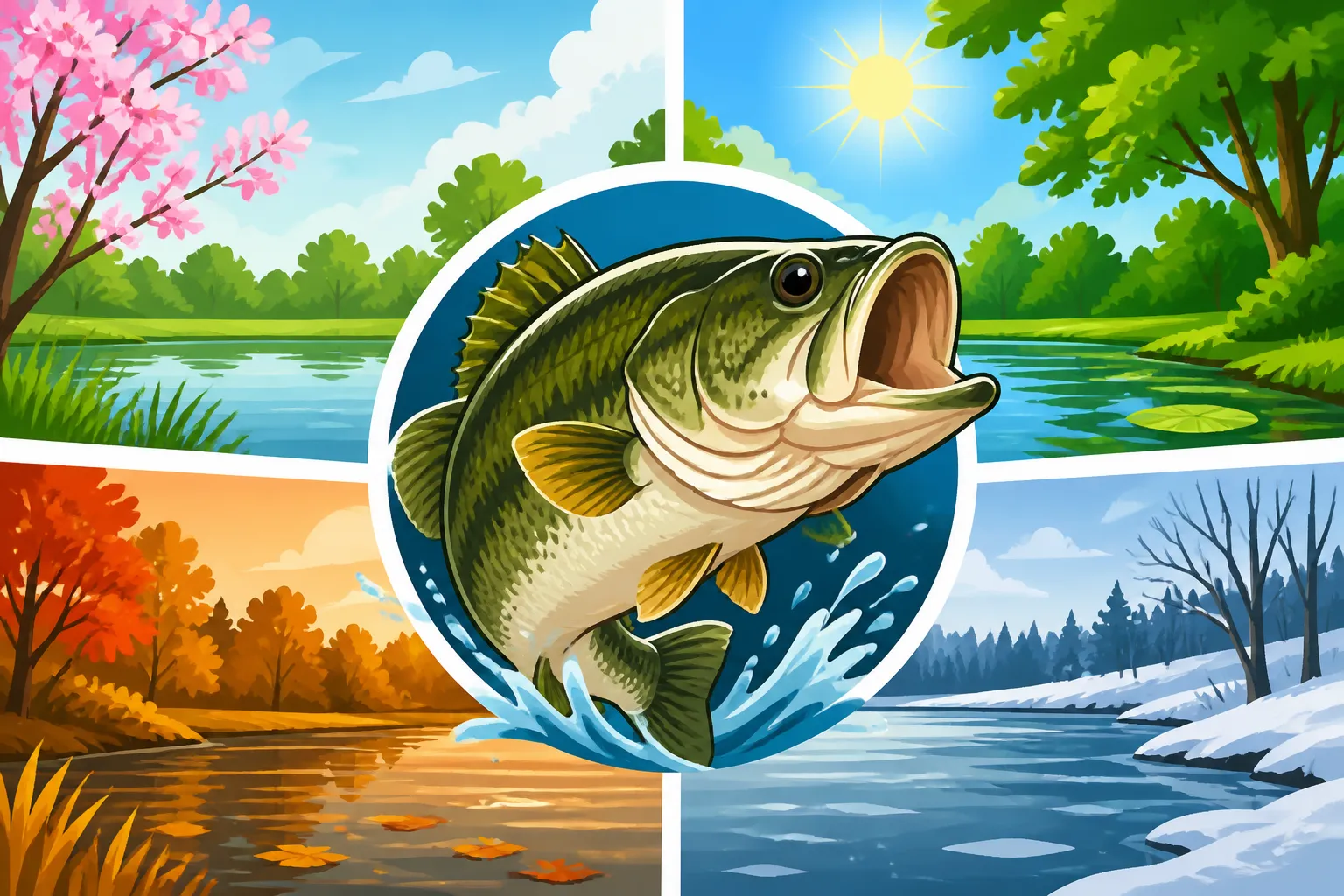
Ultimately, the "best" season to catch largemouth bass often comes down to personal preference and angling style. Spring and fall offer explosive, aggressive bites, while summer and winter demand more finesse and patience. By understanding the bass's seasonal patterns and adapting your approach, you can have a successful and rewarding experience on Indiana's waters all year long.
Disclaimer
This article is for general informational purposes only and does not constitute professional advice. Laws, prices and regulations vary by location and change over time. Consult a qualified professional for guidance on your specific situation.