Do Free Fishing Days Cover the Trout and Salmon Stamp?
It’s a fantastic feeling to mark those Indiana Free Fishing Days on your calendar, isn't it? The thought of hitting your favorite lake or stream without worrying about a license is definitely a breath of fresh air. But then, that little voice creeps in: "Wait, what about the Trout and Salmon Stamp?" This guide is here to clear up that common confusion, helping you understand exactly what’s covered during these special days so you can fish with confidence, without any nagging doubts about being in compliance.
Free Fishing Days and the Trout and Salmon Stamp: A Clear Answer
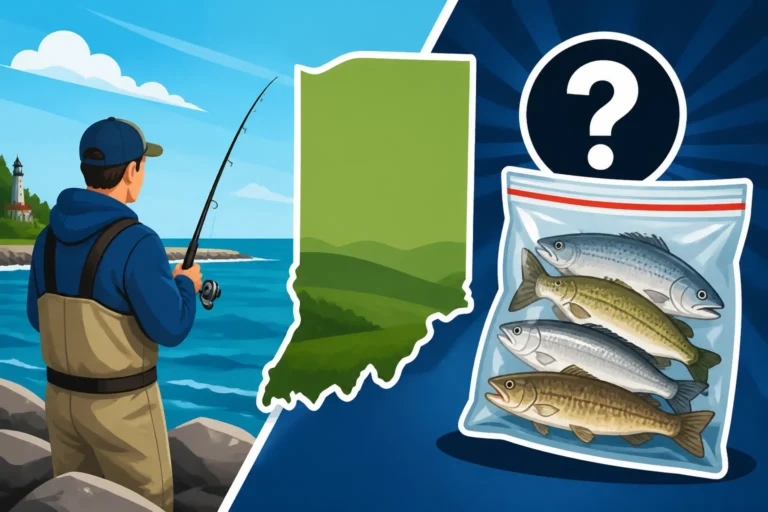
Alright, let's get straight to it because this is a question many of us Hoosier anglers ponder: do Indiana's Free Fishing Days cover the separate Trout and Salmon Stamp? The short answer, and it’s important to understand this thoroughly, is no, they do not. While Free Fishing Days are indeed a wonderful opportunity to fish without needing a general Indiana fishing license, they specifically waive that requirement. The Trout and Salmon Stamp is a distinct endorsement, and if you plan to target or possess trout or salmon during Free Fishing Days, you still need to have that stamp. It’s a bit of a nuanced rule, but it makes sense once you dive into the "why" behind it.
What Indiana's Free Fishing Days Actually Cover
Let's talk about the incredible gift that is Indiana's Free Fishing Days! These are truly special occasions put on by the Indiana Department of Natural Resources (DNR) to encourage new anglers to discover the joy of fishing and for seasoned pros to share their passion without the barrier of a license fee. Typically, Indiana offers three Free Fishing Days each year, usually in May, June, and September. For example, in 2026, you can mark May 10, June 6 and 7, and September 26 on your calendar. During these designated days, any Indiana resident or nonresident can fish Indiana's public waters without needing a valid Indiana fishing license.
This means you can grab your rod and reel, head to your local pond, a state park lake, or even a major reservoir like Monroe Lake, and cast your line for bass, bluegill, catfish, or crappie to your heart's content, all completely license-free. It's an open invitation to experience what Hoosier fishing is all about. Many families use these days to introduce their kids to fishing, and it’s a fantastic way to foster that love for the outdoors. You can catch panfish all day long, and as long as you adhere to all other regulations like bag limits and size restrictions, you're good to go. The idea is to remove the initial financial hurdle for a few days, making it super accessible for everyone.
The Purpose of the Separate Trout and Salmon Stamp
Now, let's turn our attention to the specific little endorsement that causes so much head-scratching: the Indiana Trout and Salmon Stamp. This isn't just a random fee; it serves a very important purpose for our state's cold-water fisheries. Indiana actually doesn't have a huge number of natural trout and salmon streams, but thanks to dedicated stocking programs and specific habitat management, we have some fantastic opportunities, especially in the northern parts of the state and in the Lake Michigan tributaries. The funds generated from the sale of this stamp, which typically costs around $11, are directly funneled back into these conservation efforts.
Think about it: those hard-fighting steelhead in the St. Joseph River, the coho and Chinook salmon runs on Lake Michigan, and the stocked trout in various streams and lakes – they all need specific management. This stamp helps pay for the stocking programs, habitat improvements, research, and enforcement that keep these unique fisheries thriving. Without it, the resources just wouldn't be there to maintain these exciting fishing opportunities. It's similar to how a duck stamp contributes to waterfowl conservation; it's a direct investment by anglers into the specific fishery they enjoy. So, while it's an extra cost, it's a vital one for anyone serious about pursuing these colder-water species in Indiana. It's designed to support a niche but important part of our state's angling landscape. You can learn more about specific requirements in our guide to Indiana Trout and Salmon Stamp Requirements.
Navigating Trout and Salmon Fishing on Free Fishing Days
So, you've got your calendar marked for a Free Fishing Day, and you're thinking about heading to a spot known for trout or salmon. It's a bit of a tightrope walk here because of that separate stamp requirement. It boils down to your intent and what you actually catch.
Fishing for Trout or Salmon During Free Days
If your plan is to specifically target trout or salmon on a Free Fishing Day, then you absolutely must purchase and possess the Indiana Trout and Salmon Stamp. This is where the distinction is crucial. Let's say you're heading to Trail Creek, known for its steelhead runs, on a Free Fishing Day. You might not need your general fishing license, but if you're casting spoons or flies specifically designed for steelhead, or using methods commonly associated with trout and salmon fishing, an Indiana Conservation Officer will expect you to have that stamp.
The rationale is clear: the Free Fishing Days are about general access to fishing, not about bypassing specific conservation funding for specialized fisheries. If you're going after these particular species, you're participating in a program funded by the stamp. Think of it this way: you get a free pass to the general fair, but if you want to ride the special roller coaster, you still need that separate ticket. So, before you head out with your specialized gear to a trout or salmon hot spot, make sure your Indiana Trout and Salmon Stamp Cost: $11 is paid up.
Accidental Catch on Free Fishing Days
This is a common "what if" scenario that gives many anglers pause. What if you're fishing for something else entirely – let's say smallmouth bass in a river, or even bluegill in a lake that also happens to have a few stocked trout – and you accidentally hook a trout or salmon on a Free Fishing Day, without having the stamp? The Indiana DNR’s regulations generally state that if you do not possess the necessary stamp for a particular species, you must immediately release that fish back into the water, with as little harm as possible.
This means you can't keep it, even if you weren't targeting it. It's about possession. If an officer were to find you in possession of a trout or salmon and you don't have the stamp, you could be cited. The best practice, if you know you're fishing in waters where trout or salmon might be present, and you don't have the stamp, is to be extra careful with your tackle choices and be ready for a quick, responsible release. Keeping the fish, even if it was caught by accident, puts you in violation. It's always better to be prepared or to simply ensure you’re fishing in waters where only license-free species are present if you want to completely avoid needing the stamp on Free Fishing Days.
How to Secure Your Trout and Salmon Stamp
So, if you’ve decided that targeting trout or salmon on Free Fishing Days (or any other day, for that matter) is on your agenda, getting that stamp is a straightforward process. It’s designed to be easy, so there’s really no excuse for not having one if you need it.
Purchasing Options for Your Stamp
The Indiana DNR has made it incredibly convenient to get your fishing licenses and stamps. You've got a few solid options:
- Online: This is by far the most popular and easiest method for most people. You can simply visit the official Indiana DNR website, navigate to their license portal, and purchase your stamp right from your computer or smartphone. It literally takes just a few minutes, and you can print a temporary copy or save it to your phone immediately. This is also how you'd typically handle your general Buying a Fishing License Online in Indiana.
- In-Person Retailers: Many bait and tackle shops, sporting goods stores, and even some county clerk offices across the state are authorized vendors for Indiana fishing licenses and stamps. This is a great option if you prefer to chat with a local expert, get some advice on local conditions, or just like the feel of a physical license in your hand. Places like Cabela's or smaller, independent shops will have the capability to issue these for you on the spot.
- By Mail or Phone: While less common these days, you can also obtain licenses and stamps through the mail or by calling the DNR's customer service line. This might be useful if you're planning far in advance or have specific questions you want to discuss directly with a DNR representative.
No matter which method you choose, it’s a quick transaction. You’ll need some basic information like your name, address, and date of birth. Once you have it, you're ready to chase those beautiful cold-water fish.
Cost and Validity of the Stamp
As mentioned, the Indiana Trout and Salmon Stamp is a very affordable addition to your fishing toolkit. The cost is typically around $11. It’s important to remember that this stamp is an endorsement to your general fishing license. This means you must also possess a valid Indiana fishing license (unless you're fishing on a Free Fishing Day and only pursuing trout/salmon, which is rare but technically possible if you're solely focused on that species and nothing else) to make the stamp valid.
The validity period for the Trout and Salmon Stamp aligns with the regular Indiana Fishing License Year Explained. This means it runs from April 1st of one year through March 31st of the following year, regardless of when you purchase it. So, if you buy your stamp in August, it will still expire on March 31st of the next year. It's not a 365-day license from the date of purchase. This is crucial for planning, especially if you're getting ready for the fall salmon runs or early spring trout opportunities. Always double-check your dates to ensure you're covered! When you consider the Total Cost of an Indiana Fishing License With the Trout Stamp, you'll see it's still a very reasonable investment for a year of angling opportunities.
| Requirement/Benefit | Free Fishing Day (General Fishing) | Free Fishing Day (Trout/Salmon) | Regular Fishing Day (Trout/Salmon) |
|---|---|---|---|
| General Fishing License | NOT Required | NOT Required | REQUIRED |
| Trout & Salmon Stamp | NOT Required | REQUIRED | REQUIRED |
| Target Species Allowed | All species (except Trout/Salmon) | Trout & Salmon ONLY (if no license) | All species |
| Accidental Trout/Salmon | Must Release Immediately | Can Keep (within limits) | Can Keep (within limits) |
| Purpose | Introduce new anglers | Conservation funding for specific species | General angling + specific conservation |
Smart Planning for Your Free Fishing Day Trip
Making the most of Indiana's Free Fishing Days, especially when considering trout and salmon, comes down to a little bit of smart planning. You want to hit the water feeling prepared and excited, not worried about accidentally breaking a rule.
Knowing Your Target Species
Before you even tie a knot, take a moment to decide what kind of fish you want to catch. If your goal is to simply introduce a child to fishing with some eager bluegill or try to land a feisty largemouth bass, then you truly don't need a general license or the Trout and Salmon Stamp on a Free Fishing Day. Just focus on spots known for these common species. Many local city parks or smaller ponds are perfect for this. Our guide on Indiana Panfish Daily Limits by Species can help you understand what you can keep.
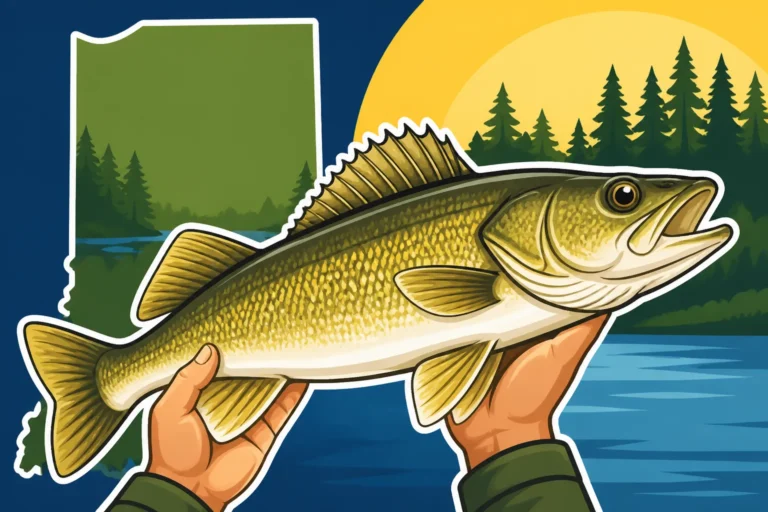
However, if the thought of battling a powerful steelhead or reeling in a brightly colored coho salmon is what gets your heart pumping, then you absolutely need to factor in that Trout and Salmon Stamp. Make sure you know What the Indiana Trout and Salmon Stamp Covers and which waters require it. Places like the St. Joseph River in northern Indiana during the salmon and steelhead runs, or various stocked trout streams, are prime examples where the stamp is a must. If you're unsure if a body of water holds these species, a quick check of the DNR's fishing guide or a chat with a local bait shop can clear things up instantly. Don't leave it to chance!
Essential Gear Considerations
While Free Fishing Days save you the cost of a license, you still need the right tools for the job! Having appropriate gear isn't just about catching fish; it's about making your experience enjoyable and ethical. For general species like bluegill or bass, a basic spinning rod and reel combo, some hooks, bobbers, and a selection of worms or simple lures will do the trick. You can find excellent beginner kits or individual components for every budget on platforms like Amazon, making it easy to get started.
When it comes to trout and salmon, you'll want to think a bit more specifically. These fish often require different tackle. Steelhead, for instance, can be quite strong, so a medium-heavy rod with a good drag system is usually preferred. Lures like spinners, spoons, or even specialized fly-fishing gear might be on your list. Again, checking out reputable brands on Amazon for specialized trout and salmon gear can be a great starting point for research, comparing reviews, and finding what you need before you hit the water. Don't forget essentials like a good pair of pliers for hook removal, a net (especially for larger fish), and a cooler if you plan to keep your catch (within legal limits, of course!).
Ultimately, Free Fishing Days are a fantastic perk for Indiana anglers. Just remember that while the general license is waived, the specific requirements for certain species, like the Trout and Salmon Stamp, remain in place. A little foresight ensures your day on the water is filled with enjoyment and good memories, not unexpected surprises from a conservation officer.
Disclaimer
Please remember that fishing regulations can change. While this guide provides current information, it is always your responsibility to consult the most up-to-date Indiana Department of Natural Resources (DNR) fishing guide or website before heading out. This content is for informational purposes only and does not constitute legal advice.