Best Bait Choices for Spring Fishing
That initial burst of warmth after a long, cold Indiana winter always brings a thrill, doesn't it? But then you hit the water in early spring, full of optimism, only to find the fish aren't quite as cooperative as you'd hoped. The water's still chilly, the weather's unpredictable, and what worked last fall just isn't cutting it. It’s a common frustration, and one every angler, myself included, has faced. This guide is all about cutting through that confusion, giving you the clearest picture of the best bait choices for spring fishing in Indiana so you can make every cast count as the season awakens.
Navigating the Nuances of Spring Fishing in Indiana
Spring in Indiana is a beautiful but often bewildering time for anglers. One day you're shedding layers, the next you're back in your heavy coat, and the fish are feeling those same shifts in the environment. It's a period of transition, and understanding these changes is absolutely critical to choosing the right bait and ultimately, finding success on the water. You can't just throw out any old thing and expect a bite; you've got to think like a fish experiencing a rollercoaster of conditions.
The Dynamic Shift in Water Temperatures
This is perhaps the single most important factor governing fish behavior in spring. As the sun climbs higher and days get longer, the shallower waters begin to warm up first. Just a few degrees can make a world of difference. In early spring, when water temperatures are still in the 40s, fish are often sluggish, their metabolism slow. They're not expending a lot of energy, so they're looking for an easy meal, something slow-moving and high in protein. Think about those first sunny days after a week of cold rain; the fish will gravitate to north-facing banks or dark-bottomed areas that absorb more heat, even if it's only a degree or two warmer there. This is why paying attention to the Best Water Temperature for Bass Fishing in Indiana can make or break your trip, as bass, crappie, and walleye all react differently to these subtle shifts.
As spring progresses into late April and May, water temperatures climb into the 50s and 60s, and suddenly, everything changes. Fish become more active, moving out of their deep winter haunts and starting to think about spawning. This is when you'll find them pushing into shallower coves, around submerged timber, and near emergent weed lines. The warming water signals to them that it’s time to feed aggressively and prepare for the rigors of reproduction. Your bait selection needs to evolve with these temperature increases, moving from slow, subtle presentations to more active, attention-grabbing lures.
Understanding Fish Migration and Metabolism
Fish aren't static creatures, especially in spring. Their movements are largely dictated by their biological clock and the pursuit of ideal spawning conditions. Many species, like walleye and crappie, undertake significant migrations from their deeper wintering grounds to shallower spawning areas. Walleye, for instance, often make runs up rivers and into tributary streams, or stage on rocky points and reefs in larger lakes. Crappie will flood into shallow bays, brush piles, and around docks once the water hits that magic 55-65 degree range, looking for cover to lay their eggs. For bass, the pre-spawn period is a feeding frenzy as they bulk up before the main event, often staging near deep-water access points close to shallow spawning flats.
Their metabolism directly influences how they react to your bait. In cold water, fish have slower digestive rates and less energy to burn. A fast-moving lure might be ignored, as they won't chase something they perceive as too much effort. This is why slow-moving live baits or finesse presentations are so effective in early spring. As their metabolism speeds up with rising temperatures, they become more willing to chase, strike, and fight. They'll actively pursue faster-moving crankbaits or spinnerbaits, sometimes out of aggression rather than hunger alone. Understanding these seasonal movements and metabolic shifts is the foundation of successful spring fishing in Indiana.
Live Bait: The Irresistible Springtime Offering
When in doubt, especially in the fickle conditions of early spring, live bait often reigns supreme. There’s something undeniably attractive about a wiggling minnow or a juicy nightcrawler that artificial lures sometimes just can't replicate. It’s the natural scent, the lifelike movement, and the innate appeal of an easy meal that often convinces sluggish or wary fish to bite when nothing else will. For many Indiana anglers, heading to the local bait shop is the first stop before hitting the water, and for good reason.
Minnows: A Versatile Choice for Hungry Predators
Minnows are a universal favorite for a reason – pretty much everything that swims will eat a minnow. In the early spring, when bass, crappie, and walleye are still a bit lethargic due to colder water, a struggling minnow is hard to resist. Shiners, fatheads, and dace are common varieties you'll find at bait shops across Indiana, each with its own merits.
For crappie, a small fathead minnow suspended under a bobber or lightly jigged near brush piles and submerged structure in shallow coves can be absolutely deadly, especially during the Crappie Spawn Timing on Indiana Lakes. For deeper presentations, you can hook a minnow through the lip on a small jig head and slowly retrieve it. Walleye, particularly during their spring runs up rivers like the Maumee or St. Joseph, absolutely key in on minnows. Drifting a larger shiner on a simple slip-sinker rig or slow-trolling it with a bottom bouncer can entice strikes. Even largemouth bass, especially bigger females looking for a substantial meal before the spawn, will readily take a lively minnow. Rigging them weedless with a small hook and allowing them to swim naturally near cover can be incredibly effective. Remember to keep your minnows lively in a good aerated bait bucket; a dead minnow rarely gets a bite.
Worms: The Tried-and-True Universal Attractor
Ah, the humble worm. If there's one bait that has probably caught more fish in history than any other, it's the worm. Nightcrawlers, red wigglers, and even garden worms are incredibly effective throughout spring, appealing to a vast array of Indiana fish species. Their natural scent and squirming action make them irresistible, especially after spring rains wash them into the water, mimicking a natural food source.
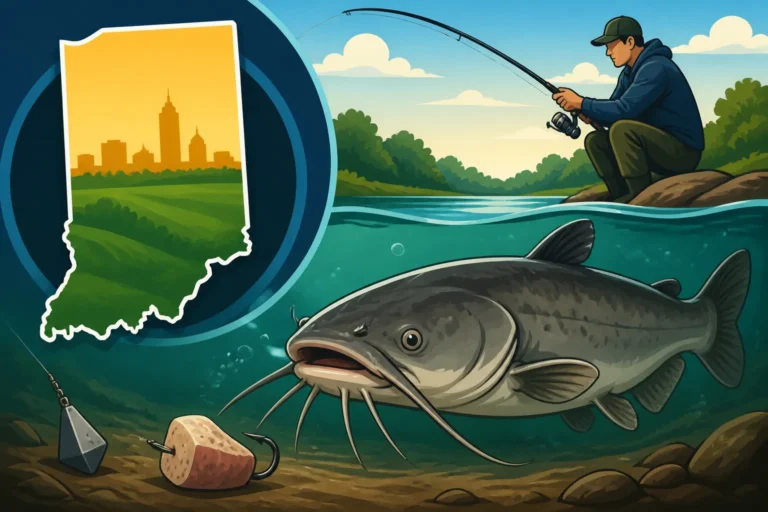
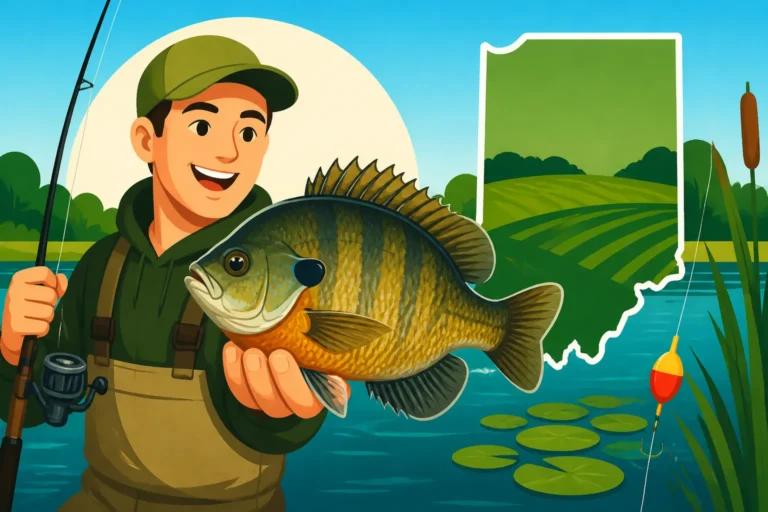
For panfish like bluegill and redear, a small piece of red wiggler on a tiny hook under a bobber is a classic and highly effective setup, particularly as they move into the shallows to feed. Bass, both largemouth and smallmouth, devour nightcrawlers. You can rig them on a Texas rig, a Carolina rig, or even wacky style for a slow, seductive fall that often triggers a strike from a cautious fish. Catfish, too, are huge fans of worms, especially larger nightcrawlers fished on the bottom in rivers like the Wabash or White River. The key with worms is often to let them do the work; their natural movement is usually enough. Just make sure to use fresh, active worms, as they give off more scent and movement.
Leeches: Often Overlooked, Always Effective
Leeches are probably the most underrated live bait in the Indiana spring arsenal, and that’s a shame because they are incredibly effective, especially for walleye and smallmouth bass. When water temperatures are still on the cooler side, leeches offer a slow, undulating movement that imitates a natural forage item without being overly aggressive. They are also incredibly tough and can withstand a lot of abuse, staying alive on the hook for a long time.
For walleye, a lively leech hooked through the sucker on a plain jig head or suspended under a bobber is a deadly combination. Their slow, deliberate movements often draw strikes when minnows are ignored. Smallmouth bass in rocky rivers and clear lakes also find leeches hard to resist. Rig them on a dropshot rig or a simple split shot rig for a natural presentation near rocky bottoms, current breaks, or submerged logs. While they might seem a bit "icky" to handle for some, the results speak for themselves. You can often find leeches at well-stocked bait shops, and they're worth every penny for those tougher spring days.
Artificial Lures: Triggering Aggressive Spring Strikes
While live bait certainly has its place, especially in colder conditions, artificial lures really shine as the water warms and fish become more active and aggressive. The beauty of artificials is their versatility; you can mimic nearly any type of forage, adjust depth with precision, and cover a lot of water quickly. For the active angler, these are the tools that unlock new possibilities as spring progresses.
Crankbaits: Covering Water and Calling Fish
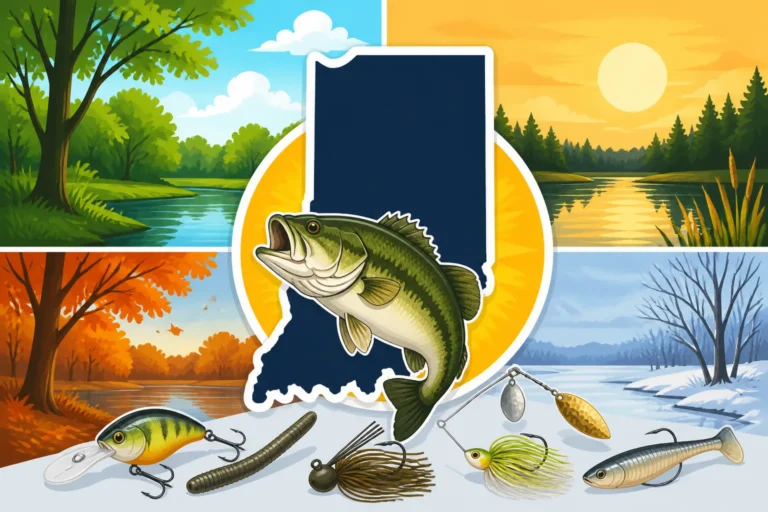
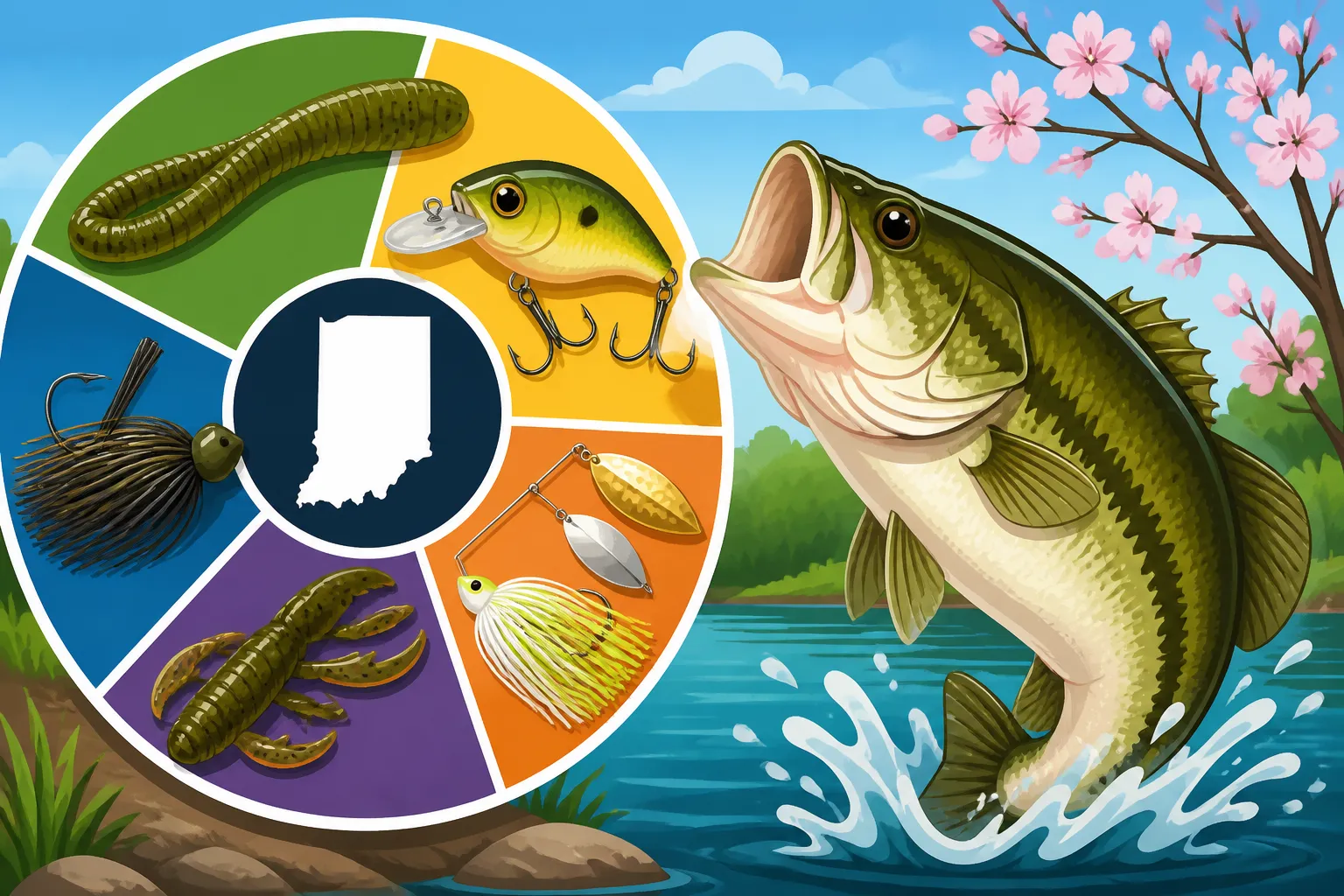
Crankbaits are phenomenal search baits in the spring, especially for bass and walleye. They allow you to cover vast stretches of water efficiently, diving to specific depths and deflecting off cover, often triggering reaction strikes from fish that might not be actively feeding. In early spring, when fish are still a bit sluggish, slower retrieves with shallow-diving crankbaits can be highly effective. Look for shad-imitating colors like chrome/blue or natural patterns. As the water warms, you can increase your retrieve speed and experiment with lipless crankbaits, which generate a lot of vibration, or square bills that excel at crashing through shallow wood cover without snagging.
For bass, target submerged weed lines, rock piles, and points that drop into deeper water. A retrieve where the crankbait just tickles the bottom or bangs off structure can be incredibly effective. For walleye, especially on larger lakes or reservoirs like Monroe Lake or Patoka Lake, medium-diving crankbaits trolled along breaks and flats can pick up active fish. You can find a fantastic selection of these lures, from brands like Rapala and Strike King, on Amazon, ensuring you have a variety of dive depths and colors to match the conditions. Remember, matching the size and color of local forage, like alewives or shad, can significantly increase your success with crankbaits.
Jigs: Precision Presentations for Finicky Biters
Jigs are arguably the most versatile artificial lure in a spring angler's tackle box. From tiny panfish jigs to heavy bass jigs, their ability to be fished at nearly any depth and with a multitude of retrieve styles makes them indispensable. In early spring, when fish are hugging the bottom or tight to cover, a jig offers a slow, controlled presentation that mimics a crayfish, a baitfish, or even a struggling insect.
For bass, a weedless jig-and-pig combo (a jig with a soft plastic trailer) fished slowly around fallen timber, docks, or rock transitions can be incredibly effective. These baits offer a bulky profile that attracts larger pre-spawn bass. For crappie, small marabou jigs or plastic tube jigs, often tipped with a minnow or crappie nibbler, are springtime staples. Slowly twitching them around brush piles or vertical structure often leads to strikes. Walleye anglers also rely heavily on jigs, particularly bucktail jigs or plastic-tipped jigs, to present vertically or slowly dragged along the bottom in river currents or over rock piles. The key to jigging in spring is often subtlety: small hops, slow drags, and pauses are usually more effective than aggressive movements.
Spinnerbaits and Chatterbaits: Flash and Vibration for Active Fish
As the water continues to warm and fish become more active and aggressive, spinnerbaits and chatterbaits come into their own. These lures excel at attracting attention through flash, vibration, and movement, making them excellent choices for covering water quickly and drawing reaction strikes. They're particularly effective in stained or murky water where their vibration can be felt by fish even before they see the lure.
Spinnerbaits, with their bright blades (Colorado, Indiana, Willow Leaf, or combinations) and pulsing skirts, are fantastic for bass in shallower, warmer water. Work them around emergent vegetation, submerged timber, and along channel swings. Vary your retrieve speed – sometimes a fast burn is best, other times a slow roll that allows the blades to just turn will get the bite. Chatterbaits, or bladed jigs, combine the flash of a spinnerbait with the erratic action of a crankbait. Their unique vibrating blade creates a tremendous amount of thumping action, making them a fantastic choice for probing sparse grass lines, skipping under docks, or reeling quickly over flats. Both are excellent choices for locating active bass in the pre-spawn and early spawn periods. You can easily stock up on different blade combinations and skirt colors from retailers like Amazon to ensure you have the right setup for any water condition.
Soft Plastics: Finesse for Cold and Post-Front Conditions
Soft plastics are the chameleon of the artificial lure world, capable of imitating everything from worms and craws to baitfish and leeches. Their supple texture and endless rigging options make them incredibly effective, especially during challenging spring conditions like cold fronts or clear water. When fish are finicky or lethargic, a subtle soft plastic presentation can often seal the deal.
For bass, Texas-rigged or Carolina-rigged worms and creature baits are fantastic for probing deep cover or working slow on the bottom. Stick baits, like the Yamamoto Senko, are incredibly popular in spring because of their tantalizing slow fall when wacky rigged or Texas rigged; their shimmy is hard for bass to ignore. Plastic grubs on small jig heads are also excellent for a variety of species, from crappie to smallmouth bass, especially when slowly retrieved or fished with a subtle twitch. Tubes, imitating crayfish, are perfect for bouncing along rocky bottoms for smallmouth. The key with soft plastics in spring is often to use lighter weights and slower retrieves, allowing the bait's natural action to entice the strike. This finesse approach can be particularly rewarding when fish are pressured or the weather has shut down their bite.
Tailoring Your Bait for Indiana's Favorite Spring Species
Indiana is blessed with an incredible diversity of freshwater fish, and spring offers unique opportunities to target many of them. But just like humans, different fish species have different preferences and behaviors during this critical time of year. Knowing what each species is looking for can help you fine-tune your bait selection for maximum success. Don't forget to review the Indiana Fishing Regulations and Bag Limits Guide before you head out, as limits and sizes can vary.
Bass Fishing: From Pre-Spawn to Post-Spawn Tactics
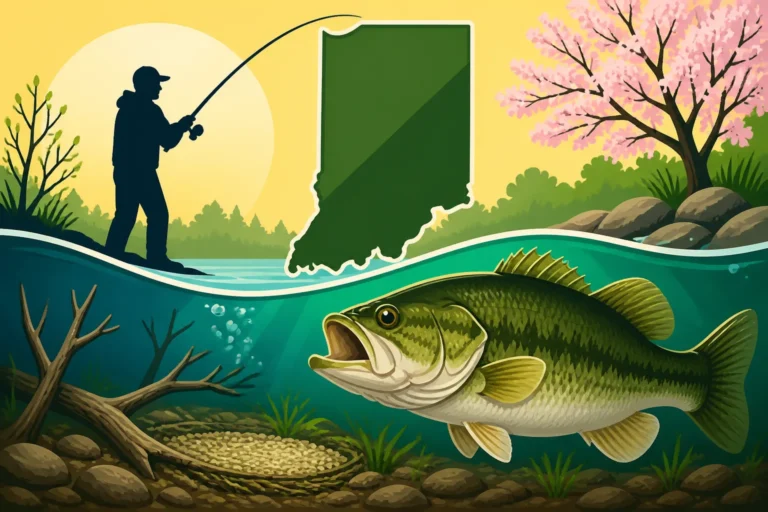
Spring bass fishing in Indiana is a thrilling rollercoaster, evolving rapidly from the initial cold-water bite to the post-spawn frenzy.
- Early Pre-Spawn (Water 40-50°F): This is when bass are still deep but starting to move towards staging areas. Big, slow-moving baits are key. Jig-and-pig combos, football jigs, and large suspending jerkbaits are excellent choices. Slow rolling a spinnerbait can also draw strikes. The goal here is to offer a substantial, easy meal without requiring the fish to expend much energy.
- Late Pre-Spawn (Water 50-60°F): As water warms, bass become more aggressive, feeding heavily before the spawn. This is prime time for lipless crankbaits, square bill crankbaits worked around cover, chatterbaits, and swim jigs. Soft plastics like Texas-rigged creature baits or jigs are still highly effective when fishing thicker cover. Remember that the Indiana Bass Spawn Timing and Pre-Spawn Patterns will dictate when these stages occur in your specific lake.
- Spawn (Water 60-70°F): Bass are on their beds in the shallows. Sight fishing with soft plastics like wacky-rigged Senkos, creature baits, or even small jigs can be effective if allowed by local regulations and your fishing ethics. Be mindful not to unduly disturb spawning fish.
- Post-Spawn (Water 70°F+): Bass are recovering and moving to slightly deeper cover near spawning flats. Topwater lures, fast-moving crankbaits, and finesse worms can be excellent as they regain their energy and start to feed actively again.
When deciding on the Best Bait for Largemouth Bass in Indiana Lakes, always consider the water temperature and the specific stage of the spawn.
Crappie Conquest: Locating and Luring Slab-Sized Panfish
Crappie are a springtime staple for many Hoosier anglers, and for good reason—they’re plentiful, fun to catch, and delicious to eat! Their spring patterns are highly predictable, making them a fantastic target.
- Early Spring (Water 40-50°F): Crappie are still in deeper water, often suspending near channel breaks or deep brush piles. Small live minnows fished vertically, or slow-trolled jigs (1/16 to 1/8 oz) with tiny plastic bodies are effective.
- Pre-Spawn to Spawn (Water 55-65°F): This is prime time! Crappie move shallow, seeking out brush piles, fallen trees, docks, and weed edges in protected coves. Tiny tube jigs, spider jigs, or marabou jigs in chartreuse, white, or black-and-chartreuse are deadly, often tipped with a live minnow or a Crappie Nibbler. Suspend them under a bobber or slowly jig them. Minnows remain a top choice. Learning How to Catch Crappie from a Dock can be particularly productive during this phase.
- Post-Spawn (Water 65°F+): Crappie begin to disperse from the immediate spawning areas, often retreating to slightly deeper structure near the flats they just vacated. They'll still respond to jigs and minnows, but you might need to find them in 8-15 feet of water rather than 3-5 feet.
Understanding the Crappie Spawn Timing on Indiana Lakes is crucial, as their bite can be incredibly aggressive during this window.
Walleye Wonders: Cracking the Code on Spring Runs
Walleye fishing in Indiana during the spring can be incredibly rewarding, especially during their spawning runs. These fish are known for their delicious fillets and their elusive nature.
- Pre-Spawn Runs (Water 35-45°F): Walleye often stage in deeper pools below dams or migrate up rivers and into tributaries (like the Maumee River or the St. Joseph River) when water temperatures are still quite cold. Live minnows, particularly larger shiners, fished on a slip-sinker rig or jigged slowly, are hard to beat. Blade baits and suspending jerkbaits fished slowly can also entice strikes.
- Spawn (Water 40-50°F): Walleye move onto shallow, rocky reefs, riprap, or gravel beds to spawn, typically at night. Jigs tipped with minnows or plastics, slowly bounced along the bottom, are effective. Large soft plastic paddle-tail swimbaits also get their attention.
- Post-Spawn (Water 50-60°F): After spawning, walleye disperse from the shallow spawning grounds and often move to deeper points, breaks, or flats to recover and feed. Trolling crankbaits (like those you might find on Amazon), drifting live minnows or leeches on a bottom bouncer, or jigging plastics on main lake points are productive strategies. The Best Months for Walleye Fishing in Indiana's Glacial Lakes will typically coincide with these post-spawn movements. Always be aware of specific regulations, such as the Walleye Minimum Length North of State Road 26, as they can vary by region.
Panfish Perfection: Bluegill and Redear on the Bed
Bluegill and redear sunfish are perfect targets for a relaxing and productive spring fishing trip, especially for families or beginners. They are abundant and relatively easy to catch once you find them.
- Early Spring (Water 45-55°F): Panfish are still a bit deeper, often relating to the first available cover in shallower coves. Small worms (red wigglers or pieces of nightcrawlers) on tiny hooks under a bobber are excellent. Micro-jigs tipped with a wax worm or piece of Gulp! also work.
- Spawn (Water 65-75°F): This is when bluegill and redear move shallow and construct their saucer-shaped nests, often in large colonies. Look for them in sandy or gravelly bottom areas, usually in 1-4 feet of water. Live bait like red wigglers, wax worms, or crickets are incredibly effective, as are small flies, tiny jigs, or even bread balls. The fish become very aggressive in defending their beds, making for fast action.
- Post-Spawn (Water 75°F+): After spawning, they may move to slightly deeper weed lines or brush, but often remain relatively shallow, continuing to feed on insects and small invertebrates. Their diet becomes more varied, so small beetle spins, tiny crankbaits, or continuing with live bait can keep you catching.
Beyond Bait: Essential Spring Fishing Considerations
Choosing the right bait is a huge piece of the spring fishing puzzle, but it's not the only piece. To truly maximize your chances, you need to consider how environmental factors influence your bait's effectiveness and how your presentation impacts a fish's willingness to bite. It's about combining the right bait with the right approach.
Reading the Water: Clarity, Cover, and Current
The conditions of the water itself play a massive role in what bait will work best.
- Water Clarity: In clear water, fish have excellent visibility and can be spooked by unnatural presentations or overly bright baits. Natural colors (green pumpkin, black-and-blue, subtle shad patterns) and finesse presentations with live bait or soft plastics are often more effective. In stained or murky water, where visibility is limited, fish rely more on scent and vibration. This is where brighter colors (chartreuse, orange, bright white) and lures with a lot of thumping action (chatterbaits, lipless crankbaits, spinnerbaits) excel. Adding scent to your baits can also make a huge difference in off-color water.
- Cover: Fish, especially in spring, are highly attracted to cover. This could be anything from fallen timber, brush piles, rock beds, docks, lily pads, or emergent weeds. This cover provides ambush points, protection from predators, and often holds warmer water or baitfish. Your bait choice should allow you to effectively fish this cover. For dense cover, weedless options like Texas-rigged soft plastics, jigs with brush guards, or weedless spinnerbaits are ideal. For open cover, like rock piles or transitions, crankbaits and jigs can be highly effective.
- Current: In rivers and tailwaters, current is a defining factor. Fish will position themselves out of the main current to conserve energy, often behind rocks, logs, or in eddies. Your bait choice and presentation must account for this. Live bait like minnows or worms drifted naturally with the current can be incredibly effective. Jigs or blade baits that can be held in place with minimal movement or bounced along the bottom are also excellent choices. Understanding how fish use current to their advantage will help you place your bait right in their strike zone.
The Art of Presentation: Slow and Steady Wins the Race
Even the best bait won't catch fish if presented poorly. In spring, "slow and steady" is often the mantra, especially in colder water. Fish metabolisms are lower, and they're less likely to chase a fast-moving meal.
- Slow Retrieves: Whether you're using a jig, a crankbait, or a soft plastic, take your time. Let the bait pause, fall, or slowly crawl along the bottom. Often, the strike will come on the pause. This mimics a struggling or easy-to-catch prey item, which is exactly what a cold or post-spawn fish is looking for.
- Vertical Jigging: For fish suspending over deeper structure or hugging the bottom, vertical jigging is a precise and effective presentation. This involves dropping a jig or live bait directly down to the fish you see on your sonar, and then gently twitching or lifting it. This is particularly effective for walleye and crappie.
- Dead Sticking: Sometimes, doing absolutely nothing is the best presentation. With a wacky-rigged Senko or a small worm, casting it out and letting it slowly fall and sit on the bottom for an extended period can be incredibly effective for lethargic bass. The subtle movements of the bait's appendages or the natural current will often trigger a bite.
Ultimately, experiment with your retrieve speed and action until you find what the fish are responding to. Some days they want it fast; most days in spring, they want it slow.
Equipping for Success: Gear and Regulations
Beyond just bait, having the right gear and understanding the rules of the road are paramount.
- Rod and Reel Combos: For light jigging and panfish, an ultralight spinning rod and reel with 4-6 lb test line is ideal. For bass, a medium-heavy baitcasting or spinning setup with 10-17 lb test is versatile for most spring applications. Walleye fishing might require specialized trolling rods or sensitive spinning rods for jigging. Having a few different setups lets you switch techniques quickly.
- Tackle Box Organization: Spring means carrying a variety of options. A well-organized tackle box is key to quickly finding the right jig, crankbait, or soft plastic. Consider species-specific compartments or seasonal setups to streamline your choices on the water.
- Boat and Trailer Checks: Before you even get to the water, ensure your boat and trailer are in good working order. Reviewing a What to Check Before Launching a Boat checklist can save you a lot of headaches at the ramp. Especially in early spring, checking your trolling motor battery or outboard can prevent frustration.
- License and Stamps: Don't forget your Indiana Fishing License Requirements Explained! Make sure your annual license is current (remember Indiana's fishing license year starts April 1st) and if you plan to target trout and salmon, ensure you have the appropriate Indiana Trout and Salmon Stamp Requirements. Ignoring these simple steps can lead to penalties, which no one wants on a beautiful spring day.
By considering these factors alongside your bait choices, you'll be well on your way to a successful and enjoyable spring fishing season across Indiana's many beautiful lakes and rivers.
Spring Bait Choices for Indiana Fishing
To give you a quick overview, here's a helpful table summarizing some of the best bait choices for different conditions and target species in Indiana during spring.
| Bait Type | Target Species | Best Conditions (Spring) | Pros | Cons |
|---|---|---|---|---|
| Live Minnows | Crappie, Walleye, Bass, Catfish | Cold to warming water, clear/stained | Natural scent & action, highly effective | Requires aeration, can be messy, fragile |
| Nightcrawlers | Bass, Catfish, Bluegill, Redear | All water temps, all clarity | Universal appeal, natural scent | Can be torn off easily, less active in cold water |
| Leeches | Walleye, Smallmouth Bass | Cold to warming water | Extremely tough, subtle natural movement | Can be "icky" to handle, not always available |
| Crankbaits | Bass, Walleye | Warming water, active fish, varied clarity | Covers water fast, mimics baitfish, reaction | Can get snagged, retrieve speed critical |
| Jigs (w/ trailers) | Bass, Crappie, Walleye, Perch | All water temps, all clarity, varied cover | Versatile, finesse to aggressive, precision | Requires good feel, technique-dependent |
| Spinnerbaits | Bass, Northern Pike | Warming water, stained/murky, windy days | Flash & vibration, weedless | Less effective in clear, cold water |
| Chatterbaits | Bass | Warming water, stained/murky, active fish | Strong vibration, erratic action | Can be expensive, less finesse |
| Soft Plastics (Worms, Creatures) | Bass, Walleye, Crappie | All water temps, clear/stained, finesse | Highly versatile, subtle, customizable | Requires proper rigging, can be easily torn |
Disclaimer
The information provided in this guide is for general informational purposes only and is not intended as legal advice. Fishing regulations, license requirements, and local conditions can change rapidly. Always consult the most current Indiana Department of Natural Resources (IDNR) regulations before engaging in any fishing activities. Adherence to all local, state, and federal laws is the responsibility of the angler.