Best Fishing Spots in Indiana
There's nothing quite like the feeling of anticipation as you cast your line into the water, hoping for that tell-tale tug. But let's be honest, standing on the bank or cruising on a lake, wondering where the fish are hiding, can be incredibly frustrating. Indiana is blessed with an incredible variety of waters, from vast glacial lakes to winding rivers and sprawling reservoirs, each offering its own unique challenge and reward. This guide is designed to cut through the guesswork and help you pinpoint the absolute best fishing spots across the Hoosier State, ensuring your next angling adventure is filled with more catches and less head-scratching.
Exploring Indiana's Diverse Fishing Landscape
Indiana might be known for cornfields, but beneath the surface lies a surprisingly rich and varied aquatic world just waiting to be explored by avid anglers. The sheer diversity of our fishing spots means you can target everything from monster muskies to abundant panfish, depending on where you drop your line. It's easy to feel overwhelmed by the options, but understanding the different types of water and what they offer is the first step to a successful outing.
From Glacial Lakes to Mighty Rivers
Our state's landscape, shaped by ancient glaciers, provides a stark contrast between the deep, clear, and often cold waters of the northern glacial lakes and the more shallow, fertile, and often warmer reservoirs and rivers that dominate the central and southern regions. This geological history isn't just a fun fact; it dictates the types of fish you'll find and the techniques you'll need to employ. Anglers often lament that what works for bass in a northern lake won't necessarily yield results on a southern reservoir, and they're absolutely right! Each ecosystem has its own rhythm and its own set of inhabitants. You'll discover that a trip up north means targeting species like walleye, northern pike, and even muskie, while a journey south often brings you face-to-face with hard-fighting largemouth bass, crappie, and monster catfish.
Understanding Different Water Types
Navigating Indiana's fishing scene means appreciating the distinct characteristics of its various water bodies. You've got your natural lakes, mostly concentrated in the north, which tend to be older, deeper, and often clearer, with diverse bottom structures. Then there are the massive reservoirs, often built for flood control and water supply, which tend to have more fluctuating water levels but offer incredible submerged structure and vast open water. Our rivers, like the winding Wabash and White Rivers, present a different challenge with their currents, ever-changing gravel bars, and deep holes. Even smaller farm ponds and community fishing lakes, often overlooked, provide fantastic, accessible opportunities, especially for families or those new to the sport. Each of these water types requires a slightly different approach, from your bait choices to your presentation, validating the common angler's frustration that one-size-fits-all advice rarely works in the real world.
Northern Indiana's Premier Fishing Destinations
When most people think of fishing in Indiana, their minds often drift to the big reservoirs down south. But let me tell you, northern Indiana holds some true angling treasures, especially if you're chasing species that thrive in cooler, deeper waters. The glacial lakes region, in particular, is a gem, and of course, we can't forget the vast, dynamic expanse of Lake Michigan.
The Glacial Lakes Region: Walleye, Pike, and Muskie Havens
If you're an angler who dreams of toothy predators and elusive walleye, the glacial lakes of northeast Indiana are calling your name. Counties like Kosciusko and Steuben are dotted with dozens of these deep, clear lakes, each offering incredible opportunities. Take Lake Wawasee, for instance, which proudly holds the title of Lake Wawasee: Indiana's Largest Natural Lake. It's a fantastic spot not just for its impressive size but for its incredible muskie population. These waters are often characterized by sharp drop-offs, deep weed lines, and plenty of submerged structure, making them perfect habitat for the big fish.
Another notable contender is James Lake, especially renowned for its trophy muskie. Anglers often spend hours meticulously casting massive baits, knowing that a single hook-up could be the fish of a lifetime. The clarity of these waters means fish can be easily spooked, requiring a stealthier approach and often leading to those frustrating days where you see them, but they just won't commit. Don't let that deter you though; the reward of landing a monster pike or a beautiful walleye from these pristine waters is truly unparalleled. Beyond muskie, many of these lakes, like those you find throughout The Glacial Lakes of Kosciusko County for Muskie and Pike, offer excellent walleye fishing, especially during low light conditions or after dark, as well as a healthy population of northern pike, which provide thrilling fights.
Lake Michigan: A World-Class Fishery
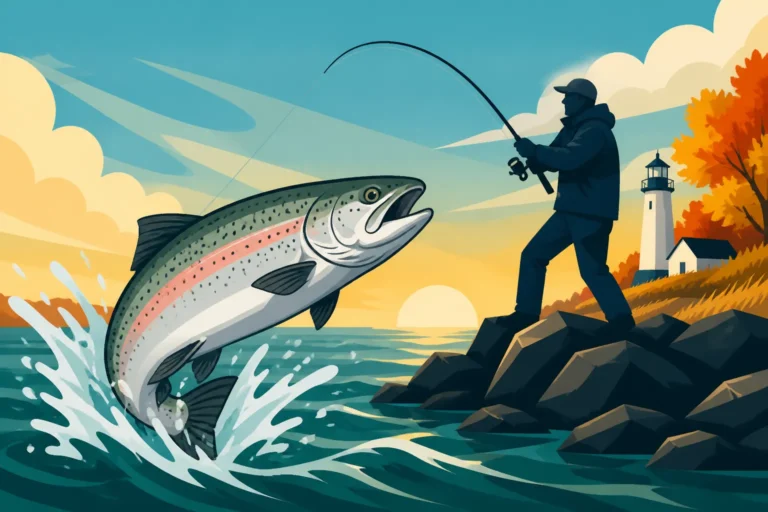
Then there's Lake Michigan, a magnificent body of water that offers a truly unique fishing experience in Indiana. While it might seem daunting due to its sheer size, Indiana's short but productive shoreline is a world-class fishery for cold-water species like Chinook salmon, Coho salmon, steelhead, and brown trout. Many local anglers will tell you there’s no thrill quite like the powerful run of a King salmon. If you've never experienced the raw power of a salmon or steelhead on the line, you're missing out!
Public access points like the Michigan City Pier, the Port of Indiana, and various launch ramps in East Chicago and Portage provide excellent opportunities for both shore anglers and those with boats. Shore fishing on Lake Michigan can be fantastic, especially during the spring and fall runs when salmon and steelhead move closer to the shore and into tributary streams. For those venturing out in a boat, trolling with downriggers and planer boards is a popular and effective method for targeting these offshore titans. While it can be challenging to learn the ropes of big lake fishing, the potential for trophy-sized fish is immense. Remember that Lake Michigan Fishing Rules for Indiana Anglers are distinct from the rest of the state, so always double-check those regulations before heading out. If you're looking for a guided trip, especially on a vast water body like Lake Michigan or the larger reservoirs, platforms like FishingBooker can connect you with experienced local captains who know the hot spots and current conditions.
Central Indiana's Productive Waters
Central Indiana, often seen as the crossroads of the state, is far more than just highways and urban sprawl. For anglers, it offers a fantastic array of productive waters, many surprisingly close to major metropolitan areas. This convenience means you can often squeeze in a quick fishing trip without a long drive, which is a huge plus for those of us with busy schedules.
Reservoirs Near Indianapolis: Bass and Crappie Hotspots
If you live in or around Indianapolis, you might think serious fishing requires a long drive, but you'd be mistaken! Central Indiana is home to several excellent reservoirs that provide fantastic opportunities for largemouth bass and crappie. These man-made lakes, while having their own unique challenges like fluctuating water levels, are managed for recreational fishing and often boast healthy populations of popular sport fish.
Take Geist Reservoir and Morse Reservoir, both northeast of the city. These lakes are known for their abundant largemouth bass, especially around docks, seawalls, and submerged brush piles. Crappie fishing can also be phenomenal, particularly in the spring when they move into shallower waters to spawn. Eagle Creek Reservoir, on the west side of Indianapolis, is another popular spot, offering good bass and panfish opportunities, along with plenty of public access. For a deeper dive into these accessible spots, check out our guide on the Best Fishing Spots Near Indianapolis, Indiana. The convenience of these lakes is their biggest draw; you can often be on the water within 30 minutes of leaving your home, making it perfect for an evening trip or a quick weekend escape.
The White and Wabash Rivers: Underrated Gems
Beyond the still waters of reservoirs, central Indiana is also blessed with significant river systems, primarily the White River and the mighty Wabash River. These aren't always the first places people think of for fishing, which means they can be wonderfully uncrowded. Anglers who prefer the challenge of current and diverse riverine habitats will find these waters incredibly rewarding.
The White River, especially the stretches north and south of Indianapolis, offers excellent smallmouth bass fishing. These aggressive fighters love the current and can be found around rocky structures, fallen trees, and gravel bars. Catfish are also abundant, making it a great place to set up a bottom rig with some cut bait. Similarly, the Wabash River, Indiana's longest river, is a fantastic fishery for both smallmouth bass and channel catfish. While it can be more challenging to navigate due to its size and current, both rivers provide numerous access points for bank fishing and are prime candidates for kayak or canoe trips. You can explore hidden eddies and backwaters that larger boats can't reach. If you're looking to explore these waterways further, our detailed guides on Fishing the Wabash River in Indiana and Fishing the White River in Indiana offer plenty of insights and tips. River fishing demands a slightly different approach than lake fishing, but the thrill of catching a strong smallmouth in a river current is a unique experience every Indiana angler should try.
Southern Indiana's Best Fishing Lakes
When you think of "big lake fishing" in Indiana, chances are you're thinking about the southern half of the state. This region is dominated by expansive reservoirs, which, unlike the smaller glacial lakes up north, offer vast stretches of open water, intricate submerged structures, and incredibly diverse fisheries. These lakes are true magnets for anglers seeking trophy-sized bass, crappie, and even unique species like striped bass.
Monroe Lake: Indiana's Bass and Crappie Giant
Monroe Lake, just southeast of Bloomington, isn't just Indiana's largest inland lake by surface area; it's a legendary fishing destination. If you're chasing largemouth bass or crappie, Monroe should absolutely be on your radar. Its sheer size – over 10,750 acres of water with a sprawling shoreline of 160 miles – means there's always a new cove or point to explore. Anglers can spend years fishing Monroe and still discover new hot spots.
The lake is famous for its abundant submerged timber and standing trees, especially in its shallower arms and coves, which create prime habitat for both bass and crappie. During the spring, crappie move into these brushy areas in droves, offering incredible action. Bass fishing is consistent throughout the year, with anglers targeting everything from shallow weed lines to deep main lake points. Whether you prefer throwing spinnerbaits, flipping jigs into heavy cover, or slow-rolling a worm along a drop-off, Monroe has a pattern for you. It's a vast fishery, which can sometimes feel overwhelming, but the rewards are well worth the effort. For an in-depth look, make sure to read our guide on Monroe Lake: Indiana's Largest Lake for Bass Fishing.
Patoka Lake: Trophy Striper and Largemouth Opportunities
Heading further south, you'll find Patoka Lake, another colossal reservoir known for its exceptional fishing, particularly for largemouth bass and hybrid striped bass (often called "wipers"). Patoka spans nearly 9,000 acres, boasting clear waters and extensive deep-water structure, making it a favorite among serious anglers. If you've never experienced the explosive strike and relentless fight of a hybrid striped bass, Patoka is the place to do it; these fish are absolute powerhouses!
Patoka's habitat includes numerous deep coves, submerged roadbeds, humps, and standing timber, all of which hold fish. The lake is consistently ranked as one of Indiana's top bass fisheries, with healthy populations of trophy-sized largemouth. Wipers are typically found in the main lake basin, often schooling and busting baitfish on the surface, providing exhilarating topwater action. Night fishing for crappie under lights is also a popular and productive method here. Navigating Patoka can be a challenge due to its size and maze-like structure, but local knowledge or a good map will quickly pay off. We've got a comprehensive Patoka Lake Fishing Guide for Bass and Crappie that can help you plan your trip.
Brookville Lake: Walleye, Trout, and Bass Variety
Nestled in southeastern Indiana, Brookville Lake offers a unique mix of species that sets it apart from other southern reservoirs. This 5,260-acre lake is managed by the DNR to provide a diverse fishery, including excellent opportunities for walleye, smallmouth and largemouth bass, and even a robust tailwater trout fishery below the dam. It's truly a destination where you can target multiple species in a single trip.
Brookville's deep, clear waters and rocky main lake points are ideal for walleye, which are stocked regularly. Anglers often find success trolling crankbaits or jigging spoons on deeper structure. Both largemouth and smallmouth bass thrive here, with smallmouth preferring the rocky, wind-swept points and creek channels, and largemouth often found in the shallower coves and around woody cover. But what really makes Brookville shine is its tailwater below the dam, where the cold-water discharge creates prime habitat for stocked rainbow and brown trout. This section of the Whitewater River offers fantastic fly fishing and spin fishing opportunities for trout, a rarity in much of Indiana. You can find more specific information on Brookville Lake Fishing Spots and Access Points to help you explore this diverse lake.
Finding Accessible and Family-Friendly Fishing Spots
Let's face it, not everyone has a fancy bass boat or the time to travel to the furthest reaches of the state. For many, fishing is about accessibility, convenience, and sharing the joy with family and friends, especially the little ones. Luckily, Indiana offers a wealth of options for easy-to-access, family-friendly fishing spots that don't require extensive gear or experience.
State Parks and Urban Ponds
Indiana's State Parks are more than just hiking trails and campgrounds; many boast fantastic fishing opportunities, often with amenities that make a day on the water a breeze. These parks are typically well-maintained, feature paved parking, clean restrooms, and frequently offer accessible fishing piers, boat rentals, and designated bank fishing areas. Places like Hardy Lake State Park, Shakamak State Park, or even the numerous lakes within Pokagon State Park offer excellent fishing for bass, crappie, and bluegill in a safe, scenic environment. It's reassuring to know you can bring the kids to a spot where the facilities are clean and the fish are often biting, making it easier to focus on teaching them the joy of angling. For a comprehensive overview of these convenient locations, take a look at Indiana State Parks for Fishing.
Beyond the state parks, the Indiana DNR's Community Fishing Program actively manages and stocks numerous urban and community ponds throughout the state. These smaller bodies of water are specifically designed to provide easy access for city dwellers and beginner anglers. They are often stocked with catfish and various panfish, ensuring a higher chance of success for those just starting out. It takes away the frustration of searching endlessly for fish and provides a consistent experience. These ponds are fantastic for introducing kids to fishing, as the action is often more frequent, keeping their interest piqued.
Shore Fishing and Public Access Points
The idea that you need a boat to catch fish in Indiana is a common misconception and a source of real frustration for many anglers. The truth is, some of the best fishing can be had right from the bank. Indiana boasts countless public access points along its rivers, lakes, and reservoirs that are perfect for shore fishing. These can range from developed fishing piers to simple gravel pull-offs along a creek. The trick is knowing where to look and what to target.
Many state-managed properties, like those mentioned above, have designated bank access, but don't overlook local city and county parks that often have small lakes or ponds with public access. Rivers like the Wabash and White Rivers offer ample bank fishing spots for catfish and smallmouth bass, especially around bridges and public access sites. For instance, the piers along Lake Michigan's shoreline are prime spots for catching salmon and steelhead during their seasonal runs without needing a boat. Learning how to read the water from shore, identifying submerged structures or current breaks, can turn a simple bank fishing trip into a highly productive one. We've put together a guide on Best Shore Fishing Spots in Indiana that can give you a head start on finding those perfect bank-bound honey holes. For those visiting from out of state or simply wanting a hassle-free day on the water, booking a charter through services like FishingBooker can be an incredible way to explore Indiana's premier fishing spots without needing all your own gear.
Planning Your Indiana Fishing Adventure
You've got the locations, now it's time to fine-tune your approach to ensure your Indiana fishing adventure is as successful and enjoyable as possible. A little planning goes a long way, especially when it comes to being prepared and understanding the rules of the game.
Essential Gear and Local Knowledge
Having the right gear for the specific type of fishing you plan to do is absolutely crucial. Trying to land a muskie with a panfish rod is a recipe for heartbreak, and conversely, hauling out your heavy offshore Lake Michigan trolling gear for a small pond would be overkill. Think about the species you're targeting:
- Bass Fishing: You'll want a medium to medium-heavy rod with a baitcasting or spinning reel, spooled with 10-20 lb test line. A tackle box filled with crankbaits, jigs, soft plastics, and topwater lures will serve you well. Our guide on the Best Fishing Rods and Reels for Freshwater Fishing can help you choose.
- Catfish Fishing: A heavier rod, often with a robust spinning or baitcasting reel, 20-30 lb mono or braided line, and strong circle hooks are essential. Cut bait, nightcrawlers, or stink bait are common choices.
- Panfish (Bluegill, Crappie): Ultralight rods with small spinning reels, 4-6 lb test line, tiny jigs, small bobbers, and live bait like worms or minnows are perfect.
For those planning to hit the larger waters, especially if you're bringing your own vessel, consider what kind of boat is best suited for the lake. Monroe Lake and Patoka Lake can get rough, so a stable craft is key. You might find our resource on Best Fishing Boats for Indiana's Big Lakes to be quite helpful.
Beyond gear, local knowledge is an invaluable asset. Chat with folks at local bait and tackle shops – they're often a treasure trove of information about recent catches, effective baits, and current conditions. Online fishing forums and social media groups dedicated to Indiana fishing can also provide real-time updates. If you're tackling a new or particularly challenging body of water, consider hiring a guide. They'll not only put you on fish but teach you techniques specific to that fishery. Services like FishingBooker make it easy to find and book experienced local guides for various Indiana waters, saving you a lot of trial and error. Before heading out, checking local fishing reports or even browsing available charters on FishingBooker can provide invaluable real-time insights into what's biting where.
Understanding Regulations and Licenses
Here's the part that no one loves, but everyone needs to know: the regulations and licensing requirements. Indiana fishing rules are designed to protect our fisheries and ensure sustainable angling for everyone, but they can sometimes feel like a moving target. It's not uncommon for an angler to get frustrated trying to keep up with specific length limits or daily bag limits that can change from one lake to another, especially for species like walleye.
Before every trip, make it a habit to check the current Indiana Fishing Regulations Guide, published annually by the Indiana Department of Natural Resources (DNR). This guide will detail everything from statewide limits for species like bass and panfish to specific exceptions for certain lakes. For example, Indiana Fishing Regulations and Bag Limits Guide provides a fantastic overview, but always check the most recent DNR publication.
And of course, don't forget your fishing license! With very few exceptions (like Indiana Free Fishing Days Guide or kids under 18), you need a valid license to fish in Indiana waters. Different licenses apply to residents and non-residents, and additional stamps, like the Indiana Trout and Salmon Stamp, might be required if you're targeting those specific species. Trying to figure out all the nuances of Indiana Fishing License Requirements Explained can be a headache, but it's a necessary step to avoid penalties. You can easily purchase or renew your license online through the DNR website or at many bait shops and retail outlets. Always carry your license with you when fishing – either the physical card or a digital copy on your phone.
Navigating these regulations is part of responsible angling, ensuring that these fantastic fishing spots remain productive for generations to come.
| Lake/River Name | Primary Species Targeted | Best for | Accessibility/Type |
|---|---|---|---|
| Monroe Lake | Largemouth Bass, Crappie | Trophy Bass, Consistent Crappie | Large Reservoir, Boat & Shore Access |
| Patoka Lake | Largemouth Bass, Hybrid Striped Bass | Hard-fighting Wipers, Big Bass | Large Reservoir, Boat & Limited Shore Access |
| Lake Wawasee | Muskie, Walleye, Northern Pike | Trophy Muskie, Diverse Coldwater Fishing | Large Glacial Lake, Boat & Shore Access |
| Lake Michigan | Chinook/Coho Salmon, Steelhead, Trout | World-Class Salmon & Trout Runs | Great Lake, Pier & Boat Access, Specialized Gear |
| Eagle Creek Reservoir | Largemouth Bass, Panfish | Convenient City Fishing, Family-Friendly | Urban Reservoir, Boat & Shore Access |
| Wabash River | Smallmouth Bass, Catfish | River Fishing, Bank Access | Large River, Canoe/Kayak & Bank Access |
| Brookville Lake | Walleye, Bass, Trout | Multi-Species, Tailwater Trout | Large Reservoir, Boat & Shore Access (Tailwater) |
| Indiana State Parks | Bass, Crappie, Bluegill | Family Outings, Easy Access, Amenities | Various Lakes/Ponds, Piers, Boat Ramps, Shore |
Disclaimer
The information provided in this guide is for general informational purposes only. Fishing regulations, license requirements, and fish populations can change frequently. Always consult the official Indiana Department of Natural Resources (DNR) website or their current fishing guide for the most up-to-date and accurate information before planning any fishing trip. Adhere to all local, state, and federal laws and regulations.