How Water Temperature Affects Fish Activity
Water temperature controls metabolism, oxygen, and baitfish movement, dictating where fish live in Indiana lakes and rivers.
Match the method to the moment.
Seasonal patterns, proven tactics, rigging and presentation basics, bait choices, and how to adapt as conditions change.
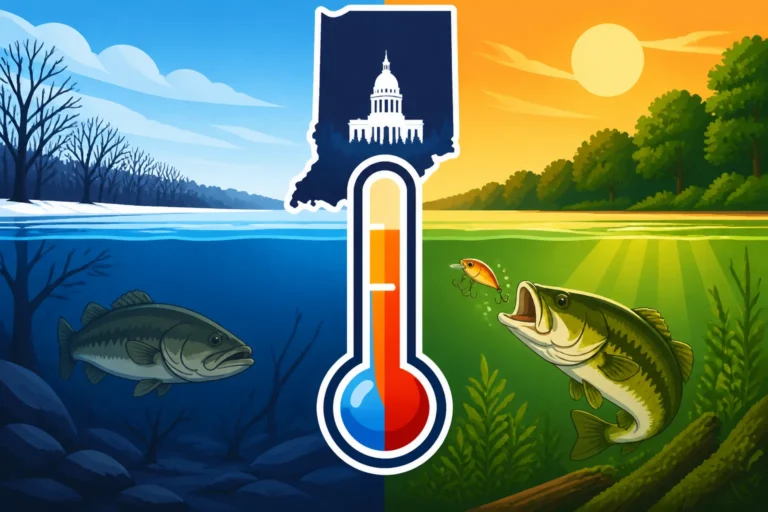
Water temperature controls metabolism, oxygen, and baitfish movement, dictating where fish live in Indiana lakes and rivers.
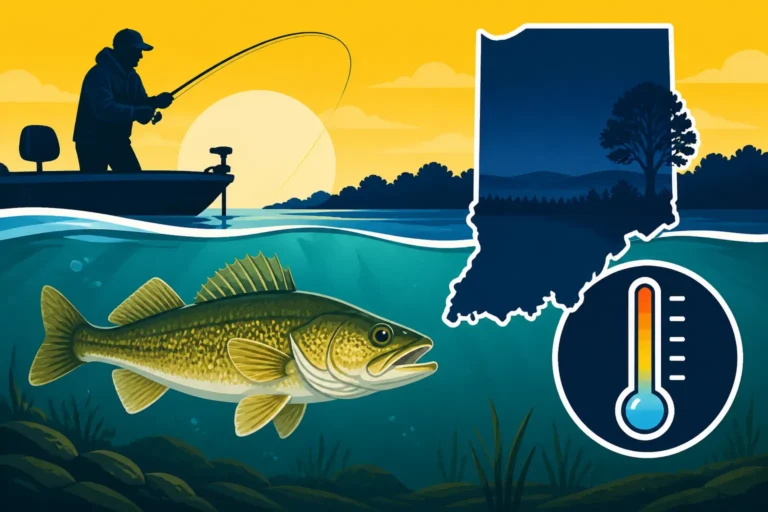
Water temperature dictates walleye movements and feeding habits in Indiana lakes and rivers, helping anglers locate active fish.
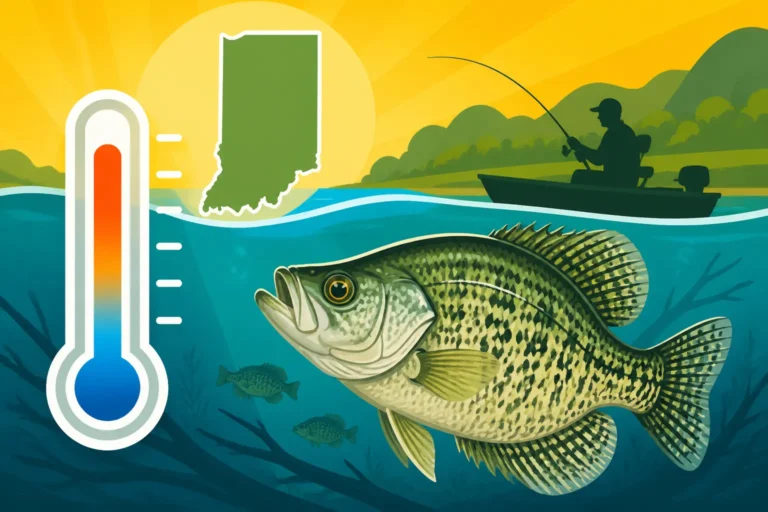
Crappie behavior and water temperatures dictate Indiana fishing success, explaining how seasonal changes drive fish locations.
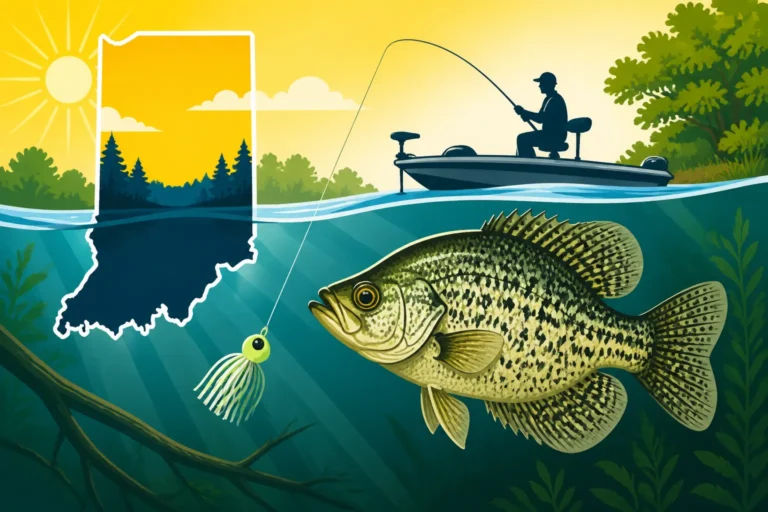
Summer crappie in Indiana lakes navigate thermoclines and oxygen levels, shifting to deep structure and brush piles as water warms.
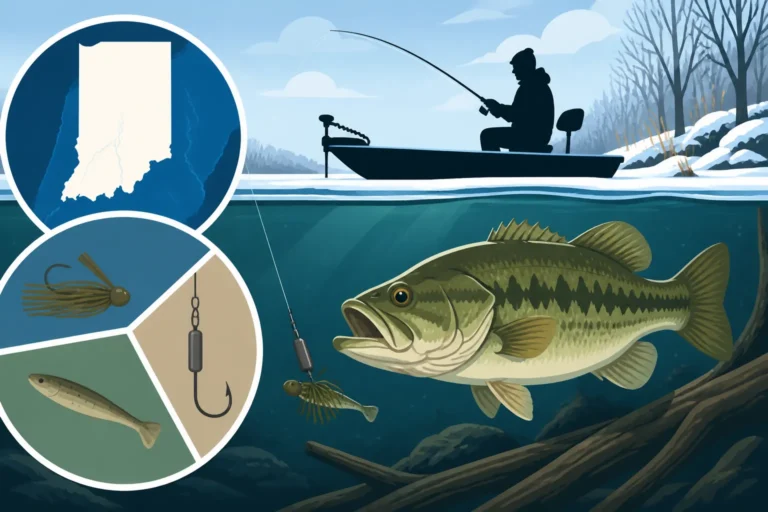
Winter bass behavior in Indiana involves sluggish metabolisms, deep water structures, and tight schooling tendencies for cold months.
Muskie fishing seasons in Indiana dictate behavior and success rates, shifting from post spawn activity to deep water summer habits.
The best season for walleye fishing in Indiana involves tracking seasonal movements, water temperatures, and spawning phases.
Indiana catfish behavior, water temperatures, and seasonal feeding patterns explain where to target fish throughout the year.
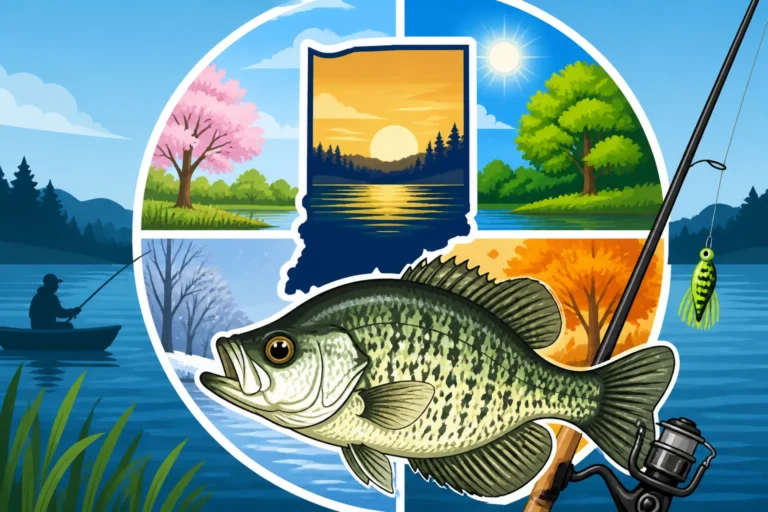
Indiana crappie seasonal movements, feeding patterns, and water temperatures explain how to catch fish during spring and summer months.
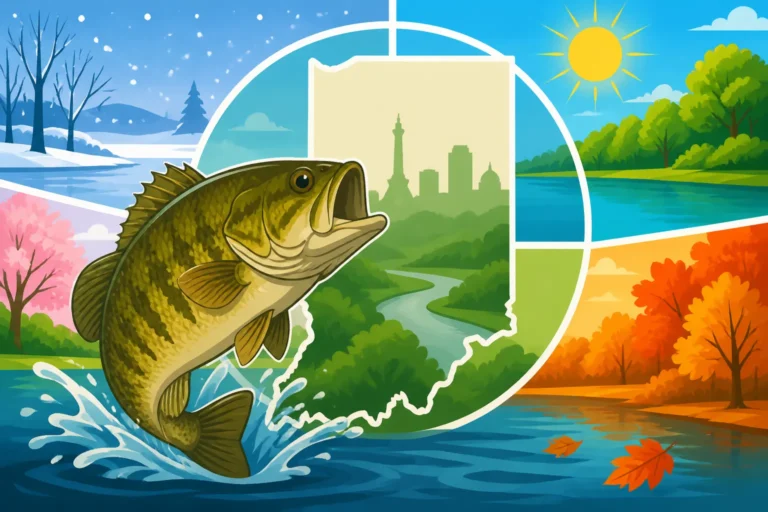
Indiana smallmouth bass seasonal movements, water temperature impacts, and spring fishing strategies on the Tippecanoe and White River.