Indiana Panfish Daily Limits by Species
One of the most common head-scratchers for any angler hitting the waters in Indiana is figuring out exactly how many fish they can keep. It seems simple enough until you realize that different species, especially within the panfish family, can have different rules, and sometimes those rules even vary by water body. This comprehensive guide is here to clear up all that confusion, walking you through the specific daily bag limits for popular panfish species like crappie, bluegill, and redear sunfish across the Hoosier State.
Understanding Indiana's General Panfish Regulations
Venturing out on Indiana's diverse lakes, rivers, and ponds is a fantastic experience, but nothing can dampen a good day faster than inadvertently breaking a regulation. Panfish, by their very nature, are often targeted for their abundance and delicious table fare, which means their populations need careful management. The Indiana Department of Natural Resources (IDNR) sets these limits to ensure healthy fish populations for future generations of anglers.
The Statewide Panfish Rule
For most of Indiana's inland waters, the general rule of thumb for panfish is quite generous: you can keep a daily bag limit of 25 fish per species. This means if you're out chasing bluegill, you can keep up to 25 bluegill. If you're also targeting crappie, you can keep 25 crappie. And if redear sunfish are biting, yep, you guessed it, 25 of those too. It’s important to remember that these limits are daily limits, meaning they apply to the fish you harvest in a 24-hour period, regardless of whether you’ve left the water and returned. This might sound straightforward, but it's where some anglers can get tripped up if they're not careful about counting.
This generous allowance reflects the prolific nature of many panfish species. They often reproduce in large numbers, and selective harvesting can actually benefit the overall health of the fishery by reducing competition for food and promoting faster growth among the remaining fish. For a quick reference, you can always check the official Indiana Fishing Regulations and Bag Limits Guide published by the IDNR each year.
Why Panfish Limits Exist
You might wonder why, if panfish are so abundant, we even need limits in the first place. The truth is, while many species are resilient, unchecked harvesting can still have detrimental effects. Think about a small farm pond, for instance. If every angler kept every bluegill they caught, that pond's population could quickly become stunted, leading to a large number of small, unhealthy fish rather than a balanced population with a mix of sizes. The limits are a proactive measure to prevent such scenarios, ensuring sustainable fishing opportunities.
Beyond population management, limits also play a role in promoting a fair distribution of the resource. If there were no limits, a single angler could potentially decimate a prime fishing spot, leaving little for others. These regulations are part of a broader conservation strategy that balances recreational enjoyment with ecological responsibility, a philosophy that underpins all of Indiana's fishing rules. It’s about ensuring that the joy of catching a mess of panfish can be experienced by everyone, both now and in the future.
Exceptions and Special Regulations
Now, here's where things can get a little tricky. While the 25-fish-per-species rule applies to most panfish in most Indiana waters, there are always exceptions. These special regulations are usually put in place for specific bodies of water where the IDNR is trying to manage a particular fishery or address a unique ecological situation. For example, a lake might have an experimental program to grow larger crappie, and therefore might have a reduced bag limit or even a minimum length limit for that species.
It's absolutely crucial that before you head out, you consult the current Indiana Fishing Guide for any specific body of water you plan to fish. Don't just assume the statewide rule applies everywhere. These localized rules are often listed in a special regulations section of the guide, organized by lake or river system. Ignoring them, even unintentionally, can lead to a citation. A quick check of the IDNR website or a physical copy of the guide from a bait shop or license vendor can save you a lot of headache.
Black and White Crappie Daily Limits
Crappie are among Indiana's most beloved panfish, known for their aggressive bites and delectable fillets. Both black crappie and white crappie are common throughout the state, and anglers often target them, especially during their spring spawn. Understanding their specific limits is paramount for a successful and legal fishing trip.
The Standard Crappie Bag Limit
For both black crappie and white crappie, the statewide daily bag limit in Indiana is 25 fish. This means you can keep a combined total of 25 crappie, regardless of whether they are black or white. It's not 25 black crappie plus 25 white crappie; it's a total of 25 for both combined. This makes it simpler for anglers, as differentiating between the two species quickly isn't always easy, especially for a new angler. Many waters are managed for healthy crappie populations, and this limit is generally considered sufficient for a good day's catch while still leaving plenty of fish for others and for future breeding cycles.
This 25-fish limit allows for plenty of fish for a family meal or even a neighborhood fish fry, which is often the goal when targeting these delicious panfish. If you're wondering How Many Crappie Can You Keep in a Day?, remember that 25 is the magic number for most locations. However, as mentioned, always double-check the specific regulations for the lake or reservoir you're fishing, as some highly pressured urban ponds or specially managed fisheries might have different rules.
Identifying Black and White Crappie
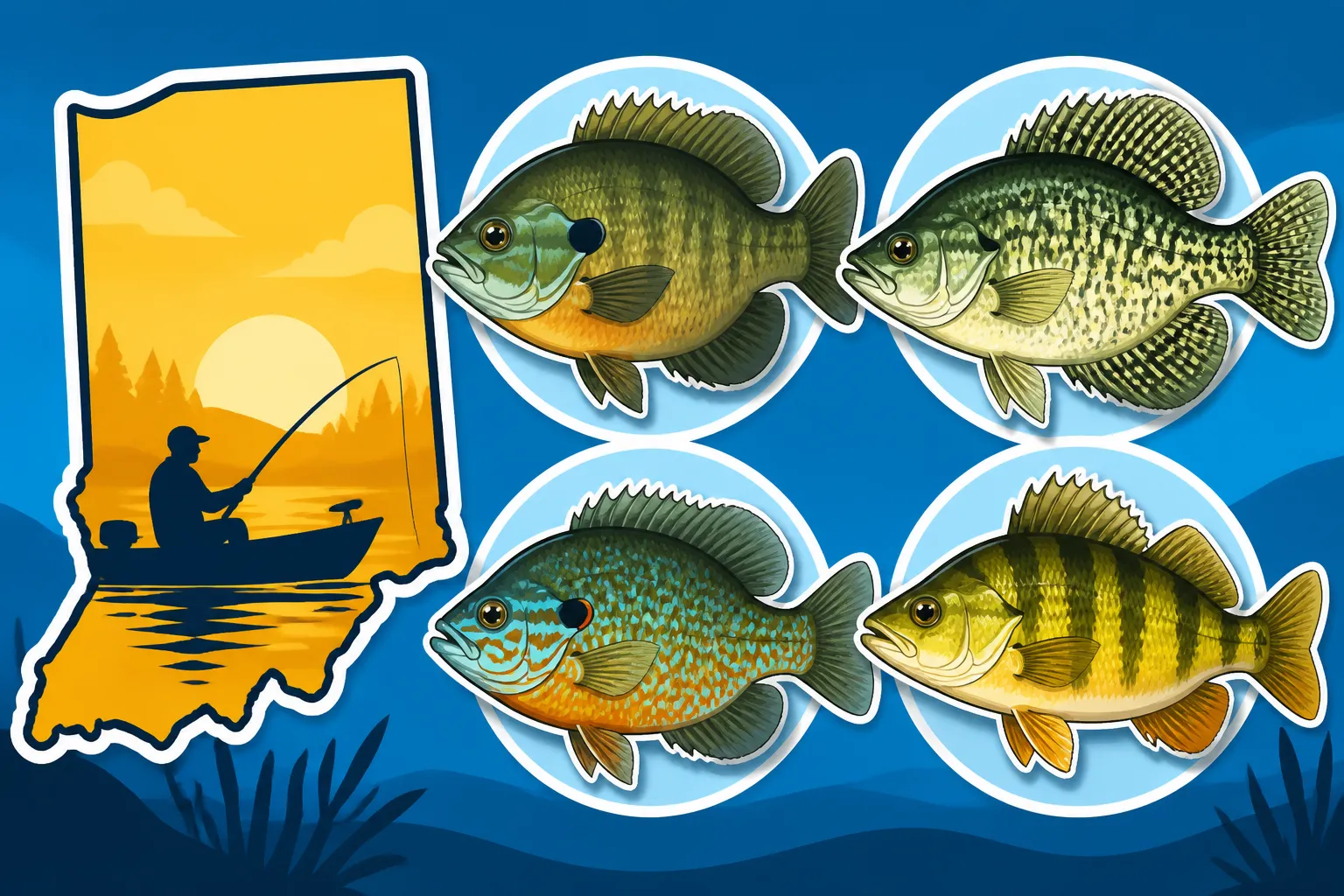
While the bag limit is combined, knowing the difference between black and white crappie can still be helpful for personal observation or if you happen to encounter a rare water body with separate rules. Black crappie typically have an average of 7-8 dorsal spines and their dark spots are usually scattered irregularly across their body. They tend to prefer clearer water with more vegetation. White crappie, on the other hand, usually have 5-6 dorsal spines, and their dark spots often form distinct vertical bars on their sides. They are more tolerant of turbid, or murky, water.
Take a moment to observe your catch before placing it in the livewell. While they are similar in shape, these subtle differences in their markings and dorsal fin counts can help you distinguish between the two. For a more detailed look at identification, our guide on Black Crappie Identification: Spots and Body Shape offers excellent visual cues. Getting good at this can enhance your understanding of the fishery and the habitat preferences of each species.
Real-World Scenarios for Crappie Anglers
Imagine you're out on Patoka Lake, known for its fantastic crappie fishing. You've found a brush pile, and the bite is on! You're catching a mix of plump black and white crappie. As you start accumulating fish, it's crucial to keep a mental or even physical tally. Let's say you've got 15 black crappie and 10 white crappie in your livewell. You've hit your 25-fish combined limit. At this point, any additional crappie you catch must be immediately released back into the water unharmed.
Another scenario: you're fishing from a local dock, maybe at a small county park pond, a perfect spot for beginners. You might be using simple gear and catching a good number of crappie. Knowing the limit means you can enjoy the experience without fear of overharvesting. It’s also good practice to handle released fish with wet hands to protect their slime coat, increasing their chances of survival. For tips on specific techniques, you might find our article on How to Catch Crappie from a Dock useful for maximizing your catch within legal limits.
Bluegill and Redear Sunfish Daily Limits
Bluegill and redear sunfish are the quintessential panfish experience in Indiana. They're often the first fish a child catches, sparking a lifelong love for angling. They're abundant, eager to bite, and provide excellent eating. Like crappie, they fall under a common daily limit, though there's a nuance here to be aware of.
The Combined Bluegill and Redear Limit
For bluegill, redear sunfish, and other sunfish species (excluding crappie), the statewide daily bag limit in Indiana is a combined total of 25 fish. This is where many anglers mistakenly assume they can keep 25 bluegill and 25 redear. Not so! The rule states that it's 25 total for any combination of bluegill, redear, green sunfish, pumpkinseed, warmouth, and other members of the sunfish family. So, if you catch 15 bluegill and 10 redear, you've reached your 25-fish combined limit. Any additional sunfish must be released.
This combined limit is a key detail that can easily be overlooked. It’s designed to manage the overall panfish population, as these species often share similar habitats and food sources. Ensuring responsible harvesting across the board helps maintain healthy ecosystems and provides consistent fishing opportunities year after year. The official IDNR guide clearly outlines this, emphasizing the "combined daily bag limit" for these specific species. For a detailed look at one species, you can check out the specific Redear Sunfish Daily Limit: 25 per Day information.
Distinguishing Between Bluegill and Redear
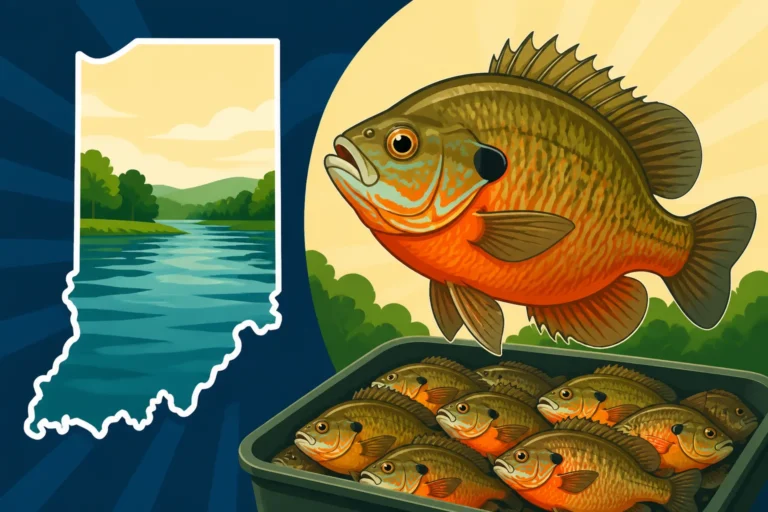
While they are both sunfish and share the same combined limit, knowing how to tell a bluegill from a redear can be a fun part of the fishing experience, especially for younger anglers. Bluegill are typically recognized by their small mouth, deep body, and a distinctive black "ear flap" (operculum flap) with no red or orange margin. They often have faint vertical bars on their sides. Redear sunfish, often called "shellcrackers" for their habit of eating snails, have a more pointed snout and, most notably, a prominent red or orange margin around their black ear flap. Their bodies are typically lighter, with less pronounced markings than bluegill.
Both species are commonly found in lakes, ponds, and slow-moving streams across Indiana. While their preferred forage might differ slightly, they are often caught using similar baits and techniques. You'll often find them sharing the same shallow, weedy areas. Identifying them on the fly becomes second nature with practice, and adding a waterproof fish identification chart to your tackle box, maybe one you found on Amazon, can be a great help.
Practical Application on the Water
Let's imagine you're spending a gorgeous Saturday at Monroe Lake, targeting panfish. You're set up with a simple bobber rig, and both bluegill and redear are biting aggressively. You've caught 12 bluegill and 8 redear. That’s a total of 20 sunfish in your livewell. You still have 5 fish left before you hit your combined 25-fish limit. You can choose to keep 5 more bluegill, 5 more redear, or any combination that totals five. Once that 25th fish is secured, it’s time to switch to catch-and-release, or simply pack up for the day.
This practice ensures you're not inadvertently exceeding your limit. It's a fantastic way to introduce kids to fishing, as these fish are often plentiful and easy to catch. Teaching them about limits early on instills a sense of responsibility and conservation. Fishing for bluegill and other panfish is often the entry point for many to the sport, and understanding these rules is part of the learning curve. These delightful fish are often featured as ideal targets in our guide, Bluegill and Panfish: A Great Starter Fish for Kids in Indiana.
Other Sunfish and Panfish Species
Beyond crappie, bluegill, and redear, Indiana waters are home to a variety of other delightful panfish. While perhaps not as widely targeted for their size, they contribute significantly to the aquatic ecosystem and offer additional fishing opportunities. It’s important to know where these species fit into the daily bag limit structure.
Green Sunfish, Pumpkinseed, and Warmouth Limits
These smaller, often vibrant members of the sunfish family, like green sunfish, pumpkinseed, and warmouth, also fall under the same combined daily bag limit of 25 fish as bluegill and redear sunfish. This means if you're catching a mix of these species along with bluegill and redear, they all count towards that overall 25-fish total. You won't find separate limits for each of these individual species for general recreational fishing.
Green sunfish are often found in streams and small ponds, recognized by their larger mouths and often iridescent green coloration. Pumpkinseed are known for their striking patterns and the orange or red spot on their operculum flap, frequently inhabiting weedy areas of lakes and ponds. Warmouth, with their bass-like appearance and stocky bodies, prefer swampy, heavily vegetated waters. While smaller than crappie or larger bluegill, they can still put up a spirited fight on light tackle, making them fun to catch, especially for kids.
Yellow Perch Limits
Yellow perch are another popular panfish in Indiana, especially in the northern glacial lakes and Lake Michigan. Unlike the other sunfish, yellow perch have their own distinct statewide daily bag limit: 25 fish. This is separate from the combined sunfish limit for bluegill, crappie, etc. So, if you've already caught your limit of bluegill and redear, you could theoretically still keep 25 yellow perch if you manage to catch them.
Yellow perch are easily identifiable by their golden-yellow bodies with distinct dark vertical bars and two separate dorsal fins. They are excellent eating and often school in large numbers, making them a fantastic target for ice fishing or late fall boat fishing. However, just like with all other species, if you're fishing on Lake Michigan, Lake Michigan Fishing Rules for Indiana Anglers are often very different from inland waters, so always double-check. They are a classic panfish, and our guide to Yellow Perch: Indiana's Classic Panfish provides more insights into this popular species.
Rock Bass and Other Lesser-Known Panfish
Rock bass, sometimes called redeye bass or goggle-eye, are yet another member of the sunfish family found in Indiana, primarily in streams and rocky lake areas. These feisty fish typically have large red eyes and a stout body. They, too, fall under the general 25-fish combined daily bag limit with bluegill, redear, and other sunfish. You're not likely to catch a limit of only rock bass, but if you do, they count towards that 25-fish total.
Other less common or smaller panfish species you might encounter, such as longear sunfish or green-spotted sunfish, also adhere to this same general combined 25-fish limit. The key takeaway is that Indiana aims for simplicity where possible, grouping many of the smaller, abundant sunfish species under a single, generous combined limit. This helps streamline regulations for anglers while providing adequate protection for the fish populations. When in doubt, always assume the combined limit applies and err on the side of caution.
Here’s a handy table summarizing the typical statewide panfish limits in Indiana:
| Panfish Species Group | Statewide Daily Bag Limit | Specific Notes |
|---|---|---|
| Black & White Crappie | 25 total combined | Applies to both species; check for specific lake exceptions (e.g., length limits). |
| Bluegill, Redear Sunfish | 25 total combined | Includes Green Sunfish, Pumpkinseed, Warmouth, and other sunfish (excluding crappie and yellow perch). |
| Yellow Perch | 25 | Separate limit from other panfish. Check Lake Michigan rules for potential differences. |
| Rock Bass | Included in 25 combined | Counted with Bluegill, Redear, and other sunfish. |
Why These Limits Matter: Conservation and Enforcement
It might seem like a small detail to keep track of how many bluegill are in your bucket, but these limits are a cornerstone of fisheries management. They aren't just arbitrary numbers; they reflect scientific assessments designed to protect our natural resources and ensure that Indiana's waters remain vibrant and productive for generations to come.
Protecting Panfish Populations
The primary reason for daily bag limits is the conservation of fish populations. Panfish, while prolific, can still be overharvested, especially in smaller, easily accessible bodies of water. Overharvesting can lead to a phenomenon known as "stunting," where a fish population becomes overcrowded, leading to slow growth rates and smaller average sizes. This isn't just bad for fishing; it can impact the entire aquatic food web. By adhering to limits, anglers contribute directly to maintaining healthy, balanced ecosystems where fish can grow to a respectable size and reproduce successfully.
The IDNR biologists constantly monitor fish populations through surveys, netting, and electrofishing. They use this data to adjust regulations as needed, ensuring that limits are appropriate for the current health of the fishery. When you stick to the rules, you're partnering with these professionals to keep Indiana's fishing fantastic. It's about being a responsible steward of the environment, not just a consumer of its resources.
Penalties for Violating Bag Limits
Ignoring or unknowingly violating fishing regulations, including bag limits, can lead to serious consequences. In Indiana, fishing without a valid license or exceeding bag limits is typically considered a Class C misdemeanor. While it might sound minor, the penalties can include significant fines, court costs, and even the confiscation of your fishing gear. Repeat offenses can lead to even harsher penalties, including potential jail time or revocation of your fishing privileges.
Game wardens (conservation officers) patrol Indiana's waters regularly, and they are well-versed in the local regulations. Their job is to protect the resource, and they take violations seriously. Imagine a scenario where you've got 30 crappie in your cooler, thinking the limit was higher, and you're stopped by an officer. That honest mistake could cost you hundreds of dollars and a ruined fishing trip. It’s always better to be safe than sorry; ignorance of the law is generally not considered an excuse in court. For more information on legal repercussions, our guide on Penalties and Fines for Fishing Without a License provides a good overview of the serious nature of fishing violations.
Reporting Violations and Responsible Angling
Being a responsible angler extends beyond just following the rules yourself; it also involves helping to protect the resource from those who don't. If you witness someone openly violating fishing regulations, such as keeping far more than the daily limit or using illegal methods, you have a responsibility to report it. The IDNR offers a confidential TIP (Turn In a Poacher) line, and conservation officers rely on the eyes and ears of ethical anglers to help enforce regulations.
Responsible angling also means practicing good catch-and-release techniques when you've reached your limit or when targeting fish you don't intend to keep. This includes minimizing handling time, using appropriate tools for hook removal (like pliers or a dehooker), and ensuring fish are revived before release. Every fish you release safely contributes to the future of the fishery, making sure there are still plenty of fish for everyone to enjoy.
Tips for Staying Within Panfish Limits
Keeping track of your catch can be surprisingly challenging when the bite is hot! But with a few simple strategies, you can ensure you're always within the legal limits and enjoying your time on the water without worry.
Counting Your Catch Accurately
The easiest way to stay within your panfish limit is to implement a simple counting system. For many anglers, this means a simple clicker counter, which you can easily find at most sporting goods stores or on Amazon. Every time a fish goes into the livewell or cooler, give the clicker a press. This prevents guesswork, especially after a long day of fishing or when you’ve had multiple hot streaks. Some anglers even use a piece of chalk or a marker on the side of their cooler, making a tally mark for each fish.
Another method is to use separate buckets or coolers if you're targeting different species with different limits, like crappie and yellow perch. Clearly label them so there's no confusion. For instance, you could have a "Crappie Bucket" and a "Yellow Perch Cooler." This visual separation can be very helpful. Remember, the goal isn't just to be under the limit, but to be precisely at or under it, ensuring you make the most of your legal harvest without overstepping.
Using a Livewell or Cooler
A good livewell on your boat is an excellent way to keep fish fresh and alive until you're ready to clean them, but it also helps manage your catch. Many modern livewells have aerators that keep water oxygenated, crucial for fish health. As you add fish, you can easily see how many you have. For shore anglers, a large cooler with ice or a stringer is often the go-to. If using a stringer, just be mindful of how many fish are on it.
If you don't have a livewell, a quality cooler filled with ice water is your next best friend. Not only does it keep your catch cold and fresh, but it also provides a contained space where you can easily count your fish. After reaching your limit, make it a point to immediately switch to catch-and-release. Having a clear plan for your catch management before you even cast your first line will greatly reduce the chances of accidental overharvesting. Look for robust, insulated coolers, often available from brands like YETI or RTIC on Amazon, that can keep your fish chilled throughout the day.
Educating Fellow Anglers
One of the best ways to ensure responsible fishing in Indiana is to share knowledge. If you're out with friends, family, or even encounter other anglers at a boat ramp or on the shore, gently educating them about the specific panfish limits can be incredibly beneficial. Many violations stem from simple misunderstanding rather than malicious intent. For instance, if you see someone enthusiastically telling you they caught 30 bluegill and 20 redear, a friendly reminder about the combined 25-fish limit could prevent them from a costly mistake.
This doesn't mean being confrontational, but rather being a helpful resource. Share your knowledge about specific regulations, point them to the IDNR website, or even offer to show them your copy of the fishing guide. Fostering a community of informed and responsible anglers helps everyone enjoy the sport more and protects the valuable fisheries we all cherish here in Indiana. By understanding the Indiana Panfish Daily Limits by Species, we all play a part in preserving this wonderful pastime.
Disclaimer
Please remember that fishing regulations, including bag limits, can change. Always consult the most current Indiana Fishing Guide published by the Indiana Department of Natural Resources (IDNR) before you go fishing. This article is for informational purposes only and should not be considered a substitute for official regulations.