Indiana’s Walleye Minimum Length Rule
There's nothing quite like the thrill of feeling that distinct walleye bite, a subtle tap that hints at a prize beneath the waves. But as many seasoned and budding anglers in Indiana know, the excitement can quickly turn to confusion when it comes to understanding the ever-important walleye minimum length rule. It’s not a one-size-fits-all situation, and getting it wrong can lead to serious headaches – and even fines – that no one wants after a relaxing day on the water. This comprehensive guide is here to untangle the complexities, walk you through the specifics of Indiana's walleye length limits, and help you cast with confidence, knowing you're fully compliant with the Hoosier State's conservation efforts.
Understanding Indiana's Statewide Walleye Length Rule
Navigating the nuances of fishing regulations can feel like trying to read a map in the dark sometimes, especially when different bodies of water have their own specific rules. For walleye anglers in Indiana, the first crucial step is to understand the general statewide guideline, which predominantly applies to a vast majority of our excellent fishing destinations.
The Standard Minimum Length North of State Road 26
If you're fishing for walleye in most Indiana waters located north of State Road 26, you'll encounter the standard minimum length requirement: a walleye must be at least 16 inches long to be kept. This 16-inch rule is designed with a vital purpose in mind: conservation. It's not just an arbitrary number; it's a carefully considered length that aims to protect the future of the walleye population. By requiring fish to reach this size before they can be harvested, the Indiana Department of Natural Resources (DNR) ensures that a significant portion of the walleye population has the opportunity to spawn at least once, if not multiple times, before they're removed from the fishery. This allows them to contribute to the next generation of fish, maintaining healthy and sustainable populations for all of us to enjoy for years to come.
This regulation applies to many of Indiana's fantastic walleye fisheries in the northern part of the state, from some of the deeper natural lakes to various reservoirs and rivers. It’s the default rule you should assume unless you know for a fact that a specific lake has an exception. Always double-check the local regulations or the Indiana Fishing Regulations and Bag Limits Guide before you head out, as things can always change. For instance, if you're out on a popular spot like Lake Webster, a known walleye hotspot, you'll definitely be adhering to that 16-inch minimum.
Why State Road 26 is the Dividing Line
It might seem a bit odd to have a state road act as a regulatory boundary, but there's a good reason why State Road 26 serves as the dividing line for walleye length limits in Indiana. Generally, the waters north of State Road 26 — which roughly cuts across the state through cities like Lafayette and Marion — tend to feature different ecological conditions and, importantly, different walleye management strategies compared to the southern part of the state.
Northern Indiana is home to many of the state's natural glacial lakes, often deeper and cooler, providing excellent habitat for walleye and supporting robust, self-sustaining populations or those augmented by regular stocking. These fisheries are often managed for larger, trophy-sized walleye, and the 16-inch minimum helps achieve that goal. South of State Road 26, the landscape shifts more towards reservoirs and river systems, where walleye might not be as prevalent or might be managed differently, sometimes as a put-and-take fishery or as part of a more diverse sportfish community. The DNR analyzes fish populations, growth rates, habitat availability, and angler pressure in different regions to tailor regulations that best suit each area. So, while State Road 26 might seem like just another highway, it represents a real, science-backed distinction in how our walleye fisheries are managed across Indiana. It's truly crucial to know if your fishing trip takes you above or below this important marker.
Specific Walleye Length Limit Exceptions in Popular Lakes
Just when you think you’ve got the 16-inch rule down, Indiana throws a few curveballs – or rather, specific exceptions for certain high-profile lakes. These special rules are in place for very good reasons, often due to unique management programs, stocking efforts, or the specific ecological characteristics of these individual bodies of water. Ignoring these exceptions can lead to trouble, so it’s essential to be aware of them. For a broader look at where these changes occur, check out Where Walleye Length Rules Change From Lake to Lake.
Bass Lake Walleye Length Limits
Bass Lake, located in Starke County, is a prime example of a lake with its own distinct walleye regulations. Unlike the statewide 16-inch minimum found in most northern waters, Bass Lake typically operates under a more nuanced set of rules. Specifically, for walleye caught in Bass Lake, there is usually a 14-inch minimum length limit. This might seem like a small difference, but those two inches can make a world of difference when you're on the water trying to determine if your catch is a keeper.
The reason for this specific rule at Bass Lake often ties back to unique stocking programs and habitat management tailored for that particular body of water. The DNR might be aiming to create a different growth profile for the walleye here, perhaps to encourage quicker harvest of slightly smaller fish while still maintaining a healthy population. It's a localized strategy designed to optimize the fishing experience and the health of the fishery in Bass Lake itself. Imagine you've spent the morning jigging, and you finally hook into a beautiful 15-inch walleye. If you were on Lake Maxinkuckee, you'd have to release it. But on Bass Lake, that's a perfectly legal fish to take home for dinner, provided you're within the daily bag limit. This slight variation highlights why checking lake-specific rules is paramount before you even leave the dock. You can find more details on this particular exception in Bass Lake Walleye Length Limit Is Different From the Rest of the State.
Wolf Lake Walleye Minimum Length in Lake County
Wolf Lake presents another fascinating exception to Indiana's walleye regulations, primarily due to its unique geographical and jurisdictional circumstances. Situated in Lake County, it straddles the state line between Indiana and Illinois, which means anglers fishing these waters need to be acutely aware of which state's regulations apply to their catch. For the Indiana portion of Wolf Lake, the walleye minimum length rule is often 14 inches, similar to Bass Lake, but it can also be part of a larger slot limit or daily bag restriction that differentiates it even further.
The multi-state nature of Wolf Lake adds another layer of complexity. While Indiana might have a 14-inch minimum, Illinois' regulations could be different for their portion of the lake. It's a situation that demands vigilance, as conservation officers from both states may patrol these waters. Anglers frequently tell tales of accidentally crossing state lines, so carrying both Indiana and Illinois licenses (if you plan to fish both sides) and knowing the specific rules for each jurisdiction is not just a recommendation, it's a necessity. The distinct rules here, and at Bass Lake, are often part of a specific stocking and harvest management plan, aiming to provide varied angling opportunities while safeguarding the species. Understanding these Walleye Length Exceptions at Bass Lake, Wolf Lake, and Lake George is key to a successful and legal outing.
Lake George Walleye Length Rule in Steuben County
Steuben County in northeast Indiana is famous for its numerous clear, deep glacial lakes, and Lake George is one of its gems, offering excellent fishing opportunities. Like Bass Lake and Wolf Lake, Lake George also deviates from the standard 16-inch walleye minimum. The specific regulation for Lake George typically imposes a 14-inch minimum length limit. This adjustment, like others, is part of a deliberate management strategy by the Indiana DNR to optimize the walleye fishery in this particular lake.
The rationale behind the 14-inch minimum in Lake George is often linked to the lake's specific habitat, the success of stocking efforts, and the desire to balance angler harvest with fish population health. These nuanced rules allow for earlier harvest of walleye while still protecting the overall breeding stock. For anglers visiting Lake George, it means more opportunities to keep a legal fish, but it still requires careful measurement and adherence to daily bag limits. It's a testament to the DNR's commitment to localized management, ensuring that each unique fishery in Indiana receives the attention it needs to thrive.
Walleye Rules South of State Road 26
While northern Indiana often hogs the spotlight for walleye fishing, the southern half of the state, particularly the vast reservoirs and river systems, offers unique opportunities for anglers. However, the regulations for walleye in these waters often reflect a different management philosophy, typically presenting a simpler approach compared to the north. Find more information specific to this region in Walleye Minimum Length South of State Road 26 in Indiana.
Simpler Walleye Regulations in Southern Indiana
For most waters south of State Road 26, walleye regulations tend to be more straightforward. In many of these southern Indiana lakes and rivers, there is no minimum length limit for walleye. This simpler rule often surprises anglers accustomed to the strict length requirements of northern waters. However, it's important to remember that while there might not be a minimum length, daily bag limits still apply. For instance, the statewide daily bag limit for walleye is generally six fish per day, regardless of whether a minimum length is in place.
This difference in regulation reflects the distinct walleye populations and management goals in southern Indiana. Walleye might not be as naturally abundant in all southern waters, or they might be managed as a "put-grow-and-take" fishery, where stocking is more frequent and the goal is to provide immediate angling opportunities rather than to develop a self-sustaining trophy fishery. The DNR often targets areas where walleye thrive and manages them accordingly. So, if you're fishing a reservoir like Brookville Lake, known for its saugeye (a walleye-sauger hybrid) but also holding walleye, you might find that while the size doesn't matter, your daily count definitely does. This simpler rule helps spread the harvest among anglers and still ensures sustainability within that specific management context.
Key Waterways and What to Expect
Southern Indiana boasts several significant waterways where walleye, or their close relatives like saugeye, can be found. Reservoirs such as Monroe Lake, Patoka Lake, and Brookville Lake are popular destinations, along with major river systems like the Wabash and White Rivers. In these areas, without a minimum length limit, anglers have the flexibility to keep smaller fish, which can be particularly appealing for those looking to stock their freezer.
However, even with simpler length rules, vigilance is still key. Always verify the current regulations for the specific body of water you intend to fish. While the lack of a minimum length limit is common in the south, there could always be a specific lake or river section with its own unique rule or an altered daily bag limit. This is especially true for popular fisheries that might see increased pressure or special management efforts. For example, while the Wabash River might not have a minimum length for walleye, understanding the daily bag limit is still critical. You should also be aware that species like saugeye, which are stocked in many southern reservoirs, often share the same bag limits as walleye, so accurate fish identification is essential. Having a general understanding of Indiana Fishing Regulations and Bag Limits Guide is always a smart move.
Why Walleye Length Limits are Crucial for Conservation
Sometimes, regulations can feel like a burden, just another hoop to jump through. But when it comes to fish length limits, particularly for a popular sport fish like walleye, these rules are born out of a deep understanding of aquatic biology and a commitment to protecting our natural resources. The seemingly complex rules aren't designed to make your life harder; they're designed to ensure there are plenty of fish for generations to come.
Protecting Spawning Stock and Future Generations
The most fundamental reason for minimum length limits on walleye is to protect the spawning stock. Simply put, fish need to grow to a certain size and age before they are mature enough to reproduce effectively. Walleye, like many other species, reach sexual maturity at different sizes and ages depending on their environment. By setting a minimum length, the Indiana DNR ensures that most walleye have the opportunity to spawn at least once, if not several times, before they become legal to harvest.
Think of it this way: if anglers were allowed to keep any size walleye, there would be a strong incentive to take out smaller, younger fish. This could quickly deplete the population of reproductive-age fish, leading to fewer eggs, fewer fry, and ultimately, a decline in the overall walleye population. The 16-inch minimum in northern Indiana, for example, gives those walleye a vital window to contribute to the gene pool. It’s a biological safeguard, a way of investing in the future of the fishery. Without these rules, we'd see a dramatic decrease in the number of fish available, making those thrilling walleye bites a rare memory instead of a cherished reality. This protective measure is a cornerstone of sustainable angling, directly impacting the success of any Best Walleye Fishing in Indiana spot.
Managing Fish Populations for Sustainable Angling
Beyond protecting individual spawning fish, length limits are a critical tool for managing entire fish populations, ensuring they remain healthy and vibrant for sustainable angling. The Indiana DNR employs fishery biologists who meticulously study walleye populations in various lakes and rivers. They analyze data on growth rates, mortality, reproductive success, and angler harvest to understand the health of the fishery.
These studies inform the specific regulations we see. For example, if a lake shows signs of overharvesting smaller fish, a minimum length limit can be introduced or increased. Conversely, if a population is dense but fish are stunted due to competition, a lower minimum or slot limit might be implemented to encourage the harvest of certain size classes, thereby improving the overall health and growth rate of the remaining fish. This adaptive management approach means that regulations are not static; they can change based on scientific findings and the evolving needs of the fishery. By participating in catch-and-release practices for undersized fish and adhering to the regulations, anglers become active partners in these conservation efforts. It's about finding the sweet spot where we can all enjoy the sport without jeopardizing the long-term viability of these incredible fish.
How to Accurately Measure Your Walleye
So, you’ve reeled in a walleye, and it looks like a keeper! But before you celebrate, you absolutely must measure it accurately. A few millimeters here or there can mean the difference between a legal catch and a citation. There’s a specific, universally accepted method for measuring fish, and adhering to it is crucial for compliance and good sportsmanship.
The Proper Measuring Technique
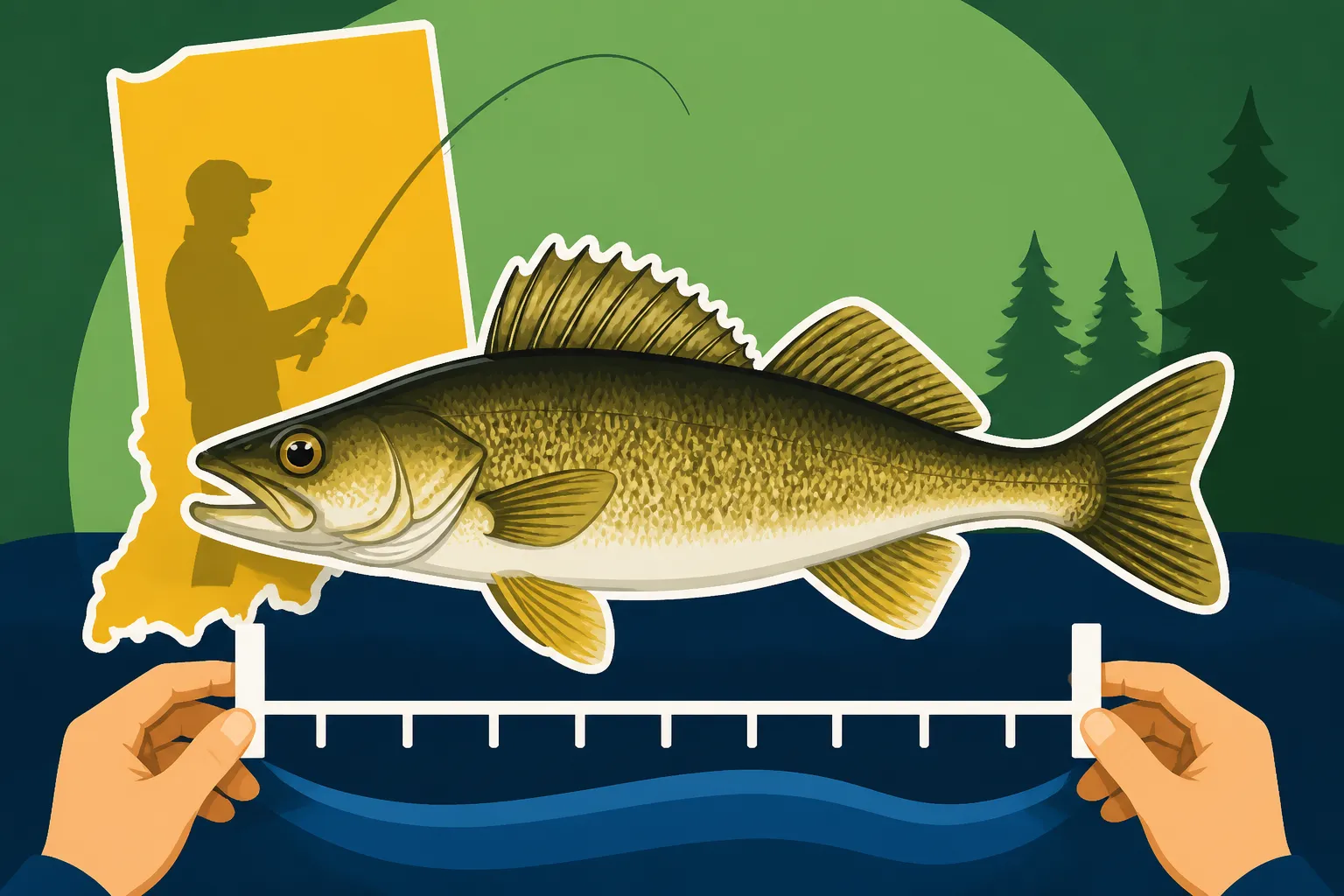
Measuring a fish correctly is straightforward, but it requires precision and a good measuring device. Here’s the accepted technique:
- Lay the fish flat: Gently lay the walleye on a flat surface, such as a measuring board or a boat deck with a ruler permanently affixed. Make sure the fish is not bent or curved.
- Close the mouth: Push the fish's mouth closed against a solid stop or the end of your measuring device. The tip of the nose should be at the zero mark.
- Squeeze the tail: With the mouth at the zero mark, gently pinch the tail fin lobes together (or flatten the tail) to extend them fully. This ensures you're getting the absolute maximum length. Read the measurement at the longest point of the tail.
- Read carefully: Get your eye level with the measurement to avoid parallax errors. Take the measurement to the nearest quarter or eighth of an inch, rounding down if it's borderline. If it's just under the legal limit, it's undersized. When in doubt, always err on the side of caution and release the fish.
Having a reliable measuring board is essential. Many anglers prefer a sturdy, flat bump board that has clear, easy-to-read markings. You can find excellent options on Amazon, ranging from simple plastic rulers to more elaborate tournament-style boards that help keep the fish calm for a quick measure. Using a flexible tape measure or trying to eyeball it is a recipe for disaster. Invest in a dedicated fish measuring device; it’s a small cost for peace of mind and legal compliance.
Handling Your Catch for Measurement and Release
Whether you're keeping a walleye or releasing an undersized one, handling it properly during the measurement process is vital for the fish's survival and your own safety. Walleye have sharp dorsal fins and gill plates that can inflict nasty cuts, so handle them with care.
If you plan to release the fish:
- Wet your hands: Before touching the fish, wet your hands thoroughly. Dry hands can remove the fish's protective slime coat, making it vulnerable to disease.
- Minimize air exposure: Keep the fish in the water as much as possible. If you must remove it for a photo or measurement, do so quickly and efficiently. Every second out of water is stressful for the fish.
- Support its body: Hold the fish horizontally, supporting its belly, especially if it's a larger fish. Avoid holding it vertically by the jaw alone, as this can damage its internal organs and spine.
- Use a measuring board: As mentioned, a dedicated measuring board makes the process faster and less stressful for the fish. Get the measurement, snap a quick photo if you like, and then gently place the fish back into the water headfirst, allowing it to swim away on its own.
Even if you're keeping the fish, quick and humane handling is good practice. A stressed fish can impact the quality of its meat. Using tools like a fish gripper can help you control a lively walleye for a quick measure before placing it in your livewell or cooler. Remember, being a responsible angler means treating your catch, whether released or kept, with respect. This ensures that the population remains healthy and vibrant, especially when targeting popular species like those mentioned in the Largemouth Bass Fishing in Indiana: The Complete Guide.
Penalties and Staying Compliant
Nobody wants a run-in with conservation officers, especially when you're just trying to enjoy a peaceful day of fishing. Unfortunately, ignorance of the law is not an excuse. Violating walleye length limits in Indiana can lead to significant penalties, making it absolutely crucial to understand and follow the rules.
Consequences of Violating Length Limits
The Indiana Department of Natural Resources (DNR) takes fishing regulations very seriously, and for good reason—they are protecting our precious natural resources. If you are found to be in possession of walleye that do not meet the legal length requirements, or if you exceed the daily bag limit, you could face a range of penalties. These can include:
- Fines: The most common consequence is a monetary fine, which can vary depending on the severity of the violation, the number of undersized fish, and whether it's a first offense or a repeat violation. These fines can quickly add up, turning a fun day into a very expensive one.
- Seizure of fish: Any illegally possessed fish will be seized by the conservation officer.
- Confiscation of equipment: In more serious cases, especially repeat offenses, your fishing equipment (rods, reels, tackle) and even your boat could be confiscated.
- License suspension: Violations can lead to the suspension or revocation of your Indiana fishing license, preventing you from legally fishing in the state for a period of time. Imagine having to sit out an entire season of walleye fishing because of a simple mistake!
It’s not just the legal ramifications; there’s also the personal embarrassment and the knowledge that you’ve contributed to undermining conservation efforts. Officers are typically fair, but they are also strict when it comes to protecting the fish. If you want to know more about the broader implications of violating fishing laws, you might want to read What Happens If You Fish Without a License in Indiana?.
Essential Practices for Responsible Walleye Anglers
Staying compliant doesn’t have to be a chore. It’s all about building good habits and embracing the responsibility that comes with being an angler. Here are some essential practices to ensure you're always on the right side of the law:
- Check current regulations religiously: Before every fishing trip, especially if you're visiting a new lake or haven't fished in a while, take a few minutes to check the latest Indiana Fishing Guide, available on the DNR website or through their mobile app. Regulations can change, and what was legal last year might not be this year.
- Invest in a proper measuring board: As discussed, a reliable, easy-to-read measuring board is non-negotiable. Don't rely on guesswork. Many anglers even mark their boat with permanent measuring lines for quick reference. You can find durable, waterproof measuring boards on Amazon that fit perfectly on most boat gunwales or tackle box lids.
- Know your location: Understand whether you are north or south of State Road 26, and be aware of any lake-specific exceptions like those at Bass Lake, Wolf Lake, or Lake George. This is where a good fishing map or GPS can be your best friend.
- When in doubt, release: If a fish is borderline or you're unsure of the exact measurement, play it safe and release it. There will always be another fish.
- Educate yourself and others: Share your knowledge with fellow anglers, especially those new to the sport. Responsible angling creates a better experience for everyone.
- Carry a copy of your license: Ensure your Indiana Fishing License Requirements Explained are met, and always carry proof of your license, whether digital or physical.
By following these practices, you'll not only avoid penalties but also contribute to the long-term health and vitality of Indiana’s incredible walleye fisheries. Your diligence helps ensure that walleye continue to thrive for future generations of anglers to enjoy. For more identification tips, check out Walleye Identification: Olive-Gold Color and White-Tipped Tail.
Walleye Length Limits at a Glance in Indiana
To help clarify the various walleye length rules we've discussed, here's a handy table summarizing the key regulations you'll encounter across Indiana's waters. Remember, these are general guidelines, and it's always best to consult the official Indiana Fishing Guide for the most current and specific details for your chosen fishing spot.
| Region / Lake | Minimum Length (inches) | Daily Bag Limit | Key Notes |
|---|---|---|---|
| North of State Road 26 | 16 | 6 | Applies to most natural lakes, rivers, and reservoirs in Northern Indiana. This rule helps protect spawning stock and grow larger fish. Refer to Walleye Minimum Length North of State Road 26 for more. |
| Bass Lake (Starke County) | 14 | 6 | A specific exception to the statewide rule, likely due to unique management strategies for this lake. |
| Wolf Lake (Lake County) | 14 | 6 | Another lake-specific exception. Also note its multi-state jurisdiction (Indiana/Illinois) which adds complexity. Learn more about Why Bass Lake and Wolf Lake Have a Lower Walleye Limit. |
| Lake George (Steuben County) | 14 | 6 | A key glacial lake in Steuben County with its own specific length regulation, part of localized fishery management efforts. |
| South of State Road 26 | No Minimum | 6 | Applies to most reservoirs and rivers in Southern Indiana. While there's no length minimum, the daily bag limit still strictly applies. These waters might be managed differently, sometimes with a focus on 'put-grow-and-take' fisheries. For additional info on broader fishing opportunities, consult Best Fishing Spots in Indiana. |
Remember that daily bag limits are typically a combined limit for walleye and saugeye. Always verify the rules for the specific body of water you're fishing, as local ordinances or emergency regulations can occasionally modify these guidelines. Utilizing tools like a good digital scale or a high-quality measuring tape from Amazon can help you ensure accuracy on the water.
Disclaimer
Please be aware that fishing regulations are subject to change. While this guide provides comprehensive information based on current available data, it is always your responsibility to consult the most up-to-date official Indiana Department of Natural Resources (DNR) fishing guide or website before heading out on the water. Following all state and local regulations ensures a safe and legal fishing experience for everyone.