Indiana’s Best Ponds for Kids to Catch Panfish
Trying to introduce your kids to the joys of fishing can sometimes feel more like a chore than a relaxing outing, especially if the fish aren't biting and those short attention spans start to wander. But don't despair! Indiana is absolutely brimming with incredible spots where the fishing is almost guaranteed to be a blast, and it’s all thanks to our abundant panfish populations. This guide is all about helping you discover those perfect, kid-friendly ponds in the Hoosier State where smiles and tugs on the line are practically a given, ensuring your little ones fall in love with the sport for good.
Why Panfish Are Perfect for Kids and Parents! in Indiana
When you're taking a kid fishing, the goal isn't always about landing a trophy-sized lunker. More often than not, it's about the experience, the excitement, and, let's be honest, getting a bite! That's where panfish truly shine, making them the absolute ideal species for introducing youngsters to the angling world. They’re plentiful, cooperative, and incredibly fun to catch, turning a simple afternoon into a treasured memory.
The Joy of the First Catch
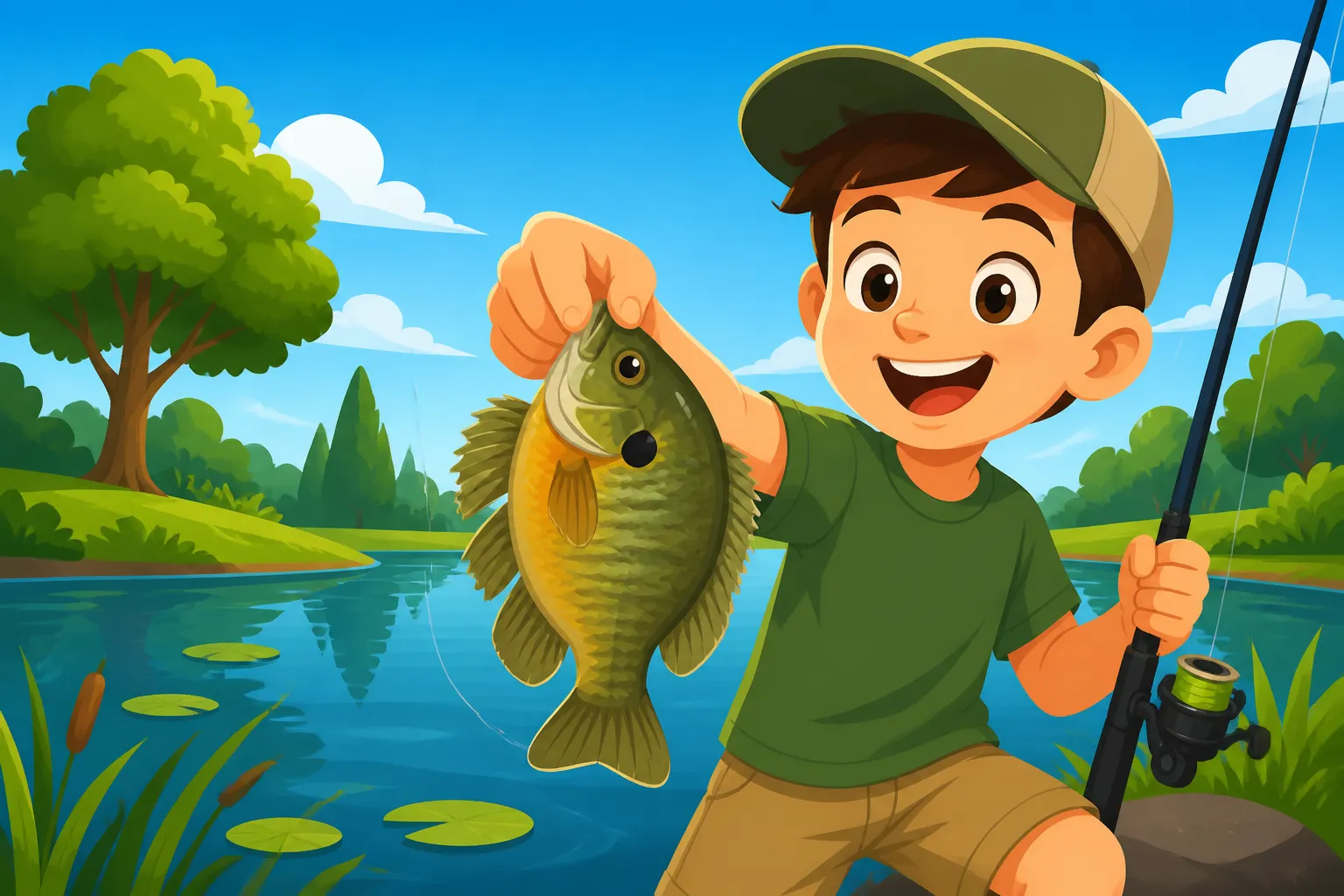
There's a magic to that first tug on the line, that moment when a child realizes they've outsmarted a fish. Panfish, like bluegill and crappie, are often so eager to bite that kids get to experience this thrill repeatedly, keeping their enthusiasm high. Imagine their eyes lighting up as the bobber dances, then plunges, and they feel the exciting pull of a fish all by themselves. It’s an unforgettable moment that sparks a lifelong love for the outdoors.
These smaller fish provide just enough fight to be exciting without being overwhelming for little arms. The sheer joy of reeling in their own catch, no matter the size, is a huge confidence booster. It teaches them patience, perseverance, and the immediate reward of their efforts, building a positive association with fishing from the very start. And for us parents, witnessing that unadulterated excitement is often the best part of the whole trip.
Beyond the immediate thrill, the first catch often leads to a stream of questions and observations, engaging their curiosity about the natural world. "What kind of fish is it?" "Why does it have stripes?" "How does it breathe underwater?" These are invaluable learning moments that extend far beyond the fishing itself, making every outing an educational adventure.
Easy to Find, Eager to Bite
One of the biggest advantages of panfish in Indiana is just how widespread and abundant they are. You don't need fancy boats or specialized equipment to find them; they thrive in countless small ponds, lakes, and even slow-moving streams across the state. This accessibility means you’re often just a short drive away from a great fishing spot, cutting down on travel time and preventing any pre-fishing meltdowns.
Panfish are also famously unfussy eaters. Simple baits like worms, crickets, or even small bits of bread often do the trick, which is perfect for kids who might struggle with more complex lure presentations. This "easy to please" nature dramatically increases the chances of a successful outing, keeping those little anglers engaged and excited with frequent action, rather than long periods of boredom.
Their eager biting habits mean fewer frustrating moments of waiting and more time reeling in fish. This consistent action is key to maintaining a child's interest, especially when they're new to the sport. It reinforces the idea that fishing is fun and rewarding, rather than a test of patience that might be better suited for experienced adults. When the fish are biting, everyone has a better time.
Building Confidence and Skills
Every time a child successfully casts, hooks, and reels in a panfish, they're not just catching a fish; they're developing crucial motor skills and coordination. Learning to cast accurately, manage a fishing line, and carefully remove a hook are all small victories that build their self-esteem. These are practical skills that grow with them, eventually allowing them to tackle more challenging fishing scenarios.
Beyond the physical skills, fishing for panfish also introduces them to basic angling concepts like reading the water, understanding fish behavior, and selecting the right bait. These early lessons are the foundation for becoming a more competent angler. As they observe where the fish are biting or what bait is working best, they're subtly learning ecological principles and problem-solving techniques.
Moreover, the entire experience encourages a sense of independence and accomplishment. They can feel proud of their contribution to the day's catch, whether it’s helping bait the hook or carefully releasing a fish. It’s a low-pressure environment where mistakes are learning opportunities, fostering resilience and a positive attitude towards trying new things. This builds confidence that extends beyond fishing, into all areas of their life.
Finding Those Hidden Gems: Indiana's Kid-Friendly Panfish Ponds
Indiana is blessed with an incredible variety of public and private waters, many of which are absolutely perfect for a family fishing trip. The key is knowing where to look for those sweet spots that offer good access, safe environments, and, most importantly, plenty of panfish that are ready to bite. You don't have to venture deep into the wilderness; some of the best spots are closer than you think.
State Parks and Recreation Areas
Our Indiana State Parks and State Recreation Areas are an absolute goldmine for family-friendly fishing. Many of these parks feature smaller lakes and ponds that are regularly stocked and managed for recreational angling. They often have easily accessible shorelines, fishing piers, and amenities like restrooms and picnic areas, making them ideal for a day out with kids. The staff at these parks are usually a fantastic resource for local fishing tips as well.
Consider places like Brown County State Park, which has several small ponds, or Versailles State Park with its larger lake. These locations aren't just about fishing; they offer a whole outdoor experience with hiking trails, playgrounds, and sometimes even nature centers. It’s a great way to ensure that even if the fish are a little slow, there are plenty of other activities to keep everyone entertained. Remember, these locations often require an entrance fee, but it's usually well worth it for the facilities and well-maintained fishing access.
Another fantastic option within the state park system is the series of properties managed by the Indiana Department of Natural Resources (DNR). Many of these properties include public access sites with small impoundments or calm river sections teeming with panfish. A quick search on the Indiana DNR website can help you pinpoint specific locations near you, often detailing the fish species present and available amenities. Check out places like Salamonie Lake or Mississinewa Lake which have many smaller coves and access points perfect for kids, even if the main lake is larger. Indiana Panfish Guide: Crappie, Bluegill, and Sunfish can give you more insights into the species you'll find.
Local Community Ponds
Don't overlook the gems right in your own backyard! Many cities and towns across Indiana maintain public fishing ponds in their parks, specifically designed to be accessible and productive for local anglers. These "urban" or "community" ponds are often stocked with various panfish species and sometimes even trout, providing consistent opportunities for success. They are typically easy to get to, require minimal travel, and offer a safe, managed environment for kids to learn.
These ponds are perfect for a quick after-school fishing trip or a relaxed weekend outing without needing a huge commitment. They often have paved paths, benches, and clearly marked fishing areas, making them incredibly user-friendly for families with small children or those with mobility challenges. A simple Google search for "fishing ponds near me" or checking your local park department's website can reveal these fantastic local resources.
Many of these community ponds also host fishing derbies or educational events, which are wonderful ways to introduce kids to fishing in a supportive, fun atmosphere. They can learn from experienced anglers, make new friends, and even win prizes, adding another layer of excitement to the sport. Keep an eye on local community calendars for these opportunities; they are fantastic for getting kids hooked!
Navigating Public vs. Private Waters
Understanding the difference between public and private waters is crucial when planning your trip. Public waters, like those in state parks or city parks, are generally open to anyone with a valid Indiana Fishing License Requirements Explained. Private ponds, often found on farms or within private subdivisions, require permission from the landowner. While some private ponds offer fantastic, often less pressured fishing, always seek explicit permission before casting a line. Trespassing is a sure way to ruin a good fishing day and damage the reputation of anglers.
When considering a private pond, asking a friend or family member who owns property with water access is a great starting point. These ponds can be incredibly productive and offer a more secluded experience, perfect for a peaceful family outing. However, it's essential to respect any rules the landowner might have, such as specific hours or catch-and-release policies. Good manners go a long way in securing future invitations.
For public waters, remember to be mindful of other anglers and share the space respectfully. Teaching kids proper etiquette, like giving others space and keeping noise levels down, is just as important as teaching them how to cast. Whether public or private, always leave the area cleaner than you found it, packing out all your trash and discarded fishing line. This helps preserve these valuable resources for everyone, including future generations of young anglers.
Gear and Techniques for a Successful Kids' Panfish Trip
Getting started with fishing doesn't have to be complicated or expensive, especially when targeting panfish with kids. The beauty of panfishing lies in its simplicity. You just need a few basic pieces of gear and some straightforward techniques to ensure a day full of bites and happy memories.
Simple, Effective Rods and Reels
For young anglers, simplicity is key. A basic spin-cast rod and reel combo is usually the best choice. These setups are incredibly easy to use, with a push-button casting mechanism that eliminates tangles and frustration. Look for models that are appropriately sized for small hands, typically 4 to 5 feet long. You can find these simple setups pretty easily, whether you're browsing at your local tackle shop or looking for deals on Amazon. Best Rod and Reel Combos for Kids Fishing covers some excellent options.
While fancier gear exists, resist the urge to overcomplicate things. A lightweight rod, a small reel spooled with 4 to 6-pound test monofilament line, a small bobber, a few split-shot weights, and some small hooks (size 8 or 10) are all you truly need. This minimalist approach allows kids to focus on the fun of fishing without getting bogged down by intricate equipment. Plus, it keeps the initial investment low, which is a relief for parents!
Consider a telescopic rod for easy transport and storage, or a two-piece rod that can be broken down. Durability is also a big factor; kids are bound to be a bit rough with their gear, so choosing something robust will save you headaches in the long run. The most important thing is that the rod and reel fit comfortably in their hands and are light enough for them to manage independently for an extended period.
Bait that Panfish Can't Resist
Panfish are not picky eaters, which is fantastic news for fishing with kids. The classic live bait options are often the most effective and entertaining. Worms, especially smaller red wigglers or pieces of nightcrawlers, are practically irresistible to bluegill and crappie. Crickets are another excellent choice, providing visual appeal and movement that panfish find hard to pass up. You can often find these at bait shops or even in your backyard!
Beyond live bait, small artificial lures can also work wonders, especially tiny jigs or spinners. These can be a bit more challenging for very young children to master, but older kids might enjoy the challenge. Bright colors like chartreuse, pink, or white often grab a panfish's attention. Remember, for beginners, live bait often provides the most immediate success and therefore the most engagement. Best Bait for Sunfish and Bluegill goes into more detail.
For an ultra-simple approach, even bread balls or corn kernels can entice panfish in some ponds. The key is to present a small, easy-to-swallow morsel that floats or sinks slowly, giving the panfish plenty of time to find it. Experiment with what works best in your chosen pond, but always start with the tried-and-true live bait for the highest chance of quick success. A quick trip to a local bait shop can usually equip you with everything you need, and the folks there often have great local recommendations.
Tips for Engaging Young Anglers
Keeping kids engaged throughout the fishing trip is paramount to their enjoyment and to fostering a love for the sport. Make it about more than just catching fish. Talk about the surrounding nature, identify birds, or look for turtles. Bring snacks and drinks, and don't forget to take plenty of photos of their proud moments. Short fishing sessions are often better than long ones, especially for younger kids; it's better to end on a high note wanting more than to drag out a trip until they're bored and restless.
Involve them in every step of the process, from baiting the hook (if they're comfortable) to casting and even carefully releasing the fish. Teach them about Panfish Limits Counted Separately by Species and the importance of conservation, explaining why we only keep what we'll eat and release the rest gently. This responsibility makes them feel like a true participant and helps them appreciate the ecosystem.
Another great trick is to turn it into a friendly competition or a game. "Who can catch the most fish?" or "Who can catch the first fish?" can add a fun element without putting too much pressure on the outcome. Celebrate every catch, no matter how small, with genuine enthusiasm. The experience should always be positive, reinforcing the idea that fishing is a wonderful way to spend time outdoors with family and friends. For deeper dives into panfish, you might check out Bluegill Identification: A Beginner's Guide or Black Crappie Identification: Spots and Body Shape.
Beyond the Catch: Creating Lasting Memories
A fishing trip with kids isn't just about the fish you catch; it's about the moments you share, the lessons you teach, and the memories you create together. These experiences are invaluable, shaping their relationship with nature and with you for years to come.
Teaching Conservation and Ethics
Introducing kids to fishing is the perfect opportunity to instill a deep respect for nature and responsible angling practices. Talk about catch limits and why they exist – for example, explaining why we might only keep a certain number of bluegill or crappie, as detailed in guides like How Many Bluegill Can You Keep in Indiana or How Many Crappie Can You Keep in a Day?. This teaches them that fishing is not just about taking, but also about protecting the resource for future generations.
Demonstrate proper catch-and-release techniques, showing them how to handle fish gently to ensure their survival if they're not being kept. Explain the importance of not leaving trash or discarded fishing line behind, as these can harm wildlife. By leading by example and discussing these ethics, you're raising environmentally conscious individuals who will be stewards of our precious waterways.
It’s also a chance to talk about the interconnectedness of ecosystems. Why are there so many bugs around the water? What role do fish play in the pond? These conversations, sparked by direct experience, are far more impactful than anything they might read in a book. They learn that every action has a consequence, fostering a sense of responsibility for the environment around them.
Celebrating Success Big or Small!
Every fish caught, every cast made, and every moment spent together is a success worth celebrating. Whether it's a tiny bluegill or a slightly larger crappie, the excitement on a child's face after reeling in a fish is priceless. Take pictures, cheer them on, and let them recount their fishing tales. These moments of affirmation build their confidence and reinforce the positive association with fishing.
Don't shy away from celebrating the "almosts" and the efforts too. If they made a good cast or patiently waited for a bite, acknowledge their persistence. Fishing, after all, involves patience and sometimes dealing with empty hooks. Learning to enjoy the process, even without a constant string of catches, is a valuable life lesson. It teaches resilience and the joy of simply being outdoors.
If you do decide to keep some panfish for a meal, involve the kids in the preparation. Cleaning and cooking their catch can be another exciting part of the adventure, teaching them about where their food comes from and the satisfaction of a homegrown meal. A simple pan-fried panfish dinner is a delicious reward that closes the loop on their fishing experience, making it a truly unforgettable day from pond to plate. Is Bluegill Good to Eat? can offer some tasty ideas.
Making It a Family Tradition
The most enduring legacy of these fishing trips isn't just a full stringer, but the creation of cherished family traditions. Regular outings to your favorite Best Fishing Lakes in Indiana by Region or local pond can become a beloved ritual, something everyone looks forward to. These shared experiences build strong family bonds and create a treasure trove of stories and inside jokes that will be recounted for years to come.
From packing the snacks to choosing the bait, involve everyone in the planning and execution. This makes it a collective effort and gives each family member a sense of ownership over the tradition. Over time, these trips become more than just fishing; they become a staple of family life, offering a consistent opportunity to connect, relax, and create lasting memories away from the distractions of daily life.
So, grab those kid-sized rods, a bucket of worms, and head out to one of Indiana's fantastic panfish ponds. You're not just going fishing; you're embarking on an adventure that promises laughter, learning, and the invaluable joy of spending quality time together in the great outdoors. These are the moments they'll talk about for years, the ones that truly matter.
Panfish Identification for Young Anglers
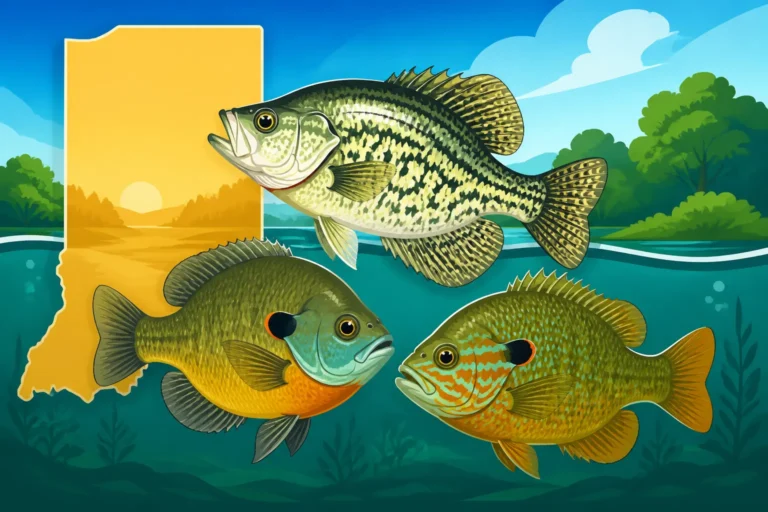
To help your little ones identify their catch, here's a quick guide to the most common panfish you'll encounter in Indiana's ponds. These are the fish most likely to make their bobber disappear!
| Feature | Bluegill | Black Crappie | Redear Sunfish |
|---|---|---|---|
| Color | Olive green to dark blue, yellow belly | Silvery-green to gold with distinct black spots | Olive green, golden highlights on sides |
| Body Shape | Round, deep body | Deep body, compressed sides | Deep body, more elongated than bluegill |
| Mouth | Small mouth | Large mouth, extends to middle of eye | Small mouth |
| Dorsal Fin | Single dorsal fin, dark spot at base | Two dorsal fins appear connected | Single dorsal fin, dark spot at base |
| Gill Flap | Black gill flap, sometimes with orange | No black spot on gill flap | Red or orange margin on gill flap ("redear") |
| Distinguishing | Vertical bars often visible on sides | 7-8 dorsal fin spines, irregular black speckles | Pointed pectoral fins, often larger |
| Kid-Friendly Bait | Worms, crickets, small artificial jigs | Minnows, small jigs, worms | Worms, crickets, small insects |
This table can be a fun way for kids to learn what they've caught. Remember, Redear Sunfish vs Bluegill: How to Tell Them Apart often comes down to that distinct red ear flap!
Disclaimer
This article is for general informational purposes only and does not constitute professional advice. Laws, prices and regulations vary by location and change over time. Consult a qualified professional for guidance on your specific situation.