Best Bait for Sunfish and Bluegill
There’s nothing quite like the tug of a bluegill or sunfish on your line, especially when you’re out on the water with family, perhaps introducing a new generation to the joys of fishing. But sometimes, despite the abundance of these feisty little fish in Indiana's ponds and lakes, getting them to bite can feel like a mystery. If you've ever cast a line, waited, and wondered why the fish just aren't interested, you're not alone. This guide is here to unravel that mystery, providing you with the best bait choices and techniques to ensure your next outing is packed with plenty of panfish action.
Understanding the Bluegill and Sunfish Palate
Before we dive into specific baits, it helps to understand what bluegill and other sunfish naturally eat. These are opportunistic feeders with relatively small mouths, and they aren't usually chasing down large, fast-moving prey. They're often found in shallow, weedy areas, around docks, or near submerged structures where they can find a smorgasbord of insects, larvae, small crustaceans, and even tiny fish. Mimicking these natural food sources is the key to success.
What Bluegill and Sunfish Naturally Eat
Think of a bluegill's diet as a buffet of tiny treats. They'll munch on mosquito larvae, small aquatic worms, leeches, tiny minnows, and a whole host of terrestrial insects that fall into the water, like crickets and grasshoppers. They're also known to pick at plant matter and algae, though this isn't their primary food source. This diverse diet means they aren't overly picky, which is great news for anglers because it opens up a wide range of bait options. Their small mouth size is a critical factor, though; a bait that's too large will be ignored or spit out quickly.
Key Factors for Bait Selection
When you're standing by the water, trying to decide what to tie on, keep a few things in mind. First, consider the season. In spring and summer, when insects are abundant, live bait like worms and crickets are often irresistible. In colder months, or in waters with heavy fishing pressure, a more subtle approach with small artificials might be better. Second, think about water clarity. In clear water, natural colors and presentations are paramount. In murky water, scent and vibration can be more effective. Finally, always remember the small mouth. This means tiny hooks (size 8 or smaller is ideal) and small bits of bait are essential. You can learn more about specific tactics in our guide on Best Bluegill Fishing Techniques for Kids.
The Unbeatable Appeal of Live Bait
For many anglers, especially when introducing children to fishing, live bait is the undisputed champion for bluegill and sunfish. It offers natural movement, scent, and taste that artificial lures simply can't always replicate. It's the original "easy button" for panfish success.
Worms: The All-Time Classic
When you think of fishing bait, worms are probably the first thing that comes to mind, and for good reason! They are incredibly effective for bluegill and sunfish.
Redworms and Nightcrawlers
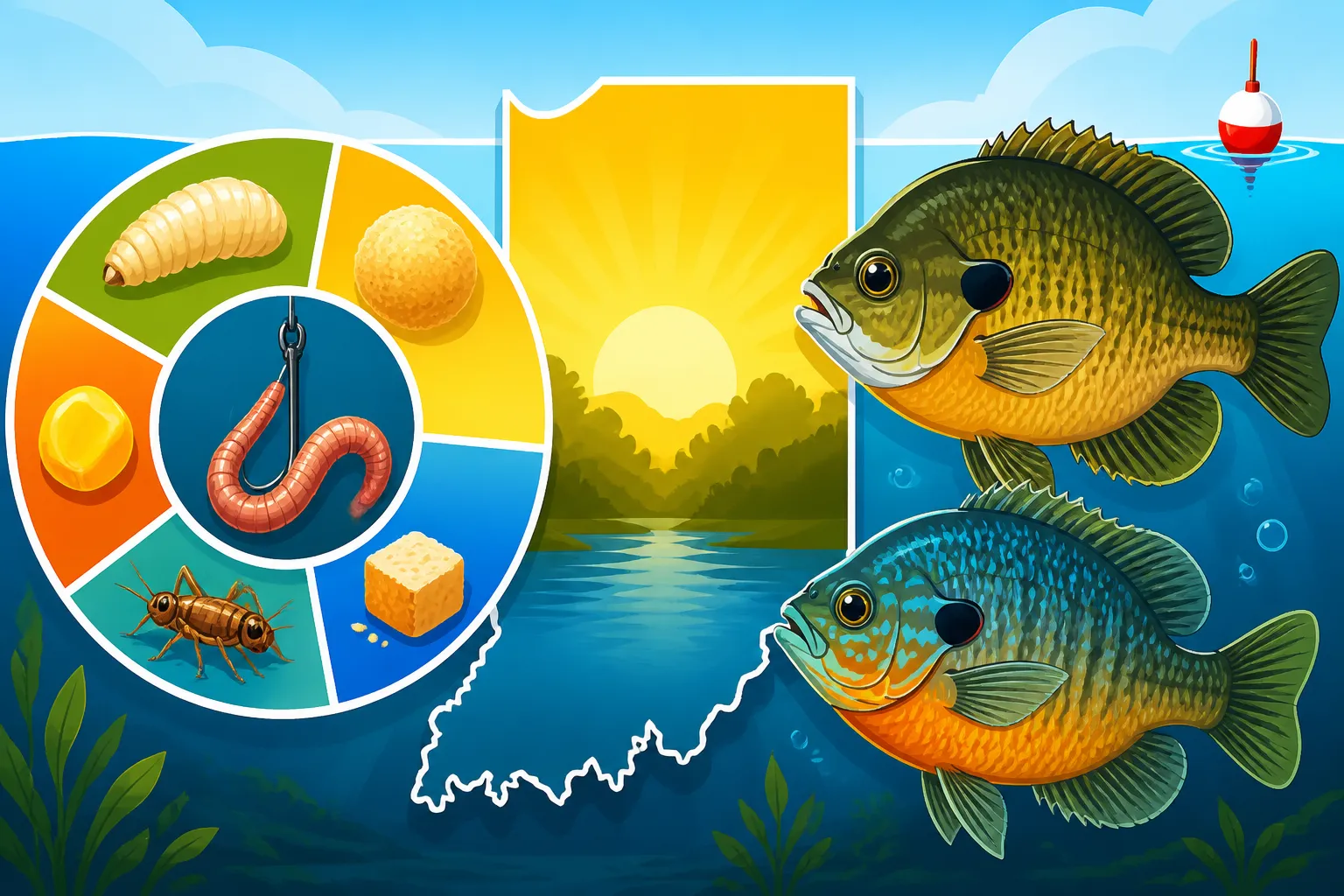
Redworms are often considered the gold standard for bluegill. They are smaller than nightcrawlers, making them a perfect bite-sized meal for panfish. Their lively wiggling action in the water is a huge draw, and they emit a natural scent that fish can't resist. You can often find them at local bait shops, or if you're feeling adventurous, you can cultivate your own worm farm! Nightcrawlers, while larger, can also be effective. The trick is to break them into smaller pieces, maybe an inch or two long, so they're more manageable for a bluegill's mouth. Just hook them once or twice through the broken end, leaving plenty of the worm to wiggle freely. This ensures a good presentation and makes it easier for the fish to get the entire bait into its mouth.
Mealworms and Wax Worms
These little larvae are another fantastic choice, especially when fish seem a bit finicky. Mealworms and wax worms are packed with protein and have a soft body that's easy for sunfish to swallow. They’re particularly good for smaller bluegill but will attract the bigger ones too. You can thread one or two onto a small hook. Their slight wiggling and natural appearance make them incredibly enticing. You can often buy these in small containers at bait shops or even larger pet supply stores. For those who like to have their supplies ready, many anglers purchase these online from retailers like Amazon, ensuring a fresh supply for their weekend trips.
Insects: Natural and Effective
Beyond worms, many common insects make excellent bluegill bait. If you've ever watched a bluegill rise to the surface to snatch a fly, you know they have an appetite for bugs!
Crickets and Grasshoppers
There's something about a cricket or a small grasshopper that bluegill just can't resist. Their erratic kicking on the surface or just below it mimics an insect that has fallen into the water, triggering an instinctive strike. You can use them with a bobber, letting them float naturally, or with a very light split shot to get them just under the surface. Crickets are readily available at most bait shops, and if you're out in a field, a little bit of searching can yield some excellent grasshopper specimens. Just remember to use a small hook, hooking them lightly through the collar or behind the head so they stay lively.
Other Surprising Live Bait Options
Sometimes, the most common baits aren't the only ones that work, and local conditions can make unusual baits surprisingly effective.
Small Minnows or Fry
While bluegill generally eat insects, larger sunfish, particularly if they're near predatory fish, will often take small minnows or fish fry. This is less common for typical bluegill fishing but can be a tactic if you're targeting bigger specimens or fishing in waters where they are part of the bluegill's diet. Use a tiny minnow hook (size 10 or 12) and hook the minnow lightly through the back, just behind the dorsal fin, to keep it lively.
Corn and Bread
Believe it or not, something as simple as a kernel of sweet corn or a tiny ball of bread can be incredibly effective, especially in heavily fished public waters like those found in many Indiana State Parks for Fishing. Fish in these areas can become accustomed to people feeding them, and these baits mimic those handouts. Sweet corn offers a bright color and sweet scent, while bread provides a soft, easy-to-eat offering. Just be sure to use a very small piece, molding the bread tightly around your hook, or threading a single kernel of corn. It's a great, inexpensive option that kids love to use.
Table: Popular Live Baits for Sunfish and Bluegill
| Bait Type | Pros | Cons | Best Use |
|---|---|---|---|
| Redworms | Excellent action, natural scent, hardy | Can be messy to handle | All-around, great for beginners |
| Nightcrawlers | Large, can be broken into pieces | Too large whole for bluegill | Break into small pieces |
| Mealworms | Clean, easy to handle, good protein | Less natural action than worms | Finicky fish, easy for kids |
| Wax Worms | Very soft, irresistible to small mouths | Fragile, can be hard to keep on hook | For smaller bluegill, light biting conditions |
| Crickets | Erratic action, surface appeal | Can jump off hook, harder to acquire sometimes | Surface feeding, warmer months |
| Sweet Corn | Inexpensive, clean, easy to use | Lacks natural movement, can fall off easily | Heavily fished areas, family fun |
Mastering Artificial Lures for Panfish
While live bait is often foolproof, there are times when artificial lures shine. They allow for more active fishing, covering more water, and can be incredibly rewarding when you crack the code. Plus, no more digging for worms or stopping at the bait shop!
Micro Jigs and Tiny Soft Plastics
These are arguably the most versatile and effective artificial lures for bluegill and sunfish, especially when rigged correctly.
Jig Heads and Body Styles
The key here is small. We're talking 1/32 oz or even 1/64 oz jig heads. These light weights allow for a slow, natural fall that panfish love. Pair these with tiny soft plastic bodies. Popular choices include grub tails, tube jigs, or small creatures like a tiny crappie minnow imitation. Colors can vary; chartreuse, white, black, and pumpkinseed are consistent producers. Sometimes, a bright pink or orange can trigger a strike, especially in stained water. Many anglers swear by a small jig tipped with a wax worm or piece of a live worm to add scent and extra appeal. When shopping for these, you'll find a massive variety online, and Amazon is a convenient place to browse different brands and color patterns.
Fishing with Micro Jigs
Presentation is everything with micro jigs. You can cast them out and retrieve them with a very slow, steady reel, letting the tail do the work. Or, for a more active approach, try a lift-and-drop retrieve, mimicking a dying insect or small fish. For shallow water around weed beds or docks, suspend a micro jig under a very small bobber. This keeps the lure in the strike zone and allows for a subtle presentation. Pay close attention to your line; often, a bluegill bite will just feel like a slight "tick" or simply a tightening of the line, rather than a strong pull. This takes practice, but it's incredibly satisfying when you learn to detect those subtle bites. You can refine these skills by studying Crappie Jigging Techniques for Beginners, which often apply to bluegill too.
Small Spinners and Spoons
Sometimes, panfish are more aggressive and will readily chase a moving lure. This is where tiny spinners and spoons come into play.
Inline Spinners
Think of brands like Panther Martin or Mepps in their smallest sizes (size 00 or 0). These lures have a small blade that spins as you retrieve them, creating flash and vibration that attracts fish. The key is to use a very slow retrieve to keep the lure in the strike zone without burning it past the fish too quickly. Again, natural colors like silver or gold can be great, but don't shy away from bright colors with a bit of flash, especially on overcast days or in darker water. Spinners are excellent for covering water and finding active fish.
Tiny Spoons
Small casting spoons, often designed for trout or crappie, can also tempt bluegill. They wobble and flash as they fall and retrieve, mimicking a wounded baitfish. Again, small sizes are crucial. A 1/16 oz or 1/8 oz spoon is usually perfect. Cast them out and let them sink for a few seconds before starting a slow, steady retrieve. These are particularly effective around drop-offs or slightly deeper water where bluegill might be schooled up.
Tips for Presenting Your Bait Perfectly
Having the best bait is only half the battle. How you present it to the fish can make all the difference between a productive day and a frustrating one. The right technique, tackle, and understanding of the water will dramatically increase your hook-up rate.
Tackle Considerations
Your gear plays a big role in successful panfishing. You don't need expensive equipment, but the right setup makes it easier to cast light baits and detect subtle bites.
Light Rods and Small Hooks
For bluegill and sunfish, lighter is better. A lightweight or ultralight spinning rod (4-6 feet long) paired with a small spinning reel spooled with 2-4 lb test monofilament or fluorocarbon line is ideal. This setup allows you to cast those tiny baits a good distance and feel even the slightest nibble. As mentioned earlier, hooks should be small—size 8 to 12 is generally perfect. This matches the size of a bluegill's mouth and ensures a solid hookset. Using a small bobber, like a fixed spring bobber or a slip bobber, will help you control your bait's depth and detect strikes, especially when using live bait. If you're looking to upgrade your setup, check out guides like Best Rods and Reels for Freshwater Fishing for recommendations.
Locating Productive Spots
Bluegill and sunfish are ambush predators and often hang out in predictable locations. Knowing where to cast is just as important as what you're casting.
Structure and Cover
Look for areas with structure or cover. This includes fallen trees, submerged logs, brush piles, boat docks, lily pads, and weed beds. These areas provide food, shelter from predators, and shade from the sun. In warmer months, bluegill will often be found in shallower water (2-10 feet), especially early and late in the day. During the midday heat, they might move a bit deeper or tuck into the densest cover. When you're fishing a new lake, start by targeting these obvious spots. If you're fishing in a farm pond, almost any change in depth or vegetation can hold fish.
Depth and Time of Day
Bluegill are most active during the cooler parts of the day – early mornings and late evenings – especially during summer. During these times, they might come up shallower to feed. On cloudy days, they can be active all day. In colder water, or during the heat of summer, they'll often retreat to deeper pockets or heavy cover. Experiment with different depths until you find where the fish are holding. A good rule of thumb is to start shallow and gradually increase your depth until you get a bite.
The Art of the Hookset
Bluegill often "peck" at the bait before fully committing. It can be tempting to yank the rod at the first little tap, but patience is key.
Feeling the Bite
When using live bait, watch your bobber intently. A subtle dip, a slight twitch, or even just the bobber lying flat on the water could indicate a bite. Resist the urge to set the hook too soon. Let the fish take the bait for a second or two, allowing it to get the hook fully into its mouth. Then, a gentle, upward sweep of the rod tip is usually all it takes to set the small hook. With artificials, you'll feel more of a "tick" or sudden weight on your line. Again, a subtle but firm sweep is best. Overly aggressive hooksets with light tackle can tear the bait out of their mouths or even break your line. Practicing this can greatly improve your success.
Knowing Your Limits
While bluegill and sunfish are abundant, it's always important to respect fishing regulations. Indiana has specific Indiana Panfish Daily Limits by Species, and it's good practice to only keep what you'll eat and release the rest, especially the larger, breeding-size fish, to ensure healthy populations for the future.
Disclaimer
This article is for general informational purposes only and does not constitute professional advice. Laws, prices and regulations vary by location and change over time. Consult a qualified professional for guidance on your specific situation.