Panfish Limits Counted Separately by Species
There’s a common mix-up that many anglers, even seasoned ones, fall prey to when it comes to panfish limits in Indiana. You head out for a relaxing day, catch a bunch of bluegill, then some crappie, maybe a few redear sunfish, and before you know it, your cooler is looking pretty full. The big question often becomes: "Did I hit my limit?" The answer, which trips up many, is that Indiana’s panfish limits aren't a grand total for all panfish combined; they're counted separately by species. This guide is here to untangle that confusion, making sure your next trip to the lake is stress-free and fully compliant with state regulations.
Navigating Indiana's Panfish Daily Limits
It’s easy to understand why there’s confusion around panfish limits. Many states have a blanket "total panfish" limit, making it simpler to count everything that fits the general description. However, Indiana takes a more nuanced approach, one that’s designed to protect individual fish populations.
The Per-Species Counting Rule Explained
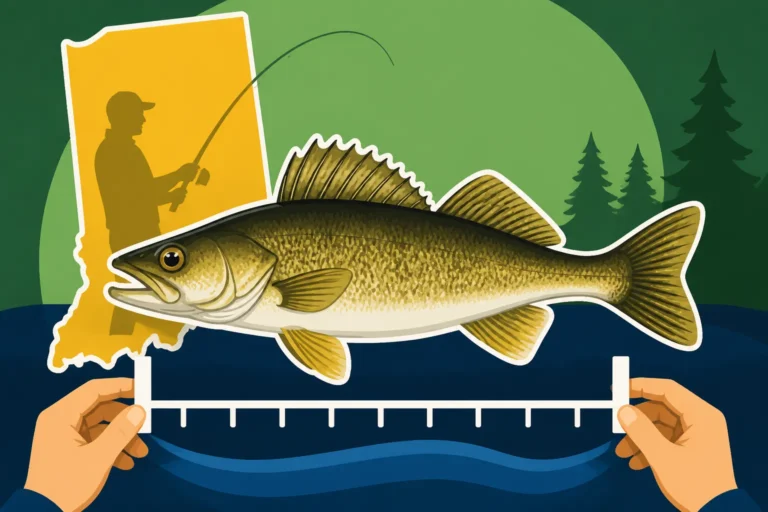
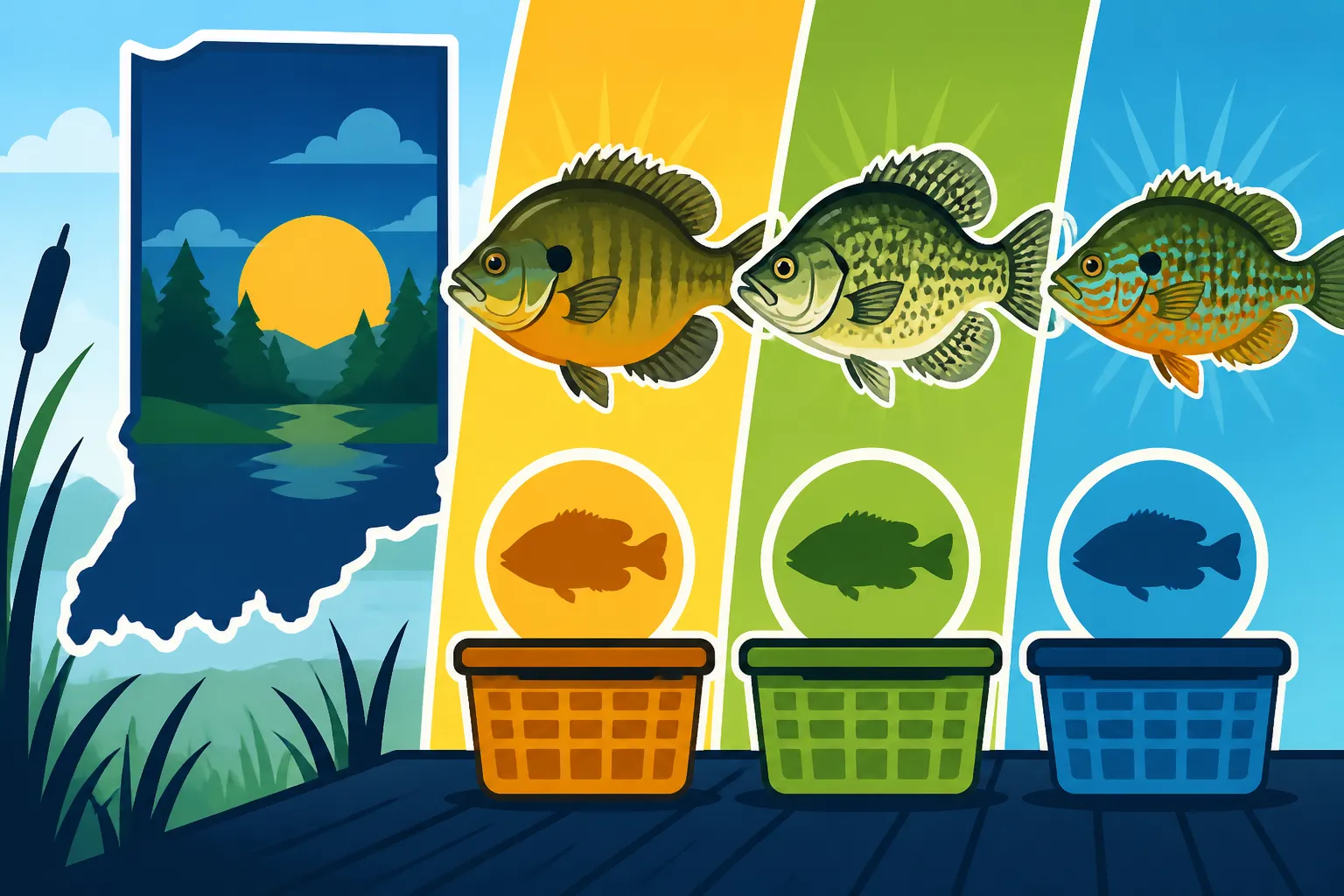
Let's get straight to the heart of the matter: in Indiana, the daily bag limit for most panfish is 25 fish per species. This means if you catch 25 bluegill, you can still catch 25 crappie, and 25 redear sunfish, and 25 yellow perch, all on the same day. It's not 25 total fish in your cooler; it's 25 of each kind of panfish. This detail is absolutely critical for avoiding an unexpected conversation with a conservation officer.
Imagine you're out on Lake Monroe, and the bluegill bite is on fire. You fill a stringer with 20 nice bluegill. Then, you move to a brush pile, and the crappie start hitting. If you mistakenly think your limit is 25 for all panfish, you might stop at five crappie, believing you’ve reached your total. But under Indiana's rules, you could actually keep another 20 crappie because they are a different species. This distinction is often a lightbulb moment for many anglers, myself included, who initially assumed a combined limit. Understanding that it’s Indiana Panfish Daily Limits by Species is key to maximizing your legal catch and staying out of trouble.
What Qualifies as "Panfish" in Indiana?
When we talk about "panfish" in Indiana, we're generally referring to a group of smaller, often schooling fish that are incredibly popular for their catchability and delicious table fare. These include the ever-popular bluegill, redear sunfish, various other sunfish species, both black and white crappie, yellow perch, and rock bass, among others. The term "panfish" itself comes from their ideal size for frying whole in a pan.
The Indiana Department of Natural Resources (DNR) groups these species together under specific regulations, often with that 25-fish daily limit. It's important to be able to identify your catch, especially if you're targeting a mixed bag. For instance, while a bluegill is easy to spot, distinguishing between a bluegill and a green sunfish can be a bit trickier for a novice angler, though both generally fall under the sunfish umbrella with the same limit. The Indiana Panfish Guide: Crappie, Bluegill, and Sunfish is an excellent resource for learning more about these common catches. Knowing what you're reeling in before it hits the cooler ensures you're counting correctly and adhering to the per-species limit.
Specific Panfish Species and Their Limits
Let's dive into some of the most sought-after panfish in Indiana and reiterate their individual limits. This will help cement the "per-species" understanding.
Bluegill and Redear Sunfish
Bluegill are, without a doubt, one of Indiana’s most iconic and accessible fish. Nearly every pond, lake, and slow-moving river holds them. They're a fantastic fish for beginners, kids, and experienced anglers alike, always ready to bite. The daily bag limit for bluegill is 25. Similarly, their close cousins, the redear sunfish (often called shellcrackers for their habit of eating snails), also carry a daily limit of 25.
The challenge arises when you’re catching a steady stream of both. It’s easy to get caught up in the excitement and just toss fish into a single bucket. However, you need to keep a mental (or physical) tally: 25 bluegill and 25 redear sunfish. You could have 20 bluegill and 20 redear in your cooler, totaling 40 fish, and be perfectly within the law. If you had 26 bluegill and only 5 redear, you'd be over your bluegill limit. It’s a subtle but significant difference. Many parents introducing their kids to fishing find that Bluegill and Panfish: A Great Starter Fish for Kids in Indiana are perfect, and teaching them early about separate limits is a valuable lesson in conservation. Always remember, the Redear Sunfish Daily Limit: 25 per Day is distinct from that of other sunfish.
Crappie Black and White
Crappie, both black and white, are another massive draw for Indiana anglers, especially in the spring and fall. They tend to school up, making it possible to catch a lot of them in a short amount of time once you locate a productive brush pile or stump field. Like bluegill and redear, the daily limit for crappie is 25 per species.
Now, here’s where it gets a little more nuanced: while the law technically states 25 for black crappie and 25 for white crappie, most anglers and even conservation officers understand that distinguishing between the two can be tough for the average person, especially quickly on the water. Therefore, for practical purposes, it's generally accepted that you can keep a combined total of 25 crappie, regardless of whether they're black or white. However, if you are absolutely certain you have 25 black crappie and then start catching white crappie, you technically could keep another 25. To be safe, and to avoid any potential misunderstanding, sticking to 25 total crappie is usually the safest bet. Still, knowing How Many Crappie Can You Keep in a Day? is crucial, and learning Black Crappie Identification: Spots and Body Shape can deepen your angling knowledge. For a broader overview of these popular panfish, checking out Indiana Crappie and Bluegill Daily Limits provides excellent clarity.
Yellow Perch and Rock Bass
While perhaps not as universally targeted as bluegill or crappie, yellow perch and rock bass are still fantastic panfish that offer great angling opportunities in specific Indiana waters. Yellow perch, known for their distinctive stripes and delicious fillets, are particularly popular in the northern glacial lakes and tributaries of Lake Michigan. Rock bass, with their larger eyes and olive-brown coloring, prefer clearer, rocky streams and lakes.
For both yellow perch and rock bass, the daily bag limit remains 25 fish per species. So, if you're on a northern Indiana lake like Lake Wawasee and you're hauling in a mix of yellow perch and bluegill, you can legally keep 25 of each. This is particularly important for those who enjoy ice fishing, as yellow perch are a common target through the ice. It’s also important for anglers exploring the Lake Michigan Fishing Rules for Indiana Anglers, as perch are a significant species there. Just like with the other panfish, the "per-species" rule ensures that these individual populations are managed sustainably. Yellow Perch: Indiana's Classic Panfish are definitely worth targeting!
Practical Tips for Staying Compliant
It's one thing to know the rules, and another to apply them effectively when you're out on the water, focused on the next bite. Here are some practical ways to ensure you stay within the legal limits.
Counting Your Catch Accurately
The easiest way to avoid accidentally going over your limit is to count your fish as you catch them. Don't wait until the end of the day when you've got a pile of fish to sort through; that's when mistakes happen. A simple method is to use separate stringers for each species. Dedicate one stringer for bluegill, another for crappie, and so on. If you're using a cooler, consider bringing small mesh bags or dividers to keep species separate. You can find affordable fish counters or small, separate mesh bags on Amazon that make sorting a breeze. This visual separation makes it much harder to lose track of your individual species totals.
Another approach, especially if you're fishing with family or friends, is to designate one person responsible for counting or to have each angler count their own. Communication is key. Before the day starts, make sure everyone in your group understands the 25-fish per-species rule. A moment of clarity before casting your lines can prevent a lot of headaches later, especially if a conservation officer performs a spot check. They take their job of protecting Indiana's fisheries very seriously, and ignorance of the law is rarely an acceptable excuse.
Understanding Exceptions and Local Rules
While the 25-fish per-species rule is a great baseline for most panfish across Indiana, it's absolutely crucial to remember that exceptions can and do exist for specific bodies of water. The Indiana DNR actively manages fisheries, and if a particular lake or stream's panfish population needs special protection or management, they might implement reduced bag limits, length limits, or other specific regulations for that location.
For example, a lake known for producing trophy crappie might have a lower daily limit for crappie to encourage growth of larger fish, or a minimum length requirement. You, as the angler, are responsible for knowing the rules for the specific waters you're fishing. Before heading out, always consult the current Indiana Fishing Regulations and Bag Limits Guide. This guide is updated annually and is your definitive source for all regulations, including any local exceptions. Many tackle shops provide free copies, or you can find the complete guide on the Indiana DNR website. It’s also a good idea to pick up a physical copy of the current regulations guide, or bookmark the online version on your phone, so you always have it handy – you might even find one on Amazon if your local tackle shop is out. Planning a trip to one of the Best Fishing Lakes in Indiana by Region? Make sure to check that lake's specific rules.
| Panfish Species | Daily Bag Limit (per species) | Notes |
|---|---|---|
| Bluegill | 25 | This applies to all sunfish species unless otherwise specified. |
| Crappie (Black/White) | 25 | Generally accepted as 25 total for both black and white crappie combined. |
| Redear Sunfish | 25 | Often caught with bluegill, remember to count separately. |
| Yellow Perch | 25 | Common in Northern Indiana and Lake Michigan tributaries. |
| Rock Bass | 25 | Found in rocky, clear streams and lakes, often caught on small lures. |
The Conservation Rationale Behind Per-Species Limits
These regulations aren't arbitrary; they are carefully crafted by fisheries biologists to ensure the long-term health and sustainability of Indiana's diverse fish populations. Understanding the "why" behind the rules can help anglers appreciate their importance and embrace responsible fishing practices.
Managing Healthy Fish Populations
Different fish species have different life cycles, growth rates, and vulnerabilities to fishing pressure. If Indiana had a blanket "total panfish" limit, say 50 fish total, anglers might disproportionately harvest one easily caught species, like bluegill, while barely touching others. This could lead to an imbalance: an overabundance of one species might stunt its growth, or a severe reduction in another could hinder its ability to reproduce and recover.
By setting limits per species, the Indiana DNR can more precisely manage individual fish stocks. This ensures that popular species like bluegill continue to thrive, crappie populations remain robust in their preferred habitats, and other panfish don't get overlooked or overharvested. This scientific approach, supported by Indiana Fishing License Requirements Explained that fund these studies, helps maintain a healthy ecosystem, ensuring that future generations of anglers can enjoy the same fantastic fishing opportunities we have today. It's all about finding that sweet spot between allowing anglers to enjoy their sport and protecting the resource for everyone.
Promoting Responsible Angling
Ultimately, these regulations are a call to responsible angling. They encourage us to be more mindful of what we're catching and keeping. When you know you have a limit for bluegill and a separate one for crappie, it naturally makes you more attuned to the species you're targeting and the numbers you're accumulating. It's a subtle push towards conservation, even if it feels like just a counting exercise at first.
Once you’ve reached your limit for a particular species, consider practicing catch-and-release, even if you still have limits available for other species. Releasing healthy fish, especially the larger, breeding-size ones, contributes to a stronger fishery. Having the right tools like specialized fish grippers or dehookers, which you can often find on Amazon, can minimize harm to the fish you intend to release. Responsible angling isn't just about following the letter of the law; it's about embodying the spirit of conservation, ensuring that every time you cast a line in Indiana, you're part of a sustainable future for our aquatic friends.
Disclaimer
The information provided in this guide is for general informational purposes only and is not intended as legal advice. Fishing regulations can change, and local exceptions may apply. Always consult the most current Indiana Department of Natural Resources (DNR) fishing regulations guide or their official website before fishing to ensure compliance.