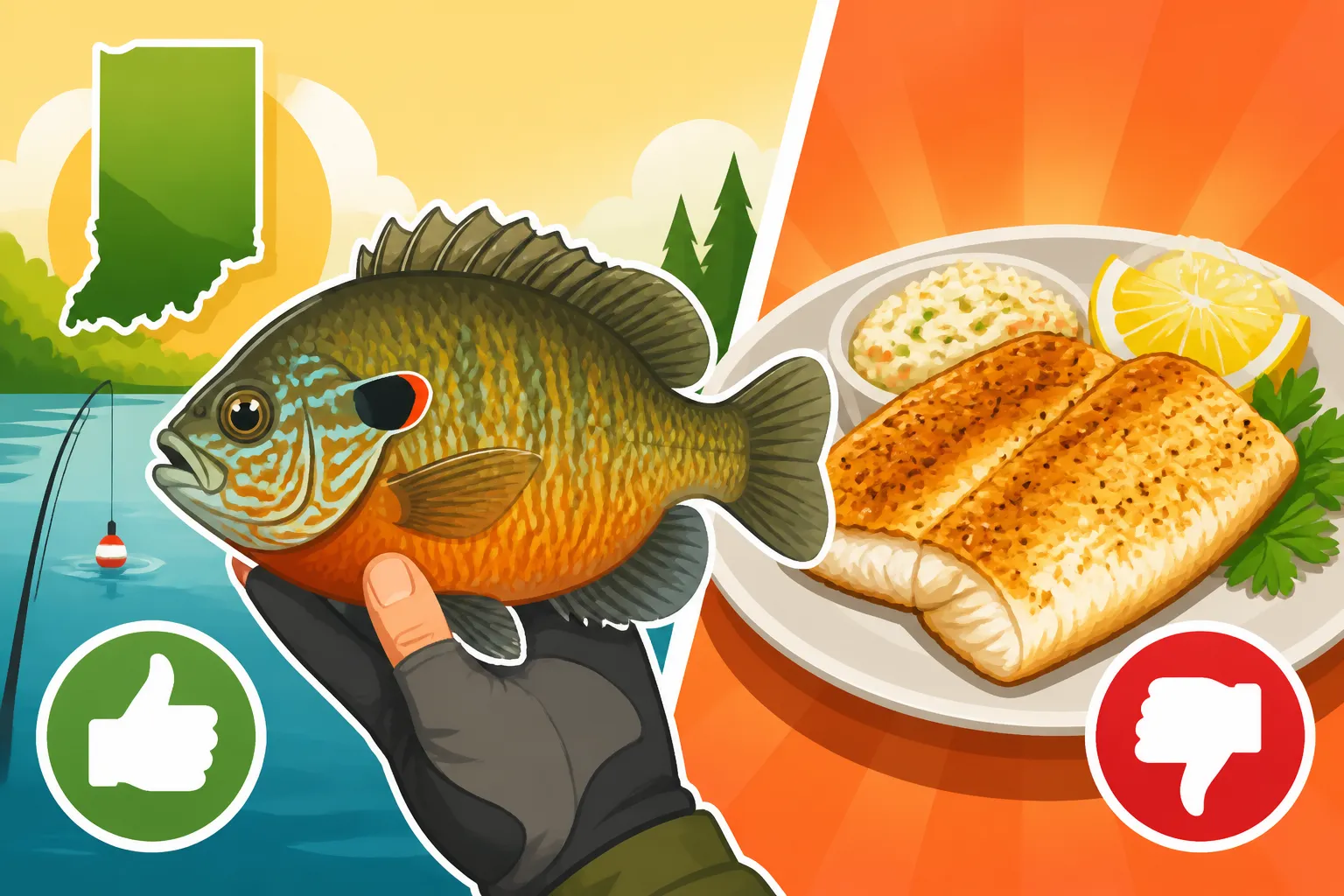
Is Redear Sunfish Good to Eat?
There’s nothing quite like the excitement of feeling a strong tug on your line, reeling in a beautiful redear sunfish, and then that familiar question pops into your head: "Is this little fighter actually good to eat, or should I toss it back?" You've heard whispers that panfish are delicious, but you want to know if redear specifically are worth the effort of cleaning and cooking. Well, let's dive deep into why this often-overlooked Indiana fish is not only edible but a truly delightful meal waiting to happen!
The Flavor Profile of Redear Sunfish – What to Expect
When it comes to putting fish on the dinner table, flavor is king, right? And you might be surprised just how delicious redear sunfish can be. Many anglers, especially those who grew up fishing for bluegill or crappie, don't always give the redear its fair shake. But let me tell you, these fish are absolutely fantastic, often ranking right up there with the best panfish Indiana has to offer.
The Mild, Sweet Taste
Redear sunfish are often called "shellcrackers" for a reason – their diet primarily consists of snails, mussels, and other bottom-dwelling invertebrates. This unique diet plays a significant role in their flavor profile. Unlike some fish that might have a muddy or "fishy" taste depending on their environment, redear sunfish tend to have a consistently clean, sweet, and incredibly mild flavor. It's a taste that even those who are typically hesitant about eating fish often find appealing. Think of it as a delicate canvas ready to absorb whatever seasonings you choose to add.
The subtle sweetness of redear sunfish makes them incredibly versatile in the kitchen. They don't have that strong, oily taste you might associate with some larger game fish. Instead, their flavor is light and refreshing, making them a perfect catch for a casual evening meal or even a celebratory fish fry. If you've enjoyed the taste of other panfish, you'll likely find redear sunfish to be a pleasant, perhaps even superior, addition to your repertoire. For more on the array of panfish available, check out our Indiana Panfish Guide: Crappie, Bluegill, and Sunfish.
Texture and Consistency
Beyond just the flavor, the texture of a fish is crucial for an enjoyable eating experience. And here again, redear sunfish really shine. Their flesh is wonderfully white, firm, and flaky, without being mushy or too tough. When cooked properly, it separates easily into tender, moist flakes that practically melt in your mouth. This firm yet tender consistency means they hold up beautifully to various cooking methods, from a crispy pan-fry to a gentle bake.
You'll find that smaller redear, often caught in ponds or smaller lakes, are fantastic for frying whole. Their size makes them perfect for getting a crispy exterior while keeping the interior moist and tender. Larger redear, which can actually get quite impressive in size – sometimes reaching over a pound, are excellent candidates for filleting. The fillets are substantial enough to provide a boneless, meaty portion that's a joy to eat. Understanding How Big Do Redear Sunfish Get? can help you decide whether to fillet or cook whole.
Cleaning and Filleting Redear Sunfish for the Table
Alright, you've caught a mess of redear sunfish, and you're convinced they're going to be delicious. Now comes the work: getting them from the cooler to the cooking pan. Cleaning panfish can sometimes feel like a chore, especially if you have a lot of them, but with a good technique and the right tools, it's a straightforward process that gets easier with practice.
The Nitty-Gritty of Cleaning
The key to great-tasting fish starts with how you handle it immediately after the catch. You want to keep your redear as cold as possible once they're off the hook, ideally on ice. This preserves their freshness and flavor. When you're ready to clean them, the basic steps involve scaling and gutting. Some anglers choose to skin them, but with redear, scaling is usually sufficient, as their skin crisps up nicely when fried.
Start by scraping off the scales against the grain with a scaling tool or the back of a knife, holding the fish firmly by the tail. Then, make a shallow cut along the belly from the anal vent up to the gills, being careful not to cut too deep into the internal organs. Scoop out all the guts, remove the gills, and rinse the cavity thoroughly under cold running water. Make sure to get rid of any dark bloodline along the backbone. Having a sharp, flexible fillet knife on hand, like those you can find on platforms like Amazon, makes this process much smoother and more efficient.
Filleting vs. Whole Cooking
Deciding whether to fillet your redear or cook them whole often comes down to personal preference and the size of your catch. Both methods yield delicious results, but they offer different experiences.
| Feature | Whole Cooked Redear Sunfish | Filleted Redear Sunfish |
|---|---|---|
| Preparation | Gutted, scaled, head and tail often left on | Scaled or skinned, flesh removed from bones |
| Bones | Present, need to be picked around | Boneless (if done correctly) |
| Taste | Richer, skin crisps up and adds flavor | Pure, mild fish flavor |
| Texture | Tender, moist flesh | Tender, moist flakes |
| Best Uses | Pan-frying, deep frying | Pan-frying, baking, grilling, broiling |
| Effort | Less cleaning time per fish | More cleaning time per fish, but easier to eat |
Cooking redear whole is a classic for a reason. You get all the flavor from the skin and bones, and it's a wonderfully rustic presentation. Just make sure they're thoroughly cleaned inside and out. For larger redear, however, filleting is often the preferred route, especially if you're serving them to guests who might not enjoy navigating around bones. With a bit of practice, you can get clean, boneless fillets that are perfect for a wide range of recipes. Don't worry too much about maximizing every tiny bit of flesh; focus on getting clean, boneless pieces for the best eating experience. Remember to keep an eye on those Panfish Daily Limit in Indiana: 25 per Species rules when you're out catching!
Delicious Ways to Prepare Your Redear Sunfish
Now for the fun part: cooking those tasty redear sunfish! Their mild flavor and firm, flaky texture make them incredibly versatile. Whether you're a fan of the traditional fish fry or looking for healthier preparation methods, redear sunfish won't disappoint.
Classic Pan-Frying and Deep Frying
You really can't go wrong with a classic pan-fry or deep fry when it comes to panfish, and redear are no exception. This method highlights their delicate flavor and gives them that irresistible crispy crust.
For Pan-Frying:
- Preparation: If cooking whole fish, make a few shallow diagonal cuts on both sides of the fish. This helps it cook evenly and allows seasonings to penetrate. Pat the fish dry with paper towels to ensure a crispy coating.
- Breading: A simple breading works wonders. Mix cornmeal, flour, salt, pepper, and your favorite spices (paprika, garlic powder, or a dash of Cajun seasoning are great choices). Dredge the fish thoroughly in the breading mixture, pressing gently to make sure it adheres well.
- Cooking: Heat about 1/2 inch of oil (vegetable, peanut, or canola oil work well) in a heavy-bottomed skillet over medium-high heat until it shimmers. Carefully place the fish in the hot oil, ensuring not to overcrowd the pan. Cook for 3-5 minutes per side, depending on thickness, until golden brown and cooked through. The internal temperature should reach 145°F (63°C).
- Serve: Remove the fish and place it on a wire rack over paper towels to drain excess oil. Serve immediately with a squeeze of lemon, tartar sauce, and your favorite sides.
For Deep Frying:
Deep frying gives you an even crispier, more evenly cooked result. Use a similar breading to pan-frying, ensuring it's nice and thick. Heat your oil to 350-375°F (175-190°C) in a deep fryer or heavy pot. Fry the fish (whole or fillets) for 4-7 minutes, again depending on size, until golden brown and floating. The key is to maintain consistent oil temperature for best results. If you're looking for Crappie and Panfish Fishing Techniques for Beginners, many of those apply to catching redear too!
Beyond the Fryer: Baking, Grilling, and More
While frying is delicious, redear sunfish are equally fantastic with lighter cooking methods. Their mild flavor takes well to herbs, citrus, and various marinades, allowing you to create healthier and equally flavorful dishes.
Baking:
For a hands-off approach, baking is excellent. Place fillets or whole fish on a baking sheet lined with parchment paper. Drizzle with olive oil, sprinkle with salt, pepper, and herbs like dill or parsley, and add a few lemon slices. You can also create foil packets with a little white wine or chicken broth, along with vegetables, for a steamed-in-its-own-juices effect. Bake at 375°F (190°C) for 12-18 minutes, or until the fish flakes easily with a fork.
Grilling:
Grilling adds a lovely smoky char to redear sunfish. For fillets, consider using a fish grilling basket to prevent them from falling through the grates. Brush the fish with olive oil and season simply with salt, pepper, and a touch of paprika. Grill over medium-high heat for 3-4 minutes per side, or until cooked through. If you're grilling whole fish, make sure the skin is well-oiled to prevent sticking. A good set of grilling tools can be found on Amazon to make this process even easier!
Other Ideas:
- Fish Tacos: Flake baked or grilled redear into soft tortillas with cabbage slaw, avocado, and a spicy crema.
- Fish Salad: Use leftover cooked redear in a light salad with mixed greens, cherry tomatoes, and a vinaigrette.
- Ceviche (for very fresh fish): While often made with larger, firmer fish, the mildness of redear could lend itself to a quick ceviche-style preparation if the fish is exceptionally fresh.
No matter how you prepare them, redear sunfish are a true culinary treat. If you're fishing in Indiana's Best Ponds for Kids to Catch Panfish, you might bring home quite a few of these delightful eating fish!
Maximizing Your Catch: Storage and Freshness
So, you've had a fantastic day out on the water, maybe even caught your limit of redear sunfish. (Speaking of limits, did you know How Many Crappie Can You Keep in a Day? – similar rules apply to redear!). Now, how do you ensure that delicious, fresh flavor lasts until it hits your dinner plate, or even for months to come? Proper handling and storage are just as important as the cooking method itself.
Keeping Them Fresh After the Catch
The moment a fish comes out of the water, its quality begins to degrade. The best way to preserve that fresh-from-the-lake taste is to get your redear sunfish on ice as quickly as possible. An insulated cooler filled with ice is your best friend here. Don't just toss them in a bucket; direct contact with ice chills them rapidly and slows bacterial growth significantly.
Once you get home, if you plan to cook them within a day or two, clean and gut the fish immediately. Pat them dry with paper towels, wrap them loosely in wax paper or plastic wrap, and place them in an airtight container or a bag filled with ice in the coldest part of your refrigerator. Change the ice daily if keeping them for more than a day. Properly stored this way, redear sunfish can remain fresh and delicious for 1-2 days. It’s always best to cook them the day you catch them if possible, but life happens, and knowing how to store them is key.
Freezing for Later Enjoyment
Sometimes you catch more fish than you can possibly eat in a couple of days, and that's a good problem to have! Freezing is an excellent way to preserve your redear sunfish for future meals. The goal is to prevent freezer burn, which can dry out the fish and give it an off-flavor.
One of the most effective methods for freezing panfish fillets (or even small whole, cleaned fish) is the "ice glaze" method or vacuum sealing.
- Ice Glaze Method: Place your cleaned and patted dry fillets on a baking sheet and freeze them solid. Once frozen, dip each fillet into a bowl of cold water, let the water freeze onto the fish (this creates a protective ice layer), and repeat this process 2-3 times. Then, place the ice-glazed fillets into freezer bags, removing as much air as possible, and store them in your freezer. This thick layer of ice protects the delicate flesh from freezer burn.
- Vacuum Sealing: This is arguably the gold standard for long-term fish storage. Clean and dry your fillets, then simply place them in vacuum sealer bags and remove all the air using a vacuum sealer. You can find excellent, affordable vacuum sealers on Amazon that will pay for themselves by extending the life of your catch. Vacuum-sealed fish can last 6-12 months in the freezer without a significant loss in quality.
No matter which method you choose, make sure to label your bags with the date of freezing. When you're ready to enjoy them, thaw the fish slowly in the refrigerator overnight for the best results.
Redear Sunfish vs. Other Common Indiana Panfish
When you're out fishing in Indiana, you might encounter several types of panfish. Here's a quick comparison to help you appreciate what makes the redear sunfish a standout.
| Feature | Redear Sunfish (Shellcracker) | Bluegill | Black Crappie | Yellow Perch |
|---|---|---|---|---|
| Diet | Snails, mussels, aquatic insects (bottom feeders) | Insects, small crustaceans, some plant matter | Small fish, insects, zooplankton | Insects, small fish, crustaceans |
| Flavor | Very mild, sweet, clean | Mild, slightly earthier | Mild, delicate, very flaky | Mild, sweet, distinct "perch" flavor |
| Texture | Firm, flaky, moist | Flaky, slightly softer | Very tender, fine flakes | Firm, flaky |
| Flesh Color | White | White | White | White |
| Ease of Filleting | Moderate (can be thick-bodied) | Easy (thinner body) | Moderate (can be thin, delicate) | Easy (thinner body, distinct backbone) |
| Average Size | Often larger than bluegill (8-10 inches, up to 1-2 lbs) | Generally smaller (6-9 inches, up to 1 lb) | Can grow large (10-14 inches, up to 2-3 lbs) | Average 7-10 inches, up to 1 lb |
| Popularity as Table Fare | High, often considered top-tier panfish | Very high, classic panfish | Extremely high, very popular | High, especially in certain regions |
So, there you have it! The next time you're debating whether to keep that redear sunfish, don't hesitate. These fantastic Indiana fish are not only a blast to catch but are truly a delicacy on the dinner table. With their mild, sweet flavor and firm, flaky texture, they're perfect for a classic fish fry or a variety of other delicious preparations. Happy fishing and even happier eating!
Disclaimer
This article is for general informational purposes only and does not constitute professional advice. Laws, prices and regulations vary by location and change over time. Consult a qualified professional for guidance on your specific situation.