Best Time of Year to Catch Walleye in Indiana
Oh, the elusive walleye! If you've spent any time on Indiana's lakes and rivers, you know these toothy critters are a prized catch, but they don't always make it easy. Anglers often find themselves wondering if there's a magical time of year when walleye fishing really heats up, or if it's just a game of luck. This comprehensive guide is here to unravel the mystery, helping you understand the seasonal movements and feeding patterns that make certain times of the year truly shine for catching walleye in the Hoosier State.
The Early Spring Bite: Pre-Spawn and Spawn Aggression
Spring in Indiana brings a buzz to the fishing community, and for good reason—it’s often the absolute best time of year to target walleye. After a long winter under the ice (or in the cold, deep waters), these fish are hungry and have one thing on their minds: reproduction. This period is marked by distinct phases, each offering unique opportunities for anglers.
Ice-Out to Early April: Cold Water Opportunities
Once the ice leaves our northern Indiana lakes, or as river temperatures slowly begin to climb, walleye start to stir. The water might still feel frigid, often in the high 30s to low 40s Fahrenheit, but these fish are waking up and beginning their pre-spawn movements. They're not just lounging around anymore; they're actively migrating from deeper wintering holes towards shallower staging areas. Think creek channels, submerged humps, and points leading into spawning grounds. These are the highways walleye use, and if you can intercept them, you’re in for some action.
During this cold water period, walleye can be a bit sluggish, so your presentation needs to be slow and deliberate. Jigs tipped with live minnows or soft plastics are often deadly effective. The key is to keep your bait right in their face, giving them an easy meal they don't have to chase far. Vertical jigging over structure, or slowly dragging baits along the bottom, can entice those pre-spawn fish into biting. It's a time for patience, but the rewards—often larger, robust walleye—are well worth the effort. Many anglers will head to places like Lake Wawasee or Webster Lake, known for their spring walleye potential. Don't forget to check the specific regulations, as Walleye Minimum Length North of State Road 26 can vary by location.
The Spawning Window: Late March to Mid-April
This is often considered the peak of the spring walleye action. As water temperatures creep into the mid-40s to low 50s, walleye move onto their spawning beds. In Indiana, this typically happens in late March through mid-April, though it can fluctuate slightly depending on the severity of the winter and the speed of the spring thaw. Walleye prefer hard bottom areas for spawning—think rocky points, gravel beds, and rip-rap shorelines in lakes, or rocky riffles and current breaks in rivers like the St. Joseph.
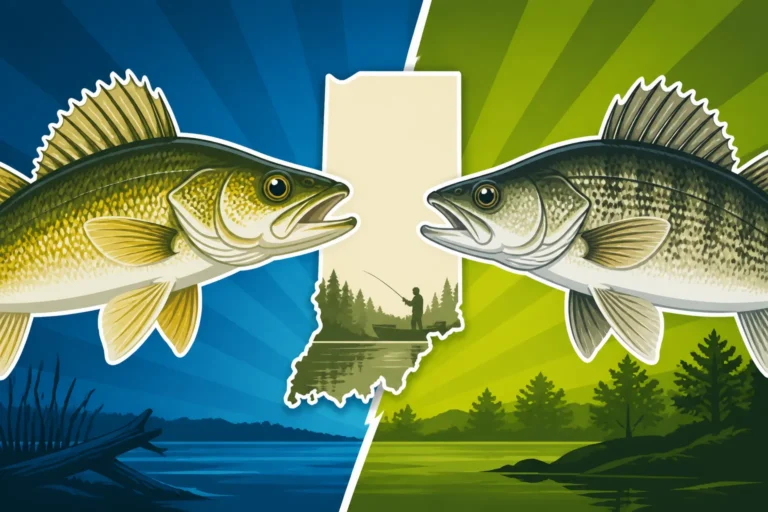
While walleye can be found in these shallow spawning areas, fishing during the actual spawn can be a mixed bag. The fish are often more focused on perpetuating their species than on feeding. However, the pre-spawn and post-spawn periods around this window can be incredibly productive. Males tend to arrive first and stay longer, often being more aggressive. Targeting the edges of these spawning grounds with jigs, crankbaits, or even simple slip-bobber rigs can yield fantastic results. It’s a short but intense window, and paying close attention to local water temperatures and conditions is paramount. You might find a brief but furious bite as males guard the nest or as females make quick feeding forays before or after depositing eggs. Remember, walleye identification is important, as you might encounter similar-looking species. For a clearer picture, check out Walleye Identification: Olive-Gold Color and White-Tipped Tail.
Summer Strategies: Deep Water and Night Fishing
Once the spawn is over and water temperatures really start to climb, walleye fishing transforms. The shallow, aggressive bite of spring gives way to more subtle and often deeper patterns. Many anglers pack up their walleye gear until fall, but savvy Indiana fishermen know that summer offers excellent opportunities, especially if you understand how walleye adapt to the heat.
Post-Spawn Recovery and Summer Patterns
After the strenuous act of spawning, walleye need a recovery period. As surface water temperatures reach into the 70s, walleye seek out cooler, more comfortable depths. This means they'll often move to the thermocline—that distinct layer in a lake where warmer surface water meets colder deep water. They'll relate to deep structure: sunken islands, humps, sharp drop-offs, and main lake points. Locating these depth changes with a good fish finder is crucial.
During the day, walleye might be suspended in open water, chasing baitfish, or hugging the bottom of these deep structures. Trolling crankbaits at specific depths is a highly effective strategy for covering water and finding active fish. Long-lining or using downriggers can get your lures into the strike zone. If you prefer to stay stationary, vertical jigging with spoons or heavy jigs over deep humps can also produce bites. Understanding Walleye Trolling Techniques can make a huge difference in your summer success. Look for areas with a good supply of oxygen and cooler temperatures, especially in larger reservoirs like Patoka Lake or Monroe Lake.
The Summer Night Bite: Trolling and Jigging
One of Indiana's best-kept secrets for summer walleye fishing is the night bite. As the sun dips below the horizon and the lake cools, walleye often move shallower to feed under the cover of darkness. This is when they become incredibly accessible, even for shore anglers or those in smaller boats. The low light offers them an advantage over baitfish, and they'll venture into areas they wouldn't dare approach during the day.
Night fishing often involves trolling shallow-running crankbaits over flats, along weed lines, or near prominent points. The vibration and profile of the lure become irresistible in the dark. For those who prefer a more active approach, casting stickbaits or even vertical jigging around illuminated docks or bridges can be highly effective. The key is to use lures with good rattles or actions that create a strong vibration, as walleye rely heavily on their lateral line to detect prey in the dark. A good headlamp is essential for tying knots and handling fish, and you can find plenty of reliable options on Amazon for those late-night adventures. If you're wondering just how good it can get, check out Do Walleye Bite at Night in Indiana Reservoirs?. It's a completely different experience than daylight fishing, often leading to some of the biggest walleye of the year.
Fall Feeding Frenzy: Packing on Pounds for Winter
As summer fades and the air begins to crisp, Indiana's walleye fishing can experience a glorious resurgence. Fall is a prime time for many species, and walleye are no exception. They instinctively know winter is coming, and they need to pack on as much weight as possible to survive the leaner months. This metabolic urgency translates into aggressive feeding patterns and predictable movements.
Cooling Waters and Renewed Activity
The turning point in fall walleye fishing often revolves around the lake turnover. As surface waters cool, they become denser and sink, mixing with the deeper, warmer water below. This process, typically occurring from late September through October, can temporarily disorient fish. However, once the lake stabilizes, usually by mid-fall, the walleye become incredibly active. Water temperatures become more uniform throughout the water column, and walleye can be found at various depths, often moving back towards shallower feeding areas.
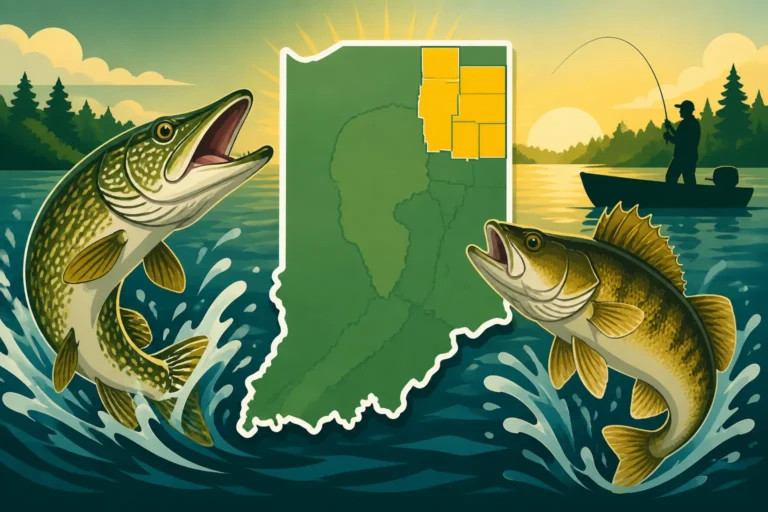
They'll frequent main lake points, rocky reefs, submerged humps, and the edges of weed beds, targeting schools of baitfish that are also fattening up for winter. Trolling crankbaits, especially larger profiles, becomes highly effective as walleye are looking for substantial meals. Casting jigging raps, blade baits, or even large swimbaits to structure can also trigger fierce strikes. This is a time when walleye are less lethargic than in spring, and their bites can be incredibly powerful. Many anglers find success at lakes in the northern glacial lake region, which are known for their walleye populations.
Late Fall and Early Winter: Last Chances Before Ice
As fall deepens and temperatures continue to drop, walleye begin to transition to their winter patterns. This late-fall window, often extending into early December before serious ice forms, offers some of the last open-water opportunities. Walleye will group up in predictable, deeper areas, often associated with steep drop-offs, main lake basin edges, and major creek channels in reservoirs. They become less scattered and more concentrated, making them easier to locate if you have the right electronics.
Vertical jigging with heavier jigs, spoons, and blade baits becomes the dominant presentation. Focus on slowing down your retrieve and really working the bottom structure. Live bait, such as large shiners or suckers, fished on a slip-bobber or a Lindy rig, can also be incredibly effective for these colder-water walleye. They're still feeding, but their metabolism has slowed, so a slower, more deliberate approach is key. It's a great time to layer up, enjoy the quiet of the late season, and potentially catch some of the biggest walleye of the year before they settle into their deep winter slumber. Remember that Indiana's fishing license year starts on April 1st, so always be mindful of your license's validity if you're fishing into late fall and winter. You can learn more about this by reading Indiana Fishing License Year Explained.
Winter Tactics: Ice Fishing for Walleye
For many dedicated walleye anglers in Indiana, winter means one thing: ice fishing! While not every part of the state sees reliable hard water, the northern counties offer fantastic opportunities to target walleye through the ice. It's a challenging but highly rewarding pursuit, and some of the largest walleye of the season are pulled out from under the frozen surface.
First Ice to Mid-Winter: Mobility and Structure
The "first ice" period, typically in December and early January, is often a gold mine for walleye. As soon as the ice is safe, walleye are often still quite active and can be found relating to shallower structure than they will later in winter. Main lake points, humps, and sharp breaks that lead into deeper water are prime targets. The key during this time is mobility. Don't be afraid to drill many holes, moving until you locate a school of active fish.
Jigging spoons, tipped with a minnow head or a piece of plastic, are excellent for attracting attention and triggering bites. Tip-ups, baited with live shiners or fatheads, are also essential, allowing you to cover a wider area and present a more natural offering. Walleye often cruise along these structural elements, and having multiple lines (within legal limits, of course) increases your chances of intercepting them. Safety on the ice is paramount during this early season, always check ice thickness carefully. If you're thinking about extending your season, don't overlook Why Walleye Bite Windows Shrink Once the Glacial Lakes Warm as it offers context on why winter fishing is different.
Late Ice: Shallow Push and Pre-Spawn Preparations
As winter progresses into late February and March, leading up to "last ice," walleye often begin another significant movement. They start to push shallower again, anticipating the upcoming spring spawn. This is a fantastic time to target them, as they become more active feeders and concentrate in areas adjacent to their future spawning grounds. Think shallow flats, points, and weed lines in 10-20 feet of water, especially those near river inlets or known rocky areas.
Jigging minnows or larger plastics, often in combination with tip-ups, can be incredibly productive. The fish are often more willing to chase a bait, and their bites can be surprisingly aggressive for late winter. It's a fantastic time to experience fast-paced walleye action before the ice finally melts away. Just like early ice, safety is key; always be aware of deteriorating ice conditions. For keeping warm and comfortable during these colder months, a quality ice fishing shelter, perhaps one you found on Amazon, can make all the difference. For more on shelters, consider reading Best Ice Fishing Shelters for Cold Weather. Adapting your techniques as the season changes from early to late ice is critical for consistent success.
Seasonal Walleye Fishing Overview
To help visualize the best times and typical conditions for walleye fishing in Indiana, here's a quick summary:
| Season | Typical Months | Water Temperature Range | Key Locations | Primary Techniques | Key Bait/Lure Types |
|---|---|---|---|---|---|
| Early Spring | Late March – Mid-April | 40-55°F | Spawning areas (rock, gravel), creek channels | Vertical Jigging, Slow Trolling | Live minnows, Soft Plastics, Jigging Raps |
| Late Spring | Late April – May | 55-65°F | Transition areas, weed edges, shallow flats | Casting Crankbaits, Trolling | Crankbaits, Jerkbaits, Spoons |
| Summer (Day) | June – August | 65-75°F | Deep structure, thermocline, open water | Trolling Crankbaits, Vertical Jigging | Deep-diving Crankbaits, Jigging Spoons |
| Summer (Night) | June – August | 65-75°F | Shallow flats, weed lines, lighted docks | Trolling Shallow Crankbaits, Casting | Stickbaits, Shallow Crankbaits |
| Early Fall | September – October | 60-50°F | Main lake points, rocky reefs, weed edges | Trolling, Casting, Vertical Jigging | Crankbaits, Blade Baits, Swimbaits |
| Late Fall | November – Early December | 50-40°F | Deep channels, steep breaks, wintering holes | Vertical Jigging, Live Bait Rigging | Heavier Jigs, Spoons, Large Minnows |
| Winter (Ice) | December – March | Under 40°F | Humps, points, deep breaks, shallow flats | Jigging Spoons, Tip-ups, Live Bait | Small Jigging Spoons, Live Minnows, Plastics |
Understanding these seasonal shifts in walleye behavior and adapting your approach accordingly will dramatically increase your chances of success. It's not just about luck; it's about knowledge and being prepared for what the fish are doing in response to their environment. Whether you're a seasoned walleye hunter or just starting out, there's always something new to learn and apply to your next trip. Always remember to also check Indiana Fishing Regulations and Bag Limits Guide before you head out.
Disclaimer
This article is for general informational purposes only and does not constitute professional advice. Laws, prices and regulations vary by location and change over time. Consult a qualified professional for guidance on your specific situation.