Indiana’s Rarest Fish Species: What Anglers Might Not Know
We all know the familiar thrill of reeling in a largemouth bass, the satisfying tug of a catfish, or the feisty fight of a crappie on a warm Indiana afternoon. But beneath the surface of our beloved lakes and rivers lies a hidden world, a realm of aquatic residents so seldom seen that most anglers aren't even aware they exist. This guide aims to pull back the curtain on Indiana's truly rare fish species, shedding light on these elusive creatures, why they're so hard to find, and why their continued presence matters for the health of our waterways.
What Makes a Fish "Rare" in Indiana?
When we talk about a "rare" fish species, it's not just about how often an angler catches it. Rarity in the ecological sense often means a species has a very limited population size, a highly restricted habitat, or is facing significant threats that put its future at risk. Indiana's waters, while teeming with common game fish, also harbor a fascinating array of native species that are struggling to hold on. These aren't the trophy fish you typically brag about, but they are crucial indicators of environmental health and irreplaceable parts of our natural heritage.
Defining Rarity and Conservation Status
The state of Indiana, through its Department of Natural Resources (DNR), tracks the health and population numbers of various species, including fish. They classify species based on their conservation status, ranging from "endangered" to "special concern" or "threatened." An endangered species, for example, is one facing immediate risk of extirpation (local extinction) from the state, while a threatened species is likely to become endangered in the near future if current trends continue. These classifications aren't arbitrary; they're based on scientific surveys, historical data, and careful monitoring of habitats. It's a constant battle to understand and protect these vulnerable populations, often in the face of habitat loss, pollution, and the introduction of invasive species. Understanding these terms helps us appreciate the delicate balance of our ecosystems.
Factors Contributing to Rarity
So, what pushes a fish species to the brink of rarity? There's rarely one single answer. Often, it's a perfect storm of environmental pressures. Habitat loss is a huge culprit; wetlands drained for development, rivers channelized for flood control, or lakes altered by shoreline construction can eliminate the very specific conditions a sensitive species needs to survive and reproduce. Pollution, whether from agricultural runoff, industrial discharge, or even urban stormwater, can degrade water quality to a point where only the most tolerant species can persist. Competition from invasive species, such as Asian carp or zebra mussels, can outcompete native fish for food and habitat or disrupt the food web entirely. Climate change also plays a role, altering water temperatures and flow regimes that many native species have evolved to depend on. It’s a complex web, and each factor puts additional stress on already vulnerable populations, making their recovery a monumental challenge.
Spotlight on Indiana's Elusive Aquatic Residents
While you might not find a "catch-and-release" record for these species, knowing about them enriches our understanding of Indiana's biodiversity. Many of these fish are small, cryptic, or inhabit very specific, often remote, aquatic environments. You won't typically see them for sale at a bait shop or advertised in a fishing tournament, but their quiet existence is a testament to the diverse natural history of our state.
Glimpses of the Uncommon: Specific Examples
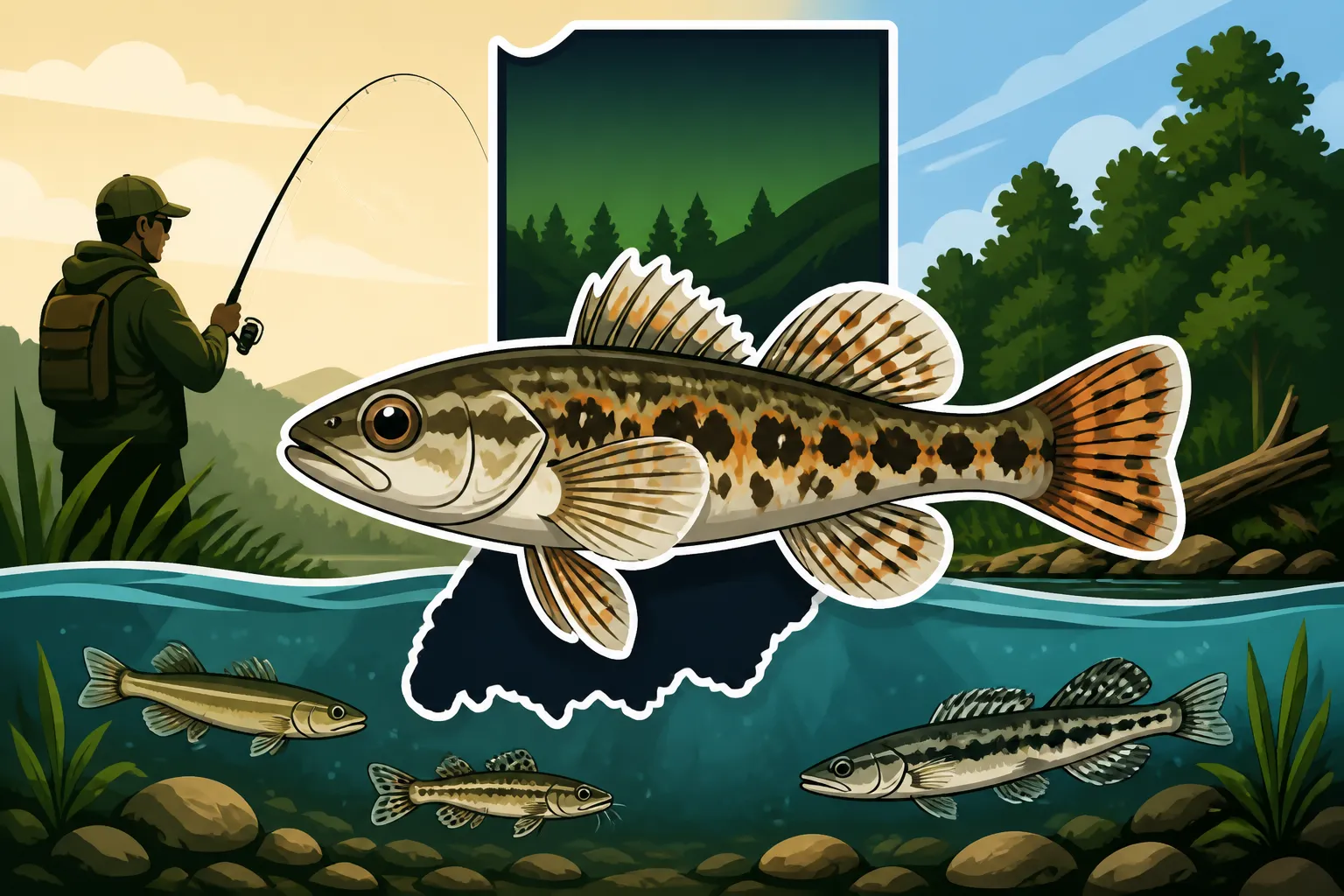
Indiana is home to some truly unique and rarely seen fish. Take the Northern Madtom, for instance. This tiny catfish relative is often mistaken for a juvenile channel catfish, but it's a distinct species that prefers clear, fast-flowing streams with rocky bottoms. They're nocturnal and hide under rocks, making them incredibly difficult to find. Another fascinating example is the Bluebreast Darter, a small, brilliantly colored fish that lives exclusively in clean, cool, oxygen-rich riffles of specific streams. Their vibrant breeding colors are a sight to behold, but you'd need a snorkel and a keen eye to spot one in its natural habitat. Then there's the Popeye Shiner, a small, schooling minnow known for its unusually large eyes, perfectly adapted for low-light conditions in murky, slow-moving backwaters. Each of these species has adapted to a very particular niche, and when that niche is disturbed, their populations suffer greatly. Understanding these micro-habitats helps us appreciate the intricate details that make up a healthy aquatic ecosystem. Many of these species are documented in comprehensive resources like 190 Types of Fish: A Beginner's Guide to Local Species Diversity and Indiana Fish Identification: A Quick Reference Guide.
Where They Might Be Found (Theoretically)
It's important to remember that these rare fish are protected, and targeting them is not only unlikely to succeed but also potentially illegal. However, understanding their preferred habitats can give you a better appreciation for the quality of certain waterways. The Northern Madtom, for example, might still be present in the upper stretches of the Wabash River or tributaries of the Ohio River with pristine gravel beds. The Bluebreast Darter clings to existence in scattered, high-quality streams in southern Indiana, particularly those with good forest cover and minimal agricultural runoff. The Popeye Shiner, on the other hand, prefers the slower, turbid waters of oxbow lakes and backwater sloughs associated with larger river systems like the lower White River. These are not places you'd necessarily fish for these species, but knowing they could be there underscores the importance of keeping these particular habitats clean and undisturbed. If you're exploring less-traveled areas, a waterproof field guide, easily found on Amazon, can help you identify any unusual catches.
Why Should Anglers Care About Rare Fish?
You might be thinking, "Why should I care about a fish I'll probably never see, let alone catch?" That's a fair question, and the answer goes beyond just the aesthetic appeal of a rare species. These often-overlooked creatures are vital threads in the tapestry of our aquatic ecosystems, and their decline signals broader environmental problems that can affect all fish – including the ones you do want to catch.
Indicators of Ecosystem Health
Rare and sensitive fish species are often the "canaries in the coal mine" for our waterways. Because they have very specific habitat or water quality requirements, their presence (or absence) can tell us a lot about the overall health of a river or lake. If a species like the Bluebreast Darter, which needs pristine, oxygen-rich water, disappears from a stream, it's a strong indicator that something is going wrong with the water quality or habitat. This degradation might not immediately affect more robust species like carp or bluegill, but over time, those changes will ripple through the entire food web. A healthy ecosystem with diverse species is more resilient to environmental stressors, provides better habitat for game fish, and ultimately offers a more enjoyable fishing experience for everyone. It’s all interconnected, and protecting the weakest links strengthens the entire chain.
The Role of Biodiversity
Biodiversity – the variety of life on Earth – is crucial for healthy ecosystems. Each species, no matter how small or seemingly insignificant, plays a role in its environment. Rare fish, for example, might be a primary food source for a particular bird species, or they might help control insect populations. Losing even one species can disrupt these delicate balances, potentially leading to unforeseen consequences for other aquatic life, including the sport fish we cherish. Think of it like a complex machine: if you start removing small, specialized parts, eventually the whole system can break down. Maintaining a rich diversity of fish ensures a more stable, productive, and vibrant aquatic environment, which in turn means better fishing for generations to come. This is especially true for unique species you might find in specific regions, such as those covered in Lake Michigan Fishing Rules for Indiana Anglers or Indiana's Lake Michigan Fishery: Species You Can't Catch Anywhere Else.
Accidental Encounters and Ethical Angling
Most anglers will never intentionally target a rare fish species, simply because they're so hard to find and often not considered "sporting" in the traditional sense. However, accidental encounters can happen, especially if you're fishing in less common areas or using very small tackle. Knowing what to do in such a situation is crucial for responsible angling and helps protect these vulnerable populations.
What to Do If You Catch a Rare or Unfamiliar Fish
If you happen to reel in a fish that looks unfamiliar, unusual, or simply doesn't match the common species you're accustomed to, the first rule is: don't assume it's okay to keep it. Your best course of action is to try and identify it quickly. A good, laminated fish identification guide is an excellent item to keep in your tackle box or boat, and many are available for purchase on Amazon. If you can't identify it positively and it looks truly unique or fragile, photograph it if possible (being quick and gentle), and then release it immediately with as little handling as possible. Minimize its time out of water. Use wet hands to handle the fish, support its body, and avoid touching its gills or eyes. These small, sensitive species are often easily stressed, and careful handling can make all the difference in their survival. Always err on the side of caution when in doubt.
Responsible Angling Practices for Protecting All Fish
Even if you never encounter a truly rare species, practicing responsible angling helps protect all fish, including the vulnerable ones. Here are a few key practices:
- Know Your Regulations: Always be aware of Indiana Fishing Regulations and Bag Limits Guide for the waters you're fishing. This includes size limits and bag limits for common species, which are designed to ensure sustainable populations.
- Catch and Release Best Practices: If you're practicing catch and release, use appropriate gear for the size of fish you're targeting to minimize stress. Barbless hooks can make unhooking easier and less damaging. Quickly return fish to the water, especially in warm weather when oxygen levels are lower.
- Prevent Invasive Species Spread: Clean your boat, trailer, and fishing gear thoroughly between waterways to prevent the spread of aquatic invasive species, which can devastate native fish populations. This means draining livewells, bilges, and transom wells, and removing all plant and animal matter.
- Respect Habitats: Avoid disturbing sensitive aquatic vegetation or spawning beds. Try to minimize your footprint on the shoreline and in the water.
- Report Concerns: If you observe unusual fish kills, pollution, or suspected poaching, report it to the Indiana DNR. Your observations can be crucial for protecting our natural resources.
By following these simple guidelines, every angler can play a part in conserving Indiana's rich and diverse aquatic life, ensuring that both the common and the rare species continue to thrive for years to come.
Here's a quick overview of some factors distinguishing rare species from common ones:
| Characteristic | Common Fish Species (e.g., Largemouth Bass, Bluegill) | Rare Fish Species (e.g., Northern Madtom, Bluebreast Darter) |
|---|---|---|
| Population Size | Widespread, abundant | Small, localized populations |
| Habitat Specificity | Adaptable to various habitats | Highly specific habitat requirements (e.g., clear, fast riffles) |
| Environmental Tolerance | Tolerant of some habitat degradation, pollution | Very sensitive to changes in water quality, habitat alteration |
| Visibility to Anglers | Frequently caught, well-known | Seldom seen, often mistaken for other species, cryptic |
| Conservation Status | Stable, robust populations | Listed as endangered, threatened, or special concern |
| Primary Threat | Overfishing (if not managed), habitat degradation | Habitat loss, pollution, invasive species, climate change |
Remember, every fish plays a role. Learning about Indiana's rarer fish species deepens our connection to the environment and makes us better stewards of our precious natural resources.
Disclaimer
This article is for general informational purposes only and does not constitute professional advice. Laws, prices and regulations vary by location and change over time. Consult a qualified professional for guidance on your specific situation.