Best Bait for Muskie Fishing on Lake Wawasee
If you've ever cast a line on Lake Wawasee in pursuit of muskie, you know the exhilarating challenge that comes with targeting these apex predators. They're called "the fish of 10,000 casts" for a reason, and if you don't have the right bait to entice them, that number might feel a little too real. This guide is dedicated to demystifying the world of muskie baits specifically for Lake Wawasee, helping you choose the lures that truly get these giants to commit.
Understanding Lake Wawasee's Muskie Population and Their Diet
Lake Wawasee, as Indiana's largest natural lake, holds a special place in the hearts of muskie anglers. It's a vast and diverse fishery, offering complex habitats that muskie love to call home. But catching these elusive creatures requires more than just luck; it demands a deep understanding of their behavior and, most importantly, their preferred diet.
The Allure and Challenge of Wawasee Muskie
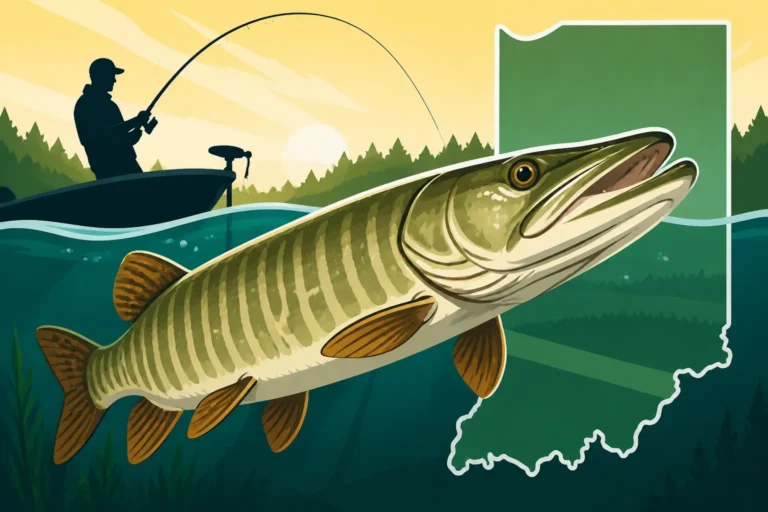
Muskellunge are truly magnificent fish, often growing to impressive sizes in Lake Wawasee's nutrient-rich waters. Their sheer power and aggressive strikes make them a coveted catch, and the thrill of seeing one follow your lure to the boat is unmatched. However, they are also notoriously finicky. One day they might smash everything you throw at them, and the next, they'll completely ignore even the most perfectly presented bait. This can be incredibly frustrating for anglers, leading many to question their approach or their tackle. The good news is, much of this challenge comes down to understanding what they're keying in on at any given moment, which is often dictated by their natural food source. If you're looking for Indiana's Best Lakes for Muskie Fishing, Wawasee is definitely high on the list.
The diverse depths and structures of Lake Wawasee provide ample hiding and hunting grounds for muskie. From shallow weed flats to deep drop-offs and open water, they can be found throughout the lake, adapting their ambush points to the season and available forage. This means your bait choice and presentation must be versatile enough to cover a wide range of scenarios, ensuring you're showing them something appealing regardless of where they're holding. Thinking like a muskie and anticipating their movements is half the battle on a big lake like Wawasee.
Mimicking Natural Forage: What Wawasee Muskie Eat
To consistently hook muskie on Lake Wawasee, you need to "match the hatch," as they say. This means using baits that imitate the natural prey species found abundantly in the lake. Wawasee's clear waters support a healthy population of various baitfish, and muskie are opportunistic predators that key in on these readily available meals. Understanding what these are is your first step to bait selection.
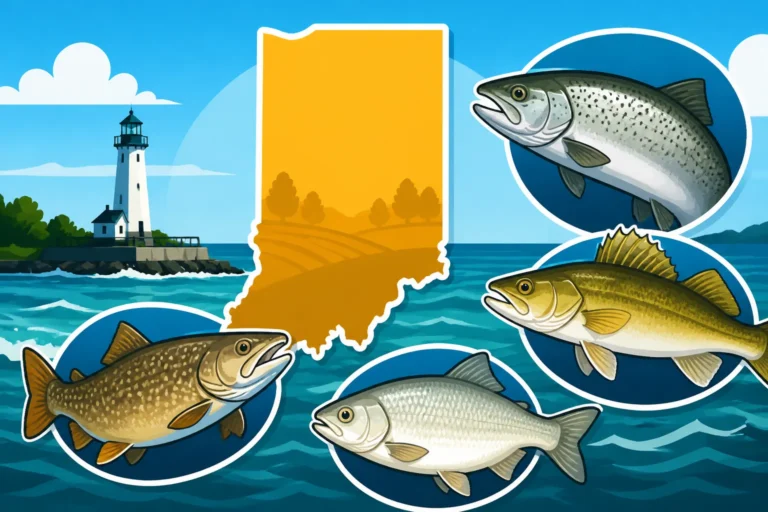
Key forage species in Lake Wawasee include yellow perch, walleye, suckers, and especially ciscoes (also known as lake herring). Ciscoes are a cold-water baitfish that thrive in the deeper, cooler parts of Wawasee and are a primary food source for trophy muskie, offering a high-calorie meal. Walleye are also present and make for an enticing target for large muskie. When you choose baits that mimic the size, shape, and color patterns of these fish, you're significantly increasing your chances of success. A muskie isn't going to expend precious energy chasing something it doesn't recognize as food, so realism can be key. For those interested in other species, Wawasee is also known for Lake Wawasee Walleye Fishing Access Points.
The Arsenal: Top Artificial Baits for Lake Wawasee Muskie
Muskie fishing demands heavy-duty gear and baits that can withstand vicious strikes and powerful fights. On Lake Wawasee, the clearer water often means muskie rely heavily on their eyesight, so realistic profiles and enticing actions are paramount. Here’s a breakdown of the artificial baits that consistently produce on Wawasee.
High-Impact Bucktails and Spinnerbaits
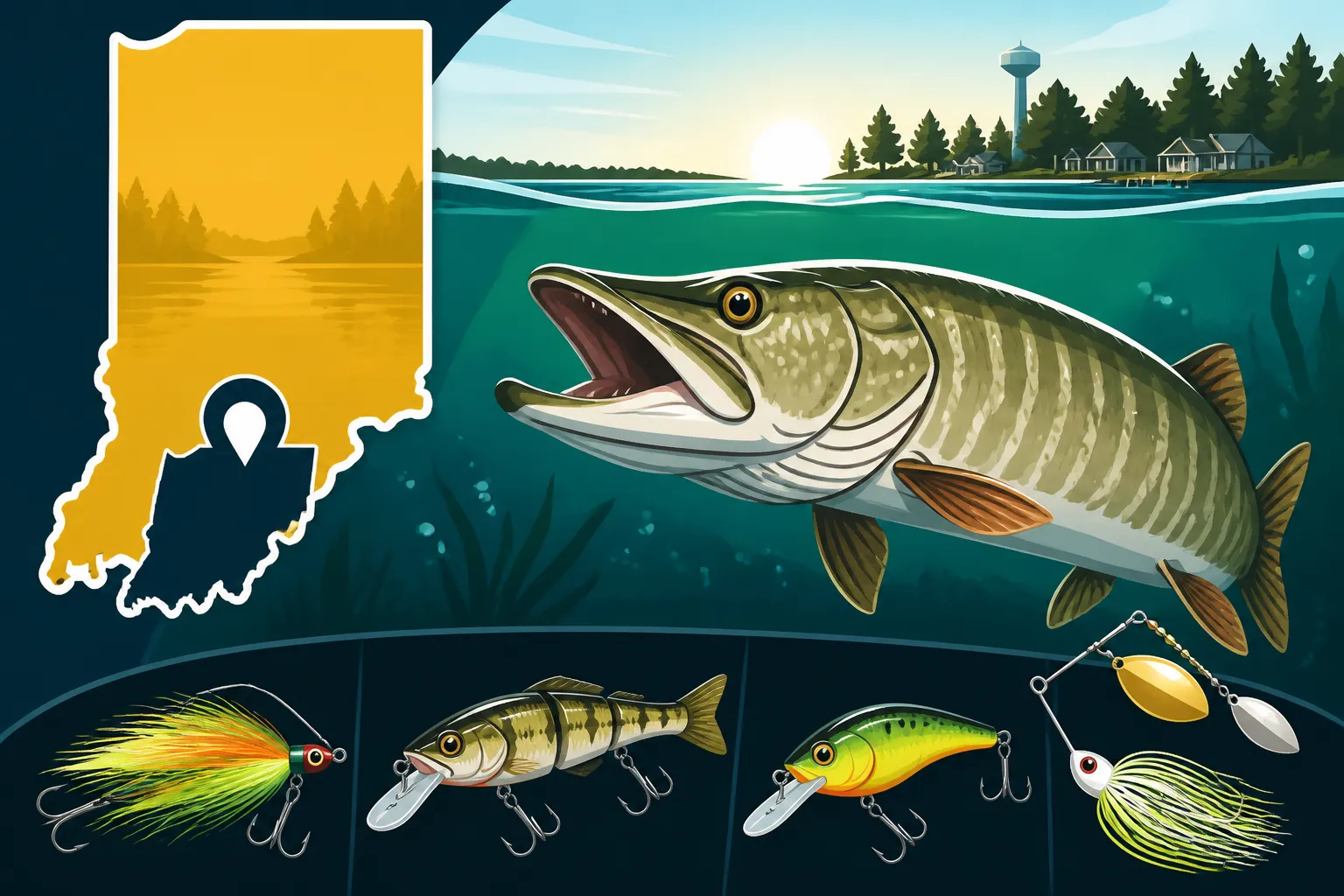
Bucktails are, without a doubt, a staple in any serious muskie angler's tackle box, and they shine on Lake Wawasee. Their flash, vibration, and pulsating hair create an irresistible target for muskie, especially when retrieved at high speeds. These baits are particularly effective when muskie are active and willing to chase. The key is to find bucktails with large blades, often tandem or triple-bladed, that displace a lot of water and create a significant commotion. Colors often mimic perch, cisco, or basic black/nickel for contrast.
Spinnerbaits, while perhaps less traditional than bucktails for pure muskie, are gaining popularity, especially in and around weed beds that are common in Wawasee. They offer a slightly different profile and retrieve, often allowing for slower presentations through cover without snagging. The flash of the blades combined with the skirt's undulation can trigger strikes from muskie hiding in dense vegetation. When selecting bucktails or spinnerbaits, consider larger sizes – typically 8 to 12 inches – to attract Wawasee's bigger muskie. Many anglers find a good selection of these can be found on platforms like Amazon, offering a wide range of colors and blade combinations from various manufacturers.
Erratic Jerkbaits and Gliders
Jerkbaits and gliders are perhaps the most artistic and rewarding muskie baits to fish, demanding angler input to bring them to life. These baits don't have inherent action; you create it with precise rod twitches and pauses. This erratic, darting motion perfectly imitates a wounded baitfish, making them deadly on Lake Wawasee, particularly when muskie are less aggressive or holding tight to structure. The key is to experiment with your retrieve – long pulls, short snaps, varying pauses – until you find what triggers a response.
Gliders, in particular, move from side to side with each twitch, covering a wide area and giving muskie a tantalizing target. Many successful Wawasee anglers swear by wooden jerkbaits, which often have a more natural buoyancy and subtle action than plastic versions. Look for baits in the 6- to 10-inch range, with natural baitfish patterns like perch or cisco being highly effective in Wawasee's clear water. The ability to pause these baits and let them suspend or slowly sink near cover can often provoke strikes from wary fish who might not commit to a fast-moving bucktail. If you’re getting started with this technique, you might want to review How to Cast for Muskie to ensure you're getting the most out of these lures.
Deep-Diving Crankbaits and Trolling Plugs
For covering vast expanses of Lake Wawasee or targeting suspended muskie in deeper water, deep-diving crankbaits and trolling plugs are indispensable. These baits are designed to reach specific depths and maintain a consistent action, making them ideal for covering water efficiently, especially when you're trying to locate fish. Trolling is a popular and highly effective method on a lake of Wawasee's size, allowing anglers to present multiple baits at different depths and speeds simultaneously.
When selecting crankbaits or plugs for Wawasee, pay close attention to their diving capabilities and choose sizes that match the local forage. Baits in the 8- to 15-inch range are common, and colors that mimic ciscoes, perch, or walleye are typically productive. During warmer months, when muskie might suspend over deeper water, large trolling plugs can be deadly. Always make sure your baits are running true before deploying them, as even a slight wobble can deter a muskie. These larger lures can be quite an investment, but many experienced muskie anglers find the wide selection and competitive pricing on platforms like Amazon to be a convenient way to build their collection.
Versatile Soft Plastics and Swimbaits
While often associated with bass fishing, large soft plastics and swimbaits have a definite place in the Lake Wawasee muskie angler's arsenal, especially when muskie are pressured or seeking a more natural presentation. These baits offer incredible realism and a very lifelike swimming action, which can be irresistible to even the most wary muskie. They can be rigged weedless, making them excellent for working through the dense weed beds and lily pads that dot Wawasee's shallower areas.
Heavy-duty swimbait hooks and jig heads are essential to handle the aggressive nature of muskie. Look for soft plastic swimbaits in the 8- to 14-inch range, with paddle tails or boot tails that create a strong thumping action. Natural colors that mimic Wawasee's forage are often best, particularly when the water is clear. The versatility of soft plastics allows for a variety of retrieves, from slow rolls along the bottom to twitching presentations through cover, giving you many options to entice a strike. Many anglers find the range of sizes and realistic patterns for soft plastics readily available through retailers like Amazon.
Mastering Bait Presentation on Lake Wawasee
Having the right bait is only half the battle; knowing how to present it effectively on Lake Wawasee is what truly separates successful muskie anglers from the rest. It's about understanding the environment, adapting your techniques, and making those subtle adjustments that can make all the difference.
Reading Wawasee's Structure for Muskie Hotspots
Lake Wawasee is a large and complex body of water, and muskie are masters of using its structure to their advantage. To present your bait effectively, you first need to know where these ambush predators are likely to be hiding. They are often associated with distinct features, whether it's the edge of a deep weed line, a rocky point extending into open water, a sharp drop-off, or submerged timber. Learning to read your electronics and interpret a contour map of Wawasee is crucial for identifying these prime muskie territories.
During different seasons, muskie will relate to different structures. In spring, they might be in shallower bays and emerging weed beds. As summer progresses, they often move to deeper weed edges, main lake points, or suspend over thermoclines. Fall sees them gorging on baitfish, often chasing schools in open water or staging near deeper structures. Always focus your casts and retrieves around these potential ambush points, making sure your bait passes through the strike zone multiple times. Remember that Lake Wawasee Crappie Fishing Spots and walleye areas might also hold muskie, as they follow their food sources.
Optimizing Retrieval Techniques for Maximum Strikes
Muskie fishing is rarely about a slow, steady retrieve. These fish are attracted to erratic, aggressive movements that simulate a vulnerable or fleeing baitfish. Your retrieval technique is paramount, especially when working jerkbaits or bucktails. For bucktails, a fast, steady retrieve with occasional pauses or sudden bursts of speed can be incredibly effective. The goal is to make the blades thump and vibrate strongly, drawing attention from a distance.
With jerkbaits and gliders, it's all about imparting that "walk-the-dog" or side-to-side action with sharp rod snaps and slack line. Experiment with the length of your pauses – sometimes a long, agonizing pause is what finally triggers a strike from a following muskie. A critical technique is the "figure-eight" at the boat: when a muskie follows your lure but doesn't strike, keep the lure in the water and draw a large figure-eight pattern beside the boat. This often provokes a strike right at the boat, turning a follow into a catch. You can dive deeper into this with How to Figure-Eight a Muskie at the Boat.
Seasonal Bait Adjustments for Wawasee Success
The time of year dramatically influences muskie behavior and, consequently, the most effective baits and presentations on Lake Wawasee. Adapting your approach seasonally is key to consistent success.
- Spring: As water temperatures rise, muskie become more active but might still prefer slightly slower presentations. Smaller bucktails, mid-sized jerkbaits, and even large crankbaits can be effective. They're often found in shallower areas warming up.
- Summer: This is prime time for fast retrieves and large baits. Muskie are actively feeding and will chase big bucktails, long-casting topwater baits (especially during low-light conditions), and deep-diving crankbaits in cooler, deeper waters or along expansive weed lines.
- Fall: The "fall feed" is legendary among muskie anglers. Muskie are bulking up for winter, and this means big baits are in order. Large jerkbaits, huge crankbaits, and even extra-large soft plastics that mimic big forage fish are the go-to choices. Slower presentations can also be effective as water temperatures drop. This is often considered Best Time of Year for Muskie Fishing in Indiana.
Essential Gear and Considerations for Wawasee Muskie Fishing
Chasing muskie on Lake Wawasee is not for the faint of heart, or for light tackle. These fish are built for power and aggression, and your gear needs to be up to the task. Skimping on tackle will lead to heartbreak.
Rods, Reels, and Line
Muskie fishing demands heavy-duty equipment capable of handling large baits, powerful strikes, and prolonged fights. You'll need a stout rod, typically 7 to 9 feet long, with a heavy or extra-heavy action. This provides the backbone necessary to cast large lures and effectively set hooks into a muskie's bony mouth. Pairing this with a robust baitcasting reel designed for muskie or saltwater use is essential. Look for reels with a strong drag system and a high line capacity. Many top-tier muskie rods and reels are available online, with a good range of options often found on sites like Amazon.
For line, 80-100 pound test braided line is the standard. Its no-stretch properties provide excellent sensitivity and power for hook sets. Always attach a heavy-duty fluorocarbon leader (100-130 lb test) or a wire leader to your main line. Muskie have incredibly sharp teeth that will easily cut through monofilament or lighter fluorocarbon. This setup ensures you can confidently battle these powerful fish without fear of line breakage. Having the right line setup is key when using Best Wire Leaders for Muskie Fishing in Indiana's Glacial Lakes.
Terminal Tackle and Landing Tools
Beyond rods, reels, and line, your terminal tackle and landing tools are equally critical. You'll need heavy-duty snaps and swivels rated for muskie. Standard bass snaps simply won't cut it and will quickly fail under the stress of a muskie strike or fight. Invest in quality components; losing a trophy fish because of a cheap snap is a tough pill to swallow.
Landing a muskie safely for both the fish and the angler requires specialized tools. A large, rubberized muskie net with a deep basket is absolutely essential. This not only protects the fish's slime coat but also helps to contain a thrashing muskie at the boat. You'll also need long-nosed pliers or, even better, a pair of bolt cutters specifically for cutting hooks if a muskie is deeply hooked. This minimizes stress on the fish and protects your hands from those razor-sharp teeth. Always prioritize catch and release with muskie, as they are a valuable sport fish. For more on nets, check out Best Nets for Landing Muskie in Indiana.
Other Considerations for a Successful Trip
Beyond the core gear, think about other items that enhance your muskie fishing experience on Wawasee. A good pair of polarized sunglasses will help you spot follows and identify subtle changes in water depth or structure. A quality depth finder and GPS are invaluable for navigating the lake, locating structure, and marking hot spots. Finally, always carry a camera to capture those unforgettable moments when you finally land a Wawasee giant. Preparation, patience, and the right gear are your best allies in the pursuit of these incredible fish.
| Bait Type | Primary Action / Appeal | Best Wawasee Conditions / Usage | Mimics Forage | Amazon Search Term Example |
|---|---|---|---|---|
| Bucktails / Spinnerbaits | Flash, vibration, high-speed retrieve | Active fish, covering water, shallow to mid-depth weed edges | Fleeing baitfish, general commotion | Muskie bucktail lure, large spinnerbait |
| Jerkbaits / Gliders | Erratic darting, wounded baitfish imitation, long pauses | Wary fish, specific structure, clear water, "figure-eight" | Injured perch, cisco, walleye | Muskie jerkbait, glider lure |
| Crankbaits / Trolling Plugs | Consistent depth, natural swimming action, wide wobble | Trolling, covering open water, suspended fish, deep contours | Cisco, walleye, larger baitfish | Deep diving muskie crankbait, trolling plug |
| Soft Plastics / Swimbaits | Realistic profile, natural movement, weedless options | Weeds, pressured fish, subtle presentation, slower retrieves | Live baitfish (perch, cisco, suckers) | Large muskie swimbait, soft plastic lure |
Disclaimer
This article is for general informational purposes only and does not constitute professional advice. Laws, prices and regulations vary by location and change over time. Consult a qualified professional for guidance on your specific situation.