Indiana Panfish Guide: Crappie, Bluegill, and Sunfish
One of the most rewarding aspects of fishing in Indiana is the pursuit of panfish – those feisty, delicious, and often overlooked gems of our lakes, ponds, and rivers. Many anglers, especially those just starting out or introducing kids to the sport, get frustrated trying to target bigger, more elusive species, often missing out on the abundant fun and consistent action that crappie, bluegill, and various sunfish offer right in their local waters. This comprehensive guide is here to demystify panfishing in the Hoosier State, giving you the insider knowledge on identifying these species, finding their preferred hangouts, equipping yourself properly, and employing the most effective techniques to fill your cooler and create lasting memories.
Understanding Indiana's Panfish: Crappie, Bluegill, and Sunfish
Indiana is truly a panfish paradise, boasting a healthy population of several species that are not only a blast to catch but also make for some incredible table fare. Often grouped together, crappie, bluegill, and other sunfish each have their own unique characteristics and preferred habitats, making the pursuit of them a varied and engaging experience. Knowing the subtle differences in their appearance, behavior, and feeding habits can significantly improve your success on the water, turning a good day into a fantastic one.
Crappie: The Delicious Slab
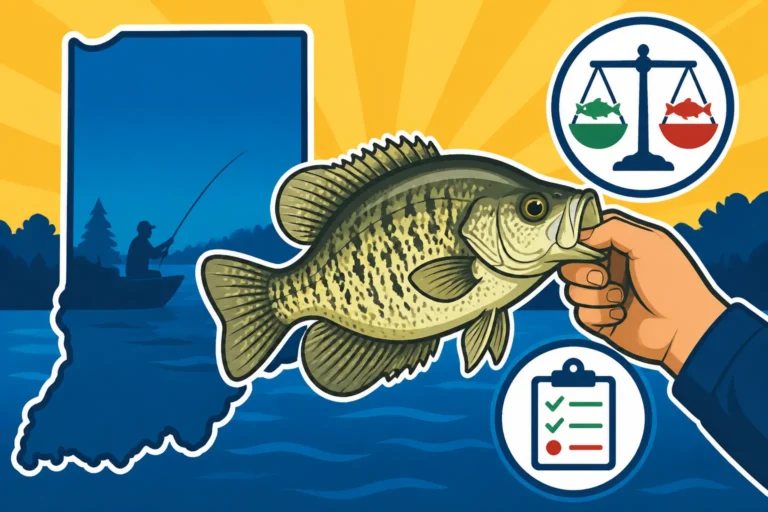
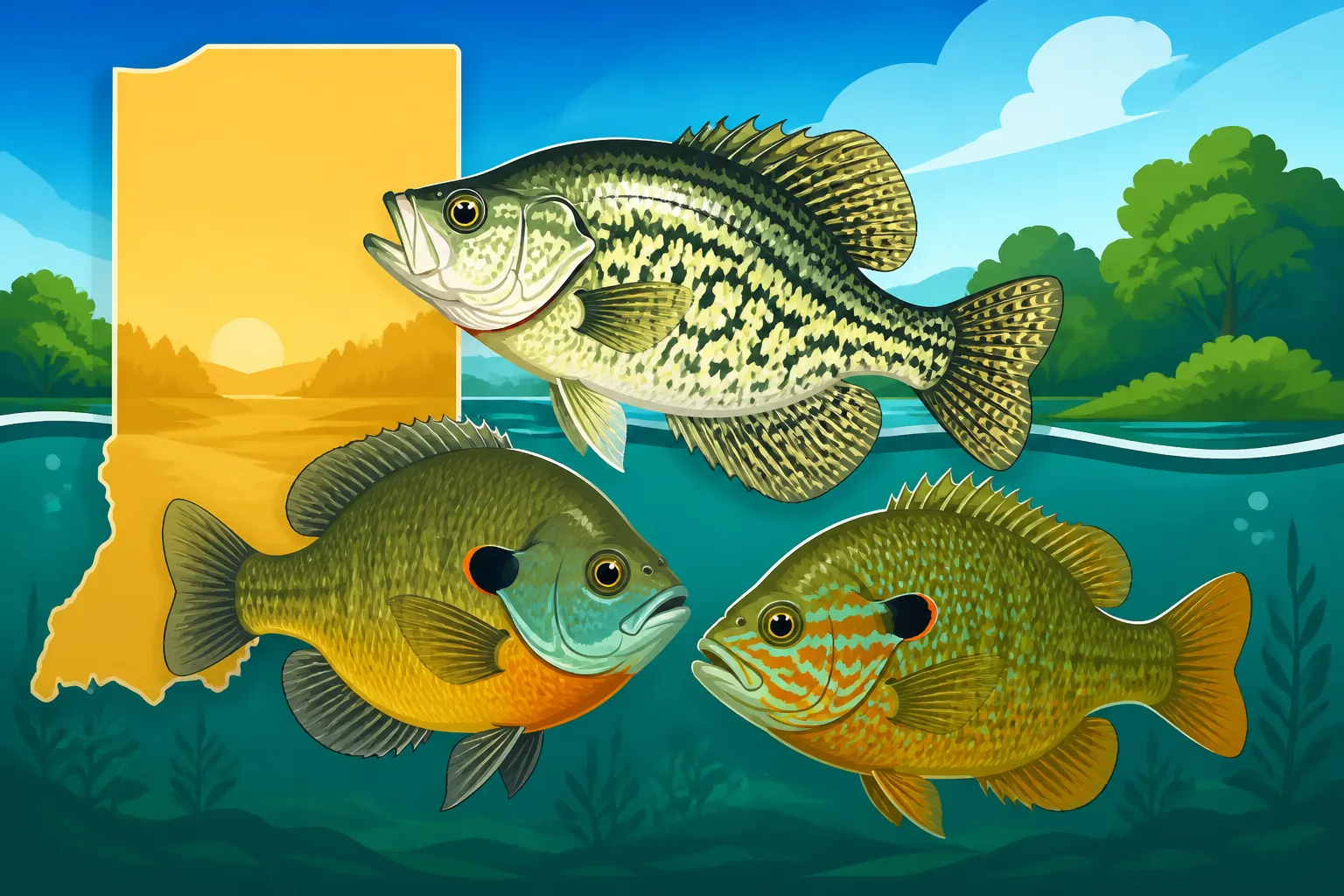
Crappie are arguably one of Indiana's most popular panfish, cherished for their delicate white meat and their tendency to school up in large numbers, offering anglers some truly spectacular fishing days. We primarily have two species here: the Black Crappie and the White Crappie. While they share many similarities, there are distinct ways to tell them apart and slight differences in their preferred environments.
Black Crappie typically have a darker, more mottled appearance with irregular black spots scattered across their silvery-gold bodies. A key identifying feature is that they possess 7 or 8 dorsal spines (the hard rays in the fin on their back). They generally prefer clearer water with abundant vegetation, often holding tight to submerged brush, weed beds, and fallen timber. You'll find them thriving in many of Indiana's clearer natural lakes and reservoirs. Their diet primarily consists of small minnows, insects, and crustaceans, and they are known for their somewhat delicate bite. Catching a "slab" crappie, one that's a pound or more, is a rite of passage for many Indiana anglers, and these larger fish fight with surprising vigor for their size.
White Crappie, on the other hand, tend to be lighter in color, often with distinct vertical bars or stripes along their sides, though these can fade depending on water conditions. The most reliable way to identify them is by counting their dorsal spines; White Crappie almost always have 5 or 6 dorsal spines. They are generally more tolerant of turbid (cloudy) waters and are commonly found in rivers, backwaters, and murkier reservoirs where they still seek out submerged cover like brush piles and stumps. Both species are prolific breeders, and their populations can explode under the right conditions, leading to excellent fishing opportunities. Understanding these subtle distinctions can help you adjust your presentation and target the specific type of crappie that's most likely to be biting in your chosen fishing spot.
Bluegill: The Backyard Pond Favorite
Ah, the bluegill! For many of us, this little powerhouse was our first introduction to fishing. There’s something truly special about the bluegill – their vibrant colors, their willingness to bite, and their surprising strength for their small size make them an absolute joy to catch. They are ubiquitous across Indiana, found in nearly every pond, lake, and slow-moving river, making them incredibly accessible to anglers of all ages and skill levels.
Bluegill are easily recognizable by their deep, pan-shaped bodies, typically displaying a brilliant olive-green or deep blue color on their backs, fading to a lighter yellow or orange on their bellies. Their most distinctive feature is the prominent black "ear flap" on the gill cover, which often has a light blue or iridescent margin. They also usually have a small black spot at the base of their dorsal fin. These fish are true omnivores, feeding on a wide variety of insects, insect larvae, small crustaceans, and even some plant matter. They love to congregate around structure – docks, lily pads, submerged logs, weed beds – making them a fantastic target for bank anglers and boaters alike.
What makes bluegill such a beloved species is their aggressive nature. They're not shy, often hitting baits with a confident thump, which makes them perfect for kids learning to fish. Even experienced anglers appreciate a good bluegill bite, especially when the larger "plate-sized" specimens are found. They put up a spirited fight on light tackle, pulling hard and refusing to give up, which makes every catch feel like an accomplishment. Plus, like crappie, they are fantastic table fare, with sweet, flaky white meat that's perfect for a fish fry. You’ll find them everywhere from small farm ponds to the largest reservoirs, adapting well to a variety of environments, making them a true staple of Indiana fishing.
Other Sunfish Species in Indiana
While crappie and bluegill often steal the spotlight, Indiana is also home to a wonderful diversity of other sunfish species that are equally fun to catch and can provide fantastic action. These often get lumped together under the general "sunfish" moniker, but a closer look reveals their individual charm and characteristics. Knowing what you're looking for can help you appreciate the variety swimming beneath the surface and even adjust your tactics for better success.
One of the most popular and widely distributed "other" sunfish is the Redear Sunfish, often affectionately called "shellcrackers." These fish are named for the distinctive red or orange margin on their operculum (gill flap) and their diet, which heavily features snails and other mollusks. They have a slightly more streamlined body than a bluegill and typically prefer deeper, clearer waters. Redear are known for their subtle bite and powerful fight once hooked. They can grow to impressive sizes, often larger than a typical bluegill, making them a prized catch for panfish enthusiasts. You might find them mixed in with bluegill or holding in slightly deeper pockets near structure.
Then there are species like the Green Sunfish and Pumpkinseed. Green Sunfish are more robust with a larger mouth, often displaying iridescent green and blue markings on their cheeks and gill covers. They are incredibly hardy and can thrive in even marginal waters, including small, silty ponds and ditches. They are aggressive eaters, sometimes even outcompeting bluegill in certain areas. Pumpkinseed are another beautiful sunfish, instantly recognizable by their vibrant, almost iridescent spots of orange, blue, and green on their sides, and a distinct orange spot on the tip of their black ear flap. They tend to prefer clearer, weedier waters and are a bit more shy than bluegill. While these species might not reach the "slab" sizes of crappie or the dinner-plate dimensions of trophy bluegill, they offer continuous action and vibrant colors, adding excitement to any panfishing trip. Redear Sunfish Daily Limit: 25 per Day ensures that anglers can enjoy a good harvest of these delicious fish as well.
Where to Find Panfish in Indiana
The secret to consistent panfish success often lies in knowing where to look. These fish are creatures of habit, often relating to specific types of cover, structure, and water conditions. While they are widespread throughout Indiana, understanding their preferred habitats can help you narrow down your search and maximize your time on the water. Whether you're fishing a vast reservoir, a quiet farm pond, or a flowing river, there are key indicators that point to a potential panfish hotspot.
Prime Crappie Habitats
Crappie are masters of relating to submerged structure, often congregating in schools that can be quite dense. If you find one crappie, chances are there are many more nearby. Their preferred habitats vary slightly between the black and white crappie species, but generally, they seek out areas that offer both cover from predators and ambush points for their prey.
For Black Crappie, focus on clearer waters with ample aquatic vegetation. Think about areas with lily pads, submerged weed beds, brush piles, and fallen trees in lakes and reservoirs. During the spawn in spring, they’ll move into shallower waters, often around docks, boat houses, and shoreline cover. As the water warms in summer, they tend to move deeper, suspending over brush piles, old creek channels, or artificial fish attractors that provide shade and cover. Many of Indiana's larger lakes, like Lake Monroe or Patoka Lake, have excellent crappie populations. Best Crappie Lakes in Indiana provides a great starting point for your adventures. Look for standing timber in flooded areas or old river channels, as these spots are classic crappie magnets. In the fall, they'll often move back shallower as water temperatures cool, feeding aggressively before winter.
White Crappie, being more tolerant of stained or turbid water, are frequently found in river backwaters, flood control reservoirs, and large impoundments. They also gravitate towards structure but might be found in areas with less vegetation. Submerged brush piles, standing timber, rock piles, bridge pilings, and even old submerged roadbeds are all excellent places to find them. Creek channels that wind through a lake or reservoir are also prime crappie highways. Utilizing a good fish finder is invaluable for locating these deeper structures, especially during the warmer months when crappie might suspend in open water near baitfish schools. Don't overlook quieter coves and protected areas within rivers, particularly where there's a good current break and some form of submerged cover for them to hide in.
Best Bluegill Spots Across the State
Bluegill are perhaps the most adaptable and widespread panfish in Indiana, making them accessible to almost every angler. Their preferred habitats are generally shallower than crappie, especially during the warmer months, and they are masters of utilizing any available cover for shelter and foraging. This means you can find them in a vast array of water bodies, from tiny farm ponds to massive reservoirs.
In smaller ponds and natural lakes, bluegill thrive around any form of natural cover. Think about the edges of lily pad fields, dense weed beds, submerged logs, fallen trees, and even overhanging bushes or low-hanging branches that provide shade. Docks and boat ramps are also classic bluegill hangouts, offering both structure and often a ready food supply from insects that fall into the water. For bank anglers, these shoreline features are your best friend. Even a small culvert or rock pile near the bank can hold a hungry school of bluegill. Best Bait for Bluegill Fishing in Farm Ponds often includes simple offerings like worms or crickets, which are perfect for these types of spots.
In larger lakes and reservoirs, bluegill will still utilize shoreline cover, especially in the spring during their spawning season when they move into shallow, protected coves to create their distinctive circular nests. As summer progresses, they might move slightly deeper to avoid heat and predation, but they’ll still relate heavily to structure. Look for areas with a mix of shallow and slightly deeper water, especially where there's a drop-off or a distinct change in bottom contour near weed lines or brush piles. They are often found in "bluegill beds" – large concentrations of fish over gravelly or sandy bottoms, often identifiable by disturbed patches on the lakebed from their spawning activities. Don't be afraid to explore different depths until you find where they are holding, as their location can shift with water temperature and time of day.
Targeting Other Sunfish Hotspots
While bluegill and crappie get a lot of attention, those "other" sunfish like redear, green sunfish, and pumpkinseed are also fantastic targets, often providing consistent action and adding variety to your catch. Their habitats frequently overlap with bluegill, but knowing their specific preferences can help you zero in on them more effectively.
Redear sunfish, or shellcrackers, are a bit more specialized in their diet and habitat compared to bluegill. As their "shellcracker" nickname suggests, they love to feed on snails and other small mollusks. This means you'll often find them over harder bottoms like gravel, sand, or shell beds, typically in slightly deeper water than bluegill, though they will also move shallow to spawn. Look for areas where there might be clam beds or extensive rocky bottoms. They are often found in the same lakes and ponds as bluegill, but they might be holding a little further out from the densest cover. Using a bottom-oriented bait like a small piece of worm or a tiny jig tipped with a waxworm near the bottom in these areas can be very effective.
Green Sunfish are incredibly hardy and can be found in a wider range of habitats, including those that might be less appealing to other panfish. They tolerate murkier water and can thrive in small, shallow ponds, slow-moving creeks, and even ditches. If you have a less-than-pristine water body nearby, chances are good you'll find green sunfish. They are aggressive and will hit almost any bait presented to them. Pumpkinseed sunfish, with their vibrant colors, prefer clear, well-vegetated waters, often alongside bluegill but sometimes in slightly shallower zones. Look for them around dense weed beds, lily pads, and submerged timber in clean lakes and ponds. While these sunfish might not always be the primary target, they are a welcome bonus and can provide excellent action when other species are shy.
Essential Gear for Indiana Panfishing
You don't need a boatload of expensive equipment to enjoy panfishing in Indiana. In fact, one of the beauties of chasing crappie, bluegill, and sunfish is how accessible it is with relatively simple and affordable gear. However, having the right tools for the job can make a huge difference in your success, comfort, and overall enjoyment on the water. From the rod in your hand to the bait on your hook, a thoughtful setup will undoubtedly lead to more fish caught and fewer frustrations.
Rods, Reels, and Line for Panfish
When it comes to panfish, the key word is "ultralight." Using appropriately light gear not only makes the fight more exhilarating but also allows for more subtle presentations, which can be crucial for enticing finicky panfish. A rod that's too heavy will make even a slab crappie feel like a twig, and a heavy line will be easily spotted by sharp-eyed bluegill.
For crappie, bluegill, and other sunfish, a 5 to 7-foot ultralight or light-action spinning rod is ideal. This type of rod provides the sensitivity needed to detect those delicate bites and enough backbone to handle a decent-sized fish without overwhelming it. Graphite rods are excellent for sensitivity, while fiberglass offers more durability and a forgiving bend. Paired with this, a small spinning reel in the 500 to 1000 size range is perfect. These reels are lightweight, balance well with ultralight rods, and have a smooth drag system, which is important for preventing line breaks with light line. You can find excellent ultralight combos on platforms like Amazon that are specifically designed for panfishing, making it easy to get started without guessing.
For fishing line, less is often more. Monofilament line in the 2 to 6-pound test range is generally sufficient. Two or 4-pound test is fantastic for bluegill and smaller crappie, offering maximum stealth and castability for tiny lures. If you're targeting larger crappie or fishing around heavy cover, bumping up to 6-pound test can provide a bit more insurance. Braided line can also be used, especially if you want maximum sensitivity, but it's often best to tie on a 2-4 foot fluorocarbon or monofilament leader (2-4 lb test) to the end of your braid. The nearly invisible properties of fluorocarbon can be a real game-changer in clear water, and the stretch of mono can act as a shock absorber. Remember, Best Panfish Rods for Indiana Ponds are almost always going to be ultralight setups.
Baits and Lures That Panfish Can't Resist
Panfish aren't usually picky eaters, which is great news for anglers. However, having a selection of proven baits and lures can help you adapt to different conditions and preferences. From natural offerings to artificial temptations, there's a bait for every situation when chasing Indiana panfish.
Live bait is often the king for panfish, especially when introducing beginners to fishing. Small live minnows (shiners or fatheads) are irresistible to crappie and larger sunfish. They're typically fished under a bobber or on a small jig head. Worms, particularly redworms or pieces of nightcrawlers, are absolute bluegill candy. Crickets and grasshoppers are also fantastic, especially in late spring and summer, and are often overlooked. For a persistent bite, waxworms, mealworms, or corn borers are hard to beat and can be purchased easily at bait shops or even through online retailers like Amazon. These small, wiggling baits are often just what it takes to tempt a wary panfish.
Artificial lures can be incredibly effective and offer the advantage of not needing to be kept alive. Small jigs are probably the most versatile panfish lure. Marabou jigs, plastic tube jigs, hair jigs, and tiny grub tails (1/32 to 1/8 ounce) in various colors (chartreuse, white, black, pink) are all deadly on crappie and will tempt bluegill as well. Small spinners and spoon lures, particularly those designed for ultralight tackle, can also be very productive, especially for active fish. For bluegill and other sunfish, tiny soft plastics resembling insects or larvae, fished on a micro jig head or under a small float, are fantastic. Experiment with colors and retrieve speeds; sometimes a subtle twitch is all it takes, while other times a slow, steady retrieve is best.
Must-Have Accessories for a Successful Trip
Beyond your rod, reel, and bait, a few key accessories can make your panfishing trip more organized, comfortable, and productive. These aren't just luxuries; they're practical items that enhance the overall experience.
First and foremost, a selection of hooks, weights, and bobbers. Small, sharp hooks in sizes #8 to #12 are perfect for panfish, ideally bait-holder style to keep live bait on. Split shot weights are essential for getting your bait down to the desired depth; a small assortment of different sizes will cover most situations. Bobbers, or floats, are crucial for suspend fishing and bite detection. Choose small, sensitive bobbers, either clip-on or slip bobbers, that offer minimal resistance to a biting fish. Slip bobbers are excellent for fishing deeper water, as they allow you to cast easily and then let the bait sink to a pre-set depth.
A tackle box or small bag to keep your lures, hooks, and weights organized is invaluable. Nobody wants to waste precious fishing time untangling lines or searching for a specific jig. Pliers or a hook remover are also essential for safely unhooking fish, especially if they've swallowed the hook deep, protecting both your fingers and the fish if you plan to release it. A small net can be helpful for landing larger crappie or redear, especially if you're using light line. And, of course, don't forget a cooler with ice to keep your catch fresh if you plan on bringing them home for dinner. A stringer or a livewell can also be useful for keeping fish alive throughout the day. For comfort, consider a comfortable chair, sunscreen, a hat, and plenty of water, especially during those long summer days on the water.
Effective Techniques for Catching Panfish
Once you've got your gear sorted, it's time to talk tactics. While panfish are generally eager biters, using the right techniques for the right species and conditions can dramatically increase your catch rate. Whether you prefer the simplicity of a bobber and worm or the active approach of jigging, there's a method that will work for you. Adapting your presentation to how the fish are biting is a skill that comes with practice, but knowing the fundamentals will give you a strong head start.
Crappie Fishing Techniques: Jigs and Minnows
Crappie fishing often revolves around two primary offerings: jigs and live minnows. Both can be incredibly effective, and often, combining them offers the best of both worlds. The key is to present your bait or lure at the depth where the crappie are holding.
One of the most popular and versatile methods is fishing with jigs. Small jigs, typically 1/32 to 1/8 ounce, are incredibly effective. You can tip them with a small piece of live bait like a waxworm or a tiny minnow to add scent and natural action. The retrieve should generally be slow and subtle. Crappie often prefer a horizontal presentation, so a slow, steady retrieve or a "twitch, twitch, pause" action can trigger bites. If crappie are suspended, count your jig down to the desired depth and maintain that depth as you retrieve. Spider rigging, where multiple rods with jigs or minnows are set at different depths and trolled slowly, is a very popular technique for crappie, especially from a boat, allowing you to cover more water and find the fish's preferred depth. Vertical jigging directly over submerged brush piles or schools of crappie located with your fish finder is also a deadly tactic.
When using live minnows, there are a couple of go-to setups. The classic is a small hook (size #6 to #10) lightly hooked through the minnow's lip or back, suspended under a small bobber. Adjust the bobber stop to set the minnow just above where you're seeing crappie on your electronics or just above the top of a brush pile. The minnow's natural movements will do the work for you. Another effective method is a simple slip-sinker rig, with a small split shot or bullet weight a foot or so above the hook, allowing the minnow to swim more freely. This is good for fishing on the bottom or near it, letting the minnow move around naturally. Remember that crappie have a very delicate mouth, so a gentle hook set is usually all that's needed to avoid tearing the hook out. Crappie Jigging Techniques for Beginners can really help new anglers master this exciting approach.
Bluegill Tactics: Bobbers and Worms
For bluegill, simplicity often reigns supreme, and the classic bobber and worm setup is a tried-and-true method that has caught countless fish for generations. This technique is fantastic for all ages and skill levels and is incredibly effective in a wide variety of habitats.
To rig a bobber and worm, start with your small hook (size #8 to #12) tied to your line. About 6-12 inches above the hook, crimp on a small split shot weight. This weight helps cast your bait and gets it down to the fish. A few inches above the weight, attach your bobber. Clip-on bobbers are simple for shallow water, while slip bobbers are better for deeper presentations. Thread a small piece of redworm or nightcrawler onto your hook, making sure the hook point is exposed. Cast your bait near structure like lily pads, docks, or submerged logs, and wait for that telltale dip of the bobber. Bluegill bites can range from a gentle twitch to a quick disappearance of the bobber, so be ready to set the hook with a gentle upward sweep of your rod.
Beyond the bobber, there are other ways to target bluegill. When they're aggressive, especially during their spring spawn, a small Beetle Spin or a tiny inline spinner can be incredibly effective. These lures create flash and vibration that can attract bluegill from a distance. Simply cast them out and retrieve slowly. For bluegill holding tighter to cover or in slightly deeper water, a tiny jig (1/64 to 1/32 ounce) tipped with a waxworm or a small piece of soft plastic can be fished without a bobber, slowly retrieved or vertically jigged. This method offers more control over depth and is great for working specific pockets of cover. Patience is key; sometimes bluegill will just nibble before committing, but once you find a school, the action can be non-stop. Bluegill Fishing Techniques for Beginners often emphasizes these straightforward and effective methods.
Targeting Sunfish with Ultralight Gear
While many bluegill tactics also apply to other sunfish like redear, green sunfish, and pumpkinseed, understanding their subtle differences in behavior can refine your approach and lead to more diverse catches. Ultralight gear is particularly well-suited for these species, allowing for sensitive presentations and maximizing the fight of these smaller but spirited fish.
For redear sunfish, remember their preference for consuming snails and being on or near the bottom. While a bobber and worm will still catch them, a bottom-oriented approach is often more effective. A small split shot or even a tiny Carolina rig with a small egg sinker and a short leader (6-12 inches) can be deadly. Tip your hook with a small piece of nightcrawler, a redworm, or a waxworm, and cast it to areas with a harder, gravelly bottom. Allow the bait to settle, and watch for a subtle tap on your line – redear bites can be very gentle. They might just pull the line slowly or you might feel a slight weight. Setting the hook gently but firmly is important.
Green Sunfish are less discerning and will hit most bluegill baits and lures. Given their aggressive nature, they're a great target for kids or anyone looking for constant action. Tiny spinners, small jigs, and even small flies (if you're fly fishing) are all effective. You can often find them in shallower, less pristine water than other sunfish, so don't be afraid to try fishing in areas that might look a bit overlooked. Pumpkinseed sunfish, on the other hand, often prefer clearer, weedier areas. They're typically a bit smaller than redear or larger bluegill, so even smaller baits and hooks are appropriate. A tiny piece of worm, a single waxworm, or a minuscule jig under a micro-bobber, fished slowly along weed edges, will often entice a bite from these beautifully colored fish. The common thread for all these sunfish is using light line and small baits to match their size and cautious feeding habits.
Seasonal Strategies for Panfish Success
Panfish, like all fish, adjust their behavior throughout the year in response to changing water temperatures, food availability, and spawning cycles. Understanding these seasonal patterns is crucial for consistent success. What works in the spring might not work in the summer, and a hot fall bite often requires a different approach entirely. By knowing what to expect each season, you can better plan your trips and adapt your techniques to where the fish are and what they're willing to eat.
Spring Panfish Frenzy: Spawning and Pre-Spawn
Spring is arguably the most anticipated season for many panfish anglers in Indiana, and for good reason: it’s when these fish become incredibly active and move into accessible shallow waters for their spawning rituals. This period offers some of the best fishing of the year, but timing is everything.
The pre-spawn period, usually in early spring when water temperatures are still cool but starting to rise (think 40s to low 50s Fahrenheit), sees crappie and bluegill starting to stage in slightly deeper water near their eventual spawning grounds. They'll be feeding heavily to bulk up for the spawn. For crappie, this means looking for schools suspending near channel breaks, old creek beds, or submerged brush piles just outside shallow coves. Slow trolling with jigs or minnows at various depths can help you locate these staging fish. For bluegill, they might be found in slightly deeper weed lines or around the first available structure near their shallow spawning flats.
As water temperatures continue to climb into the mid-50s and 60s Fahrenheit, the full-blown spawn begins. Crappie Spawn Timing on Indiana Lakes generally sees crappie moving into very shallow water (1-5 feet) around submerged brush, timber, docks, and thick weed beds. They will aggressively strike at jigs or minnows presented directly into their cover. Bluegill, a bit later, typically spawn when water temperatures reach the upper 60s to low 70s. They create distinctive circular "beds" on hard bottoms (sand, gravel) in shallow, protected coves. You can often spot these beds by looking for cleared-out areas on the bottom. During this time, bluegill are incredibly aggressive, defending their nests, and will readily hit a small worm, cricket, or jig fished over their beds. This is a prime time for bank anglers and kids, as the fish are very concentrated and willing to bite. Remember to practice selective harvest during the spawn to ensure healthy populations for future years.
Summer Panfish Patterns: Deep Water and Structure
Once the spring spawn subsides and water temperatures rise significantly, panfish often transition to their summer patterns. While you might still find some active fish shallow early and late in the day, the heat of summer typically pushes crappie, bluegill, and other sunfish into deeper, cooler waters or tight to dense, shaded cover.
For crappie, this means they will often move to deeper offshore structures. Look for them suspending over deep brush piles, submerged timber, roadbeds, and even bridge pilings in 10-25 feet of water or more. They might also suspend in open water over baitfish schools, especially early in the morning or late in the evening. A good fish finder is invaluable for locating these suspended schools. Vertical jigging directly over these marks with small jigs or live minnows is a very effective technique. Pay attention to shaded areas, as crappie will often gravitate to the cooler water beneath docks, large overhanging trees, or deep ledges. Trolling can also be effective to cover large areas and find where they are holding at a specific depth.
Bluegill and other sunfish will also adjust, though perhaps not as dramatically as crappie. In ponds and smaller lakes, they'll retreat to the densest weed beds, under lily pads, or into the deepest, shadiest parts of the water body. Fishing the shaded side of docks or under overhanging trees can still yield good results. In larger lakes, look for them on the deeper edges of weed lines, around brush piles in 8-15 feet of water, or near cooler main lake points. Using slightly heavier split shot to get your bait down quickly can be helpful. Early morning and late evening bites are often the best during summer, as fish become more active when the sun is lower and water temperatures are cooler. Night fishing can also be a surprisingly productive time for some panfish species, especially crappie, as they move shallower to feed under the cover of darkness.
Fall and Winter Panfish Challenges
As summer transitions to fall, and eventually winter, panfish again change their habits. The fall can offer another fantastic bite, as fish feed aggressively to prepare for the lean winter months, while winter presents a unique challenge, often involving ice fishing in Indiana's northern regions.
In the fall, as water temperatures begin to cool (from the 70s down into the 50s), panfish often undergo a "second summer" period of activity. Crappie will move shallower, similar to their spring patterns, though they might not be as aggressively focused on spawning. Look for them around shoreline cover, brush piles, and weed edges as they chase baitfish. Bluegill will also feed actively, often found along weed lines or around docks. This is a great time to experiment with both live bait and artificial lures, as fish are often willing to chase. The key is to find the baitfish; where the baitfish are, the panfish won't be far behind. As temperatures drop further, they will eventually move to deeper, more stable water, often congregating in large schools.
Winter panfishing, particularly through the ice in suitable northern Indiana lakes, can be incredibly rewarding. Once safe ice forms, crappie, bluegill, and sunfish will often school up tightly in deeper areas, frequently relating to the basin of the lake, deep weed lines, or submerged humps and holes. The bites can be very subtle, so sensitive ice fishing rods with spring bobbers are crucial. Tiny jigs, often tipped with a single waxworm, spikes (maggots), or even small soft plastic lures, are fished vertically down the ice hole. A flasher or an ice fishing fish finder is almost essential to locate these schools and understand how they're reacting to your presentation. Even in lakes that don't freeze solid, late fall and early winter open water fishing involves targeting deep, main-lake structures where panfish have congregated. Slow, precise presentations are generally most effective during these colder months.
Indiana Panfish Regulations and Conservation
As enjoyable as panfishing is, it's vital to remember our responsibility as anglers to protect these valuable resources for future generations. Indiana has specific regulations in place designed to ensure sustainable fish populations, and understanding and adhering to these rules is a critical part of ethical angling. Beyond the regulations, practicing good conservation habits ensures that our children and grandchildren can experience the same joy of catching crappie, bluegill, and sunfish in the Hoosier State.
Daily Bag and Size Limits for Panfish
Indiana, like most states, has regulations concerning the number and sometimes the size of fish you can keep. These limits are set by the Indiana Department of Natural Resources (IDNR) and are designed to prevent overfishing and maintain healthy fish populations. It's crucial to check the most current Indiana Fishing Guide before each outing, as regulations can change.
For panfish, Indiana generally has generous daily bag limits, but these can sometimes vary by species or even by specific lake. For instance, Indiana Panfish Daily Limits by Species typically sets a generous daily bag limit for species like bluegill, redear sunfish, and other sunfish. This means you can often keep a good number of these fish for a tasty meal, which is part of their appeal. However, for crappie, the daily bag limit can sometimes be more restrictive, and specific lakes might even have length limits to protect larger, spawning fish. This is particularly true for lakes where crappie populations are actively managed to produce bigger "slab" crappie.
It's also important to understand the concept of a "combined" limit. For example, Indiana Crappie and Bluegill Daily Limits might specify a total number of crappie and bluegill combined that an angler can possess, rather than separate limits for each. This is designed to manage the overall pressure on the panfish fishery. While many sunfish species often share the same general limits, some trophy lakes might have unique regulations. For example, How Many Crappie Can You Keep in a Day? clearly outlines the state's generous limits, but always double-check for specific lake exceptions. Always measure your fish carefully if a length limit is in place, and if a fish doesn't meet the minimum size, release it gently and quickly to give it the best chance of survival.
Promoting Sustainable Panfishing Practices
Beyond simply following the rules, adopting sustainable fishing practices is key to ensuring that Indiana's panfish populations remain robust. Conservation is about more than just numbers; it's about thoughtful engagement with the environment.
One excellent practice is "selective harvest." While panfish are numerous and delicious, consistently keeping only the largest fish can deplete the gene pool for trophy-sized specimens. Instead, consider keeping a mix of medium-sized fish (those that are good for eating but not necessarily the biggest breeders) and releasing the largest "trophy" fish. These larger fish are often the most prolific spawners and contribute valuable genetics to the population. Conversely, in some overpopulated ponds, taking home smaller bluegill can actually improve the overall health and size structure of the fish, as it reduces competition for food. Understanding What Size Bluegill Is Considered a Trophy? might help you identify those prime breeders worth releasing.
Proper handling of fish you intend to release is also critical. Minimize the time the fish is out of the water, handle it gently with wet hands, and use a hook remover if the hook is deep. Avoid touching the gills or eyes. If a fish is bleeding heavily or appears distressed, it's often best to keep it if legal, rather than releasing it only for it to die later. Additionally, avoid leaving behind trash, discarded fishing line, or bait containers. Pack out everything you pack in. Respecting the habitat and leaving no trace ensures that these beautiful fishing spots remain pristine for everyone to enjoy. Participating in local conservation efforts or reporting illegal fishing activities also contributes to the health of our fisheries.
Free Fishing Days and Youth Opportunities
Indiana offers fantastic opportunities for new anglers and families to experience the joy of fishing without the initial hurdle of purchasing a license, thanks to its annual "Free Fishing Days." These days are explicitly designed to encourage participation in the sport and introduce people to the incredible natural resources Indiana has to offer.
During Indiana's designated Indiana Free Fishing Days: May, June, and September Dates, residents and non-residents alike can fish Indiana's public waters without needing a fishing license or a trout/salmon stamp. This is an unparalleled opportunity to try out fishing for the first time, introduce children to the sport, or invite friends who might be hesitant to buy a license. These days often coincide with other outdoor events or educational programs at state parks and local conservation areas, making them even more special. It's a perfect chance to spend a day on the water, targeting readily available panfish like bluegill, which are often eager to bite and provide immediate gratification for budding anglers.
Beyond Free Fishing Days, Indiana is incredibly supportive of youth fishing. Generally, Indiana residents under the age of 18 do not need a fishing license to fish in the state's public waters. This policy makes fishing one of the most accessible outdoor activities for kids, encouraging them to get outside, learn about nature, and develop a lifelong hobby. Many communities also host youth fishing derbies or clinics, often stocked with panfish, which provide a fun and educational environment for kids to learn the basics. Teaching children how to fish for bluegill and other panfish is not just about catching fish; it's about instilling a love for the outdoors, teaching patience, and creating cherished family memories. These entry-level opportunities are vital for ensuring the future of fishing in Indiana, and panfish are almost always the stars of these introductory experiences.
Panfish Species Comparison Table
To help you keep track of Indiana's most popular panfish and their key characteristics, here's a handy comparison table. This can be a quick reference when you're on the water trying to identify your catch or planning your next fishing adventure.
| Feature | Black Crappie | White Crappie | Bluegill | Redear Sunfish (Shellcracker) | Green Sunfish |
|---|---|---|---|---|---|
| Typical Size | 8-12 inches (can exceed 15 inches) | 8-12 inches (can exceed 15 inches) | 6-10 inches (can exceed 12 inches) | 7-11 inches (often larger than bluegill) | 5-8 inches (can be smaller) |
| Primary Diet | Minnows, insects, crustaceans | Minnows, insects, crustaceans | Insects, larvae, small crustaceans, plant matter | Snails, mollusks, insects | Insects, larvae, small fish |
| Key ID Features | 7-8 dorsal spines; irregular black spots | 5-6 dorsal spines; faint vertical bars | Black "ear flap" with blue/white margin; small black spot on dorsal fin | Red/orange margin on "ear flap"; more streamlined body | Large mouth; iridescent green/blue markings on cheek |
| Preferred Habitat | Clearer water; dense vegetation, brush, timber | Turbid water tolerant; brush, timber, bridge pilings | Weed beds, docks, lily pads, submerged logs | Hard bottoms (gravel/sand), near mollusks, deeper water | Tolerates turbid water; small ponds, creeks, ditches |
| Best Baits/Lures | Small minnows, tube jigs, marabou jigs | Small minnows, tube jigs, marabou jigs | Worms, crickets, waxworms, tiny jigs, small spinners | Worms, waxworms, small jigs on bottom | Worms, small jigs, tiny spinners |
| Fight | Delicate initial bite, strong pull once hooked | Delicate initial bite, strong pull once hooked | Aggressive bite, strong tug for size | Subtle bite, strong fight once hooked | Very aggressive, spirited fight |
| Table Fare | Excellent, flaky white meat | Excellent, flaky white meat | Excellent, sweet white meat | Excellent, firm white meat | Good, can have stronger flavor |
Disclaimer
This article is for general informational purposes only and does not constitute professional advice. Laws, prices and regulations vary by location and change over time. Consult a qualified professional for guidance on your specific situation.