Indiana’s Lake Michigan Fishery: Species You Can’t Catch Anywhere Else
It’s a common frustration for many Hoosier anglers: you dream of catching a massive salmon or a hard-fighting steelhead, but all the advice seems to focus on inland lakes. Well, get ready to broaden your horizons, because Indiana boasts a truly unique fishing destination – the Lake Michigan fishery – where you can target species you simply won't find anywhere else in the state. This guide will dive deep into the specific fish species that call Indiana's small but mighty Lake Michigan shoreline home, giving you the inside scoop on what makes them special and why they offer an unparalleled angling experience.
Indiana's Unique Lake Michigan Fishery Ecosystem
When most people think of fishing in Indiana, their minds often drift to the hundreds of inland lakes, reservoirs, and rivers teeming with bass, crappie, catfish, and bluegill. And don't get me wrong, those waters offer fantastic opportunities! But just a stone's throw away in the northwest corner of our state lies a completely different world: the vast, deep, and often formidable waters of Lake Michigan. This massive freshwater sea supports an entirely distinct fishery, one that provides thrilling challenges and unique rewards that you simply won't encounter anywhere else in the state.
Why Lake Michigan Stands Apart from Inland Waters
The fundamental difference between Lake Michigan and virtually every other body of water in Indiana comes down to depth, temperature, and food sources. Our inland lakes are generally shallower, warm up significantly in the summer, and support a different forage base. Lake Michigan, on the other hand, is incredibly deep, maintaining colder water temperatures even during the hottest months. This cold, oxygen-rich environment is crucial for supporting salmon and trout, species that simply cannot thrive in the warmer, shallower conditions found elsewhere in Indiana. Think about it: you won't find Chinook salmon swimming in Monroe Lake, nor will you see massive steelhead leaping in the White River. It's the unique physical characteristics of Lake Michigan that create this special habitat, making it a true anomaly within Indiana's fishing landscape. Anglers often face different challenges here, from navigating big waves to understanding complex temperature stratification, but the rewards are well worth the effort.
The Diverse Coldwater Habitat and Its Inhabitants
Lake Michigan's structure, from its shallow nearshore zones to its abyssal depths, creates a complex mosaic of habitats. The deep, open waters are home to pelagic species like lake trout and salmon, which chase schools of baitfish in the vast expanses. Closer to shore, where tributary streams empty into the lake, you'll find migratory species like steelhead and brown trout, especially during their spawning runs. Even the shallow bays and harbors offer unique opportunities for yellow perch and seasonal runs of smelt. This incredible diversity means that depending on the time of year and your target species, you might be trolling miles offshore, casting from a pier, or wading into a river mouth. Each of these micro-habitats supports different fish species with their own unique behaviors and dietary preferences, making Lake Michigan a dynamic and ever-changing fishery. Understanding these zones is key to success.
The Kings and Silver Streaks: Salmon Species of Lake Michigan
When people talk about the "big game" fishing in Indiana, they're almost certainly talking about salmon in Lake Michigan. These powerful, ocean-going (but now freshwater-locked) fish are the stuff of angling legends, known for their incredible fighting ability and their impressive size. While you won't find them in the Ohio River or the Tippecanoe, Indiana's small stretch of Lake Michigan coastline offers prime access to some fantastic salmon fishing, particularly during the renowned fall run.
Chinook Salmon: The Ultimate Big Water Challenge
Often referred to as "King Salmon" for good reason, Chinook salmon are the largest and most prized salmon species in Lake Michigan. These magnificent fish can grow to truly enormous sizes, with some weighing in at over 30 pounds, making them an incredible challenge on any tackle. They spend most of their lives in the deeper, colder waters of the lake, feeding heavily on alewife and other baitfish, packing on weight and developing incredible strength. Anglers often target them by trolling with downriggers, planer boards, and a variety of spoons, plugs, and flasher-fly combinations. Trolling Gear Setup for Indiana's Lake Michigan Salmon can be quite technical, requiring specialized equipment to get lures down to the precise depths where these kings are feeding. Their fights are legendary: powerful runs, headshakes, and deep dives that will test your gear and your endurance. Finding a good guide or knowing the migratory patterns is crucial for consistent success. You won't find anything that fights quite like a Chinook in Indiana's other waters.
Coho Salmon: A Powerful Fight Closer to Shore
While perhaps not reaching the gargantuan sizes of their Chinook cousins, Coho salmon, often called "Silver Salmon," are no less exciting to catch. Cohos are renowned for their aggressive strikes and spectacular acrobatic jumps once hooked, putting on an aerial display that can be breathtaking. They tend to be found in slightly shallower waters than Chinook, especially during the spring and fall, often congregating closer to shore, around river mouths, and near structure. This makes them more accessible to a wider range of anglers, including those fishing from piers or smaller boats. Spoons, plugs, and even flies can be incredibly effective for Coho. During the fall, as they prepare for their spawning run, Coho Salmon Identification: Spotting the Fall Run becomes easier as their colors intensify. They provide a fantastic fight and excellent table fare, making them a favorite among many Indiana Lake Michigan anglers. The thrill of a Coho strike, especially on lighter tackle, is something truly unique to this fishery.
The Less Common Salmon: Pink and Atlantic Salmon
While Chinook and Coho salmon dominate the Lake Michigan salmon scene, there are a couple of other salmon species that occasionally show up in Indiana's waters, offering a rare and exciting bonus for lucky anglers.
Pink salmon, also known as "humpies" due to the pronounced hump developed by males during spawning, are an occasional visitor. They are the smallest of the Pacific salmon introduced to the Great Lakes and are more commonly found further north, but a stray can certainly make its way to Indiana. Catching a pink salmon is a unique event and a fun surprise. You’d probably be using standard salmon gear and just happen upon one.
Atlantic salmon, while once native to Lake Ontario and smaller Great Lakes tributaries, are also occasionally stocked or encountered in Lake Michigan, though less frequently than Chinook or Coho. These are beautiful, sleek fish known for their strong runs. They represent a different lineage than the Pacific salmon, and catching one is a real treat and a testament to the diverse stocking efforts and the vastness of the Lake Michigan ecosystem. While not a primary target for most, knowing they're out there adds another layer of excitement to any fishing trip on Indiana's Lake Michigan shoreline.
Trout Species You'll Only Find Here
Beyond the salmon, Lake Michigan is also home to a spectacular array of trout species that thrive in its cold, deep waters. These trout provide year-round angling opportunities, from open-water trolling to exhilarating river-mouth action. Like salmon, these species require the specific coldwater conditions that only Lake Michigan and its immediate tributaries can provide in Indiana.
Steelhead Trout: Migratory Angler Favorites
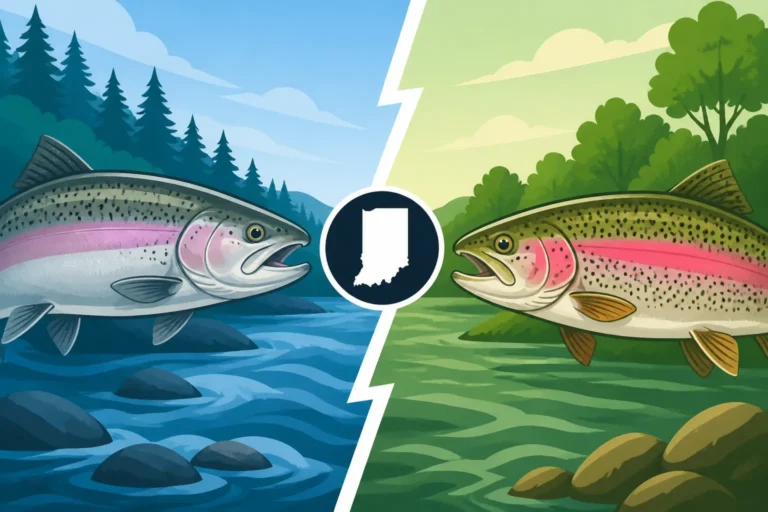
Steelhead, which are essentially migratory rainbow trout that spend most of their lives in the lake before returning to rivers to spawn, are one of the most exciting fish to target in Indiana's Lake Michigan fishery. These chrome-bright torpedoes are renowned for their incredible strength, blistering runs, and spectacular aerial displays when hooked. They are particularly popular during the spring and fall runs, when they gather near and enter tributary streams along Indiana's shoreline. Anglers often target them by drifting spawn bags, beads, or small lures in river currents, or by casting spoons and crankbaits from piers and breakwaters. Steelhead vs Rainbow Trout: What Sets Them Apart is a question many anglers ponder, and it's their migratory, lake-fed lifestyle that gives them their distinct size, power, and fighting spirit. Finding the right presentation during a Fall Salmon Run Fishing on Lake Michigan in Indiana can also lead to surprising steelhead catches. When a steelhead hits, you'll know it – there’s no mistaking that heart-stopping fight!
Brown Trout: Mastering the Nearshore Waters
Brown trout are another fantastic coldwater species that thrives in Lake Michigan, offering anglers a different kind of challenge. Unlike steelhead, brown trout tend to stay closer to the shoreline for much of their lives, often frequenting harbors, breakwaters, and nearshore structure. They are known for their wary nature and often require a more subtle approach, but their aggressive strikes and strong, dogged fights make them a favorite target. Browns are opportunistic feeders, preying on baitfish, insects, and even smaller trout. Anglers often target them by casting spoons, stickbaits, or by trolling in shallower waters. During the colder months, Lake Michigan Brown Trout Fishing Spots in Indiana can be highly productive, as these fish remain active. Their beautiful, often gold-and-silver coloring, adorned with distinct red and black spots, makes them a stunning catch. You can find excellent selections of brown trout specific lures on Amazon, ready for immediate delivery so you don't miss a beat. They provide a consistent challenge for those who learn their habits in the complex nearshore environment.
Lake Trout: Deepwater Dynamos
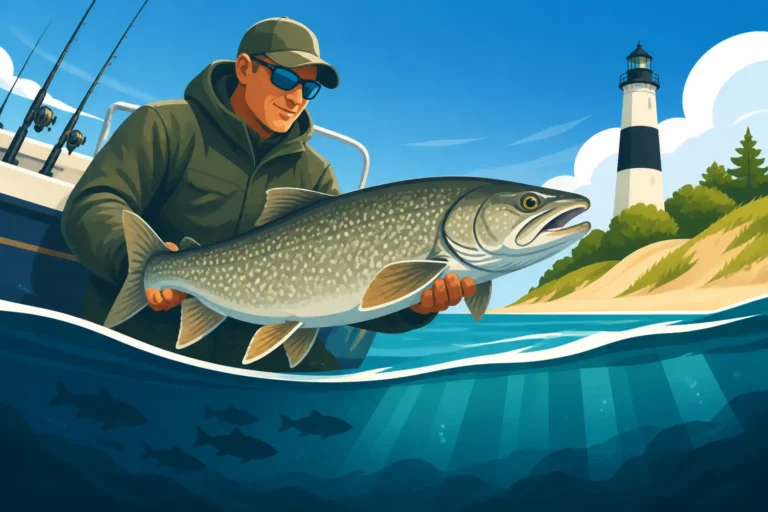
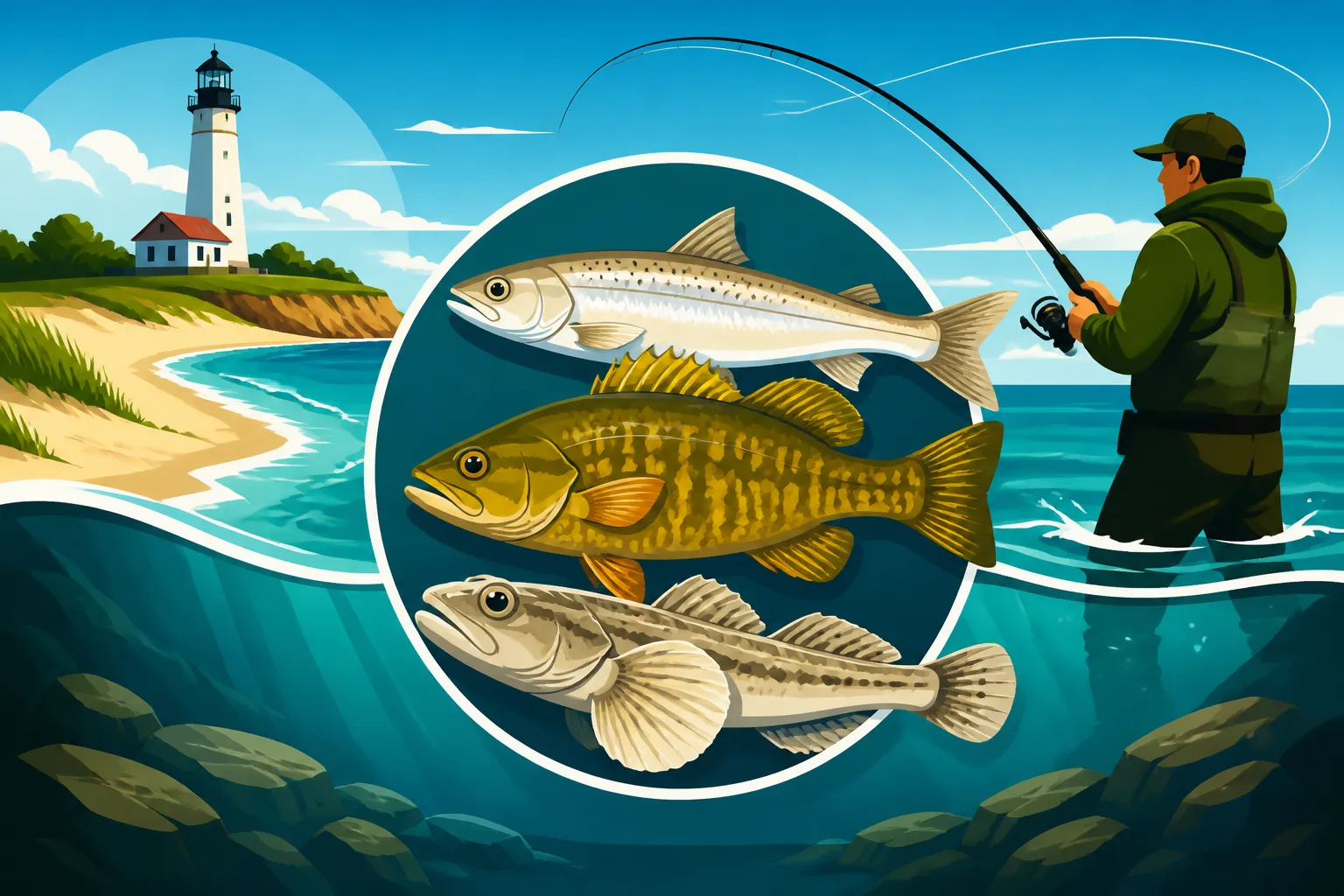
The true native of the Great Lakes, Lake trout are often found in the deepest, coldest parts of Lake Michigan. These powerful, long-lived fish are perfectly adapted to the frigid depths, where they feed on a diet of baitfish like alewife and sculpins. Lake trout can grow to impressive sizes, often exceeding 20 pounds, and their deepwater fights are characterized by immense power and stubborn resistance. Anglers typically target them by trolling with heavy gear, utilizing downriggers and wire line to present large spoons, dodgers, and flies at depths often exceeding 100 feet. While they may not offer the same acrobatic jumps as salmon or steelhead, a large lake trout provides a sustained, powerful battle that tests both angler and equipment. Lake Trout Fishing Spots on Lake Michigan typically involve large open water areas rather than specific structures. They represent a connection to the Great Lakes' ancient past and offer a distinct deepwater experience.
Other Notable Species in Indiana's Lake Michigan Waters
While salmon and trout are the undisputed superstars of Indiana's Lake Michigan fishery, they're not the only unique fish you can catch. The diverse ecosystem supports other species that offer fantastic angling, some of which are seasonal favorites and others that are mainstays for local anglers.
Yellow Perch: A Classic Lake Michigan Experience
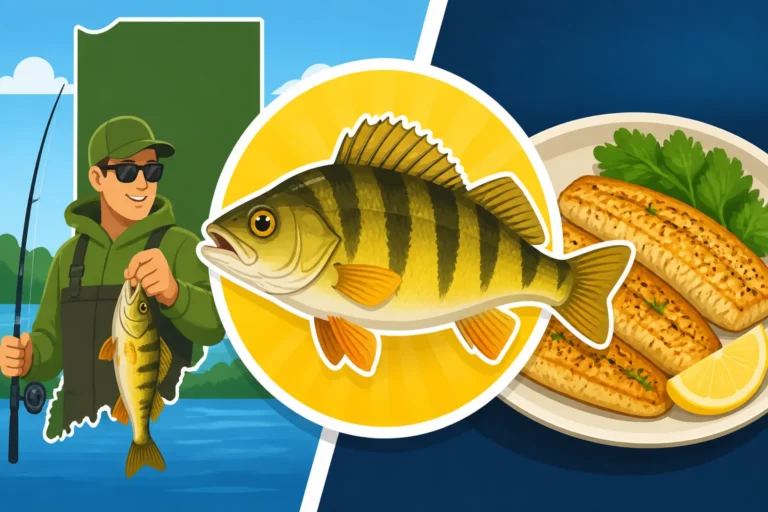
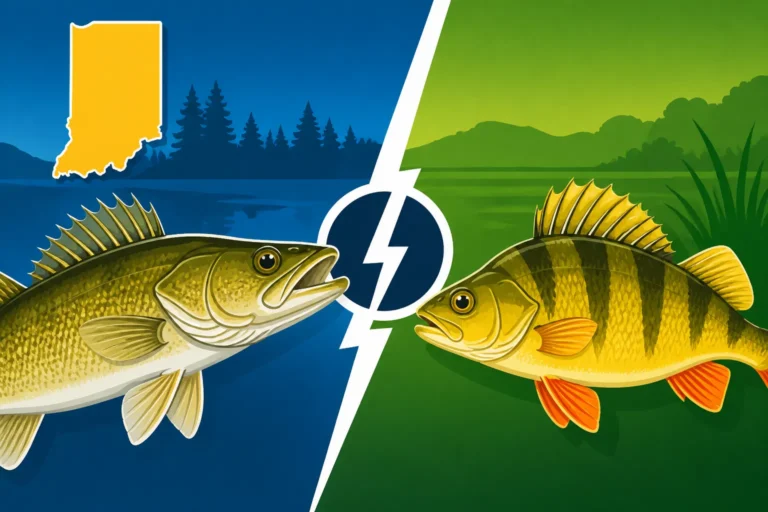
For many local anglers, especially those focused on shore-based or smaller boat fishing, yellow perch are the backbone of the Indiana Lake Michigan fishery. These feisty panfish are highly sought after for their delicious white flesh and their willingness to bite. While yellow perch are found in many inland Indiana lakes, the sheer numbers and often larger size of Lake Michigan perch provide a truly unique experience. They congregate in schools, often found near harbors, piers, and drop-offs. Anglers typically use ultra-light gear with small jigs, live bait like minnows or worms, or small artificial lures. Pier fishing for perch, especially in the spring and fall, is a cherished tradition along the Indiana shoreline. It’s a fantastic way to introduce kids to fishing, or to simply enjoy a relaxing day with the chance of a bountiful catch. Yellow Perch Identification: Vertical Bars and Golden Sides is simple, making them an easy target for beginners.
Seasonal Surprises: Smelt and Alewife
Beyond the primary game fish and panfish, Lake Michigan occasionally offers some very unique, seasonal angling opportunities that are truly one-of-a-kind in Indiana.
Smelt, small, silvery fish with a distinctive cucumber-like odor, undertake massive spawning runs into nearshore waters and tributaries in early spring. While not typically caught with traditional rod and reel, smelt dipping or seining is a unique cultural tradition in Northwest Indiana. Families gather on piers and breakwaters, often after dark, to scoop up buckets of these tasty fish using large dip nets. It’s a social event as much as a fishing activity, and the sheer volume of fish can be astounding.
Alewife, while primarily a forage fish for salmon and trout, can also be caught by accident or specifically targeted by some anglers. These prolific baitfish are critical to the Lake Michigan food web. Their massive schools often bring in the larger predators. While not typically a sport fish, their presence is a clear indicator of a healthy forage base for the salmon and trout that Indiana anglers so eagerly pursue. These species, though small, are integral to what makes the Lake Michigan fishery so unique.
| Species Name | Typical Size (Indiana LM) | Primary Habitat (Indiana LM) | Key Identifying Feature | Common Lures/Baits | Unique Challenge |
|---|---|---|---|---|---|
| Chinook Salmon | 15-30 lbs+ | Deep, open water | Black mouth, spotted tail | Spoons, plugs, flasher-fly | Deepwater trolling |
| Coho Salmon | 5-15 lbs | Nearshore, river mouths | White mouth, spotted tail | Spoons, plugs, flies | Aerial acrobatics |
| Steelhead Trout | 5-20 lbs | Nearshore, tributary streams | Silver body, pink stripe | Spawn bags, beads, lures | Powerful runs, jumps |
| Brown Trout | 5-15 lbs | Harbors, breakwaters, nearshore | Dark spots, golden/silver body | Spoons, stickbaits, minnows | Wary, strong fights |
| Lake Trout | 10-25 lbs+ | Deepest waters | Worm-like markings, light spots | Heavy spoons, dodgers, flies | Stubborn, deep fights |
| Yellow Perch | 6-12 inches | Harbors, piers, nearshore structure | Vertical bars, orange fins | Small jigs, minnows, worms | Schooling behavior |
Gearing Up for Lake Michigan: Specialized Tackle and Tactics
Fishing Lake Michigan isn't like fishing a farm pond or even one of Indiana's larger reservoirs. The sheer scale of the water, the power of the fish, and the specific habitats they occupy demand a different approach to gear and strategy. If you're used to casting spinnerbaits for bass or dunking worms for bluegill, you'll quickly realize that the Lake Michigan fishery requires a serious upgrade in tackle and a deeper understanding of big-water tactics.
Essential Equipment for Big Water Success
First and foremost, you need tackle designed for big, powerful fish and deep, open water. This means heavier rods, larger capacity reels, and stronger lines than you'd typically use for inland fishing. For trolling offshore for salmon and lake trout, specialized equipment like downriggers, planer boards, and line counters are virtually essential. These tools allow you to present multiple lures at precise depths and spread out your presentation over a wide area, increasing your chances of finding schools of actively feeding fish. For pier and shore anglers targeting steelhead and brown trout, longer, medium-heavy rods capable of casting heavy spoons or handling strong currents are crucial. A good quality cooler, easily found on Amazon, is also a must for keeping your significant catches fresh. Investing in quality rain gear and appropriate layers is also important, as Lake Michigan weather can change rapidly. Don't forget that Lake Michigan Fishing Rules for Indiana Anglers often have specific requirements for boats and safety equipment too.
Adapting Your Approach for Different Seasons and Species
One of the most exciting aspects of fishing Indiana's Lake Michigan fishery is its year-round potential, provided you adapt your techniques to the season and the target species. In spring, as ice retreats, coho salmon and brown trout become active closer to shore, offering exciting opportunities for pier and small boat anglers. As summer progresses, the salmon and lake trout move to deeper, colder waters, making offshore trolling the primary method. Fall brings the highly anticipated salmon and steelhead runs, as these magnificent fish stage near river mouths before migrating upstream to spawn. Fall Salmon Run Timing on Lake Michigan in Indiana is a critical piece of knowledge for any serious angler. Even in winter, when conditions allow, ice fishing can produce unique catches like burbot and even steelhead in protected harbors. Each season presents a different puzzle, requiring a shift in location, depth, lures, and overall strategy. This dynamic nature keeps the fishery fresh and exciting, ensuring there's always something new to learn and conquer.
Disclaimer
This article is for general informational purposes only and does not constitute professional advice. Laws, prices and regulations vary by location and change over time. Consult a qualified professional for guidance on your specific situation.