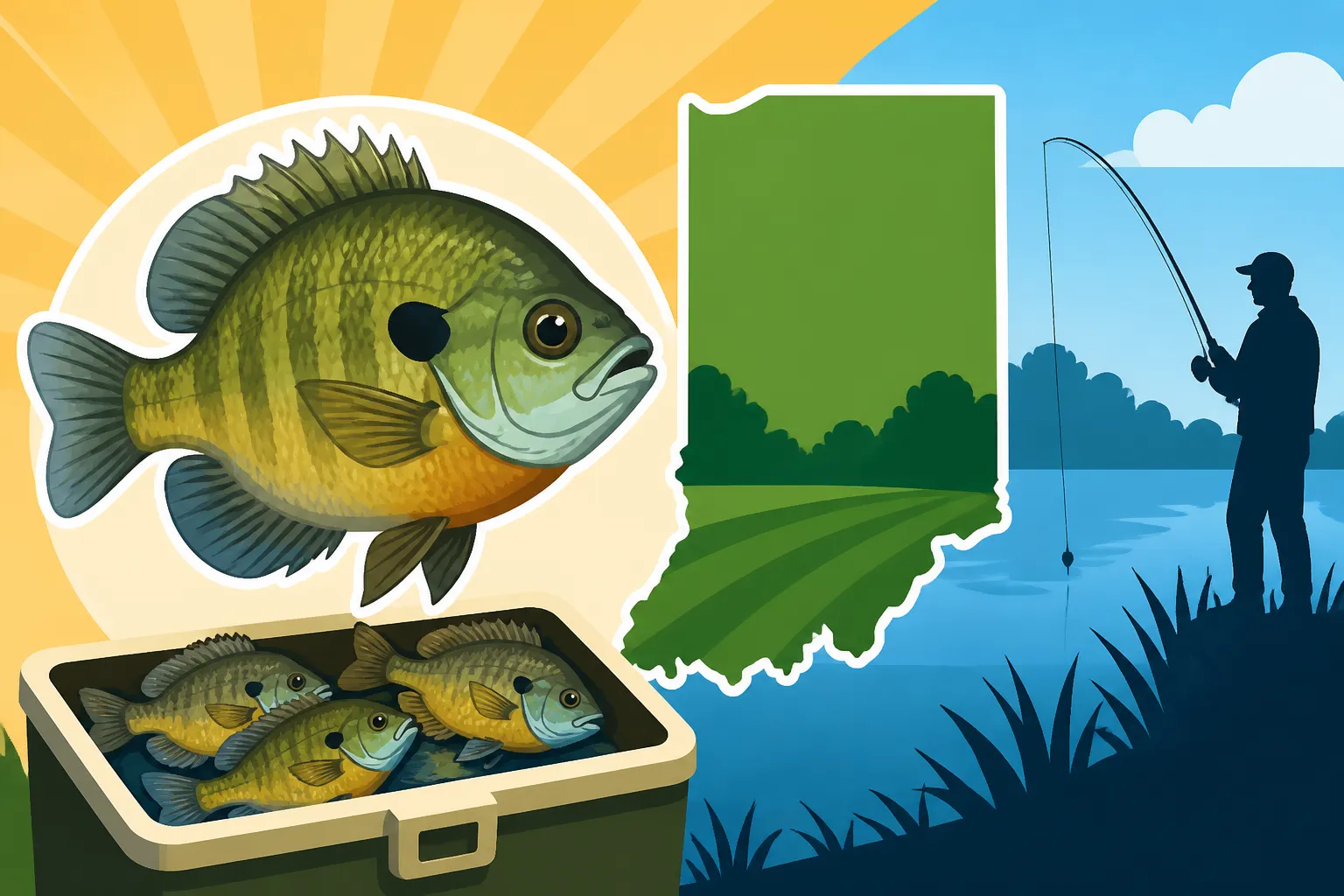
How Many Bluegill Can You Keep in Indiana?
Oh, the age-old question that inevitably pops into every angler's mind when the bite is hot: How many bluegill can I actually keep today? It’s a moment of truth, isn't it? You've got a stringer starting to fill up, the sun is shining, and you want to enjoy your time on the water without the nagging worry of accidentally breaking Indiana's fishing regulations. This guide is all about giving you the straight facts on bluegill limits, clarifying those tricky "per species" rules, and ensuring you can confidently enjoy your panfish harvest.
The Official Indiana Bluegill Daily Limit
Let's get right to it, because no one wants to wade through pages of legalese when they just want to know the number. In Indiana, the daily bag limit for bluegill is 25 fish per person, per day. It's a pretty straightforward rule for this beloved panfish, and it applies across most of the state's public waters. This means that once you've landed your 25th bluegill, it's time to either switch to catch-and-release for that species or move on to targeting something else.
What "Per Species" Really Means for Your Creel
This is where some anglers get a little tangled up, and it’s an important distinction. The "per species" part of the regulation means that if you're out fishing and catching a mix of different panfish, you can keep 25 of each species, not just 25 fish total from the panfish family. So, if you're having an incredible day and manage to land 25 bluegill and 25 redear sunfish, that's perfectly legal. The Indiana Department of Natural Resources (DNR) sets these rules to manage populations effectively. To really dig into this, you can check out the details on Panfish Limits Counted Separately by Species. It's a common point of confusion, but once you understand it, it opens up a lot more flexibility on the water.
Understanding the "Daily" Aspect of the Limit
The "daily" part of the limit is also crucial. This limit applies to the fish you harvest within a single calendar day, from midnight to midnight. It's not a possession limit that rolls over for several days unless otherwise specified for certain species (which, thankfully, isn't the case for bluegill). So, if you catch your limit of 25 bluegill on Saturday, you can't just add them to the 25 you caught on Friday and claim it's all part of the same "trip." Each day stands on its own. This is part of the larger framework covered in the Indiana Fishing Regulations and Bag Limits Guide that helps ensure sustainable fishing practices throughout the state.
Why These Limits Are in Place for Panfish
It might seem like a lot of rules, but every regulation, including the 25-fish daily limit for bluegill, is there for a good reason. These limits aren't just arbitrary numbers; they are carefully determined by the Indiana DNR to ensure healthy fish populations for today's anglers and for future generations. It’s all about striking that delicate balance between recreational opportunity and conservation.
Protecting the Fishery for Tomorrow
Bluegill are prolific breeders, and their populations can rebound quickly. However, without limits, even bluegill populations could be depleted in heavily fished areas. The 25-fish limit helps to prevent overfishing, especially in smaller lakes and ponds that might experience higher fishing pressure. By setting a reasonable limit, the DNR ensures that there are enough fish left in the water to continue reproducing, growing, and providing ample fishing opportunities year after year. It's an investment in the future of Indiana fishing, making sure that your grandkids can experience the same joy of a bent rod and a flopping bluegill that you do.
Maintaining Healthy Aquatic Ecosystems
Beyond just the bluegill themselves, these limits play a vital role in maintaining the overall health of Indiana's aquatic ecosystems. Bluegill are a foundational prey species for many larger game fish, like largemouth bass and northern pike. If bluegill populations were to crash due to overharvesting, it would have a cascading negative effect on these predators, potentially leading to unhealthy populations across the board. The DNR biologists monitor fish populations regularly, using data to adjust limits as needed to keep everything in balance. This holistic approach ensures that the entire aquatic food web remains robust and healthy, supporting not just bluegill, but all the amazing creatures living beneath the surface.
Beyond Bluegill: Understanding Other Panfish Limits
While bluegill are often the stars of the panfish show, Indiana is home to several other fantastic panfish species that share similar regulations. It’s super common to catch a mix of these fish when you're out on the water, so knowing their individual limits is just as important.
Crappie and Redear Sunfish: Same Limit, Different Fish
Just like bluegill, both crappie (black and white crappie) and redear sunfish fall under the 25 fish per species, per day limit in Indiana. This is great news for anglers, as it means you can often target multiple panfish species in the same outing without worrying about hitting a combined limit too quickly. Imagine a day where you fill your creel with 25 bluegill, then move to a different brush pile and start catching slabs of crappie, eventually adding another 25 to your total – a truly epic day of fishing! If you're specifically targeting crappie, make sure to read up on How Many Crappie Can You Keep in a Day?. And for the often-overlooked, yet delicious, redear sunfish, the same limit applies, as detailed in Redear Sunfish Daily Limit: 25 per Day.
Yellow Perch: Indiana's Striped Panfish
Another popular panfish in Indiana, especially in certain lakes and Lake Michigan, is the yellow perch. These striped beauties also adhere to the 25 fish per day limit. Yellow perch offer a different kind of fight and are incredibly tasty, making them a favorite for many anglers. If you're fishing waters known for perch, it's good to remember they fit right into the same general panfish limit structure. Learn more about these fantastic fish in Yellow Perch: Indiana's Classic Panfish.
Exceptions and Important Considerations
While the 25-fish limit for panfish like bluegill, crappie, redear sunfish, and yellow perch is pretty standard across most of Indiana, it's always a good practice to quickly check the current Indiana Fishing Guide or the DNR website before heading out. Occasionally, specific bodies of water might have special regulations or exceptions, particularly for certain species or during certain times of the year. For instance, while bluegill usually don't have length limits, some game fish like walleye often do, and those rules can vary by lake. Generally, for panfish, the rules are consistent, but a quick check never hurts, especially if you're fishing a new spot.
Here’s a quick overview of common Indiana panfish daily limits:
| Fish Species | Daily Bag Limit (per person) | Notes |
|---|---|---|
| Bluegill | 25 | Part of the general panfish rule. |
| Black Crappie | 25 | Counts separately from other panfish. |
| White Crappie | 25 | Counts separately from other panfish. |
| Redear Sunfish | 25 | Counts separately from other panfish. |
| Yellow Perch | 25 | Counts separately from other panfish. |
| Other Sunfish* | 25 | Green Sunfish, Pumpkinseed, Warmouth, etc. * |
Note: This table reflects general statewide regulations. Always consult the most current Indiana Fishing Guide for specific body-of-water exceptions.
Smart Practices for a Sustainable Bluegill Harvest
Beyond just knowing the numbers, being a responsible angler means practicing sustainable habits. It's about ensuring we all get to enjoy the incredible fishing Indiana has to offer, year after year. Bluegill are often a gateway fish, especially for younger anglers, offering consistent action and a great introduction to fishing. Consider bringing along a new angler with the insights from Bluegill and Panfish: A Great Starter Fish for Kids in Indiana.
Selective Harvesting: Keeping the Right Fish
While you can keep 25 bluegill, it’s often a good idea to practice selective harvesting. What does that mean? It means thinking about the size of the fish you're keeping. For bluegill, studies often show that keeping medium-sized fish (say, 6-8 inches) and releasing the largest "bull" bluegill can actually improve the overall health and average size of the population in a given pond or lake. Those big, old bluegill are valuable breeders, contributing greatly to the next generation. Smaller bluegill (under 5 inches) might be numerous, but they often haven't reached their full growth potential and are also vital food for bigger predators. By selectively keeping the middle-of-the-road fish, you're doing your part to enhance the fishery.
Essential Gear for Bluegill Anglers
You don't need a boatload of fancy gear to catch bluegill, which is another reason they're so popular! A simple ultralight rod and reel combo, some light line (4-6 lb test), a bobber, small hooks (size 8-12), and some bait are usually all it takes. For bait, crickets, worms, or small pieces of nightcrawler are bluegill magnets. You can find fantastic, budget-friendly options for all this gear online. Many anglers, myself included, often browse platforms like Amazon for ultralight fishing setups. They have a huge selection, whether you're looking for Best Panfish Rods for Indiana Ponds or specialized Best Ultralight Rods for Bluegill Fishing.
Having a good tackle box setup that is specifically geared towards panfish can make all the difference, too. Consider organizing it with different sized hooks, tiny jigs, and a variety of small plastic baits in addition to your live bait options. When it comes to Best Bait for Bluegill Fishing in Farm Ponds, local bait shops are always a great resource, but having backups from online retailers like Amazon can save a trip.
Releasing Fish Safely
Even if you're planning to keep your limit, there will be times when you catch a fish you want to release – maybe it's too small, too big, or you've already hit your daily limit for that species. Learning how to release fish safely is an ethical cornerstone of fishing.
- Handle with Care: Wet your hands before touching the fish to protect its slime coat, which is vital for disease resistance.
- Minimize Air Exposure: Try to keep the fish in the water as much as possible, especially during warmer months. Bluegill have delicate gills, and prolonged air exposure can be fatal.
- Use Barbless Hooks: Or flatten the barb on your hooks with pliers. This makes removal much easier and less damaging.
- Quick Hook Removal: Use needle-nose pliers or a hook-remover tool to gently extract the hook. If the fish is deeply hooked, it’s often best to cut the line as close to the hook as possible rather than tearing sensitive internal organs.
- Revive if Necessary: If the fish seems sluggish after release, hold it gently upright in the water and move it back and forth to force water over its gills until it swims away under its own power.
By following these simple practices, you're not just adhering to the regulations; you're actively contributing to the health and vitality of Indiana's incredible fishing resources. And remember, before you cast out, always ensure your What Information You Need to Renew an Indiana Fishing License is up-to-date and that you understand other regulations like How Many Rods Can You Fish With in Indiana?. Happy fishing, Hoosier anglers!
Disclaimer
Always consult the most current Indiana Fishing Guide published by the Indiana Department of Natural Resources (DNR) for the official and most up-to-date fishing regulations, bag limits, and length limits. Regulations can change, and it is the angler's responsibility to be aware of and comply with all applicable laws.