Indiana Channel Catfish: Where to Find Them
Many anglers dream of the thrill of a powerful tug on their line, the unmistakable sign of a strong channel catfish fighting back. But finding these whiskered giants in Indiana waters can sometimes feel like trying to locate a needle in a haystack. This comprehensive guide is designed to cut through that frustration, offering detailed insights into the preferred haunts and seasonal movements of Indiana channel catfish, so you can spend less time searching and more time enjoying the rewarding experience of reeling in your next big catch.
Understanding Channel Catfish in Indiana Waters
Before we dive into specific locations, it's really helpful to understand the channel catfish itself. These aren't just any fish; they're incredibly adaptable, resilient, and possess unique behaviors that dictate where they choose to live and feed. Knowing what makes a channel cat tick is the first step in figuring out where to drop your line.
Their Natural Preferences: Cover, Depth, and Current
Channel catfish are often associated with murky, slow-moving water, but that's just scratching the surface of their preferences. While they tolerate turbid conditions, they absolutely thrive in environments that offer a combination of good cover, varying depths, and often, a gentle current. Think about large rivers and reservoirs: they’ll seek out logjams, submerged trees, rock piles, and undercut banks for shelter from predators and strong currents. These areas provide ambush points for food and a sense of security.
When it comes to depth, channel catfish are incredibly versatile. In cooler months, or during the heat of summer days, they'll often retreat to deeper holes, main river channels, or reservoir creek beds where water temperatures are more stable. However, don't overlook shallower flats or points, especially during low-light conditions or when they're actively feeding. The key is often finding a depth transition or a feature that provides access to both deep sanctuary and shallow feeding grounds. A broken-down old dock or a cluster of submerged brush that drops off into deeper water can be an absolute magnet.
Current is another major factor, especially in rivers. Channel catfish are masters at conserving energy, so they'll position themselves just out of the main flow, in current seams or eddies, where food is swept to them without them having to work too hard. These spots are often found behind large rocks, fallen trees, or along the inside bends of rivers. Understanding how water flows and where it creates these natural resting and feeding zones is a crucial skill for any catfish angler.
Dietary Habits and How They Influence Location
Channel catfish are renowned for their opportunistic feeding habits, essentially making them the aquatic vacuum cleaners of the waterways. While they definitely have a reputation for scavenging on dead or decaying organic matter, they are also quite capable predators, actively hunting smaller fish, crayfish, insects, and even terrestrial creatures that fall into the water. This broad diet means that their location is heavily influenced by the availability of food sources.
In a river system, if there's a good hatch of insects or a concentration of baitfish, you can bet that channel catfish won't be far behind. They'll cruise shallow flats or humps during low light, using their keen sense of smell and barbels to detect food. In reservoirs, they might follow schools of shad or other forage fish, moving with them throughout the water column. The presence of smaller panfish populations, like bluegill or crappie, also indicates a potential food source for larger cats.
Knowing this, consider where these food sources might be concentrated. Areas around weed lines, submerged timber, or even marinas where food scraps might accumulate can be prime catfish feeding zones. They have an incredible sense of smell, which allows them to track down food even in murky water or during the darkest nights. This is why highly scented baits work so well for them – they literally follow the scent trail to your hook.
Identifying Indiana Channel Catfish
While many anglers can spot a catfish from a mile away, specifically identifying a channel catfish from other common species like blue catfish or flathead catfish can be a little trickier, especially for beginners. Knowing the precise characteristics helps ensure you're targeting the right fish and adhering to any specific regulations. This information is also crucial for reporting your catch accurately if you land a monster.
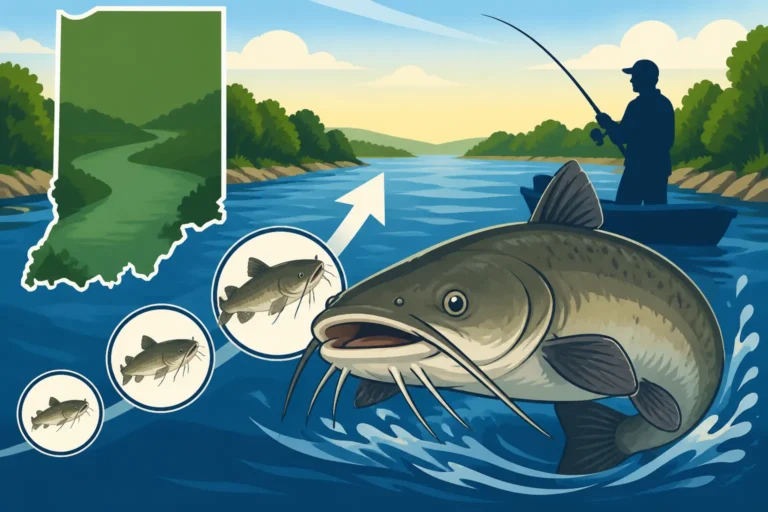
Channel catfish typically have a deeply forked tail, a distinguishing feature that sets them apart from the rounded tail of a flathead or the slightly less forked tail of a blue catfish. Their bodies are usually sleek and somewhat slender, with a varying coloration from olive-brown to silvery-gray on the back, fading to white on the belly. Younger channel cats often exhibit dark spots on their sides, which tend to fade as they mature. You can get a much more detailed breakdown of their unique traits in our guide, Channel Catfish Identification: Spots and Forked Tail.
Their head is relatively small and cone-shaped, with eight barbels surrounding the mouth – four on the chin, two on the snout, and two extending from the corners of the mouth. These barbels are packed with taste buds, acting like highly sensitive underwater antennae that help them locate food in low visibility. Understanding these features not only helps with identification but also reinforces why certain baits and fishing techniques are so effective.
Prime Habitats: Where Channel Catfish Thrive Across Indiana
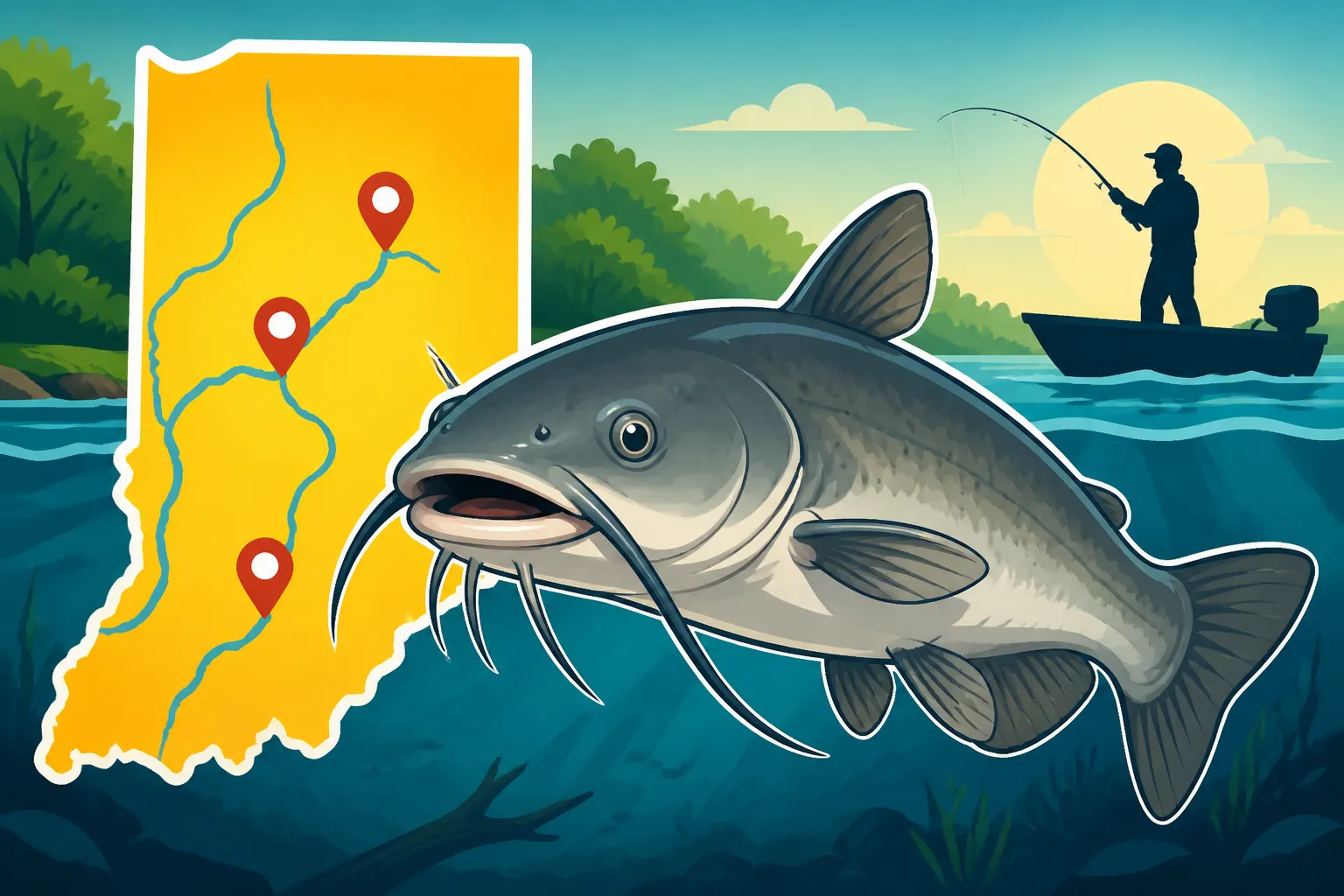
Indiana is blessed with a diverse array of waterways, from meandering rivers to expansive reservoirs and countless smaller ponds. The good news is that channel catfish can be found in almost all of them, but their preferred specific habitats vary depending on the type of water body. Knowing these prime spots will give you a significant edge in your search.
Rivers and Streams: The Classic Catfish Haunts
For many seasoned anglers, rivers are the quintessential home of the channel catfish. Indiana's numerous rivers and larger streams offer a perfect blend of current, varied depths, and abundant cover that channel cats absolutely adore. The current, as mentioned earlier, is a key factor. Catfish don't want to fight a strong current all day, so they'll seek out current breaks where they can ambush prey with minimal effort.
Look for deep outside bends in rivers where the current has scoured out a deep hole, often accompanied by submerged logs or rock ledges. The slack water just downstream of these bends or behind large obstacles like bridge pilings are also prime targets. Feeder creeks entering a larger river are incredibly important, especially after a rain, as they wash in food and create a distinct current seam. Targeting these junctures can be incredibly productive, as catfish gather there to feast on whatever the smaller stream brings. Our comprehensive guide on Fishing the Wabash River in Indiana offers a deeper dive into one of the state's most famous catfish rivers. Similarly, you'll find excellent channel cat opportunities within the Fishing the White River in Indiana system, particularly in its slower, deeper sections.
Reservoirs and Large Lakes: Deep Water Dwellers and Structure Lovers
Indiana's large reservoirs might not have the constant current of a river, but they offer a different set of advantages for channel catfish: vast expanses of deep water, abundant structure, and often, thriving baitfish populations. In these larger impoundments, channel cats will relate heavily to submerged features. Old creek channels, which crisscross the lake bottoms, are highways for catfish, especially during periods of high activity.
Focus your efforts on areas where these creek channels intersect with main lake points, submerged humps, or old roadbeds. These intersections act as natural bottlenecks, concentrating forage and, consequently, the catfish that feed on them. Look for distinct depth changes, also known as drop-offs, particularly those that transition from a shallow flat into deeper water. During the day, catfish will often hold in these deeper areas, moving shallower to feed during dawn, dusk, or under the cover of darkness. Many anglers find great success targeting these spots in places like Monroe Lake: Indiana's Largest Lake for Bass Fishing or Patoka Lake Fishing Guide for Bass and Crappie, which are known for their impressive channel catfish populations.
Farm Ponds and Smaller Impoundments: Hidden Local Gems
While rivers and large reservoirs get a lot of attention, don't underestimate the potential of Indiana's countless farm ponds and smaller impoundments for channel catfish. These smaller bodies of water often receive less fishing pressure and can hold surprisingly large and healthy populations of catfish. They are particularly great for family fishing trips or for those looking for a quieter angling experience away from the crowds.
In ponds, the deepest sections are almost always a good starting point, especially during warmer months when catfish seek cooler, more stable temperatures. Look for any kind of structure – a fallen tree, a rock pile, an old fence line, or even a deep weed edge. These features provide cover and ambush points. Ponds with a good source of natural forage, or those that are regularly stocked, will yield the best results. The edges of lily pad fields, especially where they meet deeper water, can also be excellent. Many local ponds are teeming with panfish, which as we discussed, are a great food source for catfish.
Top Indiana Waters Known for Channel Catfish
Indiana boasts an incredible variety of waters, and while channel catfish are widespread, certain lakes and rivers have a well-earned reputation for consistently producing these hard-fighting fish. Knowing these hotspots can save you a lot of guesswork and dramatically increase your chances of success.
The Mighty Wabash River System
The Wabash River, Indiana's longest river, is truly a legendary waterway for channel catfish. Its extensive length, varied depths, and abundant structure make it a prime habitat. From Lafayette down to the Ohio River, the Wabash offers incredible opportunities. Focus on the main channel, especially where it features deep holes, often found on the outside bends. These bends typically have stronger currents that scour out the riverbed, creating perfect holding spots for catfish.
Logjams are another absolute magnet on the Wabash. These piles of submerged timber provide excellent cover and current breaks, concentrating baitfish and, in turn, hungry catfish. Bridge pilings and other man-made structures that create current eddies are also worth exploring. Many anglers find great success fishing the Wabash from the bank, especially in accessible areas where the river deepens quickly near shore. Local bait shops along the river can often provide up-to-the-minute information on specific hot spots, as conditions can change rapidly with water levels and current.
Southern Indiana's Premier Reservoirs
Southern Indiana is home to several large flood control reservoirs that are renowned for their channel catfish populations. These lakes offer a different style of catfishing compared to rivers but are no less productive.
Monroe Lake: As Indiana's largest inland lake, Monroe offers an immense amount of habitat for channel catfish. The old creek channels, particularly Salt Creek and North Fork, are vital pathways for catfish movement. Target these channels where they intersect with points, humps, or any remaining submerged timber. Night fishing here can be incredibly productive, as channel cats move shallower to feed. Look for access points near areas with significant depth changes, or consider fishing from a boat to explore the vast expanse of the lake.
Patoka Lake: Located in Dubois, Orange, and Crawford counties, Patoka Lake is another southern Indiana gem for channel catfish. Like Monroe, Patoka has extensive submerged timber, old roadbeds, and creek channels. Focus on the deeper basins and main lake points, especially those with access to the old Patoka River channel. During the warmer months, the lake's abundant shad population provides a constant food source, keeping the catfish well-fed and actively searching. Shore anglers can find success in coves and near public access areas that drop off into deeper water.
Brookville Lake: Further east, Brookville Lake also holds a robust population of channel catfish. This lake, known for its clear water, means catfish might be a bit more light-sensitive, often preferring deeper water during the day and moving up into shallower flats and coves during low light. Focus on areas with standing timber or rock formations. The tailwater below the dam can also be a fantastic spot, as the turbulent water and ample oxygen attract a variety of fish, including catfish.
Central Indiana's River and Reservoir Options
Central Indiana, while more urbanized, still provides excellent opportunities for channel catfish, primarily through segments of the White River and its associated reservoirs.
White River: Both the West Fork and East Fork of the White River offer good channel catfish angling. Closer to Indianapolis, the river can be quite urban, but healthy populations of catfish thrive even in these areas. Look for deeper pools created by bends in the river or behind small dams and riffles. Further south, away from the city centers, the river becomes more natural, offering better opportunities around logjams, feeder creeks, and deeper stretches. Access points can be found in various state parks and public lands along its course.
Mississinewa Lake: Northeast of Indianapolis, Mississinewa Lake is another excellent reservoir for channel catfish. Like its southern counterparts, Mississinewa features extensive submerged timber and old river channels. Pay attention to areas where the river channel winds near main lake points or where significant standing timber offers abundant cover. The shallower, fertile coves can be good in spring and fall, while deeper main lake areas hold fish during summer.
Salamonie Lake: Just south of Wabash, Salamonie Lake is another productive reservoir. Known for its extensive timber and fluctuating water levels, Salamonie requires a bit of local knowledge, but once you find the patterns, it can be very rewarding. Channel catfish here will often relate to the edges of the submerged forest, particularly where open water meets the timber line. The deeper areas of the old Salamonie River channel are always worth exploring.
Northern Indiana's Glacial Lakes and Smaller Rivers
While southern Indiana reservoirs and the Wabash often steal the spotlight, Northern Indiana's glacial lakes and connecting river systems also offer good channel catfishing, especially in certain lakes and the larger tributary rivers.
Lake Maxinkuckee: One of Indiana's largest natural lakes, Lake Maxinkuckee in Marshall County, holds a solid population of channel catfish, particularly in its deeper basin. While it's known for other species, the channels here can grow quite large. Look for them along the break lines leading to the deepest parts of the lake, especially near any submerged structure.
Webster Lake: In Kosciusko County, Webster Lake is another natural lake worth exploring. While famous for its muskie, the channel catfish population is healthy and often overlooked. Focus on the deeper areas, particularly where the bottom contour changes or where there's some woody cover.
St. Joseph River: The St. Joseph River in northern Indiana, especially its calmer, deeper sections, can hold good numbers of channel catfish. Similar to the Wabash, look for deep bends, logjams, and current breaks. The river's cooler waters mean that catfish might behave a little differently than in southern, warmer systems, but the principles of finding cover and food remain the same.
Remember, regardless of the water body, research current conditions, and always check with local bait shops or park offices for the most up-to-date fishing reports. Knowing where to find the catfish is half the battle; the other half is knowing when they're biting! You can explore more of Indiana's top catfish spots in our specific guide, Best Catfish Fishing Spots in Indiana.
Seasonal Movements and How to Adapt Your Search
Channel catfish are constantly on the move, their locations shifting with the seasons, water temperatures, and even the time of day. Understanding these migratory patterns is absolutely critical if you want to consistently find them throughout the year. What works in spring won't necessarily work in fall, and vice versa.
Spring: Pre-Spawn Aggression and Shallow Water
As Indiana's waters begin to warm after a long winter, usually around April and May, channel catfish enter a pre-spawn phase marked by increased feeding activity. Their metabolism picks up, and they're actively seeking out food to build energy for the upcoming spawn. During this time, you'll often find them moving from deeper wintering holes into shallower areas, especially those with dark bottoms that absorb heat, like mud flats or rocky banks.
Look for them in protected coves, shallow bays, and the backs of creeks in reservoirs, or in slower, shallower stretches of rivers. These areas warm up faster and are often teeming with early-season forage. They're particularly attracted to structure that offers warmth and cover, such as submerged timber or brush piles in these shallower zones. This is a fantastic time to catch aggressive, hungry cats. Their drive to feed makes them less picky, and they're often found in concentrated numbers, making for some truly memorable fishing.
Summer: Deep Holes, Current, and Nighttime Feasts
Once the scorching Indiana summer sets in and water temperatures climb, channel catfish adapt their behavior to cope with the heat. In many lakes and reservoirs, this means retreating to deeper, cooler water during the brightest parts of the day. They'll often hold in the main lake channels, deep creek beds, or around submerged humps and points where they can find thermal refuge. The thermocline, a layer in the water column where temperature changes rapidly, can be a key zone to target, as baitfish and catfish often congregate there.
In rivers, catfish will still seek out deeper holes, but they'll also heavily utilize current breaks where oxygen levels are usually higher and cooler water might be flowing in from tributaries. Bridge pilings, large logjams, and deep scour holes behind wing dams become prime locations. One of the most effective strategies during summer is Night Fishing Techniques for Catfish. As the sun sets, water temperatures cool slightly, and catfish become much more active, often moving into shallower flats, humps, and shoreline areas to feed under the cover of darkness. Their incredible sense of smell gives them a huge advantage during nighttime foraging.
Fall: The Pre-Winter Feeding Frenzy
Just as in spring, fall triggers another significant feeding spree for channel catfish as they prepare for the lean winter months. As water temperatures begin to drop, often from September through November, their metabolism again ramps up, and they become incredibly active. This is often one of the most productive times of the year to target larger channel cats.
During the fall, channel catfish will often mirror their spring patterns, moving back into shallower water, particularly along creek channels, points, and flats where baitfish are still abundant. They'll actively chase schools of shad or other forage, so understanding where these baitfish are located is paramount. Look for them in areas that offer access to both shallow feeding grounds and deeper water where they can retreat if cold fronts push through. The fish will be focused on bulking up, so big, smelly baits presented strategically can be incredibly effective. For a more detailed breakdown of these seasonal shifts, check out our guide on the Best Season for Catfish Fishing in Indiana.
Locating Catfish Beyond the Obvious: Angler's Tips
While knowing the general habitats and seasonal movements is crucial, truly mastering the art of finding channel catfish involves a keen eye for subtle details and a willingness to explore. It's about thinking like a fish and understanding how external factors influence their minute-by-minute decisions.
Reading the Water: Current Seams, Eddies, and Structure
One of the most valuable skills an angler can develop is the ability to "read the water." This means observing the surface, understanding how currents flow, and mentally mapping what might be happening beneath the surface. In rivers, current seams are your best friend. These are the visible lines on the water where fast-moving current meets slower water. Catfish will often sit right on these seams, letting the faster water deliver food while expending minimal energy. Eddies, those swirling pockets of water behind obstacles, are also prime holding areas.
In lakes and reservoirs, reading the water can involve looking for wind-blown points, especially on the leeward side where baitfish might be pushed and concentrated. Observing diving birds or surface activity from baitfish can also tip you off to potential feeding areas. Look for changes in water color – a muddy plume from an incoming creek can be a catfish highway after a rain. Any visible structure, like emergent weeds, dead trees, or rock outcroppings, should immediately register as a potential catfish home. Don't be afraid to try some of the spots suggested in Best Catfish Fishing Spots in Indiana.
Using Electronics to Pinpoint Catfish Holds
While "reading the water" is an art, modern electronics provide a scientific edge. A good fish finder can be an absolute game-changer, especially in larger lakes and reservoirs where submerged structure is not visible from the surface. These devices allow you to literally see the underwater world, revealing depth contours, old creek channels, submerged timber, and even schools of baitfish.
When using a fish finder, pay close attention to depth changes, especially sharp drop-offs or humps that rise from the bottom. Look for clusters of marks that could indicate fish holding near structure. Side imaging technology, available on many modern units you can find on Amazon, can be incredibly useful for scanning wide areas to locate logjams, rock piles, or old foundations that might be holding catfish, allowing you to position your boat perfectly before making a cast. Even a basic depth finder can help you identify those deep holes and channels that catfish frequent.
The Power of Scent and Bait Presentation
Channel catfish rely heavily on their sense of smell to locate food, especially in murky water or during low-light conditions. This biological advantage is something anglers can exploit by using highly scented baits that create a strong "scent trail" in the water. Things like cut bait, chicken livers, or commercial stink baits are powerful attractants.
When you've identified a likely catfish spot, whether it's a deep hole in a river or a channel intersection in a reservoir, the way you present your bait can make all the difference. Bottom fishing rigs, such as a Carolina rig or a three-way swivel rig, are commonly used to keep your bait on the bottom where catfish often feed. Ensure your bait is positioned directly in the strike zone, whether that's right next to a logjam or at the bottom of a deep break line. Sometimes, a subtle lift and drop of your bait can stir up sediment, releasing more scent and attracting curious catfish from a distance. You can find a fantastic array of pre-made catfish rigs and specialized scented baits on Amazon to experiment with your presentations. Our guide on Best Bait for Channel Catfish in Indiana Rivers has more specific recommendations.
Table: Channel Catfish Habitat and Preferred Structure by Water Type
To quickly summarize, here's a handy table outlining where you're most likely to find channel catfish based on the type of Indiana waterway:
| Water Type | Prime Location Characteristics | Key Structures to Target | Ideal Depth Ranges (General) | Notes |
|---|---|---|---|---|
| Rivers/Streams | Current breaks, slower moving water | Deep bends, logjams, bridge pilings, feeder creek mouths | 8-20+ feet (depending on river depth) | Look for subtle changes in current; night fishing is often productive. |
| Reservoirs | Old creek channels, main lake basins, points | Submerged timber, humps, rock piles, old roadbeds | 10-40+ feet (seasonal variation) | Electronics are key for identifying submerged structure; catfish follow baitfish schools. |
| Large Natural Lakes | Deep basins, main lake break lines | Drop-offs, deep weed edges, natural bottom transitions | 15-50+ feet | Less current-driven; focus on food sources and structure that offers thermal refuge. |
| Farm Ponds/Small Impoundments | Deepest sections, areas with good cover | Fallen trees, brush piles, dock pilings, weed lines | 5-15 feet | Often overlooked, can hold surprisingly large fish; great for bank fishing. |
Remember, while this table provides a general guideline, catfish are opportunistic and adaptable. Always be willing to experiment and adjust your approach based on conditions and local knowledge. Good luck out there!
Disclaimer
This article is for general informational purposes only and does not constitute professional advice. Laws, prices and regulations vary by location and change over time. Consult a qualified professional for guidance on your specific situation.