Redear Sunfish Daily Limit: 25 per Day
It can be incredibly frustrating to hit the water, have a fantastic day catching panfish, and then suddenly realize you’re not entirely sure what the exact daily limit is for each species. Many anglers, myself included, have stood by the water wondering if the limits for bluegill, crappie, and redear sunfish are all the same, or if there are specific nuances. This guide aims to clear up that confusion, specifically focusing on the redear sunfish daily limit in Indiana, so you can fish with confidence and stay well within the law.
Understanding Indiana's Panfish Regulations
Indiana's approach to fishing regulations can sometimes feel like navigating a maze, especially when it comes to panfish. You'd think a general rule would cover them all, but it’s often a little more specific than that. This isn't to make things difficult; it's really about managing fish populations effectively to ensure good fishing for years to come.
The General Panfish Rule
For a lot of folks, "panfish" is a catch-all term for smaller, edible fish like bluegill, crappie, and sunfish. And while the Indiana Department of Natural Resources (DNR) does have some overarching guidelines, it's crucial to remember that these aren't always universally applied. The general idea is to allow for a reasonable harvest while preventing any one species from being overfished. However, the specific numbers can vary. This ambiguity is precisely why so many of us find ourselves second-guessing at the end of a successful day. It's not uncommon to wonder, "Is this the same limit as that lake I fished last month?" or "Does this apply to all sunfish, or just a particular type?"
It's tempting to assume a "one size fits all" mentality when you're out on the lake, especially when the fishing is hot and the panfish are biting. You might think, "Well, they're all panfish, so it must be the same 25-fish limit across the board." But relying on assumptions can lead to unintentional violations. The DNR's regulations are designed to be quite precise, and understanding these nuances is a key part of being a responsible angler. For a broader overview of all the rules, it’s always a good idea to consult the Indiana Fishing Regulations and Bag Limits Guide.
Why Redear Sunfish Are Included
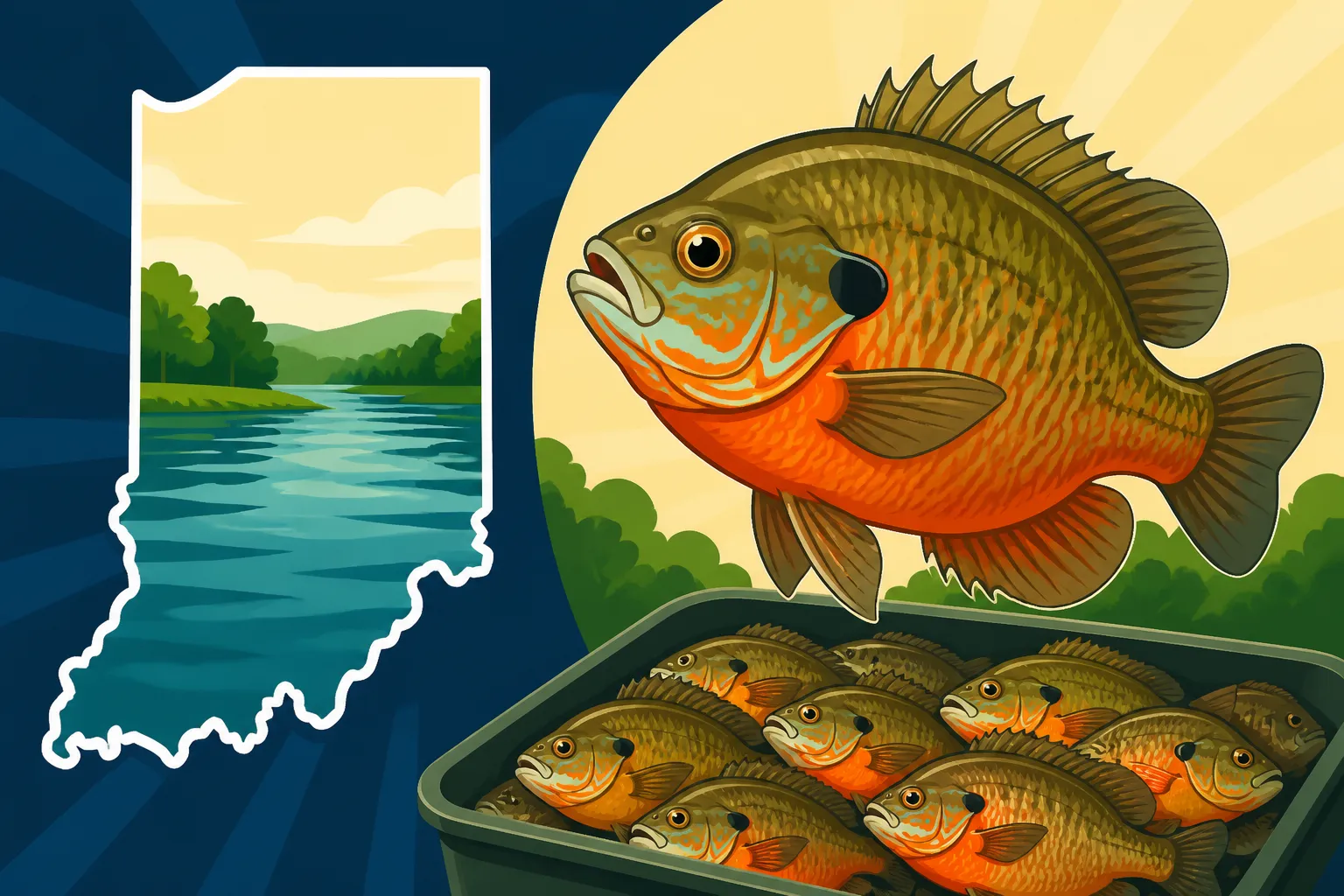
Redear sunfish, often affectionately called "shellcrackers" by seasoned anglers due to their diet of snails and mussels, are indeed classified as panfish in Indiana. This means they generally fall under the state's panfish regulations, but with specific clarity on their individual limit. They share many characteristics with other sunfish species, such as their size, habitat preferences, and the tackle often used to catch them.
The biological similarities between redear sunfish and their close cousins, like bluegill and other sunfish, are part of why they are often grouped together under similar regulatory frameworks. They occupy similar niches in many of Indiana's lakes and ponds, contributing to the overall panfish fishery. The DNR manages these species in a way that balances recreational opportunities with ecological health. When you're fishing for redear, you're often in the same areas and using similar methods as you would for bluegill, making it a natural fit for comparable regulations. Identifying them correctly is also important; if you're ever unsure, knowing the Redear Sunfish vs Bluegill: How to Tell Them Apart can prevent misidentification and potential issues with limits.
The Redear Sunfish Daily Limit in Indiana
So, let's get right to the heart of the matter and clarify that specific number you need to keep in mind when those redear are hitting your bait. Knowing this limit ensures you can enjoy your time on the water without the anxiety of accidentally breaking the rules.
The 25-Fish Per Day Rule
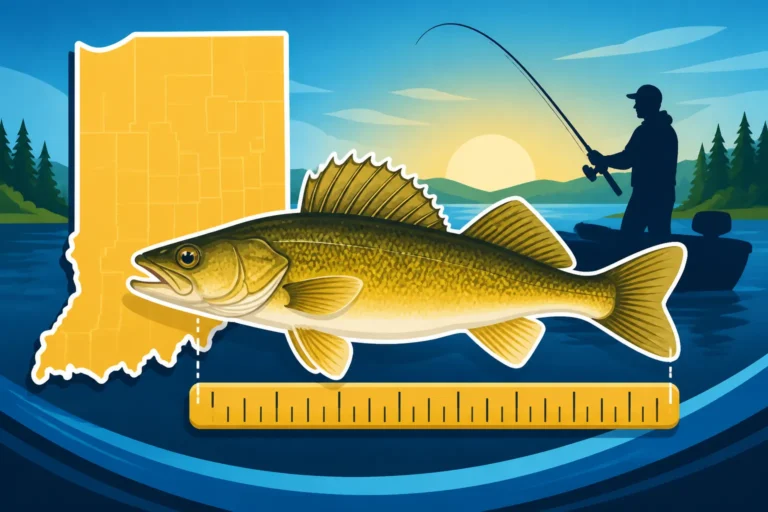
When it comes to redear sunfish in Indiana, the daily limit is a clear 25 fish per angler per day. This means that in any 24-hour period, from midnight to midnight, an individual angler is permitted to harvest and keep no more than 25 redear sunfish. This rule is designed to allow anglers to take home a nice mess of fish for dinner while still protecting the overall population from excessive pressure.
What does "daily limit" truly mean in practice? Imagine you head out to a local pond in the morning and catch your limit of 25 redear. If you decide to go back out that same afternoon or evening, you cannot keep any more redear until the next calendar day begins at midnight. Even if you've eaten some, or given some away, your daily tally resets at 12:00 AM. It’s a hard and fast rule that applies to every licensed angler. This consistent regulation helps the Indiana DNR manage harvests across the state's numerous fishing spots, from small farm ponds to larger reservoirs.
Defining "Possession Limit" vs. "Daily Limit"
Here's where some anglers can get a little tripped up, and it's an important distinction to understand: the difference between a "daily limit" and a "possession limit." While for many species, these might be the same, or a possession limit might be higher, for panfish like the redear sunfish, the DNR typically refers to a daily limit.
- Daily Limit: As discussed, this is the maximum number of fish you can harvest in one calendar day (midnight to midnight). It resets daily.
- Possession Limit: This refers to the total number of fish you can have in your possession at any given time, regardless of when they were caught. This includes fish in your livewell, cooler, freezer at home, or even processed fillets from previous days. For some species, the possession limit might be two or three times the daily limit, allowing multi-day fishing trips where you accumulate fish.
For redear sunfish in Indiana, the general understanding is that the daily limit of 25 also serves as the practical possession limit for actively caught fish. While you can certainly have more than 25 redear fillets in your freezer from multiple legal fishing trips, you generally cannot be out on the water with more than your daily limit of whole fish, especially if you're actively fishing. The DNR's official guides usually state that the daily bag limit also constitutes the possession limit for most species unless otherwise specified. Always refer to the current Indiana fishing regulations manual for the most precise and up-to-date definitions.
How to Count Your Catch Accurately
It's easy to lose track when the fishing is good, especially when you're catching a lot of small panfish. But accurately counting your catch is vital to avoid accidentally exceeding the 25-fish daily limit. Trust me, the last thing you want is a conservation officer doing the math for you and finding an extra fish or two!
One simple method is to use a clicker counter, often used by golf caddies or in retail. These are small, handheld devices that you click once for each fish you keep. You can find these inexpensive tools on Amazon or at your local tackle shop. Another reliable way is to simply sort your catch into a designated cooler or stringer, making sure to count each one as it goes in. If you're fishing with multiple people, ensure each person is tracking their individual limit, not a combined boat limit. Each licensed angler has their own 25-fish limit.
For example, if you and a friend are fishing, each of you can keep 25 redear sunfish, totaling 50 for the boat. However, you can't personally keep 30 and your friend 20 to make up the 50. Each person is accountable for their own 25. Being diligent with your count not only keeps you compliant with the Indiana Fishing Regulations and Bag Limits Guide but also ensures a responsible harvest.
Importance of Daily Limits for Sustainable Fishing
Daily limits aren't just arbitrary numbers meant to make our lives harder. They are a cornerstone of responsible fisheries management, put in place for very good reasons. Think of them as a crucial tool for keeping our natural resources healthy and vibrant for everyone.
Protecting Indiana's Fisheries
The primary reason for daily limits on redear sunfish and other species is to prevent overharvesting. Without these limits, a few highly successful anglers could potentially deplete a local population very quickly, especially in smaller lakes and ponds that might not have the robust fish-stocking programs of larger bodies of water. Redear sunfish, while prolific, can be vulnerable to concentrated fishing pressure. Their tendency to congregate in certain areas, particularly during spawning season, makes them easy targets if limits aren't enforced.
By setting a 25-fish daily limit, the DNR ensures that enough breeding-age fish remain in the water to reproduce and maintain a healthy population. This isn't just about raw numbers; it's about maintaining a balanced ecosystem. Redear sunfish play a role in controlling snail populations, which can impact water quality and the health of aquatic vegetation. Overfishing one species can have ripple effects throughout the entire aquatic food web, potentially harming other species you love to catch, like bass or crappie.
Ensuring Future Generations Can Enjoy Redear Fishing
Beyond the immediate ecological benefits, daily limits are about legacy. They represent a commitment to future generations of anglers. Imagine a future where your kids or grandkids go to their favorite fishing spot, only to find the redear population severely diminished because limits weren't respected today. That's a heartbreaking thought for any angler.
By adhering to the 25-fish daily limit, we're all contributing to the sustainability of Indiana's fishing opportunities. It means that the next time you go fishing, and the time after that, there will still be plenty of redear sunfish to catch. This long-term perspective is vital for any recreational activity that relies on natural resources. It’s about more than just catching fish; it’s about participating in a system that values conservation and responsible stewardship of our state's beautiful waters. The pleasure of catching a limit of fish is often enhanced by knowing that you're doing so ethically and responsibly.
What Happens If You Exceed the Limit?
No one wants to be "that angler" who gets caught breaking the rules. Ignorance of the law is generally not a valid excuse, and exceeding your daily limit can lead to consequences that will definitely put a damper on your fishing trip. It’s important to understand the potential repercussions.
Penalties and Consequences
If an Indiana Conservation Officer finds you with more than the legal daily limit of 25 redear sunfish, you could face some serious penalties. This isn't just a slap on the wrist. Violations of fishing regulations are typically considered misdemeanors, which can carry fines, court costs, and potentially even the loss of your fishing privileges.
Fines for exceeding bag limits can vary depending on the severity of the offense and the specific jurisdiction, but they are often several hundred dollars, plus court fees. Imagine a day of peaceful fishing turning into a court date and a hefty bill – not exactly the relaxing experience you had in mind. In some cases, repeated offenses or significant over-limits could lead to more severe penalties. It's similar to the situation discussed in Penalties and Fines for Fishing Without a License, where a single mistake can cost you a lot more than the price of a license or a legal limit of fish. Always be sure your Indiana Fishing License Requirements Explained are up to date and that you understand the rules.
Reporting Violations
While no one likes to be a "tattletale," reporting serious violations of fishing limits is an important part of conservation. The Indiana DNR relies on concerned citizens to help protect our natural resources from those who disregard the rules. If you witness someone knowingly and repeatedly exceeding their limits, especially in a way that seems to be for commercial gain or pure recklessness, you can report it.
The Indiana DNR operates a "Turn in a Poacher" (TIP) line. This confidential hotline allows you to report suspected fish and wildlife violations. Your call can make a real difference in preventing resource depletion and ensuring that Indiana's fisheries remain healthy for everyone. It's about protecting the sport we love and ensuring fair play among all anglers. This community involvement is crucial because conservation officers can't be everywhere at once, and our collective responsibility helps maintain the integrity of our fishing environments.
Other Indiana Panfish Limits to Know
While this guide focuses on redear sunfish, it's helpful to understand how their limits compare to other popular panfish species in Indiana. Often, when you're targeting redear, you're also likely to encounter bluegill and crappie, so knowing all the rules keeps you prepared.
Crappie and Bluegill Limits
Good news for panfish enthusiasts! For both crappie (Black Crappie and White Crappie) and bluegill, Indiana generally follows the same liberal daily limit as for redear sunfish. This makes it a bit easier to remember the rules when you're out on the water chasing a mixed bag.
- Black Crappie: These popular panfish, known for their distinctive speckled appearance as described in Black Crappie Identification: Spots and Body Shape, also have a daily limit of 25 fish per angler.
- Bluegill: The ubiquitous bluegill, a favorite for new and seasoned anglers alike, and easily identified by their namesake blue gill flap (check out Bluegill Identification: A Beginner's Guide), also adheres to the 25-fish daily limit.
This consistent limit across the most common panfish species simplifies things significantly. It means that whether you're targeting one specifically or just enjoying a general panfish outing, you usually only need to remember that magic number: 25. This allows for generous harvests while still promoting sustainable populations. For more specific details, you can read more about How Many Crappie Can You Keep in a Day? and How Many Bluegill Can You Keep in Indiana?.
Here’s a quick overview of some common Indiana panfish daily limits:
| Fish Species | Daily Limit (per angler) | Notes |
|---|---|---|
| Redear Sunfish | 25 | No minimum size limit. |
| Bluegill | 25 | No minimum size limit. |
| Black Crappie | 25 | No minimum size limit. |
| White Crappie | 25 | No minimum size limit. |
| Other Sunfish spp. | 25 | This typically applies to other sunfish hybrids or lesser-known sunfish species, unless specified. |
| Yellow Perch | 25 | Some specific lakes might have exceptions, always check the current guide. |
Species-Specific vs. Combined Limits
It's important to understand that the 25-fish limit for panfish is typically species-specific, not a combined panfish limit. This is a common point of confusion. What this means is that if you catch 25 redear sunfish, you've hit your limit for redear. However, you can still legally catch and keep 25 bluegill and 25 crappie in the same day, provided you have not exceeded those individual species limits.
So, theoretically, on an incredibly successful day, an angler could legally keep 25 redear sunfish, 25 bluegill, and 25 crappie, for a total of 75 panfish. This is a generous allowance, highlighting Indiana's rich panfish opportunities. The key is to keep track of each species separately. You can't, for example, catch 10 redear and 15 bluegill, and then try to claim you have 25 "panfish" if you've already caught 20 crappie. Each limit stands on its own. For comprehensive details on this, refer to Indiana Panfish Daily Limits by Species. This understanding ensures you're not inadvertently violating regulations while enjoying the abundance of Indiana's waters.
Tips for Ethical Redear Sunfish Angling
Beyond just knowing the limits, being an ethical angler means practicing responsible habits that ensure the health of the fish and the enjoyment of the sport for everyone. It's about respecting the resource.
Catch and Release Best Practices
Sometimes you catch a fish you don't intend to keep, maybe it's too small, or you've already met your limit. When you plan to release a redear sunfish, doing so properly dramatically increases its chances of survival.
- Handle with Care: Always wet your hands before touching the fish. Dry hands can remove the fish's protective slime coat, making it vulnerable to disease.
- Minimize Air Exposure: Try to keep the fish in the water as much as possible. Even a few seconds out of water can be stressful, especially for smaller fish with delicate gills.
- Use Barbless Hooks: If you're primarily catch-and-release fishing, consider using barbless hooks or pinching down the barbs on your hooks. This makes hook removal much easier and less damaging to the fish.
- Proper Hook Removal: Use needle-nose pliers or a de-hooking tool to gently remove the hook. If a fish is deeply hooked, it's often better to cut the line as close to the hook as possible than to try and rip the hook out, which can cause internal damage.
- Revive Gently: If a fish seems sluggish after being caught, hold it gently in the water, facing into the current, until it regains its strength and swims away on its own.
Practicing these techniques ensures that the fish you release can continue to thrive and contribute to the population, making for better fishing experiences for everyone down the line.
Responsible Harvest Techniques
If you are keeping your limit of redear sunfish, the goal is to do so efficiently and ethically. This means ensuring the fish are dispatched quickly and humanely and kept in good condition.
- Quick Dispatch: If you're keeping a fish, dispatch it quickly and humanely. A swift blow to the head or quickly breaking the neck ensures the fish doesn't suffer unnecessarily.
- Keep Them Fresh: Place your harvested fish immediately into a cooler with ice. This stops bacterial growth, preserves the flavor, and ensures the fish is in prime condition for consumption. Don't just let them sit in a bucket of warm water or on a stringer for hours in the sun.
- Processing: If you plan to fillet your fish, doing so as soon as possible after the catch, once they are properly chilled, is ideal. Remember that fish must often be kept whole until you reach your home or camp for inspection purposes, but check the latest DNR regulations. Tools like a good fillet knife, easily found on Amazon, can make the process much smoother.
Responsible harvesting isn't just about adhering to the numbers; it's about treating the fish with respect throughout the entire process.
Locating Redear Sunfish
Knowing where and how to find redear sunfish can significantly enhance your fishing experience and help you quickly reach your legal limit. Redear are often found in similar habitats to bluegill but tend to prefer slightly deeper, clearer water with some vegetation.
Look for them around weed beds, submerged logs, docks, and areas with firm, sandy, or gravely bottoms where they can find their favored prey – snails. Many of Indiana's best lakes for fishing, from the smaller public access ponds to larger reservoirs, hold healthy populations of redear. In particular, the calmer, vegetated coves of lakes like Monroe Lake or Patoka Lake can be prime spots. The Best Bait for Sunfish and Bluegill often includes worms, crickets, or small artificial jigs, making them accessible to anglers of all skill levels. Remember that while they can be caught year-round, spring and early summer, particularly around their spawning period, are often the most productive times.
Where to Find More Information on Indiana Fishing Regulations
Staying informed is perhaps the single most important thing you can do as an Indiana angler. Regulations can change, and what was true last year might have been updated.
Official DNR Resources
The absolute best and most accurate source for all Indiana fishing regulations, including daily limits for redear sunfish and every other species, is the Indiana Department of Natural Resources (DNR). They publish an annual fishing guide that details all the rules, bag limits, size restrictions, and license requirements.
You can usually find physical copies of this guide at most sporting goods stores, bait shops, and DNR offices across the state. More conveniently, the full guide is available as a PDF download on the Indiana DNR's website. Making it a habit to review this document at the start of each fishing season, or before a trip to a new body of water, is highly recommended. It will clarify not only general rules but also any lake-specific exceptions that might apply. For instance, while most of Indiana’s fishing season resets on April 1st, checking the guide annually is still a good habit to ensure you understand all the specifics regarding Indiana Anglers Need a New License Every April 1 and all associated regulations.
Staying Up-to-Date on Rule Changes
Fishing regulations aren't set in stone forever. The DNR continually monitors fish populations, conducts research, and sometimes adjusts regulations to adapt to changing environmental conditions, fishing pressure, or conservation needs. A new license year, for example, often brings minor tweaks to the rules.
To stay current, beyond checking the annual guide, consider signing up for email newsletters from the Indiana DNR or following their official social media channels. They often announce upcoming regulation changes or provide timely reminders about important rules. Local bait shops are also fantastic resources, as the owners and staff are usually avid anglers themselves and stay very informed about what's happening on the local waterways and with state regulations. Don't be afraid to ask them questions; they're often a treasure trove of local knowledge.
Disclaimer
Please note that while this guide provides comprehensive information based on current public knowledge and typical Indiana fishing regulations, rules can change. It is always the angler's responsibility to consult the most recent official Indiana Department of Natural Resources (DNR) fishing guide and regulations before heading out to fish. This content is for informational purposes only and should not be considered legal advice.