What Size Bluegill Is Considered a Trophy?
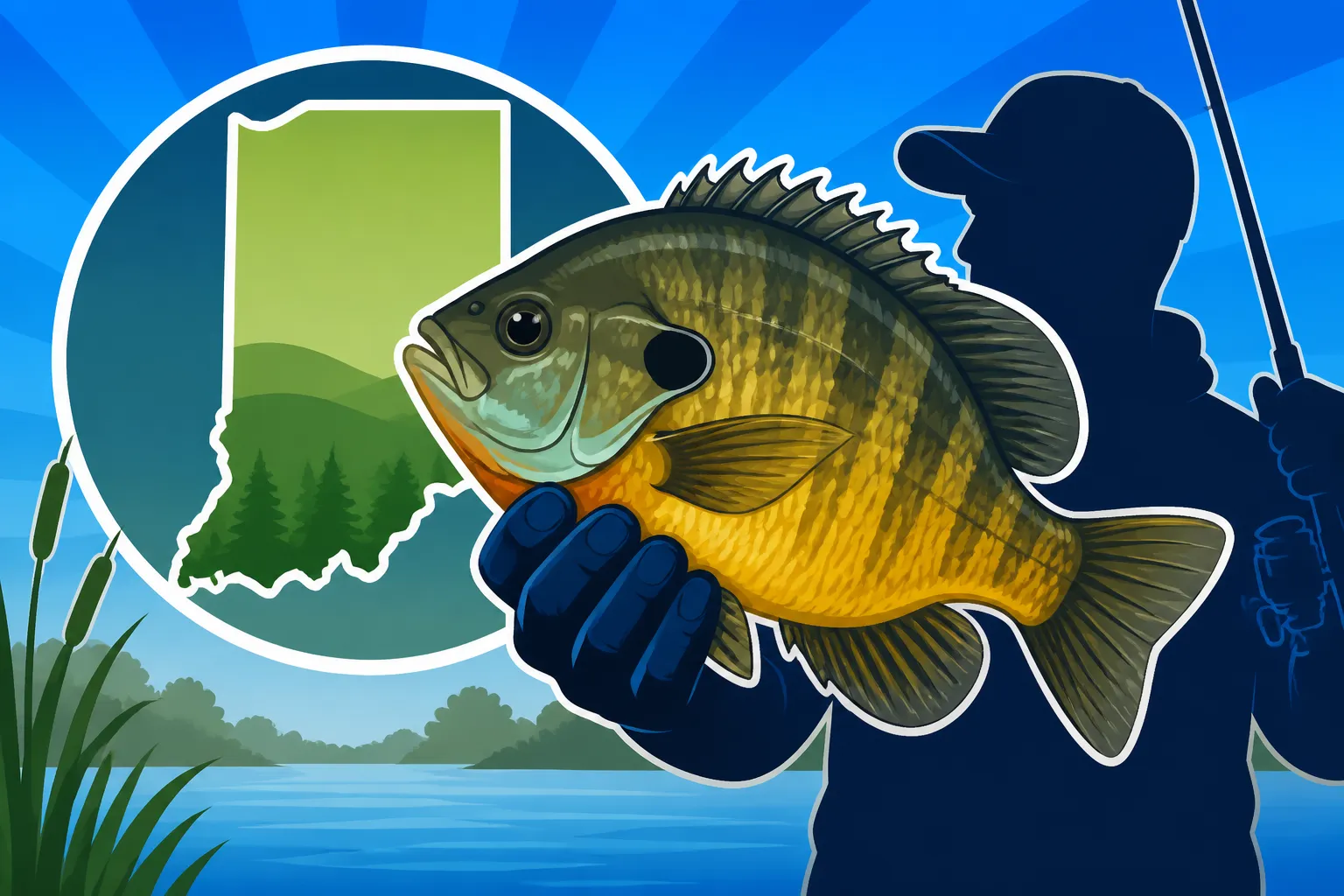
Ah, the quest for the "paper plate" bluegill! It's a dream for so many of us Indiana anglers, isn't it? You're out there, reeling in panfish after panfish, and every once in a while, you hook into something that feels substantial, something that just might be worthy of a photo and a proud story. But then the nagging question hits: is this truly a trophy, or just a really nice bluegill? This guide is here to help you define what a trophy bluegill looks like in Indiana, where you might find these sizable sunfish, and the techniques to help you land one of your own.
Understanding What "Trophy" Means for Bluegill in Indiana
When we talk about "trophy" fish, it’s often subjective. What one angler considers a trophy, another might call a decent catch. However, for bluegill in Indiana, there are some generally accepted benchmarks that can help you distinguish a truly remarkable specimen from your everyday frying-pan-sized fish. It's not just about length; it's about the fish's overall health, girth, and age.
The "Paper Plate" Myth vs. Reality
For generations, anglers have chased the mythical "paper plate" bluegill. The idea is that a trophy bluegill should be as big around as a dinner plate. While it makes for a fantastic visual, the reality is that a bluegill the size of a full-sized dinner plate (say, 9-10 inches in diameter) is an exceedingly rare fish, even in prime Indiana waters. Most true trophy bluegill are measured in length and typically boast a stout, healthy body.
In Indiana, a bluegill generally starts to enter "trophy" consideration when it consistently measures 8 inches or more. A bluegill pushing 9 inches is an absolute stud, and anything hitting 10 inches is a legitimate fish of a lifetime for most anglers. These are the fish that make your heart pound when they hit your ultralight rod, pull drag, and put a deep bend in your rod. They've likely seen many seasons, evaded predators, and found abundant food sources to reach such impressive sizes. It’s not just about the length, but also the girth and weight that accompanies that length, giving the fish a thick, robust appearance that truly stands out.
Official State Recognitions and Unofficial Bragging Rights
Indiana's Department of Natural Resources (DNR) has a system for recognizing exceptional catches, including a "Fish of the Year" program that often features impressive bluegill. While these programs sometimes require specific lengths or weights to qualify, they give us a good benchmark for what the state considers noteworthy. Typically, to even get close to the top of those lists, you're looking at bluegill well over 9 inches and often nearing or exceeding 10 inches. This is where the real monsters live, the ones that make seasoned anglers' jaws drop.
Beyond the official records, there's the unofficial bragging rights. Sharing a photo of an 8-inch plus bluegill with friends, especially if you caught it on light tackle, is a badge of honor. It tells a story of patience, good technique, and finding a healthy fishery. These are the fish that often get mounted (though many choose to release them for future generations to enjoy) or celebrated with a good meal. Remember, the true joy often comes from the chase and the experience, whether you hit an official record or just your personal best.
Where Indiana's Monster Bluegill Are Hiding
You won't typically find trophy bluegill just anywhere. These larger specimens require specific conditions to thrive and grow to such impressive sizes. Understanding these environmental factors is crucial to improving your chances of landing one. It's often a combination of prime habitat, ample food, and less fishing pressure.
Lakes and Ponds Known for Bigger Panfish
Indiana is blessed with a variety of waters, and some are simply better for producing big bluegill. Generally, look for waters that have:
- Abundant Forage: Bluegill, especially large ones, need a consistent and plentiful food supply. This means waters rich in insects, small crustaceans, and even tiny baitfish. Lakes with healthy weed beds and varied bottom structures tend to host more of this forage.
- Good Water Quality: Clean, well-oxygenated water is essential for healthy fish growth. Lakes with good water clarity often have healthy aquatic plant life, which in turn supports the bluegill's food chain.
- Less Fishing Pressure: This is a big one. Overfished ponds and lakes tend to have a higher population of smaller bluegill, as the larger, older fish are harvested more frequently. Look for less accessible areas, private ponds (with permission!), or larger lakes where the pressure might be spread out. Reservoirs like Monroe Lake or Patoka Lake, while popular, are so vast they can hold hidden pockets of big bluegill. Even smaller, well-managed community ponds can surprise you. Don't overlook the potential of well-stocked and regulated waters. The Indiana Panfish Guide: Crappie, Bluegill, and Sunfish is a great resource to learn more about these diverse fisheries.
Habitat Characteristics for Large Bluegill
Big bluegill are masters of their environment, using structure and cover to their advantage for both feeding and protection. When you're searching for them, keep these habitat characteristics in mind:
- Deep Water Access: While bluegill are often found in shallower waters, the biggest ones will often retreat to deeper, cooler water during the heat of summer or when pressure is high. Look for drop-offs, submerged humps, or deep channels adjacent to shallower feeding areas.
- Heavy Cover: Brush piles, fallen trees, lily pads, docks, and dense weed beds provide sanctuary for large bluegill. They offer protection from predators like bass and northern pike and ambush points for their prey. Think about fishing the edges of these structures or slowly working your bait through sparse openings.
- Shaded Areas: Overhanging trees, bridge pilings, and even deep docks provide shade, which can attract larger bluegill, especially on bright, sunny days. These cooler, darker spots offer comfort and often concentrate forage.
- Rocky Bottoms and Hard Structures: While soft, muddy bottoms are common, bluegill will also relate to harder structures like rock piles, rip-rap along causeways, or even artificial reefs. These areas can hold crustaceans and insects, providing an easy meal.
- Transition Zones: The areas where different types of habitat meet are often fishing hotspots. For example, where a weed line ends and a drop-off begins, or where a hard bottom transitions to soft mud. These are prime ambush points for bluegill.
If you're looking for specific examples of places that might hold these bigger panfish, sometimes just exploring Indiana's Best Ponds for Kids to Catch Panfish can reveal hidden gems where the pressure is light and bluegill have had a chance to grow.
Gear and Tactics for Pursuing Indiana's Trophy Bluegill
Catching a truly massive bluegill isn't just about luck; it's about preparation, patience, and precise presentation. These older, larger fish tend to be more wary than their smaller counterparts, so your approach matters. You'll need to scale down your gear and refine your techniques to fool these seasoned veterans.
The Right Rods, Reels, and Line
Forget the heavy bass setup; for trophy bluegill, you want finesse.
- Rods: An ultralight spinning rod, typically 5 to 6 feet in length, with a fast action tip, is ideal. The sensitive tip allows you to detect the subtle bites of cautious bluegill, while the backbone can handle a surprisingly strong fight from a big one. This kind of rod also makes even an average bluegill feel like a monster, which is half the fun! Many anglers find the shorter rods easier to maneuver in tight cover, like under docks or around dense lily pads.
- Reels: Pair your ultralight rod with a small, lightweight spinning reel, size 1000 or 2000. It needs to have a smooth drag system, as even a 9-inch bluegill can put up a surprisingly strong fight, especially on light line. A good drag will prevent break-offs when that big one decides to make a run.
- Line: This is critical. For bluegill, opt for monofilament line in the 2 to 4-pound test range. Some anglers prefer fluorocarbon leaders for its invisibility and abrasion resistance, especially in clear water or around sharp structure. The thin diameter of light line allows for more natural bait presentation and longer casts, which can be crucial when trying to reach wary fish without spooking them. Remember, these are not bass; they have smaller mouths and can be line-shy.
If you're just getting started or looking to upgrade, consider checking out some options for Best Panfish Rods for Indiana Ponds or even specialized Best Ultralight Rods for Bluegill Fishing. You'd be surprised what a difference the right gear can make.
Bait and Lure Choices for Selective Eaters
Trophy bluegill, having survived for years, aren't always eager to snap up just any offering. They can be selective.
- Live Bait: This is often the most effective choice. Small pieces of nightcrawler (a quarter to a half-inch), wax worms, red worms, and crickets are perennial favorites. The natural scent and movement are incredibly enticing. Small minnows can also work, especially for larger bluegill looking for a bigger meal. Ensure your hooks are small and sharp, typically a size 8 or 10 Aberdeen or Octopus hook, to avoid harming the bait's action and to secure solid hooksets. To learn more about common bait choices, check out Best Bait for Bluegill Fishing in Farm Ponds.
- Artificial Lures: Tiny jigs, often 1/64 to 1/32 ounce, tipped with a small plastic grub, tube, or a feather are deadly. Colors like white, chartreuse, black, or natural insect patterns can be very effective. Micro spoons, spinners (like a small Rooster Tail or Mepps), and tiny crankbaits can also draw strikes, especially from aggressive bluegill. The key is small. If you think it's too small, it's probably just right.
- Using a Bobber: A small, sensitive bobber (like a slip bobber for depth control) is excellent for suspending your bait at the desired depth. It also acts as a visual strike indicator, which is great for subtle bites. For those looking for the basics, understanding How to Rig a Bobber for Bluegill is a fundamental skill.
Here's a quick comparison of common bluegill baits and their characteristics:
| Bait Type | Pros | Cons | Ideal Conditions |
|---|---|---|---|
| Wax Worms | Very attractive scent, lively | Can be fragile, expensive | Year-round, especially good in colder water |
| Red Worms | Hardy, good action, readily available | Can be messy to handle | Most conditions, excellent for active fish |
| Crickets | Excellent for topwater, strong action | Harder to keep alive, seasonal | Summer, when bluegill are feeding on surface |
| Nightcrawlers | Versatile, strong scent (use small pieces) | Too large whole for bluegill | Any time, especially after rain |
| Small Jigs | Target specific depths, versatile colors | Requires active presentation | When fish are deeper or less active |
| Tiny Spinners | Flash and vibration attract aggressive fish | Can twist line if not used with swivels | Active fish, clear to lightly stained water |
You can find a wide variety of these baits and lures available online on platforms like Amazon, which offers a convenient way to stock up on tackle before your next trip.
Presentation is Key: Finesse and Patience
Catching big bluegill isn't about power; it's about finesse.
- Slow Down: Work your bait or lure slowly. Bluegill are not typically high-speed predators. Let your bait sink naturally, giving the fish plenty of time to find and inspect it.
- Target Cover: Cast directly to the edges of weed lines, under docks, or next to submerged brush piles. These are prime ambush points. If you're fishing a brush pile, try to drop your bait right into the heart of it, being mindful of snags.
- Vary Depth: Bluegill can be anywhere in the water column. If you're not getting bites, try adjusting your bobber or counting down your jig to different depths until you find where the fish are holding. Use a fish finder if you have one to locate schools or submerged structure. Portable fish finders, readily available on Amazon, can be a game-changer for pinpointing these hotspots.
- Subtle Twitches: When using jigs or artificials, small, gentle twitches of the rod tip can impart lifelike action. Less is often more. Overly aggressive retrieves can spook wary bluegill.
- Be Quiet: Large bluegill are easily spooked. Minimize noise on the boat, approach your fishing spots quietly, and make soft casts. This is especially true in clear, calm water.
- Patience: The biggest bluegill often don't bite aggressively. Sometimes it's just a slight dip of the bobber, or a subtle "tick" on your line. Wait for that definitive pull or the bobber to disappear before setting the hook. Being patient and observant will lead to more hookups.
Practice these techniques, and you'll be well on your way to distinguishing those larger panfish. Remember, the journey to a trophy is often as rewarding as the catch itself.
The Art of Conservation: Protecting Our Trophy Bluegill Fisheries
Catching a true trophy bluegill is an incredible experience, but it also comes with a responsibility to protect these precious resources. A healthy fishery means not only bigger fish for us to enjoy now but also for future generations of Indiana anglers. Conservation efforts, especially regarding mature fish, play a vital role in maintaining the balance of our aquatic ecosystems.
Catch and Release for Giants
Many anglers who specifically target trophy bluegill practice catch and release for these larger fish. Here's why:
- Breeding Stock: Large bluegill, especially females, are often the most prolific spawners, contributing significantly to the next generation of fish. Releasing them allows them to continue their crucial role in the ecosystem.
- Genetic Potential: These big fish possess the genetics for rapid growth and robust health. By releasing them, you're helping to pass on those desirable traits, potentially leading to a population of even larger bluegill in the future.
- Fishery Health: Over-harvesting large individuals can skew the population, leading to an abundance of smaller, slower-growing fish due to overcrowding and competition for resources. Releasing the biggest ones helps maintain a balanced population structure.
When practicing catch and release for big bluegill:
- Handle with Care: Support the fish horizontally, especially if it's a heavy one, to avoid damage to its internal organs. Avoid squeezing its belly.
- Minimize Air Exposure: Keep the fish in the water as much as possible. If you must take a picture, do it quickly and get the fish back in the water promptly.
- Use Barbless Hooks: Crushing the barb on your hook makes removal easier and less traumatic for the fish. Many anglers targeting panfish for release specifically look for barbless hooks or convert their existing ones.
- Revive if Necessary: If the fish seems stunned or tired, hold it gently in the water, facing into a current if possible, and move it back and forth until it regains its strength and swims away on its own.
Selective Harvesting and Daily Limits
While catch and release is great for the absolute giants, it's also perfectly fine to harvest bluegill for a delicious meal! In fact, selective harvesting can actually benefit a bluegill population. Many lakes and ponds can become overpopulated with small bluegill, leading to stunted growth. By keeping some of the medium-sized fish (say, 6-7 inches), you can reduce competition for food, allowing the remaining fish (including the potential trophies) to grow larger.
It's absolutely essential to be aware of and abide by Indiana's fishing regulations, including daily bag and possession limits for panfish. The current Panfish Daily Limit in Indiana: 25 per Species is quite generous, but it's important to understand how it applies to individual species like bluegill, crappie, and redear sunfish. These limits are in place to ensure sustainable fishing for everyone. Always check the latest Indiana DNR fishing guide for specific regulations before heading out, as they can sometimes change or vary by specific body of water. Responsible angling means understanding and respecting these rules, allowing everyone to enjoy the pursuit of that elusive Indiana trophy bluegill for years to come.
Disclaimer
This article is for general informational purposes only and does not constitute professional advice. Laws, prices and regulations vary by location and change over time. Consult a qualified professional for guidance on your specific situation.