Best Crappie Lakes in Indiana
If you've ever spent a beautiful Indiana morning on the water, only to come up short on the crappie bite, you know how frustrating it can be. It feels like everyone else knows the secret spots, while you're left wondering where these elusive slabs are hiding. Finding the best crappie lakes in Indiana, where the fish are plentiful and sizable, can feel like a lifelong quest. But don't you worry, because this comprehensive guide is here to shed light on Indiana's premier crappie destinations, arming you with the knowledge to fill your livewell and make every fishing trip a success.
The Allure of Crappie Fishing in Indiana
There's something incredibly satisfying about crappie fishing. Maybe it's their delicate bite, their schooling nature that promises a flurry of action once you find them, or perhaps it's simply their delicious taste at the dinner table. Whatever the reason, crappie hold a special place in the hearts of many Indiana anglers. These panfish are accessible, often found in numbers, and provide fantastic sport for all skill levels. But before we dive into the top lakes, let's understand a bit more about these popular fish.
Understanding Indiana's Crappie Species
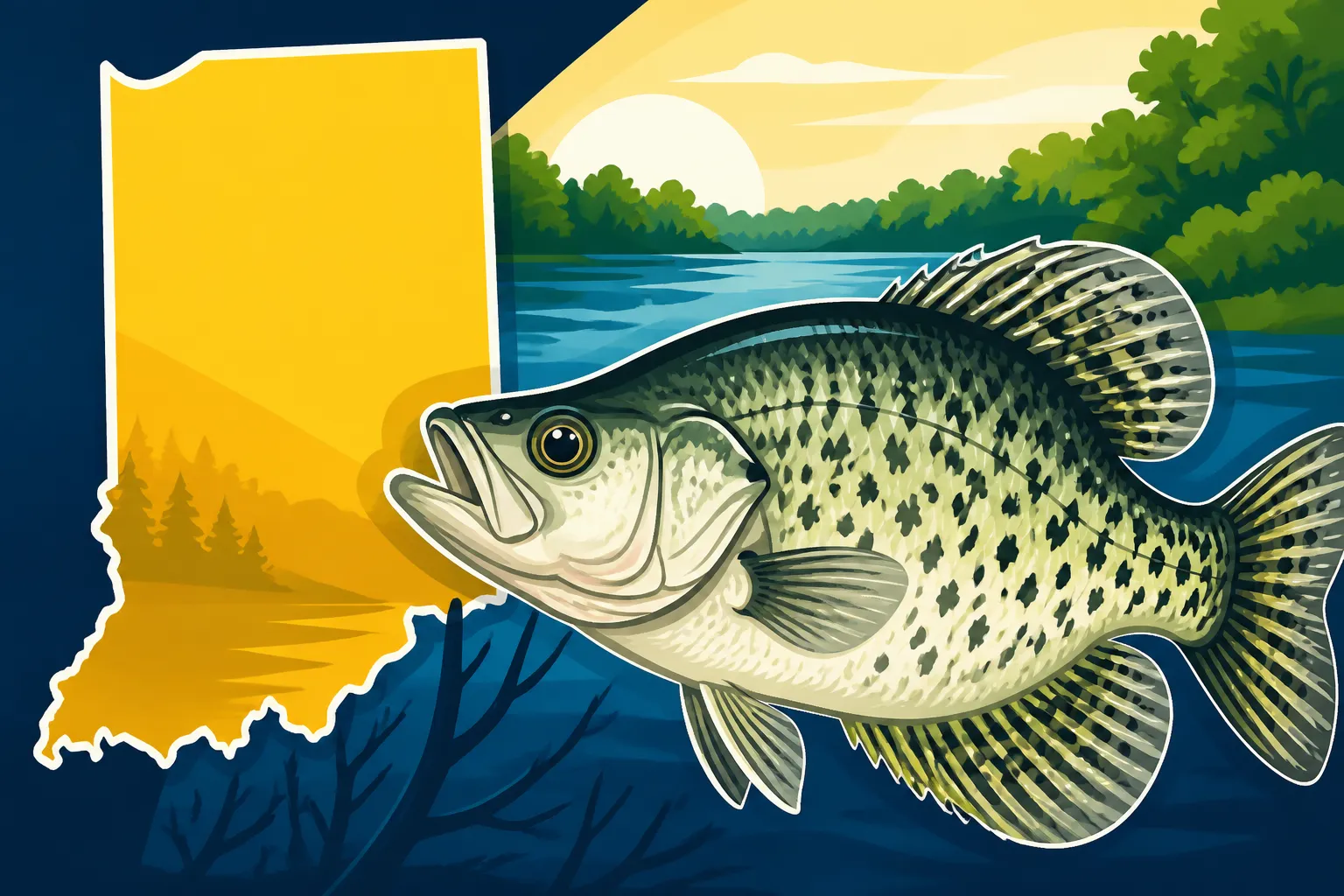
In Indiana, you're primarily going to encounter two species of crappie: the black crappie and the white crappie. While they share many similarities, they do have some distinct preferences and characteristics that can influence where and how you target them. Black crappie typically prefer clearer water with more vegetation and structure, often having a more speckled appearance. They tend to have seven or eight dorsal spines. White crappie, on the other hand, are often found in more turbid waters, like rivers and larger reservoirs, and they usually have six dorsal spines and distinct vertical bars on their sides. Both species can grow to impressive sizes in Indiana's fertile waters, offering the chance for "slab" crappie that are truly a joy to catch. For a deeper dive into these fascinating fish, take a look at our guide on Crappie Fishing in Indiana: Black Crappie Basics.
What Makes a Lake a Crappie Hotspot?
Not every body of water is created equal when it comes to crappie. A truly great crappie lake boasts several key ingredients. First and foremost, a healthy forage base is critical. Crappie are predatory fish, primarily feeding on smaller baitfish like shad and minnows, as well as insects and crustaceans. Lakes with abundant populations of these prey items will naturally support a larger, healthier crappie population. Secondly, ample structure is a must. Crappie are notorious for relating to cover – submerged timber, brush piles, rock formations, bridge pilings, and even weed beds. These structures provide ambush points for feeding and protection from predators. Finally, water quality and depth contours play a significant role. Crappie thrive in stable water conditions, and lakes with varied depths offer them options to move vertically in the water column to find their preferred temperature and oxygen levels throughout the year. Many experienced anglers often find themselves turning to services like FishingBooker to scout for local guides who intimately know the best crappie-holding structures on specific lakes, greatly increasing their chances of a productive trip.
Northern Indiana's Top Crappie Lakes
Northern Indiana is blessed with a plethora of natural lakes, many of which are fantastic crappie producers. The glacial lakes, carved out by ancient ice sheets, offer diverse habitats from shallow weed flats to deep, clear basins, providing excellent opportunities for both black and white crappie.
Lake Wawasee and the Glacial Lakes
Lake Wawasee, Indiana's largest natural lake, is a jewel in the crown of Kosciusko County and a well-known crappie destination. This lake boasts extensive weed beds, lily pads, and numerous piers and boat docks, all of which hold crappie at various times of the year. Anglers often find success around the edges of the weed lines in spring and fall, and fishing under docks can be incredibly productive during the warmer months. Beyond Wawasee, the surrounding glacial lakes in Kosciusko and Steuben counties, such as Syracuse Lake, Tippecanoe Lake, and Webster Lake, also offer excellent crappie fishing. These lakes often feature a mix of black and white crappie, with trophy-sized fish regularly pulled from brush piles and submerged timber. If you're planning a trip to this region, you might want to consult our comprehensive guide to Lake Wawasee Crappie Fishing Spots for specific locations and seasonal tips.
When fishing these clear, natural lakes, light tackle is often key. Small jigs, tipped with a minnow or a soft plastic, are highly effective. Pay close attention to your electronics to locate schools of crappie suspended around submerged cover. The extensive public access points and numerous launch ramps make these lakes incredibly angler-friendly.
Tippecanoe Chain of Lakes
The Tippecanoe Chain of Lakes, including Lakes Tippecanoe, Webster, and Syracuse, forms another formidable crappie fishery in Northern Indiana. This interconnected system provides a vast expanse of diverse habitats. Lake Tippecanoe, being the deepest natural lake in Indiana, offers excellent deep-water crappie opportunities, especially in the summer and winter months. Anglers often target crappie around the many defined breaks and channels, as well as the abundant submerged structure.
Webster Lake is particularly renowned for its muskellunge, but it also supports a robust crappie population, especially around its numerous weed beds and drop-offs. The shallower Syracuse Lake, connected to Wawasee, is excellent for spring crappie as the fish move into warmer, shallower waters to spawn. Understanding the nuances of each lake within the chain can lead to year-round crappie action, whether you're jigging under ice or trolling small crankbaits in open water.
Central Indiana's Productive Crappie Waters
Moving south into Central Indiana, the landscape changes to larger reservoirs that provide outstanding crappie fishing. These man-made lakes, often characterized by standing timber, old creek channels, and riprap banks, offer different challenges and rewards for crappie anglers.
Eagle Creek Reservoir
Eagle Creek Reservoir, located within Indianapolis itself, is a fantastic urban crappie fishery. Despite its proximity to a major metropolitan area, Eagle Creek consistently produces good numbers of crappie, including some impressive slabs. The key to success here often lies in locating the numerous submerged brush piles and old creek channels that crisscross the reservoir floor. Crappie will stack up around these structures, especially during the colder months.
Shoreline anglers can find success around the causeways and bridges, particularly in spring when crappie move shallow to spawn. Boat anglers benefit greatly from a good fish finder to pinpoint underwater structure. The lake offers multiple boat ramps and good access for bank fishing, making it a convenient option for many Central Indiana residents. Like with many other popular fishing spots, you can often find experienced local guides for Eagle Creek Reservoir on platforms like FishingBooker, providing tailored advice and ensuring you hit the prime crappie-holding areas.
Geist Reservoir and Morse Reservoir
Both Geist Reservoir and Morse Reservoir, located northeast of Indianapolis, are popular for their recreational opportunities but also offer excellent crappie fishing. Geist Reservoir, with its many coves and residential docks, provides an abundance of cover. Crappie can often be found suspended around these docks and in the deeper sections of the coves. The key here is often to fish vertically with small jigs or minnows, exploring different depths until you find the active fish.
Morse Reservoir, a bit further north, is known for its relatively clear waters and good crappie numbers. Anglers targeting Morse will often focus on the standing timber and brush piles, as well as the deeper main lake points and humps. During the spring, crappie will move into the shallower bays and coves to spawn, providing great opportunities for shore anglers and those fishing from smaller boats. Both reservoirs offer excellent public access, boat ramps, and amenities, making them popular choices for a day of crappie fishing.
Southern Indiana's Premier Crappie Destinations
Southern Indiana's rolling hills and large reservoirs are perhaps the most famous for their crappie fisheries. These expansive lakes offer incredible opportunities for massive schools of crappie, often reaching impressive sizes, known as "slab crappie."
Patoka Lake's Abundant Slab Crappie
Patoka Lake, located in Dubois County, is arguably one of Indiana's best crappie lakes, renowned for its incredible numbers and potential for truly massive fish. This expansive reservoir, covering over 8,800 acres, is characterized by vast areas of standing timber, numerous coves, and deep-water creek channels – all prime crappie habitat. During the spring spawn, crappie move into the shallow timbered coves, making them highly accessible to anglers. As the water warms, these fish migrate to deeper timber and submerged brush piles along the old river and creek channels.
Anglers often employ vertical jigging or slow trolling with jigs and minnows to cover Patoka's vast waters. A good fish finder is invaluable here for locating the extensive standing timber and suspended schools of crappie. The lake's regulations, including specific length and bag limits for crappie, help maintain its healthy fishery. Our detailed Patoka Lake Crappie Fishing Spots guide provides even more insights into navigating this crappie paradise.
Monroe Lake's Hidden Crappie Gems
Monroe Lake, Indiana's largest inland lake by surface area, is another southern Indiana powerhouse for crappie. While often celebrated for its bass fishing, Monroe offers fantastic crappie action, especially for those willing to explore its numerous coves and timber-laden arms. The lake's many creek channels, such as the North Fork and Middle Fork of Salt Creek, are excellent crappie highways, especially during migration periods. Crappie will relate heavily to the standing timber, brush piles, and fallen trees in these areas.
Similar to Patoka, vertical jigging with minnows or small soft plastics is a go-to technique on Monroe. In the spring, don't overlook the shallower coves and feeder creeks where crappie congregate to spawn. As summer progresses, the crappie often suspend in deeper water over submerged cover, and finding these schools can lead to a fast and furious bite. You can uncover more secrets to this lake in our Best Crappie Spots on Monroe Lake article.
Brookville Lake and Salamonie Lake
Rounding out Southern Indiana's crappie gems are Brookville Lake and Salamonie Lake. Brookville Lake, nestled in southeastern Indiana, is known for its clear waters and offers a great black crappie fishery. Anglers often find success fishing around the abundant standing timber and brush piles along the old creek channels, especially in the spring and fall. The lake also features numerous rocky points and submerged humps that can hold crappie.
Salamonie Lake, part of the Upper Wabash River system, provides excellent crappie fishing, particularly for white crappie. This lake is characterized by its fluctuating water levels, which can create fantastic crappie habitat in flooded timber and brush. Crappie will follow the old river channels and inundate newly flooded areas. Targeting these changes in habitat, especially after rain, can yield excellent results. Small jigs and minnows are highly effective here, fished around submerged cover. Remember, understanding Crappie Spawn Timing on Indiana Lakes can be a game-changer for spring success on these reservoirs.
Mastering Crappie Seasonality and Techniques
Crappie behavior changes dramatically with the seasons, and understanding these shifts is key to consistent success on Indiana's best crappie lakes. Being in the right place at the right time, with the right presentation, is what separates a good crappie angler from a great one.
Spring Crappie Spawn Bonanza
Ah, spring! This is arguably the most anticipated time of year for crappie anglers in Indiana. As water temperatures begin to climb into the upper 50s and low 60s Fahrenheit (around 13-17°C), crappie move from their deeper wintering grounds into shallow coves, bays, and protected areas to spawn. This is when they are most accessible, often found in water as shallow as 1-5 feet. They'll relate to any available cover: submerged brush, fallen trees, lily pad stems, and even shallow weed lines.
During the spawn, a simple bobber and minnow rig is incredibly effective. Small jigs, particularly those with bright colors like chartreuse or white, also work wonders. Focus on fishing slow and thoroughly, covering every piece of structure you can find. Don't be afraid to try different depths, even in shallow water, as crappie might be suspended just a few feet down. This is also a fantastic time for shore anglers or those in smaller boats to get in on the action. For those new to the game, our guide on How to Jig for Crappie in Spring offers fantastic starting points.
Summer Deep Water Tactics
As Indiana's waters warm significantly in summer, crappie generally retreat to deeper, cooler, and more oxygenated waters. They'll often suspend over deep water, relating to standing timber, submerged brush piles, old creek channels, and main lake humps. Finding these schools can be challenging but incredibly rewarding, as you might encounter large numbers of fish once located.
Electronics become your best friend during summer. Use your fish finder to locate schools of crappie suspended at specific depths or holding tight to deep cover. Vertical jigging directly over these schools with small jigs, blade baits, or live minnows is a highly effective technique. Some anglers also employ spider rigging or slow trolling multiple lines with jigs or small crankbaits at varying depths to cover more water and pinpoint the fish. Mornings and evenings, when crappie may move slightly shallower to feed, can also be productive.
Fall and Winter Crappie Strategies
As autumn approaches and water temperatures begin to drop, crappie will often go on a feeding frenzy, bulking up for the lean winter months. They'll often move back to structure along old creek channels, main lake points, and brush piles, but usually a bit deeper than their spring haunts. This is a great time for both numbers and size, as crappie are aggressive. Focus on areas where baitfish are congregating, as crappie won't be far behind.
Winter crappie fishing in Indiana can be incredibly productive, especially through the ice on the state's northern lakes. Crappie tend to school up tightly in winter, often relating to the deepest parts of the lake or suspended over deep basins near structure. Small jigging spoons, ice jigs tipped with wax worms or minnow heads, and even deadsticking a minnow under a bobber are proven tactics. For open-water winter crappie, focus on deep standing timber and brush, again using your electronics to find those tight schools. For tips on where to look, check out our insights on the Best Depth to Fish for Crappie in Winter.
Essential Gear for Indiana Crappie Anglers
Having the right tools for the job can make a significant difference in your crappie fishing success. While crappie don't require heavy-duty gear, having tackle that matches their delicate bite and fighting style will enhance your experience and put more fish in the boat or on the bank.
Rods, Reels, and Line for Crappie
When it comes to rods, light to ultra-light action spinning rods are ideal for crappie. A good crappie rod typically ranges from 5 to 7 feet in length, with a fast or moderate-fast action that allows for delicate presentations while still having enough backbone to handle a good-sized crappie. Graphite rods are popular for their sensitivity, which is crucial for detecting subtle crappie bites. Many crappie specialists prefer longer rods, up to 10-14 feet, for "spider rigging" or "tightlining" techniques that allow them to present multiple baits simultaneously and keep them away from the boat.
Pair your rod with a small, lightweight spinning reel (sizes 500-1000) that has a smooth drag system. This will prevent line breakage when fighting a larger fish on light line. For line, 4-6 pound test monofilament or fluorocarbon is typically all you need. Monofilament offers good knot strength and stretch, while fluorocarbon is virtually invisible underwater and has less stretch for increased sensitivity. Some anglers even opt for a very light braided line (6-10 lb test) for ultimate sensitivity, especially in deeper water, often with a fluorocarbon leader for stealth.
Baits, Lures, and Presentation
Crappie are not overly picky eaters, but presentation is everything. Live minnows are, without a doubt, a perennial favorite and often considered the best bait for crappie. They can be fished under a bobber, tightlined, or jigged vertically. Small jigs, typically 1/32 to 1/8 ounce, are incredibly versatile. They can be fished plain, tipped with a minnow or a soft plastic body (like a tube jig, grub, or small swimbait), or even under a float. Colors like chartreuse, white, pink, and black/chartreuse combinations are consistently productive.
Tiny crankbaits and blade baits can also be effective, especially when trolling or fishing aggressively. Experimentation is key; crappie preferences can change daily based on water conditions, light levels, and forage availability. Don't be afraid to try different colors, sizes, and retrieval speeds until you find what the fish are biting on. Having a variety of options in your tackle box is a smart move. When planning a serious crappie trip to an unfamiliar lake, remember you can often find a local guide on FishingBooker who will be up-to-date on the hottest baits and patterns, saving you valuable fishing time.
| Lake Name | Primary Crappie Species | Best Time to Fish | Key Structure | Notes |
|---|---|---|---|---|
| Lake Wawasee | Black Crappie | Spring, Fall | Weeds, Docks | Largest natural lake, clear water. |
| Patoka Lake | White & Black Crappie | Spring, Summer, Fall | Standing Timber | Known for "slab" crappie, vast. |
| Monroe Lake | White & Black Crappie | Spring, Summer, Fall | Submerged Timber | Great numbers, often overlooked for crappie. |
| Eagle Creek Res. | White & Black Crappie | Spring, Fall, Winter | Brush Piles, Channels | Urban fishery, good access. |
| Morse Reservoir | Black Crappie | Spring, Summer | Timber, Humps | Clearer waters, good structure. |
| Brookville Lake | Black Crappie | Spring, Fall | Timber, Rocky Points | Clear water, good for black crappie. |
| Salamonie Lake | White Crappie | Spring, Summer, Fall | Flooded Timber | Fluctuating water levels create unique habitat. |
Disclaimer
Please be aware that fishing regulations, including license requirements, bag limits, and length restrictions, can change. Always consult the latest Indiana Department of Natural Resources (DNR) regulations before heading out on the water. This guide is for informational purposes only and should not be considered a substitute for official DNR publications.