Bluegill Fishing Techniques for Beginners
So, you're ready to dip your toes into the incredible world of fishing here in Indiana, or maybe you're looking to introduce a new generation to the joys of the outdoors? It can feel a bit overwhelming at first, with all the gear, rules, and different types of fish out there. But trust me, there's no better way to start than by chasing bluegill. This guide is going to walk you through everything you need to know to confidently cast a line and start catching these feisty, fun fish, making your first fishing adventures a success.
Why Bluegill Are the Perfect Starter Fish for Indiana Anglers
It's easy to get discouraged when you first start fishing. You buy all the gear, spend hours on the water, and sometimes, all you get is a tan. That's why bluegill are so fantastic for beginners, especially here in Indiana. They're like the friendly ambassadors of the fishing world, practically guaranteeing some action and helping you build that crucial confidence.
Their Abundance and Accessibility
One of the biggest hurdles for new anglers is simply finding fish. You don't want to drive for hours only to find an empty lake. With bluegill, that's rarely an issue. These resilient little fish are incredibly widespread across the Hoosier State. You'll find them thriving in nearly every body of water imaginable: farm ponds, neighborhood retention ponds, slow-moving creeks, and the shallow, weedy coves of our larger lakes like Monroe Lake or Patoka Lake. Seriously, if there's water, there's a good chance bluegill are calling it home.
What this means for you, the beginner, is less time scouting and more time fishing. You don't need fancy boats or intricate knowledge of deep-water structure. Often, the best bluegill spots are right near the bank, under a dock, or along a patch of lily pads. This accessibility makes it incredibly easy to just grab your gear, head to a local spot, and start fishing without feeling like you need a degree in aquatic biology. It's truly a fish of the people, for the people, and it’s a big reason why Bluegill and Panfish: A Great Starter Fish for Kids in Indiana is a popular topic!
The Joy of a Consistent Bite
Let's be honest: nothing beats the thrill of a fish tugging on your line. For many species, you might wait hours for that one precious bite, which can be tough for impatient new anglers or kids. Bluegill are different. They're generally aggressive eaters and often travel in schools, which means if you find one, you've likely found several. This translates to a much more consistent bite, keeping the excitement levels high.
That constant "tug-tug-tug" on the line is pure joy. It teaches you how to feel for a bite, how to set the hook, and how to reel in a fish – all fundamental skills that are much harder to learn when bites are few and far between. Even though bluegill might not be massive, they put up a surprisingly spirited fight for their size, especially on light tackle. This consistent action is invaluable for fostering a love for fishing and building the necessary skills before moving on to more challenging species.
Essential Bluegill Gear for Beginners
When you're just starting out, the fishing tackle aisle can look like a foreign language. There are hundreds of rods, reels, lures, and gadgets, and it's easy to feel overwhelmed. The good news is, bluegill fishing requires minimal, inexpensive gear, making it perfect for getting started without breaking the bank. You don't need anything fancy; simplicity is key.
Simple Rod and Reel Setups
For bluegill, you want a light, sensitive setup that makes even a small fish feel like a trophy. An ultralight or light action spinning rod and reel combo is your best friend here. These setups are specifically designed for lighter lines and smaller lures, giving you maximum feel for those delicate bluegill bites. Look for a rod in the 5-foot to 6-foot range, paired with a small spinning reel (size 1000 to 2000). Many sporting goods stores and even general retailers offer complete combos that are pre-spooled with line, which is incredibly convenient for beginners. You can often find fantastic starter combos on Amazon for less than the cost of a fancy dinner.
When it comes to line, stick with something light. 4-pound test monofilament line is ideal. It's thin enough that fish won't easily see it, strong enough to handle bluegill and even an accidental bigger catch, and has a little stretch, which helps prevent hooks from tearing out of a bluegill's soft mouth. Plus, it's easy to tie knots with. If you're looking for gear specifically for the younger anglers in your life, check out guides like Best Rod and Reel Combos for Kids Fishing for tailored recommendations.
Basic Tackle Box Essentials
Your tackle box for bluegill doesn't need to be huge or filled with a million different things. Focus on the absolute necessities, and you'll be set.
- Hooks: Small is the name of the game for bluegill. Sizes #8, #10, or even #12 bait holder hooks are perfect. The smaller the number, the bigger the hook, so a #8 is slightly larger than a #12. Bait holder hooks have little barbs on the shank to keep your bait from sliding off, which is a real sanity saver.
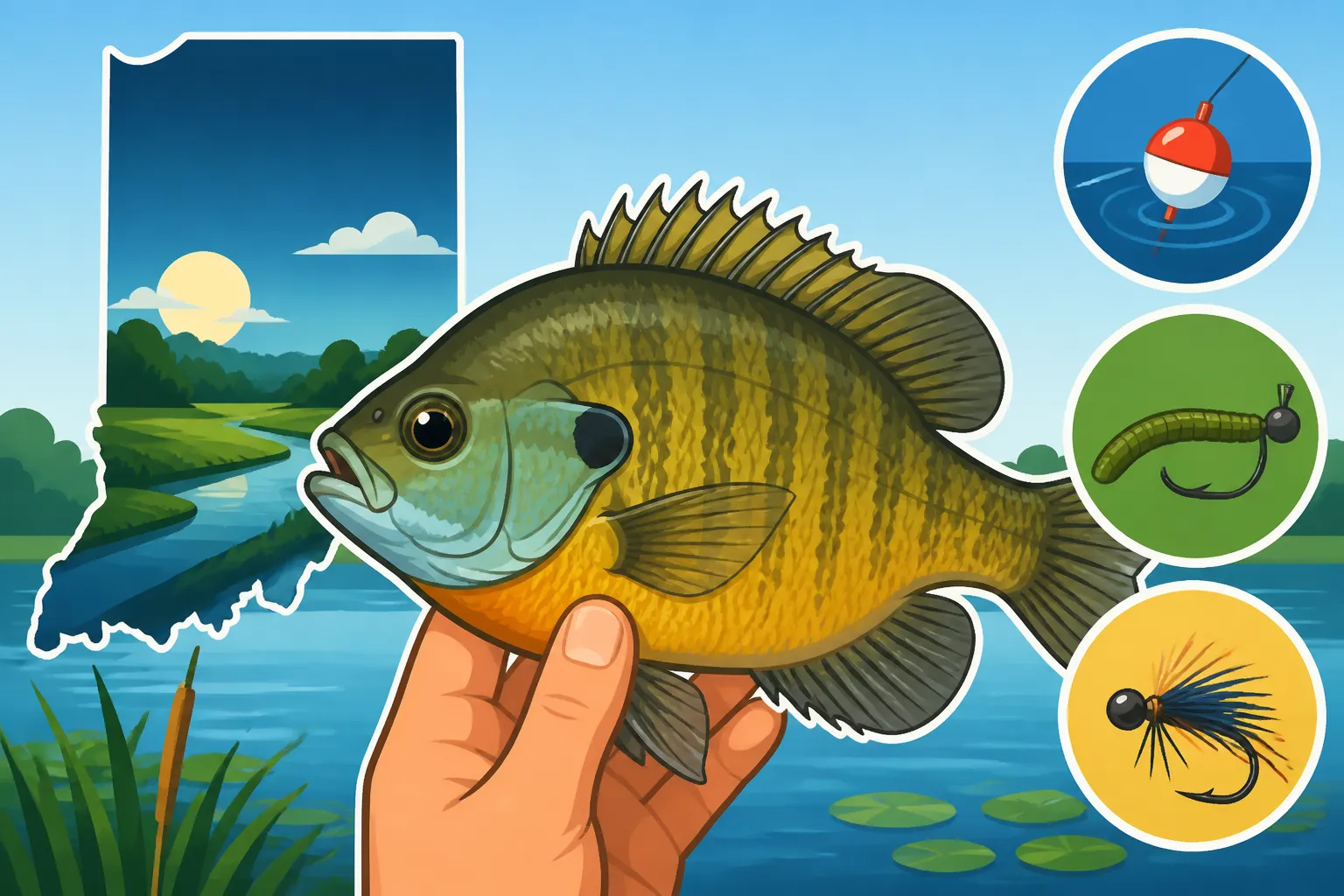
- Bobbers: These are essential for visual bite detection and for keeping your bait at a specific depth. You'll want both fixed bobbers (the classic red and white kind that clip onto your line) and slip bobbers. Fixed bobbers are great for shallower water, typically less than 3-4 feet. Slip bobbers are fantastic for fishing deeper water because they slide freely on your line, allowing you to cast without a long, unwieldy leader dangling from your rod tip.
- Split Shot Weights: These small lead weights (or non-toxic alternatives) pinch onto your line a few inches above your hook. They serve two purposes: to help cast your lightweight bait further and to pull your bait down through the water column. Just a couple of small split shots are usually all you need to get your bait to sink effectively.
- Needle Nose Pliers/Forceps: These are crucial for safely removing hooks from fish, especially smaller ones that might swallow the hook. They also come in handy for cutting line or adjusting split shot.
- Small Scissors or Line Clippers: For trimming excess line after tying a knot.
You can often find beginner bluegill fishing kits that include many of these items, saving you the hassle of buying them individually. Many reputable brands offer these kits, readily available on platforms like Amazon, making it easy to get started with a complete setup. If you're really delving into specific rod choices, our guide on Best Panfish Rods for Indiana Ponds might offer some deeper insights into the sensitivity you're looking for.
The Best Baits Bluegill Can't Resist
Bluegill aren't typically picky eaters, which is another reason they're so great for beginners. They're opportunistic, and a wide variety of readily available baits will entice them.
-
Live Bait: The Undisputed King
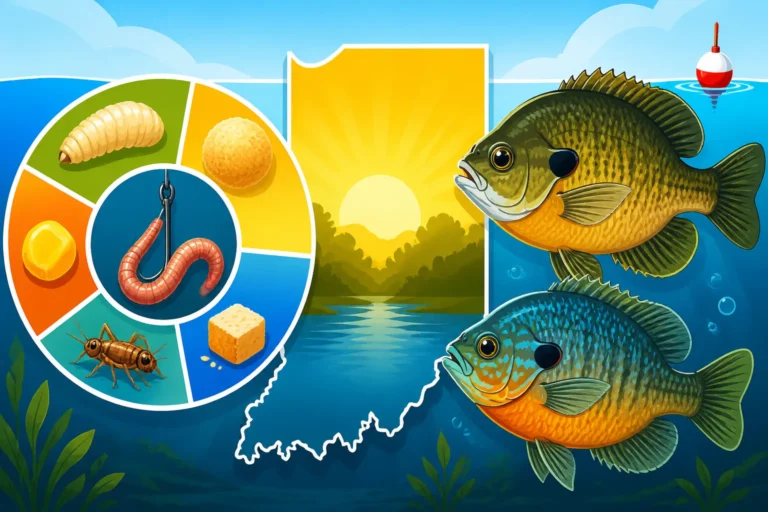
- Worms: Earthworms, especially smaller red wigglers, are probably the most classic and effective bluegill bait. They're cheap, easy to find (dig them up in your garden, buy them at a bait shop, or even on Amazon), and bluegill absolutely love them. Thread a small piece onto your hook, ensuring the hook point is exposed.
- Crickets: These noisy little insects are another bluegill favorite, particularly in late summer and fall. Their erratic movements on the water's surface can trigger aggressive strikes. Hook them gently through the collar or behind the head to keep them lively.
- Wax Worms: These small, plump larvae are a go-to for many panfish anglers. They're especially effective in cooler water or when bluegill are a bit more finicky. You can usually buy them at bait shops or even larger sporting goods stores.
The key with live bait is to use small pieces. Bluegill have small mouths, so a big glob of worm might get nibbled without them getting the hook in their mouth. For more specific advice on what works best, take a look at Best Bait for Bluegill Fishing in Farm Ponds.
-
Artificial Bait: Fun Alternatives
- Small Jigs: Tiny jigs (1/32 to 1/16 ounce) tipped with a small plastic body or a "crappie nibbler" (scented, soft plastic bait) can be incredibly effective. Cast them out and retrieve them with a slow, steady retrieve, adding an occasional twitch. The beauty of jigs is you don't need to constantly re-bait.
- Micro Plastics: These are miniature versions of lures designed for larger fish, such as tiny plastic grubs, tubes, or creature baits. Rig them on a tiny jig head. They mimic small insects or aquatic invertebrates, which are natural food sources for bluegill.
| Bait Type | Best For | Pros | Cons |
|---|---|---|---|
| Red Wigglers | All Seasons, All Waters | Universally effective, easy to find | Can be messy, need frequent re-baiting |
| Wax Worms | Cooler water, Fussy fish | Clean, appealing to bluegill | More expensive than worms, harder to find |
| Crickets | Summer, Surface bites | Excellent for active fish, lively | Can be delicate, hard to keep on hook |
| Small Jigs | All Seasons, Active fish | No re-baiting, good for covering water | Requires some retrieve technique |
| Crappie Nibblers | Finicky fish, Still water | Scented attraction, stays on hook | Less action than live bait |
Mastering Basic Bluegill Fishing Techniques
Once you've got your gear, it's time to learn how to use it! Bluegill fishing is incredibly straightforward, but a few basic techniques will significantly increase your success and enjoyment. It's all about presenting your bait effectively and knowing what to look for.
The Classic Bobber Setup
This is arguably the most common and effective way to fish for bluegill, especially for beginners and kids. It's visual, easy to understand, and highly productive. The basic idea is to suspend your bait at a desired depth, and when a fish bites, the bobber dips or moves.
- Fixed Bobbers (Clip-On): These are great for fishing in shallow water, typically less than 3-4 feet deep. To set it up, you simply clip a small red-and-white bobber onto your line. About 6-12 inches below the bobber, pinch one or two small split shot weights onto your line. A few inches below the weights, tie on your small hook. The distance between the bobber and the hook determines how deep your bait will sit in the water. For example, if you're fishing in 3 feet of water, you might set your bobber 2 feet above your hook. Cast it out near cover and watch that bobber like a hawk! When it wiggles, dips, or disappears, gently lift your rod tip to set the hook.
- Slip Bobbers: These are fantastic for deeper water (more than 4-5 feet) or when you need to cast further. Unlike fixed bobbers, slip bobbers have a small hole through the center that your line runs through freely. You start by threading a small bobber stop (a piece of string or rubber that you can slide up and down your line) onto your main line, then add a small bead, then thread on the slip bobber. Below the bobber, add your split shot weights and hook. The bobber stop allows you to easily adjust the depth your bait will reach by sliding it up or down your line. When you cast, the weight pulls the line through the bobber until the bobber stop hits the top of the bobber, suspending your bait at the chosen depth. This setup allows for much easier casting of deeper presentations. A detailed visual guide on How to Rig a Bobber for Bluegill can be incredibly helpful here.
Simple Bottom Fishing Techniques
While bobbers are king for bluegill, sometimes conditions call for a different approach. If it's very windy and your bobber is getting tossed around too much, or if you suspect bluegill are holding tighter to the bottom in deeper sections, a simple bottom rig can be very effective. This method also teaches you to feel for bites rather than relying solely on visual cues.
To set up a basic bottom rig, slide a small egg sinker (about 1/8 to 1/4 ounce) onto your main line. Then, tie on a small swivel. This swivel serves two purposes: it prevents the sinker from sliding down to your hook, and it acts as a connection point for your leader. To the other side of the swivel, tie a length of monofilament line (your leader), about 12-18 inches long, and then tie your small hook to the end of the leader. When you cast this out, the sinker sits on the bottom, while your bait drifts naturally above it. You'll feel bites as gentle tugs or taps on your line. Keep a slight bit of tension on your line to detect these subtle movements. This technique is often overlooked for bluegill but can be very productive in the right circumstances.
Exploring Small Jigs and Artificials
Once you've got the hang of live bait and bobbers, you might want to experiment with artificial lures. Jigs are incredibly versatile and can be fished effectively for bluegill without constant re-baiting. They mimic small insects, minnows, or other aquatic life that bluegill feed on.
- Micro Jigs: These are tiny jig heads (1/32 to 1/16 ounce) often paired with small soft plastic bodies, like curly-tail grubs, minnow imitations, or tube baits. The key is small. Bluegill have small mouths, so oversized lures won't work. Cast your jig out and allow it to sink. You can retrieve it with a slow, steady reel, adding occasional subtle twitches of your rod tip. The twitch-and-pause method often triggers strikes as the lure mimics a struggling insect. Sometimes, simply letting the jig hang still for a few seconds can be all it takes.
- Tipping with Scent: If fish are hesitant, try tipping your artificial jig with a little piece of live bait (like a wax worm) or a crappie nibbler. The added scent and texture can make all the difference, convincing a hesitant bluegill to commit. Remember, the goal is to make it look as appetizing as possible!
Finding Bluegill in Indiana Waters
Knowing what gear to use and how to fish it is only half the battle; you also need to know where to find the fish. Luckily, bluegill are quite predictable, and once you learn their preferred hangouts, you'll be consistently finding them across Indiana.
Identifying Prime Bluegill Habitats
Bluegill love cover and structure. They use it for protection from predators, as ambush points for feeding, and as places to spawn. When you're scouting a new spot, look for these key features:
- Weed Beds and Lily Pads: These are classic bluegill hideouts. The dense vegetation provides shade, cover, and a buffet of insects. Cast your bobber rig or jig right to the edge of the weeds, or gently drop it into pockets within the pads. Small, quiet farm ponds, abundant across Indiana, are often teeming with these features.
- Docks and Piers: Man-made structures like docks offer excellent overhead cover and often attract baitfish, which in turn attract bluegill. Cast your bait directly under docks or along the pilings. Often, the shaded areas beneath them hold the biggest bluegill. This is true for many of the Family-Friendly Fishing Spots in Indiana.
- Fallen Trees and Brush Piles: Any submerged timber or brush acts as a magnet for bluegill. These areas provide complex cover, which they love. Be prepared for a few snags when fishing these spots, but the reward can be worth it. Cast your bait as close to the sunken wood as possible without getting hung up.
- Shallow Coves and Spawning Beds: In late spring and early summer (typically May and June in Indiana, depending on water temperature), bluegill move into very shallow water to spawn. Look for dinner-plate-sized circular depressions on the bottom in protected coves. These "beds" will often be clustered together, and the fish guarding them will be very aggressive. This is an incredible time for easy catches.
When you're trying to figure out where to start, consider exploring resources like Indiana's Best Ponds for Kids to Catch Panfish. These guides often pinpoint locations with the ideal bluegill habitats, making your initial trips even easier.
Best Times of Day and Year to Target Bluegill
Bluegill are generally active fish, but there are certain times when your chances of success are even higher. Understanding these patterns can greatly improve your fishing experience.
-
Seasonal Patterns:
- Spring (April-May): This is arguably the best time to target bluegill. As water temperatures rise, they become very active, feeding heavily before their spawn. They'll be found in shallower waters, often near emerging weeds or sun-warmed banks.
- Summer (June-August): Bluegill continue to be active throughout the summer. The early summer is prime for their spawning season, where they're easily caught from beds. As the summer progresses and waters warm, they might move slightly deeper during the heat of the day, seeking cooler water and shade under docks or heavy cover. Mornings and evenings are often best during peak summer.
- Fall (September-October): As water temperatures cool, bluegill remain active, feeding to fatten up for winter. They can often be found in similar locations to spring, but might be slightly deeper.
- Winter (November-March): While less common for beginners, bluegill can still be caught through the ice in Indiana. They'll generally be in deeper holes or near structure.
For a more in-depth look at when to hit the water, consult our comprehensive guide on the Best Season for Bluegill Fishing in Indiana.
-
Daily Patterns:
- Early Morning and Late Evening: These are often the prime feeding times for many fish, and bluegill are no exception. The lower light conditions make them feel more comfortable moving out from cover to feed.
- Overcast Days: Cloudy days can extend the bluegill bite throughout the day, as the sun isn't as intense, keeping them from retreating to deep shade.
- Mid-Day Sun: During bright, sunny afternoons, bluegill will often seek the deepest, densest shade they can find – think under thick lily pads, deep under docks, or in very dense brush piles. You'll need to get your bait right to them.
Ethical Angling and Family Fun with Bluegill
Fishing is more than just catching fish; it's about respecting the environment, enjoying nature, and creating lasting memories. When it comes to bluegill, this is especially true, as they're often the first fish a child catches.
Handling Your Catch and Practicing Catch and Release
Knowing how to properly handle fish is a crucial part of ethical angling, whether you plan to keep them or release them. Bluegill have delicate mouths, so gentle handling is key.
- Safe Handling: When you catch a bluegill, wet your hands before touching the fish. This helps protect their slime coat, which is their first line of defense against disease. Grip the fish gently but firmly, taking care to avoid squeezing their belly or gills.
- Hook Removal: Use your needle-nose pliers or forceps to carefully remove the hook. If the fish has swallowed the hook deeply, it's often best to simply cut the line as close to the hook as possible. Attempting to dig out a deeply swallowed hook can cause more harm than good.
- Catch and Release: If you're releasing the fish, do so quickly and gently. Lower it back into the water and allow it to swim away on its own. For smaller bluegill, especially if you're targeting larger ones for the pan, catch and release is a great practice to ensure healthy populations.
- Keeping Your Catch: If you plan to keep bluegill for a meal (and they are delicious!), ensure you're aware of Indiana's regulations. For panfish like bluegill, the Panfish Daily Limit in Indiana: 25 per Species applies, meaning you can keep 25 fish of that specific species per day. Keep your catch in a livewell, on a stringer, or immediately on ice in a cooler to keep them fresh. To correctly identify your catch before deciding to keep it, a guide like Bluegill Identification: A Beginner's Guide can be incredibly useful.
Making it a Family-Friendly Experience
Bluegill fishing is perhaps the ultimate family activity. It's inexpensive, accessible, and provides consistent action, making it perfect for introducing kids to the outdoors.
- Focus on Fun, Not Just Fish: While catching fish is exciting, emphasize the broader experience. Talk about nature, watch for birds, pack a picnic, and simply enjoy the time together. Celebrate every wiggle and every bite, even if the fish gets away. Remember, Kids Fish Free Until Age 18 in Indiana, so it's a very affordable outing for families!
- Safety First: Always prioritize safety. Ensure everyone, especially children, wears a properly fitted life jacket if near or on the water. Bring plenty of sunscreen, hats, insect repellent, and water to stay hydrated. Always supervise children closely, particularly around water and with fishing hooks.
- Short Trips are Best: Especially for younger kids, keep initial fishing trips relatively short to prevent boredom or frustration. An hour or two of consistent action is often better than a full day of sporadic bites. As their interest grows, you can gradually extend your time on the water. Finding locations that are easy to access and have amenities like restrooms and picnic areas, like those listed in Family-Friendly Fishing Spots in Indiana, can enhance the experience.
Common Bluegill Challenges and Solutions
Even though bluegill are generally cooperative, you'll still run into situations where they seem a bit harder to catch. Don't worry, every angler faces these challenges, and a few simple adjustments can often turn a slow day into a successful one.
Dealing with Light Bites and Picky Eaters
Sometimes, bluegill will "peck" at your bait rather than aggressively taking it, or they might ignore your offerings altogether. This can be frustrating, especially when you know fish are present.
- Go Smaller: If fish are being finicky, try downsizing everything. Use an even smaller hook (a size #12 or #14), a tiny piece of worm, or an even smaller artificial jig (1/64 ounce). The goal is to make the bait seem less intimidating and easier for them to slurp up. You might even consider dropping down to 2-pound test line for maximum sensitivity, though it requires a very delicate touch.
- Slow Down Your Presentation: If you're using a jig, try a slower retrieve, or let it sit completely still for longer periods. Sometimes, the bluegill just need a little more time to commit. If using a bobber, observe even the slightest twitch or tilt; a subtle movement might be the only indication of a bite.
- Experiment with Bait: If they're not hitting worms, try a wax worm or a cricket. If artificials aren't working, switch back to live bait. Sometimes a change in color on your jig can also make a difference. Have a variety in your tackle box from places like Amazon to quickly swap. Bluegill can be surprisingly selective based on conditions.
- Adjust Depth: If you're fishing shallow and not getting bites, try adjusting your bobber to fish deeper, or vice-versa. Bluegill will move up and down in the water column depending on temperature, light, and where their food sources are located.
Overcoming Snags and Weeds
Indiana's bluegill often hide in thick cover, which is great for finding them but can be a nightmare for getting your hook back. Snags are an inevitable part of fishing, but you can minimize them.
- Adjust Your Depth: If you're consistently snagging on the bottom or in submerged weeds, raise your bobber slightly to keep your bait just above the snags. Remember, bluegill will often suspend a foot or two off the bottom or hang just above a weed line.
- Fish the Edges: Instead of casting directly into the densest part of a brush pile or thick lily pad field, try casting to the open water around the edges. Bluegill will often patrol these areas, looking for easy meals, and you'll greatly reduce your chances of getting hung up.
- Use Weedless Hooks: While less common for bluegill, you can find small jigs or hooks with wire weed guards. These are designed to slide through cover without snagging. This might be a bit more advanced for a brand new beginner, but it's a good technique to learn as you progress.
- Be Patient with a Snag: If you do get snagged, don't just yank hard immediately. Sometimes, a gentle jigging motion or a slight change in the angle of your pull can free the hook. If all else fails, a hard, steady pull is usually enough to break the lighter line you're using for bluegill, sacrificing just the hook and a bit of line instead of your entire setup. Always check your line for frays after a snag, even if you get it back, and re-tie if necessary.
Disclaimer
Fishing regulations and licensing requirements can change. Always consult the latest Indiana Department of Natural Resources (DNR) regulations before heading out to fish. This guide is for informational purposes only and does not supersede official DNR guidelines. Remember to purchase an appropriate Indiana fishing license, unless you qualify for an exemption like those offered on Indiana Free Fishing Days Guide or for youth anglers.