Indiana Free Fishing Days: May, June, and September Dates
There’s nothing quite as frustrating as feeling the itch to cast a line, but hesitating because you’re unsure about license requirements or if you even need one for a casual day out. Many new anglers or families just looking for a fun activity often miss out on the joy of fishing, fearing complex regulations. This guide is designed to demystify Indiana’s Free Fishing Days, ensuring you know exactly when you can grab a rod and enjoy the water without the need for a state fishing license.
Understanding Indiana Free Fishing Days
Indiana's Free Fishing Days are a fantastic initiative by the Indiana Department of Natural Resources (DNR) to encourage more people to experience the joy of fishing. It’s a chance for seasoned anglers to introduce newcomers to their passion, and for families to enjoy quality time outdoors without the initial barrier of purchasing a fishing license.
The Spirit Behind Free Fishing
Think of Free Fishing Days as an open invitation. The Indiana DNR understands that for many, the cost or perceived hassle of getting a license can be a deterrent, especially if they're just trying fishing for the first time. By waiving the license requirement on select days, they hope to foster a love for the sport and the outdoors, which often leads to future license purchases and a deeper appreciation for conservation. It’s about making fishing accessible to everyone, from curious kids to grandparents looking for a relaxing afternoon. It’s a low-pressure way to test the waters, so to speak, and see if fishing is a hobby you or your family want to pursue further.
These designated days are carefully chosen to coincide with pleasant weather and active fish, increasing the likelihood of a positive first-time experience. It's truly a celebration of Indiana's abundant waterways and the diverse fish species within them.
Who Can Participate?
The beauty of Indiana Free Fishing Days is their inclusivity. Essentially, anyone who would normally require an Indiana fishing license is exempt on these specific dates. This means residents and non-residents alike, of all ages (though remember, kids under 18 can already Kids Fish Free Until Age 18 in Indiana anyway!), can fish public waters across the state without purchasing an annual or short-term license.
This includes adults who typically need a license, visitors from out of state, and even those who might have let their license lapse. It's a perfect opportunity for a family outing where everyone can participate equally, regardless of their usual license status. Whether you're a Hoosier looking for a local adventure or just passing through, these days welcome you to cast a line in Indiana's lakes, rivers, and streams. It's also a great way for experienced anglers to mentor new ones, as they can bring along friends or family members who wouldn't ordinarily buy a license.
Mark Your Calendars: The Official 2026 Dates
Knowing exactly when these days fall is crucial for planning your fishing adventures. The Indiana DNR typically schedules a few days throughout the year, strategically placed to maximize participation during peak fishing seasons. For 2026, we've got some great opportunities to look forward to!
The Single May Free Fishing Day
May is often when Indiana's waters really start to come alive, making it a fantastic time to get out and fish. The sun is warmer, the trees are fully green, and many fish species are actively feeding, sometimes even post-spawn, making them more aggressive and easier to catch.
For 2026, Indiana will host a single Free Fishing Day in May. This day is officially set for Indiana Free Fishing Day: May 10, 2026. This Sunday is perfectly placed for a quick family excursion or a solo trip to your favorite local pond or river. The weather in May is usually quite agreeable, offering comfortable temperatures for a day spent outdoors. Many panfish, like bluegill and crappie, are often shallow and abundant, making for an exciting experience, especially for younger anglers. It's a prime chance to shake off the winter rust and enjoy the vibrant spring fishing scene without any license worries.
The Popular June Free Fishing Weekend
June brings with it the official start of summer, longer daylight hours, and often some of the best fishing of the year. It's also a traditional time for family vacations and outdoor activities, which is why the DNR often designates a full weekend in June for free fishing.
For 2026, you'll have an entire weekend: Free Fishing Days: June 6 and 7, 2026. This Saturday and Sunday offer ample time to explore different fishing spots or spend two full days enjoying your favorite lake. A weekend allows for more flexibility – perhaps a leisurely morning fish on Saturday, followed by a picnic, and then trying a different spot on Sunday. This extended period is ideal for a camping trip that includes fishing, or for venturing a bit further to a new body of water you've always wanted to try, like Lake Monroe or Patoka Lake. With bass, crappie, and catfish all active, the opportunities are endless. It's truly a highlight on the Indiana fishing calendar for families and individuals alike.
The Late-Season September Free Fishing Day
While spring and early summer get a lot of attention, September offers some truly spectacular fishing in Indiana. The air starts to cool, the leaves begin to turn, and fish often go on a feeding frenzy as they prepare for the colder months ahead.
In 2026, Indiana will wrap up its Free Fishing Days with a single date in September: Indiana Free Fishing Day: September 26, 2026. This Saturday provides a wonderful opportunity to experience the magic of fall fishing. The crowds are typically smaller than in the peak summer months, offering a more tranquil experience on the water. Many species, including bass, walleye, and even some early salmon and trout runs on Lake Michigan tributaries (though special stamps might still apply for those, which we'll cover next!), are very active. It’s a fantastic way to enjoy the crisp autumn air and the changing scenery while reeling in some great catches. Don't miss this last chance to fish license-free before the year's colder weather sets in!
Here's a handy table summarizing the 2026 Indiana Free Fishing Days:
| Month | Date(s) | Day(s) of the Week | Key Benefits | Notes |
|---|---|---|---|---|
| May | May 10, 2026 | Sunday | Excellent spring fishing, warmer weather, active panfish | Perfect for a single-day family outing. |
| June | June 6-7, 2026 | Saturday-Sunday | Full weekend of fishing, peak summer activity, ideal for camping | More time to explore or enjoy multiple trips. |
| September | September 26, 2026 | Saturday | Beautiful fall weather, active fish preparing for winter, fewer crowds | Last chance for license-free fishing in 2026. |
What You Need (And Don't Need) on Free Fishing Days
While the main benefit of Free Fishing Days is the waiver of the license requirement, it's essential to understand that not all rules go out the window. Knowing what you still need to adhere to ensures a legal, safe, and enjoyable day on the water.
No License, But Rules Still Apply
This is perhaps the most critical point: while you don't need a general fishing license on these specific days, you absolutely must still follow all other Indiana Fishing Regulations and Bag Limits Guide. This means knowing the minimum length limits for certain species like bass or walleye, understanding the daily bag limits (how many fish of a particular species you can keep), and adhering to any gear restrictions specific to the body of water you're fishing.
For example, if you're fishing for largemouth bass in a lake where the minimum length is 14 inches, you can't keep a 12-inch bass, even on a free fishing day. Similarly, the daily limit for panfish like bluegill or crappie is generally 25 per species, and that rule holds true. Ignorance of these regulations is not an excuse, and game wardens will still issue citations for violations. It's a great opportunity to fish, but it's also a responsibility to understand and respect the state's conservation efforts. You can easily find the full set of current regulations on the Indiana DNR website before your trip. Getting caught violating these rules can still lead to Penalties and Fines for Fishing Without a License, so be sure to check them out.
Tackle and Gear Essentials
Since you don't need to worry about the license, you can focus on the fun part: gathering your gear! For a successful (and comfortable) day of fishing, you'll want to ensure you have the basics. A good general-purpose spinning rod and reel combo is perfect for most Indiana fishing, especially if you're targeting panfish, bass, or catfish. You can often find decent beginner combos that come with line already spooled. Many great options are available online, and you can easily compare different models and read reviews on sites like Amazon.
Beyond the rod and reel, you'll need tackle. This might include an assortment of hooks (sizes 6-10 are versatile), bobbers (slip bobbers are excellent for controlling depth), and sinkers (split shot or small egg sinkers). Live bait like worms, crickets, or minnows are always a hit, especially for beginners or kids, as they often entice a wide variety of fish. If you prefer artificials, some simple jigs, spinnerbaits, or small crankbaits can be very effective. Don't forget a small tackle box to keep everything organized – again, Amazon has a huge selection of Best Beginner Fishing Kits for Kids and tackle boxes for every need. A pair of needle-nose pliers for hook removal, a small cooler for drinks and snacks (and fish if you plan to keep them), and some comfortable seating are also highly recommended.
Understanding Special Stamps and Endorsements
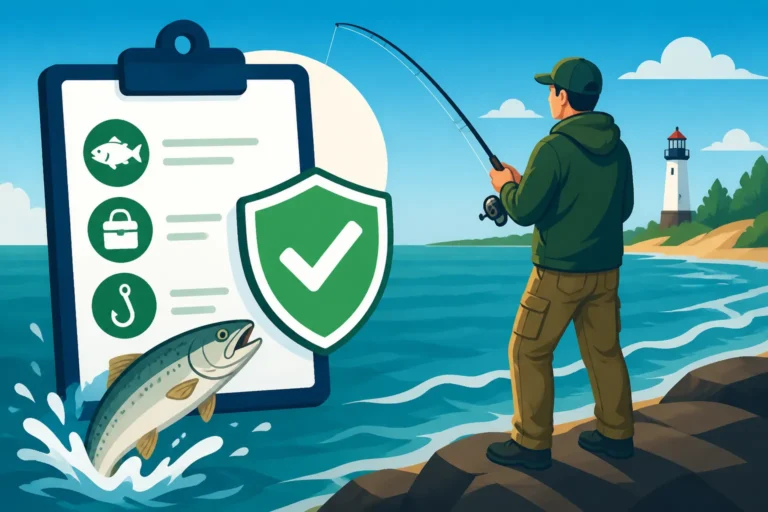
This is where it can get a little tricky, even on Free Fishing Days. While the general fishing license is waived, certain specialized fishing activities in Indiana require additional stamps or endorsements, and these are generally not waived on Free Fishing Days. The most common example is the Indiana Trout and Salmon Stamp Requirements.
If you plan on targeting trout or salmon in waters where these species are managed, such as the tailwaters below certain reservoirs or the tributaries feeding Lake Michigan, you would typically need this stamp in addition to your general license. On Free Fishing Days, you still need to purchase and possess this Trout/Salmon Stamp if you intend to fish for or keep trout or salmon. This is because these stamps fund specific conservation and stocking programs for these particular species, which is separate from the general fishing license revenue. So, if you're heading to a trout stream or fishing Lake Michigan tributaries for the fall salmon run, double-check if the stamp applies to your target species and location. This is often a point of confusion, so it's always best to err on the side of caution and check the regulations specific to trout and salmon fishing in Indiana.
Maximizing Your Free Fishing Experience
Now that you know when to go and what to expect regarding regulations, let’s talk about making your Free Fishing Day as fun and successful as possible. A little planning goes a long way, especially when you’re introducing someone new to fishing or just want a relaxing day.
Choosing the Right Spot
Selecting a good location is paramount to a successful fishing trip, particularly for beginners. You don't want to pick a challenging spot that might frustrate new anglers. Look for public access points at smaller lakes, ponds, or calm sections of rivers. Many Indiana State Parks offer excellent fishing opportunities with easy shore access and often amenities like restrooms and picnic areas. Places like Hardy Lake, Summit Lake State Park, or many local city and county parks often have stocked ponds that are perfect for catching panfish.
Consider factors like ease of access (is it a short walk from the car?), potential for tangles (avoid heavily treed areas if you're not experienced with casting), and the likelihood of catching fish. For a deeper dive into great fishing locations, you might want to explore resources like Best Fishing Spots in Indiana or specifically Family-Friendly Fishing Spots in Indiana. These spots are often managed for beginner success, meaning they're typically stocked and have decent populations of easy-to-catch species. Remember, the goal is to have fun and catch some fish, not necessarily to land a trophy on your first outing.
Beginner-Friendly Fishing Tips
If you’re new to fishing or bringing along newbies, keep it simple! The easiest way to get bites is often with live bait and a bobber. A classic setup involves a small hook, a bit of split shot weight a few inches above the hook, and a bobber set to suspend your bait a foot or two off the bottom. Earthworms are universally appealing and readily available at bait shops or even in your garden. For panfish like bluegill, a tiny piece of worm or even a kernel of corn on a small hook can be incredibly effective.
Patience is key, but so is knowing when to move. If you haven't had a bite in 15-20 minutes, try moving to a different spot along the bank or varying your depth. Fish often congregate around structure like submerged logs, weed beds, or docks. Focus on casting near these areas. Don't worry about fancy retrieves or complex lures; just getting your bait in the water and watching the bobber is half the fun. For more specific guidance, checking out Crappie and Panfish Fishing Techniques for Beginners or Best Bait Choices for Spring Fishing can provide some excellent starting points for your Free Fishing Day adventure.
Making it a Family Affair
Free Fishing Days are tailor-made for family fun. Pack a picnic, bring plenty of drinks, and remember that fishing is just one part of the experience. The fresh air, the conversations, and the shared anticipation of a bite are often just as memorable as the fish themselves. Encourage kids to help with baiting (if they’re comfortable), reeling in, and even releasing fish safely.
Consider bringing along a camera to capture those priceless moments when a child lands their first fish. Safety is paramount, especially with children. Ensure everyone has a properly fitting life jacket if you're near deep water or on a boat (even if not required for adults, it's a good safety practice). Sunscreen, hats, and insect repellent are also must-haves. Make it an educational experience by teaching kids about different fish species, aquatic ecosystems, and the importance of catch-and-release for conservation. You can find excellent, durable, and affordable fishing kits for kids on Amazon that include everything they need to get started, making it super easy to prepare for a family outing.
Common Questions and Misconceptions
Even with clear information, certain questions and misunderstandings frequently pop up around Free Fishing Days. Let's tackle some of the most common ones to ensure you're fully informed before you head out.
Do Nonresidents Get to Fish Free Too?
This is a fantastic question, and the answer is a resounding yes! One of the truly inclusive aspects of Indiana's Free Fishing Days is that they extend to everyone, regardless of their state of residence. If you're visiting from Illinois, Ohio, Michigan, or any other state, you are just as welcome to fish Indiana's public waters without a license on these designated days as a Hoosier resident.
This makes Free Fishing Days a wonderful draw for tourism and an excellent opportunity for friends and family from out of state to join in on a fishing trip. Normally, nonresidents would need to purchase an Indiana Nonresident Annual Fishing License Cost or a shorter-term license, which can be a significant expense if you're only planning a quick trip. The waiver on Free Fishing Days removes that barrier, making it easy for anyone to enjoy Indiana's diverse fisheries. Just remember, as always, all other state fishing regulations, including bag and size limits, still apply to nonresidents. So, whether you're a local or just passing through, these are the perfect days to explore Indiana's fishing scene.
What About Trout and Salmon Fishing?
As touched upon earlier, this is one of the most common areas of confusion. While the general fishing license is waived on Free Fishing Days, the specific Do You Need a Trout and Salmon Stamp to Fish for Trout? is generally not included in that waiver. If you are specifically targeting trout or salmon in waters designated for these species – such as certain streams stocked with rainbow or brown trout, or the Lake Michigan tributaries during the salmon and steelhead runs – you will still need to purchase and possess an Indiana Trout/Salmon Stamp.
This stamp is a separate endorsement, and its revenue goes directly to funding the stocking and management programs for these cold-water species. The cost of an Indiana Trout and Salmon Stamp Cost: $11 is relatively small, but it's essential to have it if you plan to keep any trout or salmon. If you're fishing in a general lake or river and happen to catch a stray trout that wasn't your primary target, you might be okay if you immediately release it. However, to legally fish for and possess these species, the stamp is required. Always check the current Indiana fishing guide or the DNR website for the most up-to-date information on stamp requirements, especially if your plans involve Lake Michigan or its feeder streams.
Are There Any Age Restrictions?
For the most part, no, there aren't any special age restrictions during Free Fishing Days that differ from regular fishing regulations. In Indiana, residents and non-residents under the age of 18 are generally permitted to fish without a license year-round. This is fantastic news for families, as it means kids can fish any day they want, and the Free Fishing Days just extend that same freedom to the adults in their lives!
So, on Free Fishing Days, everyone, from the youngest toddler holding a rod to the most seasoned senior angler, can enjoy license-free fishing. It's truly an all-ages event. This policy is a huge boost for youth engagement in outdoor activities, making it incredibly easy for parents and guardians to introduce fishing to the next generation. The only "age restriction" might be for those who typically need a license (i.e., those 18 and older) to fully appreciate the "free" aspect of these days, as the younger crowd already enjoys that perk every day of the year.
Planning Your Trip Beyond Free Days
Free Fishing Days are a perfect introduction or a pleasant break from the usual routine, but what happens when they're over? If you've enjoyed your time on the water, you might be considering making fishing a more regular hobby. It’s simpler than you think to transition from these free days to being a fully licensed and enthusiastic angler!
Transitioning to a Paid License
If the Free Fishing Days have hooked you (pun intended!), getting your own Indiana fishing license is a straightforward process. The state offers a variety of options to fit different needs, from annual licenses to short-term permits for residents and non-residents. For Indiana residents, an Indiana Resident Annual Fishing License Cost: $23 a Year is a great value, allowing you to fish from April 1st through March 31st of the following year. If you're not an Indiana resident but plan to visit regularly, you might consider a nonresident annual license, or for shorter trips, a Nonresident 1-Day Fishing License Price: $9 or Nonresident 7-Day Fishing License Price: $20 could be more economical.
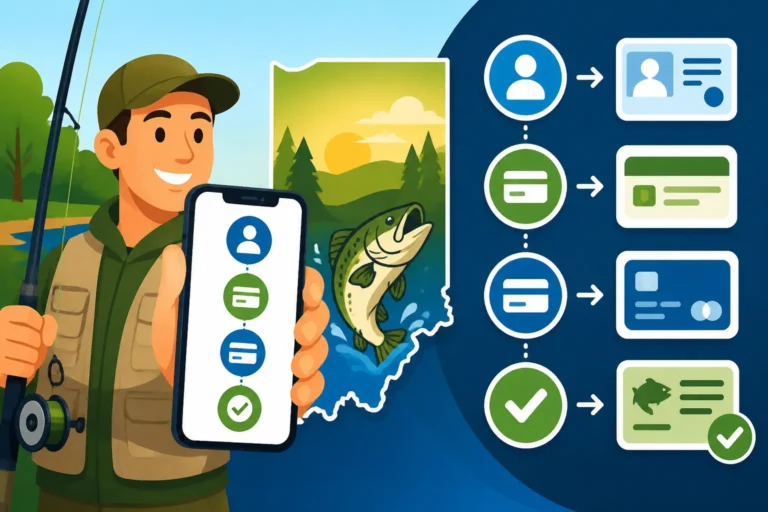
Purchasing a license is incredibly easy. You can do it online through the Indiana DNR website in just a few minutes. You simply create an account, select your desired license type, and make your purchase. You’ll receive an email confirmation, and you can even print a temporary license right away. Alternatively, you can buy a license in person at any authorized license vendor, such as a bait shop, sporting goods store like Bass Pro Shops or Cabela's, or even some local county clerk offices. No matter which route you choose, having your own license opens up a full year of fishing opportunities, letting you enjoy Indiana's waters whenever the mood strikes.
Exploring More Fishing Opportunities
Once you have your license, a whole new world of fishing in Indiana opens up! You’re no longer limited to specific dates and can explore the incredible diversity of fishing spots and species our state has to offer. Perhaps you caught a few panfish on a Free Fishing Day and now you’re ready to chase largemouth bass at Monroe Lake or Patoka Lake. Or maybe the idea of battling a mighty muskie in the glacial lakes of Kosciusko County has piqued your interest.
You can start diving deeper into specific techniques, like Bass Fishing Techniques for Beginners or How to Catch Catfish: Bottom Fishing and Trotline Techniques. Consider investing in slightly more specialized gear, or just upgrading your basic setup. There are countless articles and resources, including many right here, that can guide you to Indiana's Best Lakes for Fishing or even specific Best Bass Fishing Lakes in Indiana. Don't forget that many species have different peak seasons and behaviors, so your fishing adventures can change with the calendar. From fly fishing for trout in spring to ice fishing for walleye in winter, Indiana offers year-round opportunities for every type of angler. The Free Fishing Days are just the beginning of a lifelong journey of discovery and enjoyment on the water.
Disclaimer
Please remember that fishing regulations can change. While every effort has been made to provide accurate and up-to-date information, it is always your responsibility to verify current regulations with the official Indiana Department of Natural Resources (DNR) website or their current fishing guide before heading out. This content is for informational purposes only and does not constitute legal advice.