Best Panfish Rods for Indiana Ponds
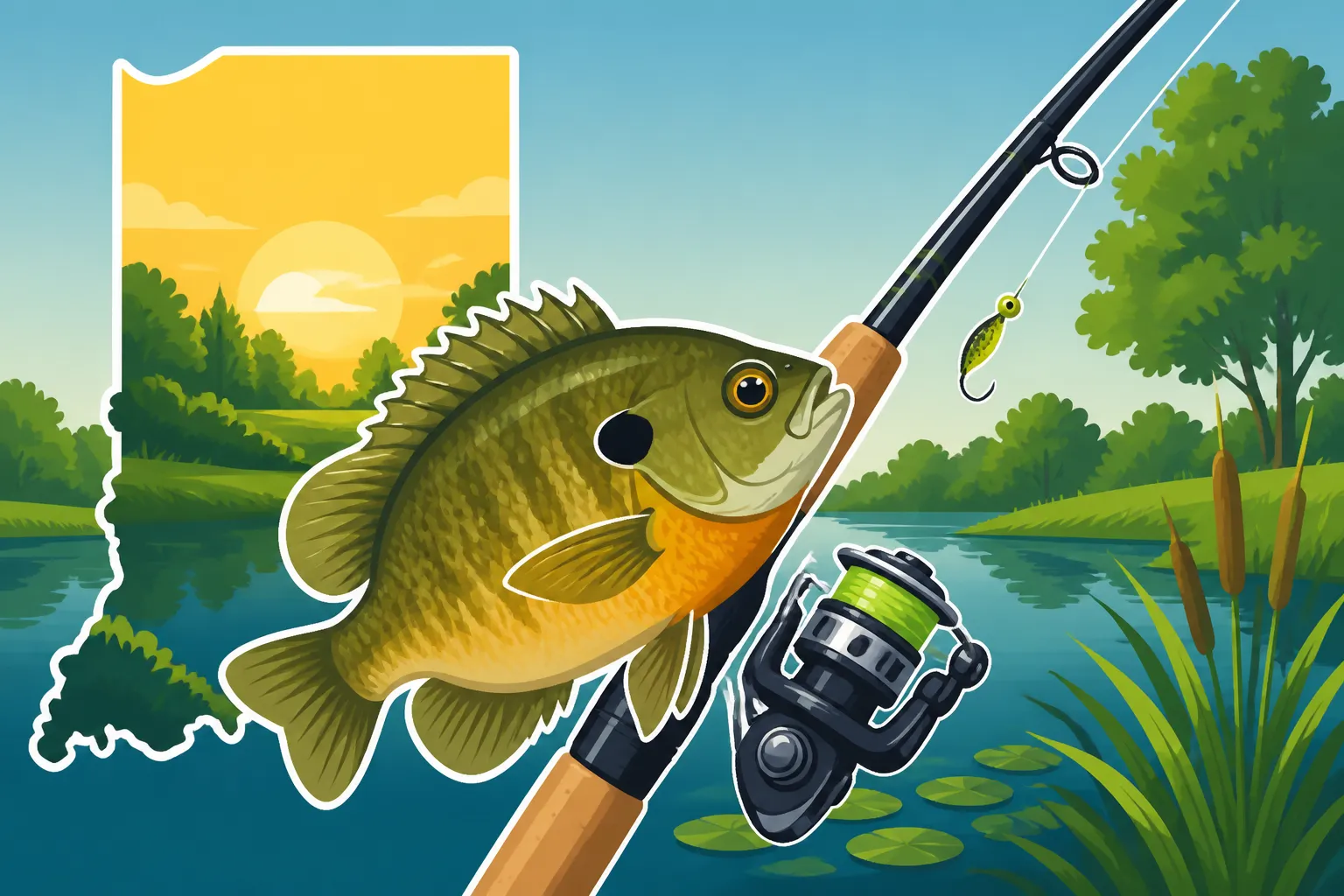
If you've ever tried to catch those feisty bluegill, crappie, or redear sunfish in an Indiana pond with a heavy bass rod, you know the frustration. It feels like you're trying to swat a fly with a baseball bat – you just can't feel the delicate bite, and the fight isn't nearly as exciting. This guide is all about helping you pick out the best panfish rods specifically designed for those delightful pond fishing adventures, making every nibble and tug a pure joy.
Understanding the Essentials of a Great Panfish Rod for Pond Fishing
When you're targeting panfish in a pond, it's a whole different ballgame than chasing muskie or pulling in big bass from a reservoir. Panfish are generally smaller, have subtler bites, and you're often fishing in relatively calm, confined waters. This means your rod needs to be a precision instrument, not a brute force tool. We're looking for characteristics that enhance sensitivity, allow for light line control, and make even a modest bluegill feel like a champion fighter.
Action, Power, and Length: The Holy Trinity of Rod Selection
Navigating the jargon of fishing rod specifications can feel like learning a new language. "Action" and "power" sound similar, but they describe very different things, and getting them right is crucial for panfish. "Length" ties it all together, influencing your casting, presentation, and fish-fighting ability in pond settings.
Rod Action: The Bend in the Blank
The "action" of a rod refers to where along the blank it bends when pressure is applied. For panfish, you're almost always going to want a fast or extra-fast action rod. Why? Because these rods primarily bend in the top third or quarter of the blank, leaving the rest of the rod relatively stiff. This characteristic offers a couple of huge advantages for pond panfishing. First, it provides incredible sensitivity, allowing you to feel even the most timid bite of a bluegill mouthing your tiny jig. You'll notice those subtle taps and quivers that a slower action rod would simply absorb. Second, a fast action tip allows for quicker, more precise hook sets, which is vital when panfish spit hooks quickly. Imagine a small crappie inhaling a jig; that fast tip lets you react in an instant, driving the hook home before it realizes its mistake. It also gives you better control over those lighter lures and baits you'll be using, allowing for delicate presentations near cover like lily pads or submerged timber in your favorite Indiana pond.
Rod Power: The Strength of the Blank
"Power," on the other hand, describes the rod's overall stiffness or lifting strength. This dictates the range of line weights and lure weights the rod is designed to handle effectively. For panfish in Indiana ponds, you're almost exclusively looking at ultralight (UL) or light (L) power rods. A medium-light or heavier rod would be completely overkill and would rob you of all the fun and feel. An ultralight rod, for instance, is perfectly matched for 2-6 pound test line and tiny lures often weighing less than 1/8 ounce. This setup allows you to cast those minuscule baits a respectable distance and feel every head shake from even a modest bluegill. If you're targeting slightly larger crappie or redear sunfish, or perhaps fishing with slightly heavier jigs for deeper pond fish, a light power rod might offer a bit more backbone without sacrificing too much sensitivity. The goal is to match the rod's power to the size of the fish and the weight of your presentation, ensuring maximum sport and effective fishing.
Rod Length: Finding Your Sweet Spot
Rod length for pond panfishing typically falls in the 5-foot to 7-foot range. A shorter rod, say 5 to 5.5 feet, is fantastic for tight casting spaces, like fishing from a dock with overhead branches or punching baits into small pockets around emergent vegetation. It's also super lightweight, making it a joy for kids or those who prefer a more compact setup. However, shorter rods generally offer less casting distance. If you need to reach farther out into a larger pond, or if you're making longer casts from shore, a 6 to 7-foot rod will give you that extra reach. Longer rods also provide a bit more leverage when fighting a fish, which can be helpful if you accidentally hook into a bigger bass that wandered into your panfish spot. Ultimately, the best length depends on your specific pond environment and personal preference, but anything over 7 feet usually becomes unwieldy for typical panfish pursuits.
Materials and Components: What Your Panfish Rod is Made Of
Beyond action, power, and length, the actual construction of your rod plays a significant role in its performance, especially when it comes to sensitivity and durability. The material of the blank, the quality of the guides, and the comfort of the handle all contribute to a superior panfishing experience.
Graphite vs. Fiberglass Blanks: A Sensitivity Showdown
The blank, or main shaft, of your rod, is usually made from either graphite, fiberglass, or a composite blend of the two.
The Graphite Advantage
Graphite is the undisputed king when it comes to sensitivity and lightweight design, making it the top choice for serious panfish anglers. Graphite rods are incredibly stiff and transmit vibrations exceptionally well, allowing you to feel every subtle bump, tick, and even the "weight" of a fish breathing on your bait. This is invaluable when bluegill are just gently mouthing a small cricket or a crappie is barely inhaling a tiny jig. A high-modulus graphite rod will be lighter and more sensitive, but also generally more brittle and expensive. For most pond panfishing, a medium-modulus graphite rod strikes an excellent balance of sensitivity, durability, and cost. You can find fantastic graphite options at retailers like Bass Pro Shops or through online vendors like Amazon.
The Fiberglass Alternative
Fiberglass rods, on the other hand, are much more durable and flexible. They excel at absorbing shock, making them more forgiving for beginners who might be a bit rough on their gear. While they lack the extreme sensitivity of graphite, their slower action can be beneficial for certain topwater presentations or when using live bait where a more subtle, slower hook set is desired. They also tend to be less expensive, which can be a great entry point for someone just getting into panfishing or for equipping younger anglers. Some anglers even prefer a fiberglass tip with a graphite butt section (a composite rod) to get the best of both worlds: a flexible, forgiving tip for light bites and a strong, sensitive backbone.
Guides, Reel Seats, and Handles: Don't Overlook the Details
The small components on your rod might seem minor, but they significantly impact how the rod performs and feels in your hand.
Rod Guides: Smoothness is Key
The guides are the rings through which your fishing line passes. For panfishing, you'll be using very light line, so high-quality, smooth guides are essential to prevent friction and maximize casting distance. Ceramic inserts, like aluminum oxide or silicon carbide (SiC), are common and effective. SiC guides are generally lighter and smoother, reducing friction even further and dissipating heat better – though heat isn't usually a major concern with light panfish lines. What you absolutely want to avoid are cheap, rough guides that can fray your line or impede your cast. A rod with well-placed, numerous guides will distribute stress more evenly along the blank when fighting a fish, protecting your light line.
Reel Seats: Secure and Comfortable
The reel seat is where your fishing reel attaches to the rod. It should securely hold your reel without any wobble or play. Many panfish rods feature minimalist reel seats that allow for direct contact with the blank, further enhancing sensitivity. Some might have exposed blank sections or split grip designs to maximize this "feel." Comfort is also important; you'll be holding this rod for hours, so ensure the reel seat design doesn't create pressure points.
Rod Handles: Grip and Balance
Handle materials range from cork to EVA foam. Cork is traditionally favored for its lightweight feel, natural grip, and aesthetic appeal. It also transmits vibrations well. EVA foam is durable, easy to clean, and provides a good grip even when wet. The length and shape of the handle should also be considered. A shorter handle is great for one-handed casting and close-quarters fishing, while a slightly longer handle can aid in two-handed casting for distance or offer more leverage when fighting a larger fish. Ultimately, the handle should feel balanced with your chosen reel and comfortable in your hand for those long sessions on the pond.
Matching Your Rod to Specific Indiana Panfish Species
Indiana ponds are teeming with various panfish, and while many ultralight setups will work for all of them, a slight tweak in your rod choice can optimize your experience for specific species. Whether you're chasing the vibrant bluegill, the elusive crappie, or the hard-fighting redear, there's a rod that can make your efforts more rewarding.
The Perfect Rod for Bluegill and Other Sunfish
Bluegill are often the gateway fish for many anglers, especially kids. They're abundant, eager biters, and a blast on light tackle. For bluegill in Indiana ponds, an ultralight (UL) power, fast action rod between 5 and 6 feet is absolutely ideal. This setup allows you to cast tiny offerings like a single waxworm on a small hook, a micro jig, or a small Beetle Spin.
Imagine fishing a local pond near Bloomington. You've got your 5'6" ultralight graphite rod, a tiny reel spooled with 4-pound test monofilament, and a small bobber setup with a cricket. When a bluegill takes that bait, the fast action tip will instantly telegraph that subtle "dip" of the bobber or the faintest tap in your hand. The light power of the rod will make even a palm-sized bluegill feel like a heavyweight, giving you a thrilling fight without overpowering the fish. This is also a fantastic setup for kids learning to fish; it's lightweight, easy to cast, and incredibly responsive to those light bites, boosting their confidence. Many such rods are available at Bass Pro Shops and are often part of excellent beginner combos.
Optimizing for Crappie in Pond Environments
Crappie can be a bit more finicky than bluegill, often holding slightly deeper or around submerged structures. They also tend to grow a bit larger in many Indiana ponds. For crappie, you might consider stepping up slightly to a light (L) power, fast action rod in the 6 to 7-foot range.
This slightly longer and more powerful rod offers a few advantages for crappie fishing. The added length can help you make longer casts to reach submerged brush piles or weed lines farther from shore. The light power gives you a bit more backbone to handle slightly heavier jigs (like 1/16 or 1/8 ounce), which are often necessary to get down to crappie. It also provides a bit more control when extracting a slab crappie from around snags. However, ensure it still has that fast action tip to detect their famously light "thump" or "weightless" bite. Many anglers also prefer a slightly more moderate-fast action for crappie, especially when using minnows, as it can prevent tearing the bait off the hook during a cast. For specific guidance, you might find articles like Crappie Jigging Techniques for Beginners helpful.
Targeting Redear Sunfish (Shellcrackers)
Redear sunfish, often called "shellcrackers," are prized for their hard fighting nature and delicious taste. They often feed on the bottom, cracking snails and mussels, so detecting their subtle pickup requires excellent sensitivity. A sensitive ultralight or light power rod with a fast action, around 6 feet, is perfect for these guys.
Redear bites can be incredibly subtle, sometimes just a gentle pressure or a slight twitch of the line. A high-quality graphite rod will be your best friend here. You'll typically be fishing small jigs, worms, or crickets on the bottom or under a slip bobber. The rod's sensitivity allows you to distinguish between a redear investigating your bait and just snagging a piece of pond debris. Its strength, even at ultralight, is sufficient to handle their strong runs and dogged fights.
| Panfish Species | Recommended Rod Power | Recommended Rod Action | Recommended Rod Length | Key Benefit |
|---|---|---|---|---|
| Bluegill | Ultralight (UL) | Fast | 5' – 6' | Maximum sensitivity for light bites; makes small fish fun. |
| Crappie | Light (L) | Fast to Moderate-Fast | 6' – 7' | Better for heavier jigs and deeper water; more control with larger fish. |
| Redear Sunfish | Ultralight (UL) / Light (L) | Fast | 5'6" – 6'6" | Excellent sensitivity for subtle bottom bites; handles strong fights. |
Completing Your Panfish Setup: Reel, Line, and Lures
A great panfish rod is only part of the equation. To truly maximize your success and enjoyment on Indiana's ponds, you need to pair it with the right reel, line, and a selection of effective baits and lures. This harmonious setup will allow you to cast further, feel more, and ultimately catch more fish.
Spinning Reels: The Ideal Match
For the ultralight and light power rods we've been discussing, a small spinning reel (size 500 to 1000 series) is the undisputed champion. These reels are designed for light lines and small lures, offering smooth drag systems and easy casting. A good quality reel will have a smooth retrieve, minimal wobble, and a reliable drag that allows a feisty fish to take line without breaking off your light leader.
When selecting a reel, aim for one that balances well with your chosen rod. You don't want a heavy reel on a super light rod, as it will feel tip-heavy and uncomfortable. Look for reels from reputable brands that offer smooth operation and durable construction. Many excellent options are available, often in combo form, from retailers like Bass Pro Shops, or individually from sites like Amazon.
Fishing Line: The Unseen Connection
For panfish, lighter is almost always better.
- Monofilament (mono): This is a classic choice for panfish. It's inexpensive, has good knot strength, and its stretch provides a forgiving cushion against sudden runs, which can be critical with ultralight rods and small hooks. A 2-4 pound test monofilament is ideal for most bluegill and smaller crappie.
- Fluorocarbon (fluoro): While more expensive, fluorocarbon is nearly invisible underwater, which can be a huge advantage for skittish panfish in clear pond waters. It also has less stretch than mono, offering enhanced sensitivity. Many anglers use a short fluorocarbon leader (2-4 lb test) tied to a main line of mono or braid.
- Braided Line: For maximum sensitivity and casting distance, some anglers opt for thin braided line (4-6 lb test equivalent) for their main line. Braid has virtually no stretch, so you'll feel everything. However, it's highly visible, so a fluorocarbon leader (2-4 lb test) is almost always necessary. The lack of stretch also means you need to be very careful with your drag and hook sets, as it offers no forgiveness.
No matter your choice, make sure your line is fresh. Old, brittle line is a recipe for lost fish and frustration.
Best Baits and Lures for Indiana Pond Panfish
Ponds are usually packed with panfish, and they're often not too picky, but having the right offerings can make a big difference.
- Live Bait: Worms (red wigglers, pieces of nightcrawlers), crickets, and waxworms are panfish magnets. For crappie, small minnows are incredibly effective, especially suspended under a bobber. You can't beat the natural scent and action of live bait.
- Small Jigs: Tiny jigs (1/32 to 1/8 ounce) in various colors (chartreuse, white, black, pink) are incredibly versatile. You can fish them plain, tip them with a small piece of plastic, or add a live bait like a waxworm. They imitate small insects, larvae, or baitfish. Jigging techniques are crucial here, and you'll want a rod that lets you feel the subtle jig action.
- Micro Plastics: Grubs, tubes, and tiny swimbaits (1-2 inches) on small jig heads are excellent for panfish. Experiment with different colors and retrieve speeds.
- Small Spinners and Spoons: For more active fish, tiny inline spinners (like Mepps or Rooster Tail) or small casting spoons can entice aggressive strikes, especially for larger crappie or redear.
- Bobbers: Whether it's a traditional red-and-white bobber or a sensitive slip bobber, these are essential tools for presenting live bait or small jigs at a precise depth. The rod's sensitivity helps you detect those subtle bobber dips.
The key to consistent success is to vary your baits, lures, and presentation until you find what the fish are hitting on that particular day. Having a range of options in your Tackle Box Setup by Species can really pay off.
Tips for Choosing and Buying Your Next Panfish Rod
So you've learned about action, power, length, materials, and how to pair your rod with other gear. Now comes the fun part: actually picking one out! Whether you're a seasoned angler or looking for the perfect first rod for a young family member, there are a few practical considerations when making your purchase.
Trying Before You Buy: The In-Store Advantage
While online shopping offers convenience and often good prices, there's a lot to be said for handling a rod in person before you buy it. Head to a dedicated fishing store like Bass Pro Shops or a well-stocked local tackle shop.
- Feel the Balance: Hold the rod with a reel attached (or ask to try one on). Does it feel balanced in your hand? Is it tip-heavy or butt-heavy? A well-balanced rod will feel comfortable and responsive.
- Flex the Tip: Gently flex the rod's tip to get a sense of its action. Does it feel like a fast action, bending primarily in the top section? Or does it bend more uniformly, indicating a slower action?
- Check the Components: Run your finger along the guides. Are they smooth? Is the reel seat secure? Does the handle feel comfortable in your grip?
- Consider the Weight: A lightweight rod will be less fatiguing during long fishing sessions, which is a huge plus for panfishing, especially for kids.
Don't be shy about asking questions! The staff at a good tackle shop are usually passionate anglers themselves and can offer invaluable advice based on their own experiences fishing Indiana waters.
Budgeting for Quality: Where to Invest Your Dollars
You don't need to break the bank to get a great panfish rod. There are excellent options across all price points.
- Entry-Level (Under $50): For beginners or kids, a good fiberglass or composite rod in this range will serve you well. It will be durable and forgiving, perfect for learning the ropes. Look for combos that include a rod and reel.
- Mid-Range ($50-$150): This is the sweet spot for many experienced panfish anglers. Here, you'll find high-quality graphite rods with sensitive tips and better components. You'll notice a significant improvement in feel and performance over entry-level options. These rods often offer a great balance of sensitivity and durability.
- High-End ($150+): If you're a dedicated panfish enthusiast who demands the absolute lightest weight and most extreme sensitivity, you'll find premium graphite rods in this category. These rods often feature advanced materials, lighter guides, and refined ergonomics.
Remember, a good panfish rod can last for many years with proper care. Consider it an investment in countless enjoyable hours on the water. Check reviews on sites like Amazon to see what other anglers are saying about specific models.
Maintenance Matters: Keeping Your Rod in Top Shape
Once you've got your perfect panfish rod, a little care will go a long way in ensuring its longevity and performance.
- Rinse After Use: Especially if fishing in murky or dirty water, a quick rinse with fresh water can remove grit and grime that can damage guides and reel seats.
- Clean the Cork/EVA: Periodically clean your handle to remove dirt and fish slime, which can make it slippery. A gentle scrub with soap and water works wonders.
- Inspect Guides: Before each outing, quickly check your rod guides for any chips, cracks, or damage that could fray your line.
- Store Properly: Store your rod in a rod sleeve or case to protect it from dings and scratches. Avoid storing it in direct sunlight or extreme temperatures, which can weaken the blank.
- Avoid Overloading: Never use your panfish rod for tasks it's not designed for, like trying to pull snagged lures from heavy cover or lifting large fish directly into the boat. That's a quick way to snap an ultralight tip!
By choosing the right rod and taking good care of it, you'll be set for endless hours of exciting panfish action in the many wonderful ponds across Indiana. Happy fishing!
Disclaimer
This article is for general informational purposes only and does not constitute professional advice. Laws, prices and regulations vary by location and change over time. Consult a qualified professional for guidance on your specific situation.