Best Bait for Bluegill Fishing in Farm Ponds
There’s a special charm to fishing farm ponds in Indiana, isn't there? You might picture tranquil water, surrounded by cornfields, and the promise of a peaceful afternoon. But when it comes to bluegill, these seemingly simple bodies of water can present their own unique challenges – and incredible opportunities for a bending rod! If you’ve ever cast into a quiet pond, hoping for that tell-tale bobber dip, only to be met with frustrating silence, you know what I mean. This guide is all about cutting through the guesswork, helping you understand what bluegill in these ponds really want to eat, and how to present it for consistent success. We’ll dive deep into the best baits, both live and artificial, to make your next farm pond bluegill trip truly memorable.
Why Bluegill in Farm Ponds are a Special Challenge (and Opportunity!)
Farm ponds might seem like miniature versions of larger lakes, but they often operate on their own distinct ecosystems. Understanding these nuances is key to figuring out what bait will tempt those feisty bluegill. You’re not dealing with miles of open water or complex current patterns here; instead, you have a contained environment where food sources, water temperature, and fish behavior can be incredibly localized and often quite predictable once you know what to look for.
The Unique Environment of a Farm Pond
Unlike vast reservoirs or sprawling natural lakes, farm ponds are typically smaller, shallower, and often spring-fed or runoff-dependent. This means their water temperatures can fluctuate more rapidly, and their oxygen levels can change based on weather, aquatic vegetation, and even livestock activity. A pond that's crystal clear in spring might become murky with algae by mid-summer, completely changing where bluegill hide and what they're willing to bite. You might find dense pockets of lily pads, submerged timber from old trees, or even old farm equipment providing cover – all prime real estate for bluegill seeking shelter and food. Because these ponds are often stocked or managed, the bluegill population can be robust, leading to a lot of competition for food, which can sometimes make them less picky, but other times surprisingly wary.
Think about it: in a big lake, bluegill have endless places to roam and a smorgasbord of natural food. In a pond, their world is much smaller. They learn patterns quickly. If they see a lot of the same old bait, they might get wise to it. This makes bait selection even more critical, as you're trying to appeal to a fish that knows its home turf inside and out. The lack of constant current means they don't have to fight to stay in place, conserving energy, and often preferring to ambush food rather than chase it down.
What Bluegill Typically Munch On
Bluegill are opportunistic eaters, and that's fantastic news for us anglers! In a farm pond, their diet primarily consists of insects, larvae, small crustaceans, and even tiny fish fry. Picture a dragonfly nymph crawling along the bottom, a beetle falling from an overhanging branch, or a mosquito larva hatching near the surface – these are all prime bluegill meals. They have small mouths, which is why bait size is so important, but they're incredibly adept at plucking tiny morsels. As the seasons change, so does the availability of their natural food. In spring, they might be gorging on newly hatched insects or aquatic worms as the water warms. By summer, they're feasting on terrestrial insects that fall into the water and the abundance of larvae. Knowing what bugs are active around your pond can give you a significant edge in choosing your bait.
You might even see them dimpling the surface on a calm evening, indicating they're actively feeding on small gnats or midges. This surface activity is a huge clue that they're looking up, and a small, floating bait could be a game-changer. Conversely, if you notice no surface activity and the water is a bit cooler, they might be hugging the bottom, sifting through debris for worms or insect larvae. Their keen eyesight and sense of smell mean they can quickly locate food, so presenting something that looks and smells natural is often the most effective approach. This natural instinct is why live bait often performs so well, but modern artificial options are getting closer and closer to replicating that appeal. For those wondering about the regulations surrounding these fish, our guide on Panfish Daily Limit in Indiana: 25 per Species has all the details you’ll need.
Top Live Baits for Indiana Farm Pond Bluegill
When it comes to bluegill, especially in farm ponds, it's hard to beat live bait. There's something about the natural movement, scent, and texture that just drives them wild. Live baits mimic what bluegill are already accustomed to eating, making them irresistible. Plus, the sheer joy of watching a bobber dance and then plunge under because a bluegill has committed to a live offering is a quintessential part of the fishing experience. It's a method that works for beginners and seasoned anglers alike, offering consistent action.
Earthworms: The Classic, Can't-Miss Option
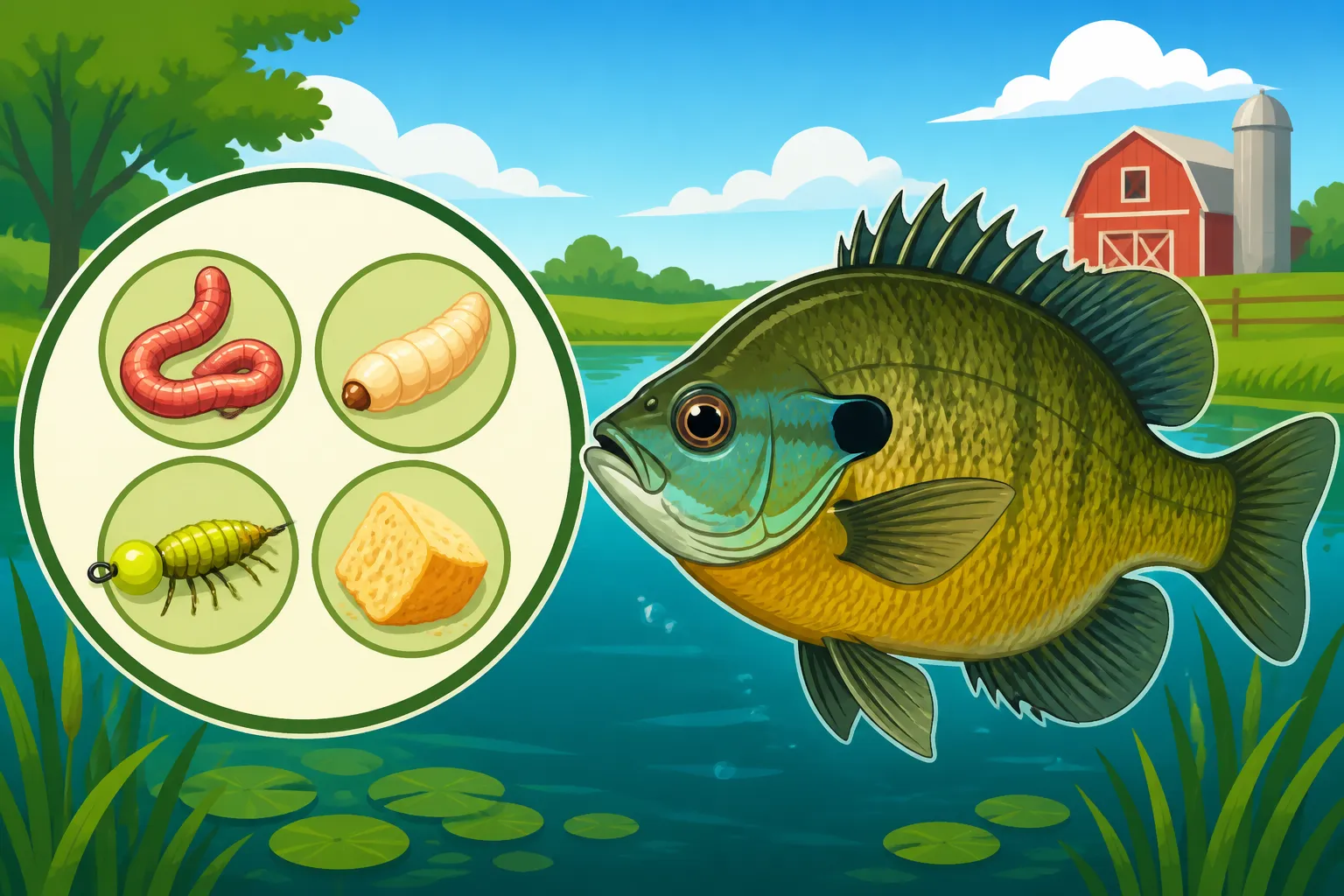
Ah, the humble earthworm. If there's one bait that defines bluegill fishing, this is it. Nightcrawlers, red wigglers, garden worms – they all work wonders. Their wriggling action in the water is a magnet for bluegill, and the earthy scent they emit is something these fish simply can't ignore. For farm ponds, red wigglers are often a fantastic choice because they're smaller, more active, and their strong scent really travels in the water. You can buy them at virtually any bait shop, or you might even find them right in your own backyard after a good rain.
When rigging a worm, remember that bluegill have small mouths. You don't need to put a whole nightcrawler on a hook; often, a piece about an inch or two long is perfect. Thread it onto a small hook (size 8 or 10 is usually ideal) so the ends are free to wiggle enticingly. The goal is to present a juicy, struggling morsel that looks exactly like something that fell into the water or got disturbed from the bottom. Many anglers swear by pinching off the worm to release more of its natural juices, increasing the scent trail. It's a simple, effective, and economical bait that has stood the test of time for a reason.
Insects: Crickets, Grasshoppers, and Grubs
Beyond worms, insects are another natural bluegill delicacy, especially during the warmer months when they're plentiful around pond edges. Crickets are readily available at most bait shops and pet stores, offering a fantastic alternative to worms. Their chirping sound and active movement, when hooked lightly, make them incredibly appealing. Grasshoppers, caught from nearby fields, provide a larger, meatier meal that can often entice bigger bluegill, adding a bit more excitement to your catch. Just be sure to hook them gently through the collar or behind the head so they stay lively on the hook.
Then there are grubs and larvae, like wax worms and mealworms. These small, creamy-white critters are absolute bluegill candy, particularly when the water is cooler in early spring or late fall. They're packed with protein, have a soft body that bluegill love, and are incredibly easy to keep and handle. Many anglers find them especially effective when fished under a bobber or tipped onto a tiny jig. You can often find a good selection of these at local bait shops or order them in bulk online through retailers like Amazon. The key with all these insect baits is to keep them lively and present them in a way that mimics a natural meal struggling on the surface or sinking slowly through the water column.
Small Minnows: For When You Want the Big Bull Bluegill
While bluegill are often thought of as insect-eaters, don't underestimate their carnivorous side, especially the larger "bull" bluegill. These bigger fish aren't shy about chasing down a smaller meal, and that's where small minnows come into play. Golden shiners, fathead minnows, or even tiny creek chubs (check local regulations before using wild-caught baitfish!) can be incredibly effective for targeting those trophy-sized bluegill that might otherwise ignore your worm. A minnow, hooked lightly through the back or lips, offers a tantalizing shimmer and natural swimming action that can be irresistible.
The presentation here is crucial. You'll want a light wire hook (again, size 8 or 10 is usually fine, but you might go up to a 6 for larger minnows), and either a small split shot to keep the minnow in the strike zone or a bobber to suspend it at a specific depth. The idea is to let the minnow swim naturally, drawing attention. Be prepared for a more aggressive strike when using minnows, as the bigger bluegill tend to hit them with more force. This strategy is fantastic for when you've already caught a few smaller fish and want to try to upgrade your catch. Just remember to use minnows that are appropriate for the bluegill's mouth size – nothing too large, or they simply won't be able to get it in!
Effective Artificial Lures for Pond Panfish
While live bait is a bluegill magnet, there's a certain satisfaction that comes from fooling fish with an artificial lure. Modern artificial baits have come a long way, offering incredible realism in terms of shape, color, and action. They also offer convenience: no need to keep worms cool or chase after crickets! For the active angler who enjoys casting and retrieving, artificial lures can provide non-stop action, especially when bluegill are aggressive and willing to chase. They're also great for covering more water and probing different depths in a farm pond without having to constantly re-bait.
Tiny Jigs and Spinners: Flash, Wiggle, and Attract
When it comes to artificial baits for bluegill, tiny jigs and spinners are absolute workhorses. Jigs, usually 1/32 to 1/16 ounce, mimic small insects, larvae, or baitfish and can be fished in a variety of ways: suspended under a bobber, slowly retrieved, or vertically jigged. Pairing them with a tiny soft plastic body, like a tube jig or a small grub, adds even more appeal. The key is to impart subtle action – a slight twitch, a slow retrieve, or a gentle lift-and-drop. Colors like chartreuse, white, black, or natural insect patterns often perform exceptionally well.
Small inline spinners, like those made by brands often found on Amazon or at local tackle shops, combine flash and vibration to call in bluegill from a distance. The spinning blade creates an irresistible visual and auditory attractant. Sizes between 00 and 1 are usually perfect for bluegill. Cast them out and retrieve slowly, just fast enough to get the blade spinning. They're particularly effective around weed edges or submerged cover where bluegill might be ambushing prey. Don't be afraid to experiment with different blade colors (silver, gold, painted) and feather or plastic dressings on the hook. These lures are fantastic for Best Bluegill Fishing Techniques for Kids because they're easy to cast and retrieve and provide instant gratification when a fish strikes.
Soft Plastics and Micro Baits: Mimicking Natural Prey
Soft plastic baits have revolutionized fishing, and their miniature versions are perfect for bluegill. These baits come in an astonishing array of shapes, sizes, and colors, designed to imitate everything from tiny worms and grubs to insect larvae and minnows. Think small grub tails, tiny minnow imitations, or even micro "creature" baits that have little legs and antennae. They are incredibly versatile and can be fished alone on a jig head, or sometimes even tipped with a piece of live bait for added scent and appeal. The best ones often have a lot of subtle action, even on a slow retrieve.
The beauty of micro soft plastics is their realism and versatility. You can match the hatch, so to speak, by choosing plastics that resemble the prevalent insect life in your specific farm pond. Many of these plastics are scented or come infused with fish attractants, giving them an edge over unscented options. Brands like Berkley PowerBait offer a wide range of panfish-specific plastics that are readily available. These are excellent for targeting bluegill that might be a bit pickier, or when you want to experiment with different colors and profiles. Look for small containers of these at your local sporting goods store or browse a vast selection online through Amazon.
Other Clever Baits and Rigging Tips for Bluegill Success
Sometimes, the best bait isn't found in a tackle shop. Bluegill, especially those in smaller, community-accessed farm ponds, can become accustomed to a variety of human-introduced foods. Being resourceful and thinking outside the box can lead to some surprisingly productive fishing trips. Plus, getting creative with your bait can add an extra layer of fun to your angling adventures.
Unexpected Kitchen Baits That Work
You might be surprised at what bluegill will hit that comes straight from your kitchen! Bread, for example, can be incredibly effective. A small piece of white bread, balled up and pressed onto a tiny hook, becomes a soft, floating meal that bluegill often find irresistible, especially if they’ve been fed by people before. The bread quickly softens in the water, creating a chum trail that can attract more fish. Dough balls, made from flour and water (sometimes with a little vanilla extract or sugar added), offer a more robust, longer-lasting alternative. These are cheap, easy to make, and can be a fantastic option when you're in a pinch.
Canned corn and peas are two more surprising champions. Their bright color and sweet scent can be very appealing to bluegill. Hook a single kernel of corn or a couple of peas onto a small hook, and you've got a bait that stands out and smells enticing. These baits are particularly good if the water is a bit murky, as their vibrant colors can still be seen. While not as active as live bait, their novelty and scent can often trigger bites, especially from smaller, less wary bluegill. Always remember to use small quantities to avoid overfeeding the fish and polluting the pond.
The Right Presentation: Bobbers, Bottom Rigs, and Ultra-Light Gear
Having the best bait is only half the battle; how you present it makes all the difference. For bluegill in farm ponds, simplicity often reigns supreme. The classic bobber setup is arguably the most popular and effective. A small bobber (pencil or round) allows you to suspend your bait at a precise depth, whether that's just below the surface, in the middle of the water column, or right above the pond bottom. It also provides that exciting visual strike indication that kids and adults alike love. How to Catch Bluegill for Beginners often starts with this very setup, and for good reason.
When bluegill are deeper or hugging the bottom, a simple bottom rig is the way to go. This typically involves a small weight (split shot or small egg sinker) above a swivel, with a short leader (6-12 inches) tied to your hook. This setup ensures your bait stays down where the fish are, especially useful on windy days or when fishing deeper holes. Finally, using ultra-light gear is paramount for bluegill success. A light-action rod, a small spinning reel, and 4-6 pound test line will allow you to cast tiny baits, detect the lightest bites, and fully enjoy the fight of even a small bluegill. Check out our guide on Best Panfish Rods for Indiana Ponds for recommendations on the right gear.
Here's a quick comparison of popular bluegill baits:
| Bait Type | Best Season | Ease of Use | Effectiveness | Pros | Cons |
|---|---|---|---|---|---|
| Red Worms | All Seasons | Easy | High | Natural scent, active movement, cheap | Can be messy, smaller fish can steal bait |
| Crickets | Summer/Fall | Moderate | High | Great surface appeal, natural prey | Can be fragile, harder to keep alive |
| Wax Worms | Spring/Fall/Winter | Easy | High | Clean, long-lasting, irresistible scent | Smaller size, might attract smaller fish |
| Small Minnows | All Seasons | Moderate | High (for big bluegill) | Targets larger fish, realistic movement | Requires livewell/aerator, more effort |
| Micro Jigs | All Seasons | Moderate | High | Versatile, reusable, covers water | Requires active retrieval, less scent |
| Small Spinners | All Seasons | Easy | Moderate-High | Flash and vibration attracts fish | Can twist line, less subtle than jigs |
| Bread Balls | All Seasons | Easy | Moderate | Cheap, easy to find, creates chum | Falls off easily, dissolves quickly |
| Corn Kernels | All Seasons | Easy | Moderate | Bright color, sweet scent, clean | Less active, fish can be wary of it |
| PowerBait | All Seasons | Easy | High | Strong scent, long-lasting, versatile | Less natural action, artificial texture |
The next time you head out to your favorite Indiana farm pond, armed with a variety of these baits and a good understanding of bluegill behavior, you’ll be well on your way to a cooler full of panfish. Remember, fishing is all about experimenting and finding what works best on any given day. You might find that a simple worm fished under a bobber is still the king, or perhaps a tiny jig will unlock a whole new level of action. Happy fishing, fellow Hoosier anglers!
Disclaimer
This article is for general informational purposes only and does not constitute professional advice. Laws, prices and regulations vary by location and change over time. Consult a qualified professional for guidance on your specific situation.