Best Bait for Wiper Fishing in Local Reservoirs
Oh, the elusive wiper! If you've spent any time on Indiana's big reservoirs, you know the thrill and frustration of chasing these hard-fighting hybrid striped bass. They're strong, they're fast, and they can be incredibly picky one day, then seemingly bite anything the next. It’s enough to make you scratch your head and wonder if you're ever going to figure them out. This guide is all about cutting through that confusion, helping you understand what makes these fish tick and, most importantly, arming you with the best bait choices to bring those powerful wipers to your net.
Understanding Hybrid Striped Bass (Wiper) Behavior
Before we even talk about hanging a juicy bait on a hook, it's crucial to understand the fish we're after. Wipers aren't your typical bass or panfish; they're a unique challenge that requires a bit of insight into their biology and habits. Once you grasp what drives them, choosing the right bait becomes a whole lot easier, and your success rate will soar.
Why Wipers Are So Challenging and Rewarding
Hybrid striped bass, or "wipers" as we affectionately call them, are a cross between a striped bass and a white bass. This genetic mashup creates a fish with the brute strength and size potential of a striper, combined with the aggressive, schooling nature of a white bass. They are truly the ultimate freshwater fighting machine, and that's precisely what makes them so exhilarating to catch. When a wiper hits your line, there's no mistaking it – it's an immediate, drag-screaming run that will test your tackle and your angling skills.
But here's the rub: that same powerful, aggressive nature also makes them incredibly nomadic and sometimes unpredictable. They chase huge schools of baitfish, often suspending in open water or patrolling vast stretches of reservoir. Finding them is half the battle, and then convincing them to bite when they're gorging on natural forage is the other. That challenge is precisely why landing a big wiper feels like such an accomplishment. You're not just catching a fish; you're winning a tug-of-war against a determined, powerful opponent. If you're looking for Hybrid Striped Bass (Wiper): Indiana's Hard-Fighting Sport Fish, you've come to the right place.
What Wipers Eat Naturally in Indiana Reservoirs
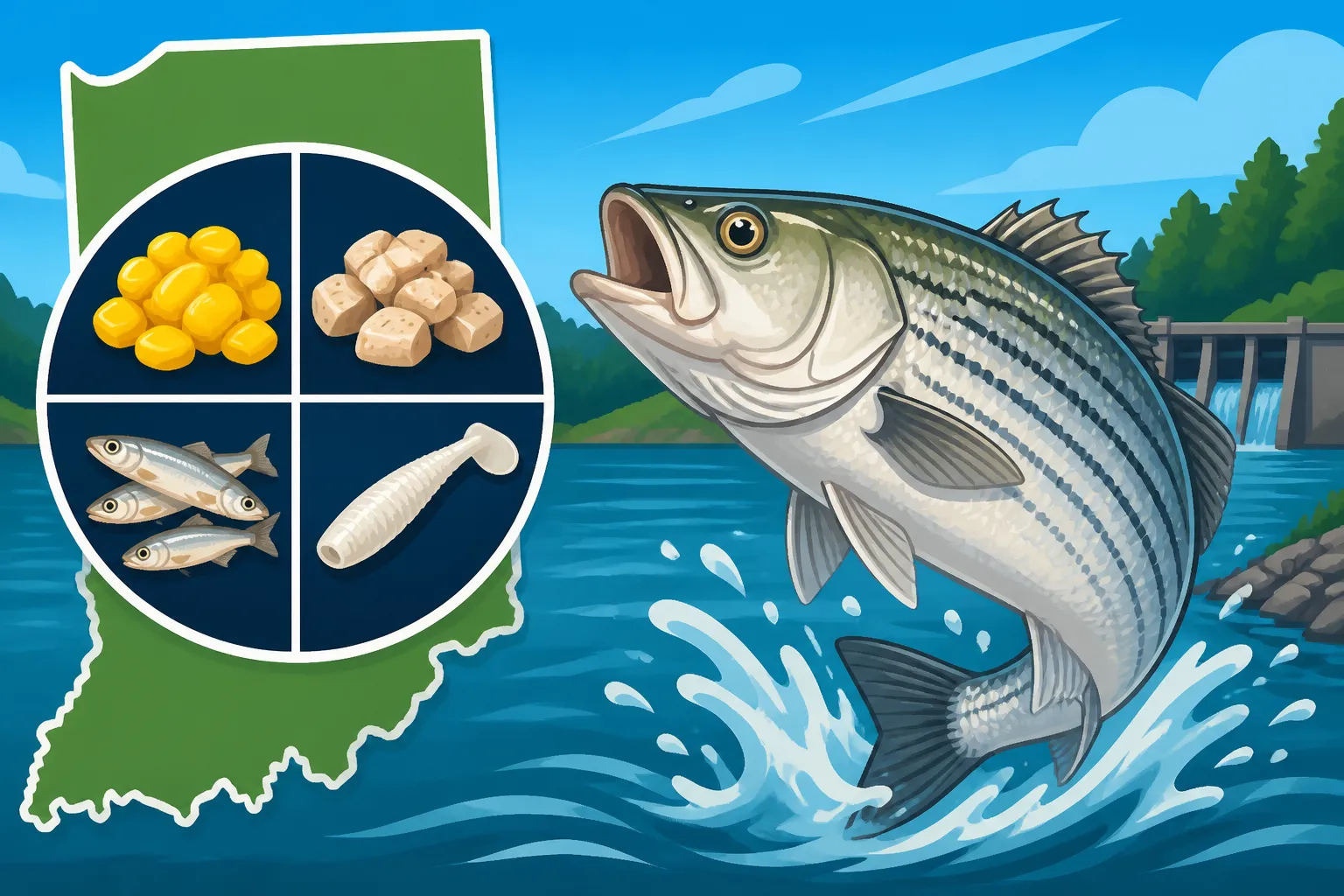
To truly understand the Best Bait for Wiper Fishing in Local Reservoirs, we need to think like a wiper. These fish are primarily piscivores, meaning their diet consists almost exclusively of other fish. In Indiana's reservoirs, their main course is typically shad, specifically gizzard shad and threadfin shad. These silvery baitfish are abundant in many of our larger impoundments like Monroe, Patoka, and Brookville, and wipers are perfectly adapted to hunting them down in open water.
Wipers will often herd these baitfish into tight balls, then slash through them, creating chaotic surface boils that are a dead giveaway to their presence. Beyond shad, they'll also gobble up alewives, small bluegill, and various minnow species. Their highly efficient, predatory feeding style means that anything you present to them that mimics these natural food sources – either in appearance, movement, or smell – is going to be your best bet. Forget the worms and corn for these guys; we're targeting a serious predator with a serious appetite for other fish. Understanding What Does a Striped Bass Eat in Freshwater Reservoirs? is key to consistent success.
Top Live Baits for Wiper Fishing in Indiana Reservoirs
When wipers are finicky, or when you simply want to offer them the most irresistible meal possible, live bait is almost always the answer. Nothing truly imitates the erratic, vulnerable movements of a panicked baitfish like the real thing. It triggers their predatory instincts in a way that artificials sometimes can't, especially when they're pressured or focused on a particular forage.
The Unbeatable Power of Live Shad
If there's one bait that stands head and shoulders above the rest for wiper fishing in Indiana, it's live shad. Period. This is their natural, preferred food source, and when you present a lively shad to a hungry wiper, it's often an immediate game-changer. The way a fresh shad quivers and darts in the water is simply irresistible.
To effectively use live shad, you first need to catch them. This usually means a good cast net – a must-have piece of equipment for any serious wiper angler. Look for shad in shallow coves, around submerged brush, or near boat ramps, especially in the early morning. Once you have them, keeping them alive is paramount. A quality bait tank with good aeration and filtration is essential. You'll want to keep the water cool and clean. When fishing, nose-hooking a shad with a small, sharp circle hook allows it to swim freely and naturally. You can free-line them, suspend them under a bobber, or slow-troll them. The key is to let that baitfish do its job: look alive and delicious. Best Bait for Yellow Perch in Indiana Lakes and other panfish can sometimes be smaller shad, highlighting their importance in the food chain.
Other Effective Live Bait Options
While shad are king, they aren't always available or easy to keep. Thankfully, wipers aren't exclusively shad-eaters, and other live bait can certainly produce fantastic results.
- Large Minnows and Shiners: These are readily available at most bait shops and can be a fantastic alternative. Fathead minnows, golden shiners, or even large emerald shiners can mimic small baitfish effectively. Hook them through the lips or just behind the dorsal fin for best swimming action. They might not have the same flashy appeal as shad, but a school of lively shiners can definitely get a wiper's attention, especially if shad populations are lower in a particular reservoir. Many anglers find it convenient to buy these at local bait shops, but sometimes they're available for order on platforms like Amazon for those who prefer to buy in bulk or have them shipped.
- Small Bluegill or Perch: In some situations, especially where larger wipers might be targeting bigger meals, a small bluegill or yellow perch (check local regulations for legality and size limits on using game fish as bait) can be incredibly effective. These are hardy baits that stay alive well on the hook. Just make sure they're of a size that a wiper can easily swallow, typically 2-4 inches. Their vibrant colors and strong swimming action can trigger powerful strikes. The importance of lively bait cannot be overstated; a sluggish bait will rarely draw a strike from an active wiper.
Best Artificial Lures for Wiper Fishing
Sometimes, live bait isn't practical, or you just prefer the challenge and satisfaction of fooling a fish with artificials. Thankfully, wipers are incredibly aggressive and will readily attack a well-presented lure. The key is to choose lures that imitate their natural prey – shad and other baitfish – in terms of size, profile, and action.
Crankbaits and Jerkbaits: Mimicking Baitfish
When wipers are actively chasing bait, few lures are more effective than crankbaits and jerkbaits. These lures are designed to imitate fleeing or wounded baitfish, and their erratic action often drives wipers into a feeding frenzy.
- Crankbaits: These lures come in various shapes and sizes, from shallow-diving models that work well over submerged weed beds or points to deep-diving versions that can reach wipers holding in deeper water. Look for shad-imitating colors like chrome, silver, white, or chartreuse. The retrieve is critical: a steady retrieve often works, but incorporating pauses, jerks, and changes in speed can mimic a distressed baitfish, making it irresistible. Lipless crankbaits, often called "rattletraps," are excellent for covering water quickly and generating reaction strikes with their loud rattles and vibrating action. Brands like Strike King and Rapala offer excellent options that are often available on Amazon.
- Jerkbaits: Longer and more slender than crankbaits, jerkbaits are designed to be fished with a "twitch, twitch, pause" retrieve. This makes them dart and suspend in the water, perfectly imitating a stunned or dying shad. They are particularly effective when wipers are a bit less aggressive or when fishing in clearer water where visual appeal is crucial. Again, natural baitfish colors are usually best, but don't shy away from bright colors if the water is stained. Mastering the cadence of the jerkbait can lead to some truly explosive strikes.
Spoons and Jigs: Vertical Presentations
When wipers are holding deeper, suspended in the water column, or schooled tightly around structure, vertical presentations with spoons and jigs can be incredibly effective. This approach allows you to put your bait directly into the strike zone.
- Spoons: Both casting spoons and jigging spoons have their place. Casting spoons, like a Kastmaster or Little Cleo, can be cast a mile and retrieved with an erratic wobble that mimics a dying baitfish. Jigging spoons, such as a large Cicada or a dense Hopkins Shorty, are dropped vertically into schools of fish you've located on your fish finder. A sharp lift and fall of the rod tip makes them flash and flutter, triggering powerful reaction strikes. Metallic colors like silver, gold, or even blue and chrome are usually top producers. The flash and vibration can be key, especially when fishing for Walleye Fishing Tips for Indiana's Large Rivers or other species that rely on visual cues.
- Jigs with Soft Plastics: A heavy jig head paired with a paddle tail swimbait or a fluke-style soft plastic is a deadly combination. The paddle tail creates a thumping vibration that mimics a swimming baitfish, while the fluke has an irresistible darting action. These can be cast and retrieved steadily, jigged vertically, or even trolled. Choose colors that match the local baitfish or bright patterns for stained water. Whites, silvers, chartreuses, and pearl-blue are excellent starting points. Many anglers keep a wide array of soft plastics on hand, often purchasing variety packs from retailers that can be found on Amazon.
Topwater Lures for Explosive Strikes
For pure adrenaline-pumping action, nothing beats a topwater strike from a wiper. When conditions are right, and wipers are pushing bait to the surface, throwing a topwater lure into the fray can result in heart-stopping explosions.
- Poppers: These lures have a cupped face that "pops" and sprays water when twitched, mimicking a feeding fish or a struggling baitfish on the surface. They are fantastic for drawing aggressive strikes.
- Walk-the-Dog Lures: Zara Spooks and similar lures are designed to be retrieved with a side-to-side "walking" action that is incredibly enticing. This retrieve requires a bit of practice but is highly rewarding.
- Prop Baits: Lures with small propellers on the front or back create a disturbance and gurgling sound that can call in wipers from a distance.
Topwater fishing is usually best during low-light conditions – dawn, dusk, or on overcast days – or when you actually see wipers boiling on the surface. The calmer the water, the better the presentation, as it allows the fish to easily spot and react to your lure. This is also a fantastic technique for Dawn and Dusk Fishing Techniques for many other species.
Factors Influencing Bait Choice for Wipers
Choosing the "best" bait isn't a one-size-fits-all situation. Wipers, like all fish, are influenced by their environment. Understanding these factors will help you make smarter decisions on the water and switch up your strategy when something isn't working. It's not just about having the right bait, but using the right bait at the right time.
Water Conditions: Clarity, Temperature, and Current
The condition of the water you're fishing in plays a huge role in how wipers react to your bait.
- Water Clarity: In clear water, wipers rely heavily on sight. This means natural colors, realistic profiles, and subtle actions in your lures or live bait are often more effective. Highly reflective lures like chrome crankbaits or silver spoons can be deadly. In stained or murky water, visibility is reduced, so you'll want baits with more vibration, scent, or brighter, contrasting colors (like chartreuse, orange, or black). Loud rattles in crankbaits also become more important here.
- Water Temperature: Wipers are generally more active and aggressive in warmer water, typically from the high 50s to the low 80s Fahrenheit. In these conditions, they'll chase fast-moving lures and actively hunt live bait. As the water cools, their metabolism slows, and they become less willing to chase. Slower presentations, smaller baits, or vertically jigged lures and spoons become more effective as they conserve energy. Understanding Water Temperature and Fish Feeding Patterns is crucial for all types of fishing, including for wipers.
- Current: Many Indiana reservoirs have some level of current, especially near dams or spillways, or even from wind pushing water. Wipers will often orient themselves into the current, waiting for food to be swept to them. This makes presenting bait upstream and allowing it to drift naturally into their strike zone incredibly effective. Live bait or subtle jigs that can drift naturally will often outperform lures that fight the current too aggressively.
Time of Day and Seasonality
Wiper behavior is highly cyclical, both daily and seasonally. Paying attention to these patterns will dramatically improve your chances.
- Time of Day: Just like many predators, wipers often exhibit peak feeding activity during low-light periods – early morning and late evening. This is when they're most comfortable pushing baitfish to the surface or moving into shallower areas to feed. Midday can still be productive, but they often move to deeper, cooler water or suspend in open water, requiring different tactics like deep jigging or trolling. For those who enjoy the quiet of the night, Night Fishing Techniques for Catfish sometimes cross over, as wipers can also be active after dark, especially on moonlit nights, chasing shad.
- Seasonality:
- Spring: As water warms, wipers become very active. They'll follow baitfish into shallower coves and creek arms. This is a prime time for both live bait and aggressive artificials like crankbaits and jigs.
- Summer: Wipers often move to deeper, cooler water in the main lake basins, or they'll be found around deep structure like submerged humps, points, and ledges. Look for them suspending over baitfish schools in open water. Downriggers for trolling or heavy jigging spoons are effective. Early mornings and late evenings can bring them to the surface. This is a great time to experiment with Best Lures for Summer Fishing.
- Fall: As water temperatures cool, wipers often become incredibly aggressive again, feeding heavily in preparation for winter. This is a fantastic time for both surface boils and powerful strikes on crankbaits, jerkbaits, and large spoons. They may move into shallower areas more consistently.
- Winter: Wiper fishing can be tough in winter, but not impossible. They'll often be found in deep holes, near dam faces, or around the warmest water available. Vertical jigging with spoons or slow-moving live bait can entice a strike from these sluggish fish.
Locating the Wiper Schools
You can have the best bait in the world, but if you're not putting it in front of the fish, it won't do you any good. Wipers are highly migratory and often travel in large schools, making their location the single most important factor.
- Fish Finders: A good fish finder is an indispensable tool for wiper fishing. Look for large schools of baitfish, and then look for the tell-tale arcs of wipers underneath or around them. They often appear as large, dense arcs or even stacked like cords of wood. Investing in a Fish Finder Buying Guide for Freshwater Lakes can be a game-changer.
- Reading Structure: Wipers will often relate to submerged structure, even in open water. Look for points, humps, ledges, and channels. These are ambush points where they can corral baitfish. Knowing the topography of the reservoir is key; many anglers study contour maps beforehand.
- Observing Surface Activity: The most exciting way to find wipers is to spot them busting bait on the surface. These "boils" or "blowups" are unmistakable – large areas of churning water as wipers actively feed. When you see this, race to the area (safely, of course!) and cast topwater lures, lipless crankbaits, or quickly get a live shad into the frenzy. This is the moment for quick action and aggressive presentations.
Ultimately, wiper fishing is a dynamic pursuit. What works one day might not work the next. The most successful anglers are those who are willing to experiment with different baits, retrieves, and locations until they crack the code for that particular day. Have a variety of options ready, and be prepared to adapt!
Wiper Bait & Lure Quick Reference
To help you decide what to tie on, here’s a handy table summarizing popular options for targeting those hard-fighting wipers in Indiana's reservoirs.
| Bait Type | Description | Best Conditions | Pros | Cons |
|---|---|---|---|---|
| Live Shad | Natural baitfish, 3-6 inches | All conditions, especially tough bites | Most natural, highly effective, irresistible | Hard to catch/keep alive, requires specialized gear |
| Live Minnows | Large shiners, fatheads, emerald shiners | Good alternative when shad are scarce | Easier to acquire/keep than shad, still very natural | Less effective than shad at times |
| Crankbaits | Diving and lipless, shad-colored | Active fish, covering water, various depths | Covers water quickly, triggers reaction strikes | Can snag, retrieve depth-dependent |
| Jerkbaits | Slender, suspending lures | Clear water, less aggressive fish, mimicking dying bait | Realistic darting action, effective pause-and-go | Requires specific retrieve, less weedless |
| Jigging Spoons | Heavy metal lures, silver/gold | Deep-holding fish, vertical presentation | Fast drop, good flash/vibration, effective on schools | Can snag on bottom, specific technique |
| Soft Plastic Swimbaits | Paddle tail or fluke on a jig head | Versatile, various depths, good action with slow retrieve | Highly customizable, realistic profile and movement | Can be torn by fish, need proper jig head matching |
| Topwater Lures | Poppers, walk-the-dogs, prop baits | Surface activity, low light, calm water | Explosive strikes, visually exciting | Only effective in specific surface conditions |
Disclaimer
This article is for general informational purposes only and does not constitute professional advice. Laws, prices and regulations vary by location and change over time. Consult a qualified professional for guidance on your specific situation.