Water Temperature and Fish Feeding Patterns
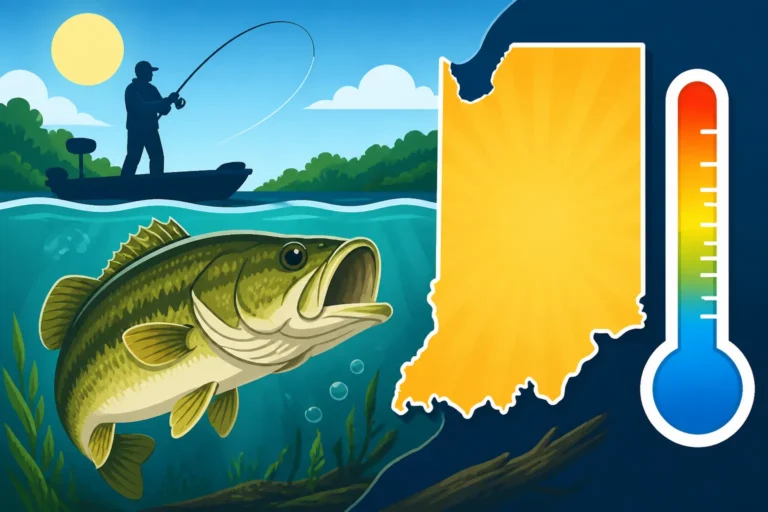
Have you ever found yourself out on an Indiana lake, lake, or river, scratching your head because the fish just aren't biting, even though it's a prime time of day? It’s incredibly frustrating when you’ve done everything right, from picking the perfect spot to using your favorite lure, only to come up empty-handed. More often than not, the culprit isn't your technique or your gear; it's the invisible force of water temperature influencing fish feeding patterns. This comprehensive guide will peel back the layers of this crucial environmental factor, helping you understand how fluctuating water temperatures dictate where fish are, what they’re eating, and when they’re most active in Indiana waters.
The Fundamental Link: Why Water Temperature Matters So Much
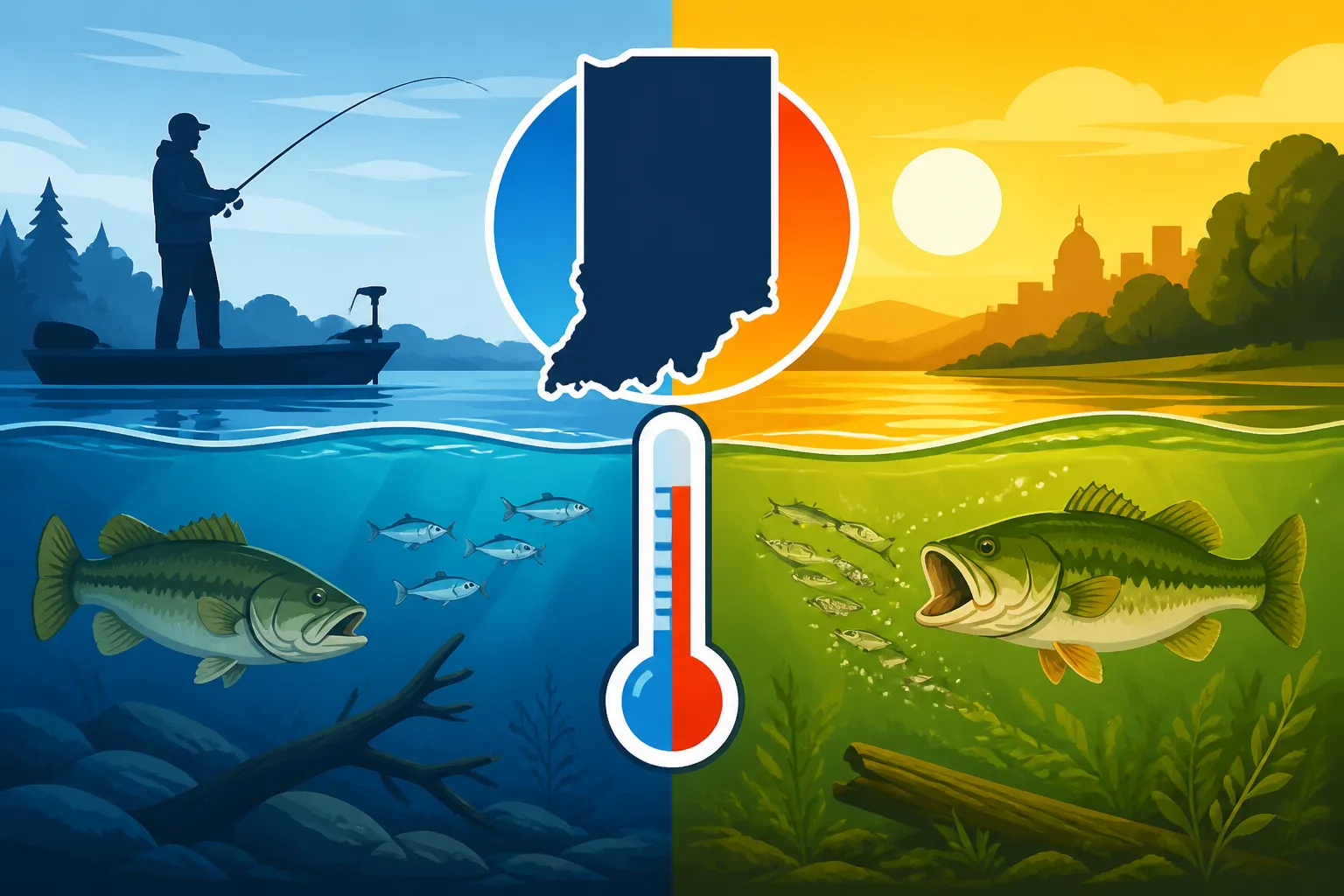
Think of water temperature as the silent conductor of an underwater symphony. Every creature in the aquatic world, especially fish, is highly sensitive to the temperature of its surroundings. It's not just about comfort; it's about survival. Their bodies are ectothermic, meaning they can't regulate their own internal temperature. Whatever the water temperature is, that's their body temperature, and this has a direct, profound impact on everything from their metabolism to their ability to digest food. Ignoring this critical factor is like trying to catch fish blindfolded.
Fish Metabolism and Activity Levels
When the water is cold, a fish's metabolism slows down significantly. Imagine trying to run a marathon in freezing temperatures – you'd conserve energy, move slower, and definitely wouldn't be thinking about a huge meal. Fish operate similarly. Their digestive systems work at a snail's pace, meaning they don't need to eat as much, and when they do, they're not expending a lot of energy to chase down fast-moving prey. This is why you often hear about sluggish bites in the winter. Conversely, as water warms up, their metabolism speeds up, making them more active, hungrier, and more aggressive. They need more fuel to sustain their heightened activity levels. This also dictates how quickly they process their last meal, driving them to seek food more frequently.
However, there's a sweet spot. Too cold, and they're lethargic. Too hot, and they can become stressed, seeking refuge in cooler, deeper waters or areas with more shade. They're constantly looking for that "Goldilocks" zone where they're most comfortable and can thrive. This comfortable range influences everything from their daily movements to their seasonal migrations. Understanding these zones for different species is key to consistently finding them.
Oxygen Levels and Comfort Zones
Another crucial, often overlooked, aspect of water temperature is its direct relationship with dissolved oxygen. Colder water holds more dissolved oxygen than warmer water. As water temperatures climb, the amount of available oxygen decreases, which can be a huge stressor for fish. Imagine trying to breathe in thin air; it's exhausting. When oxygen levels drop too low, fish will actively seek out areas where oxygen is more abundant, even if it means leaving their preferred feeding grounds.
This often leads fish to congregate near tributaries where fresh, oxygenated water flows in, or deeper sections of lakes where cooler, denser water typically holds more oxygen. During extreme summer heatwaves in Indiana, you might find fish seeking thermal refuge in springs, near aeration systems, or at the mouths of creeks. It’s not just about temperature for its own sake; it’s about the overall health of the environment that temperature helps regulate. Knowing these nuances can help you identify prime fishing spots even when conditions seem tough. You might find yourself searching for these spots with specialized electronics, and online retailers like Amazon offer a wide array of Best Fish Finders for Indiana Lake Fishing to help pinpoint these crucial areas.
Spring Warm-Up: Awakening the Bite
Ah, spring in Indiana! The ice is finally gone, the trees are budding, and anglers everywhere are buzzing with anticipation. This season is a transitional period, and fish behavior changes rapidly as water temperatures begin their slow but steady ascent. It’s a time of awakening, but also a time that demands careful observation of subtle temperature shifts to truly capitalize on the fishing opportunities.
Pre-Spawn Frenzy
As Indiana's lakes and rivers shake off their winter slumber, water temperatures slowly creep into the 40s and 50s (Fahrenheit). This rise signals the beginning of the "pre-spawn" period for many popular species like largemouth and smallmouth bass. Their metabolism kicks into gear, and they start to feed aggressively to build up energy reserves for the upcoming spawn. They’re looking for substantial meals, making them more susceptible to larger baits and more aggressive presentations.
During this time, you'll often find these fish staging in transition areas – moving from deeper wintering holes to shallower, warmer flats and points where they'll eventually spawn. These areas warm up faster due to direct sunlight. You can often pinpoint these fish by looking for sunny, wind-protected coves and northern shorelines that receive more direct sun exposure throughout the day. This is a fantastic time for active fishing, experimenting with crankbaits, spinnerbaits, and jerkbaits to cover water and find those hungry, pre-spawn fish. If you're targeting bass, understanding the specific timing is crucial, and our guide on Indiana Bass Spawn Timing and Pre-Spawn Patterns offers an in-depth look.
The Spawn and Its Aftermath
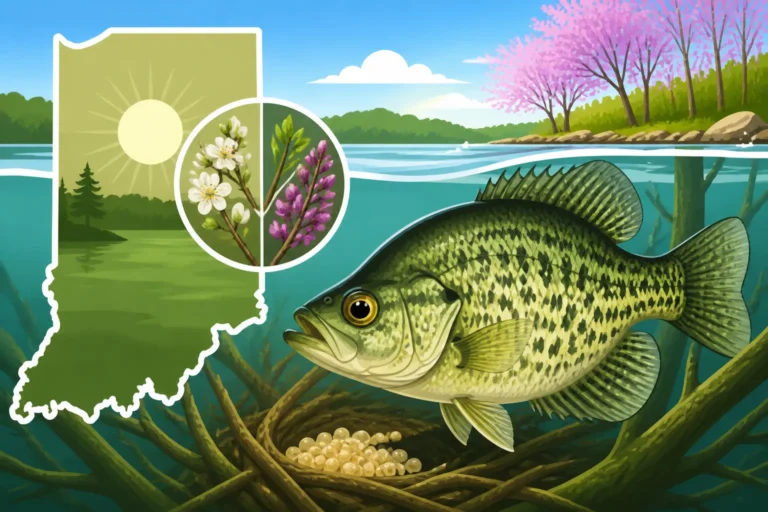
Once water temperatures reach their optimal spawning range (typically mid-60s for bass, sometimes lower for crappie), the fish shift their focus entirely to reproduction. During the actual spawn, which can last for several weeks depending on the species and conditions, feeding often takes a backseat. Male fish might aggressively guard nests, striking at anything perceived as a threat, but their intention isn't necessarily to eat. Females, once they've laid their eggs, are often exhausted and might not feed heavily immediately after.
This period can be tricky for anglers. While it might seem like fish are everywhere, they can be incredibly difficult to entice into a true feeding bite. Patience and finesse become your best friends. After the spawn, as water temperatures continue to rise, fish enter a "post-spawn" phase. They are typically recuperating, often scattered and lethargic from the spawning efforts. However, a few days to a week after spawning, they will begin to feed again to regain their strength, often moving to slightly deeper, yet still accessible, cover. Knowing when to target them as they recover and start feeding can make all the difference. Our article on Best Time of Year to Fish Monroe Lake for Bass in Indiana can provide excellent insights into these seasonal shifts on one of Indiana's premier lakes.
Summer Heat: Strategies for Warmer Waters
As Indiana summers arrive in full force, the sun beats down, and water temperatures climb into the 70s and 80s, creating new challenges and opportunities for anglers. Fish behavior shifts dramatically from the frenzied activity of spring, demanding a more nuanced approach. The key here is understanding how fish react to increased heat and decreased oxygen, and then adapting your tactics accordingly.
Seeking Deeper, Cooler Water
When surface water temperatures become uncomfortably warm, fish will actively seek refuge in deeper, cooler sections of lakes and reservoirs. This isn't just about escaping the heat; as we discussed, warmer water holds less oxygen. Deeper water layers often stratify, meaning they form distinct temperature bands, with cooler, more oxygenated water at the bottom. Structure becomes paramount here: submerged humps, deep points, ledges, and channels that offer access to these cooler zones are magnets for fish.
For bass anglers, this means focusing on offshore structures rather than shallow banks. Walleye, often preferring cooler water, will also be found in deeper areas, often suspended over open water or relating to deep rock piles. Even panfish will move deeper, though perhaps not to the same extreme depths as other species. Using electronics to identify these deeper structures and locate thermoclines (the boundary between warmer surface water and cooler deep water) can dramatically improve your success. This is where a good fish finder really earns its keep, showing you not just fish, but also structure and sometimes even temperature gradients. When the thermometer starts to climb, knowing how to fish Best Lures for Summer Fishing can dramatically increase your chances of success.
Low Light and Night Fishing Opportunities
The intense heat of midday during summer often translates to a sluggish bite. Fish become less active, preferring to conserve energy in their cooler, deeper sanctuaries. However, as the sun begins to set, and especially once darkness falls, water temperatures at the surface start to drop, and many species become more active. The low light conditions also provide a tactical advantage for predatory fish, making it harder for their prey to see them coming.
This makes dawn, dusk, and nighttime prime fishing hours during the summer. Catfish, in particular, are renowned for their nocturnal feeding habits, and night fishing can be incredibly productive for them. Bass will also move into shallower water under the cover of darkness to hunt. Using topwater lures, dark-colored jigs, and slow-moving baits can be incredibly effective during these times. Just remember to bring a headlamp (many great options are available on Amazon) and be aware of your surroundings, as night fishing brings its own unique set of considerations. For those targeting whiskered critters, our guide on Night Fishing Techniques for Catfish offers excellent advice.
Fall Cooling: Feeding Before Winter
As the vibrant colors of autumn sweep across Indiana, a new chapter begins for anglers. The cooling water temperatures signal a change in fish behavior that often leads to some of the year's best fishing opportunities. It’s a time of transition, a final push for many species to fatten up before the long, lean months of winter arrive.
The Autumn Feast
When fall begins, and water temperatures start to drop from their summer highs into the 60s and 50s, many fish species enter a "feeding frenzy" phase. This is their biological imperative to consume as much food as possible, building up crucial fat reserves to sustain them through the cold winter when food is scarce and metabolism is slow. This means they are often more aggressive and willing to chase down a wider variety of baits. For many, this is the Best Bait and Lures for Fall Fishing period.
You’ll often find baitfish congregating in shallower areas, pushed by cooling water, and predatory fish like bass, walleye, and pike will follow close behind. Look for active schooling baitfish near points, coves, and main lake flats. This is a fantastic time for power fishing with crankbaits, spinnerbaits, and even topwater lures early in the day as the fish are actively hunting. The cooling water also revitalizes species that were sluggish in the summer heat, making them more accessible and aggressive. Our article on Best Time of Year for Muskie Fishing in Indiana highlights how fall conditions activate these apex predators.
Transitioning to Winter Holds
As fall progresses and water temperatures continue their descent into the 40s, fish begin to transition from their autumn feeding grounds to their deeper wintering holes. This migration is driven by the need to find stable water temperatures and protection from harsh weather. They’re still feeding, but their movements become more predictable, and their bites often become more subtle.
During this late fall period, focus on deeper breaks, channel swings, and main lake points that offer direct access to deep water. Fish will often stack up in these areas, making them prime targets if you can find them. Jigging spoons, blade baits, and slow-moving plastics become more effective as fish become less willing to chase. Understanding how these transitions occur for different species, like the epic push of salmon and steelhead from Lake Michigan into tributaries, is key. Our guide on How Water Temperature Triggers the Fall Salmon Push Toward Shore explains this fascinating phenomenon for Lake Michigan anglers.
Winter Chill: Slow and Steady Wins the Race
When winter truly sets in across Indiana, and water temperatures plummet to their lowest points, angling takes on a different rhythm. This isn't a time for fast-paced, aggressive fishing; instead, it demands patience, precision, and an understanding of how fish conserve energy in the frigid environment. Don't let the cold deter you – winter fishing can be incredibly rewarding for those who adapt.
Metabolism Slows Down
In cold water, especially when temperatures dip into the 30s and low 40s, a fish's metabolism slows to a crawl. Their digestive processes are incredibly slow, meaning they don't need to eat frequently, and when they do, they're looking for an easy, high-calorie meal that requires minimal effort to catch. They are often less active, moving slowly and conserving energy. This means your presentations need to match their lethargic state.
Think small baits, slow retrieves, and precise presentations right in front of the fish. Vertical jigging with spoons or small jigs, slow-trolling live bait, or employing deadsticking techniques can be highly effective. Fish will often school up tightly in deeper, stable water, providing a concentrated target once you locate them. While the bite windows might be shorter and less frequent, catching a fish in the dead of winter can be incredibly satisfying, a true testament to an angler's skill and patience. If you're heading out in the cold, our article on Winter Fishing Patterns on Indiana Lakes provides even more insight. For durable, cold-weather fishing gear, check out the extensive options on Amazon.
Ice Fishing Considerations
For many Hoosier anglers, winter means ice fishing. This unique discipline is entirely dictated by water temperature (or lack thereof) and ice safety. Under the ice, water temperatures stabilize at around 39 degrees Fahrenheit just below the surface, creating a somewhat consistent environment for fish. While they are still lethargic, fish remain catchable, often congregating near structure or foraging for small prey.
The key to successful ice fishing is often finding subtle depth changes, weeds, or baitfish schools using your electronics. Jigging small spoons, tiny soft plastics, or using live bait like wax worms or minnows are popular and effective strategies. The best time for ice fishing is often during the first and last ice periods, when fish are a bit more active, and the weather isn't quite as brutal. Always prioritize safety first, ensuring the ice is thick enough before venturing out.
Species-Specific Temperature Preferences in Indiana
While general trends apply to most fish, each species has its own ideal temperature range where it thrives, feeds most actively, and spawns. Understanding these species-specific preferences is crucial for tailoring your approach and targeting certain fish effectively across Indiana's diverse waters.
Coldwater Species (Trout, Salmon)
Indiana's coldwater species, primarily trout and salmon, are most at home in chilly water. These fish are largely found in Lake Michigan and its tributaries, as well as in some stocked streams and ponds.
- Optimal Range: Generally, 45-65 degrees Fahrenheit.
- Behavior: In Lake Michigan, you'll find Chinook and Coho salmon, as well as various trout species like steelhead (rainbow trout), brown trout, and lake trout. During the warmer months, these fish will go deep, seeking cooler thermal refuges, often in the deeper parts of Lake Michigan. However, in spring and especially in fall, as lake temperatures drop, they move into shallower waters and eventually into tributary streams for their spawning runs. The fall run, in particular, is an incredible time to target them from piers and shorelines along Lake Michigan's Indiana coast or in rivers like the St. Joseph. They become incredibly active as the water cools, feeding aggressively.
- Fishing Tip: Pay close attention to current temperatures and historical run times. For the best action, our Lake Michigan Salmon and Steelhead Run Guide in Indiana is a must-read, detailing the specific times and locations where these magnificent fish can be found.
Coolwater Species (Walleye, Pike)
Walleye and Northern Pike are classic coolwater species that thrive in moderate temperatures. Indiana has fantastic walleye and pike fishing in its glacial lakes, particularly in the northern part of the state.
- Optimal Range: Generally, 50-70 degrees Fahrenheit.
- Behavior: Walleye are known for their preference for cooler, deeper water, often holding near structure like rock piles, humps, and ledges. They are light-sensitive, so they often feed most actively during low light conditions, like dawn, dusk, or even at night. As water temperatures heat up in summer, they'll retreat to the coolest, deepest parts of the lake. In spring and fall, as temperatures are in their preferred range, they can be found shallower, actively foraging. Northern Pike behave similarly, though they often relate more to weed lines and submerged vegetation, using these areas to ambush prey.
- Fishing Tip: For walleye, consider jigging or slow-trolling crankbaits along deep breaks. For pike, casting large spoons or spinnerbaits along weed edges can be highly effective. To truly nail down the timing, check out our insights on the Best Months for Walleye Fishing in Indiana's Glacial Lakes.
Warmwater Species (Bass, Panfish, Catfish)
These are the most ubiquitous fish in Indiana, found in almost every lake, pond, and river. They are adapted to warmer conditions and can tolerate a wider range of temperatures.
- Optimal Range:
- Largemouth & Smallmouth Bass: 60-80 degrees Fahrenheit.
- Crappie, Bluegill, Sunfish (Panfish): 65-85 degrees Fahrenheit.
- Catfish (Channel, Flathead, Blue): 70-90 degrees Fahrenheit.
- Behavior:
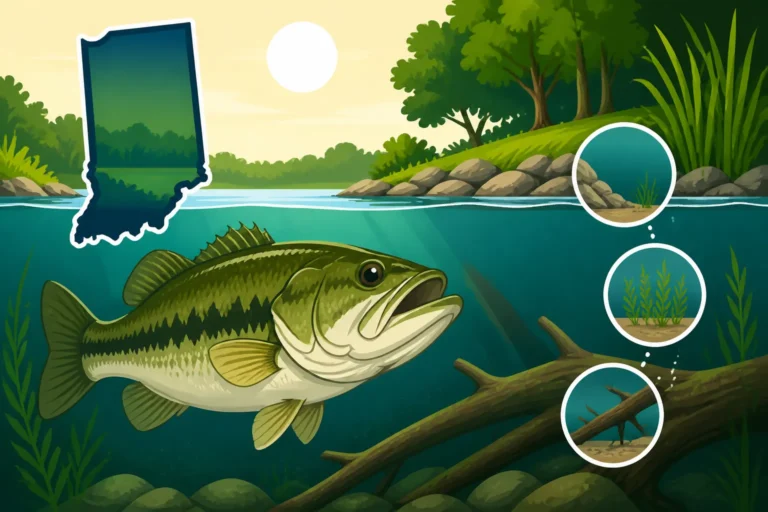
- Bass: Love warmer water and become incredibly active, aggressive, and highly catchable in their optimal range. They'll actively hunt in shallow cover during spring and fall. In summer, they'll move deeper or into dense cover and shade during the heat of the day, becoming more active at dawn, dusk, and night.
- Panfish: Similar to bass, they thrive in warm waters. They're often found in and around vegetation, docks, and other shallow cover. They are a fantastic target for beginners and kids, particularly during the warmer months when they are plentiful and eager to bite.
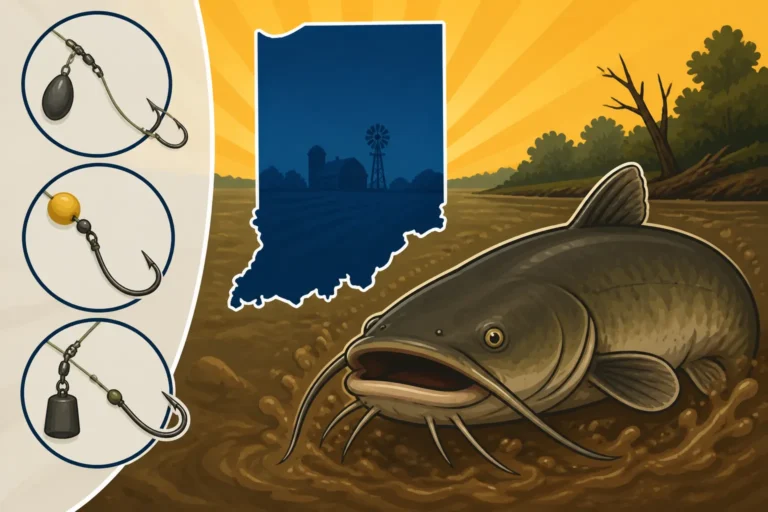
- Catfish: Are perhaps the most heat-tolerant of Indiana's sportfish. They truly come alive in warm water, often preferring the highest temperatures. This makes them excellent targets in the dog days of summer, especially at night when they actively cruise the bottom for food.
- Fishing Tip: For bass, use a variety of lures, from topwater to soft plastics, adjusting to conditions. Panfish are great for light tackle, worms, and small jigs. Catfish respond well to cut bait, stink baits, or live bait fished on the bottom. To optimize your bass fishing, understanding the sweet spot is key, and our guide on Best Water Temperature for Bass Fishing in Indiana offers valuable tips.
Optimal Temperature Ranges for Common Indiana Fish Species
Understanding the preferred temperature ranges for different fish species can drastically improve your fishing strategy. This table offers a quick reference for some of Indiana's most popular catches. Keep in mind these are general guidelines, and fish may tolerate or seek out slightly different temperatures based on oxygen levels, available food, and spawning cycles.
| Fish Species | Preferred Temperature Range (Fahrenheit) | Spawning Temperature Range (Fahrenheit) | Notes |
|---|---|---|---|
| Largemouth Bass | 60-80 | 60-70 | Highly active and aggressive in preferred range; seek shade in high heat. |
| Smallmouth Bass | 55-75 | 58-68 | Prefers clearer, rockier waters than largemouth. |
| Walleye | 50-70 | 42-52 | Light-sensitive, often feed best at dawn/dusk/night. |
| Northern Pike | 50-70 | 40-50 | Ambush predators, often near weed lines. |
| Channel Catfish | 70-90 | 65-75 | Very tolerant of warm water; often nocturnal feeders. |
| Bluegill / Sunfish | 65-85 | 68-75 | Abundant in shallow cover; great for beginners. |
| Black Crappie | 60-75 | 60-68 | Schooling fish, often near submerged timber or brush. |
| Chinook Salmon | 45-65 | N/A (Migrates to rivers) | Lake Michigan species, runs rivers in fall to spawn. |
| Coho Salmon | 45-65 | N/A (Migrates to rivers) | Lake Michigan species, runs rivers in fall to spawn. |
| Steelhead (Rainbow Trout) | 45-65 | N/A (Migrates to rivers) | Lake Michigan species, runs rivers in fall and spring to spawn. |
| Brown Trout | 45-65 | 44-50 | Found in Lake Michigan and some coldwater streams. |
Disclaimer
Fishing regulations and environmental conditions, including water temperatures, can change. Always consult the latest Indiana Department of Natural Resources (IDNR) regulations before heading out. Exercise caution and prioritize safety on the water, especially during extreme weather conditions.