Indiana Bass Spawn Timing and Pre-Spawn Patterns
For any angler in Indiana, understanding the rhythm of the largemouth and smallmouth bass population is the key to consistent success. Nothing is more frustrating than hitting the water feeling prepared, only to find the bass completely unresponsive because you’ve missed their seasonal shift. That's why diving deep into Indiana's bass spawn timing and the crucial pre-spawn patterns is absolutely essential for anyone looking to truly master fishing these magnificent sport fish. This comprehensive guide will unravel those mysteries for you.
Understanding the Indiana Bass Annual Cycle
Before we even talk about the spawn, it’s vital to grasp that bass behavior isn't just about the calendar; it's intricately tied to environmental cues, with water temperature being the absolute biggest player. Think of it like a grand play, where the rising and falling temperatures are the stagehands, setting the scene for each act of the bass’s year. Missing these cues means you're likely to be fishing the wrong depths with the wrong lures, wondering why everyone else is having all the luck.
The Importance of Water Temperature
Water temperature is the master switch for bass activity. As the winter chill slowly fades and the sun begins to warm the water, bass start to stir. This gradual warming, typically starting in late February and picking up steam through March and April in Indiana, cues them into the upcoming metabolic changes and, eventually, their reproductive cycle. For the pre-spawn phase, you're generally looking for water temperatures in the 45 to 60-degree Fahrenheit range. During this time, bass are emerging from their deeper wintering holes and moving towards transition areas, becoming increasingly active as they feed heavily. They need to pack on calories for the energy-intensive spawning process that lies ahead.
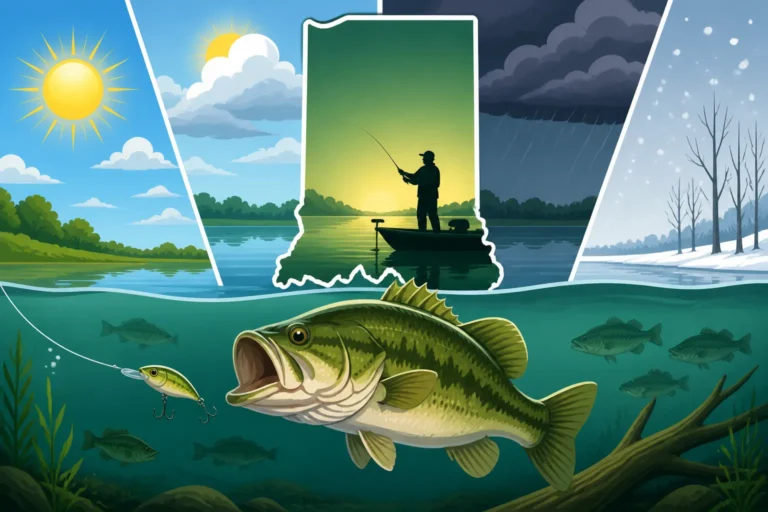
Once the water hits a more consistent 60 to 70 degrees, that's the signal for the actual spawn to begin. This is often when you'll see males guarding beds in the shallows. A sudden cold front during this critical period can halt the spawn in its tracks, pushing fish back to deeper water for a few days until conditions stabilize. Conversely, a sustained warm spell can accelerate the process. Knowing the general water temperature of your favorite lake or river, which you can often find from boat electronics or by simply using a basic thermometer, is more important than the date on your calendar.
Key Stages of the Bass Season
The bass year in Indiana is a continuous cycle, each stage building on the last, but pre-spawn and spawn are arguably the most exciting times for anglers. The year kicks off with bass in a state of winter dormancy, typically in deeper, stable water with minimal activity. As spring approaches and water temperatures rise, we enter the pre-spawn phase, where bass become incredibly active feeders. This is a golden opportunity to catch some of the biggest fish of the year, as females are laden with eggs and gorging themselves.
Then comes the spawn itself, a period of reproduction where males create and guard nests, and females lay their eggs. While crucial for the species, this can be a more challenging time for anglers, as bass aren't primarily focused on feeding. Post-spawn sees females recovering in deeper water, while males continue to guard fry. Summer patterns settle in with bass often seeking cooler, oxygen-rich water or dense cover. Finally, fall brings another surge of feeding as bass prepare for winter, a period often referred to as the "second spring." This guide specifically targets those exhilarating pre-spawn and spawn moments when the biggest bass are often within reach. If you want to dive deeper into the full year's activities, check out our guide on Indiana Fishing Seasons A Month-by-Month Guide.
The Thrill of Indiana's Pre-Spawn Period
The pre-spawn period is a truly exhilarating time for Indiana bass anglers. It’s when the biggest bass are often at their most vulnerable, moving out of their deep winter haunts and staging in preparation for their annual ritual. If you want to target trophy-sized fish, this is often your best window of opportunity, but you need to understand their movements and motivations.
When Does Pre-Spawn Really Begin?
In Indiana, the pre-spawn period typically kicks off in late winter and transitions into early spring, but the exact timing can fluctuate quite a bit from year to year and even from lake to lake. Generally, as ice thaws and water temperatures begin to climb steadily into the high 40s and low 50s Fahrenheit, bass begin to shed their sluggish winter habits. In southern Indiana, lakes like Patoka Lake Fishing Guide for Bass and Crappie or Monroe Lake might see these conditions as early as late February or early March, especially during a mild spring. Further north, where the lakes are deeper and perhaps retain ice longer, such as the glacial lakes of Kosciusko County, it might not truly get going until mid to late March, or even April.
Weather patterns play a huge role. A few consecutive sunny, warm days can quickly heat up shallow coves and north-facing banks, drawing bass in from deeper water. However, a sudden cold snap with biting winds can reverse this trend, sending them scurrying back to more stable depths. This means staying flexible and observant is key. Don't rely solely on the calendar; watch those water temperatures and pay attention to local fishing reports. Understanding Indiana's Fishing License Year Runs April to March is also important as you plan your spring outings.
Where to Find Pre-Spawn Bass
During the pre-spawn, bass are essentially "staging" – they're hanging out in areas adjacent to their eventual spawning grounds, but still have access to deeper water and prime feeding opportunities. Look for these transition zones where deep water meets shallower flats or protected coves. Main lake points, especially those with a consistent drop-off, are goldmines. Channels that run into large spawning flats are also prime real estate, as bass will use these as highways.
Submerged cover like brush piles, rock piles, old stumps, or even artificial habitat placed by wildlife agencies can hold large concentrations of pre-spawn bass. They'll relate to these structures as ambush points for feeding and as temporary resting spots. Think about areas where they can quickly move up to feed in warmer water, and then retreat to cooler, deeper water if a cold front pushes through. For instance, on a lake like Monroe, you might find them congregated on the edges of large creek channels that lead into vast spawning coves. The best bass fishing lakes in Indiana all share these characteristics.
Aggressive Feeding Behavior
The pre-spawn period is characterized by incredibly aggressive feeding. Female bass are developing thousands of eggs, and both sexes need to build up massive energy reserves for the strenuous spawning process ahead. This means they are actively on the hunt for substantial meals. They’re not just nibbling; they’re trying to gorge themselves. This heightened metabolism and hunger make them much more willing to chase down and strike a lure.
This is why many anglers consider pre-spawn the best time to catch genuinely big bass. They're often less finicky than during other times of the year, responding well to larger, more substantial baits that mimic a hearty meal. Think about the biggest, most protein-packed forage available in the lake – shad, bluegill, crawfish – and choose your lures accordingly. They're looking for an easy, high-calorie meal, and if you present it correctly, they'll smash it.
Mastering Pre-Spawn Techniques and Lures
Since pre-spawn bass are so intent on feeding, this period offers a fantastic opportunity to use a wide array of lures and techniques. The key is to match your presentation to the specific water temperature, depth, and cover you’re fishing. You want to trigger those aggressive strikes and capitalize on their hunger.
Reaction Baits for Hungry Bass
When bass are actively chasing and feeling aggressive, reaction baits are your best friend. These lures are designed to provoke a strike, often by mimicking fleeing baitfish or crawfish.
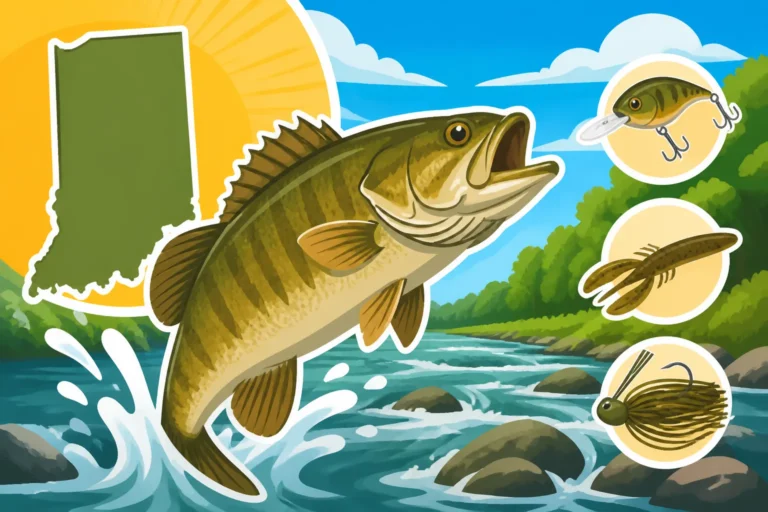
- Crankbaits: These are absolutely essential during the pre-spawn. Deep-diving crankbaits can effectively target bass holding on those crucial deep-water breaks and channel edges, diving down to 10-20 feet or more. Look for natural shad patterns or crawfish colors, as both are primary forage. Medium-diving crankbaits work wonders when bass move up onto shallower points and flats. Vary your retrieve speed: a steady retrieve is often good, but incorporating pauses and erratic twitches can trigger strikes when they're less active. Many anglers swear by Rapala or Strike King crankbaits, readily available on Amazon.
- Spinnerbaits: These versatile lures are fantastic for covering water, especially in stained or slightly murky conditions. The flash and vibration of the blades draw attention, while the skirt provides an enticing profile. Use tandem blade combinations (e.g., Colorado/Willow leaf) for maximum thump and flash. Slow-rolling a spinnerbait along a deep channel edge or burning it over submerged grass can both be incredibly effective, depending on the bass's mood.
- Chatterbaits (Bladed Jigs): These have exploded in popularity for a good reason – they combine the flash of a spinnerbait with the erratic action of a crankbait and the profile of a jig. Their unique vibration is a huge advantage in off-color water and can entice strikes from bass that might ignore other presentations. Try retrieving them with a stop-and-go motion, letting them fall slightly on the pause, mimicking a wounded baitfish.
Slow-Moving Baits for Cooler Waters
Even during pre-spawn, there will be days when bass are less aggressive due to cold fronts or slower warming trends. This is when slower, more deliberate presentations come into play.
- Jigs: A jig is a phenomenal pre-spawn bait. Football jigs are excellent for dragging across rocky bottoms and offshore humps, imitating crawfish. Flipping jigs are perfect for targeting isolated cover like wood, docks, or thick brush. Pair your jig with a soft plastic trailer (like a craw or creature bait) to add bulk and action. The key with jigs is to feel the bite, which can often be a subtle "thump" or a sudden weightless sensation. Learning How to Rig a Jig for Largemouth Bass can significantly improve your success.
- Alabama Rigs (Umbrella Rigs): When bass are suspended in open water or around standing timber, often chasing schools of baitfish, an Alabama rig can be devastating. This multi-lure rig mimics a small school of baitfish, triggering aggressive strikes from hungry bass. Check your local regulations, as some states have limits on the number of hooks per lure, but in Indiana, they are generally legal.
- Soft Plastics: While usually associated with finesse fishing, larger soft plastics can be very effective in pre-spawn. Swimbaits, especially those with a paddle tail, can be retrieved slowly near deep cover or along channel edges, perfectly mimicking a larger baitfish. Soft jerkbaits, fished with a twitch-pause retrieve, can also entice strikes from bass lurking in cooler water, making them believe a wounded baitfish is an easy meal. Many anglers find great deals on these soft plastics on Amazon. For specific advice, our guide on Best Bass Fishing Techniques for Pre-Spawn offers more in-depth strategies.
Decoding the Indiana Bass Spawn
The spawn is the culmination of the bass's annual cycle, a fascinating period where their focus shifts entirely to reproduction. For anglers, understanding this phase is crucial, not just for catching fish, but for ensuring the health and future of the fishery. It's a delicate balance between enjoying the sport and respecting the biological imperative of the fish.
The Critical Water Temperature Window
The actual spawn doesn't happen on a fixed date but rather within a specific, critical water temperature window. For largemouth bass in Indiana, this usually means when the water temperatures consistently hold between 60 and 70 degrees Fahrenheit. Smallmouth bass often prefer slightly cooler water, sometimes starting their spawn a bit earlier or in deeper sections of lakes or rivers when temperatures are in the mid to high 50s. This is the temperature range where male bass begin to build their nests, and females move in to lay their eggs. Our article on Best Water Temperature for Bass Fishing in Indiana offers further insights.
However, the spawn isn't just about hitting that magic number. Stability is equally important. A sudden cold front that drops water temperatures by several degrees can put the brakes on the spawn, causing bass to pull off their beds and retreat to slightly deeper water until conditions warm up again. This "on-again, off-again" spawning behavior can be frustrating for anglers, but it's a natural protective mechanism for the fish. A prolonged period of stable, warm weather is what truly gets the spawn in full swing across Indiana's lakes and reservoirs.
Locating Spawning Beds and Guarding Males
During the spawn, bass move into very specific areas to build their nests, also known as beds. These are typically shallow, protected areas, often in less than 5 feet of water, with hard bottoms like gravel, sand, or shell beds. Look for them in the backs of coves, on shallow main lake flats, around isolated stumps, or even along rip-rap shorelines. Areas with good sunlight penetration and protection from wind and waves are prime locations.
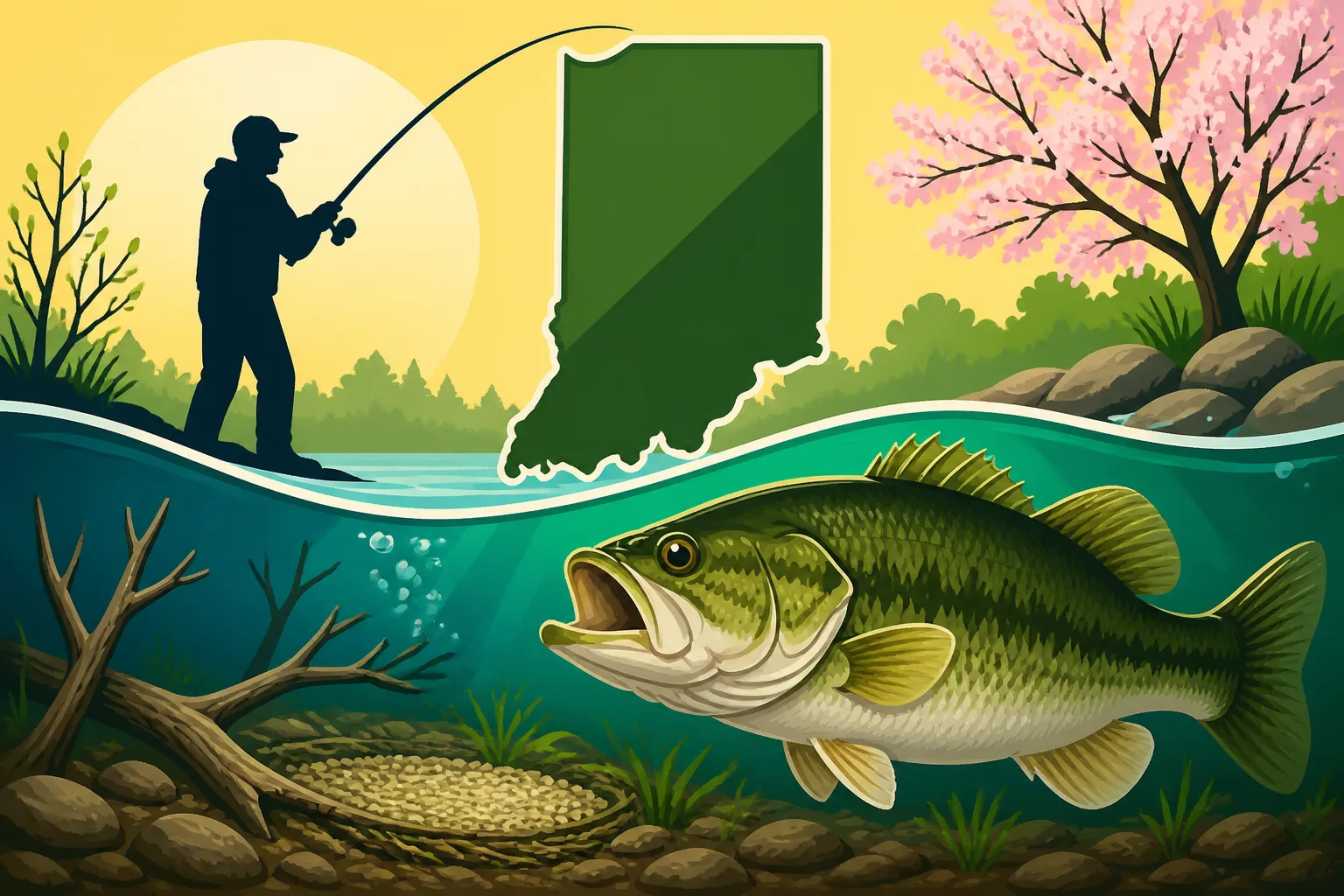
The male bass is responsible for fanning out a circular depression on the bottom, clearing it of debris. Once a bed is prepared, he'll entice a female to lay her eggs. After the eggs are laid, the female typically leaves, often moving to slightly deeper water to recover. The male then remains on the bed, vigorously guarding the eggs and later the newly hatched fry from predators like bluegill, crappie, or even other bass. This protective instinct makes him highly aggressive towards anything perceived as a threat to his nest. Sight fishing for these guarding males can be productive in clear water, but it requires patience and a careful approach to avoid spooking them. Knowing the best places to find them is key, and What Is the Best Lake in Indiana for Catching Bass? provides a great starting point for finding these prime locations.
Post-Spawn Behavior Transition
Immediately following the spawn, bass behavior shifts again. This is known as the post-spawn period. Female bass, exhausted from laying eggs, will move off the beds and often retreat to deeper, cooler water or dense cover to recover their energy. They are typically less aggressive during this time and can be harder to catch, as their priority is rest and recuperation, not immediate feeding.
Male bass, on the other hand, will remain on or very near the beds for a period, guarding the newly hatched fry until they disperse. These males can still be caught, as they'll strike out at anything that threatens their young. Once the fry have grown large enough to fend for themselves, the male bass will also move off the beds, often heading to nearby cover or slightly deeper water to begin feeding more actively again. Understanding these Bass Post-Spawn Patterns in Indiana is crucial for adapting your techniques as the season progresses.
Ethical Angling During the Spawn
While the spawn offers exciting fishing opportunities, it also presents a critical time for anglers to practice responsible and ethical angling. Our actions during this period can have a direct and significant impact on the future health of Indiana’s bass populations. It's about more than just catching fish; it's about stewardship of our natural resources.
Why Conservation Matters
The bass spawn is the single most important event for the continuation of the species. During this time, the adult fish are at their most vulnerable as they concentrate in shallow, accessible areas. Removing a large female bass from a spawning bed can mean the loss of tens of thousands of future bass. Even repeatedly catching and releasing a male guarding a nest can stress the fish, cause it to abandon the nest, or leave the eggs/fry vulnerable to predation.
Responsible anglers recognize that the long-term health of the fishery depends on allowing a significant portion of the bass population to reproduce successfully without undue disturbance. This often means making conscious choices about whether and how to target spawning fish. Prioritizing conservation ensures that future generations of anglers will continue to enjoy the fantastic bass fishing Indiana has to offer. The Indiana DNR actively manages these populations, and responsible angling is a key part of their success.
Best Practices for Catch and Release
If you choose to fish during the spawn, practicing exemplary catch-and-release techniques is paramount. The goal is to minimize stress and ensure the fish has the best chance of survival and a successful spawn.
- Quick Fights: Get the fish in quickly. Prolonged fights exhaust bass, especially during the stressful spawning period, making them more susceptible to post-release mortality.
- Proper Handling: Handle bass gently and as little as possible. Support their body weight horizontally, especially if it's a large, heavy fish. Avoid holding them vertically by the jaw for extended periods, as this can damage their spine and internal organs.
- Limit Air Exposure: Keep the fish in the water as much as possible. If you need a photo, do it quickly and get the fish back in the water within seconds.
- Use Barbless Hooks or Dehookers: Barbless hooks make removal easier and quicker. If using barbed hooks, a dehooker tool can help remove hooks cleanly without putting your hands in the fish's mouth or tearing tissue.
- Revive If Necessary: If a bass seems sluggish after the fight, hold it gently in the water, facing into the current (if any), and move it back and forth to force water over its gills until it's strong enough to swim away on its own.
- Consider Avoiding Visible Beds: Many ethical anglers choose to avoid actively targeting bass directly on their beds. Instead, they focus on pre-spawn staging areas or post-spawn recovery zones, which are often just as productive without the same level of impact on reproduction.
While tempting to try for that big female on a bed, remember that the biggest fish are often the most valuable spawners. Consider giving them space during this critical time.
Regional Variations and Local Insights
Indiana is a diverse state, both geographically and hydrographically. This means that bass spawn timing and patterns aren't uniform across the entire state. What works in a southern Indiana reservoir might be premature or too late for a northern Indiana glacial lake. Understanding these regional nuances is key to consistent success.
Northern vs. Southern Indiana Differences
The most significant regional difference in Indiana when it comes to the bass spawn is the temperature gradient from south to north. Southern Indiana, with its generally milder climate, sees waters warm up earlier in the spring. Lakes like Monroe Lake near Bloomington or Patoka Lake down in Dubois County can see significant pre-spawn activity starting in March, and the spawn itself can kick off in late April or early May. These lakes often have extensive flooded timber and deep creek channels, offering a variety of staging and spawning habitats.
Conversely, the deep, clear glacial lakes of northern Indiana, found in counties like Kosciusko and Steuben (home to Lake Wawasee), warm up much slower. Their greater average depth and often less direct sun exposure mean the pre-spawn bite might not get going until mid-April, and the spawn itself could be delayed until late May or even early June. These lakes often have distinct weed lines, rock piles, and smaller, clearer coves that become prime spawning grounds. Anglers targeting Best Fishing Lakes in Indiana by Region will quickly learn to adapt to these shifts.
Reservoir vs. Natural Lake Dynamics
Indiana offers a mix of large flood control reservoirs and natural, glacier-formed lakes, and each presents a unique set of challenges and opportunities for bass anglers during the spawn.
- Reservoirs (e.g., Monroe, Patoka, Brookville, Salamonie, Mississinewa): These are often characterized by fluctuating water levels, extensive standing timber, and sometimes stained or turbid water. During the pre-spawn, bass in reservoirs might relate more to old creek channels, river bends, and submerged roadbeds as they move from deep wintering areas. Spawning often occurs on points and flats that were previously shoreline, in flooded bushes, or on hard bottoms in the backs of large coves. Water level management by the Army Corps of Engineers can significantly impact where bass choose to spawn, making it a dynamic fishery.
- Natural Lakes (e.g., Wawasee, James Lake, Webster Lake): These lakes typically have more stable water levels, clearer water, and often more defined weed lines, docks, and natural hard-bottom areas. Pre-spawn bass in natural lakes will gravitate towards offshore humps, rock piles, and the edges of expansive weed beds. During the spawn, they'll often be found in shallow, sandy or gravelly pockets within weed beds, under docks, or in protected coves. The clearer water often allows for more effective sight fishing for bedding bass, although this also means they are more easily spooked. Fishing these lakes often requires a different approach, perhaps more emphasis on finesse techniques or subtle presentations compared to the more aggressive approaches often used in stained reservoirs. For a comprehensive look at specific species, consider our guide on Largemouth Bass Fishing in Indiana The Complete Guide.
These regional and lake-type variations highlight why local knowledge and flexibility in your approach are so critical for success when chasing Indiana bass during their pre-spawn and spawning periods. Stay informed, observe local conditions, and always be ready to adjust your strategy.
| Aspect | Pre-Spawn Period | Spawn Period |
|---|---|---|
| Water Temperature | 45-60°F (7-15°C), warming trend | 60-70°F (15-21°C), stable warm weather |
| Fish Location | Deeper staging areas, transition zones, main lake points | Shallow, protected coves, flats, hard bottoms, visible beds |
| Feeding Behavior | Aggressive, feeding heavily to gain energy | Often focused on guarding nests, less actively feeding |
| Best Lures/Tactics | Crankbaits, spinnerbaits, jigs, Alabama rigs, jerkbaits | Soft plastics (tubes, creature baits), wacky worms, finesse jigs (for bedding fish), topwater (for cruising males) |
| Conservation Note | High-energy feeding makes them vulnerable | Focus on quick release, avoid prolonged disturbance of beds |
Disclaimer
The information provided in this guide is for general informational purposes only and is not intended as legal advice regarding fishing regulations. Always consult the most current Indiana Department of Natural Resources (DNR) fishing guide and local regulations before heading out on the water. Fishing conditions and regulations can change, and it is the angler's responsibility to stay informed.