Fishing Techniques After Heavy Rain
Ah, a sudden downpour, a week of steady rain, or even just a quick summer thunderstorm – it can really throw a wrench in your fishing plans, can't it? You've got your gear ready, your favorite spots picked out, and then Mother Nature decides to turn the faucet on full blast. It’s easy to feel like your whole trip is washed out. But here's the secret: heavy rain doesn't always mean bad fishing. In fact, if you know how to adapt and what to look for, these conditions can actually present some incredible opportunities. This guide will walk you through exactly how to adjust your approach and apply effective fishing techniques after heavy rain in Indiana, turning those soggy forecasts into potential trophy moments.
Understanding the Immediate Aftermath of Heavy Rain
When the skies open up, it’s not just about the water falling from the clouds; it's about what happens to the water in our lakes, rivers, and ponds. These changes are crucial to understanding where the fish will be and how they'll be behaving. Ignoring these dynamics is like trying to find a needle in a haystack blindfolded!
Water Conditions: Color, Temperature, and Flow
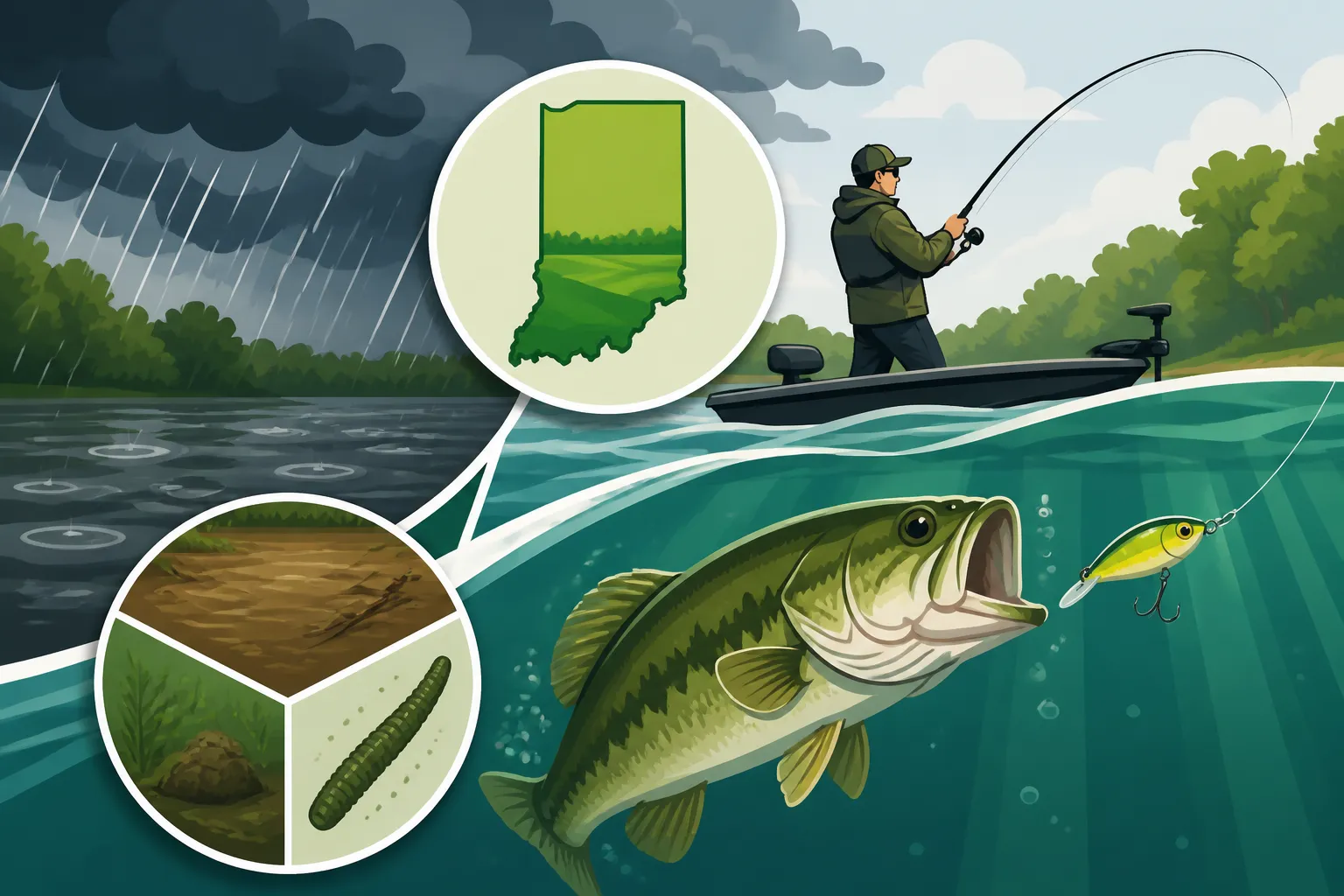
The most obvious change after heavy rain is often the water color. What was once clear, or at least stained, can quickly become murky brown. This isn't just mud; it’s a mix of sediment, nutrients, and debris washed in from the banks and surrounding landscape. This reduced visibility can actually be a good thing for anglers, as it makes fish less wary of your presence and your lines. On the flip side, it also makes it harder for fish to see your bait, so your presentation needs to stand out.
Rainfall also impacts water temperature. A sudden cold rain in summer can drop surface temperatures, pushing warm-water species like bass deeper, while a warm rain in spring might actually warm up the shallows and kickstart activity. For those looking at how water temperature affects fish activity, it’s always a good idea to pay attention to these shifts. The influx of new water also increases flow, especially in rivers and streams. This increased current is a double-edged sword: it can disorient fish but also wash new food sources into their path.
Fish Behavior Changes Post-Storm
Fish are creatures of habit, but they're also highly responsive to their environment. After heavy rain, their normal routines go out the window. Many species, especially those in flowing water, will seek refuge from strong currents. This means looking for eddies, behind submerged structures, or in slower-moving pockets of water. At the same time, the sudden flush of water introduces a buffet of insects, worms, and small creatures from the banks, drawing fish to these newly flooded areas.
The reduced light penetration from murky water can also make fish more active during times they might typically be less so, like midday. They feel safer, less exposed to predators, and more willing to venture out from cover to feed. It's a delicate balance between finding cover from current and finding new food opportunities. Some anglers swear that rain makes fishing better or worse depending on the species and conditions, so knowing these nuanced behaviors is key.
Safety First: Navigating High Water
While the fishing opportunities can be exciting, safety should always be your number one priority when dealing with post-rain conditions. High water levels can hide submerged obstacles that weren't there before, making navigation difficult and dangerous for boaters. Strong currents can quickly pull you off course or even capsize smaller vessels. If you’re bank fishing, watch out for slippery, muddy banks and erosion. A good pair of sturdy, waterproof boots and perhaps even a wading staff can be invaluable. Always let someone know where you're going and when you expect to return, especially if you're venturing out alone. For crucial safety information, check out resources on Indiana Boater Safety Gear Checklist.
Consider the stability of the ground you're walking on, especially near riverbanks. Erosion is a real concern after heavy rainfall, and what looks like solid ground might just be a thin layer of turf over a washed-out area. If you're using a boat, be extra vigilant for floating debris like logs and branches that could damage your prop or hull. Always wear a high-quality life jacket, even if you’re an experienced swimmer, because conditions can change rapidly and unexpectedly.
Strategies for Locating Fish in Raining Conditions
Now that we understand what's happening beneath the surface, let's talk about how to use that knowledge to our advantage. Locating fish after heavy rain requires thinking like a fish – where would you go to escape the current, find food, and feel safe in a murky environment?
Targeting Inflows and Mud Lines
One of the most productive areas to target after heavy rain is where new water enters a lake or river. Think about culverts, ditches, feeder creeks, or even just areas where runoff from a field is pouring in. These "inflows" bring a rush of fresh, often cooler, oxygenated water, and most importantly, a steady stream of new food. Worms, insects, and other terrestrial creatures get washed into the main body of water, creating an instant buffet for hungry fish.
You'll often see distinct "mud lines" where this darker, turbid water meets the clearer main body of the lake or river. These transition zones are goldmines. Fish will often hold right on the edge of these lines, using the murky water for cover while ambushing prey that gets washed out from the clearer side. Cast your lures parallel to these mud lines, or let them drift into the muddier water from the clearer side. This is a classic tactic for species like bass and catfish.
Focusing on Submerged Structures and Cover
Fish naturally seek cover, and after heavy rain, this instinct is amplified. Submerged structures like fallen trees, rock piles, brush piles, docks, and bridge pilings offer protection from strong currents. They also provide ambush points for predatory fish. The murky water makes these fish feel more secure in holding tight to these structures. Don't be afraid to get your bait right into the thick of it.
In lakes and ponds, look for flooded vegetation – areas where the water level has risen and covered grass, bushes, or even small trees along the banks. These newly submerged areas become temporary havens and feeding grounds, attracting baitfish and, in turn, larger predators like largemouth bass. Pay close attention to points, pockets, and any irregularities in the shoreline that might create a current break or offer extra cover. A good fish finder can really help here, revealing those hidden submerged structures. Many anglers find great deals on reliable models on Amazon that can make a huge difference in these conditions.
River and Stream Fishing Considerations
Rivers and streams are impacted most dramatically by heavy rain due to increased flow. Instead of fighting the current, smart anglers look for breaks in the flow. Eddies, which are calmer pockets of water behind obstacles like large rocks, logs, or points, are prime locations. Fish will stack up in these areas, conserving energy while waiting for food to drift by. Also, look for slower-moving inside bends of the river, deep holes, or the slack water created by bridge pilings.
Tributaries flowing into larger rivers can also be hot spots. The fish in the main river might move into these smaller, less turbulent streams to escape the heavy flow and find food. Consider exploring Fishing the Wabash River in Indiana or the White River after a good rain, as these large systems offer many such features. When fishing rivers, understanding how to fish muddy water after a storm is paramount, as the techniques change significantly from clear-water fishing.
The Right Gear and Lures for Muddy Waters
You can have the best strategy in the world, but if your gear isn't suited for the conditions, you're going to struggle. Post-rain fishing in murky water demands adjustments to your bait, lures, and even your rod and line setup.
High-Visibility Lures and Noisy Baits
In stained or muddy water, fish rely less on sight and more on their other senses, primarily their lateral line (to detect vibrations) and their sense of smell. This means bright, contrasting colors and baits that produce a lot of vibration or scent are your best friends.
- Colors: Think chartreuse, bright orange, hot pink, or solid black. These colors create a stronger silhouette or stand out more in low-light, turbid conditions. Try lures with two contrasting colors, like black and chartreuse.
- Vibration: Crankbaits with a wide wobble, spinnerbaits with large thumping blades (like Colorado blades), bladed jigs (ChatterBaits), and lipless crankbaits are excellent choices. These lures displace a lot of water, sending out irresistible vibrations that fish can home in on.
- Noise: Lures with rattles, like some crankbaits or jig heads, can also grab a fish's attention in murky water. Topwater poppers or walk-the-dog lures that create a commotion on the surface can be surprisingly effective, especially when fish are pushed shallow by rising water. You can find a huge variety of these effective lures on Amazon, making it easy to stock up for your next post-rain adventure.
Live Bait Advantages in Post-Rain Scenarios
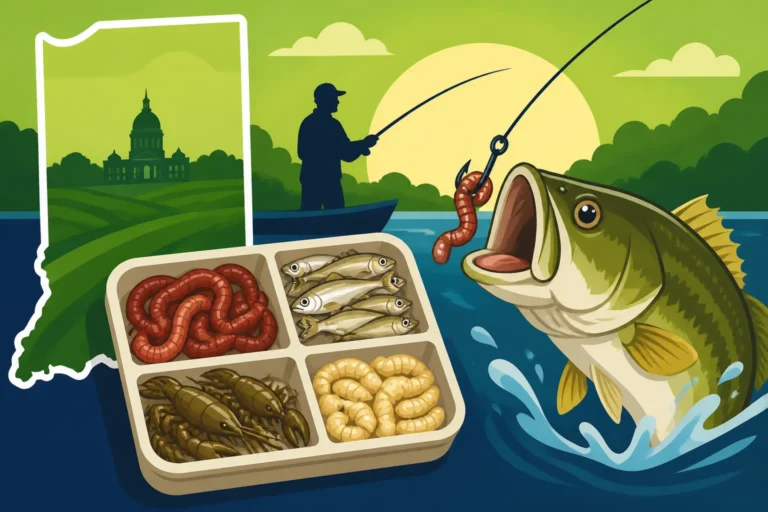
When visibility is low, live bait often outperforms artificial lures because it appeals to all of a fish's senses. The natural scent, taste, and movement of live bait can be irresistible to fish that are struggling to see.
- Worms: Earthworms, nightcrawlers, and red wigglers are phenomenal after rain because they are exactly what gets washed into the water naturally. Fish are already keyed into this food source. Rig them on a simple hook with a sinker to get them down, or under a bobber in shallower, slower areas.
- Minnows: Live minnows are excellent for predatory fish like bass, walleye, and crappie. Their natural movement and flash can still be detected even in murky water, and the scent trail they leave is a major attractant.
- Cut Bait: For catfish, fresh cut bait (like pieces of shad, bluegill, or carp) is hard to beat. The strong scent trail it emits travels far in murky water, drawing in hungry catfish from a distance. If you're serious about Channel Catfish Fishing in Indiana, learning how to properly use cut bait is a game-changer. For a detailed look at appropriate gear, consult a guide on Best Tackle for Catfish Fishing.
Rod, Reel, and Line Choices for Stronger Currents
The increased current and potential for snags in washed-out areas mean you need gear that can handle the stress.
- Rods: Opt for a medium-heavy to heavy power rod with a fast action. This will give you the backbone needed to cast heavier lures, battle fish in current, and pull them out of thick cover. A longer rod (7' to 7'6") can also provide better casting distance and leverage.
- Reels: A sturdy baitcasting reel is often preferred for heavier lures and stronger lines, providing excellent control and cranking power. For lighter presentations or if you prefer spinning gear, choose a dependable spinning reel with a smooth drag system.
- Line: Fluorocarbon line is a popular choice for its abrasion resistance and low stretch, which helps with sensitivity in current. However, in extremely murky water, its near invisibility isn't as critical. Monofilament can be a good, more forgiving option, especially if you're fishing with live bait. For fishing in thick cover or strong current, consider bumping up your line test slightly – say, from 10 lb to 12-15 lb for bass fishing. You'll thank yourself when you're trying to land a lunker in a swift current. Don't forget to check out the range of fishing lines available on Amazon to make sure you're well-equipped.
Species-Specific Approaches After a Downpour
Different fish species react to heavy rain in unique ways. What works for bass might not work for walleye, and vice-versa. Tailoring your approach to your target species will significantly increase your success.
Bass Fishing: Adapting to Aggressive or Sheltered Patterns
Bass can be incredibly opportunistic after heavy rain. The reduced light and increased food sources often put them in an aggressive mood.
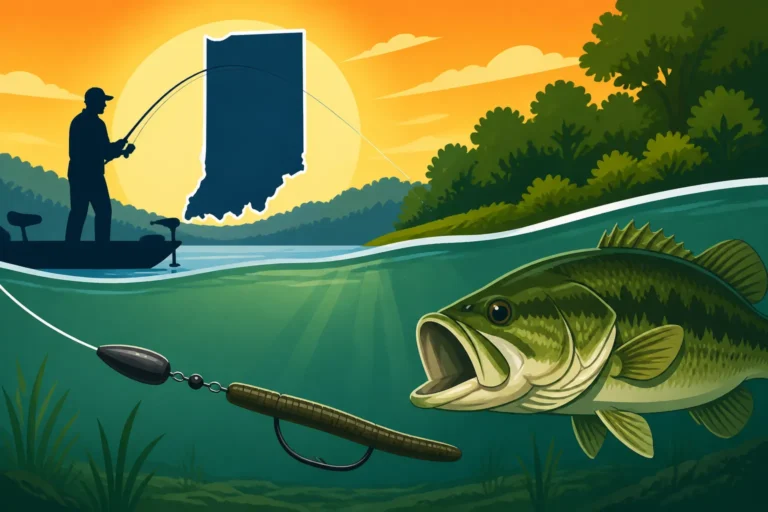
- Largemouth Bass: These fish will often move into newly flooded shallow areas, especially those with vegetation or submerged wood. They're looking for an easy meal that's been dislodged from the bank. Throw spinnerbaits, bladed jigs, or square bill crankbaits in chartreuse, white, or black-and-blue. Focus on the edges of mud lines, flooded timber, and dense grass. They might even move up shallow to areas that were dry before the rain, chasing worms and bugs. If you're targeting trophy bass, check out Indiana's Largemouth and Smallmouth Bass Daily Limit: 5 Fish Combined to stay compliant.
- Smallmouth Bass: In rivers, smallmouth will often hold in current breaks – behind large boulders, logs, or in eddies. They'll also patrol the seams where fast water meets slow water, waiting for stunned baitfish or worms to drift by. Jerkbaits, tube jigs, and small crankbaits in natural colors (if the water isn't too muddy) or brighter colors (if it is) can be effective. Focus on rocky areas and bridge pilings. For more details on the species, learn about Largemouth Bass Fishing in Indiana: The Complete Guide.
Catfish and Carp: Capitalizing on the Current
Catfish and carp are perhaps the most eager feeders after heavy rain. They thrive in murky, high-water conditions and use their keen sense of smell to locate food.
- Catfish: Heavy rain often brings an explosion of activity for channel catfish and flatheads. They love the influx of fresh food and often become very active feeders. Target the mouths of feeder creeks, deep holes in rivers, and behind natural or man-made structures that break the current. Use smelly baits like cut bait, chicken livers, or commercial stink baits. Fishing on the bottom is usually the most effective method. For those specifically interested in "Where to Catch Catfish on the Wabash River," these conditions can be prime. You'll find specific techniques in the Channel Catfish Fishing in Indiana: The Complete Guide.
- Carp: Like catfish, carp are bottom feeders that are well-adapted to turbid waters. They'll move into flooded fields and shallow areas to graze on newly available vegetation and insects. Dough balls, corn, or worms fished on the bottom are reliable choices. Look for signs of their feeding activity, like muddy boils or backs breaking the surface in shallow, calm areas.
Panfish and Walleye: Finding Their Post-Storm Retreats
These species can be a bit trickier, but certainly catchable, after a heavy rain. Their behavior depends heavily on the severity of the storm and the resulting water conditions.
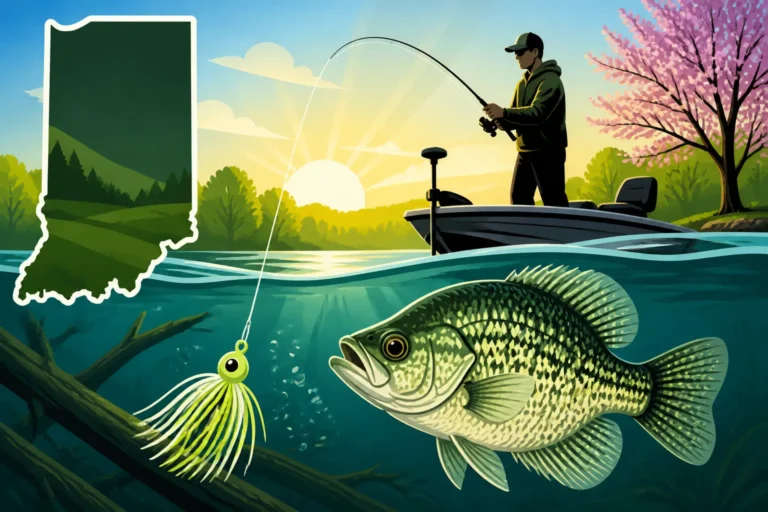
- Crappie and Bluegill: Panfish will generally move to the calmest, clearest water they can find near structure. This might mean tighter to submerged brush piles, beneath docks, or in deep timber. In ponds, they may retreat to the deepest areas until the sediment settles. Light tackle with small jigs tipped with minnows or waxworms are good bets. Colors like chartreuse, pink, or white jigs can stand out. In newly flooded areas, they might feed aggressively on terrestrial insects.
- Walleye: Walleye fishing after a heavy rain can be feast or famine. In rivers, they'll often pull out of the main current and stack up in calmer, deeper pockets or behind current breaks. The influx of dirty water might make them less active during the day, so dawn, dusk, or even night fishing can be more productive. Jigging with bright-colored jigs tipped with a minnow or worm, or slow-trolling crankbaits that hug the bottom, can work. In lakes, they might move to shallower, muddier flats where food is washing in. For more targeted advice, Indiana Walleye Fishing: A Complete Guide provides valuable insights.
- Yellow Perch: Like crappie, yellow perch will seek out calmer, slightly clearer water near structure. They tend to school, so if you find one, you're likely to find more. Small jigs tipped with a piece of worm or minnow, or a tiny spoon, can be effective. They're often found in slightly deeper water than bluegill in these conditions.
Maximizing Your Chances: Timing and Persistence
Even with the right techniques, post-rain fishing can be challenging. Success often comes down to timing your efforts and having the persistence to adapt.
The Golden Window: When to Fish After the Storm Passes
There's often a "golden window" after a heavy rain, but it varies.
- Immediately After: If the rain is light to moderate and the water isn't too muddy, fishing during or immediately after the rain can be fantastic. The rain breaks up the water surface, making fish less wary, and the increased oxygen can stimulate feeding.
- Hours to a Day After: This is often the prime time in many scenarios. The water is still stained, but the heaviest currents have subsided, and the fish have had time to adjust and start feeding on the new food sources. This is when those mud lines and inflow areas truly shine.
- Several Days Later: If the rain was truly torrential and the water is heavily flooded and muddy, it might take a few days for conditions to stabilize. The water needs to start clearing, and currents need to slow down. During this period, fish might be more spread out, and patience is key. For more on this, check out Does Rain Make Fishing Better or Worse? to understand the nuances.
Reading the Water for Subtle Clues
The water will tell you a story if you know how to listen. Look for signs of baitfish activity – flickering on the surface, or larger fish busting through them. Watch for current breaks, eddies, and seams. Pay attention to how the water flows around structures. Is it carrying debris? That debris might indicate where food is concentrating. Even the color of the water can give you clues; a slightly clearer band along the bank might be an ideal ambush point.
A good pair of polarized sunglasses can help cut the glare and let you see into the water better, even when it's stained. Also, observe other wildlife – birds diving, insects congregating – these can all point to areas of increased activity.
Patience and Experimentation
Post-rain fishing isn't always easy, and it definitely requires a resilient attitude. What worked yesterday might not work today, and what works in one spot might not work in another. Be prepared to move around, try different lures, colors, and retrieve speeds. Start with aggressive presentations to cover water, then slow down and pick apart prime areas if you're not getting bites. Don't be afraid to try something completely different from your usual tactics.
For example, if you're targeting bass and nothing is working, switch to a slow-moving jig or a Texas-rigged worm right on the bottom in thick cover. If you're on a river, try casting upstream and letting your bait drift naturally with the current, mimicking the washed-in food sources. Sometimes, the most frustrating days turn into the most rewarding ones, simply because you stuck with it and figured out the puzzle. If you want to refine your bait and lure selections for various conditions, consider Best Bait and Lures for Fall Fishing, which often involves adjusting to similar seasonal changes in water conditions.
| Lure Type / Bait | Water Clarity (Post-Rain) | Colors / Scents | Action / Presentation | Target Species |
|---|---|---|---|---|
| Crankbaits | Moderate to Heavy Stain | Chartreuse, Orange, Black/Blue | Wide wobble, rattling | Bass, Walleye |
| Spinnerbaits | Heavy Stain | Chartreuse, White, Bright Yellow | Large Colorado blades (heavy thump) | Bass, Pike |
| Bladed Jigs (ChatterBaits) | Moderate to Heavy Stain | Black/Blue, Green Pumpkin, White | Strong vibration, erratic swim | Bass, Pike |
| Jigs (Skirted/Tube) | Moderate to Heavy Stain | Black/Blue, Green Pumpkin, White | Slow hop, retrieve near cover | Bass, Walleye, Crappie |
| Live Worms | All Levels of Stain | Natural | Bottom-fished, under bobber | Catfish, Panfish, Bass |
| Cut Bait | Heavy Stain | Strong natural scent | Bottom-fished, stationary | Catfish |
| Live Minnows | Moderate Stain | Natural | Under bobber, slow retrieve | Walleye, Bass, Crappie |
| Topwater Lures | Light to Moderate Stain | Dark silhouette (black), Bright | Popping, walking, chugging | Bass, Pike |
This table offers a quick guide to adjusting your tackle box for those challenging, yet often rewarding, post-rain fishing trips in Indiana.
Disclaimer
Fishing conditions can be unpredictable, and success is never guaranteed. Always exercise caution and prioritize safety, especially when dealing with high water levels and strong currents. Familiarize yourself with all local and state fishing regulations before heading out, including Indiana Fishing Regulations and Bag Limits Guide. This guide provides general advice and should not replace expert instruction or personal experience.