Bass Post-Spawn Patterns in Indiana
After the high-octane excitement of the bass spawn, many Indiana anglers find themselves facing a frustrating lull. One day, the bass are aggressively bedding and protecting their nests, and the next, it feels like they’ve vanished into thin air, leaving you wondering where to even cast a line. This guide will help you understand and conquer these often-tricky bass post-spawn patterns in Indiana, giving you the insights and strategies to keep catching fish throughout this crucial transitional period.
The Post-Spawn Bass Mindset and What Drives Them
Once the frenetic energy of the spawn subsides, bass don't just magically return to their pre-spawn haunts. They enter a distinct post-spawn phase, driven by recovery, hunger, and a lingering sense of protection. Understanding this mindset is the first step to unlocking consistent success. It’s not about finding where they were, but anticipating where they're going and what they're feeling.
Recovery Mode and Nutritional Needs
Immediately after the spawn, both male and female bass are exhausted. Female bass, having expended massive amounts of energy laying eggs, are particularly depleted. Their bodies are recovering, and their primary focus shifts to regaining strength and replenishing lost nutrients. This isn't usually a time for aggressive chasing; instead, they're often seeking easy meals that don't require a lot of effort. Think of it like a marathon runner needing to refuel and rest after a big race.
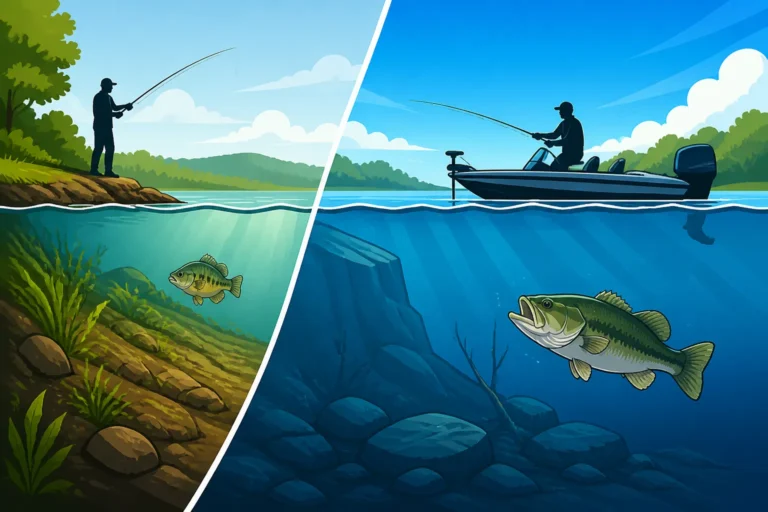
This recovery phase often sees bass, especially the larger females, suspending near deeper water adjacent to spawning flats or retreating to nearby cover. They're still somewhat shallow but not necessarily on the bank anymore. They might be in a shaded area under a dock, a laydown, or hovering over a slight drop-off, waiting for an opportune moment to ambush unsuspecting prey. They're looking for protein-rich meals that are readily available, making certain baits incredibly effective during this time.
Their metabolism is picking up from the cold pre-spawn, but not yet at its full summer speed. This means they’ll eat, but they might not commit to a lure that's zooming past them at top speed. This is where patience and subtle presentations become paramount. A slow, tantalizing retrieve can often coax a lethargic post-spawn bass into striking when a fast-moving bait would be completely ignored.
Guarding Fry and Territorial Behavior
While the females might be recouping in deeper water, the male bass often stick around the shallow spawning areas for a period, diligently guarding the freshly hatched fry. This protective instinct means they're still somewhat territorial and aggressive, but their focus isn't necessarily on feeding themselves. Instead, they’re looking to fend off anything that poses a threat to their offspring.
This behavior can be a double-edged sword for anglers. You might find a cluster of smaller, aggressive males willing to strike at anything that comes too close to their nursery. However, catching these smaller, fry-guarding males might not be your primary goal if you're targeting bigger fish. The larger females have already moved on, leaving the dads to do the childcare.
Recognizing the difference between a male guarding fry and a truly active feeding bass is crucial. If you're consistently catching smaller fish that seem to be "swatting" at your lure rather than truly eating it, you might be in a fry-guarding zone. To find the bigger, post-spawn females, you'll need to transition your search to slightly deeper waters, moving away from the immediate shallows where the males are standing guard.
Where to Find Post-Spawn Bass in Indiana Waters
The key to finding post-spawn bass in Indiana is understanding their migration path from the spawning grounds to their summer feeding territories. They don't just disappear; they simply relocate to areas that offer cover, food, and comfort during their recovery. Looking for the "Best Bass Fishing Lakes in Indiana" is a great start, but understanding where on those lakes to look is even better.
The Importance of Transition Areas and Drop-offs
Transition areas are your best friend during the post-spawn. These are the zones where shallow spawning flats meet deeper water, often characterized by subtle changes in depth, cover, or bottom composition. Bass use these "highways" to move between their spawning beds and their deeper summer haunts. Think of a gradual slope, a ledge, or a creek channel winding its way out of a shallow cove. These are prime real estate.
Drop-offs, especially those near submerged points, humps, or channel swings, act as natural congregation points. Bass can hold on the edge of the deeper water, expending minimal energy while keeping an eye on both the shallow and deep food sources. A 5-foot flat dropping into 15 feet of water can hold a significant number of post-spawn bass, especially if there's some kind of cover on that transition line. On a large reservoir like Monroe Lake or Patoka Lake, identifying these underwater features with a good fish finder is invaluable. If you're looking for a new unit, you can often find great deals on fish finders on Amazon.
Don't overlook main lake points that extend into deeper water. These points act like underwater fingers, allowing bass to move up and down the water column easily. During the post-spawn, bass might stack up on the sides of these points, especially the shady side, waiting for baitfish to swim by. They want quick access to deeper, cooler water if needed, but also the ability to slide up shallow for a meal.
Locating Forage and Shade
As bass recover, their hunger grows, and they'll start actively seeking out food. Identifying areas where baitfish (like shad, bluegill, or shiners) are congregating is paramount. Often, these baitfish will be found near healthy grass beds, submerged brush, or other cover. The bass won't be far behind. Look for schools of bait on your sonar or visual signs of activity like nervous baitfish dimpling the surface.
Shade becomes increasingly important as the Indiana summer heats up. Post-spawn bass, especially the larger ones, will seek out cooler, shadier spots to ambush prey and conserve energy. This means looking under docks, overhanging trees, bridge pilings, or even deep timber. The shaded side of a steep bluff wall can also be a magnet for bass. Even a slight temperature difference can make a big impact on where fish decide to hold.
Combining transition areas with forage and shade is the ultimate recipe for post-spawn success. Imagine a long, sloping point that extends into a creek channel, covered in sparse hydrilla, with a few laydowns providing shade. That's a perfect post-spawn scenario where bass can recover, find food, and stay comfortable.
Specific Cover and Structure Types
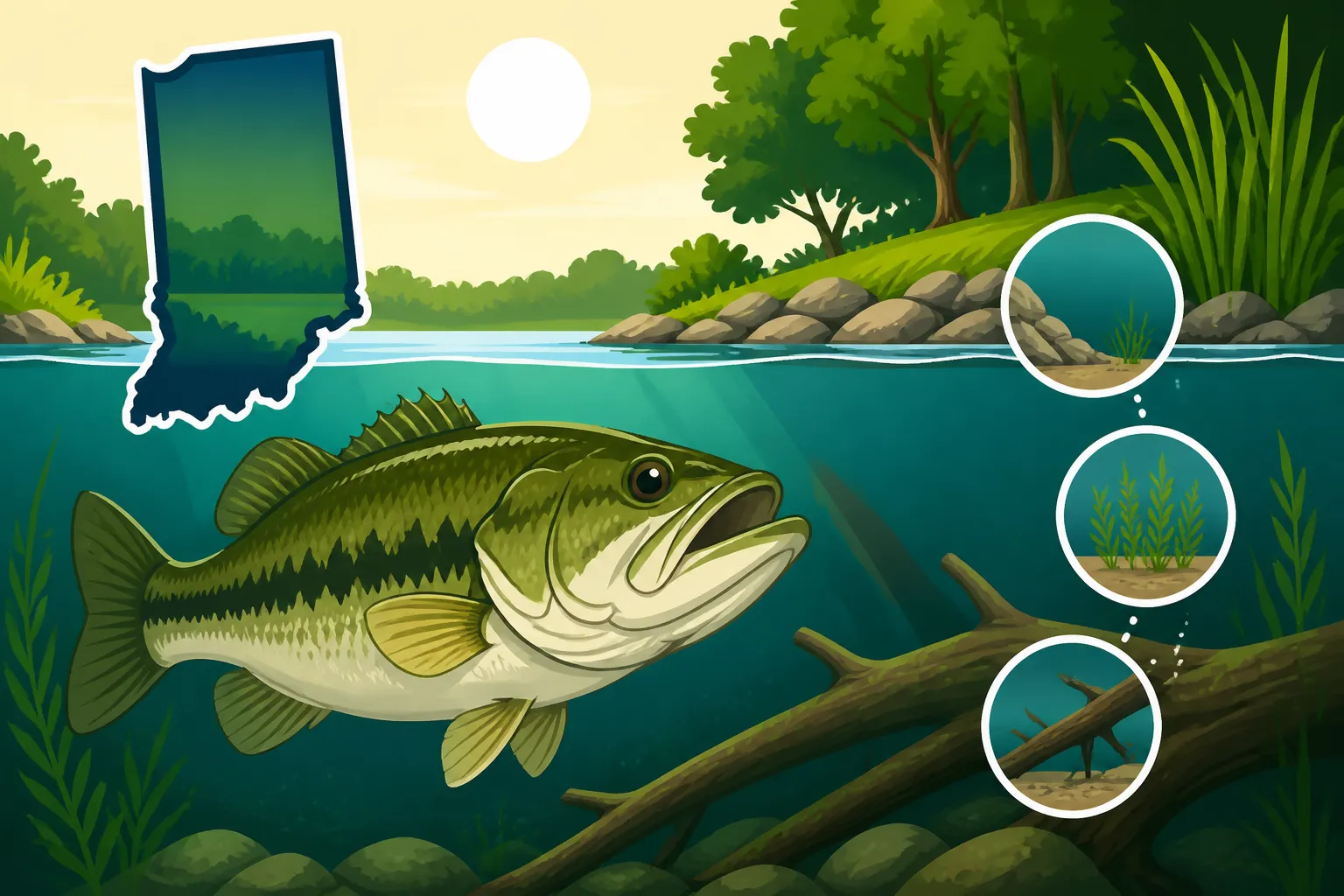
Beyond just transition areas, certain types of cover and structure consistently hold post-spawn bass. Submerged timber, brush piles, and rock piles are fantastic. These offer ambush points and protection. If you know of old creek beds or submerged roadbeds that intersect deeper water, these are gold mines. Bass will often relate to the subtle contours and cover along these features.
Vegetation, particularly healthy grass lines (like hydrilla or milfoil), is another key player. Bass will often patrol the edges of these grass beds or even tuck deep within the thicker mats, especially during sunny periods. Look for grass that grows near a drop-off or a channel edge. This allows them to stay hidden and ambush baitfish that swim along the edge or try to hide within the weeds. A solid pair of polarized sunglasses, available from Amazon, can really help you spot these subtle clues.
Finally, man-made structures are always worth checking. Docks, especially those with deep water nearby, are excellent. The pilings and undersides provide shade and cover. Bridge abutments, rock rip-rap along causeways, and old submerged foundations can also be hotspots. These structures break up the current, offer shade, and attract baitfish, making them irresistible to hungry bass.
Essential Baits and Lures for Post-Spawn Success
Just like their behavior changes, so should your bait selection. The aggressive reaction bites of the pre-spawn are often replaced by a more nuanced approach. However, there are still times when a more aggressive presentation can trigger a strike, especially as bass regain strength. Understanding what the bass want will allow you to adapt your tackle box. For a comprehensive overview, check out "Largemouth Bass Fishing in Indiana: The Complete Guide".
Subtle Presentations and Finesse Tactics
When bass are in recovery mode, they often prefer a bait that's easy to catch and requires minimal effort to pursue. This is where finesse tactics shine. Soft plastics, like Texas-rigged worms, Senkos, or shaky head jigs, are absolute killers. A 6-inch plastic worm slowly dragged along a drop-off or worked through a brush pile can be irresistible. The natural fall and subtle action mimic an injured baitfish or a crawfish, both easy targets for a recovering bass.
Another fantastic option is a weightless soft stickbait, like a Yamasenko. These baits have an incredible shimmy on the fall and can be incredibly effective when cast near docks or over submerged grass. Let it sink slowly on a slack line, then twitch it gently. The subtle movement can entice even the most reluctant bass. Sometimes, adding a small split shot a foot or two above the bait can help it get down to deeper fish while maintaining that natural fall.
Jigs, particularly those with a slower fall, are also excellent. A living rubber jig or a football jig fished slowly on the bottom can mimic a crawfish, a primary food source for bass. Tip it with a soft plastic trailer for added bulk and action. Presenting these baits meticulously and patiently is often the difference between a frustrating day and a successful one. If you're wondering "How to Rig a Jig for Bass Fishing" in various scenarios, it's worth exploring different techniques.
| Bait Type | Primary Target | Key Features | Retrieve Style | Best Conditions |
|---|---|---|---|---|
| Soft Plastics (Worm/Senko) | Recovering Bass | Subtle action, natural fall | Slow drag, twitch, deadstick | Clear water, slower bite, near cover |
| Jigs (Football/Finesse) | Ambush Predators | Mimics crawfish, good bulk | Bottom hopping, slow retrieve, vertical jig | Around structure, drop-offs, darker water |
| Crankbaits (Diving) | Active Bass | Covers water, deflects off structure | Steady retrieve, erratic stop-and-go | Deeper water, target structure, cloudy days |
| Topwater Lures (Popper/Frog) | Active Bass | Surface disturbance, exciting strikes | Walk-the-dog, popping, slow twitch | Low light, calm water, over vegetation |
| Spinnerbaits/Chatterbaits | Searching Bass | Flash and vibration, covers water | Steady retrieve, yo-yo, bumping cover | Stained water, wind, shallower foraging fish |
Topwater and Reaction Baits for Active Fish
While finesse often rules, there are still times when aggressive reaction baits can shine during the post-spawn, especially as the bass start to regain their strength and transition into summer feeding patterns. Early mornings, late evenings, or cloudy, windy days are prime times for these more exciting presentations. For more on seasonal bait choices, consider reading "Best Lure Choices for Summer Fishing".
Topwater lures like poppers, walking baits (e.g., a Heddon Zara Spook), or prop baits can be incredibly effective when bass are shallow and feeding on baitfish near the surface. Casting these around submerged grass, overhanging trees, or the edges of docks can lead to explosive strikes. The "walk-the-dog" retrieve for a Zara Spook or the rhythmic popping of a popper can perfectly mimic a struggling baitfish, drawing bass from several feet away.
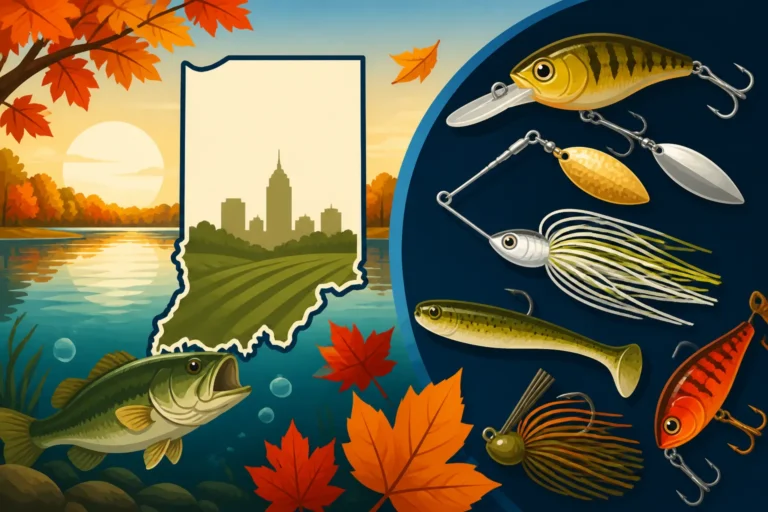
Spinnerbaits and chatterbaits are also excellent choices for covering water and triggering reaction strikes, especially in stained water or around sparse cover. The flash and vibration can call bass in from a distance, appealing to their predatory instincts. Experiment with blade types and colors to match the forage in the lake. A chartreuse and white spinnerbait, for example, can be deadly in dingier waters, while a natural shad pattern might work better in clearer conditions. These lures are great for probing those transition areas where bass might be patrolling for food.
Adapting Your Approach: Techniques for Consistent Catches
Catching post-spawn bass isn't just about having the right lure; it's about employing the right techniques and having the patience to adjust to the fish's mood and location. This period demands versatility and a keen eye for subtle clues from the environment. Knowing "How Water Temperature Affects Fish Activity" is key to understanding their behavior during this time.
Covering Water Efficiently
During the post-spawn, bass can be spread out, making it crucial to cover water efficiently to locate active fish. This means employing techniques that allow you to quickly search a large area, rather than meticulously picking apart every piece of cover. Fan casting, where you cast to different angles around your boat or position, is an excellent way to determine if bass are holding in a particular zone.
Lures like crankbaits, spinnerbaits, and chatterbaits are perfect for covering water. A medium-diving crankbait that runs 8-12 feet can be worked along those transition lines and drop-offs, deflecting off any submerged wood or rock, often triggering a reaction strike. Make long casts parallel to the cover or structure you're targeting to keep your bait in the strike zone for longer. If you're fishing from a boat, having a good trolling motor can help you maintain position and cover wider areas.
Don't be afraid to move if you're not getting bites. Post-spawn bass might be grouped up, so if you catch one, there are likely more. But if you've worked an area thoroughly with several different presentations and had no luck, it's time to relocate. Focus on high-percentage areas that fit the post-spawn pattern: transition zones, shaded cover, and areas with ample baitfish. For those who enjoy "Bank Fishing Techniques for Beginners", it's still possible to cover water effectively by moving along shorelines.
The Role of Weather and Water Conditions
Weather and water conditions significantly influence post-spawn bass behavior. On bright, sunny days with clear water, bass will often retreat to deeper, shadier cover. This is when finesse presentations fished slowly and precisely become your best bet. Targeting docks, dense hydrilla mats, or deep timber will likely be more productive. A crucial element here is understanding how "Best Time of Day to Catch Bass" changes with conditions; often, low-light hours or cloudy days are best.
Conversely, on cloudy days, or during periods of stable, slightly overcast weather, bass might be more willing to roam and feed in shallower depths, closer to the edges of cover. This is an excellent time to use reaction baits like spinnerbaits or topwater lures, as the reduced light penetration makes them feel more secure. A little ripple on the water from a light breeze can also break up the surface, making topwater presentations even more effective by masking your line and movement.
Water temperature is always a critical factor. As the water warms into the 70s and 80s, bass will become more active feeders, but also more sensitive to direct sunlight. They'll seek out cooler water pockets or deeper thermal refuges. Paying attention to water temperature with a thermometer can help you pinpoint the depth where bass are most comfortable. For consistent catches, understanding and adapting to these daily and seasonal changes is paramount. This information also ties into "Bass Fishing Techniques for Pre-Spawn and Post-Spawn" which outlines the full cycle.
Disclaimer
Fishing regulations, license requirements, and local rules can change. Always consult the latest Indiana Department of Natural Resources (IDNR) guidelines before heading out on the water. This article is intended for informational purposes and should not be considered legal advice.