Best Lures for Summer Fishing
Ah, summer fishing in Indiana. It sounds idyllic, doesn't it? Long days, warm breezes, and the promise of a big catch. But let's be honest, the reality often hits different. Those "dog days" can quickly turn into "dog-tired" days when the fish seem to have vanished, or worse, developed lockjaw. The truth is, summer presents unique challenges for anglers, but it's nothing a little knowledge and the right tackle can't overcome. This guide is all about equipping you with the know-how to pick the best lures for summer fishing, ensuring your trips are more about bending rods and less about frustration.
Understanding Summer Fish Behavior in Indiana
Before we even talk about specific lures, it’s crucial to understand what’s going on beneath the surface during those hot Indiana summers. Fish aren't just sitting around waiting to be caught; they're actively reacting to their environment, and that environment changes drastically with the seasons. Ignoring these shifts is a common pitfall that can lead to empty nets and disappointed anglers.
Why Summer Fishing Can Be Tough
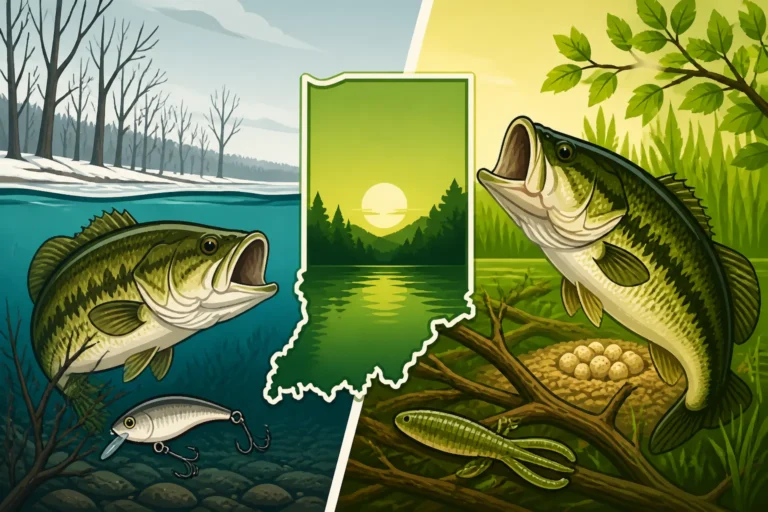
When the sun beats down relentlessly, especially on Indiana's relatively shallow lakes and rivers, water temperatures can soar. This isn't just uncomfortable for us; it's a game-changer for fish. As the water warms, its oxygen-holding capacity decreases, and fish metabolism tends to speed up. They become more lethargic, seeking out cooler, more oxygenated water. This often means they move deeper, or they might hug shaded structures like docks, fallen trees, or thick weed beds. They're trying to conserve energy and find comfort, which makes them less likely to chase down a fast-moving, flashy bait.
Think about it from their perspective: Would you want to sprint after a meal in ninety-degree heat? Probably not. Fish are much the same. This natural instinct to seek refuge is why the bite can feel so slow in the middle of a bright, hot summer day. It's a struggle we all know, especially if you're out there trying to find fish when they're hunkered down. Learning to adjust to these conditions is key to summer fishing success.
General Principles for Summer Lure Selection
Given that fish are often deeper, less active, and seeking cover, your lure selection needs to reflect these behavioral changes. Gone are the days of ripping baits across flats with abandon – well, mostly gone. Instead, you'll want to focus on lures that can get down to where the fish are hiding and present themselves in a way that tempts a reluctant bite. This usually means slower, more methodical presentations that mimic an easy meal.
Consider lure colors, too. In clear water, which you often find in Indiana's pristine glacial lakes, natural baitfish patterns or subtle greens and browns tend to be more effective. If you're fishing stained or murky water, perhaps after a summer rain, brighter colors like chartreuse or orange can offer better visibility. The general rule is to think "easy target" for these summer fish. They want something that doesn't require much effort to catch, and a lure that looks natural and moves at a snail's pace can often be the ticket.
Top Lures for Indiana's Summer Bass
Indiana is a fantastic state for bass fishing, particularly for largemouth. But come summer, those big green fish can become surprisingly elusive. The trick is to adapt your approach and use lures that can reach them in their summer hideouts or entice them during their brief periods of activity. If you're really serious about these fish, check out our Largemouth Bass Fishing in Indiana: The Complete Guide.
Targeting Deep Water and Cover
When the sun is high and the air is thick with humidity, largemouth bass are usually tucked away. This means you need lures that can penetrate heavy cover or dive to the cooler depths. Trust me, you've probably been there, casting fruitlessly into open water while the bass laugh from their shaded sanctuaries.
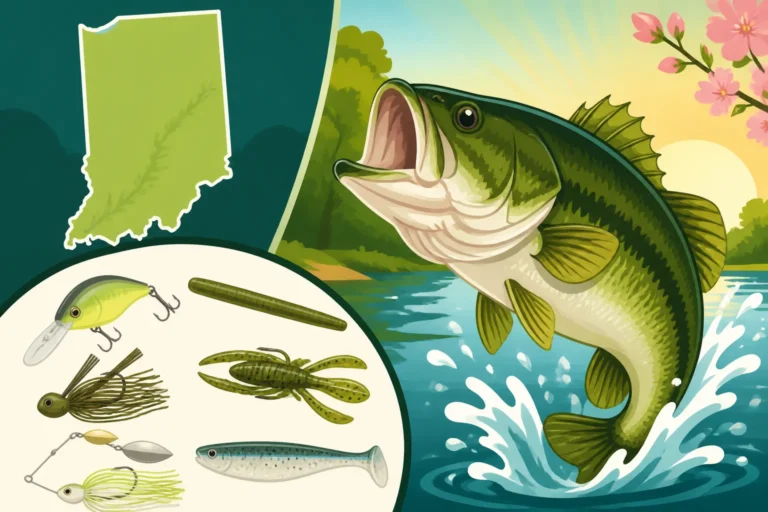
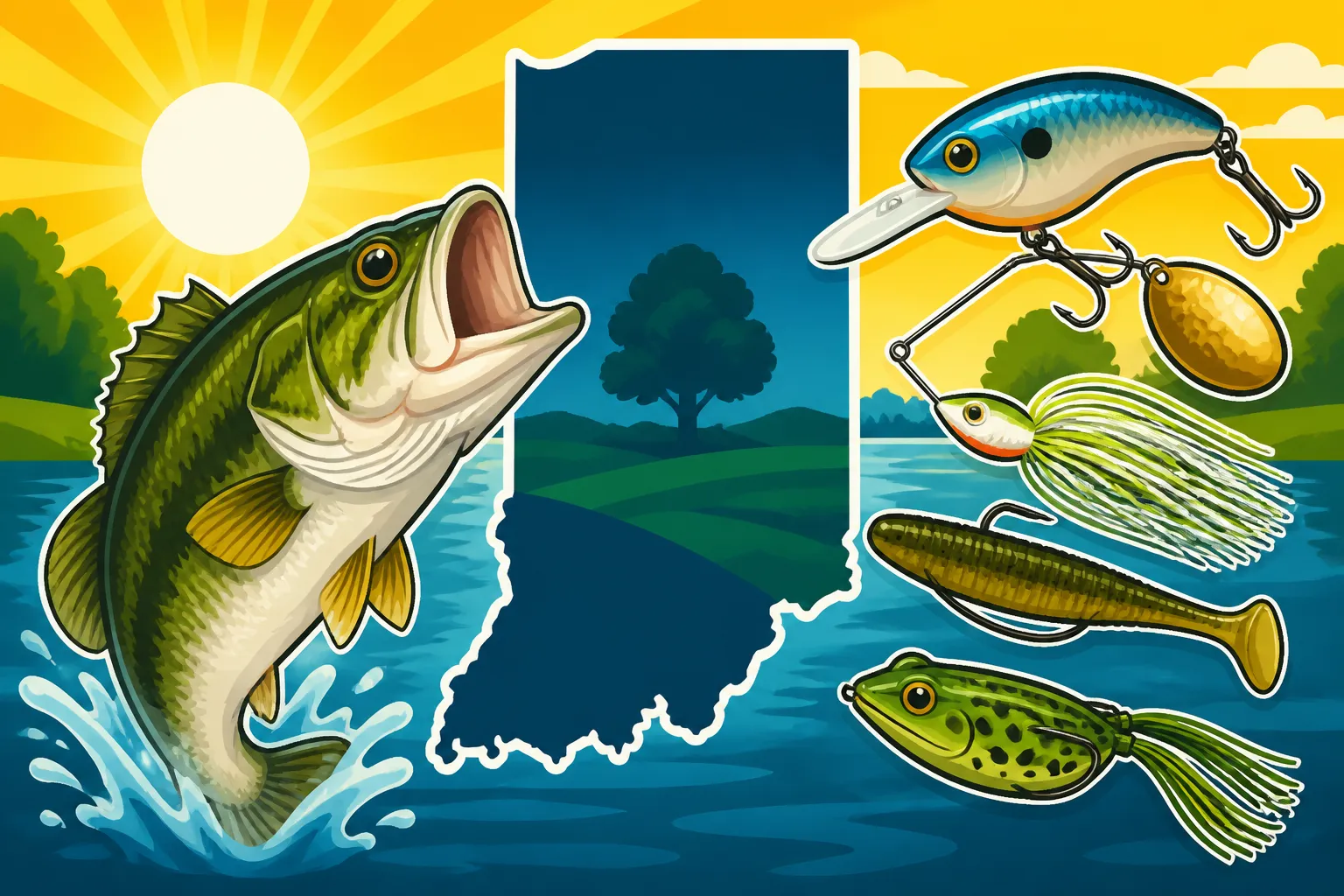
Deep Diving Crankbaits: These are absolute workhorses for summer bass. Designed with large, aggressive bills, they can quickly plummet to significant depths, getting right into the strike zone where bass are suspended or hugging bottom. On larger reservoirs like Monroe Lake: Indiana's Largest Lake for Bass Fishing or Patoka Lake, you might find yourself cranking one of these bad boys over submerged creek channels, along deep weed lines, or around points. The key is to find crankbaits that match the depth you're fishing and to experiment with retrieve speeds. Often, a slow, steady retrieve that just ticks the bottom or brushes against cover is all it takes to trigger a reaction strike from a lethargic bass. You can find an incredible selection of these on retailers like Amazon, offering a wide range of colors and dive depths.
Jigs (Football and Flipping/Punching): Jigs are incredibly versatile and perfect for summer bass. Football jigs are excellent for bouncing along rocky bottoms or gravel points in deeper water, mimicking crawfish – a favorite bass snack. Their unique head design helps them maintain contact with the bottom, making them ideal for finding those subtle changes in terrain where bass often ambush prey. Flipping and punching jigs, on the other hand, are designed to get into the nastiest, thickest cover imaginable – think matted lily pads, dense hydrilla beds, or overgrown laydowns. Paired with a bulky soft plastic trailer, these lures imitate everything from crawfish to bluegill, providing a slow, tantalizing presentation right where those big bass are hiding from the heat. The retrieve is usually a lift-and-drop or a slow drag, designed to provoke a strike from a fish that isn't actively feeding.
Surface and Mid-Water Excitement
While deep water and cover are key, there are still times when bass will come up to feed, offering some of the most exciting bites in fishing. These windows are often short, but incredibly rewarding.
Topwater Lures (Frogs, Poppers, Walkers): Is there anything more thrilling than a topwater strike? In summer, these lures shine during low-light conditions – think dawn, dusk, or heavily overcast days. Frogs, in particular, are phenomenal for fishing over thick vegetation. They're weedless, allowing you to cast them right into the salad where bass hide, then twitch them tantalizingly across the surface. Poppers create a disturbance that mimics a struggling baitfish, while "walker" baits glide effortlessly across the surface, drawing attention from a distance. The trick with topwater is patience; let the bait sit for a moment after casting, then begin your retrieve with subtle twitches and pauses. Sometimes, a slow, deliberate walk-the-dog retrieve is all it takes to make a bass explode on your lure.
Soft Plastics (Worms, Senkos, Swimbaits): These are arguably the most versatile lures for summer bass. From weightless wacky-rigged Senkos that flutter slowly into cover, to Texas-rigged worms that can be dragged through thick weeds, soft plastics offer endless possibilities. Swimbaits, especially smaller ones, can be incredibly effective when retrieved slowly just above the thermocline or around baitfish schools. The beauty of soft plastics is their subtle action and natural feel, which can coax bites from even the most finicky summer bass. They're perfect for finessing a bite when the fish are hesitant. Experiment with different colors and sizes; often, something as simple as changing from a black worm to a green pumpkin can make all the difference on a tough day.
Essential Lures for Other Popular Indiana Summer Species
While bass get a lot of attention, Indiana's waters teem with other fantastic species that are very catchable in the summer. Don't overlook them! From delicious walleye to feisty panfish and hard-fighting catfish, there's always something biting if you know what to use.
Walleye and Panfish Tactics
Finding walleye and panfish in summer requires understanding their preferences for cooler water and structure.
Walleye (Jigs, Crankbaits, Live Bait Rigs): Walleye are famous for being light biters, but they're still active in summer. You'll often find them congregating on deeper humps, rock piles, or along breaks where they can ambush baitfish. Jigs tipped with a live minnow or a juicy nightcrawler can be incredibly effective when presented slowly along the bottom. Deep-diving crankbaits, especially those trolled slowly over promising structure, are another excellent choice for covering water and locating schools. For a deep dive into these elusive fish, check out our Indiana Walleye Fishing: A Complete Guide. On a lake like Lake Wawasee: Indiana's Largest Natural Lake, walleye will often retreat to deeper, cooler sections during the day, making precise lure placement and slower presentations vital. Look for them to become more active near dawn and dusk, when they might move shallower to feed.
Panfish (Small Jigs, Poppers, Worms): Bluegill, crappie, and other panfish are a summer staple, especially for family outings or those looking for consistent action. While they might not be as aggressive as in spring, they're still catchable, often found holding tight to docks, fallen trees, or shaded weed edges. Small jigs, often 1/32 or 1/16 ounce, tipped with tiny soft plastics (like a micro grub or tube) or a piece of Gulp! bait, are incredibly effective. Fish them slowly under a bobber or with a slow retrieve. For a bit more fun, small poppers or tiny beetle spins can entice bluegill and crappie to strike on the surface during early morning or late evening. And of course, you can never go wrong with a simple hook, split shot, and a live worm under a bobber – a classic that always produces, especially when introducing kids to fishing. For more details on these fun-to-catch fish, read our Indiana Panfish Guide: Crappie, Bluegill, and Sunfish.
Catfish Corner
Summer is prime time for catfish in Indiana. These whiskered warriors are robust, plentiful, and offer some of the best fighting action, especially on warmer nights.
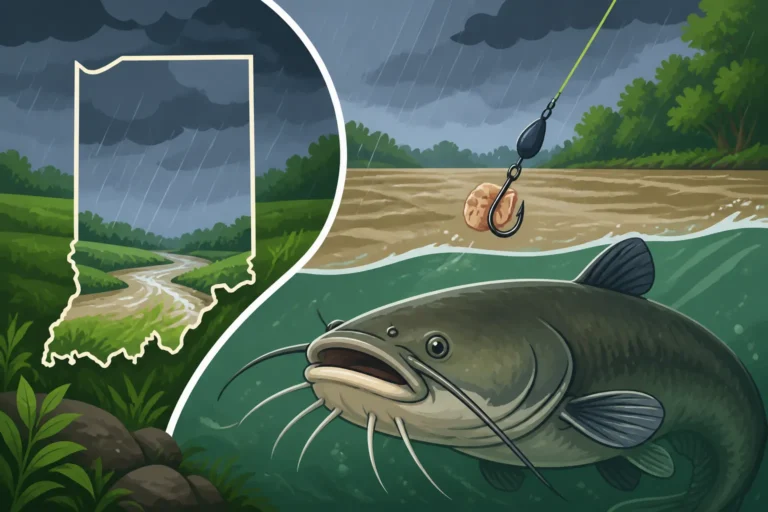
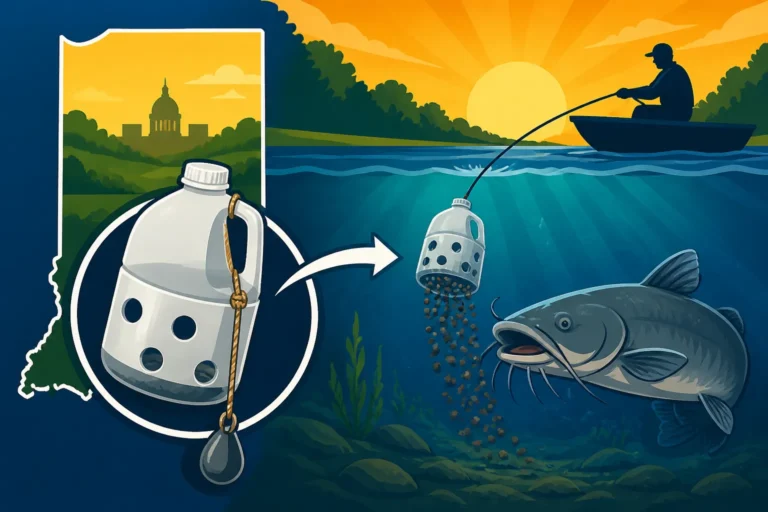
Catfish (Prepared Baits, Cut Bait, Live Bait): Whether you're targeting channel cats, flatheads, or blue catfish, summer is when they're most active. Catfish are primarily scavengers and opportunistic predators, making them less sensitive to high water temperatures than other species. They'll often hold in deeper holes, current breaks, or around submerged structure in rivers like the Fishing the Wabash River in Indiana or larger reservoirs. The key is to get your bait on the bottom and let its scent do the work. Prepared "stink" baits are a classic choice for channel catfish, while fresh cut bait (shad, bluegill, or skipjack) is deadly for all species, particularly larger flatheads and blues. Live bait, especially small bluegill or shiners, can also be irresistible to big flatheads. A simple slip-sinker rig with a stout hook is usually all you need. Be patient, bring a good chair, and enjoy the fight!
Gear Up and Go: Tips for Summer Lure Success
Having the right lures is just one piece of the puzzle. How you use them, and what other tools you bring along, can dramatically impact your summer fishing success in Indiana.
Color and Presentation Matters
I know, I know, we've talked about it, but it bears repeating: summer fish are often finicky. This means paying extra attention to the details of your presentation. Start with natural colors in clear water and brighter, more visible colors in stained or murky conditions. But don't be afraid to experiment! Sometimes, a completely wild color that "shouldn't" work is exactly what triggers a strike. Think about the water clarity and light conditions before you tie on your lure.
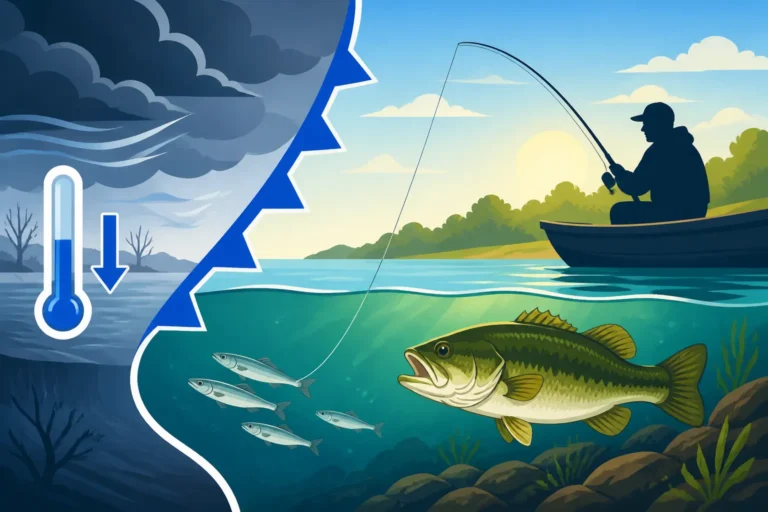
More importantly, slow down. Seriously. Most anglers fish too fast in the summer. Lethargic fish aren't going to chase. You need to present your lure in a way that makes it an easy meal. This means more pauses with soft plastics, slower cranking with crankbaits, and less aggressive jerks with topwaters. Let the bait "soak" in the strike zone longer. Remember, Best Water Temperature for Bass Fishing in Indiana tells us they're trying to conserve energy, so a slow, deliberate presentation is often the most effective. If you've just experienced a significant weather shift, like a cold front, remember that fish behavior will change even more, so adjust your tactics accordingly, perhaps by reviewing tips on How to Fish After a Cold Front.
Don't Forget the Essentials
Beyond the lures themselves, a few other things will make your summer fishing much more comfortable and productive.
Line Selection: For finesse presentations with soft plastics, a good fluorocarbon line with low visibility and stretch can be a game-changer. For fishing heavy cover with jigs or frogs, braided line offers incredible strength and sensitivity to rip fish out of the nastiest spots. Always match your line to your lure and target species.
Sun Protection and Hydration: This isn't about fishing technique, but it's vital for your well-being. Long summer days on the water mean lots of sun exposure. Wide-brimmed hats, polarized sunglasses, and quality sunscreen are non-negotiable. Polarized sunglasses, in particular, will help you spot underwater structure and even fish, giving you a huge advantage. And always, always bring plenty of water. Dehydration can sneak up on you fast. Many anglers stock up on these essentials from places like Amazon before their trips, ensuring they have everything they need for a comfortable day on the water.
The Right Attitude: Finally, remember that summer fishing can be challenging. There will be slow days, but there will also be incredible moments. Patience, persistence, and a willingness to try new things are your best assets. Even when the bite is tough, being out on Indiana's beautiful waters is a reward in itself. Enjoy the process, learn from every cast, and those summer catches will feel all the sweeter. You might even discover some exciting Summer Fishing Patterns for Crappie if you pay close attention to your local waters.
| Lure Type | Target Species | Best Summer Conditions | Key Retrieve Tip |
|---|---|---|---|
| Deep Diving Crankbait | Largemouth Bass, Walleye | Sunny, Mid-day, Deep Water | Slow, steady crank, occasional bottom tick |
| Football Jig | Largemouth Bass, Smallmouth Bass | Rocky Bottoms, Humps, Deep Structure | Slow drag-and-hop along the bottom |
| Flipping/Punching Jig | Largemouth Bass | Heavy Cover (mats, docks, laydowns) | Drop into cover, short hops, slow lifts |
| Topwater Frog | Largemouth Bass | Early/Late, Overcast, Matted Weeds | Twitch, pause, twitch; or walk-the-dog |
| Weightless Soft Plastic | Largemouth Bass, Smallmouth Bass | Any time, especially pressured fish | Slow flutter, subtle twitches, long pauses |
| Small Jig w/ Soft Plastic | Panfish (Bluegill, Crappie, Perch) | Around Docks, Brush Piles, Weed Edges | Very slow retrieve, vertical jigging, or suspended under a bobber |
| Live Bait / Cut Bait | Catfish, Walleye | Any time, deep holes, current seams | Still fish on bottom, let scent disperse, be patient |
Disclaimer
This article is for general informational purposes only and does not constitute professional advice. Laws, prices and regulations vary by location and change over time. Consult a qualified professional for guidance on your specific situation.