Best Water Temperature for Bass Fishing in Indiana
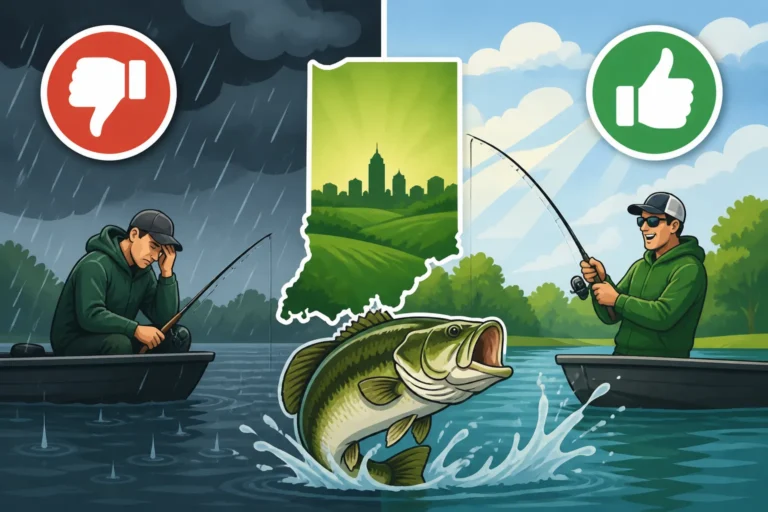
Have you ever had those days on the water in Indiana where you feel like you're doing everything right — using your favorite lures, hitting prime spots, but the bass just aren't biting? It's frustrating, right? More often than not, the missing piece of that puzzle isn't your skill, but a crucial, often overlooked factor: water temperature. Understanding how water temperature dictates bass behavior is absolutely key to consistent success, and this guide is here to help you unlock that secret.
Why Water Temperature is the Ultimate Bass Angler's Gauge
Think about it: bass, like all fish, are cold-blooded creatures. This means their internal body temperature is directly controlled by the temperature of the water around them. Unlike us humans, they can't just throw on a jacket or crank up the AC. Their entire metabolism – how they move, how they digest food, when they spawn, and even how aggressively they bite – is inextricably linked to the thermometer reading beneath the surface. Ignoring this fundamental biological reality is like trying to bake a cake without knowing the oven temperature; you're just guessing, and the results are usually pretty disappointing.
Many anglers get fixated on the perfect lure color or retrieve speed, and while those things absolutely matter, they're secondary to understanding the thermal comfort zone of a bass. If the water is too cold, their metabolism slows down, making them sluggish and uninterested in chasing a fast-moving bait. Too hot, and they might become stressed, seek deep, oxygenated water, and feed only sporadically. It's a constant dance between the fish and their environment, and once you learn the rhythm of that dance, your catch rates are going to soar. This knowledge truly separates the seasoned anglers from those who just get lucky once in a while.
Ideal Temperature Ranges for Peak Bass Activity in Indiana
Knowing the specific temperature ranges for different bass behaviors is where the real magic happens. These aren't hard and fast rules, as factors like water clarity, oxygen levels, and forage availability also play a role, but they provide a fantastic blueprint for where to start.
Pre-Spawn Cooling and Warming Water
In Indiana, as winter loosens its icy grip and spring hints at warmer days, the water begins its slow climb from the frigid lows. Typically, when water temperatures start to tick up into the 45-55°F range, bass begin to shake off their winter lethargy. This is a critical time, a "pre-spawn" period where they start thinking about reproducing and, more importantly for us anglers, eating! They're moving out of their deep winter haunts and staging in areas adjacent to their future spawning grounds, like creek channels, points, and humps. They're often looking for easy meals to bulk up before the energy-intensive spawning ritual. Slow-moving baits like jigs, lipless crankbaits, or even jerkbaits can be incredibly effective here, presented methodically to entice those still somewhat sluggish fish. Lakes like Monroe Lake, known for its fantastic bass fishing, will see anglers targeting these staging areas as the water warms. You can learn more about Indiana Bass Spawn Timing and Pre-Spawn Patterns to refine your approach.
Spawn Prime Warming Water
This is the big show! The spawn is when bass move into shallow, protected areas to lay and fertilize their eggs. This usually kicks into high gear when water temperatures settle into a stable range, generally between 55-68°F. The peak is often around 60-65°F. Bass will build nests (beds) in sandy or gravelly bottoms, often near cover like submerged logs, docks, or weed lines. Males guard the nests fiercely, becoming very aggressive towards anything perceived as a threat to their eggs or fry. During this time, sight fishing can be incredibly effective, if legal and ethical in your specific area, as you can see the bass on their beds. While they might not be actively feeding, they'll strike out of pure instinct to protect their young. Flipping and pitching jigs, soft plastics like creature baits, or even small topwaters if the fish are active, can provoke a strike. Remember, responsible angling during the spawn means minimizing stress on these fish, as they are crucial for future generations. For more details, check out our guide on the Best Time to Bass Spawn in Indiana.
Post-Spawn and Summer Warm Water
Once the spawning ritual is complete and the water temperatures continue to climb into the 68-80°F+ range, bass transition into their summer patterns. The post-spawn phase sees fish recovering from the rigors of reproduction, often retreating to slightly deeper water or dense cover to recuperate. As summer progresses and Indiana's heat really settles in, the bass seek cooler, more oxygenated water. This means they'll often be found in deeper holes, along thermoclines (layers of water with distinct temperature differences), or tucked tight into heavy shade under docks, lily pads, or overhanging trees. Early mornings and late evenings often provide the best bite during summer, as the surface water is cooler, and bass venture out of their deep-water sanctuaries to feed. Power fishing with crankbaits, spinnerbaits, or topwaters can be effective during these low-light periods, while Texas-rigged worms or jigs are better for probing heavy cover during the heat of the day. Our article on the Best Lures for Summer Fishing offers some great recommendations.
Fall Cooling Water
As autumn leaves begin to change and the days shorten, water temperatures in Indiana's lakes and rivers start to drop again, typically falling into the 50-65°F range. This is often considered one of the absolute best times to catch big bass! Why? Because fish sense the approaching winter and go on a major feeding spree, trying to pack on as much weight as possible. They become incredibly aggressive and will often chase down baitfish with vigor. Look for schooling baitfish, as bass will likely be nearby, pushing them to the surface. Crankbaits, spinnerbaits, jerkbaits, and even large swimbaits can be deadly during the fall. This is a period of high activity, and bass can often be found in transitional areas, moving between shallow feeding flats and deeper wintering holes. If you're wondering about the best time to target these fish, our guide on the Best Season to Catch Largemouth Bass delves deeper into fall strategies.
Reading the Water: Tools and Techniques for Measuring Temperature
You can't just guess the water temperature; you need reliable tools. Luckily, getting accurate readings is easier than ever.
There are a few main types of thermometers anglers use. Simple, floating water thermometers are affordable and effective for surface readings. Many modern fish finders, especially those with GPS mapping and advanced sonar capabilities, come equipped with built-in water temperature sensors that read the temperature at the transducer, typically mounted on the transom. This gives you a real-time reading of the water your boat is passing through. For more localized spot checks, particularly in shallow areas or when you're wading, a handheld digital thermometer can be invaluable. Some even offer infrared capabilities, allowing you to "point and shoot" at the water surface, though this is primarily for surface temperature only. You can find a wide range of reliable options on platforms like Amazon, from basic models to more advanced devices integrated with your fishing electronics.
The key isn't just taking one reading. Water temperature can vary significantly even within a short distance or at different depths. Always check temperatures in various parts of the lake or river you're fishing. For instance, shallow, dark-bottomed coves will warm up faster in the spring than deeper, open water. Areas with heavy current or spring feeds can also have noticeably different temperatures. Pay attention to the thermocline if your fish finder can detect it – that's a layer of water where the temperature changes rapidly with depth. Bass will often suspend right above or within the thermocline because it offers cooler, more oxygenated water. Monitoring these subtle changes throughout your day, and even over several trips, will paint a much clearer picture of where the fish are likely to be.
Adjusting Your Strategy Based on Temperature in Indiana Waters
Knowing the temperature is only half the battle; the other half is knowing how to react. Your lures, your presentation, and even where you cast should all be dictated by the mercury.
Lure and Bait Selection
The water temperature fundamentally influences a bass's metabolism and, therefore, its willingness to chase and strike. In colder water (below 50°F), bass are often sluggish, moving slowly and preferring a meal that doesn't require much effort. This is when finesse baits shine: small jigs, drop shots, or slowly dragged worms. Think about a cold person—they don't want to run a marathon; they want to curl up with a blanket. Bass are the same. As the water warms into the 50s and 60s, their activity level increases. This is prime time for moving baits like crankbaits, spinnerbaits, and jerkbaits, which can cover water quickly and draw aggressive strikes. When it gets really warm (75°F+), bass might be active but also seeking refuge. Topwater lures can be explosive during low-light hours, while punching heavy mats with jigs or large soft plastics can get strikes from bass hiding in the shade. You can find an excellent selection of Best Crankbaits for Indiana Largemouth Bass that perform well across various temperatures, many available through retailers like Amazon.
Fishing Depth and Structure
Water temperature also dictates where bass position themselves in the water column. In early spring, as temperatures rise, bass will migrate from deeper wintering holes to shallower flats and points to stage for the spawn. During the heat of summer, they'll retreat to the coolest, deepest water they can find, or hide under dense cover like lily pads or boat docks to escape the sun and heat. If you're fishing a lake like Patoka Lake, known for its deep timber, summer bass will often be found suspended in or around that deep structure. Conversely, in the fall, as water cools, bass become more widespread, often chasing baitfish in open water or along steeper banks. Always think about how the temperature is influencing the fish's comfort zone and where that comfort zone might be within the specific body of water you're fishing. Our detailed guide on How Water Temperature Affects Fish Activity can provide even more insight into these patterns.
Retrieve Speed and Presentation
This is where finesse meets power. In cold water, a slow, deliberate retrieve is almost always best. Think about letting a jig soak on the bottom for an extended period or barely twitching a jerkbait. The bass isn't going to exert much energy to chase, so your bait needs to be right in front of its face and an easy target. As temperatures climb, you can gradually increase your retrieve speed. During the peak spawn, a bait presented directly on a bed might get a violent reaction strike even if it's not a "feeding" strike. In warm, active summer or fall conditions, a fast retrieve with a crankbait or spinnerbait can trigger aggressive reaction bites. Don't be afraid to experiment with your retrieve; sometimes a slight variation is all it takes to get a strike.
Time of Day and Weather
Temperature isn't static; it fluctuates throughout the day and with weather changes. On hot summer days in Indiana, the water is coolest at dawn and warms up as the sun rises. This is why early morning or late evening often produces the best bites in summer. Conversely, on cold spring days, the warmest water might be in the late afternoon after the sun has had a chance to heat the shallow areas. Cloud cover can also play a role, as it prevents direct sunlight from warming the surface or allows bass to roam more freely without seeking deep shade. Always consider the time of day and recent weather patterns when you're interpreting your water temperature readings. Knowing these interactions will significantly improve your understanding of Water Temperature and Fish Feeding Patterns.
Here’s a quick overview of how temperature affects bass and how you can adjust your fishing:
| Water Temperature Range | Bass Behavior & Location | Recommended Techniques & Baits | Best Time to Fish |
|---|---|---|---|
| Below 40°F | Deep, sluggish, very little activity | Vertical jigging, slow dropshots in deep holes | Mid-day |
| 40-49°F (Winter/Early Spring) | Deep, slow metabolism, seeking stable temps | Finesse jigs, blade baits, suspending jerkbaits (very slow retrieve) | Mid-day |
| 50-54°F (Pre-Spawn Staging) | Moving shallower, staging on points/humps | Lipless crankbaits, spinnerbaits (slow roll), jigs, shaky heads | Mid-day to afternoon |
| 55-68°F (Spawning Peak) | Shallow beds, aggressive defense, eating less | Flipping jigs/plastics on beds, wacky worms, small topwaters (reaction bites) | All day, especially clear water |
| 69-74°F (Post-Spawn/Early Summer) | Recovering, moving to deeper cover/structure | Crankbaits, spinnerbaits, Texas rigs, senkos, topwaters (early/late) | Morning/Evening, Overcast |
| 75-80°F+ (Mid-Summer) | Deeper water, heavy cover, seeking shade | Deep diving crankbaits, jigs, punching plastics, topwaters (low light), large worms (Texas/Carolina) | Early morning, Late evening |
| 60-70°F (Early Fall) | Highly active, feeding heavily, chasing bait | Crankbaits, spinnerbaits, buzzbaits, chatterbaits, swimbaits | All day |
| 50-59°F (Late Fall) | Feeding frenzy, moving towards deep water | Jerkbaits, jigs, spoons, crankbaits (medium depth) | Mid-day to afternoon |
Disclaimer
Fishing regulations and conditions can change. Always consult the latest Indiana Department of Natural Resources (DNR) guidelines before heading out on the water. This information is for educational purposes and general guidance only.