Winter Fishing Patterns on Indiana Lakes
Winter fishing in Indiana can feel like a daunting challenge, right? Most anglers pack away their gear the moment the leaves start to turn, convinced that cold weather means no bites. But if you’re one of the determined few who brave the chill, you know the frustration of staring at an empty bucket or feeling utterly lost on what used to be your favorite honey hole. This guide is here to change that, revealing the subtle yet highly effective patterns that unlock successful winter fishing on Indiana's diverse lakes.
Understanding Indiana's Winter Waters
When the cold truly settles in over Indiana, our lakes undergo a dramatic transformation. It’s not just about the surface freezing over; the entire aquatic ecosystem shifts, impacting everything from water chemistry to fish behavior. Understanding these fundamental changes is the first step to figuring out where the fish are and how to tempt them into biting during the coldest months.
The Thermocline's Winter Disappearance
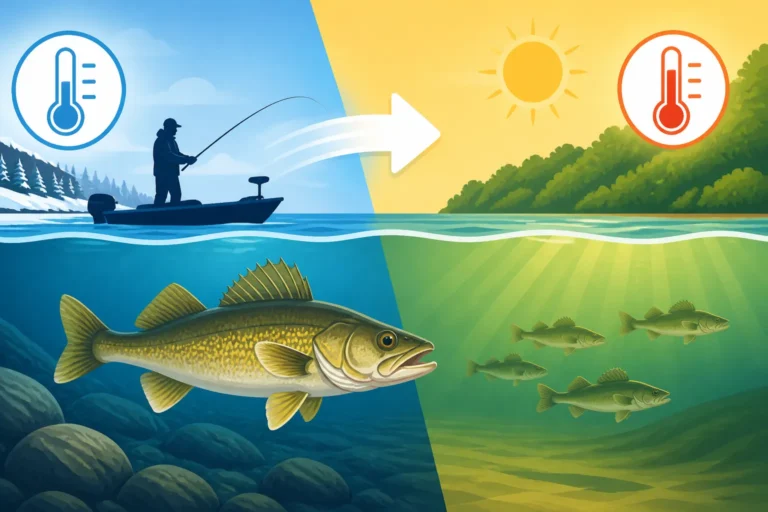
During the warmer months, many of Indiana's deeper lakes develop a distinct thermocline – a layer of water where the temperature changes rapidly with depth, effectively stratifying the lake into different temperature zones. This creates a comfortable band for many fish species. However, as winter arrives and surface temperatures plummet, the entire water column begins to cool. Once the surface water reaches around 39 degrees Fahrenheit (4 degrees Celsius), it becomes denser and sinks, pushing warmer, lighter water upwards. This process, known as "turnover," eventually leads to a uniform temperature throughout the water column, effectively eliminating the thermocline.
What does this mean for us anglers? It means fish are no longer confined to a specific thermal band. Instead, they'll seek out comfort based on other factors like oxygen levels, food availability, and cover. This uniform temperature can make them harder to pinpoint in one specific depth, but it also means they can be found across a wider range of the water column, if you know what to look for. This uniform temperature also means that fish might move more vertically than horizontally in search of food or slight temperature differences, often gravitating towards the deepest available water or specific structures.
Fish Metabolism and Cold Water
Think about how you feel on a cold winter day – you probably move a bit slower, right? Fish are no different, but their slowdown is far more profound. As water temperatures drop into the 30s and low 40s Fahrenheit, a fish's metabolism drastically slows down. They require less food, move with less energy, and their digestive processes take much longer. This isn't just a minor adjustment; it's a physiological shift that dictates their feeding windows and preferred behaviors.
When their metabolism is sluggish, fish aren't going to chase a fast-moving bait across a large expanse of water. Their strikes become much more subtle, often feeling like a mere weight on the line rather than an aggressive tug. This means you need to present your baits slowly, patiently, and right in front of their faces. They're conserving energy, so making them expend too much effort for a meal just won't cut it. This is why light bites are the norm and why keen attention to your line and rod tip is paramount. Sometimes, the only indication of a bite is a slight twitch or a feeling of "mush" on the end of your line.
Oxygen Levels Under the Ice
Even if the surface of your favorite Indiana lake isn't completely iced over, the persistent cold weather can impact oxygen levels, especially in shallower areas or smaller, nutrient-rich bodies of water. Ice cover, when it does form, seals off the lake from atmospheric oxygen exchange. If snow accumulates on top of the ice, it blocks sunlight, preventing aquatic plants from photosynthesizing and producing oxygen. This can lead to oxygen depletion, particularly in shallower zones.
While deeper, larger lakes like Monroe Lake or Patoka Lake often maintain healthy oxygen levels throughout winter, smaller, shallower ponds are more susceptible to "winter kill" conditions. Fish, being cold-blooded, still need oxygen, and they will gravitate towards areas with adequate supply. This often means deeper water, or areas where springs or currents introduce fresh, oxygenated water. Understanding this can help you rule out certain unproductive areas and focus your efforts on zones where fish can comfortably breathe and survive. It's a subtle factor, but a critical one for locating active fish in the dead of winter.
Key Species to Target in Winter
While many fish species become incredibly lethargic in the frigid Indiana waters, there are some resilient species that continue to offer fantastic angling opportunities. Knowing which fish are more likely to bite and understanding their winter habits is crucial for putting together a successful cold-weather outing. You don't want to waste your time casting for a species that's practically comatose.
Crappie and Bluegill: Panfish Powerhouses
Ah, crappie and bluegill – the bread and butter for many Indiana anglers, and they continue to shine in winter! These panfish are often the most reliable targets once the temperatures drop. Unlike some of the larger predators, panfish tend to school up tightly in winter, often relating to specific structures or deep water. This schooling behavior means that once you find them, you can often catch several in a short amount of time.
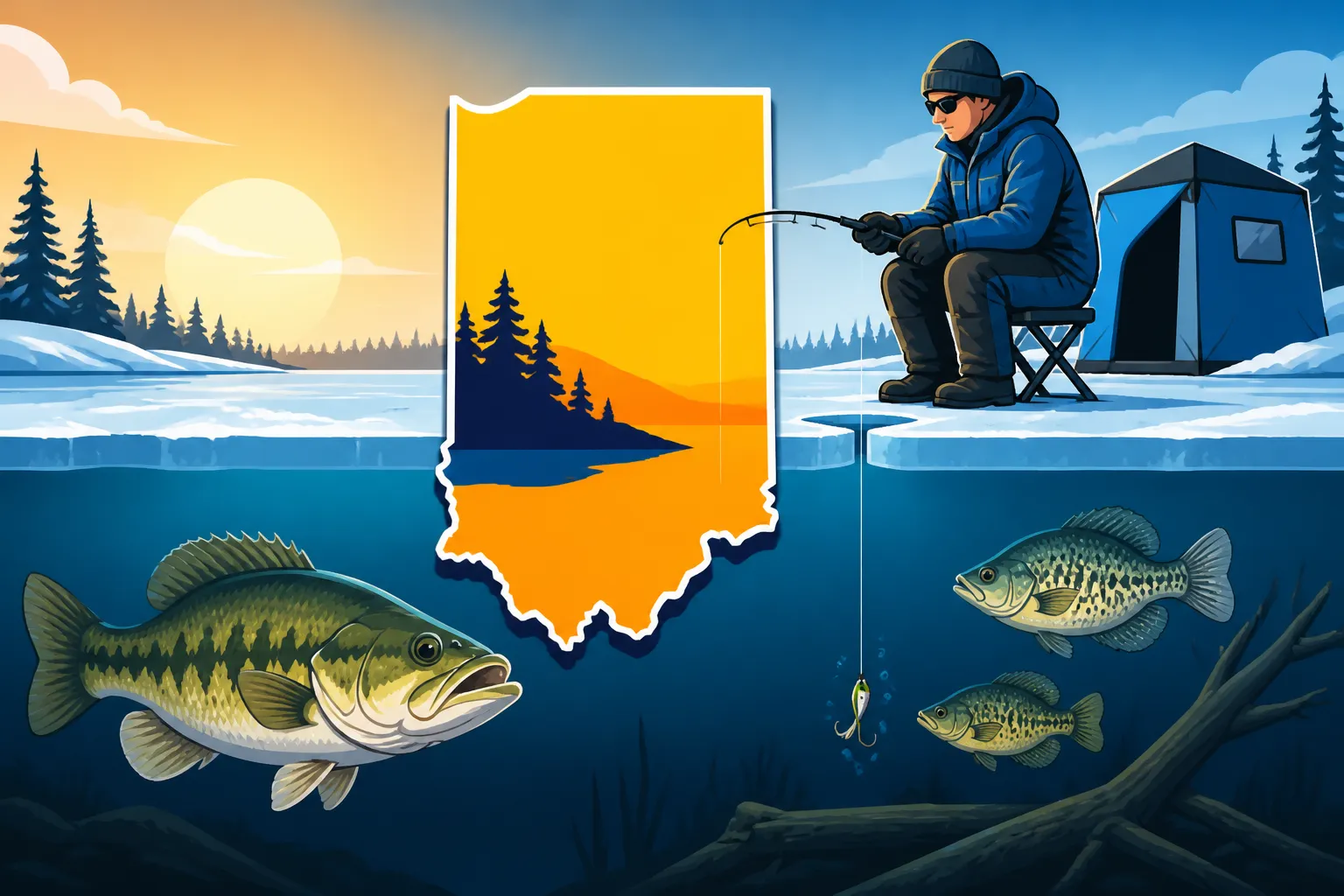
For crappie, look for deeper brush piles, submerged timber, or channel edges. They'll often suspend just above these structures. Bluegill, while also loving structure, can sometimes be found slightly shallower, particularly around weed edges or even basin areas of smaller ponds. The key with both is presenting small baits very slowly and directly to their holding areas. If you're looking for Best Crappie Lakes in Indiana, places like Lake Wawasee or Mississinewa Lake can be winter hotspots. The thrill of feeling those subtle taps on your line and pulling up a slab crappie or a fat bluegill on a crisp winter day is truly something special.
Walleye and Perch: Ice Fishing Favorites
If you're willing to brave the ice, or if you're targeting open water during a mild winter, walleye and yellow perch become prime targets. Walleye, known for their preference for cold water, can be incredibly active under the ice or in deep, open water. They'll often cruise along flats adjacent to deeper channels or hold tight to prominent underwater points and humps. They're still ambush predators, but their movements are more deliberate.
Yellow perch, a close cousin, are another fantastic winter fish. They school up in large numbers and can provide fast action. Perch often relate to the bottom, feeding on insects, larvae, and small minnows. Look for them over expansive flats, sometimes near weed lines, or around the deepest basin areas of a lake. Best Walleye Fishing in Indiana can be found in places like Lake Maxinkuckee or Lake Webster, and these same lakes are often fantastic for perch too. The fight of a walleye or a stringer full of tasty perch can make those cold hands well worth it.
Winter Bass Fishing: A Niche Pursuit
Okay, let's be real – winter bass fishing in Indiana isn't for the faint of heart, and it's not typically about high numbers. Largemouth and smallmouth bass certainly slow down dramatically in cold water, but they don't stop feeding entirely. Instead, they become highly lethargic and opportunistic. The key to winter bass is understanding that their feeding windows are short and their targets are often easy meals.
You'll typically find them in the deepest available water, often piled up on offshore structures like deep points, humps, or channel swings. They'll also hug tight to vertical cover such as submerged timber or bridge pilings. The technique for winter bass is incredibly slow. Think subtle jigging spoons, slow-crawling jigs, or suspending jerkbaits paused for agonizingly long periods. Catching a monster bass in the middle of winter is a true trophy, a testament to patience and persistence. If you're looking to challenge yourself, check out Best Bass Fishing Lakes in Indiana like Monroe Lake or Patoka Lake, where deep water allows bass to congregate. It's a niche game, but the rewards are profound.
Essential Gear and Techniques for Cold Weather
Winter fishing demands a different approach when it comes to your tackle and personal preparation. You can't just grab your summer setup and expect success. Fish are less aggressive, bites are lighter, and your own comfort and safety become paramount. Investing in the right gear isn't just about catching more fish; it's about making the experience enjoyable and safe.
Specialized Rods and Reels
For winter fishing, especially if you're targeting panfish or jigging for walleye in open water (or through the ice), specialized gear makes a huge difference. You'll want rods with extremely sensitive tips to detect those incredibly subtle bites from sluggish fish. For panfish, ultralight or light power rods ranging from 24 to 36 inches are ideal. These short rods allow for precise control and minimal movement to impart action on tiny jigs. Look for models with a fast action, meaning the tip bends easily but the backbone is stiffer, allowing for good hooksets without overpowering the fish.
When it comes to reels, small spinning reels (500 or 1000 size) are perfect. They're lightweight and allow you to use very light lines, typically 2-6 pound test fluorocarbon or monofilament. Fluorocarbon is often preferred because it's virtually invisible underwater and has less stretch, improving sensitivity. Consider options available on platforms like Amazon, where you can find many reputable brands offering specialized ultralight combos perfectly suited for this delicate work. The sensitivity of the right rod and reel can mean the difference between missing a bite and landing a fish.
Electronics for Locating Winter Fish
In winter, fish are often tightly schooled or hugging structure, making them incredibly difficult to find without the aid of electronics. A good fish finder, whether it's a traditional sonar unit, a flasher for ice fishing, or even a more advanced side-imaging unit, is an invaluable tool. These devices allow you to scan the water column, identify deep water structure, and most importantly, mark fish.
For open water fishing, a standard fish finder with down imaging can help you pinpoint deep brush piles, channel edges, or baitfish schools where predators might be lurking. For ice fishing, a flasher (like a Vexilar or Marcum) gives you real-time feedback on fish presence, their depth, and even how they react to your lure. This instantaneous feedback allows you to adjust your presentation until you get a bite. Being able to see the fish and your lure on the screen is a game-changer, eliminating guesswork and dramatically increasing your efficiency. Don't go out in winter without some form of electronic assistance; it’s like trying to find a needle in a haystack blindfolded.
Cold-Weather Apparel and Safety
This isn't just about comfort; it's about survival. Indiana winters can be brutal, and being out on a lake, whether in a boat or on the ice, exposes you to extreme cold, wind, and potentially dangerous conditions. Layering is your best friend. Start with a moisture-wicking base layer (synthetics or merino wool are great) to keep sweat away from your skin. Add an insulating mid-layer (fleece or down) for warmth, and finish with a waterproof and windproof outer shell. A good quality pair of insulated, waterproof boots is non-negotiable, as are insulated gloves or mittens, and a warm hat that covers your ears.
Beyond clothing, always prioritize safety. If you're ice fishing, never venture out alone, tell someone where you're going, and always carry safety picks, a throw rope, and a spud bar to check ice thickness. Even for open water boaters, dressing for immersion is crucial. A personal flotation device (PFD) is always important, but an insulated, floatation-suit style PFD can be a lifesaver in extreme cold. Hypothermia can set in quickly, and being prepared means you can focus on fishing instead of shivering. Always check the weather forecast before heading out, and remember that Indiana Fishing License Requirements Explained means you also need to carry your valid license.
| Species | Primary Winter Locations | Preferred Depths | Typical Baits/Lures |
|---|---|---|---|
| Crappie | Deep brush piles, submerged timber, channel edges | 15-30 feet, often suspended | Small jigs (1/32-1/16 oz), minnows |
| Bluegill | Deep weed edges, basin areas, submerged logs | 10-25 feet | Waxies, spikes, small jigs, tiny spoons |
| Walleye | Deep points, humps, channel flats | 20-40 feet, near bottom | Jigging spoons, minnows, blade baits |
| Yellow Perch | Deep flats, basin areas, subtle bottom contours | 15-35 feet, often bottom-oriented | Waxies, small minnows, teardrop jigs |
| Largemouth Bass | Deep structure, channel swings, vertical cover | 15-30 feet | Slow jigs, suspending jerkbaits, jigging spoons |
Strategic Spots: Where Fish Hold in Winter
Finding fish in winter isn't about covering a lot of water; it's about precision. Fish are conserving energy, so they're not actively cruising vast areas. Instead, they congregate in specific, often predictable, locations that offer comfort, cover, and access to food with minimal effort. Your mission is to find these subtle havens.
Deep Water Structure and Drop-offs
When the water turns cold, many fish species retreat to the deepest available water in a lake. This isn't just about temperature; deeper water often provides more stable conditions, both in terms of temperature and oxygen. But within that deep water, they don't just sit in the middle of a featureless basin. They relate to structure. Think about pronounced drop-offs, underwater humps (also known as submerged islands), and hard bottom transitions.
These deep water structures act as natural highways and holding areas. For example, a channel running through the middle of a lake with steep banks can be a winter hotspot. Fish will sit on the break line, able to move up or down the slope with minimal energy to ambush passing baitfish or feed on bottom-dwelling insects. Walleye, in particular, are notorious for hugging these deep transitions. Using your electronics to map out these contours and identify any irregularities is key. Once you find a good piece of structure, focus on its deepest edges and the flat areas immediately adjacent to it.
Submerged Vegetation and Wood Cover
While summer often sees extensive weed beds, winter significantly reduces their prevalence. However, any remaining submerged vegetation, especially deep weed lines that hold their green color, can be absolute magnets for fish like crappie, bluegill, and even bass. These deep weeds offer cover from predators, a slightly warmer microclimate, and often hold insect larvae and small baitfish, creating a complete ecosystem for wintering fish.
Similarly, submerged wood cover – sunken trees, brush piles, or old stumps – are irresistible to many species year-round, and winter is no exception. These vertical structures provide critical ambush points and shelter in what might otherwise be barren deep water. Crappie will often suspend directly in the branches of a sunken tree, while bass might tuck themselves into the thickest part of a brush pile. Using your fish finder to locate these subtle pieces of deep cover is essential. Once you've marked a brush pile, remember that Best Depth to Fish for Crappie in Winter is often just above the structure, so experiment with your bait presentation.
Finding Warmer Water Pockets
Even though the entire lake column experiences uniform cooling, subtle differences can exist, and fish are highly attuned to them. One common scenario is the presence of springs or small inflowing creeks that might introduce slightly warmer water, even if it’s only by a degree or two. These minor temperature variances can create attractive pockets for cold-blooded fish.
Another consideration is the north side of a lake or a deep bay that gets more direct sunlight throughout the short winter days. While the sun's impact on deep water is minimal, it can slightly warm shallower dark bottom areas or rock formations, which can then radiate that heat into the surrounding water. These small differences can be enough to attract baitfish, and where the baitfish go, the predators follow. This is where local knowledge and experimentation become crucial. Don't be afraid to try areas that seem counter-intuitive at first, especially if they have some form of a natural inflow or unique solar exposure.
Bait and Lure Selection for Winter Success
With fish metabolism in slow motion, your bait and lure choice becomes incredibly important. You can't just throw anything out there and expect a bite. The presentation needs to be subtle, appealing, and easy for a sluggish fish to commit to. Think small, slow, and easy meal.
Live Bait: Minnows, Worms, and Waxies
Hands down, live bait is often the king of winter fishing, especially for panfish, walleye, and perch. Nothing beats the natural scent and subtle movements of a real, struggling meal. Small minnows, often called "crappie minnows" or "fatheads," are deadly for crappie, walleye, and even larger perch. Present them on a small hook (size 8 or 10) under a bobber if you're targeting suspended fish, or directly on a jig head. The key is to keep them lively and present them naturally.
For bluegill and smaller panfish, wax worms (waxies) and spikes (maggots) are irresistible. They're small, emit a slight scent, and wiggle enticingly on tiny jigs or teardrop-shaped ice fishing lures. Red worms or pieces of nightcrawler can also work for a variety of species, especially if fish are feeding on the bottom. Always bring a variety of live bait because fish can be particular, and sometimes a change from a minnow to a waxie can make all the difference. Remember to keep your live bait warm enough so it doesn't freeze and stays lively.
Small Jigs and Spoons
Artificial lures can be incredibly effective in winter, provided they are presented correctly. The most consistent performers are small jigs and jigging spoons. Jigs, typically in the 1/32 to 1/8 ounce range, can be tipped with a small plastic trailer, a wax worm, or a minnow head. Colors like white, chartreuse, black, and natural grays or browns are good starting points. The action should be minimal – a slight twitch of the rod tip, letting the jig fall, and then a long pause.
Jigging spoons, such as those from the Nils Master or Johnson brand (which you can often find on Amazon), are fantastic for triggering reaction strikes from walleye, perch, and even bass. These lures are designed to flash and flutter on the fall, imitating a dying baitfish. The key is to lift the rod slowly, let the spoon fall on a semi-slack line, and then pause it for several seconds, sometimes as long as 10-15 seconds. Often, the bite comes on the pause or on the initial lift. Vary your cadence and depth until you find what the fish respond to.
Slow-Moving Soft Plastics
While jigs with live bait are often preferred, small soft plastics can also fool sluggish fish, especially if you're trying to cover a bit more water or mimic specific baitfish. Tiny tubes, grubs, or finesse worms on a jig head can be very effective for panfish and even bass. The key here is the slowest possible retrieve. Think about barely moving the lure, allowing the soft plastic to subtly undulate with the slightest current or movement.
One effective technique is "dead sticking" – casting out a small jig with a soft plastic, letting it sink to the bottom, and then simply letting it sit for an extended period, only moving it every minute or two with a slight twitch. Sometimes, the fish need ample time to approach the lure and decide to strike. Colors that mimic natural forage, like greens, browns, and clear with glitter, are good choices. For suspended fish, consider a tiny hair jig or a micro swimbait, again retrieved at an almost painfully slow pace. The less energy the fish have to expend, the more likely they are to strike.
Safety First: Navigating Indiana's Winter Lakes
Fishing in winter, whether from a boat or on the ice, comes with inherent risks that are simply not present in warmer months. The cold itself can be a formidable adversary, and dangerous conditions can develop rapidly. Prioritizing safety isn't just a recommendation; it's a non-negotiable requirement for anyone venturing onto Indiana's frozen or near-frozen waters.
Understanding Ice Thickness and Conditions
If you're considering ice fishing, knowing the ice thickness and condition is absolutely paramount. There's no fish worth risking your life over. The Indiana Department of Natural Resources (DNR) generally recommends a minimum of 4 inches of clear, solid ice for walking or ice fishing. For groups of people, a minimum of 5 inches is recommended. For snowmobiles or ATVs, you're looking at 5-7 inches, and for light vehicles, 8-12 inches. Crucially, ice is never 100% safe. Factors like hidden springs, varying depths, snow cover (which insulates the ice and can hide weak spots), and fluctuating temperatures can all create unsafe areas, even if other parts of the lake seem solid.
Always check local conditions before you go. Talk to bait shops, check DNR reports, or ask experienced local anglers. When on the ice, carry a spud bar or an ice auger to regularly check thickness as you move. Never go alone, and always bring ice picks worn around your neck so you can pull yourself out if you break through. The coldest day doesn't automatically mean the safest ice. Sunny days or mild spells can quickly weaken ice, especially around inlets, outlets, or submerged structures that absorb heat. For detailed rules on Lake Michigan, remember that Lake Michigan Fishing Regulations Are Different From the Rest of the State and this also applies to ice safety.
Hypothermia and Cold Water Immersion
Hypothermia is a severe and life-threatening condition that occurs when your body loses heat faster than it can produce it, causing a dangerously low body temperature. It can happen even in relatively mild cold if you're wet or exposed to wind. Symptoms include shivering, confusion, slurred speech, clumsiness, and loss of consciousness. Cold water immersion, such as falling into an icy lake, is particularly dangerous. The initial shock can cause involuntary gasp reflexes, leading to water inhalation, and the cold rapidly saps your strength, making it difficult to self-rescue.
To prevent hypothermia, dress in layers, stay dry, and avoid alcohol, which can accelerate heat loss. Always wear a PFD, even if you’re a strong swimmer. Modern floatation suits are designed to provide both insulation and buoyancy, buying you precious time in an emergency. If someone falls in, call 911 immediately. Do not attempt a direct rescue unless you are trained and properly equipped; instead, use a throw rope or extend a long object to pull them out. Time is of the essence, and swift action can save a life.
Proper Equipment for Emergencies
Beyond personal clothing and ice safety gear, a few other items are critical for winter fishing emergencies. A fully charged cell phone (kept warm in an inside pocket) is essential for calling for help. Consider carrying a portable charger. A whistle is important for signaling if you’re out of vocal range. A basic first-aid kit with extra hand warmers, emergency blankets, and supplies for minor cuts or sprains is also wise.
If you're boating, ensure your boat is properly maintained for cold weather, including fully charged batteries, adequate fuel, and working navigation lights. Carry an extra set of dry clothes in a waterproof bag, just in case. A warm thermos of coffee or hot chocolate can not only boost morale but also help maintain core body temperature. Remember, even though the fishing can be fantastic, the wilderness is always unforgiving. Being over-prepared is always better than being caught off guard when dealing with Indiana's winter elements.
Disclaimer
Fishing regulations and safety guidelines can change. Always check the latest Indiana Department of Natural Resources (DNR) regulations before heading out. This guide provides general information and recommendations, and personal safety remains the responsibility of each individual angler.