Indiana’s Best Lakes for Yellow Perch Fishing
Finding those elusive schools of yellow perch can feel like a treasure hunt, especially when you're dreaming of a delicious pan-fried dinner. It's frustrating to hit the water without a clear idea of where these schooling fish are likely to be biting. This guide is here to cut through the guesswork, offering a detailed look at Indiana's prime yellow perch waters, along with tips and tactics to help you fill your cooler.
Why Yellow Perch Are a Fan Favorite in Indiana Waters
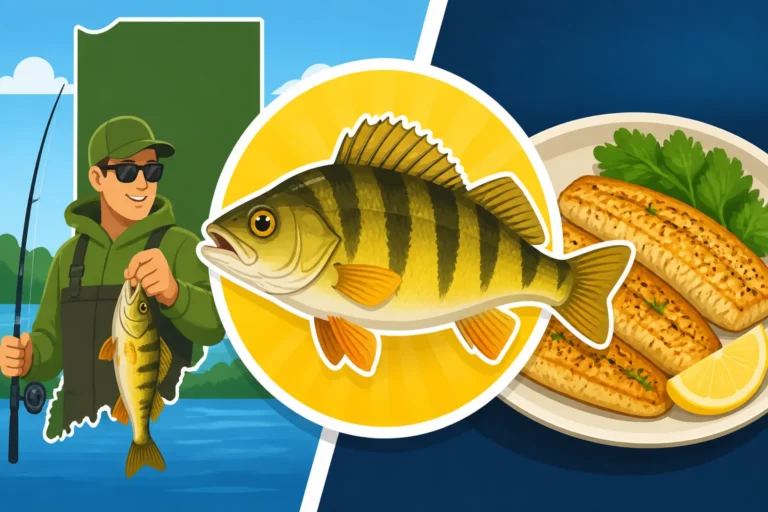
Yellow perch are truly one of Indiana's most beloved panfish, and for good reason. They're widespread, relatively easy to catch once you find them, and perhaps most importantly, they're absolutely delicious on the dinner plate. For many anglers, particularly those just starting out or fishing with family, there's nothing quite like the thrill of reeling in a stringer full of these striped beauties.
Their Appeal to Anglers
What makes yellow perch such a popular target? First, they're cooperative. Unlike some of their more finicky cousins, perch often bite eagerly once you've located a school. This makes for consistent action, which is fantastic for keeping kids engaged or for simply enjoying a relaxing day on the water with steady catches. They don't require super specialized gear, making them accessible to almost anyone with a rod and reel. Plus, their schooling nature means that if you catch one, there are likely many more right underneath you, leading to exciting flurries of activity. Anglers appreciate their scrappy fight, especially on light tackle, and the satisfaction of a full cooler at the end of the day.
Identification and Size
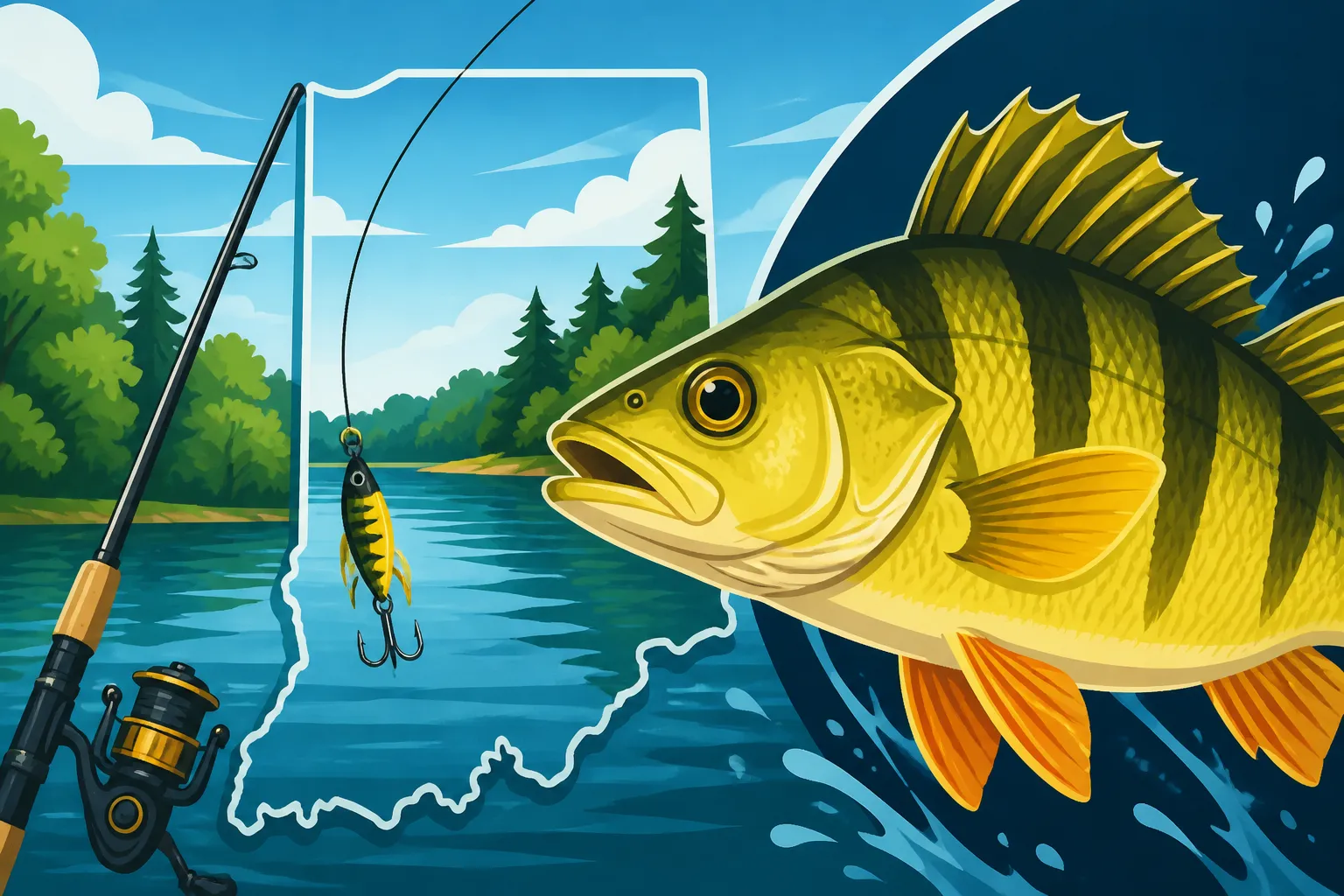
Yellow perch are pretty distinctive, making them easy to identify. They typically have a golden-yellow body with 6-8 prominent dark vertical bars running down their sides. Their fins can range from yellowish to a vibrant orange, especially during spawning season. While not as large as a walleye or bass, a good-sized yellow perch in Indiana can reach 10-12 inches, with true giants pushing 14 inches. Most anglers, however, will be thrilled with fish in the 7-9 inch range, which are perfect for eating. If you're unsure about what you've caught, it's always good to refresh your memory on Yellow Perch Identification: Vertical Bars and Golden Sides. Understanding the general size expectations can also help manage your retrieve and landing strategy.
Prime Indiana Lakes for Chasing Yellow Perch
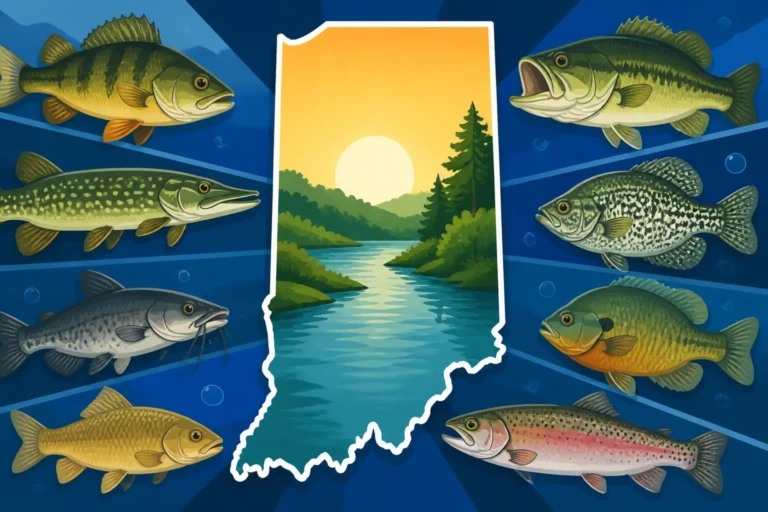
When it comes to yellow perch fishing in Indiana, some waters consistently stand out from the rest. These lakes, often characterized by cooler temperatures, diverse forage, and good habitat, create ideal conditions for thriving perch populations. While you might find perch in many bodies of water across the state, these destinations are truly exceptional.
Northern Indiana's Glacial Lakes
The northern part of Indiana, especially the "glacial lake country" in counties like Kosciusko, Steuben, and Noble, is undeniably the hotspot for yellow perch. These lakes are typically deeper, colder, and offer the kind of clear water and abundant structure that perch love.
- Lake Wawasee: As Indiana's largest natural lake, Wawasee is a fantastic multi-species fishery, and yellow perch are definitely on the menu. Its expansive size, varied depths, and numerous weed lines and drop-offs provide ample habitat. Anglers often find large schools of perch relating to these structures, especially around the deeper basins and channels. Wawasee's perch population is known for producing some respectable sizes, making it a bucket-list lake for many panfish enthusiasts.
- Syracuse Lake: Connected to Lake Wawasee, Syracuse Lake offers similar opportunities but often with slightly less boat traffic. It shares many of the same characteristics that make Wawasee great, including healthy weed beds and natural contours where perch love to congregate. Fishing the transition areas between the two lakes can also be productive.
- Lake Maxinkuckee: Located in Marshall County, Lake Maxinkuckee is another gem among Indiana's natural lakes. It's deep, clear, and supports a robust fishery that includes yellow perch. Anglers often target perch here during the colder months through the ice, but they can be found throughout the year. Look for schools near deep points, humps, and off the edges of extensive weed beds.
- James Lake & Tippecanoe Chain: Part of the greater Tippecanoe chain, James Lake and other interconnected bodies of water in Kosciusko County hold good numbers of yellow perch. These lakes provide a network of diverse habitats, from shallow flats to deeper holes, giving perch plenty of room to roam and forage. Exploring different lakes within these chains can significantly increase your chances of finding an active school. These northern lakes are often highlighted in general guides like Best Fishing Lakes in Indiana by Region because of their diverse offerings.
Central and Southern Indiana Options
While the glacial lakes are famous, central and southern Indiana also offer some decent opportunities for yellow perch, though perhaps not with the same consistency or trophy potential as the north. These fisheries might require a bit more searching, but the reward is still a tasty catch.
- Brookville Lake: This large reservoir in southeastern Indiana is primarily known for its excellent walleye and striped bass fishing, but it also has a respectable yellow perch population. Anglers often find perch along steep main lake points, channel swings, and submerged timber. While not usually the primary target, perch can be a welcome bonus when fishing for other species. Pay attention to how the water depth changes along the old creek channels, as perch will often stack up there.
- Monroe Lake: As Indiana's largest inland lake, Monroe Lake near Bloomington offers a vast and varied fishery. Yellow perch are present, though they tend to be less abundant and might be harder to pinpoint than in the northern lakes. Focus your efforts on the deeper sections of the lake, particularly during cooler months, or around submerged structure and brush piles. The sheer size of Monroe can be intimidating, but persistent anglers can certainly find perch here.
- Small Ponds and Reservoirs: Don't overlook smaller, local ponds and community fishing sites, especially those with good water quality and diverse vegetation. While they might not yield huge numbers, many smaller bodies of water across central and southern Indiana harbor healthy populations of yellow perch, often offering easy access for bank anglers. These smaller waters can be fantastic for introducing new anglers to the sport.
Mastering Yellow Perch Fishing: Best Times and Techniques
Knowing where to fish is only half the battle; understanding when and how to fish for yellow perch makes all the difference. These fish have distinct preferences influenced by seasons and environmental factors, and adjusting your approach accordingly can dramatically improve your success.
Seasonal Patterns
Yellow perch are active year-round in Indiana, but their behavior and locations change with the seasons.
- Spring (Pre-Spawn/Spawn): As water temperatures rise into the 40s and 50s (Fahrenheit), perch begin to move shallower to spawn. This is a prime time to target them, as they'll be concentrated. Look for them in bays, shallow flats, and around submerged vegetation. They are often aggressively feeding to prepare for and recover from spawning. This season, combined with rising water temperatures, can be exceptionally productive, making it a great time to hit the water, as highlighted in Best Time of Year to Fish in Indiana.
- Summer: During the heat of summer, perch tend to retreat to deeper, cooler waters, often congregating around structures like drop-offs, humps, and main lake points where oxygen levels are favorable. Dawn and dusk can offer brief windows of shallower feeding activity, but generally, summer perch fishing is a deeper game. Understanding How Water Temperature Affects Fish Activity is key here.
- Fall: This is another fantastic time for yellow perch. As water temperatures cool, perch become incredibly active, feeding heavily to build up fat reserves for winter. They often move shallower again, similar to spring, but might still be found in various depths. Look for them along weed edges, channel bends, and transitions from shallow to deep water.
- Winter (Ice Fishing): For many Indiana anglers, winter is the season for yellow perch. Once the ice is safe, perch can be found schooling under the ice, often near deep weed lines, rock piles, or main lake basins. They remain active feeders throughout the winter, making ice fishing a highly rewarding pursuit. If you're bundling up for this, make sure to check out tips for Winter Fishing Patterns on Indiana Lakes.
Rigging and Bait Choices
Yellow perch aren't typically picky eaters, but presenting the right bait or lure in the right way is crucial. The beauty of perch fishing is its simplicity, often requiring minimal gear.
- Live Bait is King: Without a doubt, small live baits are the most effective for yellow perch.
- Minnows: Small shiner or fathead minnows are often irresistible to perch. Hook them lightly through the lips or dorsal fin and present them under a bobber or on a simple drop-shot or jigging rig.
- Worms: Redworms, waxworms, and pieces of nightcrawlers are also excellent choices, especially when fished on a small hook near the bottom.
- Crappie Minnows: These smaller minnows can be particularly deadly for drawing strikes from perch.
- For beginners, live bait options like these are fantastic, and you can learn more about them in Best Live Bait Choices for Beginners.
- Artificial Lures: While live bait is hard to beat, small artificial lures can also be effective, especially when tipped with a piece of worm or a Berkley Gulp! Alive! grub.
- Jigs: Tiny jigs (1/32 to 1/16 ounce) in bright colors like chartreuse, pink, or white, or more natural colors like brown and black, can entice bites. Tip them with a small plastic grub or a piece of bait.
- Small Spoons: Especially effective for ice fishing or vertical jigging in deeper water, small spoons flutter enticingly on the drop.
- Inline Spinners: Micro-sized inline spinners can work well in shallower water, mimicking small baitfish.
- Rigging Strategies:
- Slip Bobber Rig: This is a classic and highly effective method. A small slip bobber, a few split shot to get your bait down, and a small hook (#6 or #8) are all you need. This allows you to present your bait at a precise depth where the perch are feeding.
- Bottom Rig/Drop Shot: When perch are tight to the bottom, a simple bottom rig with a sinker below a snelled hook, or a drop-shot rig with your weight at the bottom and the hook above it, can be very effective. This keeps your bait directly in the strike zone.
- For more detailed advice on what works, checking out Best Bait for Yellow Perch in Indiana Lakes is always a good idea. Remember, the Panfish Daily Limit in Indiana: 25 per Species applies to yellow perch, so keep an eye on your count!
Gearing Up for Perch Fishing Success
You don't need a boatload of specialized, expensive equipment to enjoy yellow perch fishing, but having the right basic gear can certainly make your experience more enjoyable and productive. From rods to fish finders, a few key items will boost your chances of finding and catching these delicious fish.
Essential Tackle
The beauty of perch fishing is that it doesn't require heavy tackle. In fact, lighter gear often makes the fight more fun and allows for better presentation of small baits.
- Rods and Reels: An ultralight or light action spinning rod, typically 5 to 7 feet long, paired with a small spinning reel (size 1000 or 2000), is perfect. This setup allows you to cast light lures and baits easily and provides excellent sensitivity to feel those subtle perch bites. You'll find many suitable options by searching for "ultralight spinning combo" on Amazon, often at very affordable price points. For more specific recommendations, consider looking into Best Panfish Rods for Indiana Ponds.
- Fishing Line: Opt for 4 to 6-pound test monofilament or fluorocarbon line. Monofilament is more forgiving with its stretch, while fluorocarbon offers greater sensitivity and is nearly invisible underwater.
- Hooks: Small, sharp hooks are key. Size #6 or #8 Aberdeen or bait-holder hooks are usually ideal. Ensure they are sharp to penetrate the perch's sometimes bony mouth.
- Sinkers and Bobbers: A selection of small split shot sinkers to get your bait down, and sensitive slip bobbers or small fixed bobbers, are indispensable. The bobber should be just large enough to keep your bait afloat without too much resistance when a fish bites. You can easily stock up on these essentials with a quick order from Amazon.
- Tackle Box: A small, organized tackle box or bag is great for keeping your hooks, sinkers, bobbers, and small jigs in order. Consider a compact model that's easy to carry to your favorite fishing spot. While focused on crappie, many of the same principles for organization apply, so checking out Best Tackle for Crappie Fishing in Indiana can give you ideas.
Finding Perch with Electronics
While bank fishing is certainly productive, if you're out on a boat or even a kayak, a fish finder can be an absolute game-changer for locating schooling yellow perch. These fish often suspend in open water or hug specific structures, and electronics can reveal their presence before you even drop a line.
- Basic Fish Finders: Even entry-level portable fish finders can help you identify depth changes, weed lines, and, crucially, baitfish and predator fish schools. Look for models that offer good clarity and are easy to read. Many highly-rated portable fish finders, perfect for smaller boats or kayaks, are readily available on Amazon.
- Side-Imaging and Down-Imaging: For more advanced anglers, units with side-imaging or down-imaging capabilities can give you an incredibly detailed view of the underwater world, helping you pinpoint brush piles, rock formations, and, most importantly, dense schools of perch, even those a distance from your boat. Understanding how to use these technologies will vastly improve your catch rate. For more comprehensive insights into these tools, take a look at Best Fish Finders for Indiana Lake Fishing.
- Understanding Sonar Returns: Learning to interpret the arcs and blobs on your screen is an art. Perch often appear as tight schools of smaller arcs or dense clouds, sometimes mixed with baitfish. When you see these returns, mark the spot and start fishing. It saves a lot of time blindly casting into unproductive water.
Yellow Perch Fishing Considerations and Tips
To round out your understanding of yellow perch fishing, let's touch on a few practical considerations and seasoned tips that can help you get more bites and ensure a successful outing.
Best Practices for Catching and Keeping
Catching yellow perch is one thing; ensuring you handle them properly and adhere to regulations is another. Being a responsible angler contributes to a healthy fishery for everyone.
- Hook Setting and Retrieval: Perch often have a soft bite, so pay attention to subtle taps on your line or bobber. A quick, firm hook set is usually all that's needed. Once hooked, retrieve steadily to keep tension on the line; their mouths can tear easily, leading to lost fish.
- Care for Your Catch: If you plan to keep your perch, get them on ice quickly. A cooler with ice is essential to maintain their freshness and flavor. This is particularly important for panfish, as their delicate flesh can spoil faster than larger species.
- Adhere to Regulations: Always be aware of Indiana's current fishing regulations, especially daily bag limits. For panfish like yellow perch, there's often a generous daily limit, but it's crucial to know the specific numbers for Panfish Daily Limits by Species to avoid any issues. These rules are in place to protect the fishery and ensure sustainability.
Insider Tips for More Success
Even with the right lake and gear, a few extra tips from experienced anglers can make a big difference in your perch fishing success.
- Fish the "Edges": Perch love structure, but they often position themselves on the edges of that structure. This could be the edge of a weed line, a transition from hard bottom to soft bottom, or the lip of a drop-off. These ambush points allow them to dart out and grab passing prey.
- Move Around: If you're not getting bites, don't be afraid to move. Yellow perch are schooling fish, and if you're not on a school, you're probably not catching. Make short moves, sometimes just 20-30 feet, and keep searching until you find active fish. This is where a good fish finder really shines.
- Go Small: Remember, perch have relatively small mouths. Using smaller hooks, smaller baits, and lighter line is often the key to getting more bites. Don't be afraid to downsize your presentation, especially if the bite is finicky.
- Watch for Baitfish: If you see clouds of baitfish on your sonar or visual signs of them flickering at the surface, there's a good chance predatory fish like perch aren't far behind. Perch are often found feeding on schools of smaller minnows.
- Experiment with Depth: Even within a school, perch might be suspended at different depths. Start by fishing near the bottom, then slowly work your way up in the water column until you find where they are most active. A slip bobber makes this depth adjustment easy.
| Lake Name | Region | Key Perch Features | Best Seasons | Common Depths |
|---|---|---|---|---|
| Lake Wawasee | Northern (Kosciusko) | Deep, clear water, extensive weed lines, varied bottom structure, large schools. | Spring, Fall, Winter (Ice) | 10-30+ feet |
| Lake Maxinkuckee | Northern (Marshall) | Deep, clear glacial lake, good forage base, often produces larger perch. | Spring, Fall, Winter (Ice) | 15-40+ feet |
| Brookville Lake | Southeastern | Reservoir, perch found on main lake points, channel swings, submerged timber. | Spring, Fall | 10-25 feet |
| Monroe Lake | South Central | Indiana's largest inland lake, vast, perch in deeper sections and structure. | Fall, Winter | 15-35+ feet |
| James Lake | Northern (Kosciusko) | Part of Tippecanoe chain, diverse habitat, good for consistent action. | Spring, Fall, Winter (Ice) | 8-20 feet |
By understanding where to look, what techniques to employ, and how to gear up properly, you'll be well on your way to enjoying some of Indiana's best yellow perch fishing. Tight lines!
Disclaimer
This article is for general informational purposes only and does not constitute professional advice. Laws, prices and regulations vary by location and change over time. Consult a qualified professional for guidance on your specific situation.