Best Live Bait Choices for Beginners
Stepping into the world of fishing can feel a bit daunting, can't it? You walk into a tackle shop, and there are aisles and aisles of colorful lures, buzzing gadgets, and all sorts of contraptions. For new anglers, it's easy to get overwhelmed and wonder where on earth to begin. But when it comes to consistently catching fish, especially here in Indiana, sometimes the simplest approach is the best: live bait. This guide is all about cutting through the confusion and showing you the best live bait choices for beginners, ensuring you have a fantastic, fish-catching experience right from your very first cast.
Why Live Bait is a Great Choice for Beginners in Indiana
Many seasoned anglers swear by artificial lures, and there’s certainly a time and place for them. But for someone just starting out, or for a family day on the water, live bait offers a significant advantage: it does a lot of the work for you. You don't need to master complex retrieval techniques or understand subtle lure actions. Live bait appeals to a fish's most basic instincts, making it incredibly effective and wonderfully simple.
The Natural Appeal: Why Fish Can't Resist Live Bait
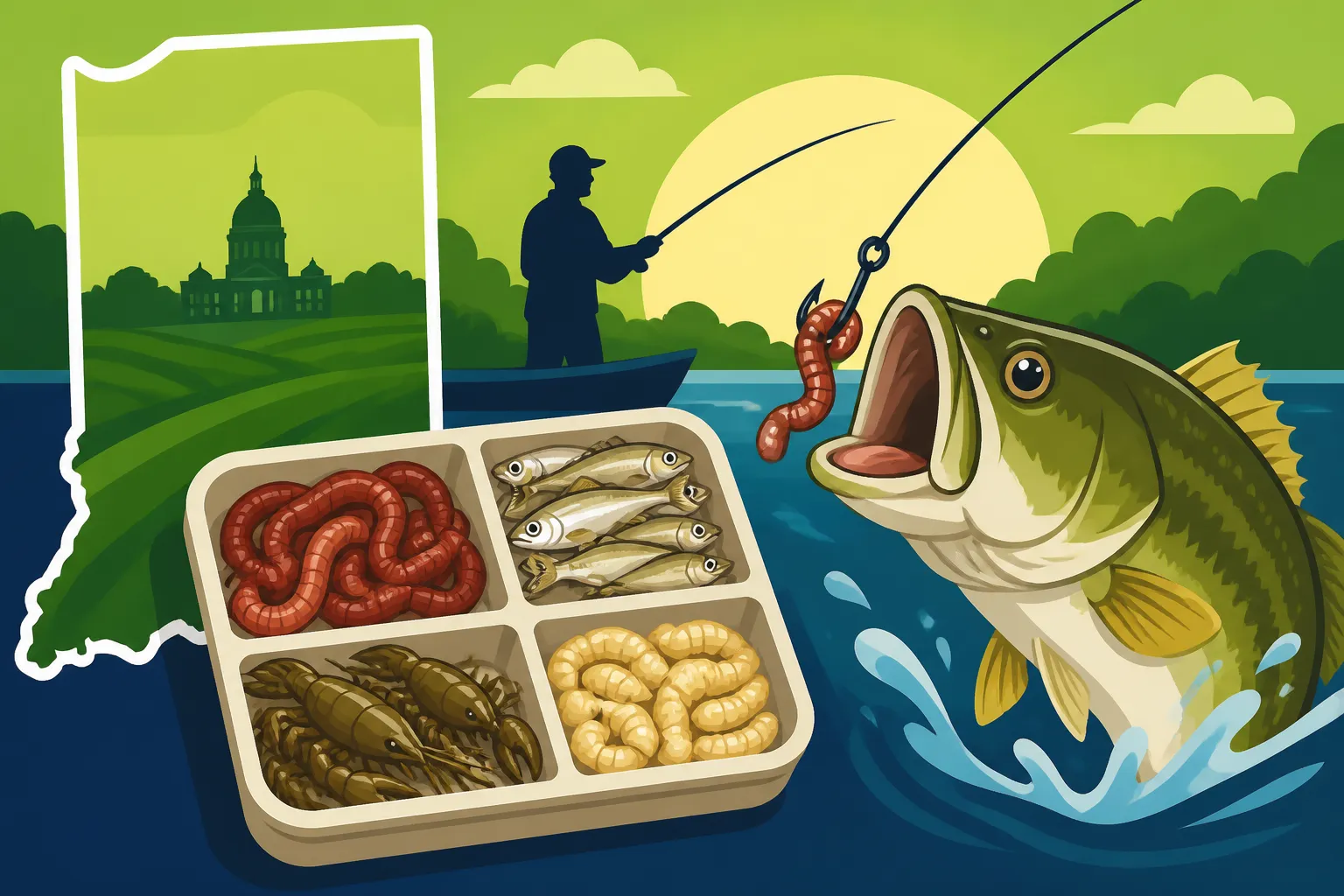
Think about it from a fish's perspective. They spend their entire lives looking for food. When a lively worm wiggles into their strike zone, or a struggling minnow swims past, it triggers an immediate predatory response. This isn't some piece of plastic they might be skeptical of; it's a real, natural food source, complete with natural scent, movement, and texture.
This natural presentation is key. A live worm, even just dangling under a bobber, has an irresistible action that no artificial bait can perfectly replicate. The subtle movements, the vibrations it sends through the water, and the natural scent trail it leaves are all powerful attractants. Whether you're targeting panfish like bluegill and crappie in a quiet farm pond or aiming for a feisty largemouth bass or a channel catfish in a bigger reservoir, live bait speaks directly to their hunger. It's often the quickest way to get a bite, boosting confidence for new anglers and keeping things exciting for kids.
Simplicity and Effectiveness: Less Technique, More Bites
One of the biggest hurdles for new anglers is mastering lure presentation. Crankbaits need specific retrieve speeds, jigs need to be bounced just right, and soft plastics often require a keen sense of feel to detect a bite. With live bait, especially when paired with a simple rig, much of that complexity disappears. You simply cast it out, let the bait do its thing, and wait for the tell-tale tug on your line or the dip of your bobber.
This hands-off approach makes live bait incredibly effective for all skill levels. For a beginner, it means you can focus on casting, setting the hook, and handling the fish, rather than trying to perfect a complex retrieve. It's an excellent way to introduce children to fishing, as they often get bites quickly, keeping them engaged and excited. Plus, catching fish is fun, and live bait often helps you catch more fish, which is a fantastic motivator to keep coming back to the water. It’s also incredibly versatile, working well whether you’re fishing from a bank, a dock, or a boat.
Top Live Bait Choices for Common Indiana Species
Indiana is blessed with a fantastic variety of freshwater fish, and thankfully, many of them are eager to snap up readily available live baits. Focusing on these common choices will set you up for success no matter what you're hoping to reel in.
Worms: The Universal Angler's Friend
If there's one live bait that every angler, from novice to expert, should have in their arsenal, it's the worm. They are, quite simply, miraculous. Fish of all shapes and sizes, from tiny sunfish to massive catfish, find worms utterly irresistible.
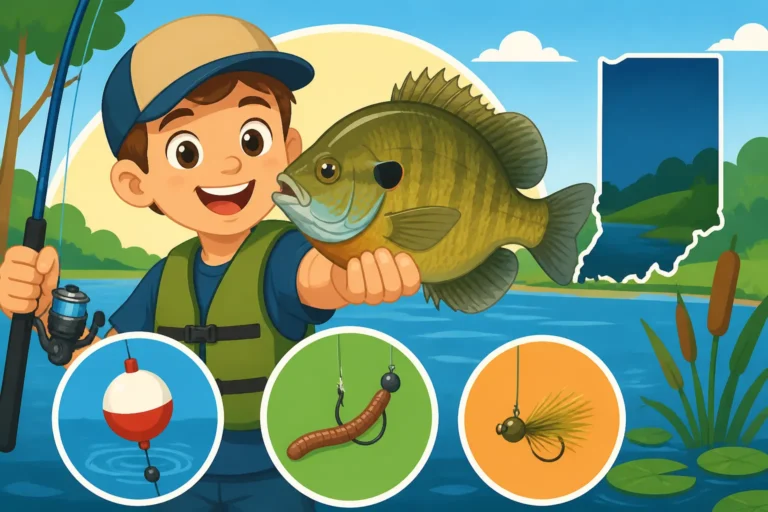
The most common types you'll encounter are nightcrawlers and red wigglers. Nightcrawlers are those big, juicy worms you often see after a rain shower. They're fantastic for larger panfish, trout, bass, and especially catfish. Red wigglers are smaller, more slender, and have a distinct earthy smell. They're an absolute magnet for bluegill, crappie, and other panfish species. You can buy them by the dozen at almost any bait shop, or if you're feeling adventurous and eco-conscious, you can often find them wiggling around your own backyard after a good rain. If you're looking for a convenient way to get worms or worm bedding supplies delivered, you can even find options on online retailers like Amazon.
To rig a worm, keep it simple. For panfish, a small piece of a red wiggler threaded onto a small hook (size 8 or 10) is perfect. For bigger fish like bass or catfish, a whole nightcrawler hooked once or twice through the body so it can still wiggle freely is ideal. You can fish them under a bobber, or on a simple bottom rig if you want to get down deeper. This versatility makes worms a top choice for almost any fishing situation in Indiana, from small ponds to larger rivers. For more specific advice on what works well for these popular species, check out our guides on Indiana Panfish Guide: Crappie, Bluegill, and Sunfish, Largemouth Bass Fishing in Indiana: The Complete Guide, and Channel Catfish Fishing in Indiana: The Complete Guide.
Minnows: For the Predator Fish
When you're ready to step up your game and target those larger, more aggressive predatory fish, minnows are your go-to live bait. These small baitfish are a natural food source for many of Indiana's prized game fish, mimicking the prey they actively hunt in the wild.
Common types of minnows include fathead minnows, shiners, and sometimes larger suckers for trophy fish. Fatheads are generally small and excellent for crappie and smaller bass. Shiners tend to be a bit bigger and are fantastic for largemouth and smallmouth bass, walleye, and even northern pike. The key with minnows is keeping them alive and lively, as their natural swimming action is what makes them so effective. You'll usually need a bait bucket with an aerator to keep them healthy, especially on warmer days. Many local bait shops carry a good selection of minnows, along with aerators and bait buckets. If you're setting up a more permanent bait station at home, you can find various aerator models on Amazon.
Rigging minnows is straightforward. For most applications, hooking a minnow lightly through the back, just behind the dorsal fin, allows it to swim naturally and stay alive longer. Alternatively, hooking it through both lips from the bottom up can be effective, especially when retrieving slowly. For species like crappie, a small minnow under a bobber near submerged brush is deadly. For walleye or bass, a larger minnow on a jig head or a Carolina rig can be incredibly productive, especially when fished near drop-offs or underwater structure. If you're thinking about targeting these toothy critters, our guides on Indiana Walleye Fishing: A Complete Guide and Northern Pike Fishing in Indiana: A Complete Guide offer more detailed insights.
Crickets and Grasshoppers: The Summer Delight
While worms and minnows are fantastic year-round options, crickets and grasshoppers truly shine during the warmer months, making them a "summer delight" for many fish. There's just something about the way these terrestrial insects flutter and struggle on the water's surface that drives certain species absolutely wild.
These baits are phenomenal for panfish like bluegill and other sunfish, and even smaller bass, especially in lakes and ponds where insects are a common part of the fish's diet. You'll often find that a cricket dropped near lily pads or overhanging branches will elicit an immediate strike from a curious bluegill. Grasshoppers, being larger, can attract bigger panfish or even a decent-sized smallmouth bass in a river or stream.
You can often collect grasshoppers and crickets in fields and tall grass during summer evenings, which can be a fun activity in itself, especially for kids. If collecting isn't your thing, many bait shops also sell crickets. To rig them, simply hook them lightly through the collar of their body, allowing them to kick and move naturally on the surface. Fishing them without a weight, or with just a tiny split shot a foot or two above the hook, will keep them near the surface, where they're most effective. This topwater action is exciting for beginners because you often get to see the fish strike! For more on specific panfish techniques, check out Crappie and Panfish Fishing Techniques for Beginners.
Crayfish: A Largemouth's Favorite Snack
If you're serious about catching bigger largemouth and smallmouth bass, or even some impressive walleye, then crayfish are a bait you absolutely must consider. These freshwater crustaceans are a staple in the diet of many of Indiana's larger game fish, and presenting a live one can often trigger aggressive strikes when other baits fail.
Crayfish, sometimes called "crawfish" or "crawdads," are common in many Indiana lakes, rivers, and streams. They hide under rocks and logs, and fishing pressure often makes bass and other predators keenly aware of their presence. Anglers can sometimes catch their own by flipping rocks in shallow water or using small traps, though local bait shops often carry them, especially during warmer months. They're hardy creatures, too, and with a little care, can be kept alive in a bucket with fresh water for a while.
Rigging a crayfish needs a bit of finesse to keep it alive and natural-looking. The most common method is to hook it lightly through the tail, being careful not to hit the main nerve or vital organs. This allows the crayfish to scuttle backwards, which is its natural escape behavior and incredibly enticing to a hungry fish. You can fish crayfish on a Carolina rig, a simple bottom rig, or even under a float if you're targeting fish in shallower, rocky areas. The weight will get it down to where bass and walleye hunt, often around rocky bottoms or submerged timber. Our article on Best Bait for Largemouth Bass in Indiana Lakes delves deeper into these tactics.
Table of Common Live Baits and Their Best Uses
Here’s a quick overview to help you decide which live bait to pick for your next Indiana fishing adventure:
| Live Bait Type | Best Target Species (Indiana) | Ideal Rigging Method | Key Advantage for Beginners | Where to Find It (Commonly) |
|---|---|---|---|---|
| Nightcrawlers | Largemouth Bass, Channel Catfish, Walleye, Larger Panfish | Hooked once or twice through body; simple bottom rig or bobber | Attracts many species; robust bait that stays on hook | Bait shops, backyard (after rain), Amazon |
| Red Wigglers | Bluegill, Crappie, Perch, Smaller Trout | Small piece on small hook; under a bobber | Irresistible to panfish; easy to handle and rig | Bait shops, garden centers, Amazon |
| Minnows (Fathead) | Crappie, Smallmouth Bass, Smaller Walleye, Perch | Hooked lightly through back or lips; under a bobber or jig head | Natural movement mimics prey; very effective for crappie | Bait shops |
| Minnows (Shiner) | Largemouth Bass, Walleye, Northern Pike, Trophy Crappie | Hooked lightly through back; on a jig head or Carolina rig | Attracts larger predatory fish; active swimmers | Bait shops |
| Crickets | Bluegill, Sunfish, Smallmouth Bass | Hooked lightly through collar; fished on surface with minimal weight | Exciting topwater action; excellent for summer panfish | Bait shops, collect in fields |
| Grasshoppers | Larger Bluegill, Smallmouth Bass, Perch | Hooked lightly through collar; fished on surface | Larger target for bigger panfish and river bass; unique action | Collect in fields |
| Crayfish | Largemouth Bass, Smallmouth Bass, Walleye | Hooked lightly through tail; Carolina rig or bottom rig | Irresistible to trophy bass and walleye; natural food source | Bait shops, collect under rocks in shallow water |
Sourcing and Keeping Your Live Bait Fresh
Getting your hands on quality live bait and keeping it that way is just as important as knowing what bait to use. A dead or lethargic bait won't be nearly as effective as a lively one. A little preparation and care will go a long way in ensuring your bait is ready to tempt those Indiana fish.
Where to Get Your Live Bait
For beginners, the easiest and often most reliable place to source live bait is your local bait and tackle shop. These places are treasures, often run by passionate anglers who know exactly what's biting and what baits are working in your specific area.
Local Bait Shops: This is your best bet for fresh minnows, worms, and often crickets or crayfish. The staff can offer valuable, hyper-local advice on what's been successful recently. They usually keep their bait in optimal conditions, ensuring you start with a lively product. Plus, it's a great way to support local businesses and pick up any last-minute tackle.
Collecting Your Own: For worms (nightcrawlers and red wigglers), your own backyard or garden can be a goldmine, especially after a good rain. Just go out at night with a flashlight, and you might be surprised at how many nightcrawlers you find. Red wigglers are common in compost piles. Crickets and grasshoppers are abundant in grassy fields during summer. Collecting your own bait can be a fun, cost-effective, and educational experience, particularly for younger anglers. Just be mindful of local regulations if you're collecting baitfish or crayfish, as there can be rules about size or species.
Online Options: While you generally won't order live minnows online, certain longer-lasting baits and bait-keeping supplies are readily available. You can find things like worm bedding, worm composting kits, aerators for minnow buckets, and even live worms (though usually smaller species like red wigglers for composting, which double as fishing bait) on platforms like Amazon. This is especially handy if you're planning to keep a steady supply of worms at home for frequent fishing trips.
Keeping Live Bait Alive and Healthy
The trick to effective live bait fishing is keeping the bait alive and kicking. A dead minnow or a sluggish worm isn't nearly as enticing to a fish. Here's how to care for your most common live baits:
Worms: Worms are relatively easy to keep. They need a cool, dark place and moist bedding. You can buy specialized worm bedding at bait shops, or use a mixture of peat moss and shredded newspaper. Keep the bedding damp, but not soaking wet. A Styrofoam cooler or a dedicated worm container with ventilation works perfectly. Store them in your garage, basement, or even a cool closet. Avoid direct sunlight and extreme temperatures. A well-kept container of worms can last for weeks, even months!
Minnows: Minnows require a bit more attention. They need cool, oxygenated water. A good bait bucket with a battery-powered aerator is essential, especially on warmer days or if you're going to be out for an extended period. Keep the water cool by adding small amounts of ice (use water from the same source as the minnows, if possible, or dechlorinated tap water) to a separate sealed bag, so the melting ice doesn't directly shock the fish or dilute the water too quickly. Avoid overcrowding your minnow bucket, as this depletes oxygen faster. Change the water periodically with fresh, cool water if you can.
Crickets/Grasshoppers: These insects need a dry environment with some ventilation. A cricket keeper (a small container with a screen lid and usually some cardboard tubes for them to hide in) works well. Give them a piece of apple or potato for moisture and food. Keep them out of direct sun. They're generally not as long-lived as worms, so buy them close to when you plan to use them.
Live Bait Rigging Basics for Beginners
You've got your live bait, you've kept it healthy, now it's time to get it in the water! While there are countless advanced rigging techniques, as a beginner, focusing on a few simple, effective rigs will cover most situations you'll encounter in Indiana. The goal is to present your bait naturally and keep it at the right depth where the fish are feeding.
The Simple Bobber Rig
This is arguably the most classic and beginner-friendly fishing rig there is. It's fantastic for targeting panfish like bluegill and crappie, as well as smaller bass, especially when fishing in shallower water or near visible cover like docks, lily pads, or submerged brush.
How to Set it Up:
- Tie on your hook: Start with a small, sharp hook (size 6-10 for panfish, 2-4 for bass).
- Add a split shot: About 6-12 inches above your hook, crimp on one or two small split shot weights. This helps cast the bait and keeps it at your desired depth.
- Attach your bobber: A foot or two above your split shot, attach a slip bobber or a fixed bobber. A slip bobber is great because it lets you adjust your fishing depth easily. For a fixed bobber, you slide it onto the line and pinch it in place.
- Add your bait: Hook your chosen live bait (a piece of worm, a minnow, or a cricket) onto the hook.
When to Use It: The bobber rig is perfect for suspending your bait at a specific depth. When the bobber dips, you know you have a bite! It's highly visual, which is great for kids and those learning to detect bites. You'll often find success with this rig when you're exploring different depths in ponds or fishing near known structures. For specific techniques, our article on Crappie and Panfish Fishing Techniques for Beginners offers even more useful tips.
Bottom Fishing Rigs
Sometimes, the fish aren't cruising near the surface or suspended mid-water. They're hunkered down on the bottom, perhaps in deeper channels or scour holes, waiting for an easy meal. This is where bottom fishing rigs come into play, especially when targeting species like channel catfish, walleye, or larger bass.
How to Set it Up (Carolina Rig – a versatile bottom rig):
- Slide on a sinker: Thread an egg sinker (or bullet sinker) onto your main line. The weight depends on the current and depth, but 1/4 to 1/2 ounce is a good starting point.
- Add a bead: Slide a small plastic bead after the sinker. This protects your knot from the sinker's movement.
- Tie on a swivel: Tie your main line to one end of a barrel swivel.
- Attach your leader: Tie a piece of fishing line (your leader, usually 12-24 inches long and slightly lighter test than your main line) to the other end of the swivel.
- Tie on your hook: Tie your hook (a Kahle or circle hook is great for catfish, a J-hook for bass/walleye) to the end of your leader.
- Add your bait: Hook your live bait (a nightcrawler, a lively minnow, or a crayfish).
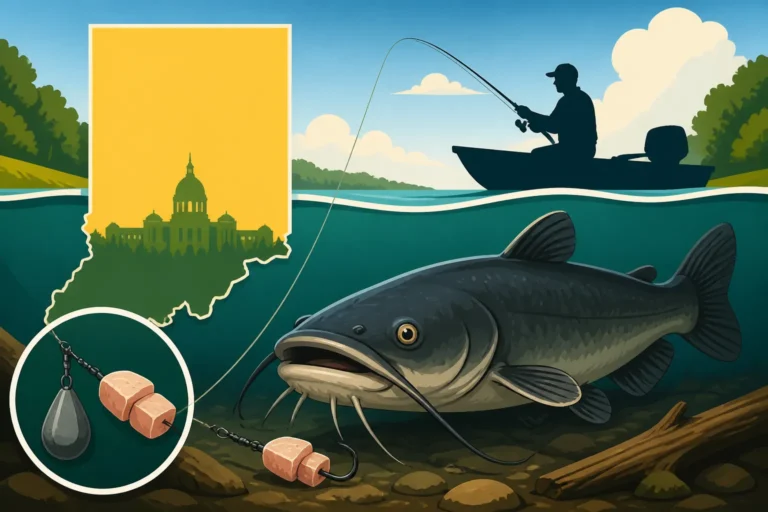
When to Use It: This rig is excellent for getting your bait directly on the bottom or allowing it to float just above it, especially in areas with current or when casting long distances. The sliding sinker lets the fish pick up the bait and move away without feeling the weight, which can lead to more solid hooksets. It's particularly effective for catfish in rivers or deeper lake channels, and for walleye that often hug the bottom structure. To master bottom fishing, our guide on How to Catch Catfish: Bottom Fishing and Trotline Techniques provides excellent pointers.
Hook Sizes and Types for Live Bait
Choosing the right hook is crucial for successful live bait fishing. Too large, and it might deter smaller fish or make your bait look unnatural. Too small, and you risk losing bigger fish.
Hook Size: Generally, match your hook size to your bait size and the expected mouth size of your target fish.
- Small hooks (size 8-12): Ideal for small pieces of worm, crickets, or tiny minnows, perfect for bluegill, crappie, and small trout.
- Medium hooks (size 2-6): Good for full nightcrawlers, small minnows, or crayfish for bass, walleye, and larger panfish.
- Larger hooks (size 1/0 – 3/0): Best for bigger minnows or whole nightcrawlers when targeting large catfish, substantial bass, or pike.
Hook Types:
- J-Hooks (e.g., Aberdeen, Baitholder): These are the most common and versatile hooks. Aberdeen hooks are thin-wired, great for panfish and easily bending out of snags. Baitholder hooks have small barbs on the shank to keep soft baits like worms in place.
- Circle Hooks: Gaining popularity, especially for catfishing and catch-and-release. These hooks are designed to hook fish in the corner of the mouth, making for easier, safer releases and preventing gut-hooking. You don't "set" a circle hook; you just let the fish take the bait and swim off, slowly tightening the line until the hook sets itself. They are fantastic for beginners as they reduce the chance of gut-hooking.
- Kahle Hooks: A hybrid between a J-hook and a circle hook, often used for live bait like minnows or shiners. They have a wide gap and a point that turns back towards the shank, making them good for hooking fish in the mouth.
Remember, sharp hooks are paramount! Always check your hook points and sharpen or replace them as needed. With these basic live bait choices and rigging techniques, you'll be well on your way to enjoying the fantastic fishing opportunities Indiana has to offer.
Disclaimer
This article is for general informational purposes only and does not constitute professional advice. Laws, prices and regulations vary by location and change over time. Consult a qualified professional for guidance on your specific situation.