Is Largemouth Bass Good to Eat?
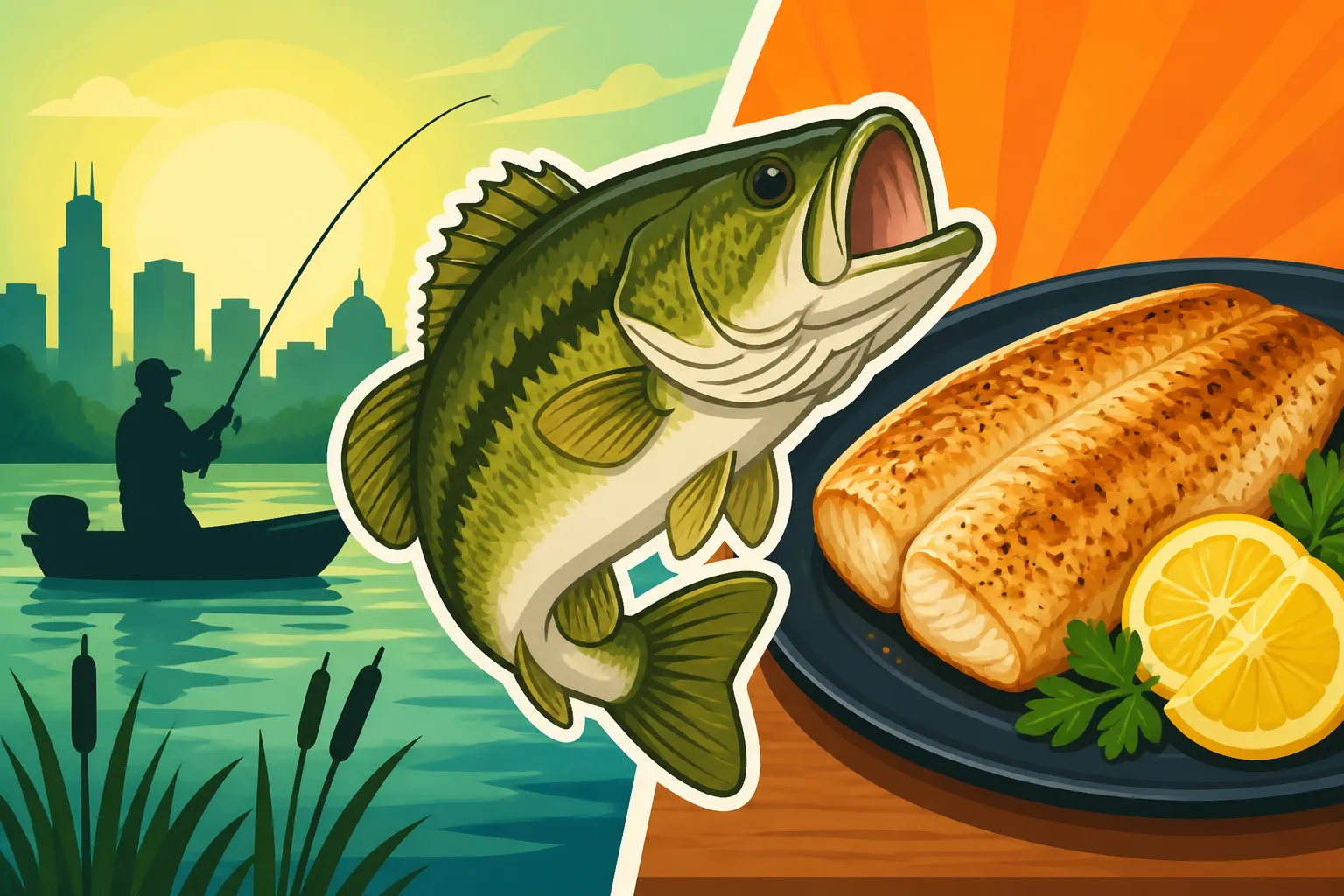
Oh, the age-old question that sparks more debates among Indiana anglers than whether a spinnerbait or a plastic worm is best on a hot summer day: "Is Largemouth Bass good to eat?" You've spent a beautiful afternoon on the lake, casting your line, feeling that satisfying tug, and reeling in a feisty largemouth. Now, you're looking at your cooler, admiring your catch, and a thought creeps in: "Should I keep this for dinner, or is it strictly a sport fish?" Many folks assume bass are only for catch-and-release, or they've heard stories of muddy-tasting fish. This guide is here to cut through the confusion and help you decide if that Indiana largemouth is destined for your dinner plate, offering tips and insights to make it a delicious meal if you choose to keep it.
The Great Largemouth Bass Debate: Taste vs. Sport
For many anglers, the largemouth bass is the quintessential sport fish. Its aggressive strikes, powerful fights, and acrobatic jumps make it a thrilling target. This reputation often overshadows its potential as table fare, leading to a lot of misconceptions. Let's dive into why opinions vary so wildly.
Why Some Anglers Say "No Way!"
It's true, you'll hear plenty of experienced anglers, especially those who primarily target species like walleye or crappie, dismiss largemouth bass as table fish. Their reasons often stem from past experiences or ingrained traditions. The most common complaint is a "muddy" or "gamey" flavor. This can certainly be off-putting if you're expecting the delicate, flaky taste of a panfish. The texture can also be a point of contention; some find it a bit mushy or less firm compared to other species.
Often, these perceptions are based on a few key factors. Maybe they caught a larger, older bass from a stagnant, warm pond during the dog days of summer. Or perhaps they didn't bleed the fish properly or get it on ice quickly enough. Without the right care, any fish can develop less-than-ideal flavors. For many, Largemouth Bass Fishing in Indiana: The Complete Guide focuses purely on the thrill of the chase, and the thought of eating them just doesn't cross their mind.
Why Others Rave About Largemouth on the Plate
On the flip side, a passionate contingent of anglers will tell you that a properly handled and prepared largemouth bass is absolutely delicious. They often emphasize that taste is highly subjective, and the quality of the fish depends heavily on its environment and how it's treated after being caught. They'll tell you that if you're careful, you can enjoy a fresh, white, flaky fillet that rivals many other popular freshwater species.
These proponents often highlight that the "gamey" taste is often a result of improper handling or cooking, not an inherent flaw in the fish itself. They understand that a bass from cold, clear water will taste far different than one from a warm, muddy shallow pond. They also tend to focus on smaller, younger fish for consumption, believing these offer the best flavor and texture. It really boils down to giving the fish a fair chance from the moment it leaves the water until it hits your plate.
Factors Influencing Largemouth Bass Flavor and Texture
So, what makes a largemouth bass taste good or not-so-good? It's not a mystery, but rather a combination of environmental and handling factors that you, as the angler, can often influence or at least be aware of. Understanding these elements is key to transforming a potential "muddy" meal into a delightful one.
Water Quality and Habitat: The Biggest Impact
This is perhaps the single most crucial factor in how a largemouth bass will taste. Fish absorb flavors from their environment, and largemouth are no exception.
If a bass lives in clear, cool, well-oxygenated water with a predominantly rocky or sandy bottom, its flesh is far more likely to be clean-tasting and firm. Think about the pristine glacial lakes in northern Indiana or some of the deeper, cooler reservoirs. These environments tend to produce fish with milder flavors. You might find excellent tasting bass in places like Lake Wawasee or even some of the deeper sections of Monroe Lake. Knowing Best Fishing Spots in Indiana for clear water can really help your culinary success.
Conversely, a bass caught from a shallow, warm, muddy pond with lots of decaying vegetation will often have a stronger, earthier, or even "muddy" flavor. This isn't because the bass itself is inherently bad, but because it's constantly swimming in and feeding on organisms that carry those flavors. These environments can contribute to that unpleasant "gamey" taste that turns many people off. The fish's diet also plays a role; a bass feeding on crawfish and smaller baitfish will often taste better than one primarily foraging in nutrient-rich, stagnant muck.
Size, Age, and Spawning Season
Just like many other species, younger, smaller largemouth bass generally offer the best eating experience. Their flesh tends to be whiter, flakier, and less prone to developing strong flavors. Bass in the 12- to 15-inch range are often considered ideal for the frying pan. Larger, older bass can accumulate more of those environmental flavors and often have tougher, stringier meat. Plus, larger fish are the prime breeders, so many anglers prefer to release those giants to keep the fishery healthy.
The spawning season can also affect the fish's flavor and texture. When bass are actively spawning, their bodies are under immense stress, and their focus is entirely on reproduction, not feeding or accumulating fat. During this time, their flesh can be softer, less flavorful, and have a higher water content. If you're trying to time your trip, understanding Best Time to Bass Spawn in Indiana can help you decide when to focus on catch-and-release versus keeping a few for dinner. Generally, pre-spawn or post-spawn can offer better eating quality, once the fish have recovered and resumed normal feeding patterns.
Immediate Care After the Catch
This cannot be stressed enough: how you handle your largemouth bass the moment it comes out of the water makes a monumental difference. If you simply toss a bass into a livewell full of warm water or, worse, leave it on the bank to suffocate, you're setting yourself up for a poor culinary outcome.
Here's why immediate care is paramount:
- Bleeding: If you intend to keep a bass, bleeding it immediately after the catch is crucial. This removes blood from the flesh, which is a major contributor to "gamey" flavors. A quick cut to the gills or throat while the heart is still beating will allow the blood to drain.
- Gutting: While not always done instantly, gutting the fish as soon as possible, especially if you won't be filleting it right away, helps prevent digestive enzymes from breaking down the flesh and producing off-flavors.
- Chilling: Get that fish on ice, and get it on ice fast! A cooler packed with ice slush (ice and a little water) will quickly drop the fish's core temperature, halting bacterial growth and preserving the quality of the meat. This rapid chilling is vital for maintaining a firm texture and mild flavor. Ignoring these steps means even the cleanest bass from the clearest water might end up tasting less than desirable.
Preparing Largemouth Bass for the Table: Tips for Success
So, you've caught a few nice, healthy largemouth from good water and handled them perfectly after the catch. Now what? The way you prepare and cook your bass is just as important as where it came from and how you cared for it. With the right techniques, you can turn those fillets into a delicious meal.
Cleaning and Filleting for Optimal Results
Proper cleaning is the first step to a great meal. You want to remove as much of the non-edible parts as efficiently as possible, and for largemouth bass, there's a particular trick many experienced anglers swear by.
First, rinse the fish thoroughly to remove any slime or debris. Next, when you fillet the bass, aim to remove the skin completely. The skin can sometimes hold some of those stronger flavors, especially if the fish came from muddier water. After you've got your skinless fillets, you'll often notice a reddish or darker strip of meat running down the lateral line. This "red meat" or "bloodline" can also contribute to a stronger, more "fishy" taste. Take a sharp knife and carefully trim this dark strip away. You'll be left with pure, white flesh that is far more palatable.
Don't forget to remove any remaining bones. While not as prone to Y-bones as pike, bass can have small pin bones. Run your finger along the fillet to feel for them, then use a pair of clean needle-nose pliers or specialized fish bone tweezers to pull them out. This extra step ensures a pleasant, bone-free eating experience.
Cooking Methods That Bring Out the Best
Once you have those pristine, trimmed fillets, the culinary possibilities are wide open! Different cooking methods can highlight different aspects of the bass's flavor and texture.
One of the most popular ways to cook largemouth bass is by frying. A simple cornmeal or breadcrumb dredge, perhaps seasoned with a good all-purpose fish seasoning blend (you can find fantastic options on Amazon), crisps up beautifully in hot oil. The crunchy exterior contrasts wonderfully with the tender, flaky interior. Just make sure your oil is hot enough to create that crust without soaking the fish in grease.
Baking or broiling are healthier alternatives. Place your fillets on a baking sheet, brush with olive oil or melted butter, season generously with lemon, dill, garlic powder, and paprika, and bake until flaky. This method allows the natural flavors of the bass to shine through, especially if it's a clean-tasting fish.
Grilling is another fantastic option, particularly for slightly thicker fillets. Marinate the bass for a short while (more on that next), then grill over medium-high heat until cooked through. The slight char from the grill adds another layer of flavor. You might want to use a fish basket or foil to prevent sticking. For any of these methods, having the right kitchen tools, easily available through retailers like Amazon, can make all the difference in your preparation and cooking.
Marinating and Seasoning to Enhance Flavor
If you're still a bit worried about a lingering "gamey" taste, or simply want to elevate the flavor profile, marinating and seasoning are your best friends. A good marinade can not only tenderize the fish but also infuse it with bright, acidic, and savory notes that can mask any unwanted flavors.
Acidic marinades are particularly effective. Think lemon juice, lime juice, or white wine mixed with olive oil, fresh herbs (dill, parsley, thyme), garlic, salt, and pepper. Even a soak in milk for an hour or two can help draw out some stronger flavors, a trick often used for wild game. You don't need to marinate bass for hours; 30 minutes to an hour is usually plenty to infuse flavor without breaking down the delicate flesh too much.
When it comes to seasoning, don't be shy! Beyond the classic salt and pepper, consider spice blends designed for fish or poultry. Cajun or Creole seasoning can add a zesty kick, while a lemon-herb blend keeps it fresh and light. Smoked paprika can add depth, and a little cayenne pepper can provide a subtle heat. Experiment with different combinations to find what you like best. Remember, the goal is to complement and enhance the natural mildness of a well-prepared bass, turning it into a dish you'll be proud to serve.
Largemouth Bass vs. Other Indiana Fish: A Taste Comparison
It's helpful to put largemouth bass in perspective when considering its table qualities. How does it stack up against other popular freshwater fish you might catch in Indiana? Understanding these comparisons can help you appreciate largemouth for what it is and manage expectations.
How Largemouth Stacks Up Against Panfish
When you compare largemouth bass to panfish like bluegill, crappie, or yellow perch, there are some noticeable differences. Panfish are often lauded for their sweet, delicate, and extremely flaky white meat. They are generally smaller, making them quick to clean (though sometimes tedious if you catch a lot!) and cook whole or as small fillets. For many, Indiana Panfish Guide: Crappie, Bluegill, and Sunfish is the go-to for a classic fish fry precisely because of this reliable mildness.
Largemouth bass, even when perfectly handled, typically has a slightly firmer texture than panfish. While still white and flaky, it might not be quite as melt-in-your-mouth delicate. The flavor profile can be a touch more robust, even from clean water. This isn't necessarily a bad thing; it just means it holds up better to bolder seasonings and cooking methods. If you're accustomed to the subtle flavor of bluegill, a bass might seem a bit stronger, but certainly not unpleasant.
Comparing to Walleye and Catfish
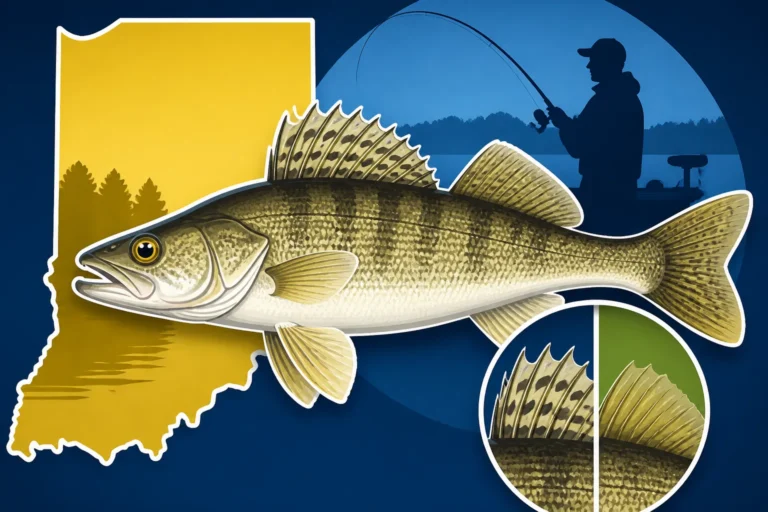
Now, let's talk about the heavy hitters: walleye and catfish. Walleye are often considered the holy grail of freshwater table fare. Their meat is famously white, firm, and incredibly flaky with a very mild, sweet, almost buttery flavor. If you've ever had a fresh walleye fillet, you know why it's so highly prized. Anglers targeting Indiana Walleye Fishing: A Complete Guide often do so with dinner in mind. A largemouth bass, even at its best, typically won't reach the same level of delicate sweetness as a walleye.
Catfish, on the other hand, presents a different comparison. Channel catfish, especially those from clean, flowing water, offer a distinct, earthy, but generally pleasant flavor. Their flesh is firm, moist, and often described as having a rich, almost sweet, flavor that holds up well to frying. Channel Catfish Fishing in Indiana: The Complete Guide details catching these delicious bottom-dwellers. While largemouth can sometimes carry an earthy note similar to catfish, their texture is usually flakier rather than as dense and moist as a catfish fillet. The "gamey" taste some associate with bass is more akin to a poorly handled catfish than a walleye.
Ultimately, largemouth bass occupies a unique space. It's not as universally acclaimed for its flavor as walleye, nor as distinctly earthy as catfish, and it's generally firmer than panfish. With proper care and preparation, it can be a delicious and rewarding meal. It truly highlights the importance of understanding the individual fish and its environment. If you're looking for gear to process your catch or special seasonings, remember that online retailers like Amazon offer a huge selection, making it easy to stock your kitchen with everything you need.
Here's a quick comparison table of common Indiana freshwater fish for the dinner plate:
| Fish Species | Typical Flavor Profile | Typical Texture | Best for Eating (Size/Environment) | Ease of Cleaning | Common Cooking Methods |
|---|---|---|---|---|---|
| Largemouth Bass | Mild to slightly earthy/gamey | Medium-firm, flaky | 12-15 inches, clean, cool water | Medium | Frying, baking, grilling, pan-searing |
| Walleye | Very mild, sweet, buttery | Firm, very flaky | Any legal size, clean water | Medium | Frying, baking, pan-searing, broiling |
| Crappie | Sweet, very mild | Tender, very flaky | Any legal size, clean water | Easy | Frying, pan-frying |
| Bluegill | Sweet, mild | Tender, very flaky | Any legal size, clean water | Easy | Frying (often whole), pan-frying |
| Channel Catfish | Mildly earthy, rich | Firm, moist | Any legal size, clean, flowing water | Medium | Frying, baking, grilling, smoking |
| Northern Pike | Mild to medium strong, sometimes "fishy" | Firm, dense | Smaller individuals, clean water (Y-bones) | Difficult | Frying, baking (after Y-bone removal), pickling |
So, is largemouth bass good to eat? Absolutely, with a few caveats. If you're committed to catching fish from clean, cool waters, selecting smaller, healthier specimens, and taking meticulous care from the moment it hits your net to the time it's filleted, you'll likely find that Indiana largemouth bass can be a delicious addition to your dinner plate. Don't let old wives' tales or single bad experiences dictate your culinary adventures. Give it a try, experiment with preparation, and you might just discover a new favorite!
Disclaimer
This article is for general informational purposes only and does not constitute professional advice. Laws, prices and regulations vary by location and change over time. Consult a qualified professional for guidance on your specific situation.