Where to Catch Hybrid Striped Bass in Indiana
For anglers in Indiana, the dream of hooking into a hard-fighting fish that pulls like a freight train often leads to one powerful species: the Hybrid Striped Bass, affectionately known as wipers. It can be incredibly frustrating to hear about these feisty fish and not know exactly where to cast your line to find them. This guide is here to unravel the mystery, showing you precisely which Indiana waters are your best bet for landing these magnificent hybrids.
Understanding the Hybrid Striped Bass in Indiana
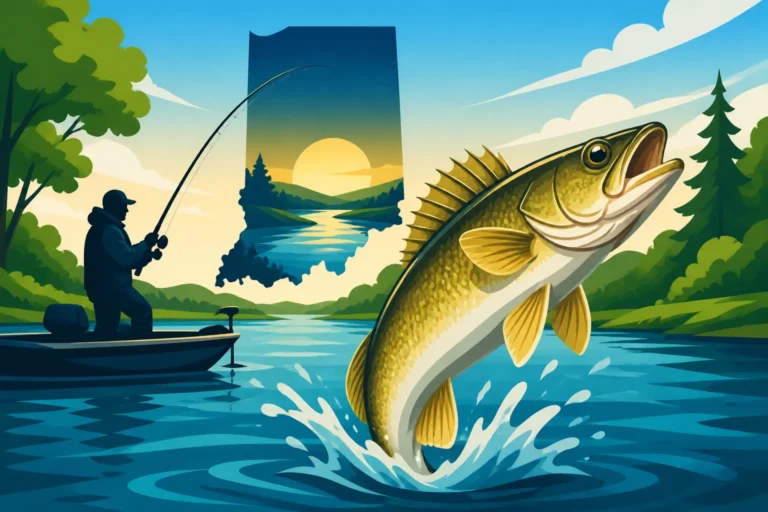
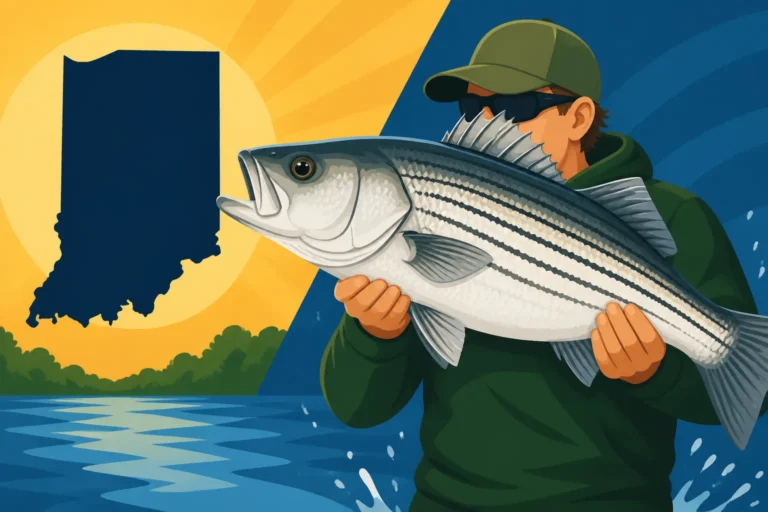
Before we dive into specific locations, let's take a moment to appreciate what makes the Hybrid Striped Bass such a sought-after game fish in Indiana. These aren't naturally occurring fish in our state; they are a cross between a Striped Bass (Morone saxatilis) and a White Bass (Morone chrysops). The result is a fish that combines the size potential and powerful runs of a striper with the aggressive feeding habits of a white bass, creating an angling experience that's truly unique. They're often identifiable by broken, uneven stripes along their silver sides, which helps differentiate them from their purebred relatives. For a deeper dive into their appearance, you can explore Hybrid Striped Bass Identification: Spotting a Wiper.
These hybrids thrive in large, open water reservoirs where they can chase schools of baitfish, often gizzard shad, which are abundant in many of Indiana's larger impoundments. Their rapid growth rate and willingness to strike a variety of baits and lures make them a thrilling target for anglers. They're also an excellent table fish, offering firm, white meat, though many anglers practice catch and release, especially for the larger specimens, to preserve the fishery. Finding them usually involves understanding their need for open water and a rich food source.
Indiana's Prime Hybrid Striped Bass Reservoirs
Indiana is fortunate to have several large reservoirs that consistently produce excellent opportunities for catching Hybrid Striped Bass. These aren't tiny ponds or slow-moving rivers; wipers need expansive bodies of water to roam and forage. The Indiana Department of Natural Resources (DNR) has strategically stocked these fish in specific locations to create vibrant fisheries, and over time, certain lakes have truly become hotspots.
The key to successfully targeting wipers often begins with knowing which bodies of water are actively managed for them. These lakes provide the ideal conditions—deep water, ample forage, and enough space for these schooling fish to thrive. It’s not just about size; it's about the entire ecosystem supporting their growth and behavior.
Patoka Lake
When you talk about Hybrid Striped Bass in Indiana, Patoka Lake is often the first name that comes to mind for many seasoned anglers. Located in southern Indiana near French Lick, it's a massive reservoir known for its sprawling main lake and numerous coves. The sheer size of Patoka Lake (over 8,800 acres of water) means wipers have plenty of room to grow and chase down their prey. This lake is consistently stocked by the state, ensuring a healthy population year after year. Where to Catch Striped Bass on Patoka Lake in Indiana is an excellent resource for more detailed information on this hotspot.
Anglers targeting wipers on Patoka Lake often focus on the main lake points, long tapering humps, and areas near the dam. During the warmer months, especially in late spring and summer, wipers can be found schooling up and pushing baitfish to the surface, creating explosive feeding frenzies that are visible from a distance. Casting topwater lures or fast-moving crankbaits into these boils can result in non-stop action. When the surface action isn't visible, a good fish finder is invaluable for locating submerged structure and baitfish schools in deeper water, a task that can be made easier with equipment found on platforms like Amazon.
Monroe Lake
As Indiana's largest inland lake, Monroe Lake, located south of Bloomington, offers vast expanses of water perfect for Hybrid Striped Bass. While perhaps not as universally renowned for wipers as Patoka, Monroe still holds a significant population and offers incredible fishing opportunities, especially for those who know where to look. Its extensive shoreline, numerous islands, and varied bottom contours provide excellent habitat. You might find some useful information about the lake in Best Boats for Fishing Monroe Lake in Indiana.
Wipers in Monroe Lake can be found cruising the main lake basins, especially around large flats, drop-offs, and submerged humps where baitfish congregate. Early morning and late evening often see these powerful fish move into shallower areas to feed. Look for areas with a good current, such as near the dam or where major creek channels enter the main body of the lake. Vertically jigging spoons or heavy artificial lures in deeper water can be very effective when the fish are holding close to the bottom, while live bait, such as shad or large shiners, fished on a Carolina rig can also be highly productive.
Brookville Lake
Nestled in southeastern Indiana, Brookville Lake is another excellent destination for Hybrid Striped Bass. This beautiful U.S. Army Corps of Engineers reservoir is known for its clear water and scenic surroundings, but don't let its beauty distract you from the hard-fighting wipers that call it home. Brookville is regularly stocked and provides an exciting challenge for anglers seeking powerful fish.
Anglers often find success on Brookville by focusing on the main lake points, especially those that drop off sharply into deeper water. The area near the dam is often a productive spot due to current and structure. During the summer, much like other reservoirs, keeping an eye out for surface activity from schooling wipers busting bait can lead to incredible action. If the surface bite is slow, trolling deep-diving crankbaits or casting heavy spoons along channel swings and humps can entice strikes. The clear water of Brookville can sometimes make for tougher fishing during bright conditions, so consider low-light periods for the best results.
Mississinewa Lake
Up in north-central Indiana, Mississinewa Lake provides yet another fantastic opportunity for Hybrid Striped Bass. Part of the Upper Wabash River flood control project, this lake boasts over 3,000 acres of water. Its expansive open areas and strong forage base make it a reliable spot for wipers, particularly for those in the northern half of the state.
Wiper fishing on Mississinewa often mirrors techniques used on other large reservoirs. Focus on areas with current, such as the main river channel and points near it, especially where baitfish are abundant. Anglers frequently have success casting white or silver crankbaits, jigging spoons, or fishing live shad. Similar to other locations, watching for schooling activity is paramount. If you see birds diving or baitfish scattering on the surface, chances are there are wipers below, eager to feed. Utilizing portable fish finders, readily available on Amazon, can greatly assist in locating these schools and structure.
Seasonal Strategies and Techniques for Wipers
Understanding where to go is only half the battle; knowing when and how to fish for Hybrid Striped Bass is crucial for consistent success. Wipers are highly migratory within these large reservoirs and their patterns can change significantly with the seasons. Their aggressive nature, however, means that when you find them, the action can be fast and furious.
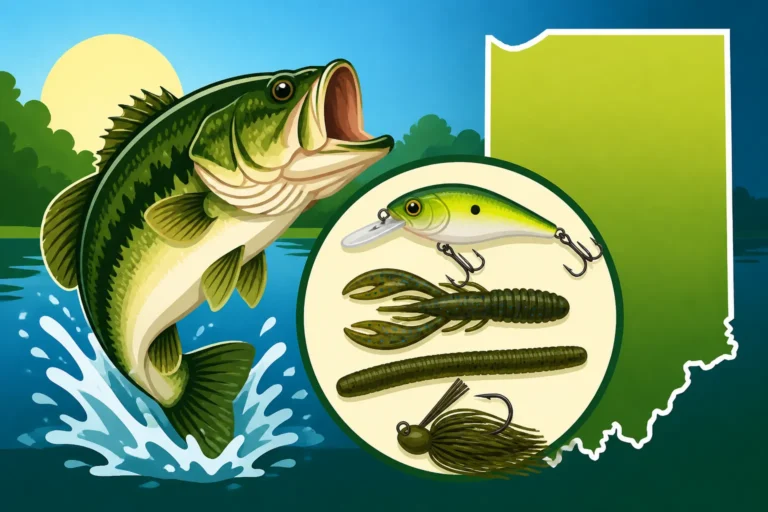
These fish are powerful fighters, so equipping yourself with the right gear is important. Medium-heavy spinning or baitcasting rods with strong reels spooled with at least 12-20 pound test line are recommended. Live bait, especially gizzard shad or large shiners, can be incredibly effective when fished on a free-line or weighted rig. For artificials, jigs, spoons, crankbaits, and topwater lures in white, silver, or shad patterns are often excellent choices.
Spring and Fall Transitions
During the spring and fall, as water temperatures are in flux, Hybrid Striped Bass often move more predictably. In spring, as waters warm, they'll follow baitfish into shallower bays and coves, especially around creek mouths where new forage might be entering the lake. This is a great time for casting jerkbaits or retrieving crankbaits through these transitional zones. Don't be afraid to experiment with different depths until you locate the feeding zone.
As fall arrives and water temperatures begin to cool, wipers become incredibly active, fattening up for winter. They will again school up aggressively, often chasing shad into the backs of coves or against main lake points. This period can offer some of the most exciting topwater action, as wipers can be seen breaking the surface in massive feeding frenzies. Pay attention to water current and wind direction, as these factors often concentrate baitfish and, consequently, the wipers. A good understanding of Best Time of Year for Striped Bass Fishing in Indiana can help you plan your trips.
Summer Surface Action and Deepwater Tactics
Summer fishing for wipers can be a tale of two extremes: incredible surface action at dawn and dusk, or deepwater hunting during the bright heat of the day. Early morning and late evening, when light levels are low, are prime times to find wipers schooling on the surface. These "boils" or "blow-ups" are unmistakable—the water erupts with splashing fish as they decimate schools of shad. Having a rod ready with a fast-moving topwater lure or a spoon is essential during these times.
During the hotter parts of the day, wipers will often retreat to deeper, cooler water. This is when your electronics become your best friend. Look for large schools of baitfish, and the wipers won't be far behind, often holding just below or within these schools. Vertical jigging heavy spoons or large soft plastics near channel edges, humps, or deep points can be very effective. Trolling deep-diving crankbaits or umbrella rigs can also cover a lot of water and help you locate scattered fish.
Winter Holding Patterns
Don't count out winter for Hybrid Striped Bass fishing, although it certainly requires a different approach. As water temperatures plummet, wipers become less active but are still catchable. They tend to school up tightly in deeper areas, often near vertical structure or steep drop-offs. Finding these wintering schools is the challenge, but once you do, the fishing can be surprisingly good.
Slow-moving tactics are generally best in winter. Vertically jigging spoons or blade baits directly over schools of fish marked on your fish finder can entice sluggish wipers to strike. Live bait, fished slowly on the bottom or suspended at the depth where fish are marked, is also very effective. Patience is key in the colder months, as the bite might be subtle, but the reward of a powerful wiper in winter is well worth the effort.
Essential Gear for Hybrid Striped Bass Fishing
Having the right equipment can make a significant difference when targeting these powerful fish. Wipers hit hard and fight dirty, so your gear needs to be up to the task. You'll want rods and reels that can handle strong runs and heavy lures.
| Gear Category | Recommendation | Why It's Important |
|---|---|---|
| Rods | Medium-heavy to Heavy action, 7-8 feet long | Provides the backbone needed to cast heavy lures and control large, powerful fish during the fight. Longer rods aid in casting distance. |
| Reels | Durable spinning reels (4000-6000 size) or baitcasting reels (300 size or larger) | Must have a smooth, strong drag system to handle blistering runs. Larger line capacity is crucial for long battles. Many anglers upgrade their reels on Amazon to get the best quality. |
| Line | 15-30 lb monofilament or braided line | Braided line offers superior sensitivity and strength for its diameter, while monofilament provides stretch which can be advantageous when fishing with treble hooks. A good leader is often recommended. |
| Lures | Heavy spoons, deep-diving crankbaits, topwater plugs, large soft plastics | Mimic gizzard shad, their primary food source. Spoons and crankbaits cover water and depth; topwater lures are for surface action; soft plastics for vertical jigging. |
| Live Bait | Gizzard shad, large shiners | Often the most effective bait, especially when fish are less active. Shad can be challenging to acquire but are highly effective. |
| Electronics | High-quality fish finder with GPS and side imaging | Crucial for locating baitfish schools, submerged structure, and the wipers themselves in large reservoirs. GPS helps mark productive spots and navigate. |
| Landing Net | Large, sturdy landing net | Essential for safely landing large, powerful fish. A big hoop and deep net will protect the fish and prevent lost catches at the boat. You can find robust options for nets online on platforms like Amazon. |
Fishing for Hybrid Striped Bass in Indiana's reservoirs offers a fantastic blend of challenging hunting and exhilarating action. By focusing on these key locations and adapting your techniques to the season, you'll significantly increase your chances of battling one of Indiana's most exciting freshwater sport fish.
Disclaimer
This article is for general informational purposes only and does not constitute professional advice. Laws, prices and regulations vary by location and change over time. Consult a qualified professional for guidance on your specific situation.