Best Bait for Yellow Perch in Indiana Lakes
One of the most satisfying experiences for an angler in Indiana is a cooler full of fat, tasty yellow perch. But if you've ever spent a day on the water watching your bobber float idly by while others are pulling them in, you know the frustration of not having the right bait. It's not always about the biggest lure or the fanciest rig; often, success boils down to presenting exactly what these finicky eaters are looking for. This guide is here to unravel the mystery, offering practical advice on the best baits for yellow perch in Indiana lakes, ensuring your next outing is a resounding success.
Understanding Yellow Perch in Indiana Lakes
Before we even talk about bait, let's get a good grasp on our target: the yellow perch. Knowing a bit about their habits and preferences will make all the difference when you're selecting what to tie on.
What Makes Yellow Perch a Great Target?
Yellow perch are, simply put, an angler's dream in many ways. They're widely distributed across Indiana's diverse lake systems, meaning you don't have to travel to some remote, secret spot to find them. From the smallest farm ponds to the largest glacial lakes, there's a good chance yellow perch are swimming somewhere nearby, waiting to be caught.
They aren't often known for their acrobatic fights like a bass, but what they lack in flash, they make up for in sheer numbers and deliciousness. Once you locate a school, it's not uncommon to catch dozens in a single sitting, making for an incredibly engaging and fast-paced fishing experience. This abundance makes them a fantastic target for beginners, families with kids, or seasoned anglers looking for consistent action. Plus, when you ask Is Yellow Perch Good to Eat?, the answer is an enthusiastic yes! Their firm, flaky, white meat is considered a delicacy by many, perfect for frying up after a successful day on the water.
Beyond their culinary appeal, yellow perch are also fairly approachable. They don't require super specialized gear, and their bite, while sometimes subtle, is frequent once you've dialed in their location and preferred presentation. This makes them a great species for honing your angling skills, from learning how to detect light bites to understanding how to work a school of fish.
Where to Find Yellow Perch in Indiana Lakes
Yellow perch are creatures of comfort, and their preferred habitats change subtly with the seasons and water temperatures. Generally, they love to hang around structure—think weed lines, fallen trees, brush piles, rock formations, and even man-made structures like docks and bridge pilings. These areas provide both ambush points for feeding and cover from larger predators.
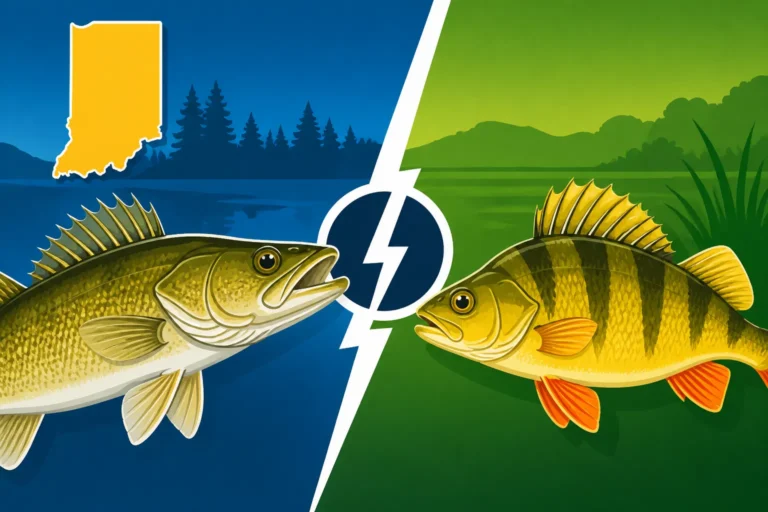
During the warmer months, you'll often find them schooling along the edges of weed beds in depths ranging from 8 to 20 feet, though they might venture shallower or deeper depending on the specific lake and time of day. As water temperatures drop in the fall, they tend to move deeper, concentrating in large schools over humps, points, and sudden drop-offs in the main lake basin. Learning their Yellow Perch Identification: Vertical Bars and Golden Sides can help distinguish them from other panfish.
The key to finding perch is often mobility. If you're not getting bites in one spot after 15-20 minutes, don't be afraid to move a short distance and try again. A fish finder can be an invaluable tool for locating these schools, especially in deeper water. Look for baitfish activity too, as perch are often found shadowing schools of minnows, their primary food source. Understanding these habitat preferences is the first step toward choosing the right bait to entice them.
The Best Live Baits for Yellow Perch
When it comes to yellow perch, live bait is often king. There’s just something about the natural movement and scent that these fish can’t resist, especially when they’re being a bit finicky.
Minnows: A Perch Favorite
If there's one bait that consistently produces yellow perch, it's the humble minnow. Small, lively minnows perfectly mimic the perch's natural prey and are almost universally effective. Fathead minnows are a go-to choice, readily available at most bait shops across Indiana. Golden shiners and even small rosy reds can also be effective.
The key is presentation. For an active school, a small minnow hooked lightly through the lip or just behind the dorsal fin, suspended under a bobber, is deadly. The minnow's natural struggles send out vibrations that attract curious perch. If the perch are deeper, or less active, a minnow fished on a small jig head or a bare hook with a split shot, allowed to slowly drift or lightly bounce off the bottom, can be incredibly productive. Remember to use small hooks, typically size 6 or 8, to ensure a good hookset on their relatively small mouths. Many anglers swear by using a small treble hook for minnows to increase the hook-up ratio, especially when perch are just nipping at the bait.
Worms and Larvae: Natural and Effective
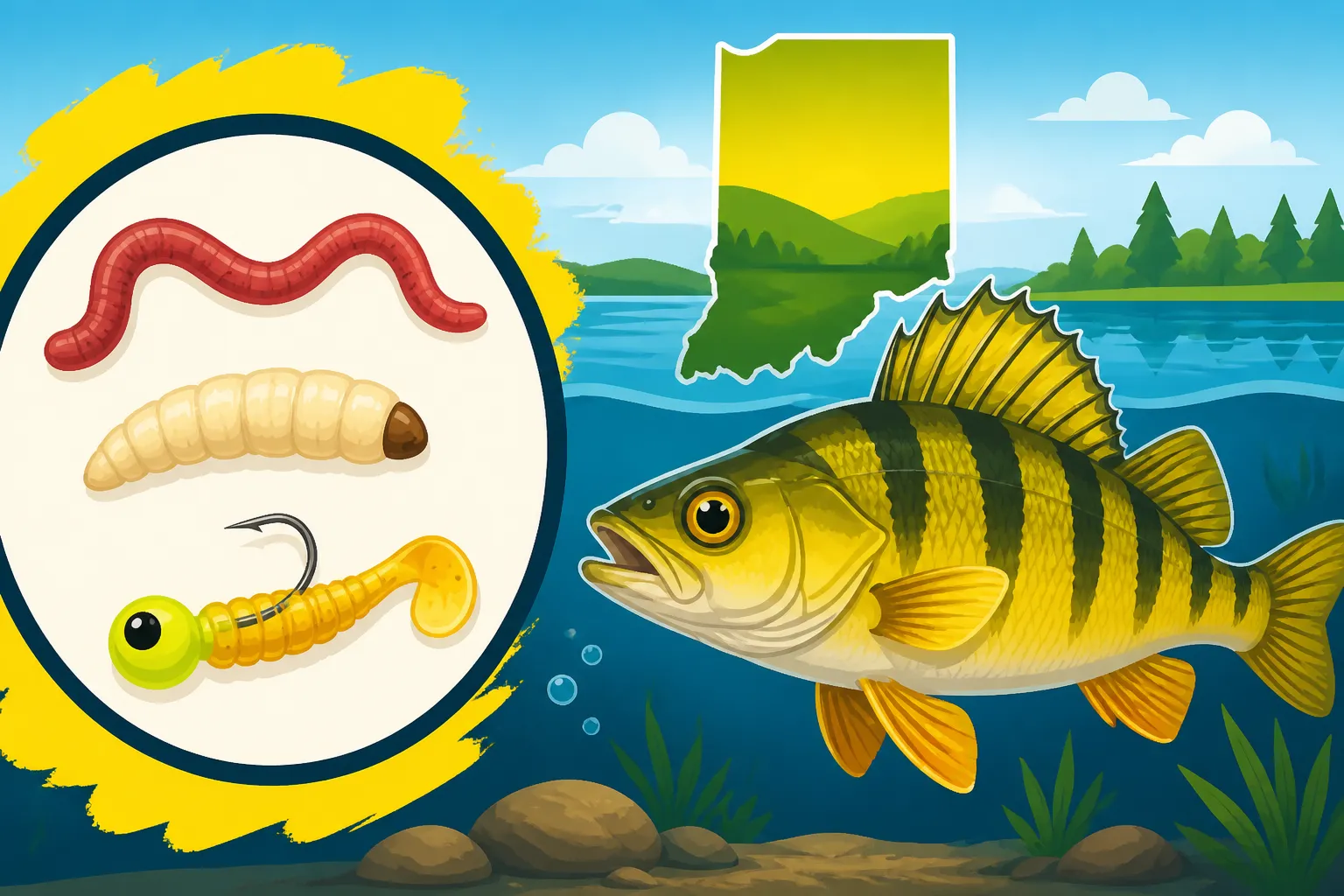
Beyond minnows, various worms and larvae offer another powerful arsenal for perch anglers. Redworms, often sold as "leaf worms" or "nightcrawlers" (though you'll want the smaller pieces of a nightcrawler), are incredibly effective. Their natural wiggling action and earthy scent are irresistible. They're also extremely easy to use; a small piece threaded onto a hook is all it takes.
Even better, and arguably more potent, are wax worms, mealworms, and grubs. These protein-rich larvae are absolutely dynamite for perch, especially through the ice or when the fish are concentrated. They are small, so you'll typically thread one or two onto a small jig or ice-fishing hook. The subtle movement and rich scent profile of these baits can often tempt even the most cautious perch into biting. These smaller baits are particularly effective in clear water or when the fish are pressured, as they offer a compact, natural-looking meal. You can often find these in bait shops or even order certain types of live larvae online from retailers like Amazon for convenience.
Crayfish and Leeches: Less Common, Still Productive
While not as commonly discussed for yellow perch as minnows or worms, crayfish and leeches can certainly have their moments, particularly for larger perch or in specific situations. Small crayfish, especially if they've recently molted and are soft-shelled, are a prime food source for many freshwater species, including larger perch. They are best fished on the bottom, either on a simple split-shot rig or a small jig head, mimicking their natural bottom-dwelling behavior.
Leeches, too, can be highly effective, especially in lakes where they are a natural part of the perch's diet. Their slimy, wriggling bodies are hard for a perch to resist. Hooked through the sucker or just below the head, a leech can be suspended under a bobber or fished slowly along the bottom. Both crayfish and leeches are often more seasonal or location-specific in their effectiveness, but don't count them out if your usual baits aren't producing. Always check local regulations, as some areas may have restrictions on using certain types of live bait.
Top Artificial Lures for Yellow Perch
While live bait is often the first choice, artificial lures can be incredibly effective, especially when you need to cover water, target aggressive fish, or when live bait isn't readily available. Plus, using lures can sometimes mean less mess and more casting!
Jigs and Soft Plastics: Small and Subtle
When it comes to artificials for perch, small jigs paired with soft plastics are hard to beat. The key here is small. We're talking 1/32 to 1/8 ounce jig heads, paired with tiny plastic grubs, tubes, or small finesse worms. Colors matter, and it's always a good idea to have a variety. Chartreuse, white, pumpkinseed, motor oil, and various shades of green and brown are reliable starting points. On cloudy days or in stained water, brighter colors like chartreuse or orange can sometimes be more visible. When considering Best Jig Colors for Cloudy Water, remember that contrast and glow can make a difference.
The presentation is crucial. A slow, subtle jigging action, barely lifting the bait off the bottom, often triggers strikes. Sometimes, simply letting the jig sit motionless on the bottom for several seconds can be the trick, mimicking a wounded or stunned baitfish. These small jigs are perfect for vertical jigging from a boat or kayak, or for casting and retrieving slowly from shore. You can find a fantastic array of these tiny jigs and soft plastics on Amazon, offering endless combinations to experiment with.
Small Spoons and Blade Baits: Attracting Attention
When perch are a bit more active, or you need to cover deeper water quickly, small spoons and blade baits shine. These lures are designed to create flash and vibration, calling fish in from a distance. Vertical jigging spoons, like Kastmasters or Swedish Pimples, in sizes ranging from 1/16 to 1/4 ounce, are excellent for dropping down to suspected schools of perch. A quick snap of the wrist followed by a controlled fall makes the spoon flutter and flash, often eliciting a reaction strike on the drop.
Blade baits, like the Johnson Thinfisher or various Z-Man models, are also incredibly effective. They produce a high-frequency vibration that perch can feel in their lateral lines. These are generally best fished with a lift-and-drop retrieve, allowing them to shimmy and vibrate as they rise and fall. Both spoons and blade baits are particularly good when you've located a school of perch but they aren't actively chasing, as the flash and vibration can often provoke a strike.
Inline Spinners and Small Crankbaits: Covering Water
For those days when perch are spread out or actively chasing baitfish in shallower areas, inline spinners and small crankbaits can be your best friends. Classic inline spinners like Mepps Aglias or Rooster Tails, in sizes #0 to #2, are excellent search baits. Their spinning blade creates flash and vibration, mimicking a fleeing baitfish. Cast them out and retrieve steadily, varying your speed until you find what the fish prefer. They're particularly effective along weed lines or around shallow structures.
Tiny crankbaits, especially those designed for crappie or panfish, can also entice aggressive perch. Look for models in the 1 to 2-inch range that dive to the depth where you expect the perch to be. Their wobbling action and rattles (if they have them) can trigger strikes, especially from larger perch. These are fantastic for covering larger areas from a boat or when shore fishing along a gradual slope. Again, a quick search on Amazon will reveal a wide variety of these effective lures.
Rigging and Presentation Tips for Success
Having the right bait is only half the battle; knowing how to present it effectively is crucial for consistent success with yellow perch. They can be subtle eaters, so your tackle and technique need to be dialed in.
Tackle Considerations: Rods, Reels, and Line
For yellow perch, the name of the game is light tackle. An ultralight or light action spinning rod, typically 5 to 6.5 feet long, is ideal. These rods have a sensitive tip that allows you to detect even the lightest bites, which perch are notorious for. The lighter action also makes fighting even a small perch feel like a fun challenge, enhancing the overall experience. For panfish in general, Best Ultralight Rods for Bluegill Fishing can offer great insights, and many of those principles apply directly to perch.
Pair your sensitive rod with a small spinning reel, typically a 1000 or 2000 series. This combination is lightweight and balanced, allowing for comfortable casting and precise bait presentation. Spool your reel with light line – 2 to 6 lb test monofilament or fluorocarbon is perfect. Monofilament offers a bit more stretch, which can be forgiving with aggressive hooksets, while fluorocarbon offers excellent sensitivity and is nearly invisible underwater. Braided line, in very light tests (like 4-6 lb), can also be used for maximum sensitivity, but it's often a good idea to tie on a short fluorocarbon leader to reduce visibility.
Essential Rigs for Perch Fishing
There are a few go-to rigs that consistently work for yellow perch, each with its own advantages depending on the situation.
- Bobber Rig: This is perhaps the most iconic and easiest rig to use. A small slip bobber allows you to suspend your live minnow or worm at a precise depth. The bobber acts as a visual strike indicator, dipping or moving when a perch takes the bait. This rig is fantastic for fishing over weed beds, around docks, or in relatively shallow water. For similar panfish, learning How to Rig a Bobber for Bluegill is a great start and directly applicable to perch. The key is to make sure your bait is at or just above the depth where the perch are feeding.
- Split-Shot Rig: Simple yet effective, this rig involves tying a small hook directly to your main line, then pinching one or two small split shot weights a foot or so above the hook. This rig gets your bait down quickly and allows for a more natural presentation on the bottom or when drifting. It's excellent for presenting live worms or small minnows in deeper water or when current is present. The less weight you can get away with, the better, as it allows the bait to move more naturally.
- Drop-Shot Rig: Gaining popularity for its versatility and effectiveness, the drop-shot rig positions your bait off the bottom, right in the fish's strike zone, while keeping your weight on the bottom. Tie a small hook (often a specialized drop-shot hook or an octopus hook) directly to your main line with a Palomar or improved clinch knot, leaving a long tag end. Tie a small bell or cylindrical weight to the end of that tag line. This rig is perfect for targeting perch suspended over structure or when they are hugging the bottom in deeper water. The bait stays horizontal and moves enticingly with minimal rod movement.
Mastering the Bite: Subtle Perch Takes
Yellow perch are notorious for their subtle bites, often described as a light tap, a series of quick pecks, or simply a feeling of added weight on the line. They don't usually hit with the force of a bass or pike, so developing a keen sense of touch is vital.
When using a bobber, you might notice it twitching, slowly sinking, or moving horizontally before it finally goes down. Don't set the hook on the first twitch; wait until the bobber makes a definitive move or disappears completely. If you're fishing without a bobber, pay close attention to your line, watching for any sudden slackening, tightening, or even a subtle "jump." Any anomaly warrants a gentle, yet firm, hookset. Often, feeling the weight rather than a distinct strike is your cue.
Practicing patience and developing a light touch are crucial. Sometimes, a slow, gentle lift of the rod tip is enough to set the hook, rather than a hard, sweeping motion. Because their mouths are relatively small, using small, sharp hooks is non-negotiable. If you're missing a lot of bites, try an even smaller hook or switch to a bait that presents a smaller profile.
Seasonal Perch Fishing Strategies
Yellow perch behavior, and thus the best baits and techniques, changes quite a bit throughout the year in Indiana. Understanding these seasonal shifts will dramatically increase your success.
Spring Perch: Post-Spawn Feasting
As the ice retreats and water temperatures begin to rise in early spring, yellow perch become very active. After their spawning period, which typically occurs when water temperatures are in the 40s Fahrenheit, they go on a feeding frenzy to recover energy. You'll often find them moving into shallower bays, flats, and along emerging weed lines where the water warms quickest and baitfish are congregating.
During this time, perch are generally aggressive. Small minnows, fished under a slip bobber or on a small jig head, are incredibly effective. Worms, particularly redworms or small nightcrawler pieces, also work wonders. Brightly colored jigs or small inline spinners can also entice these hungry fish. Focus on depths of 5 to 15 feet, especially areas that receive a lot of sunlight throughout the day. This is a fantastic time for consistent action, as perch will often be schooling and relatively easy to locate.
Summer Perch: Deeper and More Elusive
Summer presents a bit more of a challenge for perch anglers, as the fish often move deeper to find cooler, more oxygenated water. They'll typically relate to the thermocline (if one is present) or hug deep structures like humps, submerged islands, and steep drop-offs in the main lake basin. You might find them anywhere from 15 to 30+ feet deep.
Locating these deeper schools often requires a good fish finder. Once found, vertical presentations are key. Small jigging spoons, blade baits, or drop-shot rigs with small soft plastics or minnows are highly effective. Slowly working your bait just off the bottom or suspended at the depth where the fish are showing on your electronics will yield results. Don't be afraid to experiment with different depths; a few feet can make all the difference. Evening and early morning can sometimes bring them shallower, especially if there's good weed cover nearby.
Fall Perch: Schooling for Winter
Fall is another prime time for yellow perch fishing in Indiana. As the water temperatures begin to cool, perch start to school up aggressively, feeding heavily in preparation for winter. They often move back into slightly shallower depths, particularly along main lake points, rocky humps, and channels, but still preferring access to deeper water.
During the fall, perch are often very active and willing to chase. This is a great time to use a combination of live bait and artificials. Minnows remain a top choice, but small jigs tipped with a wax worm or a soft plastic grub can be deadly. Inline spinners and small crankbaits can also be effective for locating active schools quickly. Look for large schools on your fish finder and drift or slowly troll through them. The bite can be fast and furious once you've found a cooperative school, making for some of the most enjoyable fishing of the year.
Winter Perch: Ice Fishing Tactics
When Indiana's lakes freeze over, yellow perch become one of the most popular targets for ice anglers. They remain active under the ice, often schooling in deeper basins, humps, and along deep weed edges. Ice fishing for perch is all about finesse and specific presentations.
Small ice jigs, often called "tear drops" or "tungsten jigs," are incredibly effective. These tiny jigs, typically 1/64 to 1/8 ounce, are tipped with a single wax worm, spike, or even a small piece of minnow. The key is a very subtle jigging motion, often just a slight quiver of the rod tip. Deadsticking, which involves suspending a live minnow just off the bottom on a separate rod, is also a highly productive technique when fish are less active. You can find excellent selections of ice fishing tackle, including these specialized jigs, on Amazon. For a more comprehensive guide to gear, check out Best Tackle for Ice Fishing on Indiana Lakes. The cold water means fish metabolisms are slower, so patience and a keen eye for subtle bites are essential.
Live Bait vs. Artificial Lures for Yellow Perch
When gearing up for yellow perch in Indiana, you'll inevitably face the choice between live bait and artificial lures. Both have their merits, and often, the best approach is to be prepared to use both.
| Feature | Live Bait (Minnows, Worms, Larvae) | Artificial Lures (Jigs, Spoons, Spinners) |
|---|---|---|
| Pros | Natural scent and action; often preferred by finicky fish; versatile. | Durable; no need for refrigeration; can cover water faster; less messy. |
| Cons | Can be messy; requires proper storage; not always readily available. | Lacks natural scent/taste; may require more active presentation; can be less effective on very finicky fish. |
| Best Use | Slow, precise presentations; when fish are finicky or less active. | Locating active fish; covering large areas; when fish are aggressive. |
| Cost | Varies, usually purchased fresh for each trip. | One-time purchase, reusable for many trips. |
| Skill Level | Beginner-friendly (especially bobber rigs). | Requires more technique (jigging, varying retrieve). |
Ultimately, the best bait often depends on the fish's mood on a given day, the specific lake you're fishing, and your personal preference. Many successful anglers start with artificials to locate schools of perch, then switch to live bait once they've found them and the bite slows down. Don't be afraid to mix and match until you find what works best!
Disclaimer
This article is for general informational purposes only and does not constitute professional advice. Laws, prices and regulations vary by location and change over time. Consult a qualified professional for guidance on your specific situation.