Best Time of Year to Fish in Indiana
It's a question every angler in the Hoosier State has pondered, often staring out at a calm lake or river, wondering if today is the day. You’ve probably felt that pang of frustration, right? The feeling that you're missing out, or that you could be more successful if you just knew the "secret" timing. Well, you're not alone. This comprehensive guide is here to unravel the mysteries of Indiana's fishing seasons, helping you pinpoint the best times to hit the water for various species and make every trip count.
The Unpredictable Hoosier Angler's Challenge: Finding the "Best" Time to Fish
Let's be honest, trying to figure out the absolute "best" time to fish in Indiana can feel like chasing a ghost. One day, the fish are biting everything you throw at them, and the next, it's like the lake is completely empty. This inconsistency is a huge source of frustration for both seasoned pros and weekend warriors. It's not just about what bait you use or where you cast; often, it boils down to being there when the fish are most active, and that activity is heavily influenced by the calendar, the weather, and the unique behaviors of each species throughout the year.
Why Timing is Everything in Indiana Fishing
Timing isn't just a suggestion; it's a fundamental pillar of successful fishing. Fish are cold-blooded creatures, meaning their metabolism and activity levels are directly linked to water temperature. As the seasons change, so do their feeding habits, spawning behaviors, and preferred locations. Trying to catch bass in their deep winter haunts with a topwater lure, or targeting crappie on shallow beds in the dead of summer, is usually a recipe for disappointment. Understanding these seasonal shifts allows you to adapt your techniques, choose appropriate baits, and focus your efforts on areas where fish are most likely to be active and vulnerable. It's about working with nature, not against it, to maximize your chances of a memorable catch.
The Myth of a Single "Best" Day
Forget about finding one single, magical "best day" to fish in Indiana. It simply doesn't exist. What's "best" for a trophy largemouth bass in May might be completely unproductive for a big channel catfish in August or a walleye in January. The truth is, Indiana offers incredible fishing opportunities year-round, but those opportunities shift dramatically with the seasons and depend entirely on what you're hoping to catch. A brisk fall morning might be perfect for targeting aggressive pike, while a calm spring evening could be ideal for panfish. Instead of seeking a singular best day, focus on understanding the seasonal patterns for the species you love, and then use that knowledge to plan your adventures strategically.
Spring into Action: Indiana's Reawakening Waters (March – May)
Ah, spring! There's an undeniable buzz in the air as Indiana thaws out, and that excitement is mirrored beneath the surface. For many anglers, this is arguably the most anticipated time of year. As the ice melts and water temperatures slowly climb from the low 40s into the 50s and 60s Fahrenheit, the fish awaken from their winter lethargy. This period is characterized by dramatic shifts in fish behavior, leading to some of the most consistent and exciting action of the entire year. It’s a time when fish are looking to recover from winter and prepare for the arduous task of spawning, making them hungry and often less cautious.
The Pre-Spawn Feast and Early Spring Bites
As soon as water temperatures nudge into the upper 40s to low 50s, fish like bass, walleye, and crappie enter their pre-spawn phase. This is a critical feeding period where they gorge themselves to build up energy for spawning. You'll often find these fish moving from their deep wintering holes towards shallower staging areas, especially those with access to deeper water nearby. Look for transition zones like points, submerged humps, and the edges of weed beds where they can ambush baitfish. Crankbaits, jerkbaits, and slow-rolled spinnerbaits are incredibly effective during this time, as fish are looking for substantial meals. For crappie, slow trolling small jigs or minnows around brush piles and channel breaks can be exceptionally productive. This early spring window, before the fish commit fully to spawning, offers some of the most aggressive bites of the year.
Navigating the Spring Spawn Frenzy
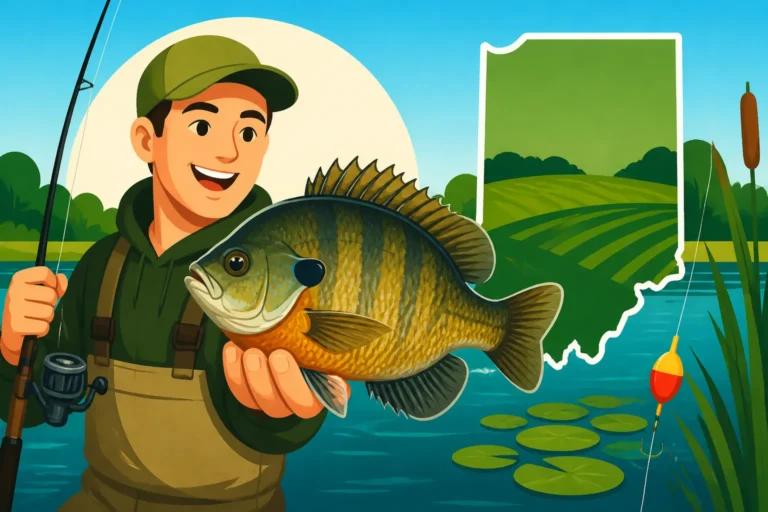
When water temperatures reach their prime for spawning—typically 60-68°F for largemouth bass, for instance—the focus shifts from feeding to reproduction. This period is often short-lived but incredibly intense. Fish move into very shallow water, often visible from the bank, to create and guard their nests. This is when anglers can sight-fish for species like bass and bluegill, carefully presenting baits to bedding fish. Soft plastics, wacky rigs, and creature baits are excellent choices for bass, while small worms or crickets under a bobber work wonders for panfish. It's important to remember that while these fish are aggressive in defending their beds, catch-and-release is strongly encouraged during the spawn to ensure healthy future populations. Learning about the specific timing for species like the Indiana Bass Spawn Timing and Pre-Spawn Patterns can greatly increase your success.
Post-Spawn Recovery and Late Spring Patterns
Once the spawn is complete, fish enter a post-spawn recovery phase. They're often exhausted and might move back to slightly deeper water to rest and recuperate. This can sometimes be a tougher bite, as fish are less inclined to chase baits aggressively. However, as they regain their strength, they'll begin to feed again, often transitioning to a more summer-like pattern. Look for them around cover like submerged timber, docks, and the edges of weed lines where they can easily ambush prey without expending too much energy. Topwater lures can start to become effective in warmer water, particularly during low-light conditions. As May progresses, the water column stabilizes, and fish spread out, making presentations that cover water, like spinnerbaits and crankbaits, good options for finding active fish. Don't forget to check the Indiana Fishing License Year Explained to ensure your license is current before you head out!
Summer's Golden Hours: Long Days, Warm Waters (June – August)
Summer in Indiana means long, hot days and warm water temperatures, often pushing into the 70s and 80s in many lakes and reservoirs. While some anglers might find the "dog days" challenging, summer actually offers fantastic fishing if you know where to look and when. Fish adapt to these conditions by seeking cooler, deeper water, or becoming more active during cooler parts of the day. It's a season of diverse opportunities, from chasing active schooling fish to patiently targeting lunkers in their shaded hideouts.
Early Summer Activity and Weedline Wonders
As June rolls in, water temperatures are consistently warm, and fish are generally recovered from the spawn. This is a highly active period where fish often spread out across the lake, making them accessible in various depths and cover types. Weed lines, both emergent and submerged, become prime habitat as they offer cover, oxygen, and ample food sources. Topwater fishing is absolutely phenomenal during early summer, especially at dawn and dusk. Buzzbaits, poppers, and walking baits can provoke explosive strikes from bass hiding in the weeds. For panfish, drifting a minnow or a small jig along the edges of weed beds can yield impressive numbers. This is also a fantastic time for species like northern pike and muskie, which become more active in the warmer, oxygenated water found around dense vegetation.
Mid-Summer Dog Days and Deep Water Tactics
By July and August, the heat truly settles in. Surface water temperatures can become uncomfortably warm for many game fish, driving them deeper to find cooler, more oxygenated water. This is when understanding structure and thermoclines becomes crucial. Look for deep points, humps, ledges, and channels. Fish find refuge in these cooler depths, often suspending over baitfish schools or hugging the bottom. Techniques like deep cranking, drop-shotting, and Carolina rigging are incredibly effective for targeting these deeper fish. Night fishing also becomes a popular and highly productive option during the summer. Species like catfish and walleye, in particular, often become much more active after the sun goes down, moving shallower to feed under the cover of darkness. Don't forget that on Lake Michigan, there's a whole different game entirely; always check the specific Lake Michigan Fishing Rules for Indiana Anglers before you cast a line!
Late Summer Patterns and Transitioning Fish
As August draws to a close, you might notice subtle shifts. While the days remain warm, the nights begin to cool, hinting at the approaching fall. Fish start to sense this transition, and their behavior can become a bit unpredictable. They might still be deep during the hottest parts of the day but could make more frequent forays into shallower water, especially early mornings and evenings. Baitfish populations are at their peak, leading to aggressive feeding binges. Spinnerbaits, swimbaits, and even some faster-moving topwater baits can still be effective. It's a time to be versatile and observe the conditions. Pay attention to changes in wind and cloud cover, as these can influence fish depth and activity levels. This transitional period offers a mix of summer and early fall patterns, making it a great time for anglers who are willing to experiment and adjust.
Fall's Feeding Frenzy: Preparing for Winter (September – November)
Fall is arguably one of the most beloved seasons for Indiana anglers, and for good reason. As the scorching summer heat gives way to crisp, cool air, the water temperatures begin a gradual decline. This triggers an instinctual feeding frenzy in many fish species as they bulk up for the long, lean winter months. The vibrant colors of autumn foliage provide a stunning backdrop, making every fishing trip not just productive, but also incredibly scenic. It's a season of aggressive bites, migratory runs, and often, some of the biggest fish of the year.
Early Fall: Aggressive Bites and Cooling Water
As September arrives, the first cool nights are a welcome change. Water temperatures, slowly dropping into the 60s, signal to fish that it's time to feed heavily. Baitfish are abundant and often school up, making them easy targets. This is a fantastic time for power fishing techniques. Crankbaits, especially those with a wide wobble, can imitate struggling baitfish perfectly. Spinnerbaits and chatterbaits ripped through grass lines can draw violent strikes. For bass, targeting main lake points, rocky outcroppings, and channel swings becomes highly effective. Walleye can be found on main lake flats and humps, often chasing schools of bait. Panfish, too, are actively feeding, schooling up in deeper cover as they move away from their shallower summer haunts. It's an exciting time when fish are often willing to chase down a meal.
Peak Fall: The Lake Michigan Salmon and Steelhead Run
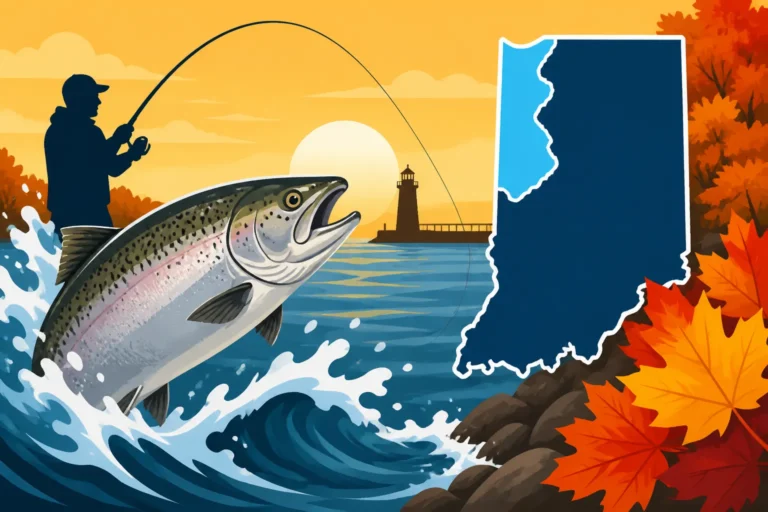
Without a doubt, one of Indiana's most spectacular fall fishing events is the Lake Michigan Salmon and Steelhead Run. As water temperatures continue to drop, typically from late September through November, Chinook and Coho salmon, followed by steelhead (rainbow trout), migrate from the vast expanse of Lake Michigan into its tributary streams along Indiana's coastline. This is a prime time for anglers to target these powerful, migratory fish. Fishing from piers, harbors, and directly in the rivers like Trail Creek or the Little Calumet River can be incredibly rewarding. Spoons, skein (salmon eggs), spawn bags, and various drifting techniques are popular and effective. This annual migration is a bucket-list experience for many Hoosier anglers, offering a chance to catch truly world-class fish close to home. Understanding the Fall Salmon Run Timing on Lake Michigan in Indiana is key to maximizing your chances. Don't forget your Indiana Trout and Salmon Stamp Requirements if you plan to target these magnificent fish!
Late Fall: The Final Push Before Ice
As November progresses and water temperatures dip into the 40s, the frenzy starts to slow, but the fishing can still be exceptional. This is the last major feeding window before fish settle into their deep winter patterns. Fish will begin to move towards their wintering holes, often congregating in deeper channels, holes, and along abrupt depth changes. The bites become more subtle, and a slower presentation is often required. Jigging spoons, blade baits, and slow-rolled finesse jigs can tempt sluggish fish. This is also a prime time for muskellunge, as these apex predators will make a final, aggressive push for large meals. For muskie anglers, throwing large glide baits or bucktails near deep break lines can produce truly massive fish. While the crowds thin out, dedicated late-fall anglers can often find some of the biggest fish of the year, provided they're patient and willing to fish slower.
Winter Wonderland: Cold Water Challenges and Opportunities (December – February)
When the temperatures plummet and snow blankets the Indiana landscape, many anglers put their gear away, but that's a mistake! Winter fishing in Indiana offers unique and often surprisingly productive opportunities, especially for those who brave the cold. Whether it's the thrill of ice fishing or the challenge of targeting cold-water species in open water, winter provides a quiet, serene, and often rewarding experience away from the summer crowds. Just remember safety first!
Hard Water Adventures: Ice Fishing in Indiana
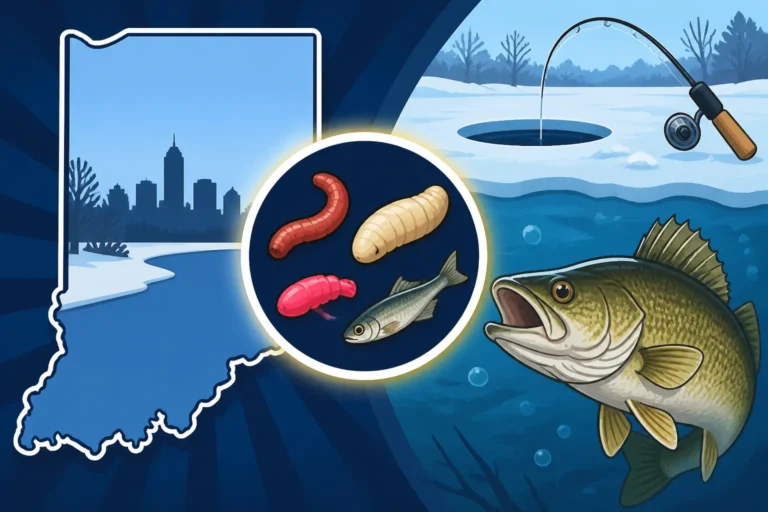
For many, winter means one thing: ice fishing! Once safe ice forms, typically from late December through February in the northern and central parts of the state, Indiana's frozen lakes and ponds transform into bustling villages of shanties and tip-ups. Ice fishing is a fantastic way to target panfish like bluegill, crappie, and yellow perch, which often school up beneath the ice, making them easier to locate. Small jigs tipped with wax worms, spikes, or minnows are incredibly effective. Walleye, northern pike, and even bass can also be caught through the ice. It's a social activity, a chance to enjoy the outdoors, and a surprisingly effective way to catch a meal. Always prioritize safety by checking ice thickness and never fishing alone. For deeper dives, explore topics like Winter Fishing Patterns on Indiana Lakes.
Open Water Winter Tactics
Even when ice covers many smaller bodies of water, larger lakes and rivers often remain open, offering opportunities for those who prefer traditional fishing methods. Reservoirs like Monroe Lake or Patoka Lake, and large rivers like the Ohio or Wabash, can be excellent winter fishing destinations. Fish in these cold, open waters are typically deep and lethargic, so slow presentations are key. Vertical jigging with spoons or blade baits for walleye and saugeye in deeper channels can be very productive. Catfish will often hold in deep holes in rivers, and a chunk of cut bait presented on the bottom can tempt them. It's a game of patience and precision, but the rewards can be substantial, often in the form of larger, healthier fish that haven't seen much pressure.
Overcoming Cold Front Challenges
Winter weather often brings dramatic cold fronts, which can make fishing incredibly tough. A sharp drop in air temperature and a rise in barometric pressure can send fish into a funk, making them even less willing to bite. The key to overcoming these challenges is to slow down, downsize your baits, and focus on subtle presentations. Finesse techniques like drop-shotting tiny plastics, slow-rolling a jig, or suspending a small minnow under a bobber can be effective. Fish will often hold tight to cover or hug the deepest parts of the available structure. Don't be afraid to experiment with different depths and retrieve speeds. Dress warmly, bring hot beverages, and remember that even on the toughest days, one bite can make the entire trip worthwhile.
Beyond the Calendar: Daily Rhythms and Environmental Factors
While understanding the seasons is crucial, successful fishing in Indiana goes beyond just knowing the month. Daily patterns and specific environmental factors play an equally vital role in determining when fish are most active. Ignoring these elements can lead to a slow day on the water, even during a traditionally "prime" season. A truly seasoned angler pays attention to the subtle cues that nature provides, adjusting their approach hour by hour, not just month by month.
The Magic Hours: Dawn and Dusk
Regardless of the season, dawn and dusk are almost universally considered the "magic hours" for fishing. During these low-light periods, many fish species, especially predatory ones like bass, walleye, and muskie, become significantly more active. The reduced light gives them a distinct advantage over their prey, making them more willing to venture into shallower water to feed. Water temperatures are also often at their most comfortable for fish during these times, especially in summer.
- Dawn: As the sun rises, the water often begins to warm slightly after the night's chill. Fish that were active overnight might still be lingering in shallower feeding grounds, while those that rested through the night begin their morning hunt. Topwater lures, spinnerbaits, and shallow-diving crankbaits can be incredibly effective during the first few hours of daylight.
- Dusk: As the sun sets, the light fades, and temperatures begin to drop. This period signals to fish that it's time for another feeding window before the darkness of night fully sets in. Fish often push baitfish to the surface or along weed lines. This is another prime time for topwater presentations, as well as working jerkbaits and jigs near cover. Many species, particularly catfish, will extend their activity well into the night.
Weather's Impact: Clouds, Rain, and Barometric Pressure
The weather isn't just about comfort; it's a huge factor in fish behavior. A sudden change in conditions can completely alter fishing prospects.
- Cloud Cover: Overcast days are often fantastic for fishing. The reduced light penetrates the water less, making fish feel more secure and willing to come out of deep cover. This can extend the "magic hours" throughout the entire day, allowing you to use more aggressive baits and presentations typically reserved for dawn and dusk.
- Rain: Light, steady rain can sometimes trigger a good bite, especially in warmer months. The rain oxygenates the water, washes terrestrial insects and nutrients into the lake or river, and breaks up the surface, making it harder for fish to be seen by predators (and anglers!). However, heavy downpours can muddy the water and turn fish off.
- Barometric Pressure: This is a subtle yet powerful influence. A stable or slowly falling barometric pressure often corresponds to active feeding. Fish tend to feel comfortable and move around more freely. Conversely, a rapidly rising or very high-pressure system, often associated with clear, sunny skies after a cold front, can shut down the bite. Fish often retreat to deeper water or dense cover, becoming lethargic. You'll need to use more subtle, slower presentations during these high-pressure periods. Keeping an eye on the forecast is just as important as knowing where the fish are.
Water Temperature: The Ultimate Fish Behavior Indicator
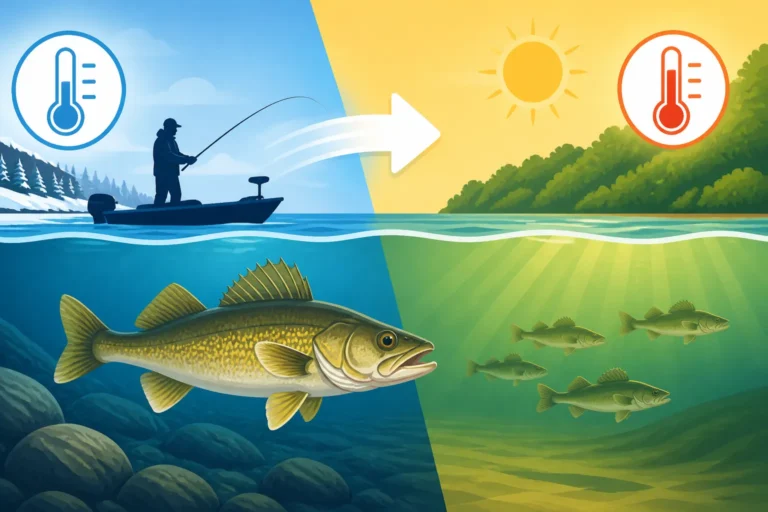
If there's one single environmental factor that dictates fish behavior more than any other, it's water temperature. Every species has an optimal temperature range for feeding, spawning, and general activity. Learning about the Best Water Temperature for Bass Fishing in Indiana, for example, can be a game-changer.
| Species | Optimal Feeding Temperature Range (°F) | Spawning Temperature Range (°F) | Peak Season (General) |
|---|---|---|---|
| Largemouth Bass | 65-75 | 60-68 | Spring, Fall |
| Smallmouth Bass | 60-70 | 58-64 | Spring, Fall |
| Walleye | 55-70 | 40-50 | Spring, Fall, Winter |
| Crappie (Black/White) | 60-75 | 60-70 | Spring, Fall |
| Bluegill | 70-80 | 67-75 | Summer, Late Spring |
| Channel Catfish | 70-85 | 70-75 | Summer, Late Spring |
| Northern Pike | 50-70 | 40-50 | Spring, Fall |
| Muskellunge | 60-75 | 48-52 | Fall, Spring |
| Salmon/Steelhead | 50-65 | 40-50 (migration) | Fall, Spring |
- Too Cold: In very cold water (below 40-45°F), fish metabolism slows dramatically. They become lethargic, feed less frequently, and often hold in deep, stable areas.
- Optimal Range: When water temperatures are in their ideal range, fish are active, aggressive, and feeding heavily. This is when you'll typically find the best bites.
- Too Warm: In excessively warm water (above 80-85°F for most species), fish can become stressed, seek cooler, deeper water, and their activity will decrease. Oxygen levels can also become a concern in very warm water.
Many fish finders available on Amazon, even budget-friendly ones, include a water temperature gauge. This invaluable tool can guide your decision-making, telling you if you're in the right temperature zone for your target species. Pay attention to how the fish are reacting to temperature changes throughout the day, and adjust your depth and presentation accordingly.
Key Species Breakdown: Timing Your Target
No two fish species are exactly alike, and what makes one bite like crazy during a specific time of year might send another into hiding. To truly master Indiana fishing, it's vital to understand the seasonal tendencies of the fish you're targeting. This means knowing when they're spawning, when they're feeding aggressively, and when they're more dormant. Let's break down the prime timing for some of Indiana's most popular game fish.
Largemouth and Smallmouth Bass Peak Times
Bass are arguably Indiana's most popular sport fish, and thankfully, they offer exciting action for much of the year.
- Spring (March – May): This is prime time for both largemouth and smallmouth.
- Pre-Spawn: As waters warm into the 50s, bass move shallow to feed aggressively, making them vulnerable to crankbaits, jerkbaits, and jigs. This is one of the best times for trophy-sized fish.
- Spawn: Once water hits the low to mid-60s, bass move onto beds. While they can be caught, it's a sensitive period.
- Post-Spawn: After spawning, bass will often retreat to nearby cover like docks or submerged timber to recover before resuming feeding.
- Summer (June – August): Bass become more active during low-light hours (dawn, dusk, night) and seek deeper, cooler water during the day. Topwater baits are fantastic early and late. Deep cranking, drop-shotting, and Texas rigs are effective for deep structure.
- Fall (September – November): A second peak for bass fishing as water cools into the 60s and 50s. Bass feed heavily, chasing baitfish schools. Spinnerbaits, crankbaits, and swimbaits are very effective.
- Winter (December – February): The toughest bite, but possible. Bass will hold deep on main lake points, channels, and humps. Vertical jigging spoons or slow-rolling jigs can tempt them.
Knowing the best time to Bass Spawn Timing and Pre-Spawn Patterns can make a significant difference in your success.
Walleye and Saugeye Windows
Walleye and their hybrid cousins, saugeye, are prized for their delicious table fare and challenging fight. Their activity is heavily tied to water temperature and light conditions.
- Spring (March – April): This is a crucial spawning period for walleye. As soon as ice melts and water temperatures hit the low 40s, they move to rocky shorelines, dams, and river rapids to spawn. After spawning, they feed aggressively to recover. Jigging with minnows or plastics, and trolling stickbaits are top tactics. Learning about Walleye Minimum Length North of State Road 26 and other regulations is critical.
- Summer (May – August): Walleye often move to deeper water, congregating on main lake humps, points, and along drop-offs during the day. Night fishing with crankbaits or jigs can be excellent as they move shallower to feed.
- Fall (September – November): Another fantastic time for walleye, especially in the state's glacial lakes like those in Kosciusko and Steuben Counties. They feed heavily as water cools into the 50s and 40s. Trolling crankbaits, jigging blade baits, or casting stickbaits are effective. To target these, understanding the Best Months for Walleye Fishing in Indiana's Glacial Lakes is key.
- Winter (December – February): Ice fishing for walleye can be excellent, particularly on lakes like Lake Maxinkuckee or Lake Wawasee. Tip-ups with shiners or jigging spoons are popular. In open water, deep vertical jigging can work.
Crappie, Bluegill, and Panfish Sweet Spots
Panfish are the backbone of Indiana fishing, providing endless fun for anglers of all ages and skill levels, especially kids.
- Spring (April – May): This is the time for crappie and bluegill.
- Pre-Spawn: As water warms into the 50s, crappie congregate around brush piles, submerged timber, and bridge pilings in preparation for spawning. They're often aggressive. Small jigs tipped with minnows or plastics are deadly.
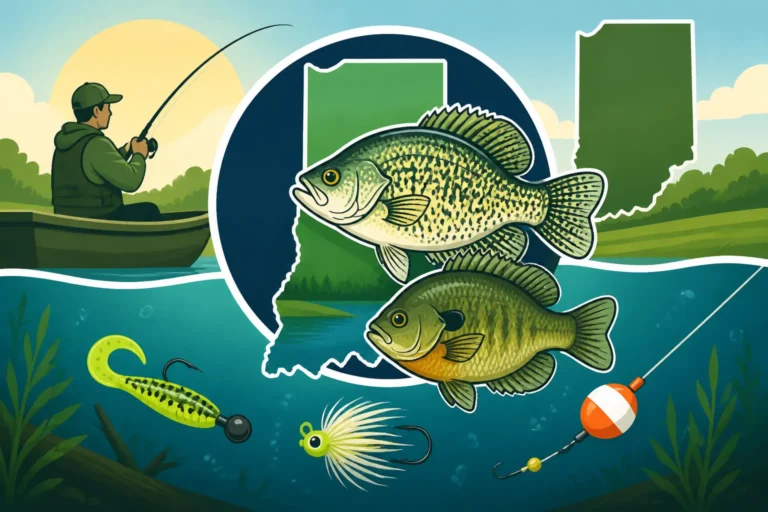
- Spawn: When water reaches the 60s, crappie move into extremely shallow cover (bushes, docks, lily pads) to spawn. Bluegill follow shortly after. You can catch them by the dozens using small worms, crickets, or tiny jigs under a bobber. This is when exploring Crappie Spawn Timing on Indiana Lakes becomes very useful.
- Summer (June – August): Panfish will move deeper during the hottest parts of the day, seeking cover in brush piles, weed beds, or beneath docks. Early mornings and evenings can still find them shallower.
- Fall (September – October): Panfish start to school up again and feed actively as water cools. Look for them around deeper brush piles, channel edges, and drop-offs.
- Winter (December – February): Ice fishing for panfish is incredibly popular and productive. They school tightly, making it possible to catch many from a single hole once located. Small ice jigs tipped with bait are essential.
Catfish and Muskie Prime Seasons
These two species offer vastly different fishing experiences but share a common thread: they are often targeted by dedicated anglers during specific windows.
- Catfish (Channel, Flathead, Blue):
- Late Spring/Summer (May – September): This is the prime time for catfish. As water temperatures rise into the 70s and 80s, catfish become incredibly active and feed aggressively. They can be found in rivers (Wabash, White, Ohio) and reservoirs (Monroe, Patoka). Night fishing is particularly effective. Stink baits, cut baits, live bait (for flatheads), and even hot dogs work wonders. Consult the Best Season for Catfish Fishing in Indiana for detailed planning.
- Fall (October): Still good, especially for larger fish bulking up.
- Winter (December – February): Can be caught in deep holes in rivers, often in colder, less active states.
- Muskellunge:
- Spring (Late April – May): After spawning, muskie become very active, often lingering in shallower bays and around weed lines.
- Summer (June – August): Muskie are active in warmer water, often found around dense weed beds, submerged timber, and deeper points. They can be challenging, but big fish are caught.
- Fall (September – November): This is arguably the best time for trophy muskie in Indiana, especially in lakes like Webster, Tippecanoe, and Lake Wawasee. As water temperatures drop into the 50s and 40s, muskies go on a feeding binge, chasing large lures. This is when the biggest fish are typically caught. Many dedicated muskie anglers rely on specialized gear, often sourced from places like Amazon, to handle these massive fish.
- Winter: Can be caught through the ice or in open water, but it's a very specialized and difficult bite.
Disclaimer
Fishing regulations, license requirements, and local conditions can change. Always check the latest Indiana Department of Natural Resources (IDNR) regulations before heading out. This guide provides general information and recommendations, but it is the angler's responsibility to comply with all current laws and safety guidelines.