Lake Michigan’s Salmon Run: Indiana’s Fall Fishing Season
As the leaves begin to turn and the crisp autumn air settles over Indiana, many anglers feel a familiar pull – the irresistible call of the Lake Michigan salmon run. It’s a truly exhilarating time, but for newcomers or even seasoned river anglers, the sheer scale of Lake Michigan and its unique migratory fish can feel daunting. This comprehensive guide will walk you through everything you need to know to successfully navigate Indiana's fall fishing season on Lake Michigan, from understanding the salmon's behavior to choosing the right gear and finding the best spots.
Understanding the Fall Salmon Run Phenomenon
There’s nothing quite like the energy that electrifies the Lake Michigan shoreline when the salmon start their annual migration. It's a special, fleeting period, and understanding why it happens is the first step to unlocking its full potential.
The Annual Migration: Why Salmon Come to Shore
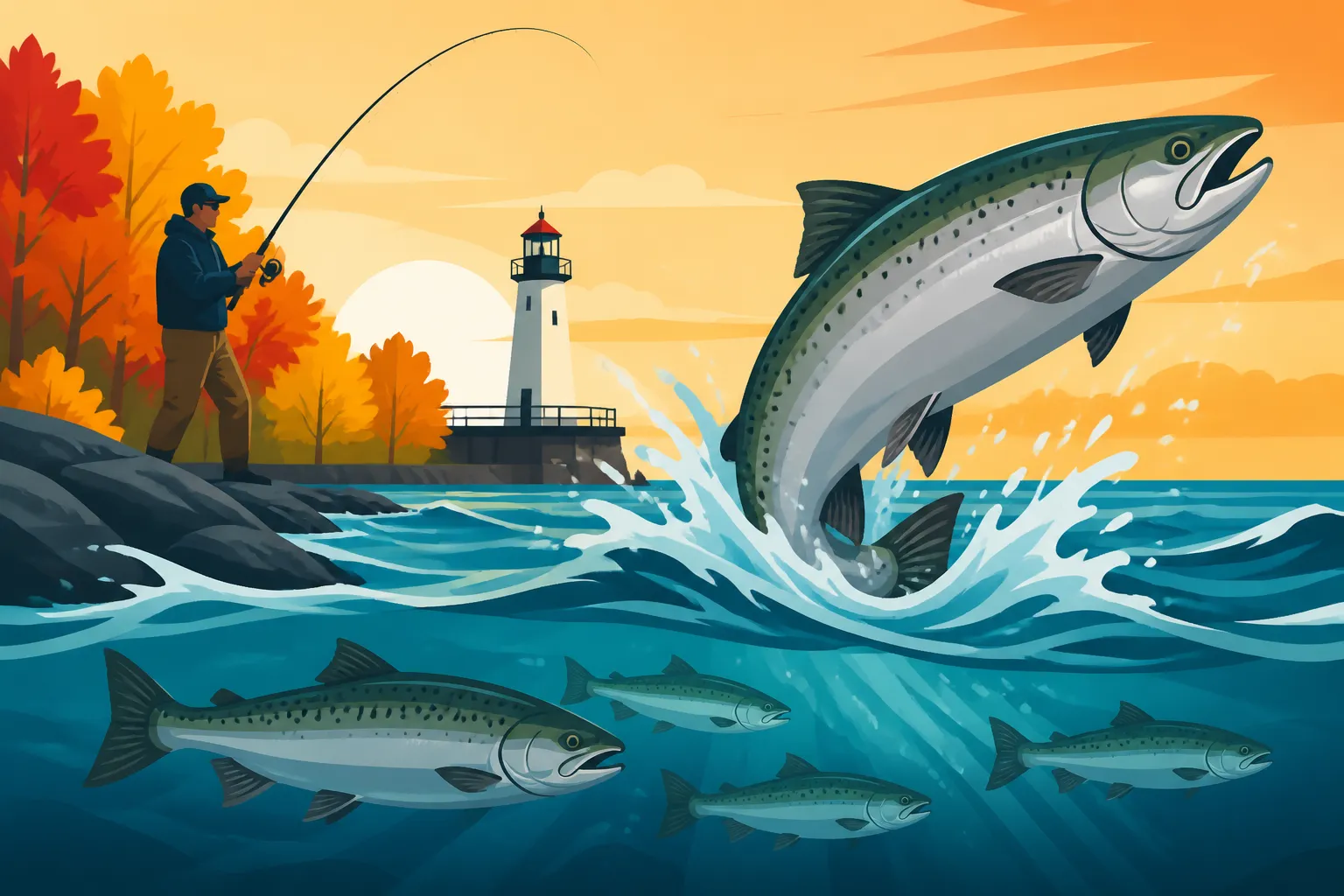
Every fall, typically from late August through November, mature salmon and trout begin their arduous journey from the vast, deep waters of Lake Michigan into the shallower nearshore areas and up tributary streams. This is their biological imperative: to spawn. They've spent years growing large in the lake, feeding on baitfish, and now instinct drives them to return to the areas where they were born or stocked. This congregation near shore is what creates the "salmon run" that anglers eagerly anticipate. It's not just a casual swim; these fish are focused, powerful, and often aggressive, making them a thrilling target. This natural cycle means anglers can target fish that are otherwise dispersed throughout the immense lake, bringing the action right to our accessible piers and river mouths.
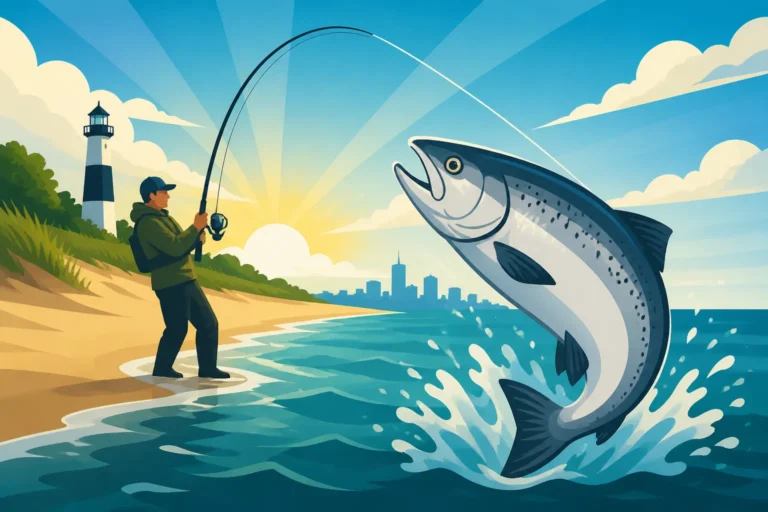
Many factors, both environmental and biological, trigger this movement. Changing light cycles as days shorten, a decrease in water temperature, and increased flow from rain-swollen rivers all play a role in signaling to the fish that it’s time to move. It’s an ancient dance of nature, and we, as anglers, are lucky enough to witness and participate in it. Watching a powerful Chinook leap from the water as it pushes upstream is a memory that sticks with you long after the season ends. Knowing that this migration is their final act of life makes catching one feel even more significant, a true connection to the wild.
Factors Influencing the Run: Weather and Water Conditions
Successfully intercepting the fall salmon run often boils down to understanding the conditions. Salmon are highly sensitive to their environment, and seemingly small changes can dramatically impact their behavior and where they decide to stage. Foremost among these factors are water temperature and clarity. How Water Temperature Triggers the Fall Salmon Push Toward Shore is a critical piece of the puzzle. As the lake water cools, usually into the 50s Fahrenheit, salmon become more active in shallower areas. Sudden drops in temperature, often following a cold front, can spur a new wave of fish to move towards the tributaries.
River flow and clarity are equally important, especially if you're targeting fish moving into or staging near stream mouths. Heavy rains can cause rivers to swell and become muddy, which might deter fish from entering immediately. However, once the flow stabilizes and the water begins to clear, the increased current can act as a powerful attractant, drawing in fish that have been waiting in the lake. Conversely, prolonged dry spells with low, clear river conditions can make fish hesitant, causing them to stack up at the river mouth or remain in the lake. Wind direction and wave action also play a role, influencing baitfish movement and water clarity along the shoreline. Anglers often keep a close eye on weather forecasts and buoy readings to predict the best days to hit the water, recognizing that every detail can make a difference.
Key Salmon Species in Indiana's Lake Michigan Waters
While we often broadly refer to "salmon," Lake Michigan's fall run is actually a vibrant tapestry of several different species, each with its own characteristics and preferred fishing methods. Knowing what you're targeting can greatly improve your success.
Chinook Salmon: The King of the Run
When most people think of the Lake Michigan salmon run, they're likely picturing the magnificent Chinook salmon, often called "Kings." These are the largest and most powerful of the Pacific salmon species introduced to the Great Lakes. During the fall, mature Chinooks can range anywhere from 10 to over 30 pounds, offering a truly epic fight that will test your gear and your stamina. Their sheer size and aggressive nature make them a top prize for many anglers. When you hook into a big King, you know it – the line screams, and the rod bends deeply.
Chinooks typically begin their push towards shore earlier in the fall, often starting in late August and peaking in September, though they can still be caught well into October. They are strong, determined fighters, making powerful runs and head shakes. Their distinctive purplish-green backs, silver sides, and black spots on both lobes of the caudal (tail) fin help identify them. As they get closer to spawning, their colors can darken dramatically, and males develop a prominent kype (hooked jaw). They are often found staging off pier heads and at river mouths, waiting for the right conditions to move upstream. Targeting these powerful fish requires robust tackle and a readiness for a serious battle. Chinook vs Coho Salmon: Key Differences for Anglers is a great read if you want to understand the nuances of these two species.
Coho Salmon: The Energetic Silver Bullet
While Chinooks are the kings, Coho salmon, or "Silvers," offer a different kind of thrill. They are generally smaller than Chinooks, typically weighing between 5 and 15 pounds, but what they lack in sheer mass, they make up for in acrobatic jumps and energetic fights. Cohos are known for their spectacular aerial displays, often leaping clear out of the water multiple times during a fight, making them a favorite for many anglers looking for excitement. Their iridescent silver sides, blue-green backs, and spots primarily on the upper lobe of the caudal fin distinguish them from Chinooks.
Coho salmon tend to arrive a bit later in the fall than Chinooks, often peaking from late September through October, and sometimes even into November. They are often found in the same areas as Chinooks – nearshore, around piers, and at river mouths – but they can sometimes be more receptive to different lures and baits. Many anglers enjoy chasing Cohos from shore, casting spoons or floating spawn sacks, enjoying their aggressive strikes and spirited battles. Landing a Coho can sometimes feel like a dance, requiring quick reflexes to manage their jumps and sudden changes in direction. They’re a fantastic target for anglers who appreciate a lively, acrobatic fight.
Steelhead (Rainbow Trout): The Late-Season Surprise
Although not true salmon, Steelhead are an anadromous form of rainbow trout that also participate in the fall migration, providing extended angling opportunities well into the colder months. These strong, chrome-bright fish are renowned for their incredible fighting ability, often making blistering runs and spectacular jumps. Steelhead typically range from 5 to 20 pounds in Lake Michigan, and their robust nature allows them to thrive in colder water. Steelhead vs Rainbow Trout: What Sets Them Apart can offer more insight into these fascinating fish.
Unlike Chinooks and Cohos, which die after spawning, Steelhead can survive and return to the lake, making multiple spawning runs throughout their lives. This means you can find them in the fall alongside the salmon, but they often extend the season, becoming a primary target from late October through winter and into early spring. They tend to follow the salmon into the tributaries, feeding on loose eggs, but they also stage in the nearshore lake waters. Their resilience and powerful fights make them a coveted catch, especially as the salmon run begins to wane. Targeting Steelhead often involves different presentations than salmon, like drifting small spawn bags, beads, or jigs in rivers, or trolling spoons and crankbaits in the lake.
| Species | Average Size (Fall) | Primary Run Time | Key Identification Marks | Fighting Style |
|---|---|---|---|---|
| Chinook Salmon | 10-30+ lbs | Late August – October | Black spots on both tail lobes, dark mouth/gums | Powerful runs, deep dives, head shakes |
| Coho Salmon | 5-15 lbs | Late Sept – November | Spots on upper tail lobe only, white mouth/gums | Acrobatic jumps, erratic bursts, surface fights |
| Steelhead (Trout) | 5-20 lbs | Oct – March (extended) | Pink stripe (often faint), small spots all over | Blistering runs, high jumps, strong endurance |
| Brown Trout | 3-15 lbs | Sept – April (extended) | Large dark spots with light halos, square tail | Strong, deliberate dives, good stamina |
Prime Fishing Spots Along Indiana's Lake Michigan Shoreline
Indiana's Lake Michigan coastline, while not as extensive as some other states, offers fantastic opportunities for fall salmon and trout fishing. Knowing where to go and what to expect from each type of location is key to maximizing your success.
Pier Fishing Hotspots: Accessibility and Action
Pier fishing is perhaps the most popular and accessible way to experience the fall salmon run in Indiana. These structures extend into the lake, giving shore-bound anglers access to deeper water where salmon often stage before moving into the rivers. The piers act as natural funnels and congregation points for baitfish, which in turn attract the salmon. Places like the Michigan City Pier, Burns Ditch, and Portage Lakefront Park offer fantastic pier fishing. Best Salmon Fishing Spots on Lake Michigan in Indiana is an excellent resource for detailed location information.
When fishing from a pier, you'll often see anglers using long rods to cast spoons, crankbaits, or to drift spawn sacks under a bobber. The action can be fast and furious, especially during peak migration periods or when a fresh push of fish arrives. Be prepared for crowds, especially on weekends, and practice good pier etiquette. It's a social environment, but everyone is there for the same reason: to catch fish. Always be mindful of your casting space and be ready to help a fellow angler land a big fish, as teamwork is often needed with such powerful fish from a pier. Remember that wave action and strong currents can make fighting a fish even more challenging, so a good net is absolutely essential. You can find robust pier nets on Amazon that extend quite far, which is a lifesaver when you're 10 feet above the water.
River and Stream Mouths: Tributary Entry Points
For many, the true essence of the salmon run is found at the mouths of the rivers and streams that feed into Lake Michigan. These are the fish's ultimate destinations for spawning, and they will stack up at these entry points, waiting for the right water conditions and flow to make their final push upstream. The mouths of Trail Creek in Michigan City, Burns Ditch, and the Little Calumet River are prime examples of these crucial transition zones. Fall Salmon Run Access Points Along Indiana's Shoreline can point you to exact spots.
Fishing these areas often involves different tactics than pier fishing. Anglers might use shorter rods for more precise casting, drifting natural baits like cured salmon eggs (spawn) or skein, or casting small plugs and spinners. The fish here can be incredibly aggressive, striking at anything that looks like an easy meal or an intruder in their spawning grounds. However, the dynamics can change quickly with water levels and clarity. After a heavy rain, the influx of fresh, colder water can draw fish in rapidly. Conversely, low, clear water might make them skittish. Anglers often wade into the shallows or fish from the banks, requiring careful footing on potentially slippery rocks and knowing the deeper channels where fish hold. This is a very active form of fishing, often involving a lot of walking and scouting to find where the fish are concentrating.
Boat Fishing: Covering More Water
While shore and pier fishing offer incredible opportunities, boat fishing on Lake Michigan during the fall salmon run provides a distinct advantage: mobility. With a boat, you can target staging areas away from the piers, follow temperature breaks, and cover vast amounts of water to find schools of active fish. This is particularly effective for Chinooks and Cohos that are still in the deeper nearshore waters but haven't yet committed to entering a tributary. Lake Michigan Fishing Regulations Are Different From the Rest of the State provides important context for boaters.
Trolling is the most common and effective technique for boat anglers targeting salmon in Lake Michigan. This involves using downriggers, planer boards, and leadcore line to present a variety of lures – spoons, crankbaits, and dodger/fly combos – at different depths and distances from the boat. Trolling Gear Setup for Indiana's Lake Michigan Salmon details the specialized equipment needed. Many anglers outfit their boats specifically for this purpose, with multiple rod holders, electronics, and a wide array of lures. The key is to experiment with different depths, colors, and speeds until you find what the fish are hitting. Boat fishing also opens up opportunities to target different species, like larger Lake Trout or Brown Trout, that might be holding in deeper water adjacent to the salmon runs. It's a significant investment in time and gear, but the rewards can be phenomenal, often leading to multiple fish days and the chance to land true trophies.
Essential Gear and Techniques for Fall Salmon Fishing
Successfully landing a powerful Lake Michigan salmon or trout requires more than just luck; it demands the right tools and a solid understanding of how to use them. Don't skimp on your setup, these fish are strong!
Rods, Reels, and Line for Big Fish
When it comes to battling aggressive salmon, your rod, reel, and line are your lifeline. For pier and shore fishing, a medium-heavy to heavy-action spinning or baitcasting rod, typically 8 to 11 feet long, is ideal. The extra length aids in casting long distances and managing fish around obstacles. Brands like St. Croix or Ugly Stik offer durable options that can stand up to the abuse. Pair this with a robust spinning reel (size 4000-6000) or a sturdy baitcasting reel, capable of holding 200+ yards of line with a smooth, reliable drag system. A quality drag is paramount, as a locking drag can quickly lead to snapped lines or broken rods when a King salmon decides to run. You'll find many suitable options on Amazon that balance power with a comfortable retrieve.
For line, 15 to 20-pound test monofilament or fluorocarbon main line is a good starting point, especially for abrasion resistance around piers. Many experienced anglers prefer a braided main line (30-50 pound test) for its sensitivity and strength, often adding a 10 to 15-foot fluorocarbon leader (12-20 pound test) for stealth and abrasion resistance. Remember, these fish are heading into cooler, clearer water, and sometimes a less visible leader can make all the difference. For boat trolling, longer, softer action rods (8-10 feet) designed specifically for trolling are used with heavy-duty baitcasting reels loaded with various specialized lines like monofilament, leadcore, or copper, depending on the desired depth and technique. Best Rods for Trolling Lake Michigan Salmon can offer specific recommendations.
Baits and Lures That Get Bites
The fall salmon run is a time when fish are driven by instinct, but they can still be enticed by a variety of offerings. The key is often matching the hatch or triggering a reactive strike.
- Spoons: Metal spoons are quintessential salmon lures. Popular choices include the Little Cleo, Dardevle, and Doctor Spoon. Colors vary widely, but often bright or fluorescent patterns (chartreuse, orange, firetiger) work well, especially in stained water. Silver, blue, and green patterns are excellent in clear conditions. Vary your retrieve speed and depth, allowing the spoon to flutter and flash.
- Crankbaits: Large, deep-diving crankbaits are effective, particularly for trolling from a boat or casting from piers into deeper water. Rapala, Storm, and Bomber brands make popular models. Natural baitfish patterns or bright, aggressive colors can both be productive.
- Spawn Sacks/Skein: These are arguably the most effective natural baits, especially when fishing near river mouths. Cured salmon or trout eggs, bundled into small mesh sacks or used as whole skein (egg sacs), are irresistible to salmon. They are drifted under bobbers or bottom-fished with minimal weight. The scent and natural appearance are hard to beat.
- Jigs: Tipping a brightly colored jig with a piece of natural bait, like a waxworm or a chunk of nightcrawler, can be deadly for Coho and Steelhead, particularly in calmer conditions or when fish are lethargic.
- Soft Plastics: Various soft plastic baits, often scented, can also be effective, especially for Steelhead. Worm and minnow imitations, fished on a jig head or under a float, can trigger strikes.
Experimentation is key, as what works one day might not work the next. Have a diverse tackle box ready!
Effective Fishing Techniques from Shore and Boat
Your chosen technique will heavily depend on where you're fishing.
- Casting and Retrieving (Piers/Shore): This is the most common method from fixed positions. Cast your spoon or crankbait out as far as you can and retrieve it with a varied cadence. Try pauses, jerks, and changes in speed to imitate an injured baitfish. Some anglers prefer a steady retrieve, letting the lure's natural action do the work. Early mornings and late evenings often see the most aggressive bites.
- Drifting (Piers/River Mouths): For natural baits like spawn or skein, drifting is highly effective. From a pier, use a bobber and enough weight to get your bait down to the desired depth, allowing the current to carry it naturally. In river mouths, wade into position and let your bait drift through likely holding spots, often in deeper seams or behind structure. This technique aims to present the bait as naturally as possible, mimicking loose eggs or small food items dislodged by the current.
- Bottom Bouncing (Piers/River Mouths): Sometimes, fish are hugging the bottom. A three-way swivel rig with a weight on a dropper line and a short leader to your bait (often spawn) can present your offering right in the strike zone.
- Trolling (Boat): As mentioned, trolling is paramount for boat anglers. How to Troll for Salmon on Lake Michigan details the intricacies. It involves systematically covering large areas, using downriggers to control depth precisely, and varying speeds and lure presentations until a pattern emerges. Watch your fish finder for baitfish schools and temperature breaks, as salmon will often relate to these features. Many boaters use planer boards to spread out their lines and cover a wider path, mimicking a school of baitfish.
Regardless of your chosen technique, remember that fall salmon are often in a pre-spawning or spawning mode. They might not be actively feeding in the same way they would during the summer. Aggressive, reactionary strikes are common, so choose lures that trigger these responses.
Navigating Regulations and Staying Safe
The excitement of the salmon run can sometimes make us forget the rules and safety precautions. Being prepared and informed ensures a legal and enjoyable trip.
Understanding Indiana's Lake Michigan Fishing Rules
Fishing in Lake Michigan, particularly for migratory species, comes with specific regulations that differ from inland waters. It's crucial to be familiar with these rules to avoid citations and contribute to conservation. First and foremost, you will need an Indiana fishing license. Indiana Fishing License Requirements Explained is a great place to start, and if you plan to target salmon and trout, you'll also need an Indiana Trout and Salmon Stamp. Trout and Salmon Stamp: Who Actually Needs One in Indiana covers the details of this additional requirement. It's an easy purchase, and you can usually get both your license and stamp online or at various bait shops.
Beyond the licensing, pay close attention to bag limits and length limits. These can vary by species and sometimes even by location within Lake Michigan or its tributaries. For example, there might be a combined daily limit for Chinook and Coho salmon. Steelhead and Brown Trout will have their own specific regulations. Always check the current Indiana Fishing Guide published by the DNR before you head out. These guides are updated annually and are available digitally or at license vendors. Remember that Lake Michigan Fishing Rules for Indiana Anglers often involve interstate agreements, so while you’re in Indiana waters, you must follow Indiana’s rules, even if you’re close to the Michigan or Illinois border. Ignorance of the law is never an excuse for a violation.
Safety First: Preparing for Fall Conditions
Fall fishing on Lake Michigan can be exhilarating, but it also presents unique safety challenges. The weather can change dramatically and rapidly, turning a calm morning into a dangerous afternoon. Cold water is a serious hazard, even if the air temperature feels mild. Hypothermia can set in quickly if you accidentally fall in.
- Dress in Layers: Wear waterproof outerwear, thermal base layers, and warm hats and gloves. It’s always better to overdress and remove layers than to be caught unprepared.
- Wear a Life Jacket: This is non-negotiable for boaters and highly recommended for pier and shore anglers, especially when wading near river mouths. Many excellent inflatable life jackets are available on Amazon that are comfortable enough to wear all day without hindrance.
- Check Weather Forecasts: Before heading out, check the marine forecast specifically for Lake Michigan. Pay attention to wind speed, wave height predictions, and any advisories. If conditions are questionable, err on the side of caution.
- Bring Communication Devices: A fully charged cell phone is a minimum. Boat anglers should consider a VHF marine radio for communication with other vessels and emergency services.
- Know Your Limits: Whether on a boat or fishing from shore, be aware of your physical limits and the limits of your equipment. Don't push into dangerous conditions or areas you're unfamiliar with. Let someone know where you're going and when you expect to return.
- Carry Essential Safety Gear: This includes a first-aid kit, a whistle or air horn, a knife, and a light source, especially if fishing before dawn or after dusk. A throwable flotation device is also a must for boaters.
A safe trip is a successful trip, even if the fish aren't biting. Prioritizing safety allows you to fully enjoy the incredible experience of the fall salmon run.
Beyond Salmon: Other Fall Fishing Opportunities
While salmon and steelhead are the stars of the fall run, Lake Michigan and its surrounding areas offer a diverse range of other species that can provide excellent fishing during the autumn months. Don't put away your gear just because the last salmon has spawned!
Brown Trout: A Consistent Fall Target
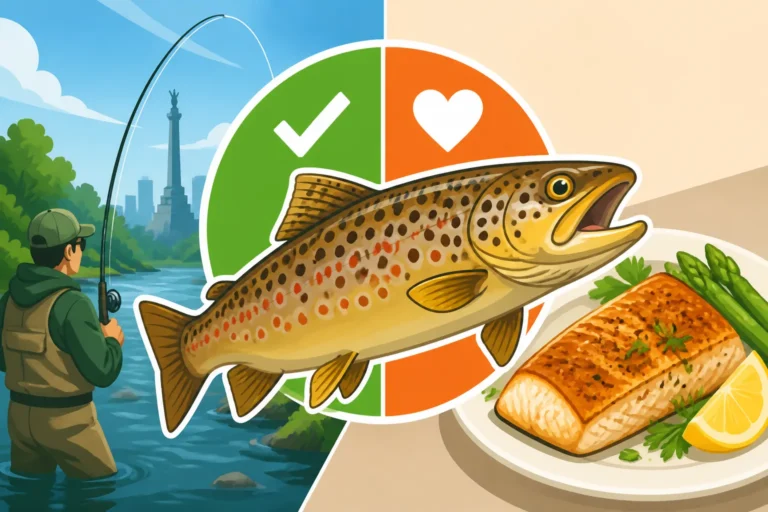
Brown Trout are another non-native species that thrives in Lake Michigan, and they offer fantastic angling opportunities throughout the fall and well into winter. Unlike salmon, Brown Trout don't necessarily die after spawning, and they are known for holding in the shallower, nearshore areas of the lake during the cooler months. They are beautiful fish, identifiable by their light-haloed dark spots, and can grow quite large, often exceeding 10-15 pounds. Their fights are strong and persistent, making them a worthy opponent.
Brown Trout Fishing on Indiana's Lake Michigan Shoreline is a dedicated resource for these fish. You'll often find Brown Trout patrolling rocky points, near pier structures, and along breakwalls. They're opportunistic feeders and will strike a variety of lures, including spoons, stickbaits, and even crankbaits. Early mornings and late evenings are often the best times, especially on overcast days. Many anglers targeting salmon will incidentally catch Brown Trout, but dedicating time specifically to them can be incredibly rewarding. They are also known for excellent table fare, making them a dual-purpose catch.
Yellow Perch and Smallmouth Bass: Diversifying Your Catch
While the big migratory fish get most of the attention, don't overlook the steady action that species like Yellow Perch and Smallmouth Bass can provide in Lake Michigan during the fall. These fish offer a different kind of angling experience and can be a great way to fill out a cooler or enjoy a more relaxed fishing trip.
- Yellow Perch: Fall is a fantastic time for Yellow Perch. As water temperatures drop, perch often congregate in large schools in shallower bays, around structures, and near drop-offs. They are highly sought after for their delicious, flaky white meat. Anglers typically target perch with small jigs tipped with minnows, worms, or pieces of nightcrawler, fished on light tackle. The bites can be subtle, but once you find a school, the action can be non-stop. Fishing for perch from piers or small boats can be very productive, providing a steady stream of keepers.
- Smallmouth Bass: Lake Michigan is home to some truly massive Smallmouth Bass, and fall is a prime time to target these hard-fighting bronze backs. As water temperatures cool, Smallmouth feed heavily in preparation for winter, often moving into shallower rocky areas, reefs, and points. They will readily strike crankbaits, jerkbaits, jigs, and tube baits. Their aggressive strikes and powerful, acrobatic fights make them a favorite among bass anglers. While you might need to hunt a bit to find them, hooking into a chunky Lake Michigan smallmouth in the fall is an unforgettable experience.
Diversifying your targets means you'll always have an opportunity to catch fish, even if the salmon bite is slow. It’s all part of the rich angling tapestry that Indiana's Lake Michigan offers.
Disclaimer
This article is for general informational purposes only and does not constitute professional advice. Laws, prices and regulations vary by location and change over time. Consult a qualified professional for guidance on your specific situation.