Lake Michigan Fishing Regulations Are Different From the Rest of the State
It’s easy to feel like you’ve got a handle on Indiana’s fishing regulations when you’re exploring the endless ponds, lakes, and rivers throughout the state. But then you head up north to the vast expanse of Lake Michigan, and suddenly, everything you thought you knew seems to fly out the window. The rules aren't just slightly different; they're in a whole other league, and ignoring them can lead to a lot of headaches. This guide is here to unravel those complexities, helping you understand precisely how Lake Michigan fishing regulations are different from the rest of the state so you can fish confidently and legally.
Why Lake Michigan Has Its Own Rulebook
When you first encounter the vastly different regulations for Lake Michigan compared to your favorite inland spots like Monroe Lake or Patoka Lake, it's natural to wonder why. It can feel like an unnecessary complication, especially if you're just looking to cast a line and enjoy the day. However, these distinct rules aren't arbitrary; they stem from a combination of ecological realities and extensive governance that sets Lake Michigan apart from every other body of water in Indiana. Understanding these underlying reasons can help make the regulations feel less like hurdles and more like necessary protections.
Unique Ecosystem and Species
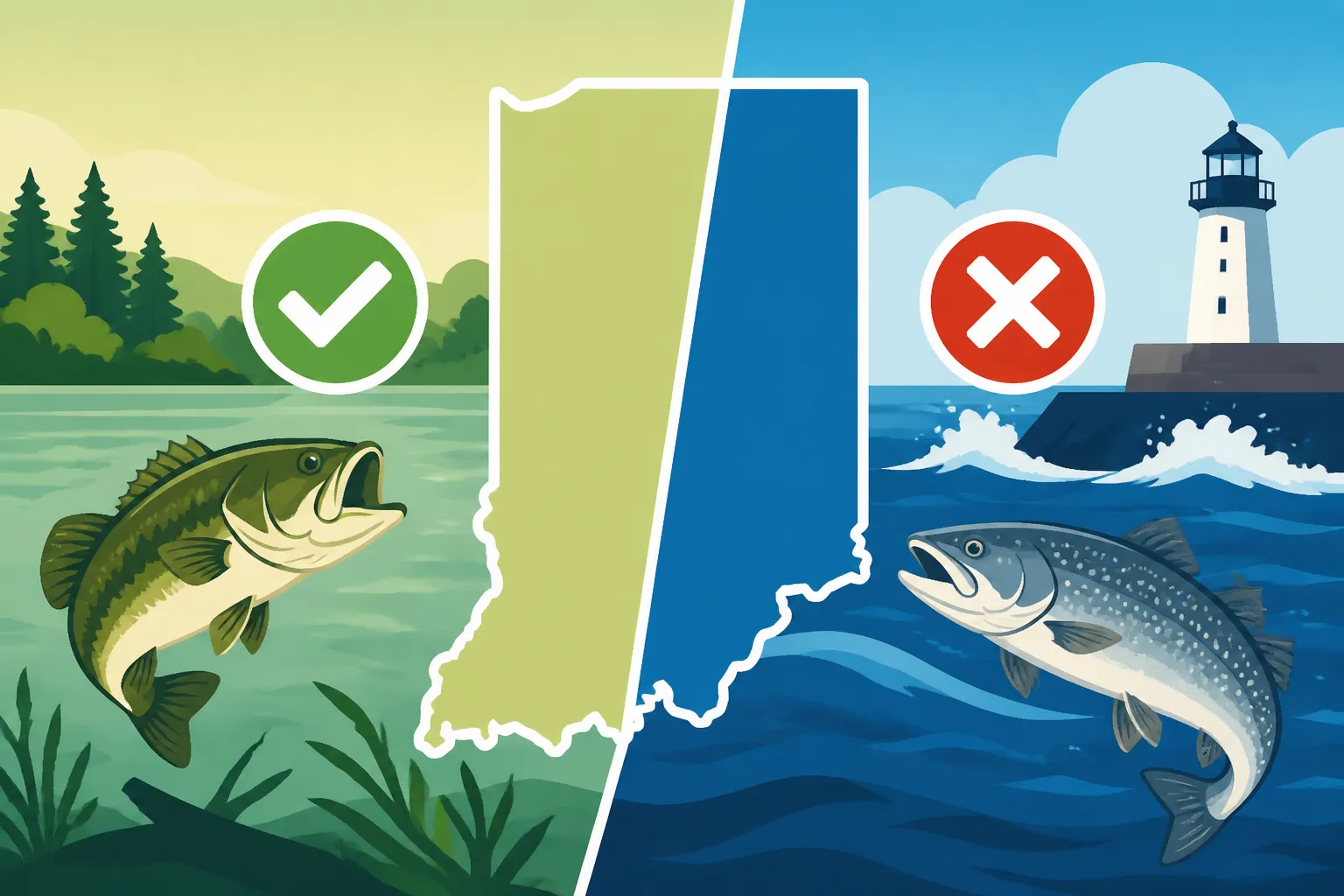
Lake Michigan is not just a bigger pond; it’s a freshwater sea, a truly unique ecosystem within Indiana. The sheer size and depth create a habitat unlike any inland lake. This massive body of water supports an entirely different array of fish species, many of which simply cannot thrive in smaller, shallower lakes. Think about the incredible salmon and trout species – Chinook, Coho, Steelhead, and Lake Trout – that migrate through its waters. These fish have specific life cycles, feeding habits, and migratory patterns that require tailored regulations to protect their populations. For instance, the fast-growing and hard-fighting Chinook Salmon are a prized catch, but without careful management, their numbers could dwindle.
The Indiana Department of Natural Resources (DNR) recognizes that what works for managing largemouth bass populations in a smaller reservoir simply won't cut it for these big, cold-water species. The rules are designed to protect these particular fish from overfishing, especially during critical times like their spawning runs, which often take place in the tributary streams feeding into Lake Michigan. Furthermore, the forage base in Lake Michigan is distinct, with invasive species like alewives playing a significant role. These dynamics create a delicate balance that needs specific regulatory oversight to maintain a healthy fishery for all species, from the mighty lake trout to the humble yellow perch. This unique environment necessitates specific rules that reflect the biological needs and vulnerabilities of its inhabitants, which is why you'll see separate guidelines when fishing the Indiana shoreline of Lake Michigan.
Interstate and International Agreements
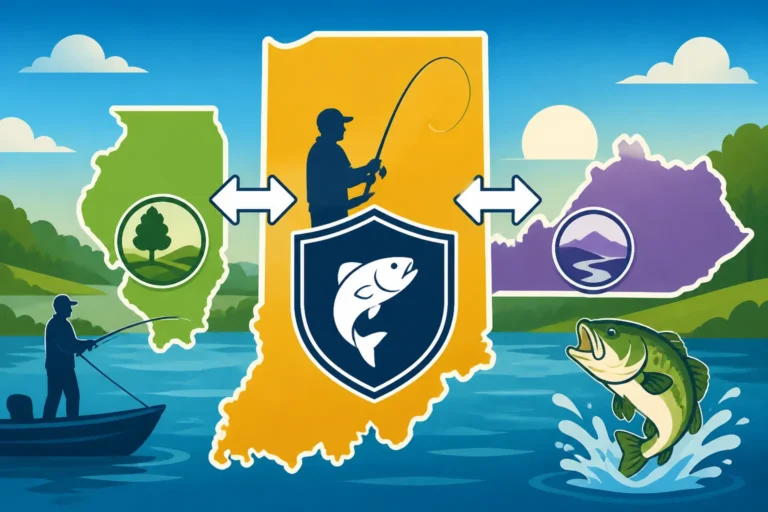
Beyond the biological distinctiveness, the most significant reason for Lake Michigan's separate rulebook is its status as an interstate and, indirectly, an international body of water. Lake Michigan borders four U.S. states: Indiana, Illinois, Michigan, and Wisconsin. Each of these states has a vested interest in the lake's health and a role in its management. To ensure consistent conservation efforts and prevent a patchwork of conflicting rules that would be impossible for anglers to follow, these states collaborate extensively.
This collaboration often happens through regional bodies and commissions, such as the Great Lakes Fishery Commission, which also involves Canada due to the interconnectedness of the Great Lakes system. These agreements lead to harmonized regulations across state lines for many species, especially migratory ones like salmon and trout. While Indiana sets its specific daily bag and length limits within its territorial waters, these limits are often influenced by the broader management goals established through these interstate discussions. The goal is to manage the entire lake as a single, shared resource rather than four isolated segments. This means Indiana can't just set rules in isolation; it must consider how its regulations impact and are impacted by its neighbors. So, when you're fishing Lake Michigan, you're not just under Indiana's jurisdiction; you're also implicitly part of a larger, carefully coordinated regulatory framework designed to protect this incredible natural wonder for everyone.
Key Differences in General Regulations
Stepping onto the shores or launching a boat into Lake Michigan within Indiana's borders means you're entering a different regulatory landscape, even before you start thinking about specific fish species. The fundamental requirements for legal fishing, from licenses to gear, shift considerably compared to what you might be used to in the state's interior. It’s not just about the fish; it’s about how you’re allowed to pursue them. These differences can be a source of confusion for many anglers who are accustomed to the more generalized rules that apply across most of Indiana’s smaller waters.
Licensing and Stamps
One of the first and most crucial differences you'll encounter when planning a Lake Michigan fishing trip is the additional licensing requirement, particularly if you're targeting trout or salmon. While an Indiana Fishing License is universally required for most angling in the state, the pursuit of migratory trout and salmon species in Lake Michigan and its tributaries comes with an extra stipulation: the Indiana Trout and Salmon Stamp. This isn’t something you generally need for catching bass in Geist Reservoir or bluegill in a farm pond.
The Trout and Salmon Stamp is a mandatory endorsement that must be purchased in addition to your regular annual or short-term fishing license if you intend to fish for these specific species. It’s a dedicated revenue stream that helps fund the stocking programs and management efforts necessary to sustain these unique Lake Michigan fisheries. For example, if you're planning a trip to catch Coho Salmon during the fall run, you absolutely need both your base license and this stamp. For a comprehensive overview of what you need, check out our guide on Indiana Fishing License Requirements Explained. For those specifically targeting these majestic fish, understanding Indiana Trout and Salmon Stamp Requirements is paramount. Without it, even with a valid fishing license, you could face fines for violating regulations, which is definitely not the memory you want from a day on the big lake.
General Definitions and Terminology
Beyond the specific licensing, you'll also notice that some general definitions and terminology used in Lake Michigan regulations can subtly differ or carry more weight than in inland fishing. For instance, the term "tributary" becomes incredibly important for Lake Michigan anglers. A tributary, in this context, refers to a stream or river that flows into Lake Michigan, and often, specific regulations for salmon and trout will extend a certain distance upstream from the mouth of these tributaries. This means that while you might be miles inland, if you’re fishing a creek that eventually flows into Lake Michigan, you could still be subject to Lake Michigan's rules, especially regarding specific seasons or gear.
Another important distinction often pertains to what constitutes "snagging" or "foul-hooking" fish, particularly during spawning runs. While such practices are generally illegal or heavily restricted across the state, the intense concentrations of fish during the Lake Michigan salmon and steelhead runs lead to even stricter enforcement and clearer definitions of acceptable methods. These nuanced terms are crucial for anglers to understand, as unintentional violations can still carry significant penalties. It’s not just about knowing what you can catch, but how you can catch it, and the very definitions around those actions can be tailored to the specific challenges and opportunities presented by Lake Michigan's unique fishery.
Lake Michigan Specific Bag and Size Limits
This is where the rubber really meets the road for most anglers heading to Lake Michigan: the bag and size limits. Forget the statewide limits you've memorized for bass, crappie, or walleye – Lake Michigan operates under a completely different set of rules designed to manage its distinct and often migratory fish populations. These regulations are meticulously crafted to ensure sustainable harvesting while also allowing enough fish to reach maturity and reproduce, especially for species that migrate back into the lake's tributaries to spawn.
Salmon and Trout Species Limits
If you're heading to Lake Michigan, chances are you're after the legendary salmon and trout. These are the giants of the lake, offering incredible fights and delicious table fare. However, their popularity also means they need strict management. Unlike most inland species, where a combined limit might apply to a broad category of fish, Lake Michigan often has specific limits for each distinct salmon and trout species. For example, you might have a limit of five salmon and trout in combination, but within that limit, there could be sub-limits for specific species like Chinook Salmon, Coho Salmon, Steelhead, or Lake Trout.
The exact numbers and minimum sizes can change based on annual stock assessments and management goals, so always double-check the latest Indiana fishing guide. For instance, you might find a daily bag limit of five salmon and trout in total, but perhaps only three of those can be Lake Trout, with a minimum size requirement of 10 inches for some species and 18 inches for others. These variations are crucial. Trying to apply the statewide bass limit of five fish to a mess of Coho and Chinook would land you in serious trouble. Furthermore, understanding the differences between species like Chinook vs Coho Salmon: Key Differences for Anglers and Steelhead vs Rainbow Trout: What Sets Them Apart isn't just academic; it's essential for staying within the legal limits, as different species can have different regulations. Always consult the most current Indiana fishing guide, often available online or at bait shops, before you head out, as these limits are truly dynamic.
Perch and Other Panfish Limits
While salmon and trout often steal the spotlight, Lake Michigan also offers fantastic opportunities for panfish, particularly the ever-popular Yellow Perch. However, even these seemingly simple species are subject to different regulations on Lake Michigan compared to their inland counterparts. In most Indiana lakes and rivers, the daily limit for panfish like bluegill, crappie, and redear sunfish is a generous 25 fish per species. But for Lake Michigan Yellow Perch, that number is significantly reduced, often to 15 fish per day.
This stricter limit reflects the intense fishing pressure on perch populations in Lake Michigan, especially during peak seasons when large schools congregate in accessible areas, like near piers or harbor mouths. The DNR aims to prevent overharvesting of this valuable fishery, which supports both recreational anglers and, historically, commercial operations. While there's generally no size limit for Yellow Perch on Lake Michigan in Indiana, the reduced bag limit is a stark reminder that you're fishing a unique body of water. For those who love the classic panfish, understanding that Yellow Perch: Indiana's Classic Panfish are managed differently here is vital. It’s another example of how the sheer scale and popularity of Lake Michigan necessitate a more cautious approach to resource management than what’s typically seen in smaller, less pressured inland waters.
Smallmouth Bass Limits
Smallmouth bass are incredibly popular sport fish throughout Indiana, known for their aggressive strikes and powerful fights in rivers and clear lakes. You’ll find them in Lake Michigan too, particularly in the shallower, rockier nearshore areas and in the lower reaches of its tributaries. While the statewide daily bag limit for smallmouth bass is typically five fish, often combined with largemouth bass, Lake Michigan often imposes its own unique regulations.
Specifically, the smallmouth bass regulations for Lake Michigan and its tributaries tend to be more restrictive, sometimes with a higher minimum length limit than other parts of the state. For instance, the minimum length for smallmouth bass in Lake Michigan might be set at 14 inches, with a daily bag limit of three fish. These tighter restrictions are put in place to protect the breeding population of smallmouth bass, which are highly sought after by anglers and can be vulnerable to overfishing in specific areas. The goal is to ensure that enough fish reach spawning size to sustain the population. So, if you're accustomed to catching and keeping smaller smallmouth from your local river, be prepared to adjust your expectations and measurement habits when fishing Lake Michigan, or you might find yourself unknowingly violating the law. This is just another example of how Lake Michigan Fishing Rules for Indiana Anglers are tailored to the specific ecological needs and pressures of the Great Lake.
Gear and Method Restrictions on Lake Michigan
Beyond what you can catch and how many, Lake Michigan also often dictates how you can catch fish, with specific rules governing certain types of gear and fishing methods. Many of these regulations are designed to accommodate the unique challenges and opportunities of fishing such a large body of water, particularly when targeting deep-dwelling or migratory species. Anglers accustomed to simpler setups on inland lakes will find themselves needing to adapt or invest in specialized equipment and understand how to legally deploy it.
Downriggers and Planer Boards
When you see charter boats out on Lake Michigan, you'll often notice a lot of specialized gear that looks completely foreign to an inland angler. Two of the most common pieces of equipment are downriggers and planer boards. These tools are absolutely essential for effective trolling on the vast expanse of Lake Michigan, allowing anglers to present lures at precise depths and spread out multiple lines to cover a wider area. Downriggers use heavy weights to send lures deep below the surface, often into depths that are simply inaccessible with standard trolling methods. Planer boards, on the other hand, are designed to take lines out to the sides of the boat, helping to prevent tangles and simulate a wider school of baitfish.
While both are legal and widely used on Lake Michigan, their use might be restricted or simply impractical on smaller, shallower inland lakes. In fact, on some smaller bodies of water, the sheer number of lines that can be deployed with these tools would be excessive or cause too much interference with other anglers. On Lake Michigan, however, where the fish can be spread out over immense areas and often hold deep, these tools are indispensable for success. Many newcomers to Lake Michigan fishing often turn to resources like Amazon to purchase these specialized items, as they are not commonly found in smaller, local bait shops. If you're planning a serious trolling trip for salmon and trout, understanding the setup and proper deployment of downriggers and planer boards is crucial, and our guide on Trolling Gear Setup for Indiana's Lake Michigan Salmon can offer a lot of helpful advice.
Trolling and Live Bait Rules
The methods of fishing also see significant variations. Trolling is a primary technique for covering water and finding migratory salmon and trout on Lake Michigan. Anglers often deploy multiple lines, sometimes up to the maximum number allowed by Indiana law (which is generally three lines per person, but this can vary by specific body of water or species). However, the specific types of lures and bait used while trolling can be subject to distinct rules. While live bait, such as minnows or worms, is a staple for many inland species, its use can be more restricted on Lake Michigan, especially when targeting certain game fish like salmon and trout. Many dedicated Lake Michigan salmon and trout anglers prefer artificial lures, spoons, and flies, or cured cut bait, and often these are the most effective options anyway.
The regulations also often specify where trolling is allowed. For instance, in certain harbors or near boat ramps, trolling might be restricted for safety reasons. Furthermore, there can be very specific rules about the size and type of hooks used, particularly when fishing for salmon and trout during their spawning runs in tributary rivers. The intent is to reduce foul-hooking and ensure that fish are caught ethically. This careful balancing act ensures that anglers have the tools they need to be successful on Lake Michigan while also protecting the fishery from undue pressure. Always consult the latest Indiana DNR regulations to confirm the specific rules regarding trolling and bait, as these details are critical for a legal and successful outing on the big lake.
Reciprocity and Border Waters
Navigating fishing regulations on Lake Michigan can feel even more complex when you consider its status as a shared resource among multiple states. The concept of "reciprocity" – where one state's license is honored by another – is common on border rivers or smaller lakes, but on a body as vast and significant as Lake Michigan, it operates under unique circumstances. This becomes especially pertinent for anglers who might launch from a different state or find themselves drifting near an unseen state line.
Fishing Across State Lines
Unfortunately, Indiana does not have full reciprocity agreements with neighboring states for fishing on Lake Michigan. This means that if you launch your boat in Michigan, Illinois, or Wisconsin, your Indiana fishing license generally won't be valid in those states' waters, and vice versa. Each state bordering Lake Michigan maintains its own set of fishing regulations and license requirements within its territorial waters. So, if you're an Indiana resident planning to fish off the coast of New Buffalo, Michigan, you'll need to purchase a Michigan fishing license, along with any required stamps for salmon and trout.
This lack of comprehensive reciprocity can be a source of frustration for anglers, especially those who live near state borders and might cross into different jurisdictions without even realizing it. The invisible state lines extend far out into the lake, and without GPS or a clear understanding of the boundaries, it’s easy to inadvertently fish in another state’s waters without the proper license. It's a key reason why it's always advised to obtain a license for the state whose waters you primarily intend to fish. Our guide on Indiana Nonresident Fishing License Guide can help those visiting from other states understand their options for fishing Indiana's portion of the lake. To avoid any issues, it’s always best to be over-licensed than under-licensed when dealing with border waters like Lake Michigan.
What About the Indiana Waters of Lake Michigan?
Within Indiana's designated portion of Lake Michigan, you are entirely subject to Indiana’s fishing regulations. This includes the specific bag limits, size limits, season dates, and gear restrictions that we’ve already discussed. Your valid Indiana fishing license, along with the necessary Indiana Trout and Salmon Stamp, covers you for all legal fishing activities within Indiana’s section of the lake and its regulated tributaries. This area typically extends from the shoreline out to the state’s boundary line in the middle of the lake.
The challenge comes when anglers, especially those trolling, might drift or motor across state lines. A GPS unit set to display state boundaries can be an invaluable tool for staying within Indiana waters, especially if you're launching from a popular marina like those in Michigan City or Portage. It’s critical to remember that law enforcement from any of the bordering states has jurisdiction in their respective waters, and ignorance of a state line is not a valid defense if you're caught fishing without the appropriate license or violating another state's regulations. So, while your Indiana license is your golden ticket for Fishing Lake Michigan's Indiana Shoreline, always be aware of your location to avoid inadvertently crossing into Michigan or Illinois waters without the necessary permits.
Staying Informed and Avoiding Penalties
Given the complexities of Lake Michigan's fishing regulations, staying up-to-date and thoroughly understanding the rules is not just recommended, it's essential. The dynamic nature of fish populations, environmental factors, and interstate agreements means that regulations can and do change. Relying on outdated information or hearsay is a surefire way to run into trouble. Taking proactive steps to inform yourself can save you from potential fines, confiscated gear, and a ruined fishing trip.
Best Resources for Up-to-Date Information
In this age of instant information, there’s no excuse for not having the latest regulations at your fingertips. The absolute best resource for current and official Indiana fishing regulations, including those specific to Lake Michigan, is the Indiana Department of Natural Resources (DNR) website. They publish an annual fishing guide that details all license requirements, bag and size limits, season dates, and specific rules for different bodies of water. This guide is usually updated and released around April 1st, coinciding with the start of Indiana's fishing license year. You can often download a PDF version or request a physical copy from most bait and tackle shops, especially those in the Northwest Indiana region.
Beyond the official DNR guide, subscribing to DNR newsletters or following their social media channels can provide real-time updates on regulation changes, fish stocking reports, and important advisories. Local bait and tackle shops around Lake Michigan, such as those in Michigan City or Hammond, are also excellent sources of information. The folks working there often live and breathe Lake Michigan fishing and can offer invaluable insights into current regulations, what’s biting, and what gear is essential. Many anglers also find relevant gear and books on Amazon that help them stay current with regulations and techniques specific to Lake Michigan. Never rely solely on an old printed guide or what someone told you last year, as rules can be adjusted to protect the fishery.
Consequences of Not Knowing the Rules
The old adage "ignorance of the law is no excuse" applies with full force to fishing regulations. Getting caught violating fishing rules on Lake Michigan, whether it's an incorrect license, over-the-limit catch, or using illegal gear, can lead to a range of unpleasant consequences. For minor infractions, you might receive a warning. However, more serious violations often result in monetary fines, which can quickly add up, especially if multiple rules are broken. Depending on the severity and nature of the offense, conservation officers also have the authority to confiscate your fishing equipment, including rods, reels, and even your boat, which can be a significant financial loss.
Repeat offenses or particularly egregious violations can lead to the suspension or revocation of your fishing privileges, meaning you could be prohibited from fishing in Indiana for a specified period. This is especially true for violations related to bag and size limits, which directly impact the sustainability of fish populations. For a deeper dive into what you might face, our article on Penalties and Fines for Fishing Without a License illustrates the seriousness of these infractions. The enforcement of Lake Michigan regulations is often robust, with dedicated DNR patrols on the water. It's simply not worth the risk. By taking the time to understand the unique rules of Lake Michigan, you not only protect yourself from legal trouble but also contribute to the conservation efforts that keep this incredible fishery thriving for generations to come.
Here's a quick comparison of some general fishing regulations for inland Indiana waters vs. Lake Michigan:
| Regulation Aspect | Inland Indiana Waters (General) | Lake Michigan (Indiana Waters) | Key Differences |
|---|---|---|---|
| Fishing License | Required for ages 18-64 | Required for ages 18-64 | Same base requirement. |
| Trout & Salmon Stamp | Not generally required for general fishing | Required for fishing salmon and trout | Mandatory additional stamp for Lake Michigan salmon/trout; crucial for migratory species. |
| Daily Bag Limit (Bass) | 5 (largemouth/smallmouth combined) | 3 (smallmouth bass, potentially higher minimum length) | Significantly lower daily limit for smallmouth bass on Lake Michigan, often with a higher minimum size to protect breeding stock. |
| Daily Bag Limit (Perch) | 25 (yellow perch, crappie, bluegill, redear combined) | 15 (yellow perch) | Stricter limit for Yellow Perch due to higher fishing pressure and specific fishery management. |
| Daily Bag Limit (Walleye) | 6 (minimum 14", some exceptions) | 5 (salmon and trout combined, with species-specific sub-limits) | No specific walleye limit applies to Lake Michigan's major game fish. Instead, a combined limit for various salmon and trout species, with specific restrictions per species (e.g., Lake Trout may have a lower sub-limit within the total). |
| Gear/Methods | General rules on lines, hooks; no specific gear needed | Common use of downriggers, planer boards; specific rules on hook types for spawning runs | Specialized gear is common and often necessary for deep-water trolling; specific gear rules during critical periods (e.g., tributary spawning runs). |
| Reciprocity | Common with border states on shared rivers (e.g., Wabash) | Generally no reciprocity with bordering states (MI, IL, WI) | Must have the correct state's license for the waters you are fishing, even if you drift across state lines. |
Disclaimer
Please remember that fishing regulations can change. While every effort has been made to provide accurate and up-to-date information, it is always your responsibility to consult the latest official Indiana Department of Natural Resources (DNR) fishing guide or website before heading out. This content is for informational purposes only and should not be considered legal advice.