Brown Trout Fishing on Indiana’s Lake Michigan Shoreline
Oh, the elusive brown trout of Lake Michigan! If you've ever stood on one of Indiana's beautiful piers or launched a boat into the big lake, hoping to connect with one of these powerful, beautiful fish, you know it can be a real head-scratcher. They're often moody, sometimes finicky, and always a thrill when you finally get one to bite. This guide is all about demystifying brown trout fishing along Indiana's Lake Michigan shoreline, giving you the insights and strategies you need to increase your chances of success, whether you're a seasoned angler or just getting started.
Understanding Brown Trout in Lake Michigan
Brown trout are absolutely fascinating fish, and their presence in Lake Michigan adds a special dimension to Indiana's diverse fishery. They're not native to North America, but they've certainly made themselves at home in the Great Lakes, thriving in the cool, clear waters and growing to impressive sizes. What makes them so appealing to anglers, beyond their stunning coloration, is their aggressive nature and strong fighting spirit when hooked.
Brown Trout: An Overview and Identification
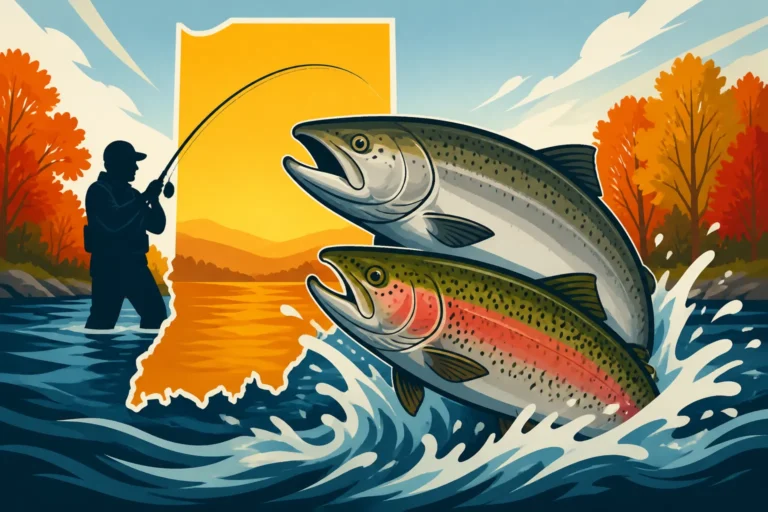
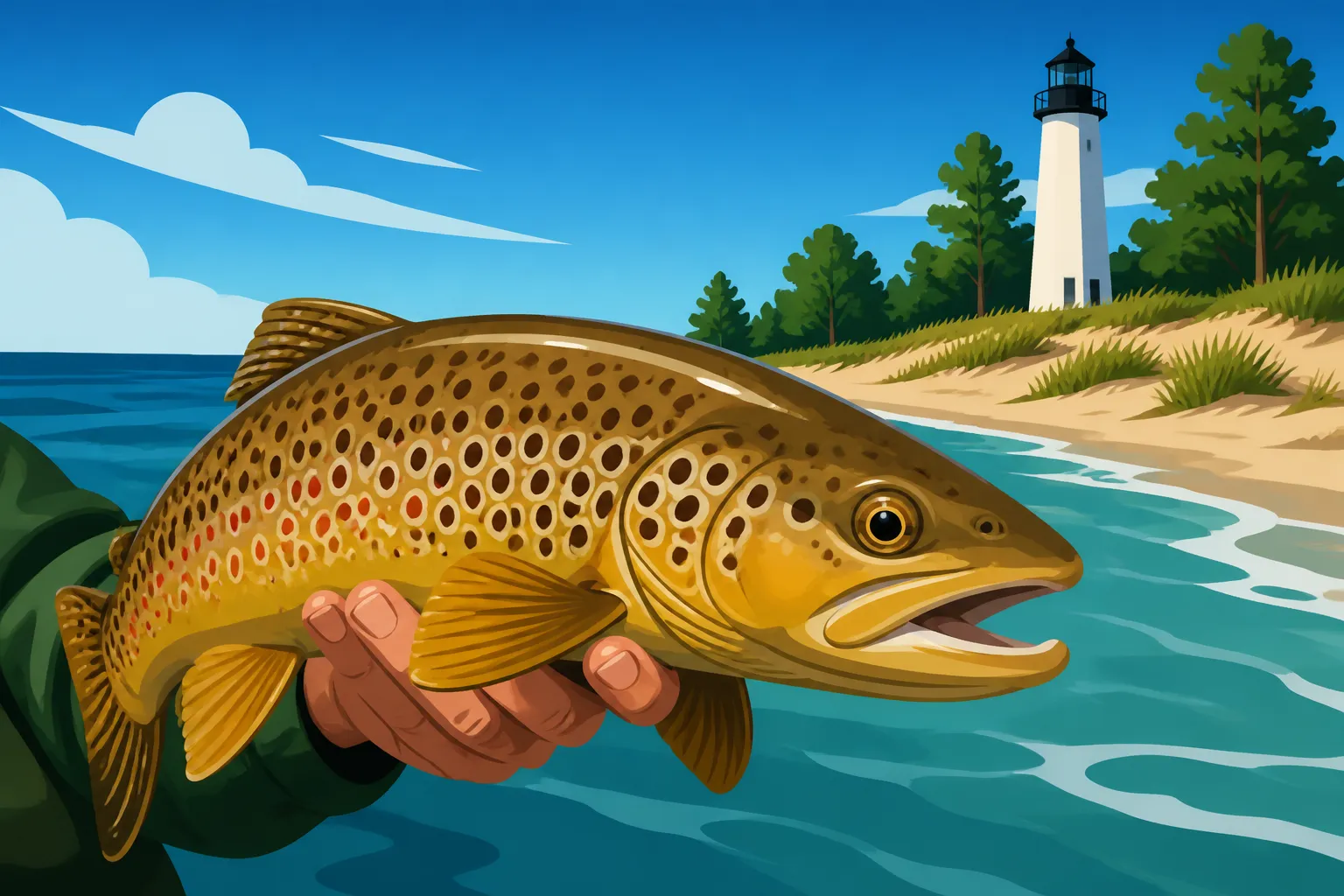
Brown trout, Salmo trutta, are known for their striking appearance. Typically, they have a silvery body when in open lake waters, sometimes with a bronze or yellowish hue, and are adorned with distinct dark spots. These spots are usually ringed with a lighter halo, and you'll often see them on their dorsal fin and adipose fin, as well as along their sides. As they get closer to spawning or move into tributary streams, their colors can deepen significantly, becoming much more vibrant with golds, reds, and browns. They also develop a more pronounced kype (a hooked jaw) in males during this time.
Size-wise, brown trout in Lake Michigan can range from smaller "skamania" sized fish of a few pounds to true trophy specimens tipping the scales into the teens or even twenties of pounds. They're built for speed and power, with a streamlined body and a broad tail. Identifying them correctly is key, especially if you're also targeting other salmonids like coho or chinook salmon, as Lake Michigan's Salmon Run: Indiana's Fall Fishing Season is another popular pursuit.
Why Indiana's Lake Michigan Shoreline is a Brown Trout Hotspot
Indiana's stretch of Lake Michigan, though relatively short compared to neighboring states, offers some fantastic brown trout fishing opportunities. This is largely due to several factors that create ideal conditions for these fish. The numerous harbors, breakwaters, and nearshore structures provide excellent ambush points and shelter. These areas also tend to hold baitfish, drawing in hungry browns.
Furthermore, Indiana's shoreline experiences a variety of current patterns and temperature fluctuations that can concentrate bait and, consequently, brown trout. The cooler water temperatures, especially during spring and fall, bring these fish closer to shore, making them accessible to pier and shore anglers, not just boaters. It’s a dynamic environment, and understanding these elements is crucial for successful brown trout fishing.
Prime Brown Trout Habitats Along the Coast
Brown trout are often found patrolling distinct areas along the Indiana shoreline. During certain times of the year, especially spring and fall, they frequent shallow water, often less than 15 feet deep. Look for them around rocky points, sandy beaches adjacent to structure, and especially near current breaks created by piers, jetties, and harbor mouths. These structures attract baitfish like alewives and smelt, which are primary food sources for brown trout.
In the warmer summer months, when shallow water temperatures rise, brown trout will move to deeper, cooler waters, often suspending over structure or following thermal breaks. Tributary mouths, even small ones, can also be hotspots, especially after rain events when cooler, murky water enters the lake, attracting both baitfish and brown trout. Places like the Portage Lakefront and Riverwalk or the Burns Waterway provide excellent opportunities for Shore Fishing Spots Along Indiana's Lake Michigan Coast.
Seasonal Strategies for Brown Trout
Brown trout fishing on Lake Michigan is a year-round affair, but your approach needs to change dramatically with the seasons. Water temperature is the biggest factor influencing where these fish will be and what they'll be willing to eat. Understanding these seasonal shifts is key to consistent success.
Spring: Shallow Water Opportunities
Ah, springtime on Lake Michigan! This is arguably one of the best times to target brown trout from shore and piers. As the ice recedes and nearshore waters begin to warm, usually hitting the 40-55 degree Fahrenheit range, brown trout become incredibly active and move into shallower water to feed. They're often found in depths from just a few feet out to about 20 feet.
Focus your efforts around harbor entrances, breakwalls, and sandy points. Look for areas where warmer water might be collecting, such as dark-bottomed bays or areas where runoff enters the lake. Casting spoons, stickbaits, and crankbaits that mimic baitfish are highly effective. Many anglers find that bright, flashy colors or natural baitfish patterns work wonders. This is also a fantastic time for fly fishing closer to shore, especially on calm mornings or evenings.
Summer: Deeper Waters and Thermoclines
When the heat of summer truly sets in and surface water temperatures climb into the 60s and 70s, brown trout will typically retreat to deeper, cooler sections of the lake. They'll follow the thermocline – the layer of water where temperature changes rapidly – seeking out areas that are cooler and have higher oxygen levels. This usually means fishing in depths of 30 feet or more, often suspending over deeper structure or along thermal breaks.
Boaters will find success by trolling spoons, plugs, and flasher/fly combinations at various depths. Downriggers and planer boards become essential tools for precisely presenting baits in the strike zone. Shore anglers during this time might find limited success during the day, but dawn, dusk, and even night fishing can yield results, especially after a cold front or near cooler water discharges. Understanding how Water Temperature and Fish Feeding Patterns impact trout activity is critical during these months.
Fall: Pre-Spawn Aggression and Nearshore Action
Fall fishing for brown trout can be absolutely epic on Lake Michigan. As water temperatures begin to drop back into the 50s, brown trout become highly active and aggressive, feeding heavily in preparation for their spawning season. They move back into shallower waters, often congregating near river mouths and rocky areas where they intend to spawn.
This is a prime time for casting a variety of lures from shore, piers, and small boats. Spoons, stickbaits, and even larger soft plastics can entice a strike. Many anglers also find success drifting spawn bags or chunks of cut bait near natural structure. The fall run is a unique time on Lake Michigan, often overlapping with the salmon runs, offering a chance at multiple species. It's a time when you might even hook a trophy fish right off the bank.
Winter: Ice-Out and Cold Water Tactics
While many anglers pack it in for the winter, those brave enough to face the cold can find incredible brown trout fishing opportunities, especially during periods of ice-out or mild winter conditions. Brown trout tolerate cold water very well and will remain active, often found in shallow, nearshore areas where baitfish might be present or where slightly warmer water flows from tributary streams.
Jigging spoons, small crankbaits, or even vertical jigging with minnows can be effective. Look for areas where currents are still moving, keeping the water from freezing solid. Harbors and protected bays are often good bets. While the bites might be more subtle, the fish are often some of the fattest and healthiest of the year, having packed on weight during the fall. Remember to bundle up and prioritize safety when fishing in cold weather.
Essential Gear and Tackle for Brown Trout
Having the right gear makes a huge difference when you're targeting brown trout on Lake Michigan. These are strong, fast fish, and your tackle needs to be up to the task. You don't want to be under-gunned when a hefty brown decides to make a run for it!
Rods and Reels: Matching the Fight
For shore and pier fishing, a medium-heavy spinning rod, typically 8 to 10 feet long, with a fast action is a great all-around choice. The length helps with casting distance, which is crucial for reaching distant schools of bait or deeper water from the bank. A fast action tip provides sensitivity to detect subtle bites while offering enough backbone to set the hook and fight a powerful fish. Pair this with a reliable spinning reel in the 3000 to 4000 size range, known for its smooth drag system and good line capacity. Brands like Penn, Shimano, and Daiwa offer excellent options that are readily available online through retailers like Amazon.
If you're primarily boat fishing and trolling, you'll want dedicated trolling rods. These are typically medium-action, fiberglass rods, around 7 to 9 feet, designed to absorb the shock of a big strike and keep the fish pinned during long runs. Line-counter reels are almost a necessity for trolling, allowing you to precisely control how much line is out, ensuring your lures are at the correct depth. Look for reels with a strong, smooth drag and enough capacity for heavier monofilament or braided lines.
Line Choices: Braided, Monofilament, or Fluorocarbon?
Your choice of fishing line can significantly impact your success. Each type has its advantages for brown trout fishing:
- Monofilament (Mono): This is a popular choice for many anglers, especially for trolling. It has some stretch, which acts as a shock absorber during violent headshakes, and it's generally more forgiving. For casting from shore, 10-15 lb test mono is a good choice. For trolling, you might go up to 20-25 lb.
- Braided Line: Braided line offers superior strength-to-diameter ratio and virtually no stretch, providing excellent sensitivity. This is fantastic for feeling those subtle bites from spooky browns. However, its lack of stretch means less forgiveness, so a good drag system is essential. Many anglers use 20-30 lb braided line as a main line for casting, often paired with a fluorocarbon leader. You can find a wide array of braided lines from brands like PowerPro or Spiderwire on Amazon.
- Fluorocarbon: While expensive, fluorocarbon is nearly invisible underwater, making it an excellent choice for leaders, especially in clear Lake Michigan waters. It also has less stretch than mono and is very abrasion-resistant. Use 8-12 lb fluorocarbon leaders for casting setups, and heavier leaders (20-30 lb) for trolling.
A common setup for casting is braided mainline with a 6-10 foot fluorocarbon leader tied on with an FG knot or a double uni-knot. This gives you the sensitivity and casting distance of braid with the invisibility of fluorocarbon.
Terminal Tackle: Swivels, Leaders, and Hooks
Don't overlook the small stuff! Your terminal tackle is what connects your line to your lure or bait, and it needs to be robust.
- Swivels: Always use high-quality ball-bearing swivels, especially when casting or trolling spoons and spinners. This prevents line twist, which can weaken your line and cause tangles. A small snap swivel at the end of your leader makes changing lures quick and easy.
- Leaders: As mentioned, fluorocarbon leaders are highly recommended due to their low visibility and abrasion resistance. Even if you're using monofilament mainline, a fluorocarbon leader can make a difference.
- Hooks: If your lures come with treble hooks, make sure they are sharp and strong. Consider upgrading to stronger, corrosion-resistant treble hooks, especially if you're frequently catching larger fish or fishing around abrasive structure. For bait fishing, sharp, single octopus-style hooks are generally preferred.
Essential Accessories
Beyond rods and reels, a few key accessories will greatly improve your brown trout fishing experience:
- Landing Net: A good, large landing net with rubberized mesh is crucial. This helps protect the fish if you plan to release it, and the rubber mesh prevents hooks from getting tangled.
- Pliers/Forceps: Essential for removing hooks safely and quickly from a fish's mouth. Long-nose pliers are great for deeper hooked fish.
- Line Clippers: For clean cuts when tying knots.
- Tackle Box/Bag: Keep your lures, spare line, and terminal tackle organized. A durable, waterproof tackle bag is a good investment.
- Waders (for shore fishing): If you plan to wade out from shore, good waders can extend your casting reach and keep you dry and warm, especially in colder months.
- Cooler with Ice: If you plan on keeping your catch, a cooler with ice is essential to keep the fish fresh.
- Headlamp/Flashlight: Absolutely necessary for those early morning or late evening bites. You can find many reliable headlamps on Amazon that are waterproof and offer various light settings.
- Fishing License: And of course, you absolutely need a valid Indiana fishing license. You can find all the details on Indiana Fishing License Requirements Explained.
Effective Baits and Lures
Brown trout can be opportunistic feeders, but they also have distinct preferences. The key is to present something that looks, acts, or smells like their natural prey.
Artificial Lures: Spoons, Crankbaits, and Stickbaits
Artificial lures are incredibly effective for brown trout, especially when casting or trolling.
- Spoons: Metal spoons are perhaps the most iconic and consistent brown trout lures. Their wobbling, flashing action mimics a wounded baitfish, irresistible to hungry browns. Popular sizes range from 2.5 to 4 inches. Colors can vary widely, but common favorites include silver, gold, blue/silver, orange/gold, and chartreuse. Experiment with different retrieve speeds and depths.
- Crankbaits: Both shallow-diving and deep-diving crankbaits can be highly effective. They typically have a tight wobble and come in realistic baitfish patterns. For shallower spring and fall fishing, lipped crankbaits that run 5-15 feet are excellent. During summer, deeper diving models or those designed for trolling can reach fish suspending at greater depths.
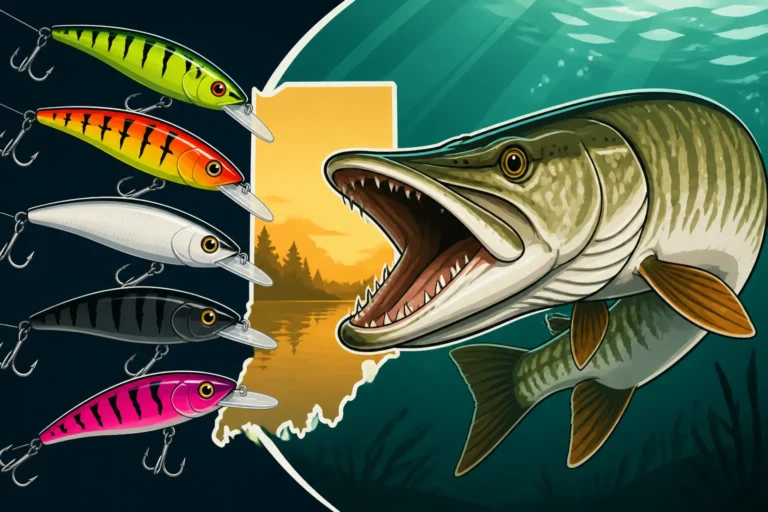
- Stickbaits (Minnow Plugs): These slender, elongated lures, often called "floating minnows" or "suspending jerkbaits," are fantastic for mimicking alewives and smelt. They're particularly deadly when retrieved with a twitch-pause action, making them appear injured. Popular colors include silver, black/silver, chartreuse, and perch patterns. Some brands like Rapala and Smithwick offer excellent stickbaits, often available for purchase online.
Live and Dead Baits: The Natural Advantage
Sometimes, nothing beats the real thing. Live and dead baits can be incredibly effective, especially when brown trout are less aggressive or when fishing in colder water.
- Alewives and Smelt: These are primary forage fish for brown trout in Lake Michigan. If you can obtain fresh or frozen alewives or smelt, fishing them whole or in chunks on a bottom rig or under a bobber can be deadly.
- Minnows: Live minnows, particularly large shiners or chubs, fished under a slip bobber or slowly drifted, are another excellent option. The erratic movements of a live minnow are often enough to trigger a strike.
- Spawn Bags: While often associated with steelhead and salmon, brown trout will readily consume salmonid eggs. Small mesh bags filled with cured brown trout, steelhead, or salmon eggs can be drifted in current or fished on the bottom. These are particularly effective during the fall run when other salmonids are spawning.
When fishing with bait, it's often a slower, more patient game. Allow the fish time to find the bait, and be ready for a subtle take rather than an aggressive strike.
Fly Fishing for Brown Trout
Fly fishing for brown trout along the Lake Michigan shoreline, particularly in the spring and fall, offers a unique and rewarding challenge. While not as common as gear fishing, it can be incredibly effective under the right conditions.
- Streamer Patterns: Large streamer flies that imitate baitfish are your best bet. Patterns like Clouser Minnows, Leech Patterns, and Baitfish Imitations in white, olive, black, or natural baitfish colors can be very productive. Target areas around piers, rock breakwaters, and even sandy beaches where baitfish are present.
- Rod and Line Setup: A 7-weight or 8-weight fly rod, 9-10 feet long, paired with a sinking or sink-tip line is ideal for casting larger streamers and getting them down to where the fish are. A fast-action rod will help with casting into the wind, which is a common factor on the big lake.
- Technique: Focus on stripping the streamers in with varying retrieves, mimicking a darting or injured baitfish. Early mornings and late evenings, or overcast days, often provide the best conditions for fly fishing from shore.
Fishing Techniques from Shore and Boat
Whether you're casting from a pier or trolling from a boat, adapting your technique to the conditions and the fish's behavior is paramount for brown trout success.
Pier and Shoreline Fishing Strategies
Shore and pier fishing are incredibly popular ways to access Lake Michigan's brown trout. You don't need a boat, and some of the best fishing can happen right within casting distance of the bank.
- Reading the Water: Look for signs of baitfish, current seams, rip currents, or temperature breaks. These are often visual cues that brown trout are nearby. Pay attention to changes in water clarity and depth.
- Casting and Retrieving: Make long casts to cover as much water as possible. For spoons and stickbaits, experiment with different retrieve speeds. Sometimes a steady retrieve works, other times a stop-and-go or twitch-and-pause action is key. Vary your depth by counting down your lure before starting your retrieve.
- Focus on Structure: Piers, jetties, and rock breakwaters provide ambush points for brown trout. Cast parallel to these structures, or fan cast around their ends. The protected sides of breakwalls can hold fish, especially on windy days. Check out places like Michigan City or Portage where piers extend out into deeper water for Best Piers for Salmon Fishing in Northwest Indiana, which are also great for brown trout.
- Time of Day: Dawn and dusk are often the most productive times for brown trout, especially in shallower water. Overcast days can extend this bite throughout the day.
- Bottom Fishing with Bait: For live or cut bait, a simple bottom rig with an egg sinker (allowing the line to slide through) and a leader can be effective. Cast it out, let it sink, and wait for a bite. This is a common technique when fishing near drop-offs or deeper holes from a pier.
Boat Trolling Techniques for Open Water
For those with access to a boat, trolling opens up vast expanses of Lake Michigan, allowing you to cover more water and target deeper-holding fish.
- Understanding Depth and Speed: Brown trout often prefer cooler water, so use your fish finder to locate the thermocline and target that depth range. Trolling speeds typically range from 1.8 to 2.5 mph, but always experiment.
- Downriggers and Planer Boards: Downriggers are indispensable for precisely presenting lures at specific depths, especially for deeper-holding fish. Planer boards allow you to spread your lines out horizontally, covering a wider swath of water and avoiding spooking fish directly under the boat. This is crucial for successful Trolling Gear Setup for Indiana's Lake Michigan Salmon, which often includes brown trout.
- Lead Core and Copper Line: These specialized lines are weighted and allow lures to reach specific depths without the need for downriggers, though they can be harder to deploy and retrieve. They're excellent for targeting fish at intermediate depths.
- Multiple Lure Types: Don't be afraid to run a spread of different lures—spoons, plugs, and even flasher/fly combinations—at varying depths and distances behind the boat. This helps you identify what the fish are keying in on that particular day.
Here's a quick comparison of common brown trout trolling setups:
| Setup Type | Depth Range | Lure Presentation | Best For | Considerations |
|---|---|---|---|---|
| Downrigger | Deep (20-100+ ft) | Precise depth control, direct lure action | Suspended fish, specific thermocline depths | Requires specialized equipment, boat-dependent |
| Planer Board | Shallow-Mid (0-30 ft) | Spreads lines wide, covers vast areas | Shoreline trolling, spooky fish | Requires more setup, can be affected by waves |
| Lead Core Line | Mid-Deep (10-60 ft) | Depth based on line length and color | Intermediate depths, various lure types | Heavy setup, slower retrieval, less precise depth |
| Dipsy Diver | Mid-Deep (10-50 ft) | Diver pulls line down, allows for spread | Trolling spoons/flies, good for larger boats | Adjustable dive depths, adds resistance |
Kayak and Small Craft Approaches
Kayak fishing for brown trout on Lake Michigan has gained significant popularity. It offers a stealthy approach and allows access to areas larger boats might shy away from.
- Safety First: Lake Michigan can be unpredictable. Always check weather forecasts, wear a PFD, and have proper safety equipment like a whistle, paddle leash, and a marine radio.
- Nearshore Focus: Kayaks excel at targeting the shallow, nearshore waters that brown trout frequent in spring and fall. Paddle along breakwalls, rocky shorelines, and sandy beaches, casting spoons, stickbaits, or even fly fishing.
- Trolling from a Kayak: Small lures can be effectively trolled from a kayak with a light rod and reel. This allows you to cover water efficiently without excessive paddling.
- Electronics: A portable fish finder with GPS can be a game-changer for kayak anglers, helping to locate structure, bait, and temperature breaks. Many excellent, compact models are available from online retailers, including Amazon.
Conservation and Regulations
As responsible anglers, it's our duty to protect the brown trout fishery for future generations. Understanding and adhering to Indiana's fishing regulations and practicing good conservation habits are absolutely essential.
Indiana Regulations for Brown Trout
Indiana's fishing regulations for Lake Michigan, particularly concerning salmon and trout species, can be quite specific and sometimes differ from inland lake rules. It's critical to consult the most current Indiana Fishing Guide published by the Indiana Department of Natural Resources (DNR) before you head out. These guides are usually available online or at bait shops.
Typically, there will be daily bag limits and minimum length limits for brown trout. These regulations are put in place to ensure sustainable populations and healthy fish sizes. For example, there might be a combined limit for salmon and trout species, or specific rules for certain times of the year or particular areas of the lake. Always verify these details as they can change. You'll find more information on Lake Michigan Fishing Rules for Indiana Anglers which will cover brown trout as well.
Catch and Release Best Practices
If you're practicing catch and release, or if you catch a fish that doesn't meet the legal size requirements, handling the fish properly is crucial to its survival.
- Minimize Handling Time: The less time a fish is out of the water, the better. Have your net and hook removal tools ready.
- Wet Hands: Always wet your hands before touching a fish. Dry hands can remove the protective slime coat, making the fish vulnerable to disease.
- Support the Fish: If you must lift a fish for a quick photo, support its body horizontally. Never hold a large fish vertically by its jaw or tail, as this can damage internal organs and its spine.
- Use Barbless Hooks: Consider using barbless hooks or pinching down the barbs on your lures. This makes hook removal much easier and quicker, reducing stress on the fish.
- Revive Gently: If a fish appears lethargic, hold it gently in the water, facing into the current, until it regains its strength and can swim away on its own.
- Know When to Keep: While catch and release is admirable, don't feel guilty about keeping a legal-sized fish for the table. Brown trout are excellent eating. Just be sure to bleed them out and get them on ice quickly to preserve the quality of the meat.
By respecting the regulations and practicing careful fish handling, we can all contribute to the long-term health and enjoyment of brown trout fishing on Indiana's Lake Michigan shoreline.
Disclaimer
This article is for general informational purposes only and does not constitute professional advice. Laws, prices and regulations vary by location and change over time. Consult a qualified professional for guidance on your specific situation.