Indiana’s Top Panfish Species for Table Fare
Few things are as satisfying as catching your own dinner, and when it comes to delicious, accessible freshwater fish in Indiana, panfish are truly in a league of their own. Many anglers feel a genuine connection to these smaller, feisty species, not just for the thrill of the tug on the line, but for the incredible table fare they provide. This guide is all about celebrating Indiana's top panfish species, helping you identify them, understand why they're so great to eat, and give you the confidence to catch and prepare them for your very own Hoosier feast.
The Allure of Panfish for the Dinner Table
There's something uniquely rewarding about catching panfish. They're often abundant, found in a wide variety of waters across Indiana, and don't require expensive, specialized gear. This accessibility makes them a fantastic target for beginners, families, and seasoned anglers looking for a relaxing day on the water with a tangible reward. But beyond the ease of the catch, panfish are truly celebrated for their delicate, flaky white meat and mild flavor, making them a consistent favorite for home cooking. Whether you're frying them up fresh by the lake or taking them home for a family meal, panfish consistently deliver a delightful culinary experience that often surpasses many larger, more sought-after game fish in terms of taste and texture.
Bluegill: The Ubiquitous Favorite
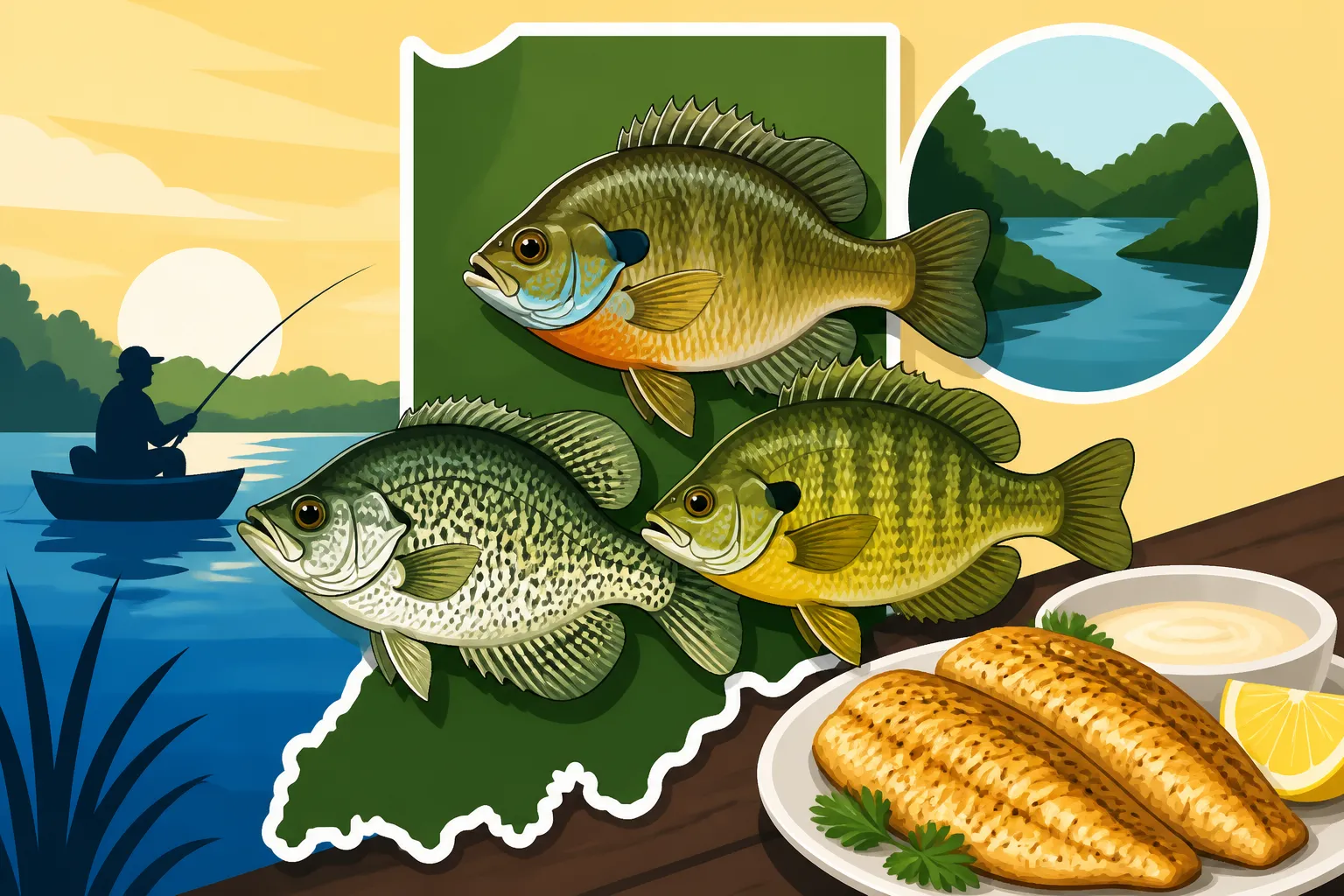
Ah, the bluegill! If you've ever fished in Indiana, chances are you've encountered this little dynamo. They're perhaps the most iconic panfish, recognizable by their deep, disc-shaped bodies, small mouths, and the distinctive dark spot on the gill flap. They typically sport olive-green to bluish-purple backs fading to yellow or orange on their bellies, with several dark vertical bars along their sides. They are just about everywhere you find water – from farm ponds and small creeks to large reservoirs and lakes like Monroe Lake. You'll often find them congregating around submerged structure, lily pads, docks, or weed lines, especially during the warmer months when they're actively feeding and spawning.
The popularity of bluegill for table fare is well-deserved. Their flesh is consistently firm, white, and exceptionally mild, taking on the flavors of whatever seasonings you choose to use without being "fishy." They fry up beautifully, holding together well, and offer a sweet, subtle taste that even picky eaters tend to enjoy. Many Hoosier anglers consider a fresh bluegill fillet to be one of the finest culinary treats the state's waters have to offer, making them a perennial favorite for fish frys. If you're looking to learn more about identifying these common catches, check out Bluegill Identification: A Beginner's Guide.
Crappie: Speckled Delight
Crappie, both black and white varieties, are another top-tier panfish cherished by Indiana anglers for their superb taste. Black crappie are usually darker with irregular black spots scattered across their silvery-white bodies, while white crappie tend to be lighter with more distinct vertical bars. Both have those characteristic large dorsal fins and compressed bodies. You'll find crappie in similar habitats to bluegill, but they often prefer deeper water and larger schools, particularly around brush piles, submerged timber, bridge pilings, and creek channels in reservoirs. They can be a bit more elusive than bluegill, but when you find a school, the action can be fast and furious!
The meat of crappie is incredibly tender, white, and flaky, with a slightly more delicate flavor than bluegill. It’s often considered a gourmet panfish, perfect for frying, baking, or even grilling. Their mild taste and fine texture make them a versatile option for various recipes. Many anglers will specifically target crappie for a fish fry, knowing they're bringing home some of the best eating fish available. Understanding Black Crappie Identification: Spots and Body Shape can help you distinguish them in your catch.
Redear Sunfish: The Shellcracker's Appeal
Often overshadowed by their more famous cousins, the bluegill, the redear sunfish (affectionately known as "shellcrackers" due to their habit of crushing snails and mussels with specialized pharyngeal teeth) are an absolute delight on the dinner table. They have a similar body shape to bluegill but are generally larger and have a more subdued coloration, often with a bronze or olive-green back and yellowish sides. The key identifier is the bright red or orange spot on the operculum (gill flap) margin, which is much more pronounced in males. You'll typically find redear in clearer, weedier waters, often on the bottom, where they can root out their preferred mollusk diet. Lakes like Lake Monroe and Patoka Lake are known for their redear populations.
The meat of the redear sunfish is notably firm, white, and flaky, often described as having a cleaner, slightly sweeter taste than bluegill. This firm texture makes them excellent for cooking, as they hold together well whether fried, baked, or broiled. Anglers who discover the joys of catching and eating redear sunfish quickly become devoted fans, appreciating their robust flavor and generous fillets. For those curious about distinguishing between sunfish species, Redear Sunfish vs Bluegill: How to Tell Them Apart offers a helpful comparison.
Catching Your Feast: Tips for Panfish Success
Catching panfish doesn't require a lot of fancy equipment or advanced techniques, which is part of their charm. They are often eager biters, making them ideal for a relaxing day of fishing. The key is to keep your tackle light, your bait appealing, and to know where these little eaters like to hang out.
Simple Gear for Simple Pleasures
You don't need to break the bank to enjoy panfishing. A basic ultralight spinning rod and reel combo is often all you need. Look for a rod around 5 to 6 feet long with a light action, paired with a small spinning reel spooled with 4 to 6-pound test monofilament line. This light setup makes even a small bluegill feel like a trophy and allows for delicate presentations of small baits. Many excellent beginner-friendly combos are readily available, and you can find a wide selection online from retailers like Amazon, making it easy to get started without a huge investment. For specific recommendations, check out Best Panfish Rods for Indiana Ponds or Best Ultralight Rods for Bluegill Fishing.
A small tackle box filled with essential items will cover most of your panfish needs:
- Hooks: Small hooks, sizes 8-12, are perfect for panfish mouths. Aberdeens or small Kahle hooks work well.
- Bobbers: Slip bobbers or small clip-on bobbers are great for suspending your bait at the right depth.
- Sinkers: A few split-shot sinkers to get your bait down.
- Pliers: Small needle-nose pliers are handy for hook removal.
| Gear Item | Description | Why it's important for Panfish |
|---|---|---|
| Ultralight Rod | 5-6 feet, light action | Sensitive for small bites, fun to fight |
| Small Spinning Reel | Spooled with 4-6 lb test mono | Matches rod, smooth retrieve |
| Small Hooks | Sizes 8-12 (Aberdeen, Kahle) | Fits their small mouths, easy to bait |
| Bobbers | Slip or clip-on | Suspends bait at desired depth |
| Split-shot Sinkers | Small, removable weights | Gets bait down, adds casting weight |
| Needle-nose Pliers | For hook removal and light tackle work | Safely unhooking fish |
Baits and Lures That Panfish Can't Resist
Panfish aren't particularly picky eaters, which is another reason they're so much fun to target.
- Live Bait: This is often the undisputed champion for panfish. Worms (redworms, nightcrawlers cut into pieces) are universally effective. Crickets, grubs, and small minnows are also excellent choices, especially for crappie and larger bluegill. You can often find these at local bait shops.
- Artificial Lures: Small jigs are incredibly effective. Think tiny grub jigs (1/32 to 1/16 ounce) in colors like white, chartreuse, pink, or black. Tipping these jigs with a wax worm or a small piece of live bait can make them irresistible. Small spinners and micro-spoons also work well, especially for active fish. For crappie specifically, How to Jig for Crappie in Spring can offer some great insights.
- Technique: A simple bobber setup with a worm or jig suspended a few feet under is a classic. Cast it near cover and wait for that bobber to disappear! Alternatively, you can slowly reel or twitch a small jig through likely areas.
Finding the Panfish Hotspots
Panfish, by nature, are creatures of cover and congregation. They love structure for protection, ambush points, and foraging opportunities.
- Vegetation: Look for lily pads, cattails, and submerged weed beds. Bluegill and redear especially love these areas.
- Wood Structure: Fallen trees, brush piles, submerged logs, and old docks are magnets for crappie and larger bluegill.
- Drop-offs and Ledges: In larger lakes and reservoirs, crappie often hold to these depth changes.
- Shallow Spawning Beds: In spring and early summer, bluegill and redear will move into very shallow areas to spawn, often creating visible "nests" on the bottom. This is when they are particularly aggressive.
- Man-Made Structures: Bridge pilings, culverts, and rip-rap shorelines can also hold good numbers of panfish.
- Farm Ponds: Don't overlook the abundance of farm ponds across Indiana. Many are teeming with panfish. Consider Best Bait for Bluegill Fishing in Farm Ponds for specific tips there. And for crappie, knowing Where to Catch Crappie in Indiana in Spring can make a huge difference in your success.
From Water to Plate: Cleaning and Cooking Your Catch
Catching panfish is only half the fun; the other half is preparing them for a delicious meal. Cleaning panfish might seem daunting at first, but with a little practice, you'll find it's a quick and easy process that's well worth the effort.
The Art of Filleting Panfish
While some anglers prefer to scale and gut panfish to cook them whole, filleting is generally preferred for a cleaner, boneless eating experience, especially for crappie and larger bluegill.
- Preparation: Start with a sharp fillet knife, a clean cutting board, and a bowl of ice water to hold your fillets.
- First Cut: Lay the fish on its side. Make a cut just behind the gill plate, down to the backbone, but don't cut through it.
- Along the Spine: Turn your knife flat and slide it along the backbone towards the tail, separating the fillet from the rib cage. Once past the ribs, continue all the way to the tail, but leave a small piece of skin attached.
- Skinning: Flip the fillet over so it's skin-side down, with the attached tail section on the cutting board. Hold the tail skin firmly and slide your knife between the skin and the meat, working your way towards the wider part of the fillet. You'll be left with a clean, boneless fillet.
- Repeat: Flip the fish over and repeat the process for the other side.
- Rinse and Store: Rinse your fillets in cold water and place them directly into ice water. This keeps them firm and fresh until you're ready to cook.
It takes a bit of practice to get smooth, clean fillets, but even clumsy first attempts yield delicious results!
Simple, Delicious Cooking Methods
Panfish are incredibly versatile in the kitchen. Here are a couple of popular and foolproof methods:
-
Classic Fried Panfish: This is arguably the most beloved way to prepare panfish in Indiana.
- Dredge: Pat your fillets dry. Season them with salt, pepper, and your favorite fish seasoning blend. Then dredge them in a mixture of cornmeal and flour (a 50/50 mix is popular), ensuring they're fully coated. Many anglers like to dip them in egg wash or milk first for a thicker crust.
- Fry: Heat about 1/2 to 1 inch of oil (peanut, canola, or vegetable oil works well) in a heavy skillet or cast-iron pan to about 350-375°F (175-190°C).
- Cook: Carefully place the coated fillets into the hot oil, making sure not to overcrowd the pan. Fry for 2-4 minutes per side, or until golden brown and cooked through. The fillets should flake easily with a fork.
- Drain: Remove the fish and place them on a wire rack over paper towels to drain excess oil. Serve immediately with tartar sauce, lemon wedges, and your favorite sides.
-
Baked or Broiled Panfish (Healthier Option):
- Prepare: Preheat your oven to 400°F (200°C) or set your broiler to high. Lightly grease a baking sheet or line it with parchment paper.
- Season: Arrange the fillets on the baking sheet. Drizzle with a little olive oil or melted butter. Season with salt, pepper, garlic powder, paprika, and a squeeze of lemon juice. You can also sprinkle fresh herbs like dill or parsley.
- Cook: Bake for 10-15 minutes, or until the fish is opaque and flakes easily. If broiling, keep a close eye on them, as they cook very quickly (3-7 minutes), to prevent burning.
- Serve: A light and flavorful meal perfect for a weeknight dinner.
No matter how you prepare them, fresh Indiana panfish are a culinary treat that captures the essence of a day spent outdoors.
Responsible Harvesting and Conservation
While panfish are generally abundant, responsible fishing practices are crucial to ensure these delicious species continue to thrive for future generations of anglers. Enjoying the bounty of our waters also means respecting the rules and contributing to conservation efforts.
Understanding Indiana's Panfish Regulations
Indiana has specific regulations in place to manage fish populations, including bag limits and sometimes size restrictions for various species. These rules are designed to prevent overfishing and maintain healthy ecosystems. For panfish like bluegill, crappie, and sunfish, there are typically daily bag limits that specify how many fish of each species you can keep in a 24-hour period. For instance, Panfish Daily Limit in Indiana: 25 per Species is a common regulation, meaning you can keep 25 of each individual panfish species, not a combined total of 25. It's always a good idea to refresh your memory on the latest Indiana fishing regulations before heading out, as these can occasionally change. Whether you're curious about How Many Crappie Can You Keep in a Day? or How Many Bluegill Can You Keep in Indiana?, the Indiana Department of Natural Resources (DNR) website or their annual fishing guide is your best source for up-to-date information.
Practicing Sustainable Panfishing
Beyond just adhering to the regulations, embracing a mindset of conservation helps protect our fishing resources.
- Catch and Release: While panfish are excellent table fare, consider releasing some of your larger, healthier fish, especially the biggest females. These larger fish are often the most prolific spawners and contribute significantly to the population's health. Taking smaller, more numerous fish for the pan and releasing the giants helps maintain a balanced fishery.
- Handle Fish Carefully: If you plan to release a fish, handle it as little as possible. Use wet hands to minimize the removal of its protective slime layer, and try to unhook it quickly and gently.
- Respect the Environment: Always pack out what you pack in. Leave no trash behind, and avoid disturbing fragile habitats. Discard fishing line responsibly, as it can be harmful to wildlife.
- Report Violations: If you witness illegal fishing activities, such as someone exceeding bag limits or fishing without a license, report it to the Indiana DNR. Protecting our waters is a community effort.
By being mindful of regulations and practicing ethical fishing, you can continue to enjoy the delicious rewards of Indiana's panfish for many years to come. Remember to check out the broader Indiana Panfish Guide: Crappie, Bluegill, and Sunfish for more in-depth information on these fantastic species.
Disclaimer
This article is for general informational purposes only and does not constitute professional advice. Laws, prices and regulations vary by location and change over time. Consult a qualified professional for guidance on your specific situation.