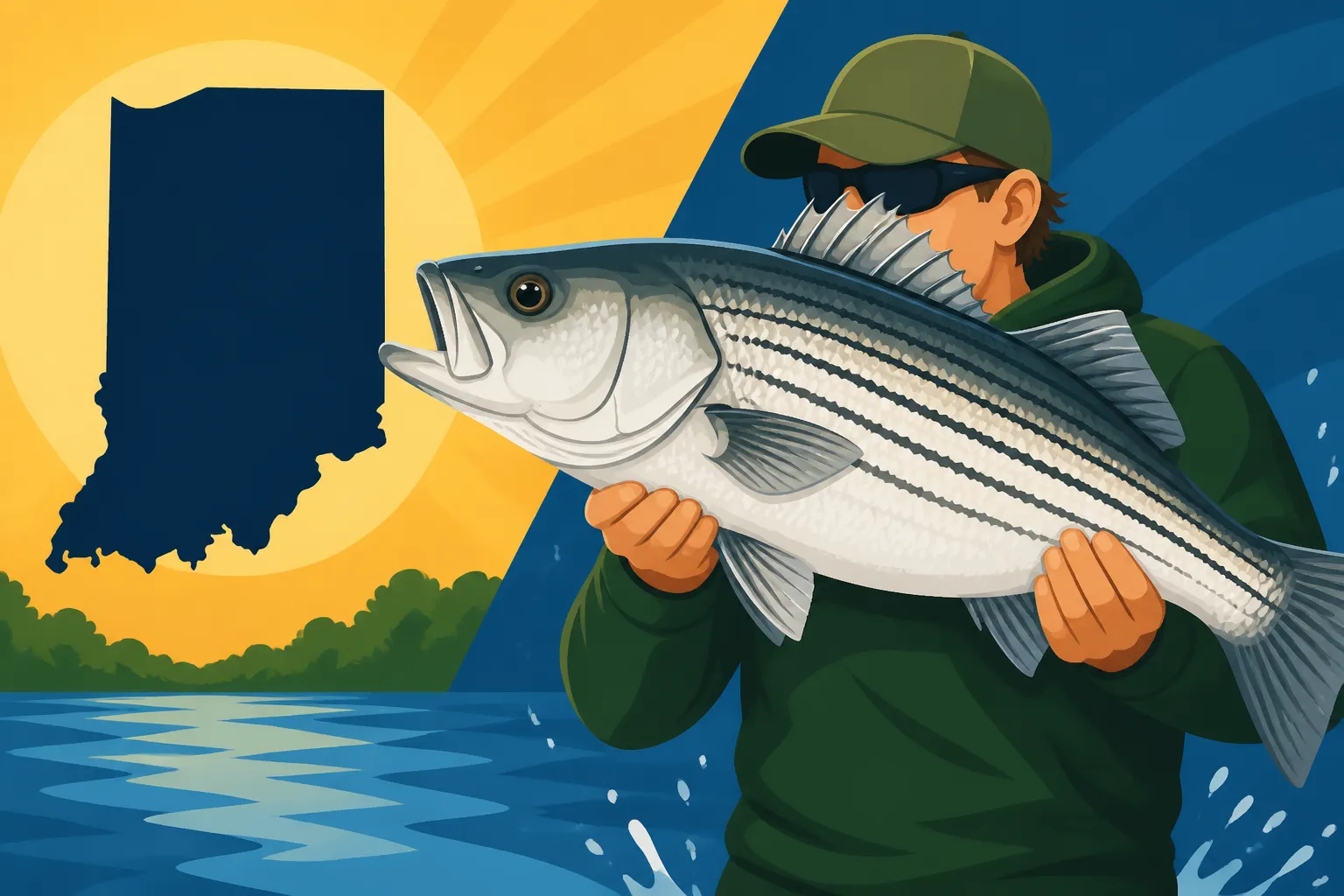
How Big Do Striped Bass Get in Indiana Waters?
For many anglers, the thought of reeling in a hard-fighting striped bass is incredibly exciting, but there's often a bit of mystery around just how big these powerful fish get when you're casting lines in Indiana's freshwater lakes and reservoirs. This guide aims to clear up that confusion, diving deep into the growth potential of Indiana's striped bass populations and what you can realistically expect to catch, whether you're hoping for a fun fight or a true trophy.
Understanding Striped Bass and Their Growth Potential in Indiana
When we talk about "striped bass" in Indiana, it’s crucial to understand that we’re primarily referring to a specific type of fish: the hybrid striped bass, often called a "wiper." True striped bass are native to marine environments and coastal rivers, though they've been introduced into some landlocked freshwater systems. In Indiana, our fishery managers focus on stocking the hybrid, which offers a fantastic sport fishing experience in our reservoirs.
What is a Hybrid Striped Bass (Wiper) Anyway?
A hybrid striped bass, or wiper, is a cross between a female striped bass and a male white bass. This hybridization results in a fish that often grows faster and larger than a white bass, while retaining much of the striped bass's distinctive fighting spirit, but in a freshwater environment. They are typically identified by their broken or discontinuous stripes, unlike the solid, unbroken lines of a purebred striped bass, and they tend to have a deeper body than either parent species. These hybrids are sterile, meaning they cannot reproduce naturally, which allows fishery biologists to control their populations effectively through stocking programs. This makes them a fantastic, fast-growing sport fish in many of our impoundments, providing a unique challenge for anglers. For a deeper dive into identification, check out Hybrid Striped Bass Identification: Spotting a Wiper.
Factors Influencing Wiper Size in Indiana Reservoirs
The size a wiper can reach in Indiana is influenced by a cocktail of environmental and biological factors, much like any other fish species. The primary drivers are food availability, water quality and temperature, and the fish's age and genetic potential.
First and foremost, wipers are voracious predators, and their growth is directly tied to the abundance of baitfish. Indiana reservoirs like Monroe, Patoka, and Brookville are often rich in gizzard shad and other schooling baitfish, which provide a plentiful food source for wipers. The more food available, the faster and larger these fish can grow. Reservoirs with a robust shad population tend to produce bigger, healthier wipers. Water temperature also plays a significant role; wipers thrive in warmer waters but can tolerate a wide range, dictating their activity and feeding patterns throughout the year. The cooler months might see them less active, while the warmer months are prime feeding times. Lastly, like all fish, their age is a factor. Wipers can live for several years, with older fish having had more time to pack on the pounds. However, being hybrids, their maximum lifespan might be a bit shorter than a pure striped bass in its native environment, so there's an optimal window for them to reach their peak size. Understanding these elements can help you anticipate the kind of fish you might encounter on your next trip. You can also learn more about the seasonal movements of these fish in Best Time of Year for Striped Bass Fishing in Indiana.
Typical Sizes and Record Catches for Indiana Wipers
So, what can an average angler expect when targeting wipers in Indiana? While personal bests are always the goal, it's good to have a realistic idea of the common sizes you'll encounter and what truly constitutes a "trophy" in our waters.
What Most Anglers Can Expect to Catch
For the everyday angler out on an Indiana reservoir, catching hybrid striped bass in the 2 to 5-pound range is quite common. These fish are feisty and provide an excellent fight on medium-heavy tackle. You'll often find them schooling, so once you locate them, you might be in for a flurry of action. Fish in this size category are fantastic for table fare and offer a thrilling experience. It's not uncommon to land several of these "schoolie" wipers in a single outing, especially if you're using the right bait and techniques. Many anglers enjoy the consistent action these smaller, but still powerful, fish provide, making for a memorable day on the water. If you're looking for bait ideas, our guide Best Bait for Wiper Fishing in Local Reservoirs has some great suggestions.
The Elusive "Trophy" Wiper and Indiana Records
While catching those 2-5 pound wipers is a blast, the quest for a true "trophy" hybrid striped bass is what often keeps anglers coming back. In Indiana, a wiper weighing in the 10 to 15-pound range is definitely considered a trophy catch. These larger fish are less common and typically require more specialized techniques and a bit more luck. They've survived longer, eaten more, and are incredibly powerful adversaries. While true striped bass can reach weights well over 50 pounds in their native environments, the hybrid wipers in Indiana generally top out at a lower maximum weight, typically in the high teens to low twenties.
Catching one of these bigger wipers is often the highlight of an angler's year. These are the fish that truly test your tackle and your resolve, leading to heart-pounding battles that can last several minutes. While I can't cite specific state record weights, rest assured that Indiana has produced some truly impressive wipers over the years, demonstrating the incredible growth potential within our stocked reservoirs. Knowing where to look for them is half the battle; certain lakes are renowned for producing bigger fish more consistently, which we'll get into next. If you're curious about specific locations, check out Where to Catch Hybrid Striped Bass in Indiana.
Where to Find Bigger Wipers in Indiana
If you're serious about landing a larger hybrid striped bass, knowing where to concentrate your efforts is paramount. Indiana has a few standout reservoirs that consistently produce bigger wipers due to their specific characteristics.
Top Indiana Reservoirs Known for Quality Wipers
Indiana boasts several fantastic reservoirs for targeting wipers, with a few truly shining when it comes to producing larger specimens. Monroe Lake, located near Bloomington, is arguably one of the state's premier wiper fisheries. Its vast open water and abundant baitfish populations create ideal conditions for these hybrids to thrive and grow large. Many anglers report consistent catches of quality wipers from Monroe.
Patoka Lake in southern Indiana is another hotspot. It's known for its immense size and deep, clear waters, which again provide excellent forage and habitat. Anglers often find success here, particularly by targeting schooling baitfish. Brookville Lake, nestled in southeastern Indiana, also has a strong reputation for producing solid wipers. This lake's diverse structure and healthy ecosystem contribute to robust fish growth. These larger impoundments offer the space, depth, and food sources that big wipers need to reach their maximum potential. Fishing these specific reservoirs significantly increases your odds of encountering those bigger, more challenging fish. For more on these areas, you can consult Striped Bass Fishing in Indiana Reservoirs.
How Habitat and Forage Influence Size
The specific habitat within these reservoirs and the availability of suitable forage directly dictate how large hybrid striped bass can grow. Wipers are pelagic fish, meaning they prefer open water rather than dense cover, and they are constantly on the hunt for food. They tend to follow schools of baitfish, primarily gizzard shad, which form the cornerstone of their diet.
Reservoirs with large, accessible populations of shad allow wipers to feed efficiently and frequently, leading to rapid growth. The deep, expansive areas of lakes like Monroe or Patoka provide ample room for large schools of wipers to roam and corral baitfish. Look for areas where baitfish are congregating, often indicated by bird activity or marks on your fish finder. These areas are magnets for hungry wipers. Moreover, healthy oxygen levels throughout the water column and stable water temperatures in the deeper sections of these reservoirs contribute to the overall well-being and growth of the fish. Understanding this relationship between predator, prey, and environment is key to consistently finding and catching larger wipers. Our article What Does a Striped Bass Eat in Freshwater Reservoirs? offers more insight into their diet.
Tips for Targeting Larger Hybrid Striped Bass
Now that you know where to go and what influences their size, let's talk about how to increase your chances of hooking into one of Indiana's larger hybrid striped bass. It really comes down to appropriate gear and effective techniques.
Gear Up for Big Fights
When you're chasing bigger wipers, don't underestimate their power. These fish are pound-for-pound some of the strongest freshwater fighters, capable of long, drag-screaming runs. You'll want to upgrade your typical bass fishing setup to something a bit more robust.
I'd recommend a medium-heavy to heavy-action spinning or baitcasting rod, typically in the 7 to 8-foot range, which offers the backbone needed to handle a powerful fish and cast heavier lures. Pair this with a reel that has a smooth, reliable drag system and plenty of line capacity. For line, consider 15-20 pound test monofilament or fluorocarbon, or even 30-50 pound braided line with a fluorocarbon leader for maximum sensitivity and strength. Using stout hooks is non-negotiable; cheap hooks can straighten under the strain of a large wiper. You can find a great selection of durable rods and reels suitable for wipers on platforms like Amazon, ensuring you have the right tools for the job. Investing in quality gear will save you heartache when that trophy fish finally bites.
Techniques to Entice Bigger Fish
Targeting larger wipers often involves different strategies than simply casting and retrieving. These fish are often found in open water, chasing down schools of bait.
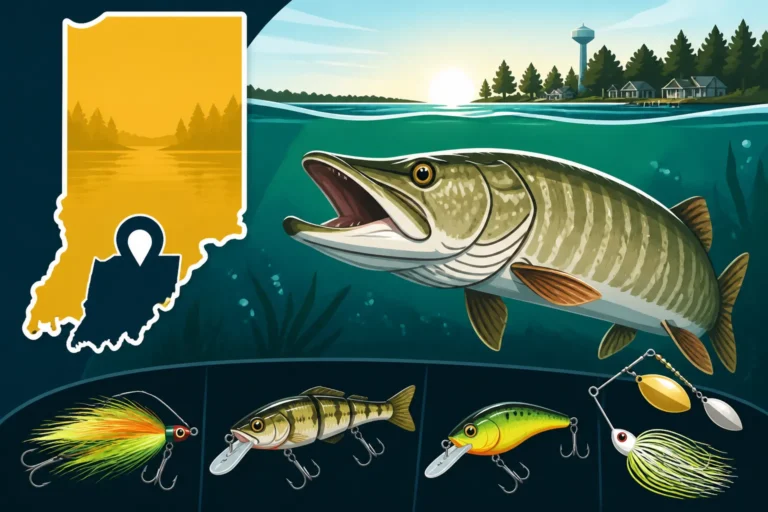
One of the most effective techniques is trolling. Using large crankbaits, swimbaits, or spoons behind your boat at varying depths can cover a lot of water and entice a strike from an active, feeding wiper. Pay close attention to your electronics to locate baitfish and suspending wipers. Another highly productive method, especially for bigger fish, is using live bait. Gizzard shad, minnows, or even large shiners, presented on a weighted rig or under a balloon, can be irresistible to a hungry wiper. Drift fishing with live bait in areas where you mark schools of fish can also be very effective. Look for surface activity, like diving birds or splashing, as this often indicates a feeding frenzy, a prime time to cast big topwater plugs or retrieve fast-moving spoons. Stocking up on larger swimbaits or heavy spoons? Amazon often has a wide variety that can be delivered right to your door, helping you keep your tackle box ready for action.
Catch and Release Considerations for Trophy Wipers
Catching a truly large hybrid striped bass is an incredible achievement, and many anglers choose to release these magnificent fish to fight another day. If you're planning on practicing catch and release, especially for trophy-sized wipers, proper handling is essential for their survival.
Have a large net ready to land the fish quickly, minimizing its time out of the water. Handle the fish gently, supporting its body, especially if it's a heavy one. Avoid holding it by the jaw vertically, as this can damage internal organs. If possible, remove the hook while the fish is still in the water or quickly unhook it over the net. Pliers or dehooking tools can make this process faster and safer for both you and the fish. If you need to take a photo, do so quickly and keep the fish low to the water. A quick revival by gently moving the fish back and forth to push water over its gills can help ensure it swims away strong. Practicing responsible catch and release helps sustain our fantastic wiper fisheries for future generations of anglers.
| Wiper Size Category | Typical Weight Range | Common Characteristics | Best Locations for These Sizes |
|---|---|---|---|
| Average Catch | 2-5 pounds | Abundant, schooling, strong fighters | Most stocked Indiana reservoirs |
| Larger Catch | 5-10 pounds | Less common, longer fights | Monroe Lake, Patoka Lake, Brookville Lake |
| Trophy Wiper | 10-15+ pounds | Elusive, powerful, challenging | Specific areas in Monroe, Patoka, Brookville |
Disclaimer
This article is for general informational purposes only and does not constitute professional advice. Laws, prices and regulations vary by location and change over time. Consult a qualified professional for guidance on your specific situation.