Walleye Fishing Tips for Indiana’s Large Rivers
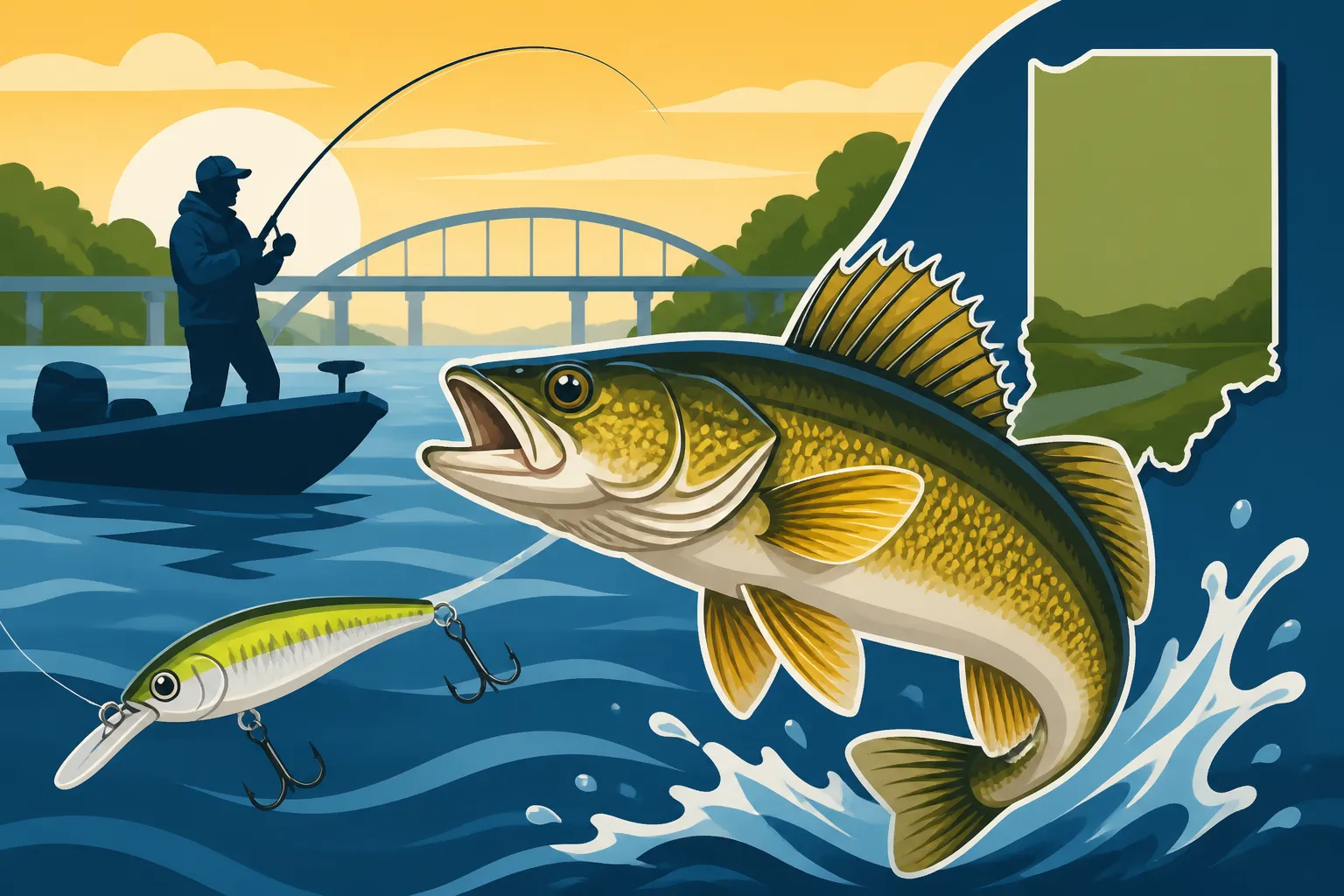
Fishing Indiana's larger rivers for walleye can feel like a completely different ballgame than tackling a vast lake or reservoir. The ever-present current, the dynamic structure, and the transient nature of schooling fish can leave even experienced anglers scratching their heads, wondering where these elusive "eyes" might be hiding. If you've ever spent a frustrating day casting into what feels like endless moving water with no bites, you know the feeling. This guide is here to demystify river walleye fishing, offering practical tips and strategies to help you locate, target, and successfully land these prized fish in Indiana's flowing waters.
Understanding Walleye Behavior in River Systems
Walleye are opportunistic predators, and their behavior in rivers is largely dictated by two main factors: current and available structure. Unlike the relatively stable environment of a lake, rivers offer a constantly changing landscape. Walleye in rivers are often more migratory, moving to find food, shelter from strong currents, and optimal spawning grounds. This means understanding their movement patterns is key to consistent success.
Why River Walleye Are Different
River walleye are often leaner and meaner than their lake-dwelling cousins. They're constantly fighting current, which builds muscle and makes them aggressive feeders. They're also highly adapted to using current to their advantage, often positioning themselves just out of the main flow, in ambush points where food is swept directly to them. This energy conservation strategy means they're not going to expend unnecessary effort to chase a meal if they don't have to. You'll find them lurking behind rocks, in seams where fast water meets slow, or along drop-offs that offer a respite from the main current. They're masters of efficiency, and our techniques need to reflect that.
Another major difference is their diet. While lake walleye might key in on open-water baitfish like cisco or shad, river walleye often feed on a wider variety of forage, including smaller fish like shiners and suckers, crayfish, and even insect larvae. This diverse menu means you might need a more versatile bait and lure selection when fishing rivers. It also means paying attention to what's naturally available in the river at any given time can give you a significant edge.
Key Walleye Habitats in Rivers
When you're looking for walleye in a river, think about places where the current is broken or altered, offering them a comfortable resting spot with easy access to food. Indiana's Best Rivers for Walleye Fishing often feature these types of structures. These are not always obvious, but with a keen eye and a bit of practice, you can identify prime holding spots.
- Current Seams and Eddies: These are perhaps the most common and productive spots. A current seam is where two different current speeds meet, creating a visible line on the water. Walleye often sit right on the slower side of this line, waiting for baitfish to drift by in the faster current. Eddies, which are swirls of water behind obstructions like large rocks, bridge pilings, or wing dams, offer a complete break from the current, making them ideal ambush points.
- Deep Holes and Slack Water: Rivers aren't uniform in depth. Look for deeper pockets, especially those adjacent to faster current. These holes provide walleye with depth and a break from the flow. Areas of slack water, such as inside bends or behind islands, also attract walleye looking for an easy meal and a place to rest.
- Submerged Structure: Think beyond what you can see on the surface. Rocks, fallen trees (snags), log jams, and artificial structures like old bridge abutments or submerged rip-rap all provide cover and current breaks. Walleye will snuggle right up against these features. This kind of structure also holds baitfish, creating a perfect ecosystem for a hungry walleye. Navigating these areas requires careful boat control and a good understanding of your sonar if you're fishing from a boat.
Essential Gear for River Walleye Success
Having the right gear isn't about having the most expensive equipment, but rather the most appropriate gear for the conditions you're facing. River walleye fishing demands tackle that can handle current, heavier lures, and the strong fight of a river-adapted fish. Trying to use ultralight gear designed for panfish will lead to frustration and lost fish.
Rods and Reels Designed for Current
For river walleye, you'll generally want a medium to medium-heavy action spinning or baitcasting rod, typically 6'6" to 7'6" in length. The medium-heavy action provides the backbone needed to cast heavier jigs, fight strong fish in current, and set hooks effectively. A fast or extra-fast tip is beneficial for detecting subtle bites, which are common when jigging in current. The rod needs to be sensitive enough to feel the bottom and light bites, yet powerful enough to control a hooked fish.
Pair your rod with a reliable spinning or baitcasting reel in the 2500-4000 series size for spinning, or a low-profile baitcaster with a good drag system for casting. The key here is a smooth, strong drag that can handle the runs of a walleye in a river current without snapping your line. You don't want to be fighting a fish and have your drag stick or be too weak to control it, especially when that fish is using the current to its advantage. For anglers who prefer to purchase their gear with convenience, many excellent options can be found on Amazon.
Line Choices and Terminal Tackle
Line choice is critical in river fishing due to current. Many anglers prefer braided line (10-20 lb test) for its sensitivity and lack of stretch, which makes feeling bites and setting hooks easier, even in deep or fast water. The thinner diameter of braid also cuts through the current better than monofilament or fluorocarbon, allowing your lures to sink faster and stay in the strike zone longer. However, because braid is highly visible, it's often paired with a fluorocarbon leader (6-12 lb test, 2-4 feet long) for invisibility near the lure and abrasion resistance against rocks and logs.
For terminal tackle, you'll need a variety of jig heads (1/8 oz to 1 oz or heavier depending on current), swivels, snap swivels, and a selection of hooks. Having a good range of jig weights is crucial for adapting to different current speeds and depths. When fishing especially snaggy areas, carrying extra terminal tackle is a smart move; losing a few jigs is just part of the river walleye game. It’s always a good idea to have a well-stocked tackle box, and you can easily replenish your supplies on Amazon.
Top Techniques for River Walleye
River walleye fishing is all about presenting your bait or lure naturally in the current, mimicking what they’d typically encounter. The techniques often involve maintaining bottom contact or close proximity to it, as walleye are primarily bottom feeders in these environments.
Jigging the Depths and Structures
Jigging is arguably the most effective technique for river walleye, especially when targeting specific structures like current seams, eddies, or deep holes. The goal is to present a jig-and-soft plastic or jig-and-minnow combination in a way that allows it to "hop" or "drag" along the bottom, mimicking an injured baitfish or crayfish. Walleye Jigging Techniques are essential for this method.
- Vertical Jigging: From a boat, position yourself directly over the structure you're targeting and drop your jig straight down. Use your trolling motor to hold your position against the current. Lift the rod tip a foot or two, then let the jig fall back on a semi-slack line, feeling for that distinctive "thump" or spongy resistance that indicates a bite. This method is incredibly precise for targeting small, specific spots.
- Casting and Retrieving: From shore or a boat, cast your jig upstream or quartering upstream and allow it to sink to the bottom. As it drifts downstream with the current, maintain a tight line, lifting and dropping the rod tip to impart action and keep it bouncing along the bottom. The heavier the current, the heavier your jig needs to be to maintain bottom contact. Pay close attention to the subtle takes; sometimes it's just a feeling of added weight or your line going slack momentarily.
Live Bait Rigs and Presentations
While artificial lures are effective, live bait can often be the trump card, especially when walleye are finicky. Minnows, shiners, leeches, and nightcrawlers are all excellent choices. The key is to present them naturally with the current.
- Three-Way Rig: This classic river rig is fantastic for covering ground and keeping your bait near the bottom. It consists of a three-way swivel, with your main line tied to one eye, a dropper line (about 6-12 inches) with a sinker tied to another, and a leader line (2-4 feet) with a hook and live bait tied to the third. This setup allows your bait to float enticingly just off the bottom while your weight keeps it in the strike zone.
- Slip Sinker Rig (Carolina Rig): Similar to a setup for catfish, this rig involves a bullet or egg sinker sliding freely on your main line, followed by a swivel, and then a fluorocarbon leader with a hook and bait. The sliding sinker allows the walleye to pick up the bait without feeling the weight, making it ideal for lighter bites. This rig is particularly effective when drifting through slower pools or presenting bait to walleye holding tight to structure.
Trolling and Drifting Strategies
Trolling and drifting are excellent ways to cover larger stretches of river, especially when walleye are scattered or you're trying to locate schools. Walleye Trolling Techniques can be adapted from lakes to rivers.
- Contour Trolling: If you have a boat and a good depth finder, trolling along river channel edges, drop-offs, or submerged contours can be highly productive. Use crankbaits that dive to the desired depth, matching the color to the water clarity and available forage. Adjust your speed to match the current, aiming for a natural presentation that puts your lure just above or touching the bottom.
- Controlled Drifting: This involves using your boat to slowly drift downstream with the current, presenting jigs or live bait rigs. Use your trolling motor to control your speed, often slowing it down slightly less than the current to ensure your bait is leading the way and staying on the bottom. This technique is especially effective for covering long stretches of river with varying depths and structures. For anglers without access to a boat, fishing from shore in current breaks or near deep eddies can still yield excellent results, using heavier jigs to battle the flow.
Reading the River: Structure and Current
One of the biggest challenges in river fishing is learning to "read the water." Rivers are constantly in motion, and understanding how current interacts with structure is paramount to finding fish. It's like a puzzle where the pieces are always shifting, but once you start to see the patterns, it becomes much clearer.
Identifying Current Breaks and Ambush Points
Walleye are lazy predators; they want food to come to them. This means they'll position themselves just out of the main current, in places where they can expend minimal energy while still being able to dart out and grab a passing meal.
- Upstream Side of Structure: Any obstruction in the river — a large rock, a bridge piling, a fallen tree, or a submerged mound — creates a current break on its downstream side. Walleye will sit in this calmer water, waiting. However, don't overlook the upstream side, especially in slightly slower currents. A small eddy can form directly in front of an obstruction, providing a subtle current break and an excellent ambush point.
- Inside Bends and Confluence Areas: The inside bend of a river typically has slower water, making it a natural resting and feeding area. At the confluence of two rivers or a tributary joining the main river, a distinct current seam forms. This seam is a highway for baitfish and a prime hunting ground for walleye. Often, deeper holes are scoured out at these junctures, making them even more attractive.
Understanding River Bottom Composition
The river bottom isn't uniform, and different compositions hold different types of forage and provide varying levels of cover. Understanding this can help you pinpoint walleye more accurately.
- Rock and Gravel: These areas are prime walleye habitat. They often hold crayfish and provide excellent cover for baitfish. Walleye eggs also adhere well to rocky bottoms, making these areas important during the spawn. Using jigs with good bottom feel will help you identify these areas.
- Sand and Mud: While not always as productive as rock, sandy or muddy flats adjacent to deeper channels or structure can hold walleye, especially if there's an abundance of worms, insect larvae, or small baitfish. Pay attention to any subtle changes in depth or texture in these areas.
- Wood and Debris: Fallen trees, log jams, and brush piles are magnets for walleye. They offer excellent cover from predators, current, and bright sunlight. Fishing these areas requires careful lure presentation to avoid snags, but the reward can be significant. A weedless jig or Texas-rigged soft plastic can be invaluable here.
Seasonal Strategies for Indiana's River Walleye
Walleye behavior in rivers changes dramatically with the seasons, influenced by water temperature, spawning cycles, and forage availability. What works in spring won't necessarily work in fall. Knowing these seasonal patterns is key to year-round success.
Spring: Post-Spawn and Recovery
Spring, particularly after the walleye have finished their spawning ritual, can be an excellent time to target them in rivers. Walleye spawn in early spring, often in shallow, rocky areas with current. After the spawn, they'll be hungry and recovering. The Best Time of Year to Catch Walleye in Indiana often highlights this period.
- Early Spring (Pre-Spawn/Spawn): As water temperatures rise into the 40s (Fahrenheit), walleye will move upstream to spawning grounds. Look for them concentrated in rapids, riffles, and rocky stretches. Jigs tipped with minnows or soft plastics are deadly during this time. Remember to check local regulations carefully regarding specific seasons or closures around spawning areas.
- Late Spring (Post-Spawn): After spawning, walleye will drop back downstream, often congregating in deeper holes or current breaks near their spawning grounds. They'll be actively feeding to regain energy. Focus on these transition areas with jigs, crankbaits, or live bait rigs. The water temperatures will be warming into the 50s and 60s, activating their metabolism.
Summer: Deeper and Nocturnal Patterns
Summer river fishing for walleye can be challenging, as warmer water pushes them to seek deeper, cooler water and they often become more active during low light periods.
- Daytime Depths: During the heat of the summer, walleye will often retreat to the deepest holes, main river channels, or areas with significant current breaks where cooler water collects. Vertical jigging or slow-drifting live bait in these deep zones can be productive.
- Night Fishing: Walleye are notoriously light-sensitive, and summer heat often makes them largely nocturnal feeders in rivers. Fishing after sunset with crankbaits, large minnows on slip sinker rigs, or even surface lures in shallower riffles can be incredibly effective. Consider using a headlamp with a red light setting to preserve your night vision.
Fall: Feeding Frenzy and Migration
As water temperatures begin to drop in the fall, river walleye enter a major feeding period, stocking up for winter. This can be one of the most exciting times to fish.
- Aggressive Feeding: Walleye become much more active and aggressive as the water cools, making them more willing to chase down lures. Large crankbaits, swimbaits, and heavier jigs can all be very effective. Look for them in areas where baitfish are congregating before winter, such as mouths of tributaries or deep pools.
- Pre-Winter Staging: As winter approaches and water temperatures dip into the 40s, walleye will often move to large, deep pools where they can overwinter. They'll be less active but still feed. Slower presentations like vertical jigging with minnows or using a dead stick technique with live bait can entice bites. Always be aware of Walleye Minimum Length North of State Road 26 and Walleye Minimum Length South of State Road 26 in Indiana which can vary depending on where you are on the river.
Table: River Walleye Techniques at a Glance
To give you a quick reference, here's a table summarizing some common river walleye techniques, their ideal conditions, and recommended bait/lures.
| Technique | Ideal River Conditions | Recommended Bait/Lure | Key Benefits |
|---|---|---|---|
| Vertical Jigging | Over deep holes, current breaks, precise spots | Jigs (1/4-1 oz) with soft plastics, minnows, leeches | Precision, good for deeper fish, sensitive |
| Casting & Retrieving | Moderate current, varied depths, shore fishing | Jigs (1/8-3/4 oz) with grubs, tubes, swimbaits | Covers water, adaptable to different depths |
| Three-Way Rig | Moderate to strong current, deeper channels | Live minnows, shiners, nightcrawlers | Keeps bait near bottom, natural presentation |
| Slip Sinker Rig | Slower current, drifting, finicky fish | Live minnows, leeches, nightcrawlers | Natural presentation, fish don't feel weight |
| Controlled Drifting | Covering broad stretches of river, locating fish | Jigs, live bait rigs, small crankbaits | Efficient search, mimics natural flow |
| Trolling Crankbaits | Larger rivers, consistent depth contours | Deep-diving crankbaits (shad/minnow imitations) | Covers water quickly, triggers aggressive bites |
Remember, successful river walleye fishing often comes down to adaptability. The river is a living, breathing entity, and its conditions can change by the hour. Be willing to switch up your lures, adjust your weights, and try different presentations until you unlock the pattern for that specific day. With a little persistence and these tips, you'll be well on your way to enjoying some fantastic river walleye action in Indiana.
Disclaimer
This article is for general informational purposes only and does not constitute professional advice. Laws, prices and regulations vary by location and change over time. Consult a qualified professional for guidance on your specific situation.