Indiana Walleye Size Limits: What You Need to Know
It’s incredibly frustrating when you’re out on the water, reeling in a beautiful walleye, only to start second-guessing yourself about whether it’s a keeper or if it needs to go back. Indiana's fishing regulations, particularly for popular game fish like walleye, can feel like a moving target with different rules for different areas. This guide is here to cut through the confusion and give you a clear understanding of Indiana's walleye size limits, ensuring you stay on the right side of the law and help conserve this fantastic fishery.
Understanding Indiana's Statewide Walleye Length Limits
Indiana's approach to walleye length limits isn't a one-size-fits-all situation across the entire state, and knowing the nuances is crucial before you even make your first cast. The regulations are designed to help maintain healthy walleye populations, ensuring these fish have enough time to mature and reproduce before they become part of an angler’s dinner.
The Standard Minimum Length North of State Road 26
For much of the northern half of Indiana, specifically waters located north of State Road 26, you'll generally encounter a standard minimum length limit for walleye. This rule is in place to protect younger fish and allow them to grow to a size where they've had a chance to spawn at least once, contributing to future generations of walleye.
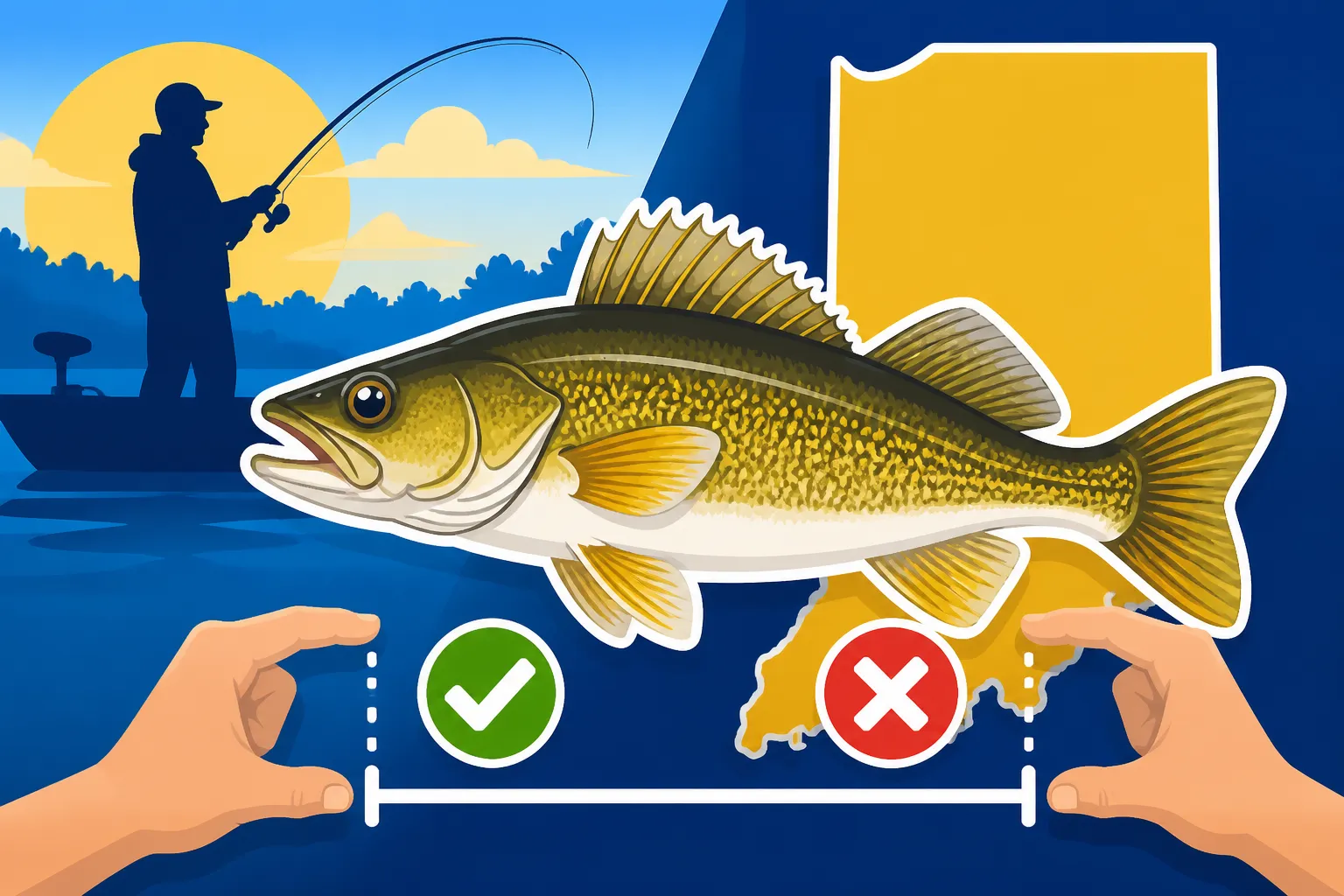
What does this mean for you, the angler? Typically, any walleye you catch in these northern waters must measure at least 16 inches from the tip of its snout to the end of its tail, with the mouth closed and the tail squeezed. If your walleye falls even a fraction short of that mark, it needs to be immediately and carefully released. Imagine reeling in what feels like a solid fish, only to lay it on your measuring board and find it's 15 and a half inches. It's a tough pill to swallow, but adhering to this 16 Inches: Indiana's Walleye Length Standard Up North is vital for the long-term health of the fishery. Having a reliable, easy-to-read measuring device is non-negotiable here. Many anglers find sturdy bump boards or flexible measuring tapes from retailers like Amazon to be indispensable for quick and accurate measurements, especially when trying to handle a lively fish. This helps prevent accidental violations and minimizes stress on the fish. You can find more comprehensive details on Walleye Minimum Length North of State Road 26 in Indiana.
Walleye South of State Road 26: A Simpler Rule
Now, if your fishing adventures take you to the southern half of Indiana, generally south of State Road 26, the walleye length limit rules become a bit simpler. In many of these southern waters, there is often no minimum length limit for walleye. This doesn't mean it's a free-for-all, however. While you might not have to worry about a fish being too short to keep, the statewide daily bag limit still applies, which is typically six walleye per angler.
Why the difference? Fisheries biologists make these decisions based on various factors, including the specific characteristics of the water body, the natural reproduction rates of walleye in that area, and whether the population is primarily wild or heavily supported by stocking programs. Southern Indiana reservoirs and rivers might have different ecological conditions that warrant a different management approach. It's less about the size the fish reaches and more about managing the total number of fish harvested. Even with a simpler length rule, it’s always smart to remember your daily bag limit. This specific distinction is important, and you can learn more about Walleye Minimum Length South of State Road 26 in Indiana to be fully prepared.
Specific Lake Exceptions to Walleye Length Limits
Just when you think you've got it all figured out, Indiana throws a curveball. While the north/south of State Road 26 rule covers a lot of ground, certain lakes have their own unique walleye length regulations that override the general statewide rules. Ignoring these can land you in hot water with the conservation officers.
Unique Rules for Bass Lake, Wolf Lake, and Lake George
Some of Indiana's most popular walleye fisheries have special regulations tailored to their specific populations and angling pressure. For example, Bass Lake, Wolf Lake, and Lake George are three bodies of water where the standard statewide length limits do not apply. These specific regulations are put in place for very good reasons, often to protect unique genetic strains, manage intensive stocking programs, or address specific biological concerns within those lakes.
Consider Bass Lake in Starke County. It often has a unique walleye length limit, differing significantly from the 16-inch minimum found in many northern Indiana waters. Similarly, Wolf Lake, which straddles the Indiana-Illinois border in Lake County, and Lake George in Steuben County also feature their own specific length rules for walleye. These could be different minimum lengths, or even "slot limits" where fish within a certain size range must be released, but fish smaller or larger can be kept. This often aims to protect prime spawning-age fish or allow smaller fish to grow while encouraging harvest of larger, older fish that may be less productive. It’s absolutely critical to be aware of these local rules. We've got more information on these specific exceptions, like the Bass Lake Walleye Length Limit Is Different From the Rest of the State, the Wolf Lake Walleye Length Exception in Lake County, and the Lake George Walleye Minimum Length in Steuben County. Understanding Why Bass Lake and Wolf Lake Have a Lower Walleye Limit can help shed light on these management strategies.
The Importance of Double-Checking Local Regulations
I can't stress this enough: always, always double-check the regulations for the specific body of water you plan to fish before you head out. Relying solely on general statewide rules, or even what you think you remember from last year, is a recipe for potential disappointment, or worse, a citation. Regulations can and do change, and what was true last season might not be true this one.
The best places to find the most current and accurate information are the official Indiana Department of Natural Resources (DNR) website or their annual fishing guide, which you can usually pick up at most bait shops and sporting goods stores. Local bait and tackle shops near your fishing destination are also fantastic resources; the folks working there are usually anglers themselves and intimately familiar with the local rules. If you get caught with an undersized walleye in a regulated lake, even if it was an honest mistake, you could face penalties and fines. Nobody wants to end a great day on the water with a ticket. The DNR has excellent resources for understanding Indiana Walleye Length Limits by Lake and keeping up-to-date.
Practical Tips for Measuring and Handling Walleye
Knowing the rules is one thing, but actually implementing them effectively on the boat or shore is another. Proper measuring and handling techniques are not just about staying legal; they're about ensuring the health and survival of any fish you need to release.
How to Accurately Measure Your Catch
When you hook a walleye that looks like it might be close to the legal length, precision is key. A few critical steps will help you get an accurate measurement without harming the fish:
- Prepare Your Measuring Device: Have your measuring board or tape ready and easily accessible. It should be flat and rigid enough to get a true length. Many anglers prefer a "bump board" which has a raised end for the fish's nose to butt against, ensuring a consistent starting point. These are readily available from online retailers like Amazon.
- Gentle Handling: Minimize the time the fish is out of the water. Handle the walleye with wet hands to protect its slime coat, which is its primary defense against disease. Avoid gripping the fish by the eye sockets or gills.
- Position the Fish: Lay the walleye flat on your measuring device. Gently push its snout against the front stop of the board, or the zero mark of your tape.
- Close the Mouth: Ensure the fish's mouth is completely closed for an accurate head-to-tail measurement.
- Squeeze the Tail: Gently squeeze the tail fin lobes together to get the maximum possible length. This is crucial because a relaxed tail might give you a shorter reading.
- Read the Measurement: Quickly note the measurement. If it's legal, you can decide to keep it. If it's short, proceed immediately to release.
| Measurement Element | Description | Why It Matters |
|---|---|---|
| Mouth Closed | Gently push the fish's mouth shut. | Ensures a consistent starting point for measurement, avoiding artificial length. |
| Snout to Tail Tip | Measure from the very front of the snout to the furthest tip of the tail. | Standard measurement for most species; critical for accuracy. |
| Tail Squeezed | Compress the tail lobes to get the maximum possible length. | Prevents under-measuring a fish that might otherwise be legal. |
| Fish Flat | Ensure the fish is lying flat and straight on the measuring device, not curled or bent. | Any bend can lead to an inaccurate (usually shorter) measurement. |
| Wet Hands | Always handle fish with wet hands, or use a wet towel/glove. | Protects the fish's protective slime coat, crucial for its health upon release. |
| Quick Release | If undersized, measure quickly and release immediately. | Minimizes stress and increases survival rates of released fish. |
Handling Undersized Walleye for Release
Catching an undersized walleye happens to the best of us. The true test of a responsible angler is how you handle the release. The goal is to return the fish to the water in the best possible condition, maximizing its chances of survival.
Here's how to do it right:
- Minimize Air Exposure: Try to keep the fish in the water as much as possible, especially during hook removal. If you must bring it out, do so only for the briefest moment for measurement.
- Use Pliers or a Dehooker: Barbed hooks can be tough to remove without tearing tissue. Use long-nosed pliers or a specialized dehooking tool to quickly and cleanly remove the hook. These tools are often inexpensive and can be found on Amazon, and they are invaluable for minimizing damage to the fish.
- Support the Fish: If you need to hold the fish, support its entire body horizontally, especially its belly. Avoid hanging it vertically by the jaw, as this can damage its internal organs and spine.
- Gentle Release: Once the hook is out and you've confirmed it's undersized, gently place the fish back into the water headfirst. If it's sluggish, hold it upright and gently move it back and forth to force water over its gills until it swims away under its own power.
- Avoid Excessive Handling: The more you handle a fish, the more stress it endures. Keep it simple, quick, and gentle. Remember, a healthy released fish lives to grow bigger and fight another day!
General Walleye Regulations and Conservation Efforts
Understanding length limits is just one piece of the puzzle when it comes to responsible walleye fishing in Indiana. The state's fisheries management is a holistic approach, where various regulations work together to ensure sustainable fishing for everyone.
Daily Bag Limits and Their Role
Beyond length limits, the daily bag limit is another critical component of walleye regulations in Indiana. Typically, the statewide daily bag limit for walleye is six fish per angler. This means that, regardless of the size rules (as long as they meet the minimum length requirements where applicable), you cannot possess more than six walleye in a single day.
Bag limits complement size limits beautifully. While size limits ensure fish have a chance to reproduce, bag limits help control the overall number of fish harvested from a particular water body. This prevents overfishing, even if all the fish caught are of legal size. It’s a balancing act to ensure enough fish are left in the water to maintain a thriving ecosystem and provide future angling opportunities. In some states, and sometimes in specific Indiana lakes (though less common for walleye here), you might encounter "slot limits." A slot limit might specify that you can keep fish under 15 inches and over 20 inches, but any fish caught between 15 and 20 inches must be released. This targets the removal of smaller, less productive fish and larger, older fish, while protecting the prime breeding stock in the middle range. For a broader overview of all the rules, it's a good idea to consult the Indiana Fishing Regulations and Bag Limits Guide.
Reporting Violations and Supporting Conservation
As anglers, we all share a responsibility to protect Indiana's natural resources. If you witness someone violating fishing regulations, whether it's keeping undersized fish, exceeding bag limits, or any other illegal activity, reporting it is crucial. The Indiana Department of Natural Resources (DNR) maintains a 24-hour dispatch center where you can report violations. They rely heavily on the public's help to enforce the rules that protect our fish populations.
Your participation in ethical angling and reporting violations directly contributes to the conservation efforts that make Indiana such a great place to fish. Beyond that, simply by purchasing your fishing license and any required stamps (like a trout/salmon stamp if you're targeting those species), you are directly funding the programs that stock fish, conduct research, improve habitat, and enforce regulations. These funds are vital for maintaining the health and diversity of Indiana's walleye fisheries and beyond. Every license bought is a vote for better fishing for all.
Disclaimer
This article is for general informational purposes only and does not constitute professional advice. Laws, prices and regulations vary by location and change over time. Consult a qualified professional for guidance on your specific situation.