Lake George Walleye Minimum Length in Steuben County
It can be incredibly frustrating to head out for a day of walleye fishing, only to find yourself scratching your head over conflicting regulations once you're on the water. Indiana's fishing rules, especially for specific species like walleye, aren't always a one-size-fits-all situation. This guide is here to clear up the confusion, specifically focusing on the walleye minimum length limit for Lake George in Steuben County, ensuring you're fully informed before your next cast.
Understanding Lake George's Specific Walleye Length Limit
Many anglers assume that all lakes in Indiana follow the same rules, but when it comes to prized fish like walleye, that's often not the case. Lake George in Steuben County is a prime example of a water body with its own unique set of regulations, specifically designed to protect its particular fish population. It's crucial to understand these nuances to avoid inadvertently breaking the law and to contribute to the health of the fishery.
The 15-Inch Minimum and Its Significance
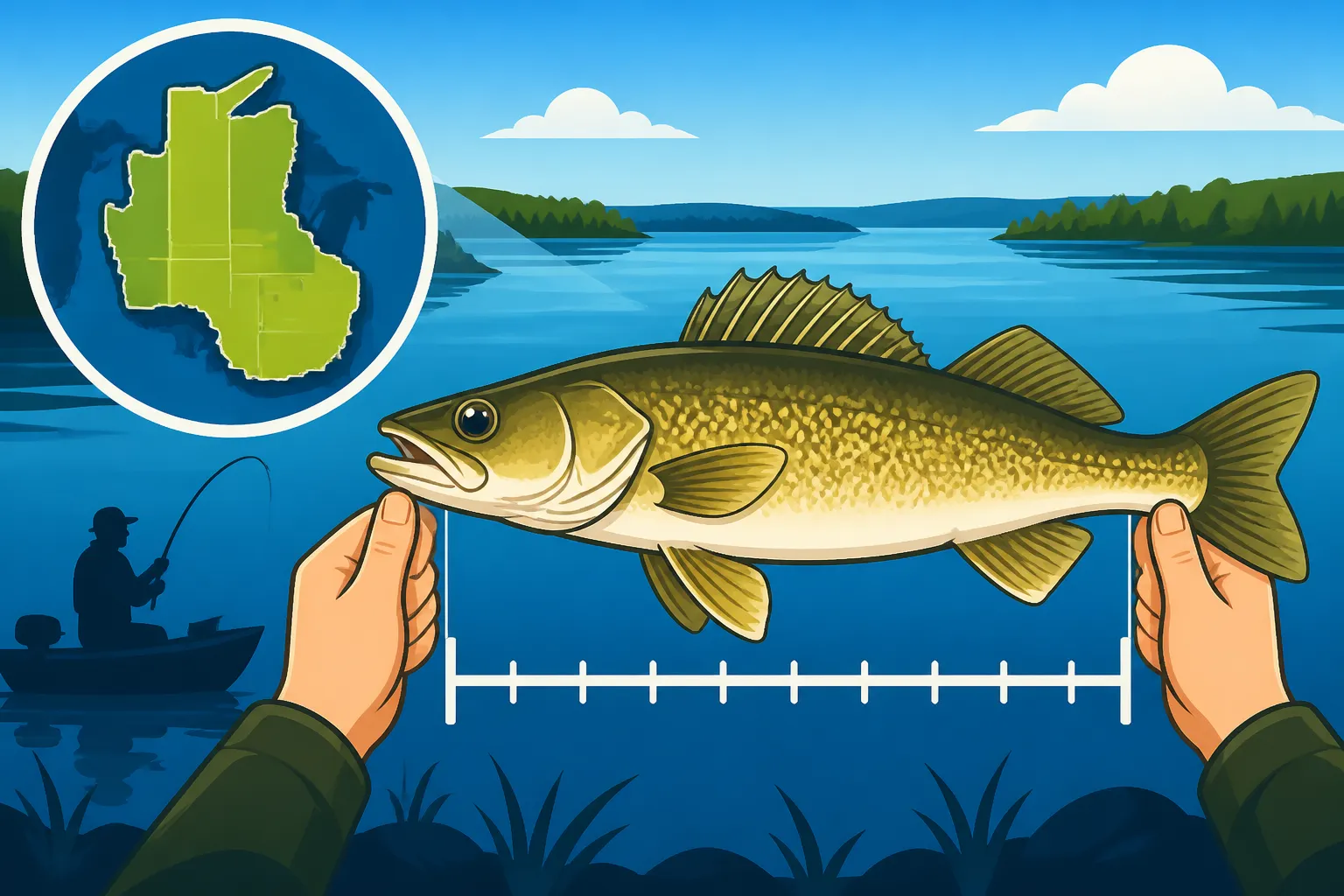
For Lake George, located in beautiful Steuben County, the walleye minimum length limit is a steadfast 15 inches. This isn't just a random number; it's a carefully determined regulation by the Indiana Department of Natural Resources (DNR) to achieve specific conservation goals. This means that any walleye you catch that measures less than 15 inches from the tip of its nose to the end of its tail must be immediately and carefully released back into the water. There's no wiggle room here, and adherence is key for maintaining a healthy walleye population in this popular northern Indiana lake. It's about giving those younger fish a chance to grow, mature, and spawn at least once, contributing to future generations of walleye. Think of it as an investment in your future fishing trips!
Why Lake George Differs from Statewide Rules
You might be wondering why Lake George, and a few other select lakes, have special rules when the majority of the state follows a different walleye length limit. The answer lies in localized fisheries management. The DNR conducts extensive surveys, analyzes catch data, and assesses the health of fish populations in individual lakes. For Lake George, these studies indicated that a 15-inch minimum length would best support the lake's specific walleye stocking program and natural recruitment. This regulation is tailored to help the walleye here reach a size where they've had ample opportunity to reproduce, ensuring a sustainable population for generations of anglers to enjoy. You can read more about how these specific rules sometimes change in our guide on Why Walleye Length Limits Vary by Lake in Indiana.
How to Measure Your Walleye Accurately
Getting an accurate measurement is absolutely vital when you're fishing under specific length limits. A mismeasurement, even by a quarter-inch, could lead to a violation. The standard way to measure a fish in Indiana is to lay it flat on a measuring board or tape measure, ensuring its mouth is closed, and its nose is touching the zero mark. Then, extend the tail to get the longest possible length. Don't press the tail down artificially to gain an inch; allow it to lay naturally. It’s a good idea to have a durable, waterproof measuring board or tape with you on the boat. You can find excellent options on Amazon, designed to stand up to wet conditions and ensure precise readings every time. Always measure quickly and carefully, especially if you're planning to release the fish.
The Rationale Behind Special Walleye Regulations
Understanding why certain regulations exist can help anglers appreciate their importance and motivate compliance. These rules aren't arbitrary; they are the result of scientific research and a deep commitment to preserving Indiana's natural resources. Special regulations, like the one for Lake George, are a testament to focused, data-driven conservation efforts.
Tailoring Management to Individual Lake Ecosystems
Each lake is a unique ecosystem, with different water chemistry, forage bases, fishing pressure, and reproductive success rates for various species. What works for a walleye population in a large reservoir like Brookville Lake might not be optimal for a glacial lake like Lake George. The DNR meticulously monitors these differences. For instance, Lake George might have a particular growth rate for walleye due to its specific food sources or water temperatures, leading biologists to conclude that a 15-inch minimum ensures the fish have reached sexual maturity and contributed to the spawn before being harvested. This localized approach allows for more effective management than a blanket statewide rule would provide.
Protecting Juvenile Walleye for Future Generations
The primary goal of a minimum length limit is almost always about protection – specifically, protecting juvenile fish. By requiring anglers to release walleye under 15 inches, the regulation ensures that a significant portion of the population survives long enough to reach reproductive age. This is critical for the long-term health and stability of the walleye fishery in Lake George. If too many smaller, immature fish are removed, the population's ability to replenish itself naturally is severely hampered. This proactive measure ensures that there will be plenty of walleye for anglers in the years to come, a fundamental principle of sustainable angling.
Balancing Angler Harvest and Fish Population Health
Fisheries management is a delicate balancing act. On one hand, you want to provide ample opportunity for anglers to enjoy catching and keeping fish. On the other, you must ensure that the fish population remains robust and healthy. The 15-inch minimum for Lake George is a prime example of this balance. It allows for a harvest of larger, mature walleye, which is a fantastic reward for anglers, while simultaneously safeguarding the younger fish that are vital for future sustainability. Without such regulations, overfishing could quickly deplete a population, leading to fewer fish and stricter future restrictions. It's about finding that sweet spot where everyone, including the fish, benefits.
General Indiana Walleye Regulations Beyond Steuben County
While Lake George has its specific rule, it’s also important for anglers to be aware of the broader walleye regulations across Indiana. These general rules apply to most of the state's waters, but knowing where the exceptions lie is key.
Statewide Minimum Lengths and Daily Bag Limits
For most Indiana waters, north of State Road 26, the standard walleye minimum length limit is 16 inches. So, while Lake George demands a 15-inch minimum, many other popular walleye spots like Lake Wawasee or Tippecanoe River will require you to keep 16-inch or longer fish. South of State Road 26, the walleye rule is even simpler, with generally no minimum length limit, though always double-check the specific body of water you're targeting.
The daily bag limit for walleye across Indiana, including Lake George, is 6 fish per angler. This limit is designed to prevent excessive harvest and spread the angling opportunity among more people. It's a combined limit, meaning you can't keep 6 from one lake and then 6 more from another on the same day if you exceed the total daily creel. Always verify the most current regulations before heading out, as they can sometimes be updated. Our comprehensive guide on Indiana Walleye Length Limits by Lake offers a great overview.
Notable Exceptions: Bass Lake and Wolf Lake
Lake George isn't the only exception to Indiana's general walleye regulations. There are other specific water bodies with their own unique rules, and two prominent ones are Bass Lake in Starke County and Wolf Lake in Lake County.
- Bass Lake: This lake often features a different minimum length, sometimes even lower than Lake George's 15 inches, as part of its own distinct management plan.
- Wolf Lake: Similarly, Wolf Lake, especially sections bordering Illinois, can have unique length and bag limits due to its interstate nature and specific management objectives between the two states.
These exceptions highlight the importance of always checking the Indiana DNR fishing guide for the specific body of water you intend to fish. A quick check can save you a lot of headache and potential penalties. Understanding these nuances is a mark of a responsible angler, ensuring you're always fishing legally and ethically.
The Importance of Checking Local Regulations
It cannot be stressed enough: always check the current Indiana Fishing Guide before you go fishing, especially if you're visiting a new lake or haven't fished a particular spot in a while. Regulations can change due to biological surveys, new stocking efforts, or shifting environmental conditions. The DNR's online guide is an invaluable resource, often providing specific information for each lake and river. Don't rely on old information or hearsay. A quick search on your phone or a printout from the DNR website can be the difference between a successful, legal outing and an unexpected citation. The DNR even has a great page where you can check Lake Michigan Fishing Rules for Indiana Anglers because those are often vastly different from inland lakes.
Here's a quick reference table for some key Indiana walleye regulations:
| Location | Minimum Length Limit | Daily Bag Limit | Notes |
|---|---|---|---|
| Lake George (Steuben County) | 15 inches | 6 fish | Specific to Lake George, aims to protect population. |
| Most Indiana Waters (North of SR 26) | 16 inches | 6 fish | Standard regulation for many popular walleye lakes and rivers. |
| Most Indiana Waters (South of SR 26) | No minimum | 6 fish | Generally simpler rules in southern Indiana. |
| Bass Lake (Starke County) | Varies (check DNR) | 6 fish | Known exception, often has a lower minimum. |
| Wolf Lake (Lake County) | Varies (check DNR) | 6 fish | Interstate lake, check both Indiana and Illinois regulations. |
| Lake Michigan (Indiana Waters) | 15 inches | 5 fish | Unique rules for the Great Lakes, specific to trout/salmon composite. |
Always consult the current Indiana DNR Fishing Guide for the most up-to-date and specific regulations for your chosen body of water.
Tips for Successfully Catching and Releasing Walleye on Lake George
Fishing for walleye in Lake George can be incredibly rewarding, but it pays to be prepared, not just with the right knowledge of regulations, but with the right techniques and gear. Being a responsible angler means knowing how to catch fish effectively and how to handle them properly, especially when release is necessary.
Effective Walleye Fishing Techniques for Steuben County
Walleye in Lake George, like their counterparts in other glacial lakes, often prefer cooler water and tend to be found near structure. They are also notoriously light biters, sometimes just feeling like a little extra weight on your line. Here are some techniques that tend to work well:
- Jigging: This is a classic walleye technique. Using lead head jigs tipped with live bait (minnows are excellent) or soft plastics can be very effective, especially around drops, humps, and submerged timber. Drift over these areas, bouncing your jig along the bottom. You can find a wide assortment of quality jigs and soft plastics suitable for walleye on Amazon, often in multi-packs which are great for experimenting.
- Trolling: For covering more water, especially in deeper parts of Lake George, trolling with crankbaits or spinner rigs is a solid strategy. Vary your speed and depth until you find where the fish are holding. Many anglers use planer boards for walleye, allowing them to spread out multiple lines and cover a wider path.
- Live Bait Rigs: A simple slip bobber rig with a shiner minnow, leeches, or nightcrawlers can be deadly, particularly around weed edges or over deep structure. Keep your bait near the bottom where walleye typically feed.
- Dawn and Dusk: Walleye are often most active during low-light conditions, so early morning, late evening, and even night fishing can be very productive. They use their excellent low-light vision to ambush prey. You can learn more about how Walleye Bite Windows Shrink Once the Glacial Lakes Warm and adjust your timing accordingly.
Remember to keep your presentation slow and subtle. Walleye aren't usually aggressive predators that chase down fast-moving baits like bass often do.
Best Practices for Handling and Releasing Undersized Fish
When you catch a walleye that doesn't meet the 15-inch minimum, quick and careful release is paramount to its survival. Here’s how to do it right:
- Minimize Air Exposure: Walleye are sensitive to being out of water. Try to unhook them while they are still in the water, or at least minimize their time in the air.
- Use Wet Hands: If you must handle the fish, wet your hands thoroughly first. Dry hands can remove the fish's protective slime coat, making it vulnerable to disease.
- Support the Fish: Hold the fish horizontally, supporting its belly. Avoid holding it vertically by the jaw or gill plates, as this can damage internal organs.
- Remove Hooks Gently: Use needle-nose pliers or a dehooking tool to quickly and gently remove the hook. If the fish is deeply hooked, especially in the gills, it might be better to cut the line as close to the hook as possible.
- Revive if Necessary: If the fish seems sluggish after unhooking, gently hold it upright in the water and move it back and forth to force water over its gills until it swims away under its own power.
- Barbless Hooks: Consider using barbless hooks or pinching down the barbs on your hooks. This makes hook removal much easier and less damaging to the fish.
Practicing responsible catch and release not only ensures you comply with regulations but also contributes directly to the health and future of Lake George's walleye population.
Essential Gear for Responsible Walleye Angling
Having the right gear makes a huge difference in both your success and your ability to fish responsibly. Here’s a quick checklist of essentials for walleye fishing on Lake George:
- Rod and Reel: A medium-light to medium power spinning or baitcasting rod, about 6'6" to 7' long, paired with a sensitive reel spooled with 6-10 lb test fluorocarbon or braid with a fluorocarbon leader. Sensitivity is key for feeling those light walleye bites.
- Lures/Bait: A variety of jigs (1/8 to 1/2 oz), soft plastics (grubs, paddle tails), crankbaits (diving minnows), and live bait (shiners, leeches, nightcrawlers).
- Measuring Device: As discussed, a reliable, clear measuring board is non-negotiable. Look for durable, printed ones on Amazon.
- Pliers/Dehooker: Essential for quick and safe hook removal. Long-nose pliers are a must-have.
- Landing Net: A rubberized mesh net is ideal as it's gentler on the fish's slime coat and less likely to tangle hooks. This is especially helpful for larger walleye you plan to keep.
- Cooler with Ice: If you plan to harvest legal-sized walleye, an insulated cooler with plenty of ice will keep your catch fresh for the trip home.
- Indiana Fishing License: Of course, don't forget your current Indiana Fishing License Requirements Explained. Without it, none of the above matters!
Having these items on hand ensures you’re prepared for whatever Lake George throws your way, allowing you to focus on the joy of the catch while respecting the rules and the fishery.
Disclaimer
Please note that fishing regulations can change. While every effort has been made to provide accurate and up-to-date information, it is the angler's responsibility to consult the official Indiana Department of Natural Resources (DNR) fishing guide or website for the most current regulations before fishing. This article is for informational purposes only and should not be considered a substitute for official sources.