Is Hybrid Striped Bass Good to Eat?
One of the most exciting catches in many Indiana reservoirs is the feisty hybrid striped bass, often affectionately called a "wiper." After battling such a strong fish, the thought inevitably turns to: "Is this powerhouse good on the dinner plate, or is it purely a sport fish?" Many anglers are curious about the taste and texture of these hard-fighting hybrids. This guide is here to demystify the culinary aspects of hybrid striped bass, helping you decide if your next wiper catch is destined for the skillet or a triumphant release.
Understanding Hybrid Striped Bass: The "Wiper" Explained
Before we dive into the dining experience, let's take a moment to understand the fish itself. Hybrid striped bass are truly unique, a testament to modern fishery management that gives anglers incredible opportunities for exciting battles and, often, delicious meals.
What Exactly is a Hybrid Striped Bass?
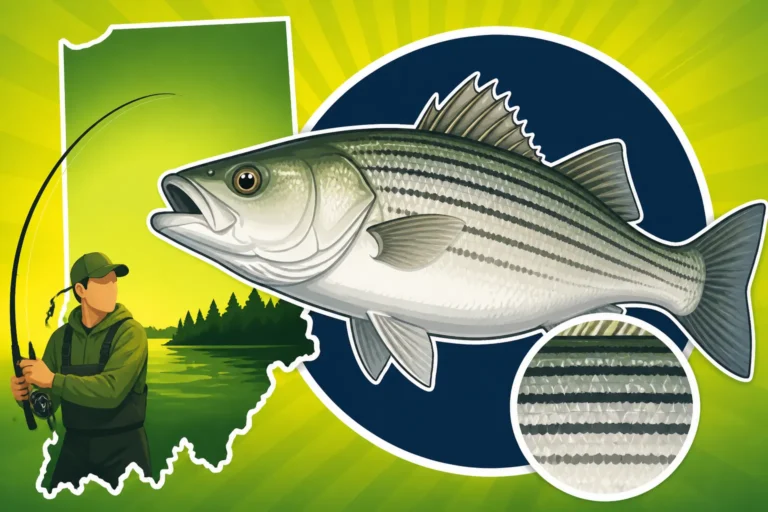
A hybrid striped bass, frequently called a "wiper" (a portmanteau of white bass and striped bass), is exactly what it sounds like: a cross between a female striped bass and a male white bass. This hybridization results in a fish that combines some of the best traits of both parents. From the striped bass, it inherits impressive size and fighting ability, while the white bass contributes to its more compact, stocky body and adaptability to freshwater environments. These fish are easily identified by their broken or interrupted lateral stripes, unlike the solid, distinct stripes of a true striped bass, or the faint, often absent stripes of a white bass. They have a sleek, silvery appearance, often with a darker back that can range from olive green to dark gray. They're typically much thicker-bodied than a pure white bass of similar length, giving them that powerful, compact feel on the line. They grow much faster than white bass and can reach sizes that rival smaller striped bass, offering a substantial fillet for the table. Hybrid Striped Bass Identification: Spotting a Wiper provides more detail on how to distinguish them in your livewell.
Where You'll Find Them in Indiana
Indiana's Department of Natural Resources (DNR) actively stocks hybrid striped bass in several large reservoirs across the state, specifically because of their popularity as a sport fish and their role in managing prey populations. These impoundments provide the perfect habitat for wipers, offering ample open water for schooling and abundant forage like shad. You'll often find them chasing baitfish in open water or along prominent underwater structures like humps, points, and channel edges. Popular spots known for healthy wiper populations include lakes like Monroe, Patoka, and Brookville, where they thrive in the deeper, expansive waters. These fish are pelagic, meaning they often suspend in the water column rather than hugging the bottom, constantly on the move in pursuit of their next meal. Understanding Where to Catch Hybrid Striped Bass in Indiana can really boost your chances of finding them.
The Fight They Put Up
One of the primary reasons anglers target hybrid striped bass is for their incredible fighting prowess. These fish are pure adrenaline on the end of a line. When hooked, they tend to make long, powerful runs, often shaking their heads violently and testing your drag to its limits. Unlike some other freshwater species that might "give up" after an initial burst, wipers often have multiple strong surges, making every retrieve an engaging challenge. Their muscular build contributes directly to this tenacious fight, and it's not uncommon for anglers to mistake them for larger species due to their raw power. This makes them a favorite for those seeking a true tug-of-war. Hybrid Striped Bass (Wiper): Indiana's Hard-Fighting Sport Fish delves deeper into what makes them such prized catches. The energy they expend translates into firm, lean muscle, which, as we'll discuss, plays a big role in their culinary appeal.
The Culinary Verdict: Is Hybrid Striped Bass Good to Eat?
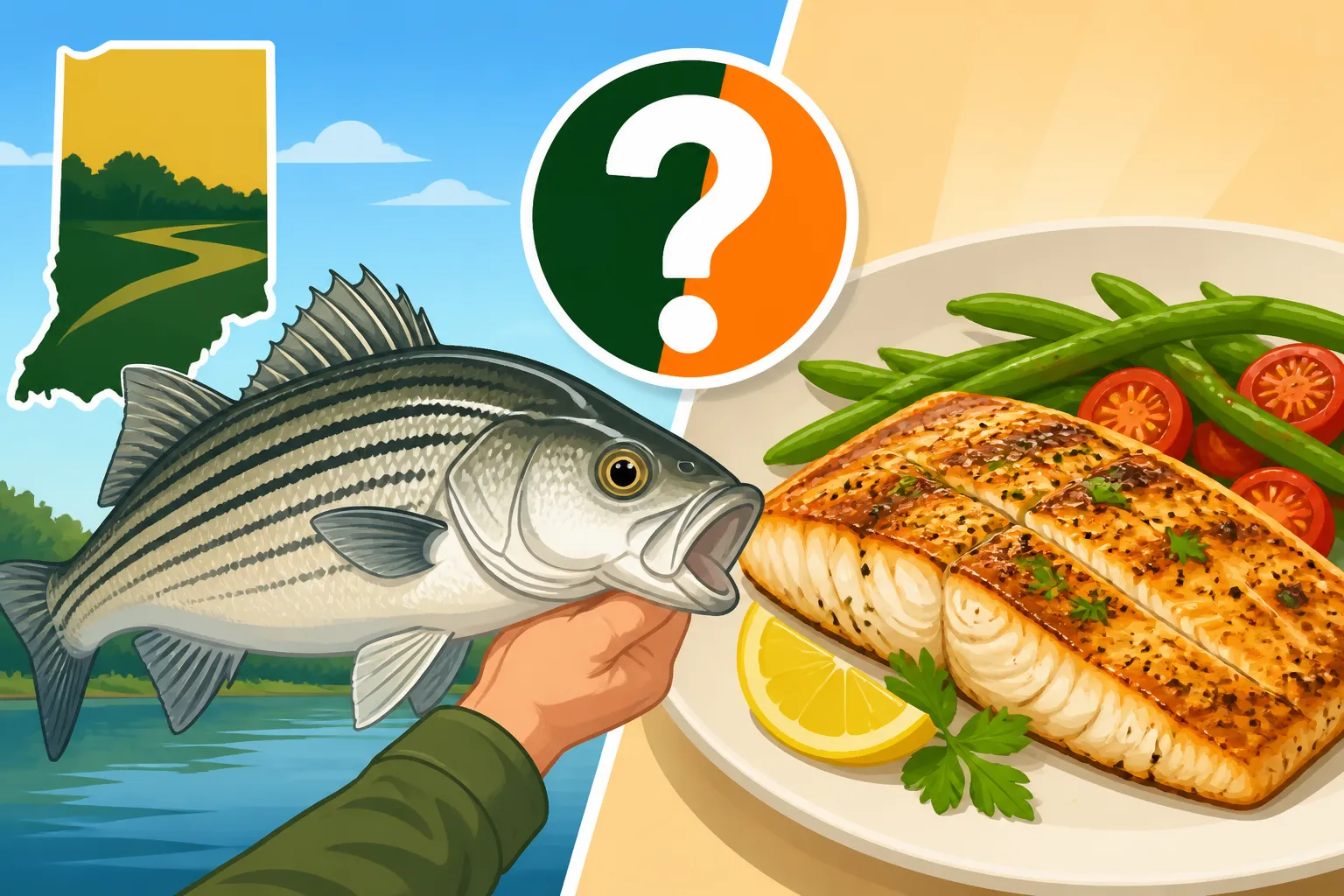
Now for the million-dollar question: after all that excitement on the water, will your hybrid striped bass taste good? The answer, for most anglers, is a resounding yes! Wipers are generally considered an excellent table fish, offering a clean, firm, and flavorful white meat.
Flavor Profile and Texture
Hybrid striped bass generally boast a mild, slightly sweet flavor that many compare favorably to other popular white-fleshed fish like cod or snapper, though with a bit more richness. It’s not overly "fishy," which is a huge plus for those who prefer a subtler taste. The flesh is notably firm and flaky, holding together well during cooking without falling apart. This texture is a direct result of their active, open-water lifestyle and their diet, which typically consists of small baitfish. Because they are constantly swimming and chasing prey, their muscles are lean and well-developed, contributing to that desirable firmness.
Compared to their parent species, wipers often have a flavor that's less pronounced than a pure striped bass (which can sometimes be stronger, especially larger ones) and more substantial than a white bass. This middle-ground flavor makes them incredibly versatile in the kitchen.
Factors Affecting Taste
While generally delicious, several factors can influence the taste and quality of your hybrid striped bass.
- Diet: The primary food source of the fish plays a significant role. Wipers feeding predominantly on shad in clean reservoirs tend to have a cleaner, more appealing taste than those from waters with different forage or less optimal conditions. What Does a Striped Bass Eat in Freshwater Reservoirs? can give you an idea of their typical diet, which influences their flavor.
- Water Quality and Temperature: Fish from clean, cool, well-oxygenated waters almost always taste better. Stressed fish from warm, stagnant, or polluted water can develop off-flavors. Fortunately, most Indiana reservoirs managed for hybrid striped bass generally offer good water quality.
- Size of the Fish: While larger wipers can offer more meat, some anglers find that medium-sized fish (say, 2-5 pounds) tend to have the best flavor and texture. Very large hybrid striped bass, similar to their pure striped bass cousins, can sometimes develop a slightly stronger, richer flavor and fattier flesh, which some people love, but others might find a bit too assertive. How Big Do Striped Bass Get in Indiana Waters? is a good read if you're curious about their growth potential.
- Season and Handling: A fish caught in cooler water, properly bled, and kept on ice immediately after catching will almost always taste superior to one caught in warm water and left to sit in a livewell or bucket. Proper handling is paramount for preserving quality. Making sure you have Best Coolers for Keeping Fish Fresh on a Boat is critical, especially on hot summer days.
Preparation Considerations
One common characteristic of many predatory fish, including hybrid striped bass, is the presence of a "red meat" or "bloodline" strip along the lateral line of the fillet. This darker, often reddish-brown strip has a stronger, more "fishy" flavor than the white meat and can be oily. Most culinary experts recommend removing this strip before cooking to ensure the best flavor. While some people don't mind it, its removal significantly enhances the mildness and overall palatability of the fillet for most diners. It's a simple trim that makes a big difference.
Best Practices for Preparing and Cooking Hybrid Striped Bass
Getting your hybrid striped bass from the boat to the dinner plate in prime condition requires a few crucial steps. Proper handling and preparation are key to maximizing its delicious potential.
Cleaning Your Catch Properly
The journey to a great meal starts the moment the fish hits the net. Immediate and proper cleaning is vital to ensure the best taste. Here’s a basic breakdown of the steps:
- Bleeding: If possible, bleed the fish immediately after catching. A quick cut to the gills or throat will allow the blood to drain, resulting in whiter, cleaner-tasting fillets. This is a step often overlooked by casual anglers but can dramatically improve flavor.
- Chilling: Get the fish on ice as quickly as possible. This slows down spoilage and keeps the flesh firm.
- Filleting: Use a sharp, flexible fillet knife. Starting behind the pectoral fin, cut down to the backbone, then turn the knife flat and run it along the backbone towards the tail. Repeat on the other side.
- Skinning: Most hybrid striped bass have tough scales, so skinning the fillet is often preferred over scaling. Lay the fillet skin-side down, make a small cut at the tail end to get a grip on the skin, and then use your knife to separate the flesh from the skin, angling the blade slightly down towards the skin.
- Removing the Red Meat: As mentioned earlier, trim away the dark red lateral line. This can be done by making a shallow V-cut along both sides of the bloodline.
- Rinsing and Drying: Give the fillets a quick, cold water rinse to remove any loose scales or blood, then pat them thoroughly dry with paper towels. Excess moisture can hinder searing and frying.
You can find a wide array of excellent fillet knives on Amazon that make this process much easier and more efficient. For instance, a good flex-blade knife will help immensely when separating meat from skin.
Here's a quick reference table for preparing your catch:
| Step | Description | Why It's Important |
|---|---|---|
| Bleeding | Make a quick cut to the gills or throat immediately after catch. | Removes blood, leading to a cleaner, milder flavor and whiter fillets. |
| Chilling | Place fish on ice or in a cooler with ice water as soon as possible. | Slows bacterial growth, preserves freshness and firmness of the meat. |
| Filleting | Carefully remove the flesh from the bones using a sharp, flexible knife. | Provides boneless, ready-to-cook portions. |
| Skinning | Separate the fillet from the skin, leaving the tough scales and skin behind. | Removes tough skin and eliminates the need for scaling. |
| Removing Red Meat | Trim the dark, reddish-brown strip along the lateral line of the fillet. | Eliminates strong, "fishy" flavor and oily texture for a milder taste. |
| Rinsing & Drying | Rinse fillets quickly in cold water and pat completely dry. | Removes any lingering debris; dry fillets cook better (e.g., sear and crisp). |
Popular Cooking Methods
The firm, flaky, and mild nature of hybrid striped bass makes it suitable for a wide variety of cooking methods.
- Grilling: This is a fantastic option, especially for thicker fillets. A little olive oil, salt, pepper, and a squeeze of lemon are often all you need. The firm flesh holds up beautifully on the grill, developing a lovely smoky flavor.
- Baking/Roasting: Place fillets on a baking sheet, season, and bake until flaky. This is a simple, healthy method that lets the fish's natural flavors shine. Try baking it with some cherry tomatoes, fresh herbs, and a splash of white wine for an elegant meal.
- Pan-Searing/Frying: For those who enjoy a crispy exterior, pan-searing or light frying is excellent. Dredge fillets in a seasoned flour or cornmeal mixture for a golden, crunchy crust. This method is quick and universally loved.
- Blackening: If you like a bold, spicy flavor, blackening is a superb choice. Using a cast-iron skillet and a good blackening seasoning (many great options available on Amazon), you can achieve a wonderfully flavorful crust while keeping the inside moist.
Recipe Ideas and Pairings
Hybrid striped bass is a forgiving fish that pairs well with a range of flavors. Here are a few ideas to get you started:
- Lemon-Herb Baked Wiper: Simply season fillets with salt, black pepper, garlic powder, dried dill, and fresh lemon slices. Bake at 375°F (190°C) until cooked through. Serve with roasted asparagus and wild rice.
- Spicy Grilled Wipers with Corn Salsa: Marinate fillets briefly in a mix of lime juice, chili powder, cumin, and a touch of honey. Grill until flaky. Top with a fresh salsa made from grilled corn, red onion, cilantro, and jalapeño.
- Crispy Fried Wiper Sandwiches: Dredge fillets in a seasoned cornmeal batter and pan-fry until golden brown. Serve on a toasted bun with lettuce, tomato, and a homemade tartar sauce. This is a fantastic way to enjoy your catch, especially after a long day of Best Lures for Summer Fishing.
- Wiper Ceviche: For those adventurous cooks, fresh wiper can be "cooked" in citrus juices. Cut the fish into small, bite-sized pieces, marinate in lime and lemon juice with finely diced red onion, cilantro, and jalapeño. Serve chilled with tortilla chips. Ensure your fish is impeccably fresh for this method.
These are just a few starting points. Don't be afraid to experiment with your favorite seasonings and cooking techniques. The mild flavor and firm texture of hybrid striped bass make it a truly versatile protein.
Safe Consumption and Health Considerations
When enjoying any wild-caught fish, especially from local waters, it's always wise to be aware of general health and safety guidelines. These ensure your delicious meal is also a safe one.
Mercury Levels and Advisory
Like many larger, predatory fish, hybrid striped bass can accumulate mercury. Mercury is a naturally occurring element that can become concentrated in fish tissues, especially in longer-lived, higher-trophic-level species. While wipers typically don't reach the extreme sizes or ages of some deep-sea predators, it's still a good practice to be mindful of consumption guidelines.
It's important for anglers to check local fish consumption advisories issued by state environmental or health departments. These advisories are based on specific testing of fish from particular bodies of water and provide recommendations on how much of certain species can be safely consumed, especially for vulnerable populations like pregnant women, nursing mothers, and young children. Since these advisories can change and vary by lake, always refer to current, official resources from the Indiana Department of Health or the DNR for the specific body of water you're fishing. They're designed to help you enjoy your catch safely and responsibly.
Ensuring Freshness from Catch to Plate
The adage "fresh fish is the best fish" holds especially true for hybrid striped bass. The flavor and texture are at their peak when the fish is handled correctly from the moment it's caught until it reaches your kitchen.
- Immediate Icing: As soon as you catch a wiper, get it on ice. A cooler full of ice or an ice slurry (ice water) is ideal. This rapid chilling stops bacterial growth and rigor mortis, preserving the flesh's quality. This is especially crucial during warmer months.
- Quick Processing: Fillet your fish as soon as reasonably possible after your trip, ideally within a few hours. The longer a whole fish sits, even on ice, the more its quality can degrade.
- Proper Storage: If you're not cooking the fish immediately, store the dry fillets in airtight bags or containers in the coldest part of your refrigerator. They should be consumed within a day or two. For longer storage, vacuum sealing and freezing is the best option. Frozen hybrid striped bass, when properly packaged, can maintain excellent quality for several months. Before freezing, ensure the fillets are completely dry to prevent freezer burn.
By following these simple steps for cleaning, cooking, and safe consumption, you can confidently enjoy your hard-earned hybrid striped bass. It truly is one of Indiana's best-tasting sport fish, offering a rewarding experience both on the line and on the plate.
Disclaimer
This article is for general informational purposes only and does not constitute professional advice. Laws, prices and regulations vary by location and change over time. Consult a qualified professional for guidance on your specific situation.